About the Seven Summits
The Seven Summits are the highest mountains on each of the seven continents, and completing them is one of the world’s most iconic mountaineering objectives.
What Does It Mean to Climb the Seven Summits?
The Seven Summits are a long-term mountaineering objective that can be pursued over many years, with climbers progressing through different regions, altitudes, and technical challenges. It’s a mighty goal, and climbing them all is a pinnacle achievement that many mountaineers dream of.
To complete the Seven Summits, climbers must have strength, commitment, determination, resilience, and courage and as such, joining the Seven Summiteers club is a very exclusive privilege held by few people.
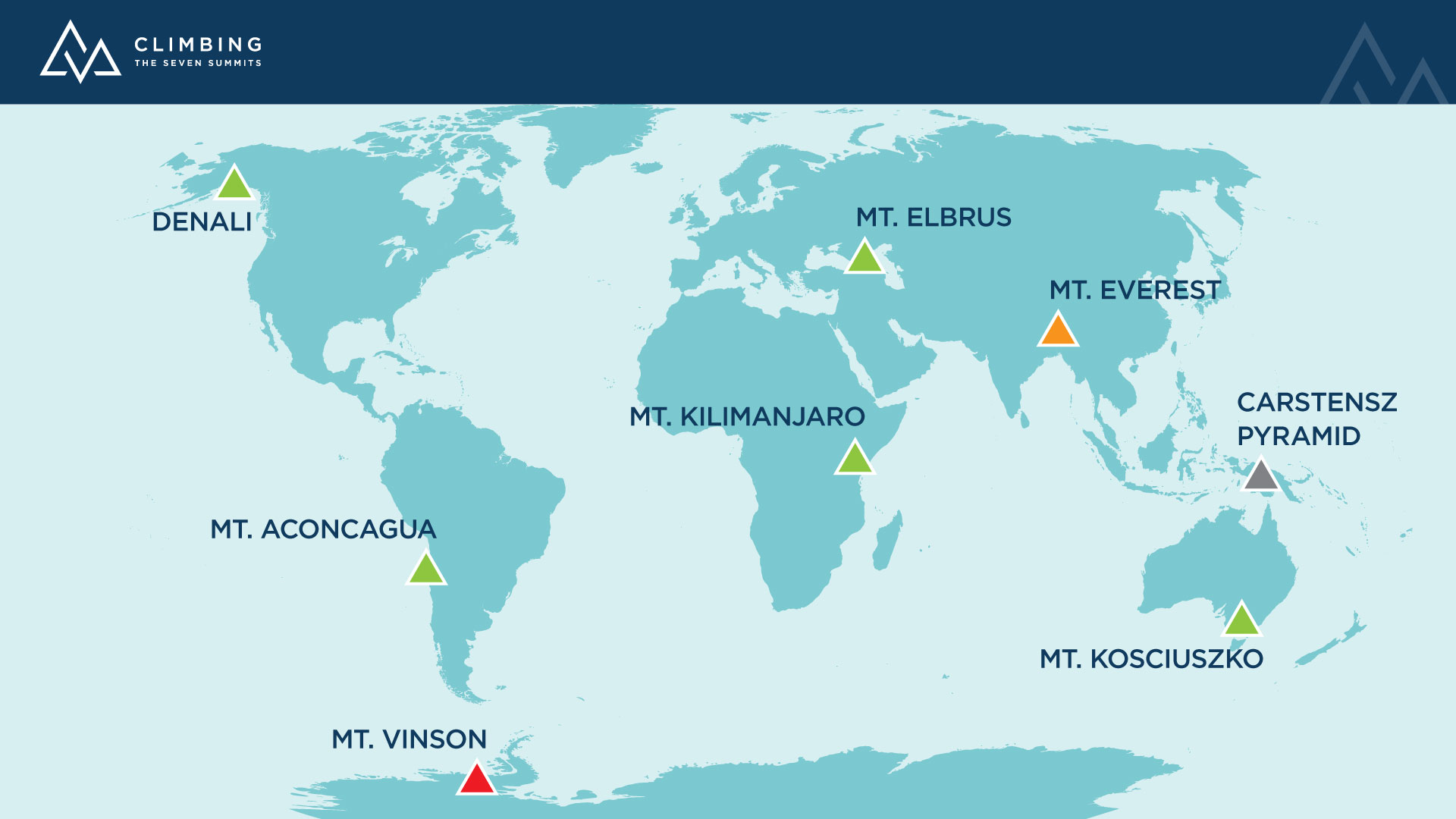
Listed in order of continental landmass, the Seven Summits are:
Asia: Mount Everest
(29,035ft | 8,848m)
Africa: Mount Kilimanjaro
(19,340ft | 5,895m)
North America: Denali
(20,320ft | 6,194m)
South America: Aconcagua
(22,841ft | 6962m)
Antarctica: Vinson Massif
(16,050ft | 4892m)
Europe: Mount Elbrus
(18,510ft | 5642m)
Australia: Mount Kosciuszko
(7,310ft | 2228m)
Australasia: Carstensz Pyramid
(16,023ft | 4884m)
Note: The definition of a continent varies, which is why some climbers recognize an alternate seventh summit. As a result, you may see eight peaks listed when discussing the Seven Summits.
The Seven Summits by Continent
What Order Should I Climb the Seven Summits?
There is no single correct order to complete the Seven Summits, but most climbers follow a progression from lower-altitude and less technical peaks to higher and more demanding objectives.
The beauty of the Seven Summits is that the challenge naturally supports progression, from beginner adventurers through to highly experienced climbers, making it a monumental goal that can be pursued by a wide range of people.
There are lots of ways to tackle the Seven Summits and the progression you take will depend on your individual situation (time constraints, financial constraints, family/life/work situation). Everyone is different and there is no one-size-fits-all approach.
Most climbers tend to tackle the a goal starting from easiest to hardest, from lowest altitude to highest, or by trying to group expeditions by region. For instance, new climbers can start with smaller, shorter expeditions like Elbrus and work their way up to bigger, more committing climbs. These trips will give climbers an indication of how they will do on the more serious climbs and at higher altitudes. The financial and time burdens of these smaller expeditions are also less onerous than Mount Everest or Vinson Massif.
More experienced climbers might tackle the goal by grouping climbs in regions and capitalizing on prior climbs as training and acclimatization for the next one. For instance, they might go directly from Everest to Denali earlier in their goal as it suits their schedule/world travel plan.
Climbers will always have different opinions about which peaks are more serious and which should be tackled first, but ultimately the order is up to you as the individual.
A Common Seven Summits Progression
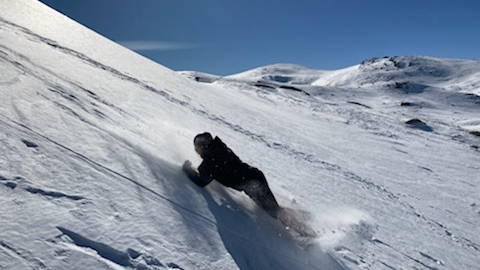
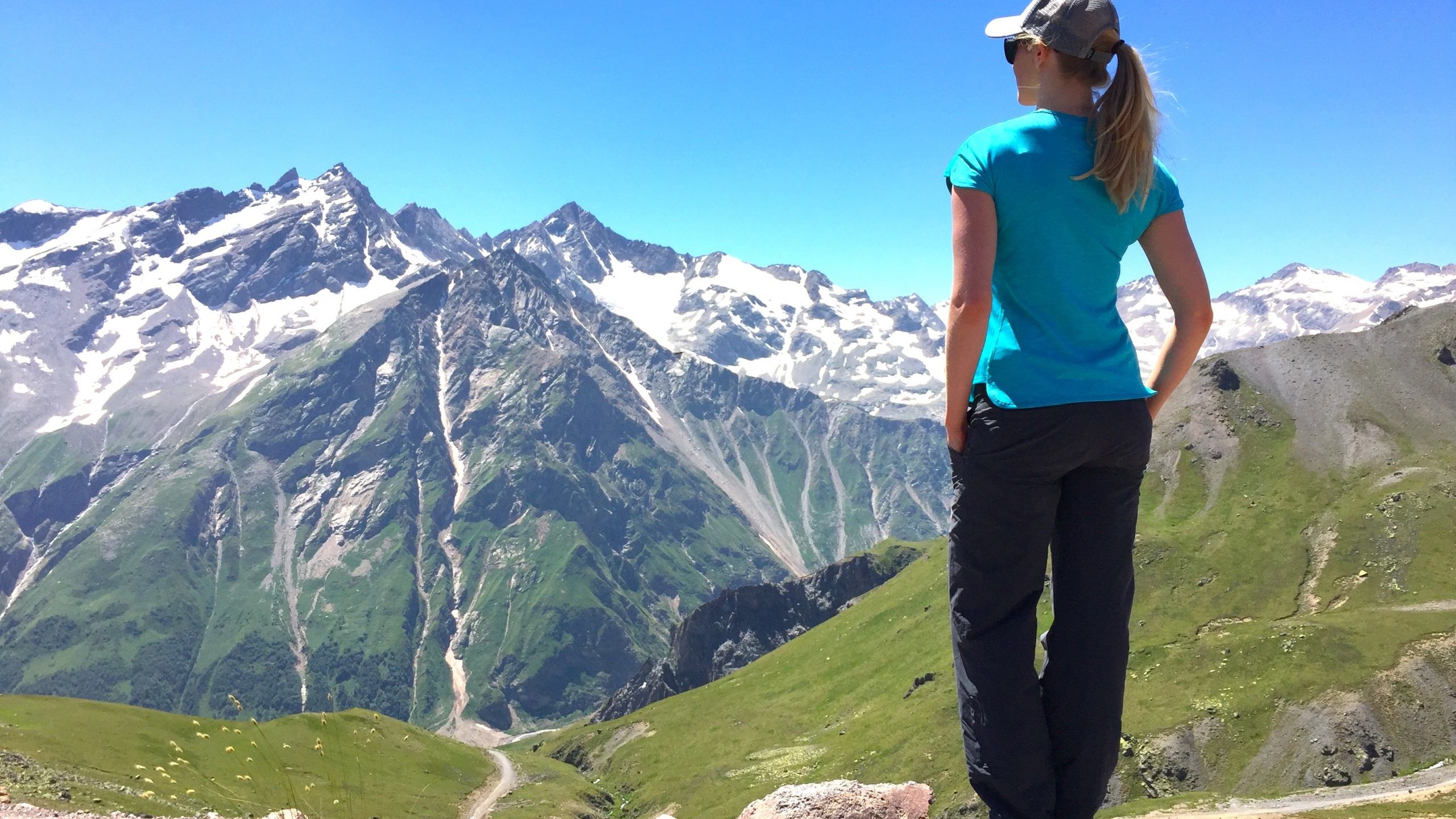
Step Three. Climb Mount Elbrus in Russia, which combines altitude with introductory mountaineering techniques and includes a full snow school en route to the summit. Due to current geopolitical restrictions, many climbers now complete Mont Blanc in the French Alps as a practical alternative that offers similar technical skill development and alpine experience.
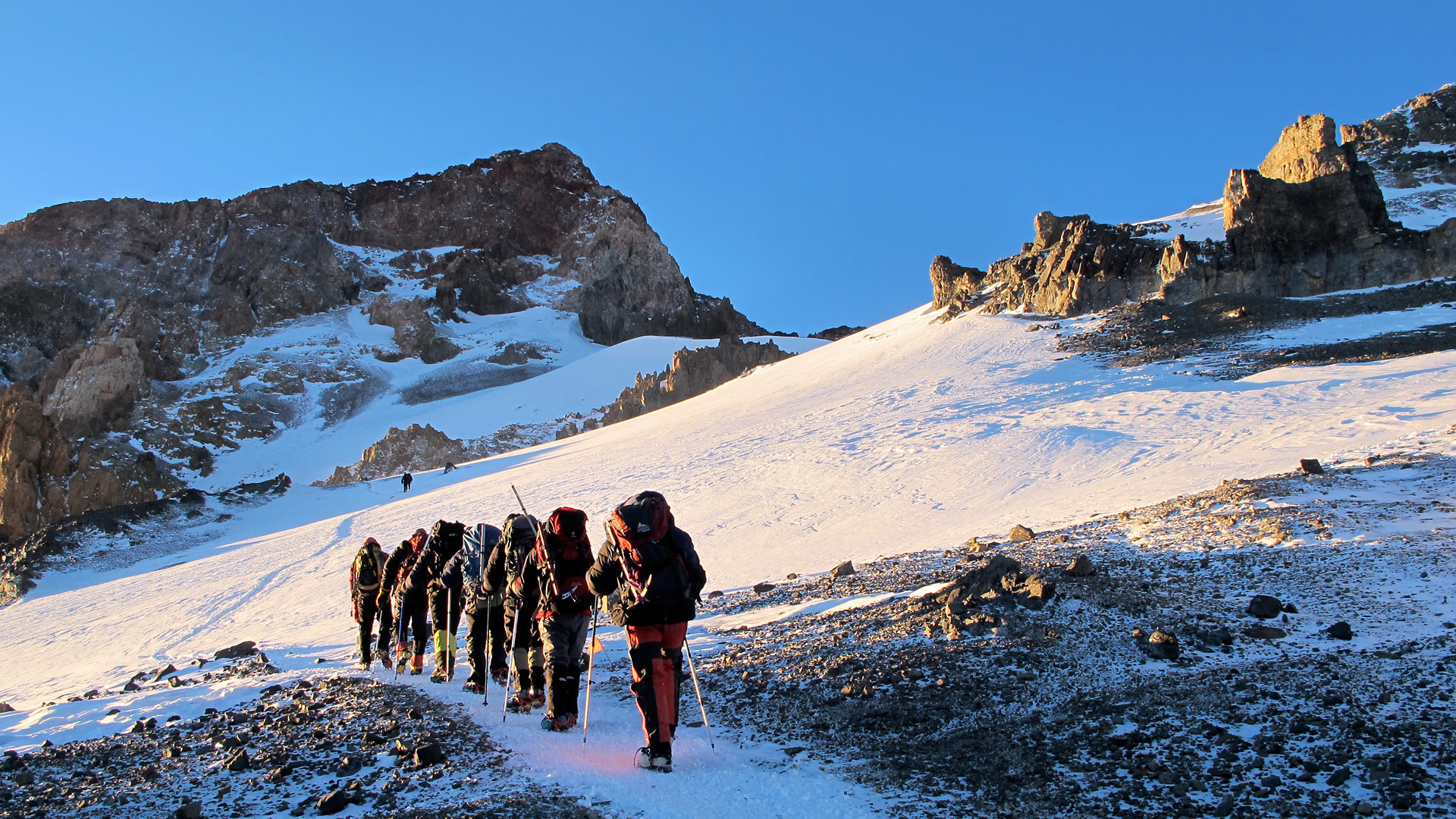
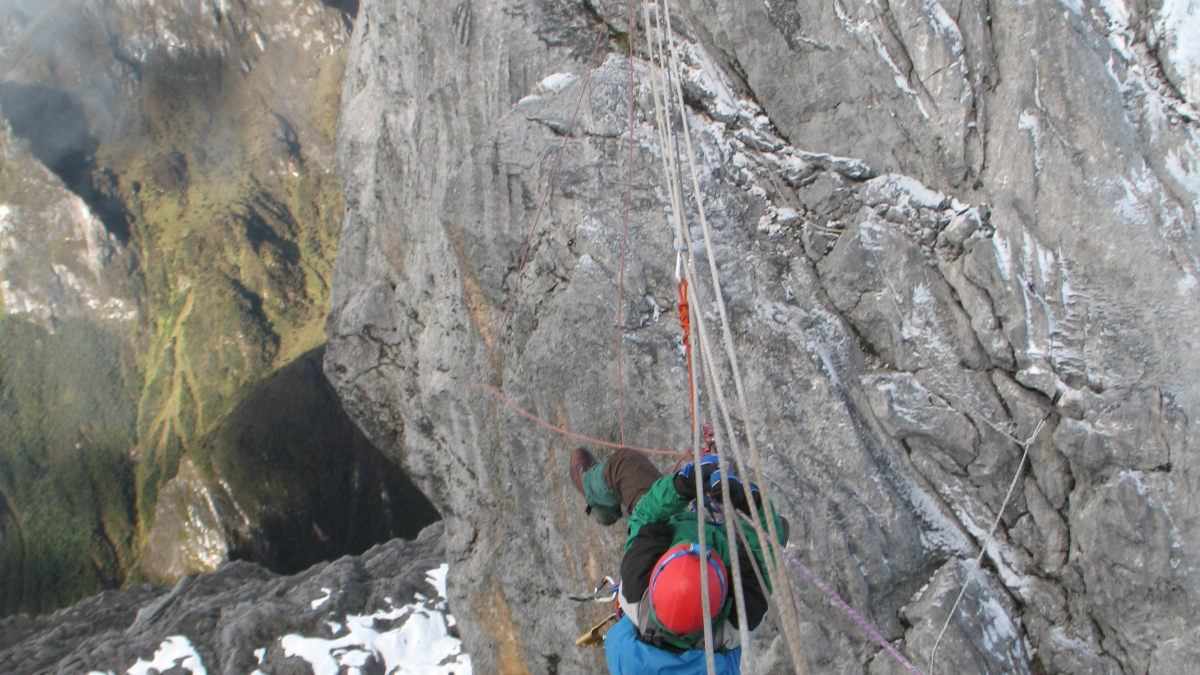
- Alpine skills training or a mountaineering course
- Mount Kilimanjaro
- Mount Elbrus (or Mont Blanc)
- Aconcagua
- Carstensz Pyramid
- Vinson Massif
- Denali
- An 8,000-meter training peak such as Manaslu or Cho Oyu
- Mount Everest
How Long Does It Take To Complete The Seven Summits?
Completing the Seven Summits can take anywhere from one year to several decades, depending on experience, availability, and resources.
Most climbers complete the Seven Summits over two to five years, balancing expedition seasons, training time, finances, and personal commitments
When you’re ready to plan your Seven Summits goal, our team can help you build a realistic timeline that fits your life, whether you’re pursuing a fast-track objective or chipping away at the challenge over a decade or more.
How Much Does It Cost to Climb the Seven Summits?
Completing the entire Seven Summits is a significant financial, physical, and time commitment. The total cost depends on how you approach the project, your experience level, and your preferred climbing style.
The most cost-effective way to tackle the Seven Summits is by joining our regularly scheduled team expeditions. That said, many climbers choose to customize their timeline through private expeditions that better suit their availability and long-term goals.
Committing to multiple expeditions, or planning your full Seven Summits journey with us, may also open the door to multi-expedition discounts. We’re always happy to talk through pricing options and help you build a plan that makes sense financially.
Special considerations on gear: To stay economical, we recommend taking a thoughtful approach to purchasing gear for the Seven Summits. Much of the equipment you buy can be used across multiple expeditions, so it’s important to capitalize on these efficiencies when building your kit.
For more guidance on gear budgeting, check out our blog: How to Build Your Mountain Kit Without Breaking the Bank.
What Experience Do I Need for the Seven Summits?
The Seven Summits is a progression goal meaning you don’t need prior experience to get started.
That said, having—or building—a solid foundation in alpine, ice, and rock climbing techniques is a major advantage. The benefit of the Seven Summits challenge is that these skills and your physical strength can be developed gradually as you move from smaller objectives to larger expeditions.
Mentally, climbers should be comfortable spending extended time away from home and work, enjoy rugged adventure travel, and be able to manage stress in demanding environments. Being open to guidance and working well within a team are also essential components of long-term success.
On the earlier peaks, climbers progressively build the technical and expedition skills required for the larger and more complex mountains.
Key Skills Developed Throughout the Seven Summits Journey
These skills are developed progressively across the Seven Summits, beginning on lower-altitude objectives and building toward more technical and committing expeditions.
Glacier & Snow Travel
- Roped glacier travel
- Rigging for glacier travel with a sled
- Cramponing techniques
- Ice axe techniques
- Self-arrest and team arrest
- Crevasse rescue systems
- GPS use and route finding
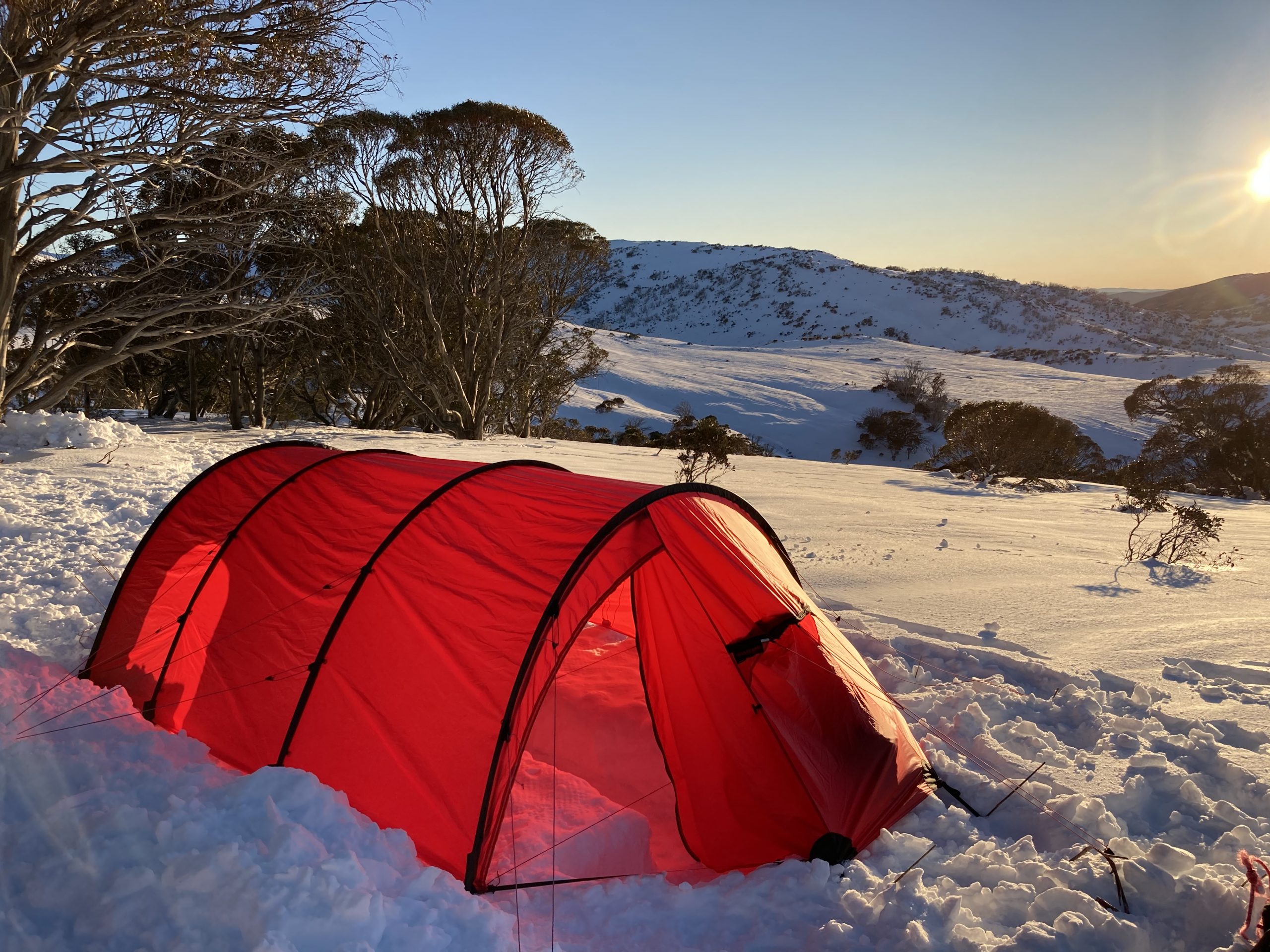
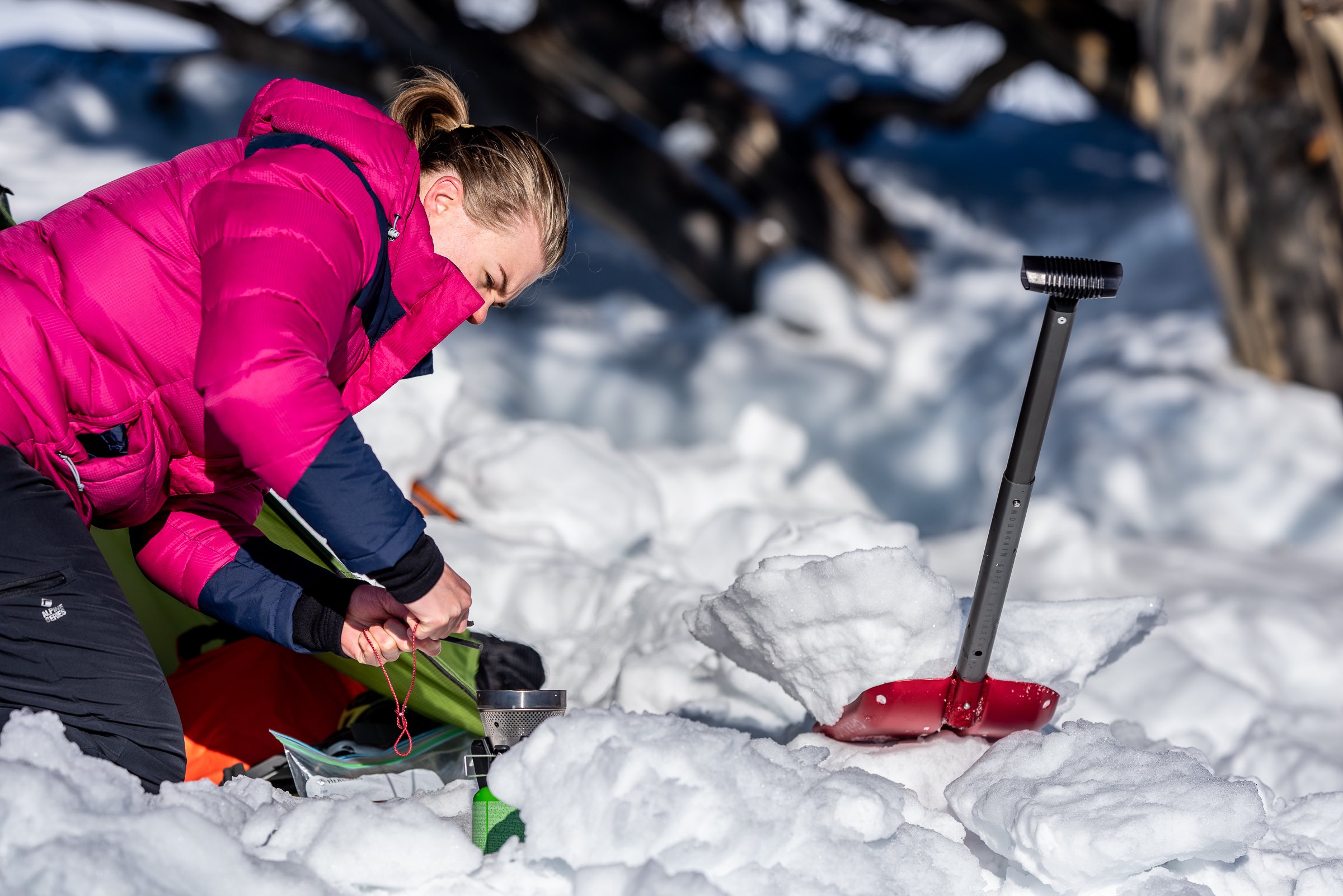
- Camp setup and breakdown
- Layering systems and clothing management
- Packing and organizing an expedition pack
- Snow, ice, and rock anchors
- Running belays
- Fixed-line ascension (jumar systems)
- Descending and traversing fixed lines
- Rappelling techniques
High-Altitude & Expedition Skills
- Altitude illness awareness and prevention
- Rest step and pressure breathing
- Pacing and movement efficiency
- Heavy pack carries
- Cold-weather expedition strategy
How Should I Train for the Seven Summits?
Completing the Seven Summits is a challenge even for extremely fit individuals. If you have the desire to take on this goal, building strong fitness, and maintaining it over a long period of time, is essential. This includes a high level of climbing-specific fitness, aerobic capacity, and overall strength.
Your training should closely simulate what you will be doing on the mountain. Traditional gym workouts, bodybuilding programs, or general fitness plans are not targeted enough on their own. While some expeditions are easier than others or require different types of fitness, such as rock climbing or heavy load carries, the most effective way to train for climbing is to climb.
There is no substitute for time in the mountains. The more you climb, the more prepared you will be for expedition environments. Smaller, more approachable peaks help build this foundation, but each expedition still requires focused and intentional training.
As a general rule, climbers should be capable of carrying heavy loads or pulling sleds for six to ten hours per day, across multiple consecutive days. Summit days on many of the Seven Summits involve 3,000–5,000 feet (1,000–2,000 meters) of elevation gain and can last 10 to 20 hours.
Outside of climbing itself, one of the most effective training tools is long hiking days with significant elevation gain. Aim to do these at least once per week, often lasting five to ten hours at a time. When possible, completing multiple long days back-to-back on weekends is an excellent way to simulate the sustained effort required in the mountains.
For success you should:
- Begin structured, expedition-specific training at least six months before your first departure
- Commit time to training five to six days per week
- Be comfortable hiking 1,500 vertical feet per hour with a 20 lb pack
- Focus on high-volume, low-intensity training
- Remember that high-altitude climbing is built on endurance, not short bursts of power
Rest is also a critical part of training. Be sure to taper your workouts and allow several days of recovery before departing for an expedition, as long travel days and jet lag can place additional stress on the body. Most importantly, avoid overtraining leading into your climb, as exhaustion or injury before the expedition can significantly impact performance.
We’ve found that climbers who are most successful often work with experienced mountaineering coaches who design mountain-specific training plans tailored to individual goals, schedules, and lifestyles.
For a deeper dive into how to train effectively for long days, heavy loads, and high altitude, we recommend our Fitness Training for Mountaineers CTSS webinar.

Hear From Climbers Who’ve Completed the Seven Summits With CTSS
Read real experiences from climbers at every stage of their journey.
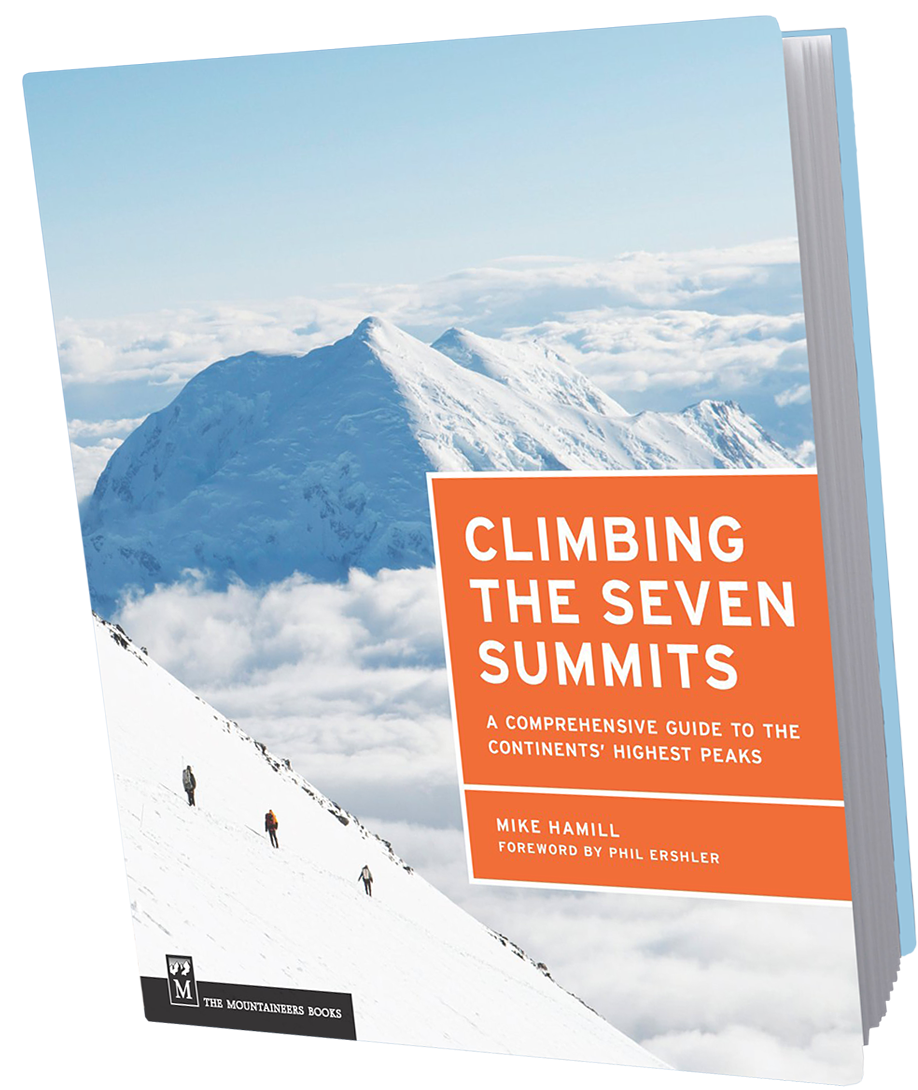
The Seven Summits Guidebook
The first and only comprehensive Guide book to climbing all Seven Summits
Essential information on primary climbing routes and travel logistics for mountaineers
Includes the ‘8th' summit (Carstensz Pyramid)
High altitude tips, gear recommendations, in-depth descriptions, cost estimations etc
Authored by CTSS Owner, Mike Hamill
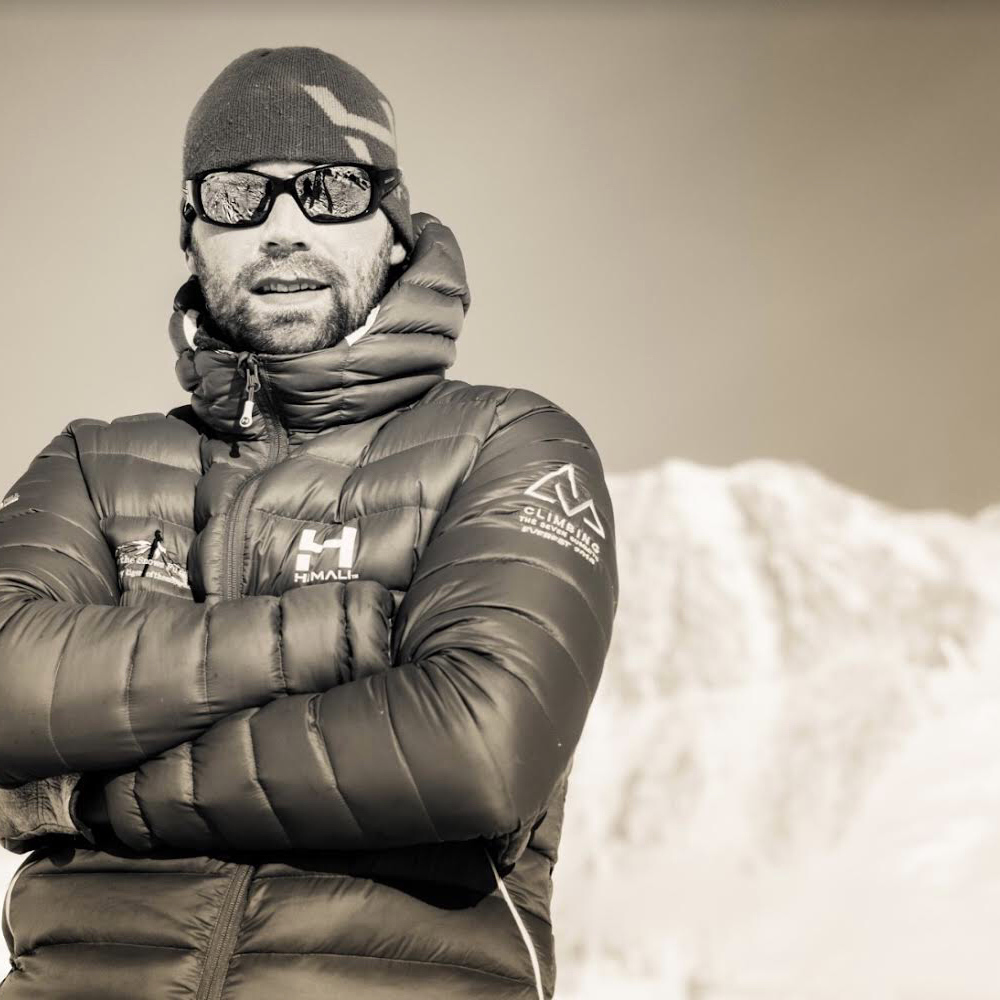
Owner & Lead Guide, Mike Hamill personally oversees every CTSS expedition alongside his handpicked team.
6x laps of the Seven Summits including 6x summits of Everest, (his fastest circuit in just over 200 days!)
One of the world’s premier high altitude mountain guides with over 20 years of experience
Literally wrote the guide book ‘Climbing the Seven Summits
130+ expeditions under Mike’s leadership, maintaining a 91% expedition summit rate
200+ climbers on top of 8000m peaks under Mike’s guidance
6x Reasons to Choose CTSS
Safety
Your safety and success are our top priorities, in that order. We make conservative decisions, plan redundancies, and all our guides have wilderness medical training, safety and rescue plans, and access to doctors around the clock to help keep you safe.
Value for $
We keep our overheads low to pass savings on to you. We are proud to offer the best service at the most competitive price, without compromising on safety or taking shortcuts in logistics, staffing, or infrastructure.
Holistic Approach
Our service goes far beyond the mountain. Think of us as your climbing coach; we'll be there from start to finish to prepare, debrief, and plan your progression as a mountaineer, whether your goal is a single summit or the Seven Summits.
Guides & Team
Guides can make or break your climb. We hand-pick the most qualified, tenured, tested, and personable guides and Sherpas in the world. Owner and mountaineer Mike Hamill personally oversees the logistics and management of each expedition.
Our Values
We care about you, our people, and the planet. A portion of every expedition goes to the Tiger of the Snows Fund, supporting outdoor tourism workers and their families. We follow strict Leave No Trace principles and live by our No D*ckheads Policy, because who you climb with matters.
Success
We have an unparalleled summit success rate. How? We do it in a myriad of ways; like a great chef's secret sauce, we've fine-tuned the recipe over decades. Most importantly, we believe in you & your ability to achieve your goals, and we are invested in putting you on top.