What Makes CTSS Different on Mount Everest: Our Seven Secret Sauces
This is the recipe behind our consistent success on Everest and what we do differently from every other guide service.
Every climber arrives with a different background, different strengths and weaknesses, a different pace, and their own set of goals. While every expedition shares the same backbone of world-class logistics, safety systems, and experienced guidance, the climb itself should expand beyond that and be shaped around the individual climber, not the guide service.
Before founding Climbing the Seven Summits, Mike Hamill spent a decade guiding Everest expeditions for other companies. Over those ten expeditions, he saw clearly what worked, what didn’t, and most importantly, what caused climbers to fall short after investing so much time, money, and heart into their dream. Many expeditions were bare-bones operations. Climbers were placed into a one-size-fits-all system and expected to adapt. Comfort was rarely part of the equation. Base Camp was often cold, wet, damp, and dark.
During the long stretches between rotations, climbers spent weeks simply enduring the environment. Motivation dropped. Focus faded. Morale slipped. People lost weight, got sick, and slowly lost their strength and resolve. By the time the summit bid arrived nearly six weeks later, many climbers were no longer in the physical or psychological shape needed to perform on game day.
This environment led Mike to a simple realization: well-rested, well-fed, healthy, and mentally positive climbers consistently climbed better. Comfort and recovery were not luxuries. They were strategic advantages that directly affected performance. That insight became the foundation of CTSS.
Mike set out to build an expedition company that prioritized climber safety and success and then layered in customization, team culture, and a deep understanding of what helps people perform better in the mountains. Over time, CTSS began implementing upgrades that many operators dismiss, and sometimes openly criticize, as unnecessary or soft. We see these upgrades differently. For us, they are non-negotiables.
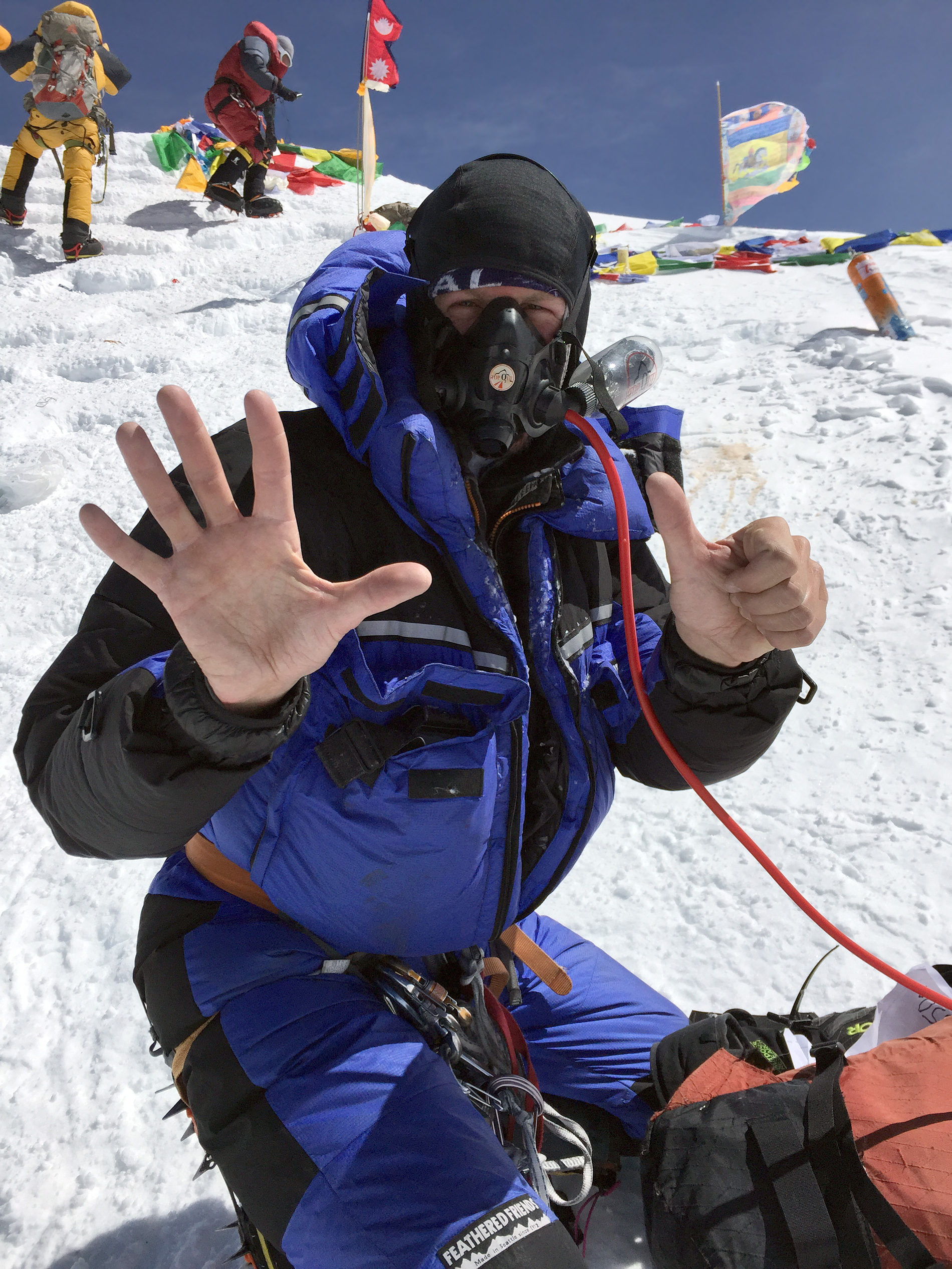
Across the CTSS program roster, that philosophy shows up in different ways. On Mount Baker, it might be bacon at breakfast. On Aconcagua, it might be fresh asado at Base Camp. On Everest, it includes heat, comfortable hangout tents, a barista, upgraded accommodations, and systems designed to help climbers thrive rather than slowly deteriorate during a two-month expedition.
The strategy works. Climbers on CTSS teams consistently stay healthier, happier, and stronger for summit pushes. On Everest in particular, these elements become even more important. The mountain, the altitude, and the duration demand a level of precision and strategy unlike anywhere else.
Over time, we identified seven elements that shape every CTSS Everest expedition. Seven principles that influence how we structure teams, manage resources, support climbers, and move through the season.
Together, they form what we call the Seven Secret Sauces, which is why CTSS has become the most consistently successful team on the mountain.
Everest Secret Sauce #1: Customization
CTSS does not force climbers into a single model. Instead, every Everest expedition begins with a shared foundation of strong logistics, built-in redundancies, and great guides, and then branches into distinct program families designed to match how different climbers move and operate on the mountain as well as what will bring out the best in each of them.
As a whole, CTSS is like a large extended family that shares resources, knowledge, and culture. Within that larger family, there are smaller immediate families: the people you eat every meal with, climb with day-to-day, and build your rhythm with, over the duration of the expedition.
Distinct CTSS program families include:
- Western & International Guided Teams: Our traditional team program, with an average ratio of 1 guide to 4 climbers. Built around camaraderie and shared experience. This remains the most popular and, historically, the most successful CTSS program. It suits climbers who thrive in a team environment and benefit from a brother-and-sister-in-arms approach.
- One-to-One Private Climbers: Guided privately one-on-one by an international or Nepali guide. This program is ideal for climbers who know what pace works best for them and want flexibility around the rotation schedule and decision-making. These climbers form their own family unit with their guide, while still enjoying camaraderie with other 1:1 climbers within the broader team.
- Autonomous Climbers: Deeply experienced climbers who want strong logistical support and oversight without traditional guiding. Many combine Everest with additional objectives, such as Lhotse, or arrive with a specific goal that requires a structure that supports greater independence.
- Speed Climbers: Climbers who arrive pre-acclimatized and need a framework designed around a shorter on-the-ground timeline.
For more details on customizations, check out our Everest 2026 Price and Program Guide.
When climbers are placed in the right family, expectations align. Pace, communication style, level of independence, and goals match rather than clash throughout the expedition. Climbers thrive alongside like-minded teammates who approach the mountain in a similar way.
Customization determines the fit. Resources determine the strength behind it.
Everest Secret Sauce #2: Resources
Each family arrives on its own staggered schedule and follows its own climbing strategy. Teams move at the pace that suits them rather than being tied into large, inflexible pushes. This avoids the long cattle-train effect that can develop on busy summit days, where climbers with different abilities, pacing, and preparation levels are all lumped in together moving through the same bottlenecks.
Our smaller families plug into a much larger infrastructure behind the scenes. The scale of the extended family allows us to pool resources and invest more heavily in staff, amenities, advanced forecasting, deep oxygen reserves, and redundancy than most small teams operating on their own.
The depth of that resource pool creates genuine redundancy. CTSS fields approximately 50 to 60 Sherpas each season and maintains additional oxygen at multiple camps, including the South Col. Our teams have the personnel and equipment to respond to problems in real time and assist climbers without relying on other expeditions.
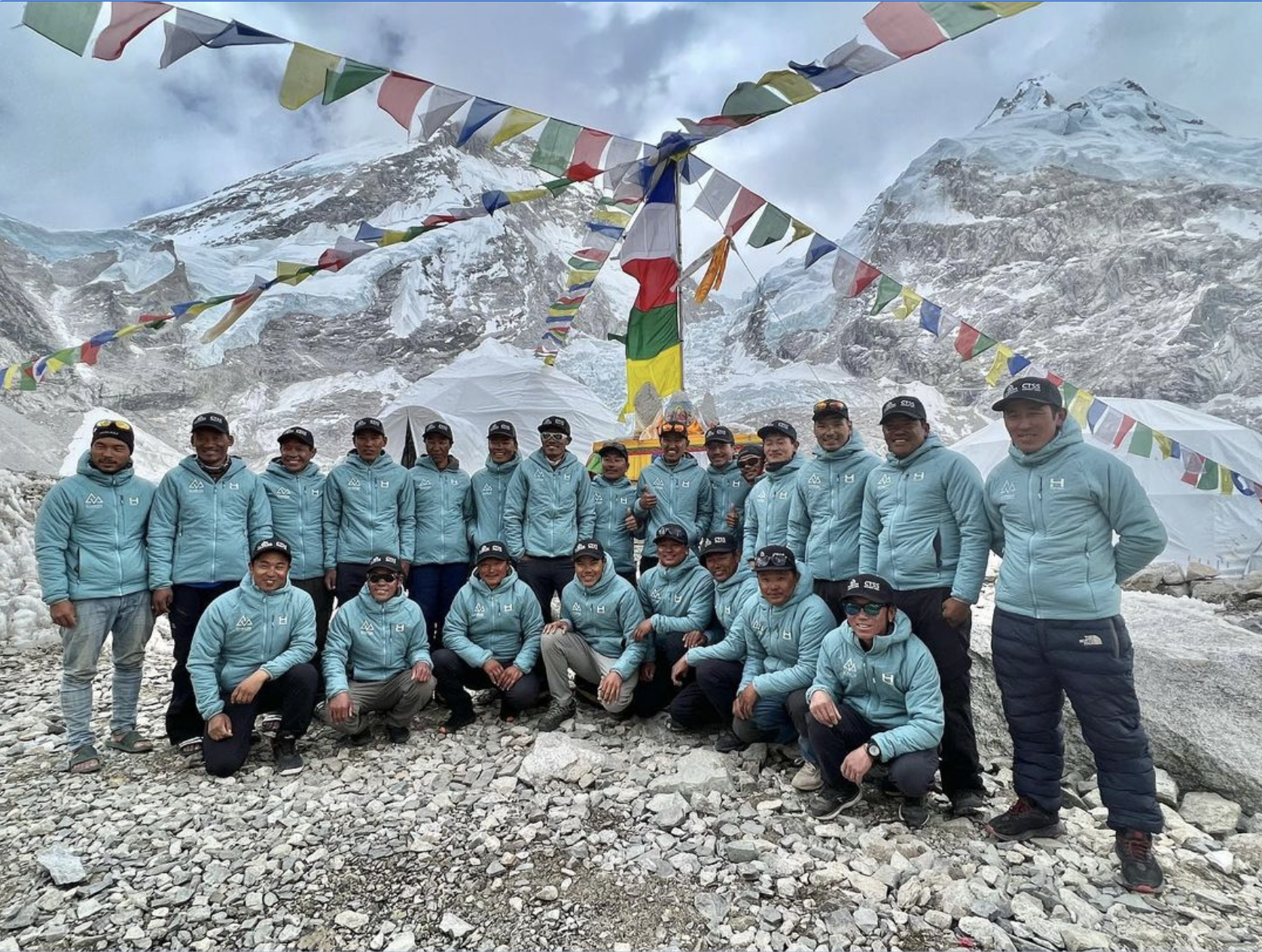
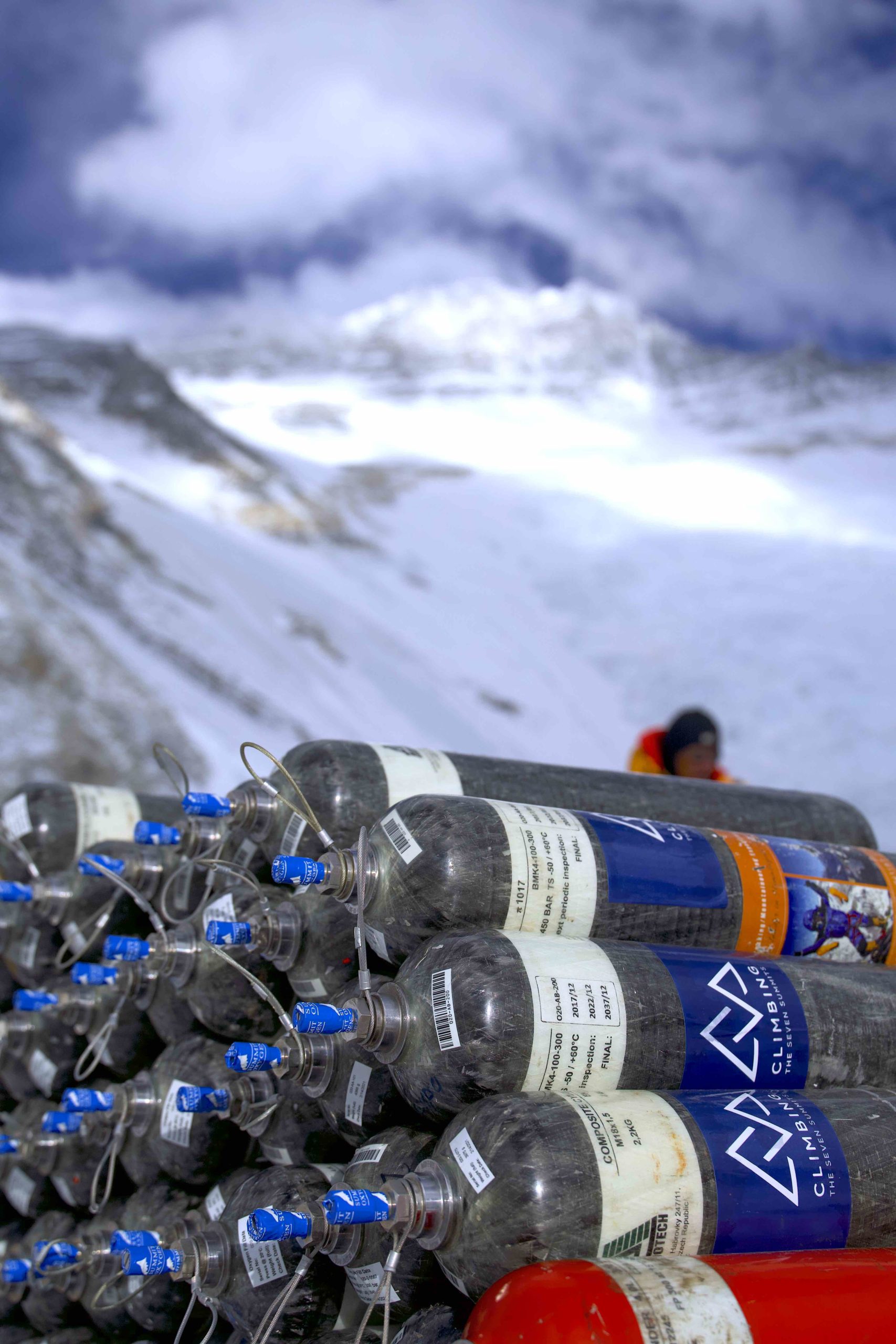
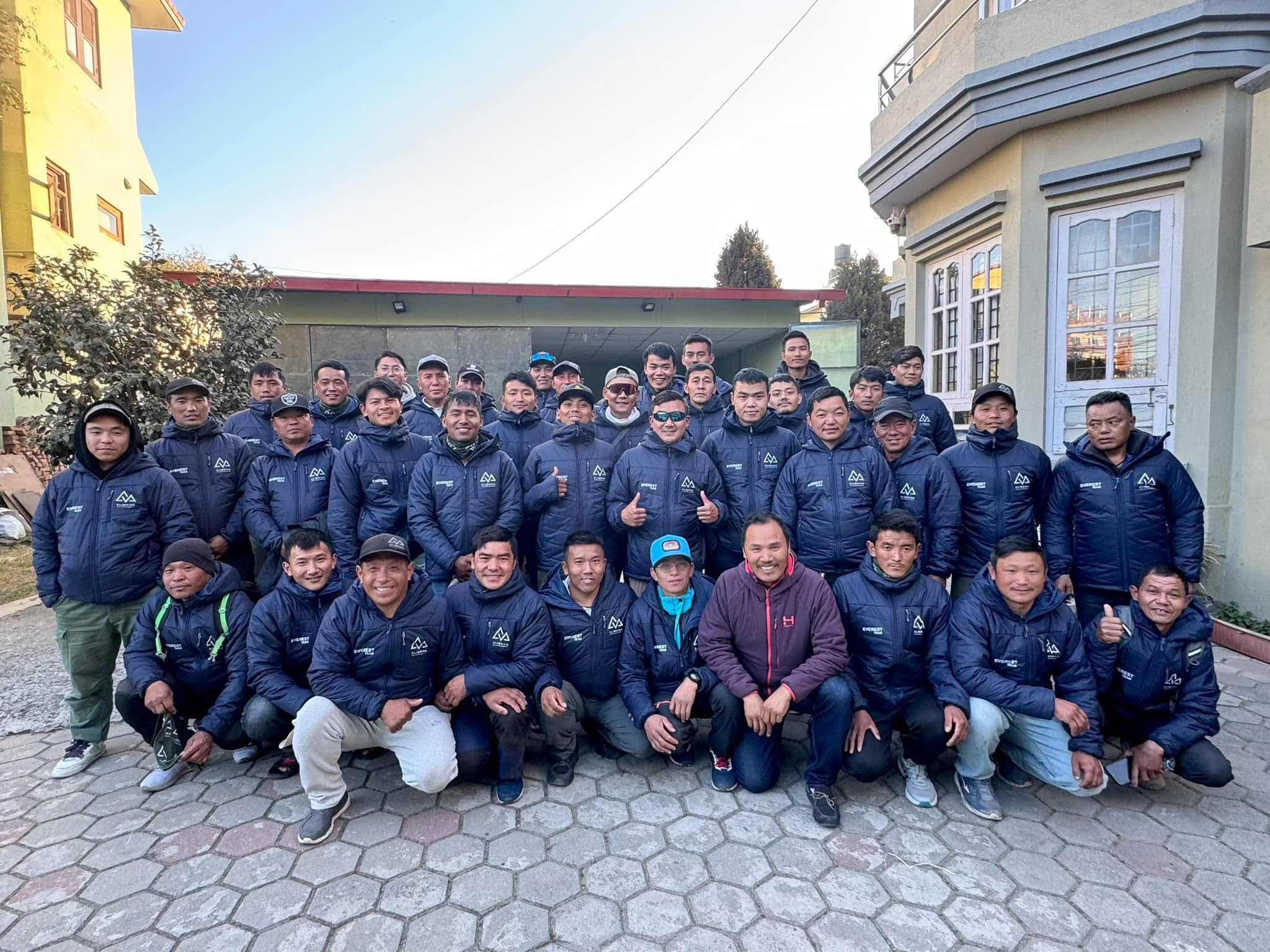
On Everest, many smaller operators that lack resources must rely on neighboring operators when issues arise, whereas CTSS is designed to be largely self-sufficient. That independence provides an important safety margin and allows our teams to keep moving even when conditions change. This depth of staffing and the independent movement of the various family teams means help is never far away, and critical decisions are supported by experienced eyes across the mountain.
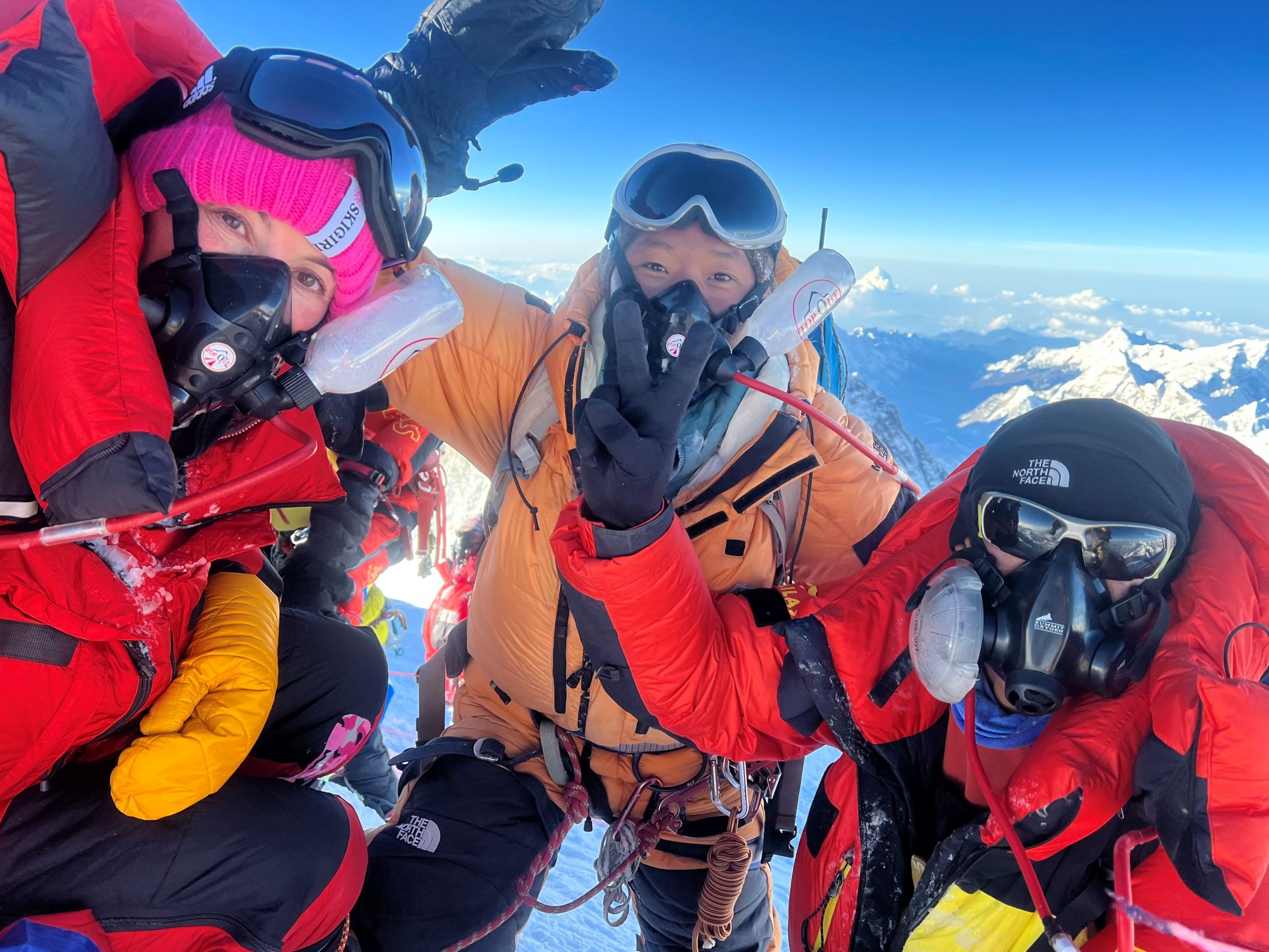
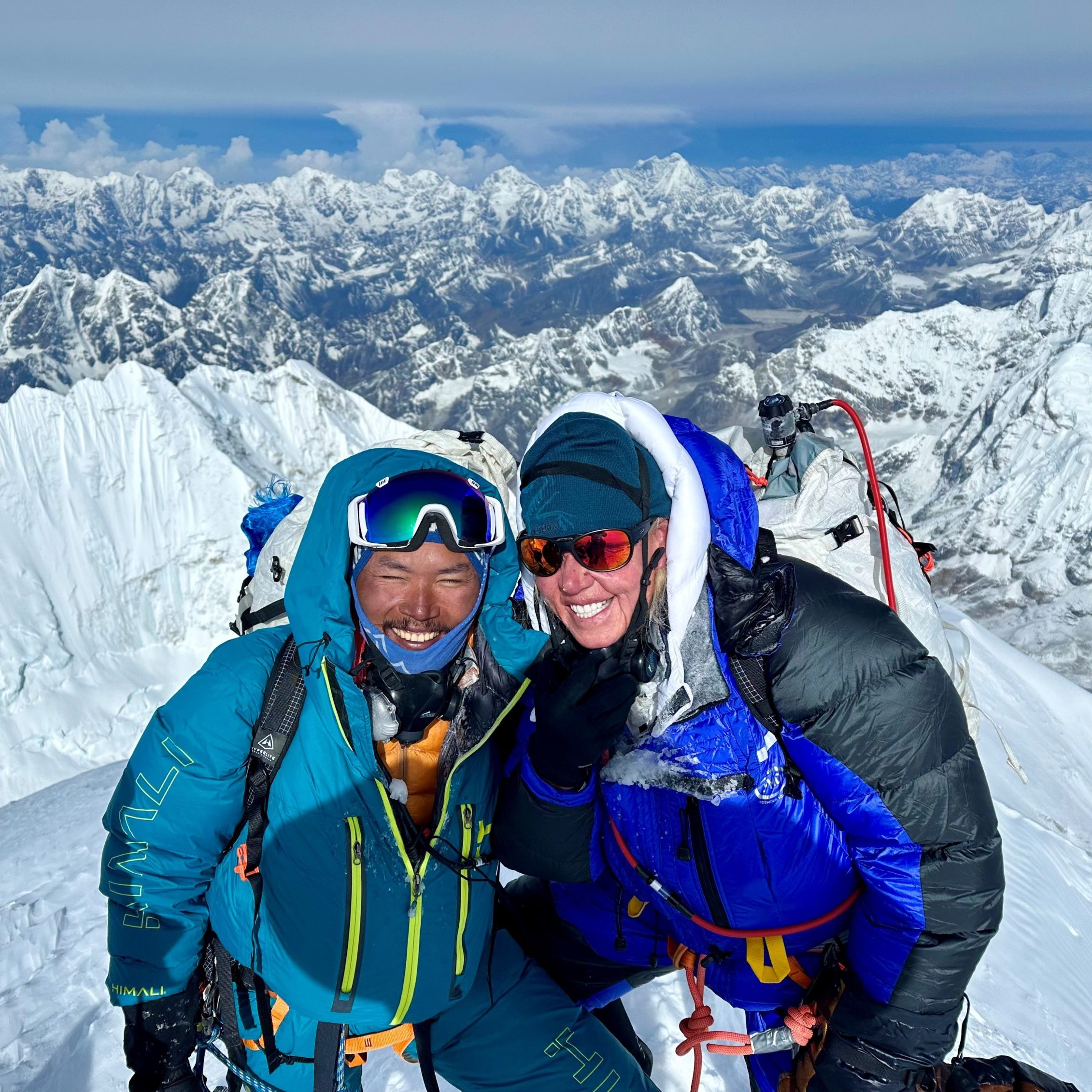
The staggered families and greater resources also mean another wave is coming. This structure often becomes most visible when plans change. Julie McKelvey’s experience, a Seven Summits finisher and Everest summiteer in 2024, illustrates it clearly. After falling ill and flying to Kathmandu, she recovered, returned, and still summited in a quiet late-season window because the CTSS system had room for her to re-enter the climb with another family.
This model is built for real conditions and real people, and that flexibility consistently supports climbers when it matters most. The result is a system where climbers experience the cohesion and feeling of a small team while benefiting from the strength, redundancy, and safety of a much larger infrastructure.
Resources build capability. Structure determines how effectively those resources flow through the team.
Everest Secret Sauce #3: Team Structure
At CTSS, leadership roles are deliberately structured so that no single person carries too many responsibilities. Critical roles are clearly defined, and responsibilities are distributed among experienced leaders, ensuring there is no single point of failure. The system allows leadership to simultaneously manage granular details and the overall, long-term strategic goals.
Key roles within the CTSS leadership structure include:
Mike Hamill – Expedition Leader: Mike oversees the expedition’s overall strategy and timing from Base Camp. His role is similar to an air traffic controller, tracking the movement of all teams across the mountain, monitoring conditions, and coordinating summit windows so climbers move efficiently and safely through each phase of the expedition.
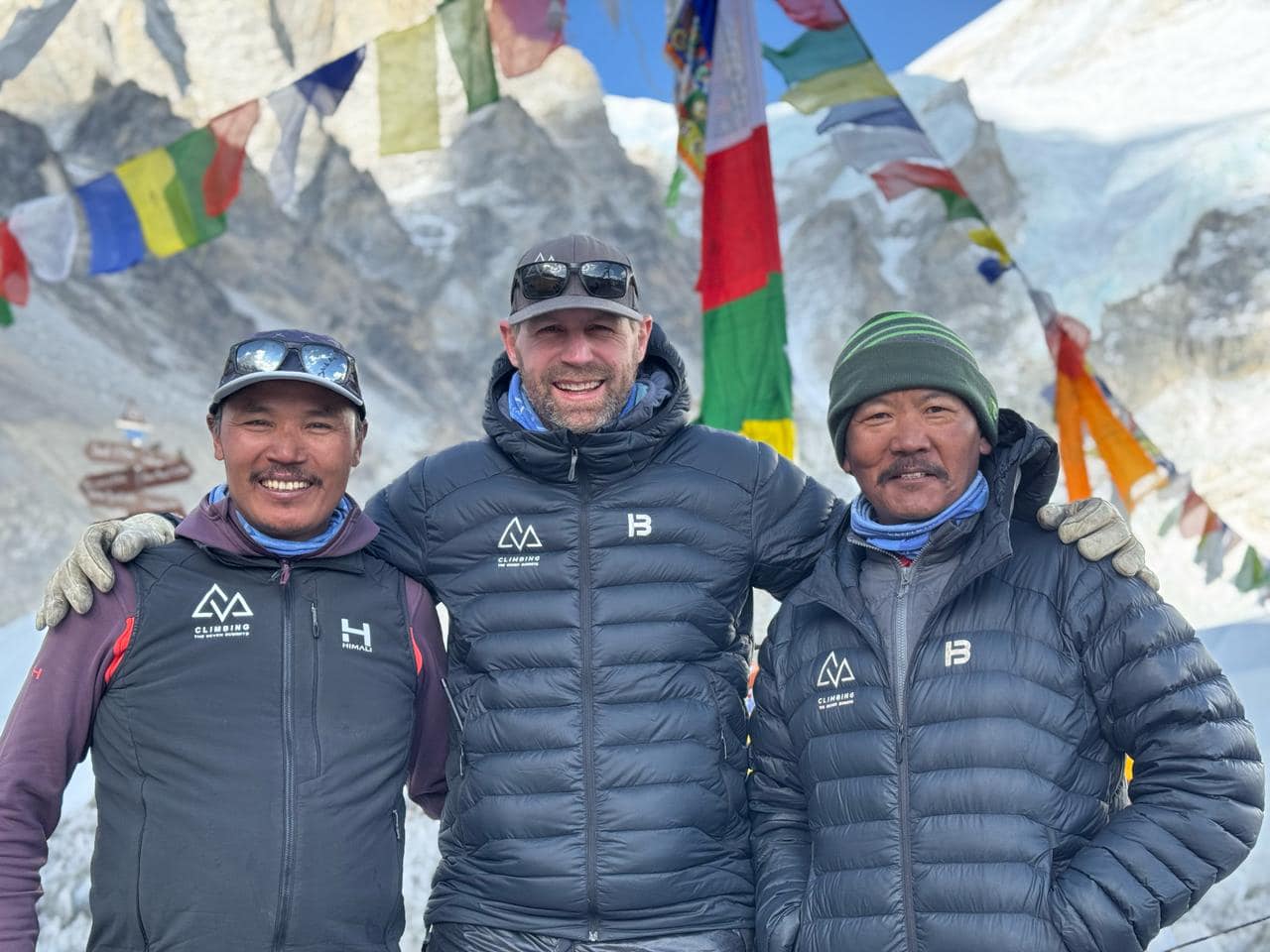
From Base Camp, he maintains a broad perspective that is difficult to see while climbing. Weather forecasts, route conditions, team health, acclimatization, oxygen logistics, and crowd dynamics are constantly assessed to determine when teams should move, wait, or change plans.
Mike’s job is very deliberately NOT to climb every step with every team, but to maintain the big-picture oversight and guide teams toward the best possible summit opportunities while avoiding any unnecessary risk.
With more than 20 years of Everest expeditions under his belt, his role is ultimately about judgment: knowing when the mountain is offering a window, when patience will lead to a better opportunity, and when a conservative decision protects the long-term success of the team.
Tendi “Big Tendi” Sherpa – Nepali Co-Expedition Leader: Big Tendi oversees the Nepali side of the expedition and manages the Sherpa team that forms the operational backbone of the climb. He coordinates Sherpa staffing, rotations, load carries, and the many moving parts required to keep camps supplied and functioning throughout the season.
He also manages Base Camp systems and critical on-the-ground logistics, including helicopter operations for transport, resupply, rescue, and evacuation as needed. With dozens of Sherpa working across multiple camps on the mountain, his role ensures that the right people, equipment, and supplies are always where they need to be.
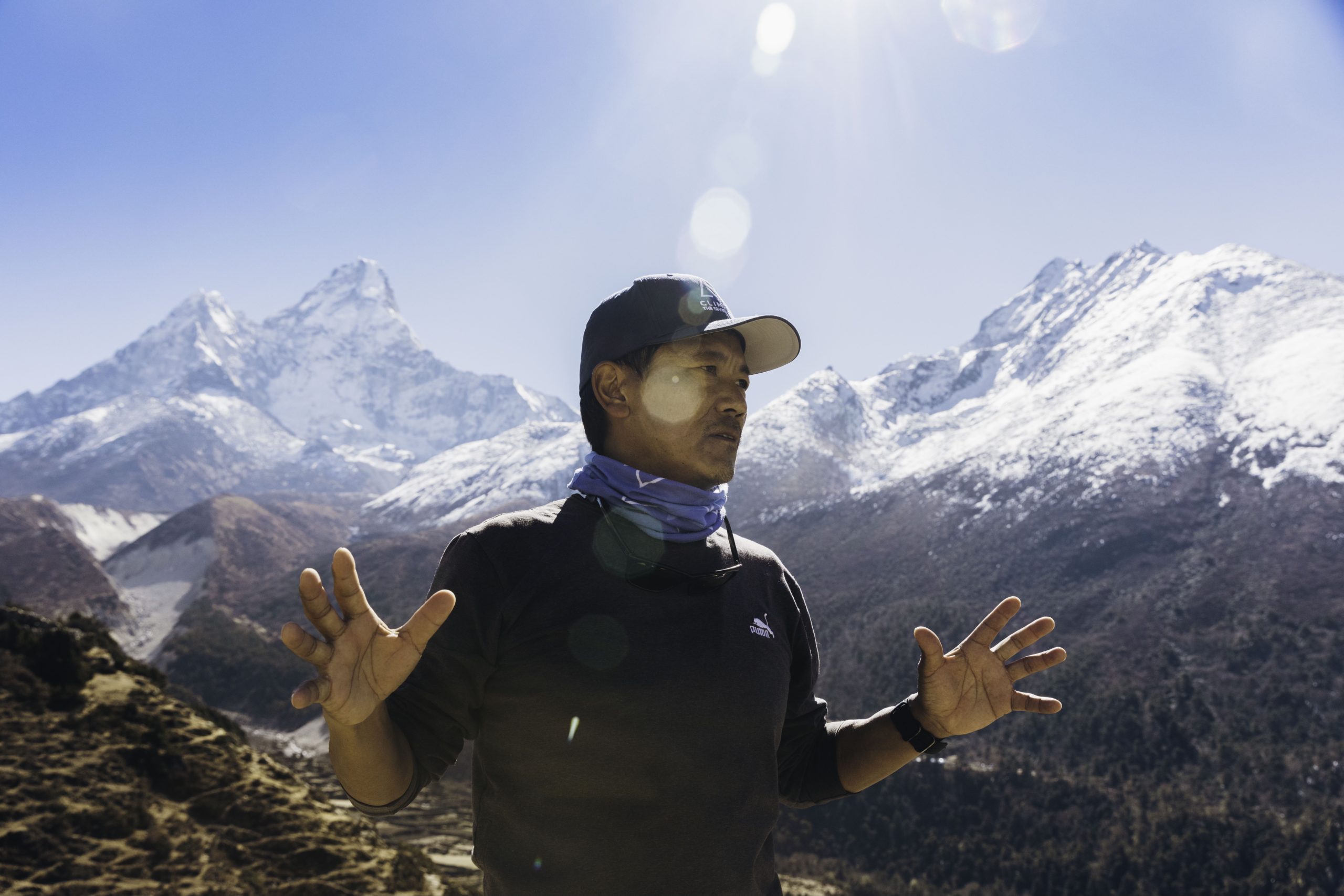
Equally important is his leadership within the Sherpa team itself. Big Tendi maintains cohesion, morale, and communication across a large and highly skilled workforce operating in one of the most demanding environments in the world.
He works closely with Mike to ensure the expedition functions as a unified system. Big Tendi also brings deep mountain judgment to the role. Many Sherpa climbers, including Big Tendi, grew up in the Khumbu Valley and have spent decades working on Everest and surrounding peaks. That lifelong familiarity with the terrain and the mountain’s subtle signals provides a level of instinct and situational awareness that is second to none.
Together, Mike and Big Tendi combine Western expedition leadership with the deep mountain knowledge and lived experience of the Sherpa community, bringing two complementary perspectives to the expedition’s leadership.
Tendi “Little Tendi” Sherpa – Co-Expedition Leader & Upper Mountain Sirdar: Little Tendi oversees all movement and logistics above Camp 2, coordinating Sherpa teams working between Camp 2, Camp 3, the South Col, and the summit. His role focuses on maintaining the upper mountain so summit rotations can move efficiently and safely.
Little Tendi is also one of CTSS’s most experienced lead guides on Everest, with 18 summits (and counting). That experience gives him an exceptional understanding of the terrain, pacing, and logistical demands of the upper mountain.
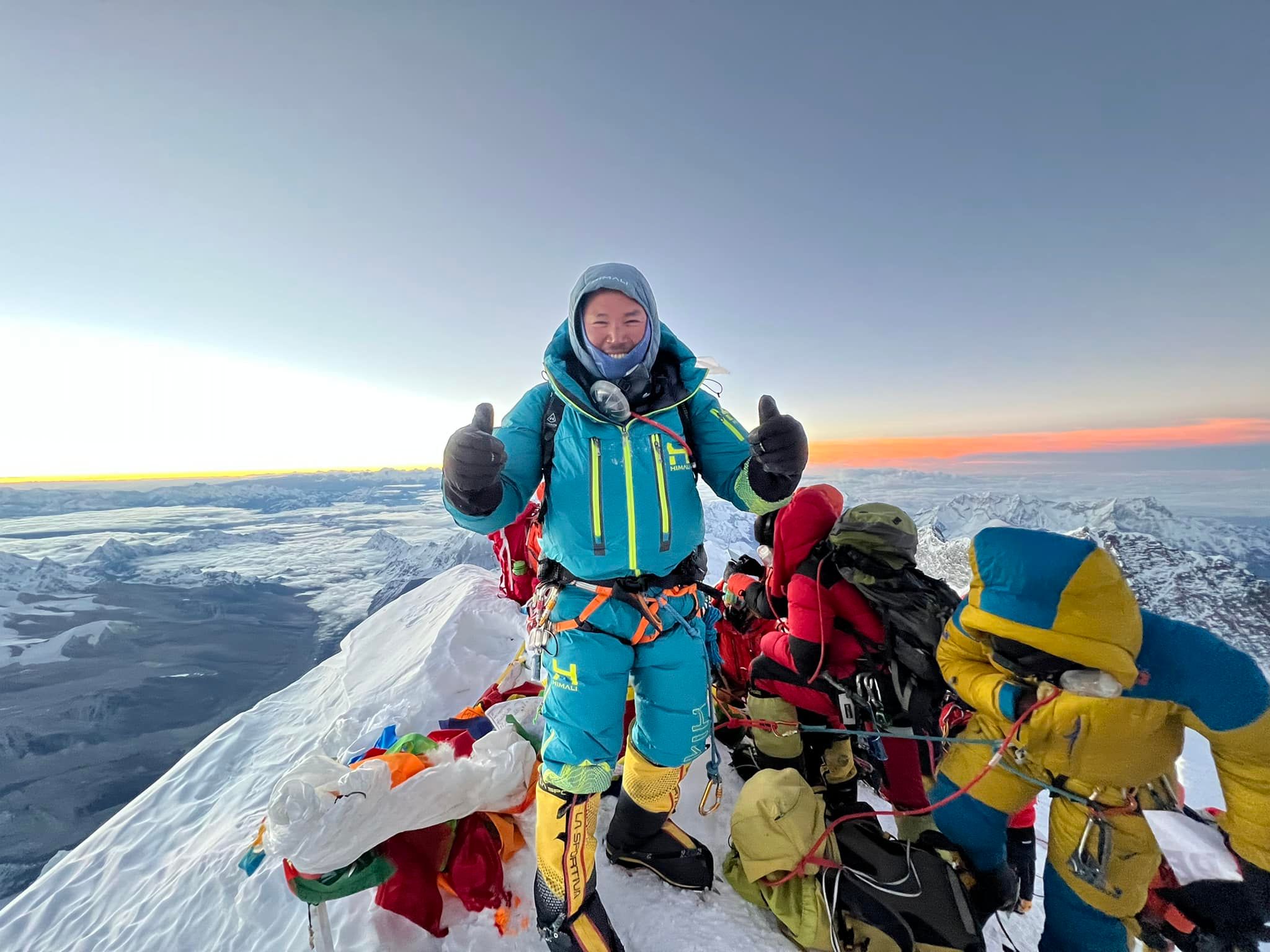
Few Everest expeditions dedicate a leadership role specifically to managing the upper mountain. At CTSS, having a dedicated Upper Mountain Sirdar ensures that the most challenging section of the climb continues to function smoothly during summit rotations, when climbers are operating at their physical limits.
Oxygen Manager at South Col: A dedicated and specialized role responsible for overseeing the South Col oxygen cache, tracking cylinder logistics, and maintaining security on the cache and redundancy for emergency and summit pushes. This alleviates additional logistical challenges as climbers move into the high camps.
International and Nepali Guides: For each climber, their guide is the most important relationship on the mountain. It is the person closest to them throughout the expedition, moving beside them through each stage of the climb, and helping them navigate the realities of the mountain.
While the broader CTSS leadership team manages the overall strategy of the expedition, guides focus 100% on their climbers’ needs and the moment-to-moment decisions that shape each day. They set the pace, monitor climbers’ health and fatigue, help manage cold exposure, troubleshoot, and ensure climbers continue to fuel and hydrate properly. They are constantly responding to the conditions unfolding around them.
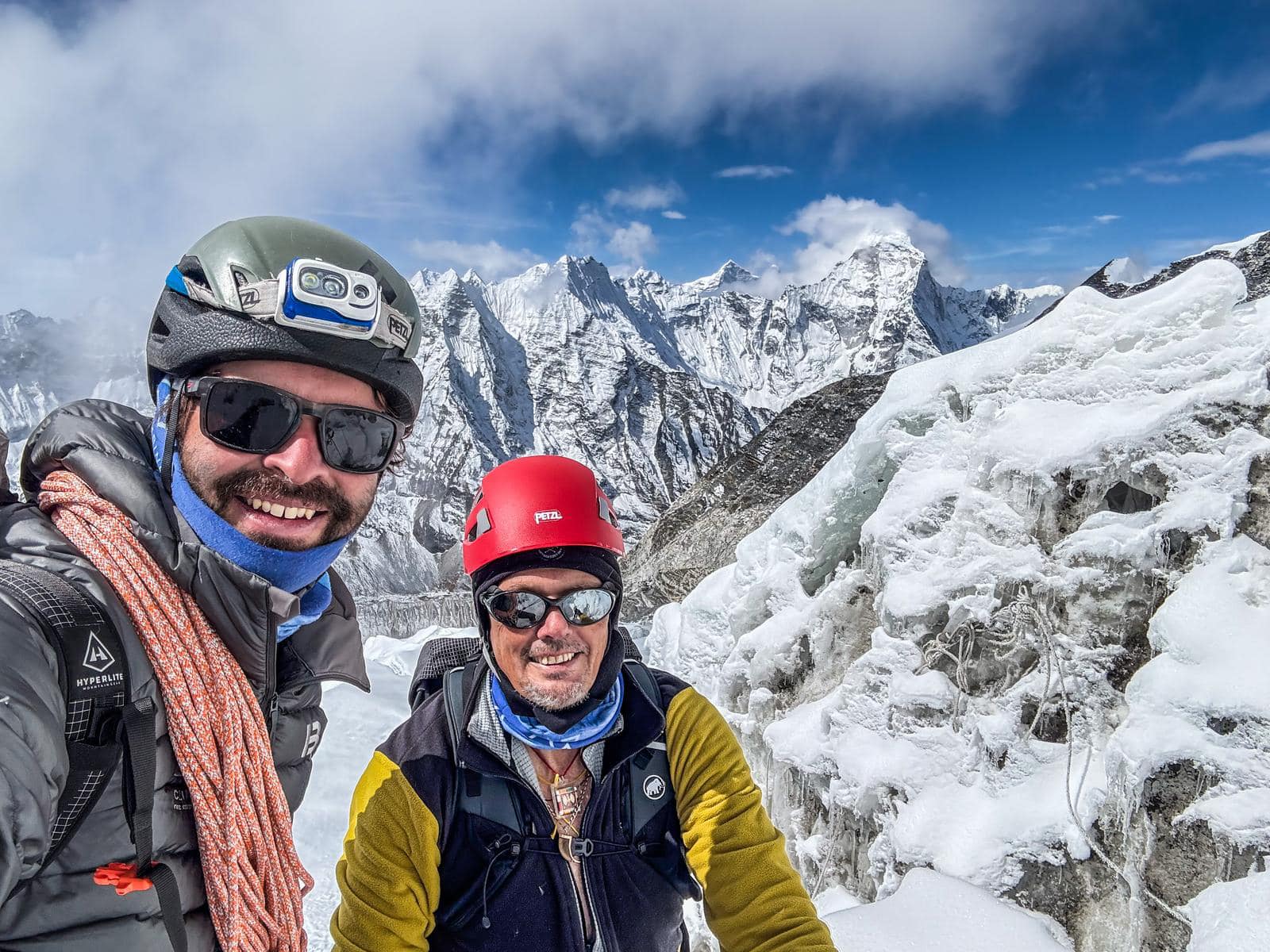
Because the leadership team is managing logistics, infrastructure, and expedition coordination in the background, guides are not distracted by broader operational concerns. Their attention stays where it matters most: on the climber in front of them.
Caroline Pemberton – CTSS Co-Owner: While Mike leads the expedition on the mountain, Caroline manages the business operations from the United States. Having a dedicated co-owner focused on the company’s day-to-day needs, communication, and long-term logistics means the expedition leadership is not juggling sales calls, planning the next season, or worrying about payroll while leading a team on Everest.
This separation allows Mike and the leadership team to remain fully focused on the mountain, their support teams, guides, and climbers throughout the expedition.
This layered leadership structure ensures every aspect of the expedition receives focused attention. Rather than relying on a single overextended leader, CTSS operates as a coordinated system.
Team structure ensures readiness. Season strategy determines when and where that readiness meets opportunity.
Everest Secret Sauce #4: Season and Crowding Strategy
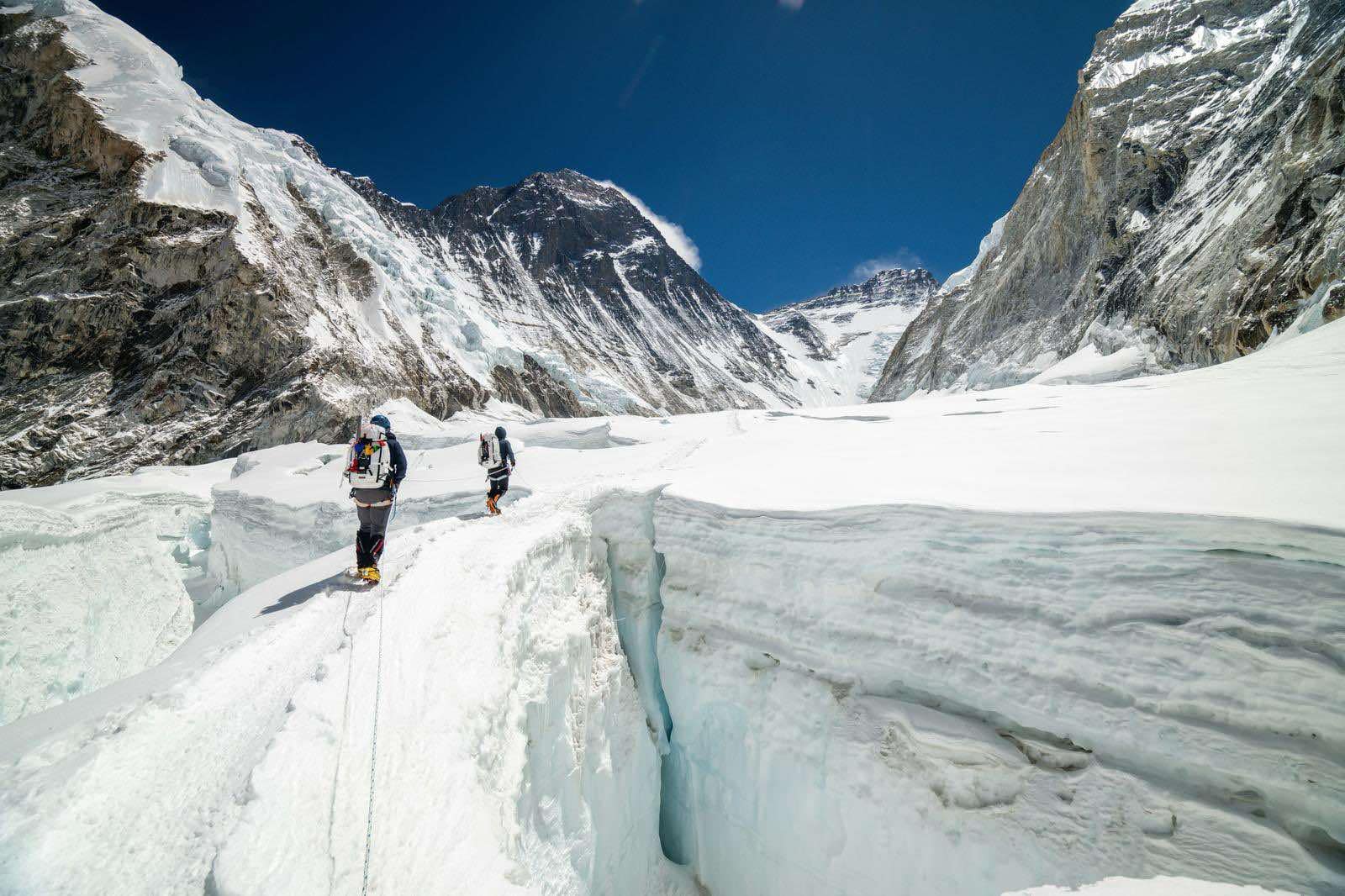
CTSS approaches the Everest season with a clear understanding of how climate patterns and crowd movement have shifted over the years. Instead of targeting the traditional late-May summit windows, CTSS positions climbers to be ready much earlier, providing access to safer, less-crowded opportunities before conditions deteriorate or the icefall begins to melt. Arriving nearly two weeks ahead of many operators allows climbers to be fully acclimatized by the time the first realistic summit windows open around May 10 to 12. This early readiness provides flexibility for illness or setbacks without forcing climbers into a single late-season opportunity.
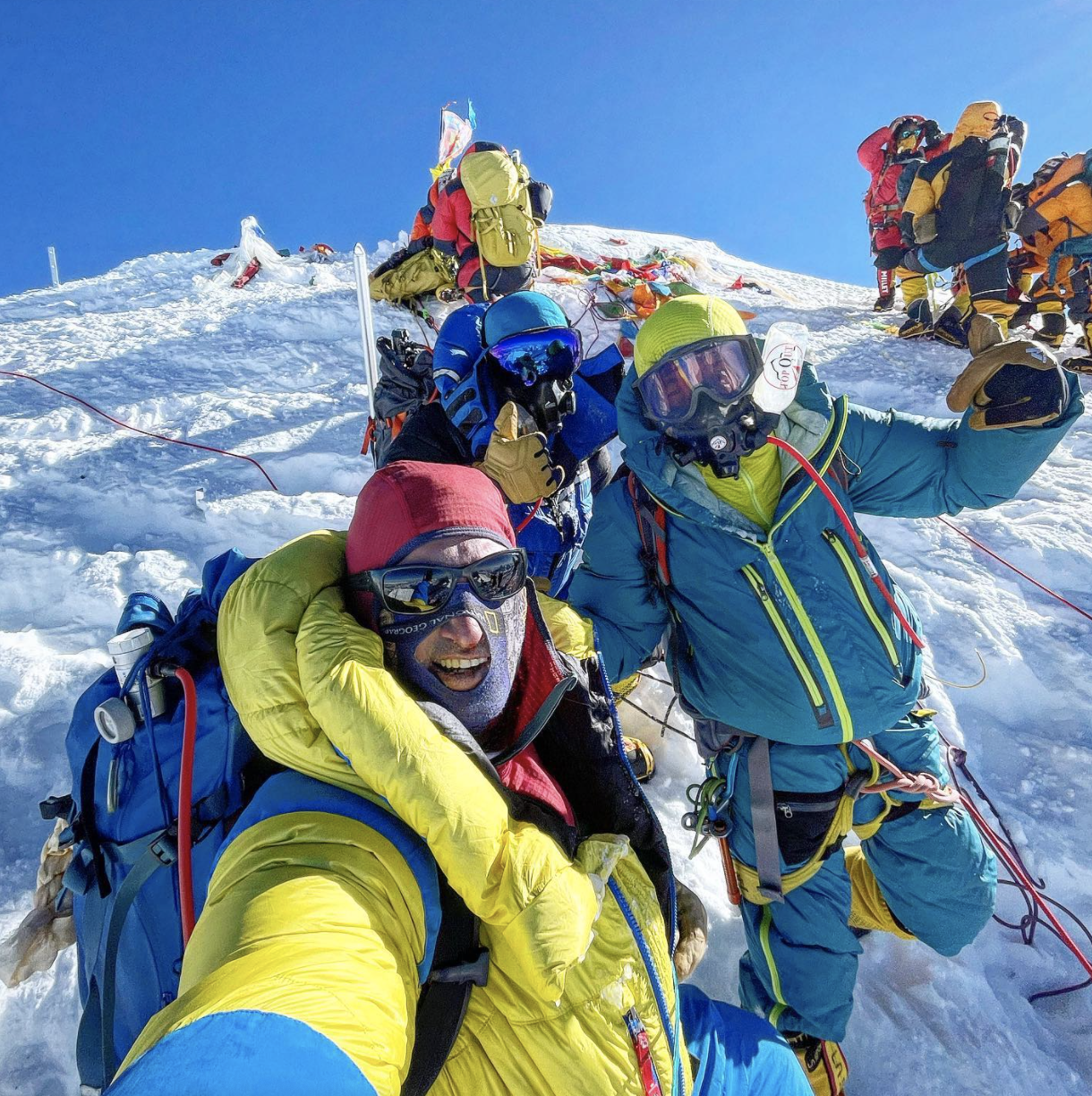
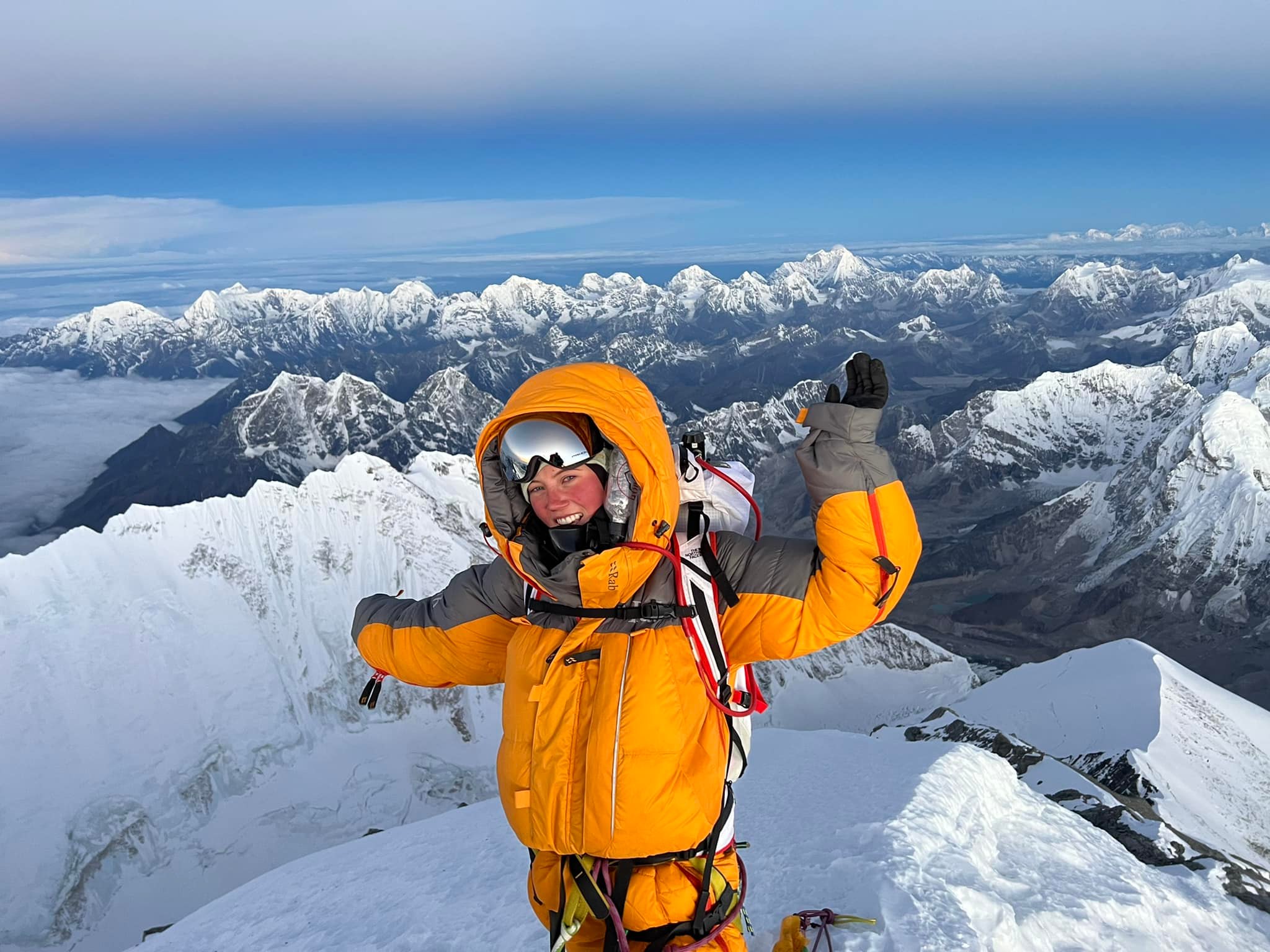
Climate change has ultimately shifted summit windows, making late May significantly warmer, leading to increased rockfall, faster-moving ice, and melting anchors. CTSS plans to exit the icefall around May 20, as earlier windows now offer greater safety. Being in position early also reduces exposure to the largest crowds that form when many teams converge on the same narrow window.
Being ready early means climbers are not pushed into the busiest part of the season. CTSS relies on several key strategies that allow teams to move when conditions are optimal rather than when everyone else is moving:
- Custom long-range forecasting from a military meteorologist
- Flexible summit strategies that can include adjusting departure times from the South Col
- A willingness to start earlier in the night or shift timing to avoid crowds
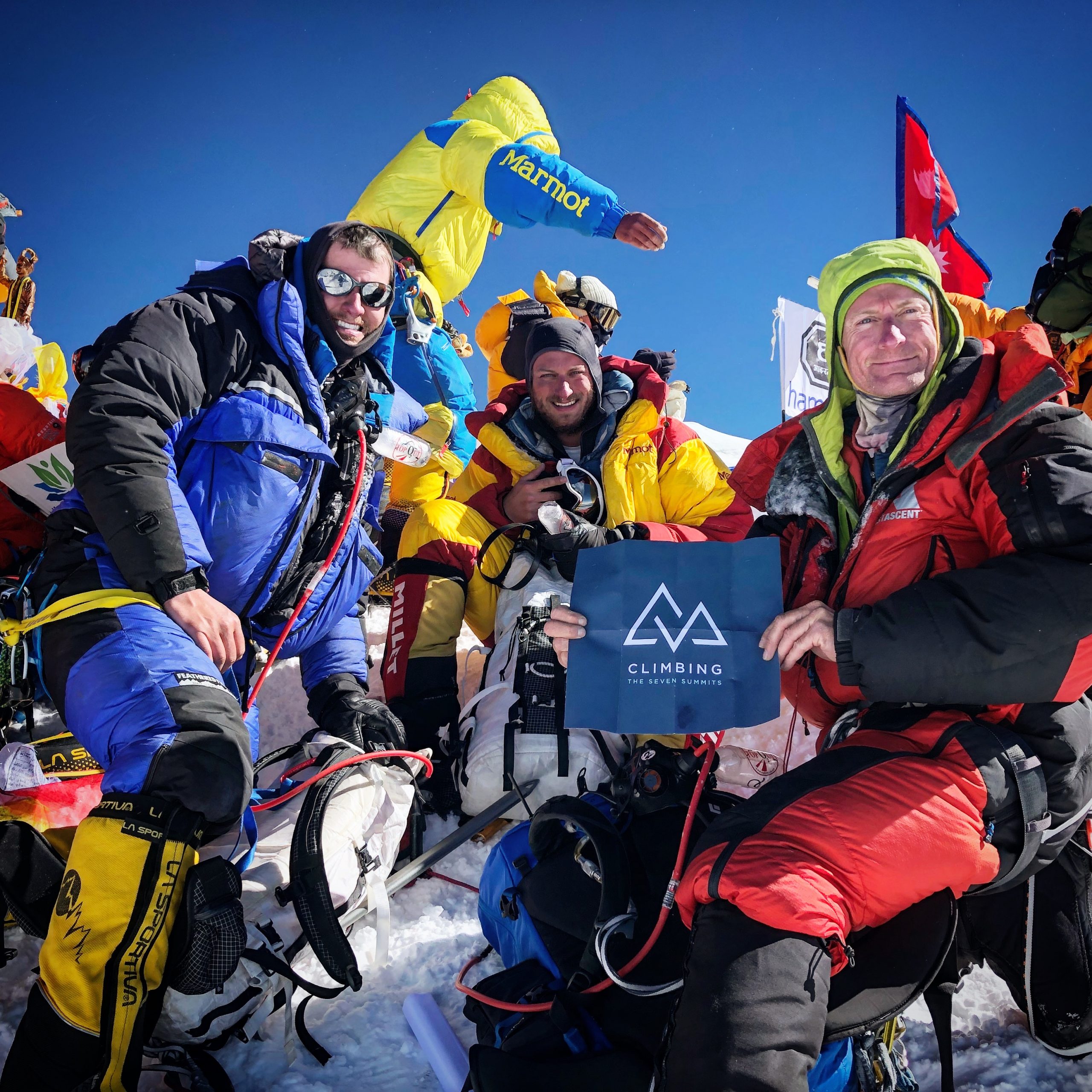
These strategies create space on the route and reduce time spent standing in the cold, improving safety and efficiency. We have all seen that well-known conga line on Everest photo, and while CTSS had a team on the mountain, not a single climber from our team appears in that image. The entire group summited early and cleanly because timing, readiness, and strategy placed them outside of the congestion entirely.
Everest Secret Sauce #5: Marginal Gains Philosophy
On a two-month expedition, small advantages compound into powerful outcomes. CTSS rejects the outdated idea that suffering for six weeks is part of the Everest experience. Instead, every element of the expedition is designed to keep climbers strong, rested, and mentally engaged. Our Marginal Gains Philosophy is a defining part of the CTSS approach on Everest and across all of our expeditions.
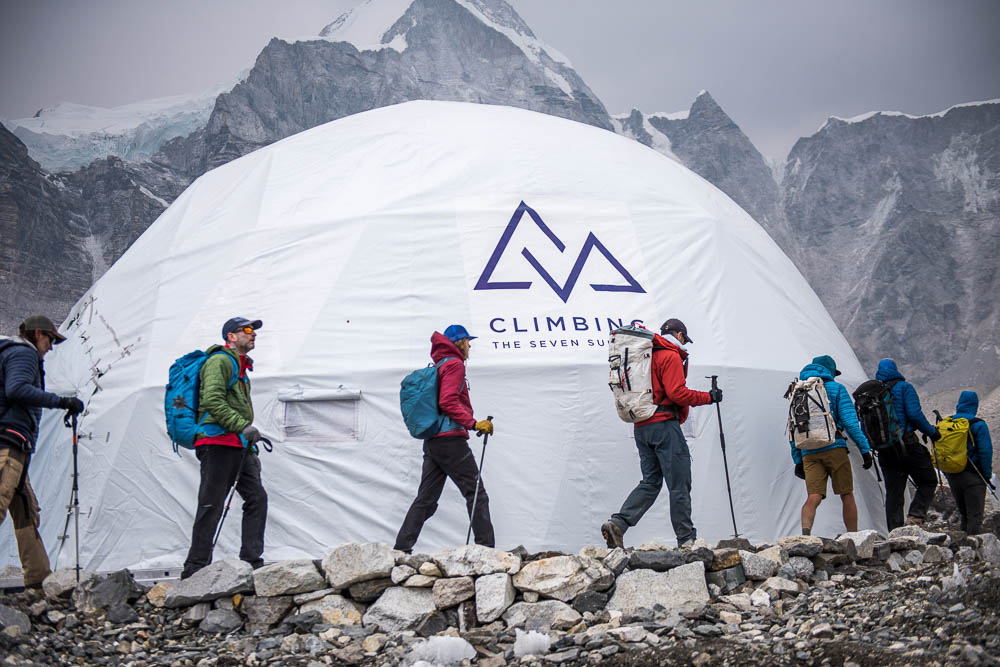
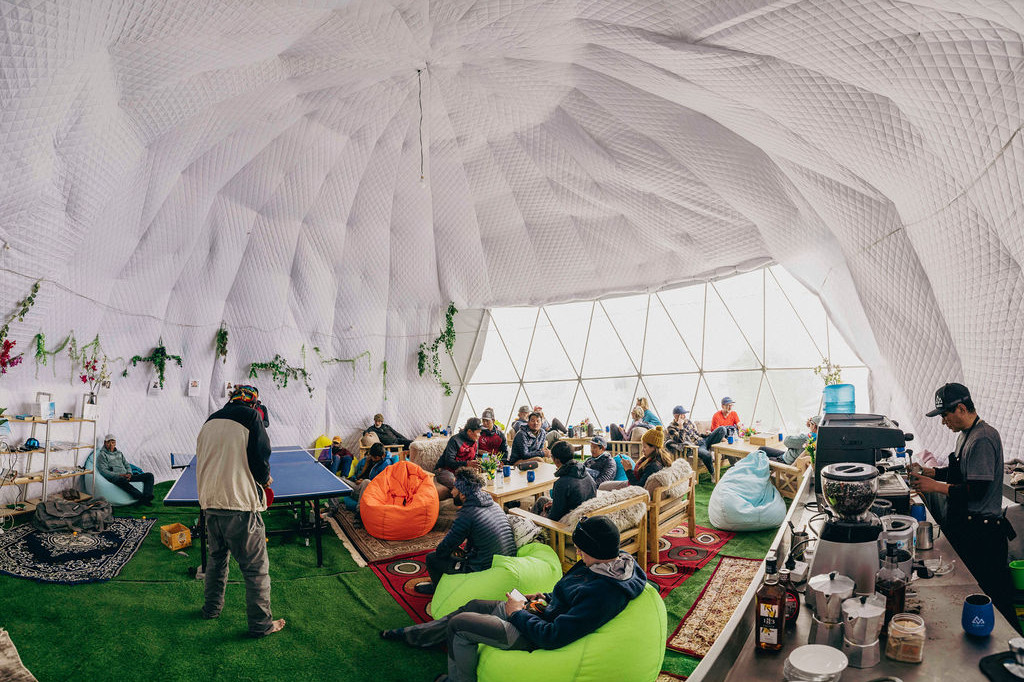
Did you know that climbers spend only 10 to 12 nights above Base Camp? Yet many operators allow their teams to deteriorate for the entire expedition. Poor sleep, cold environments, and bland food drain energy long before a climber reaches the upper mountain. CTSS counters that by focusing on warmth, comfort, and proper recovery. Living spaces are dry and warm; meals are prepared by a professional international chef; and the food is fresh, nutritious, appealing, and energy-dense, so climbers maintain strength rather than lose significant weight.
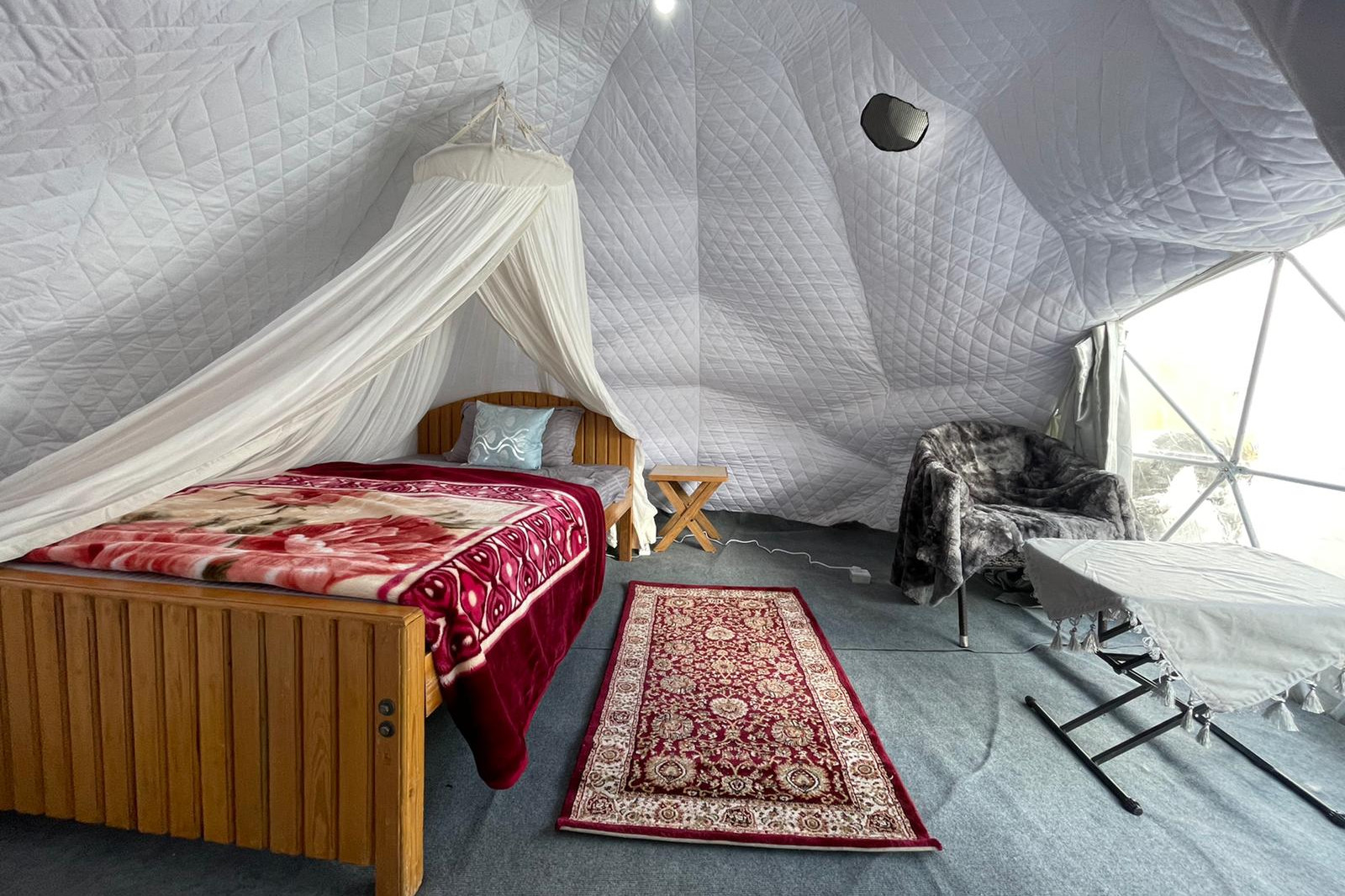
The mental component is equally important. Comfortable living spaces, social areas, and the ability to avoid boredom or negativity help prevent the emotional spirals that can erode motivation. Climbers can also customize their expeditions with add-ons, such as 8848m – The Residence, a powered, heated tent with en-suite facilities, as well as additional oxygen, imagery packages, and helicopter descents from Base Camp. The analogy of a trans-Atlantic plane captures the idea clearly. Everyone flies to the same destination with the same pilot and crew, but comfort levels vary. As one client said, this flight lasts six weeks, and choosing add-ons strategically can significantly improve performance.
Marginal Gains keep climbers strong day after day. Culture keeps them connected and grounded throughout the experience.
Everest Secret Sauce #6: Culture and the No D*ckheads Policy
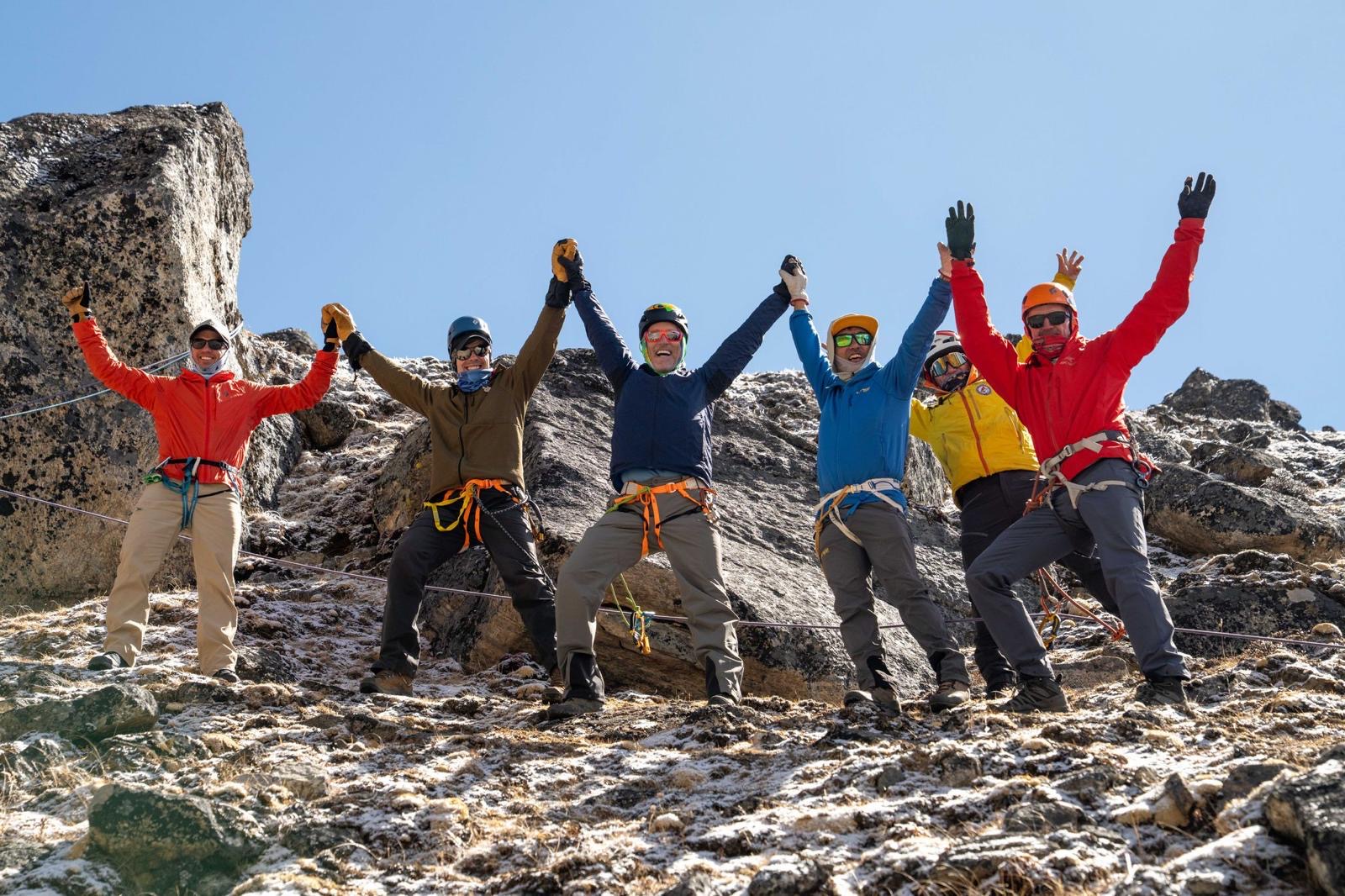
CTSS believes that the people you climb with matter as much as the conditions you climb in. Our No D*ckheads Policy is a deliberate commitment to building teams of skilled, humble, respectful climbers, guides, and staff. It shapes the atmosphere at Base Camp, protects the group’s mental health, and supports the expedition’s collective success.
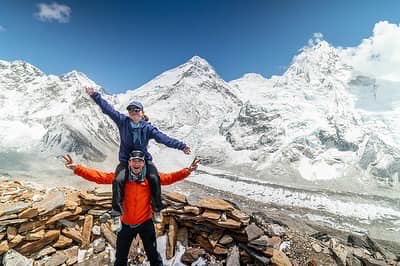
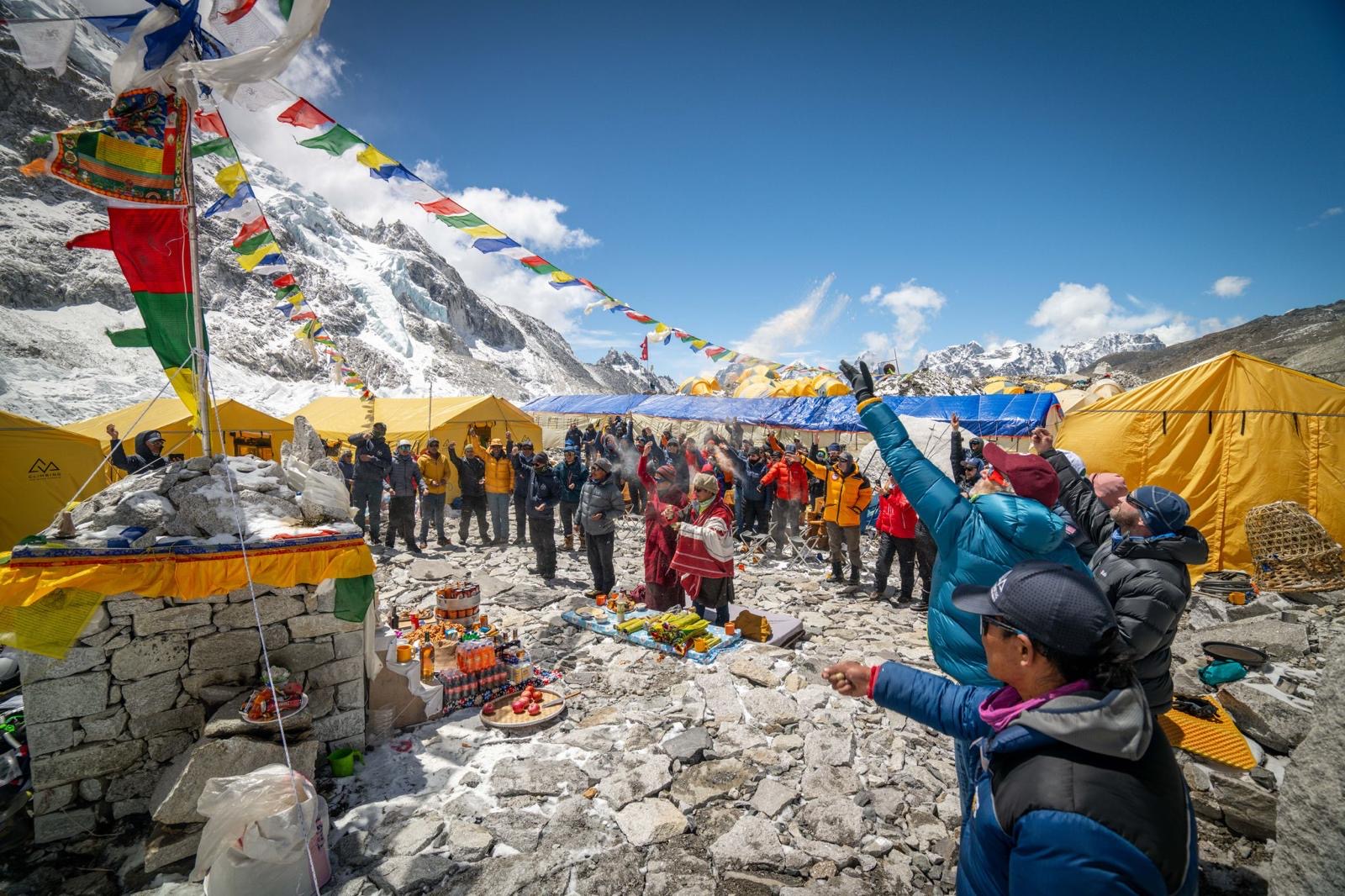
From the first email a potential climber sends our team, CTSS pays attention to how they communicate and how they treat others. Experience and prerequisites matter, but character matters just as much. Both guides and climbers sign a Code of Conduct that clearly sets expectations. Everest is a pressure cooker that amplifies highs and lows for everyone. When the baseline is high, and everyone treats each other with respect, the natural challenges of the climb remain manageable. When someone is entitled or abrasive, it can poison an entire team.
CTSS enforces our Code of Conduct and No D*ckheads Policy. We have fired suppliers, guides, and clients, and have strict long-term consequences for anyone whose actions significantly compromise safety or team culture. Expedition Managers communicate constantly, and any questionable behavior is addressed immediately. The result is sustaining environments that feel positive and grounded. Visitors often comment on the energy and vibe of CTSS camp, which reflects a team intentionally built around humility, kindness, and professionalism. That atmosphere plays a real role in helping climbers stay committed, confident, and mentally strong.
Culture holds everything together on the mountain. Holistic support ensures climbers reach the mountain ready for what lies ahead.
Everest Secret Sauce #7: Holistic Pre-Expedition Support
The final element of the CTSS Secret Sauce is the support climbers receive long before they arrive in Kathmandu. Preparation does not begin on April 15. It begins the moment a climber reaches out, and CTSS builds a comprehensive, personalized support system that guides climbers through every step of the process.
Communication is fast and responsive, allowing climbers to get answers quickly and avoid the feeling of sending money into a void. Expedition Managers work closely with climbers on gear choices, sizing issues, and specialty needs. This includes guidance for climbers whose boots do not fit standard models or petite women who need help sourcing properly fitting down suits. Training support is built in through coaching referrals and practical guidance.
CTSS also involves the climber’s support network. Family calls are encouraged, and Caroline often serves as an Everest wife, translating the expedition experience clearly for partners and relatives. She manages communication from home, handles business operations while Mike leads the expedition, and provides families with a direct point of contact, allowing climbers to focus on the climb.
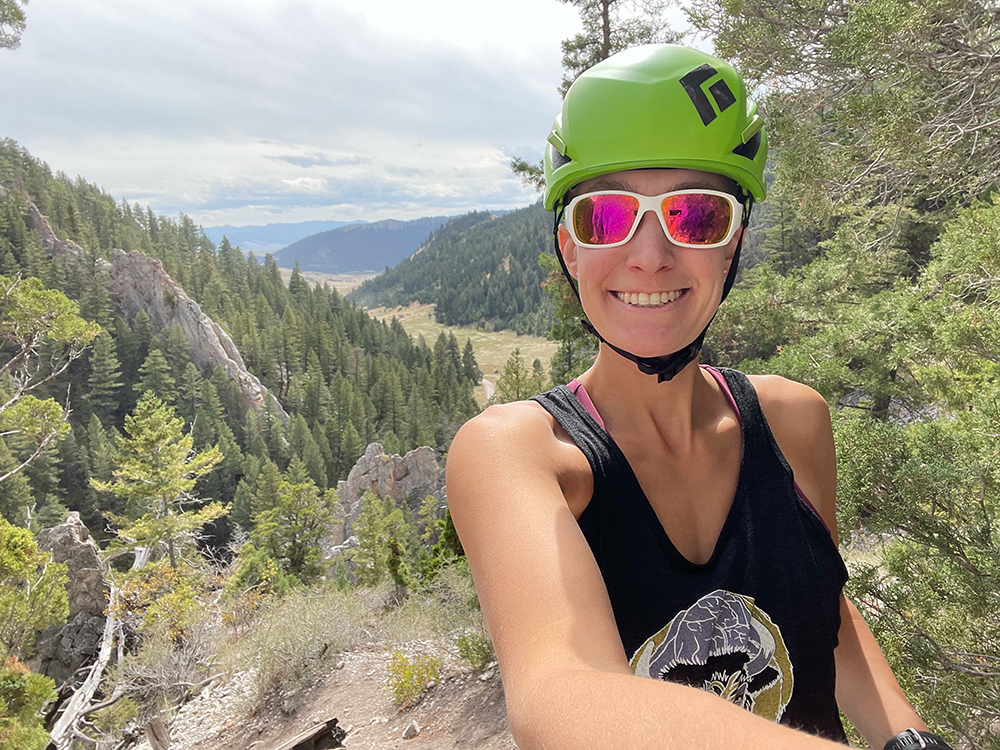
Beyond internal support, CTSS connects climbers to a broader ecosystem of specialists, including sports psychologists, nutritionists, and breathwork experts. The goal is full readiness across physical, mental, and logistical dimensions. Once the expedition begins, CTSS provides ongoing communication through regular updates and daily blogs from the field so families can follow along in real time. This shared experience reduces stress at home and helps climbers feel supported throughout the expedition.
Holistic support is where the CTSS system begins and what allows every other Secret Sauce to function with intention.
Mount Everest: Intention Over Luck
CTSS was built on the belief that success in the mountains comes from intention, not luck. The Seven Secret Sauces show how that philosophy comes to life on Everest, where every decision matters and every detail contributes to how climbers move, recover, and perform. Together, these elements create a system that is personalized, well-resourced, strategically timed, and supported by strong leadership, positive culture, and comprehensive preparation.
This is the CTSS way. A deliberate, continually refined approach designed to give climbers the strongest possible foundation to succeed on the world’s highest peak and across our entire program lineup.