Pega Sherpa and the Art of Guiding
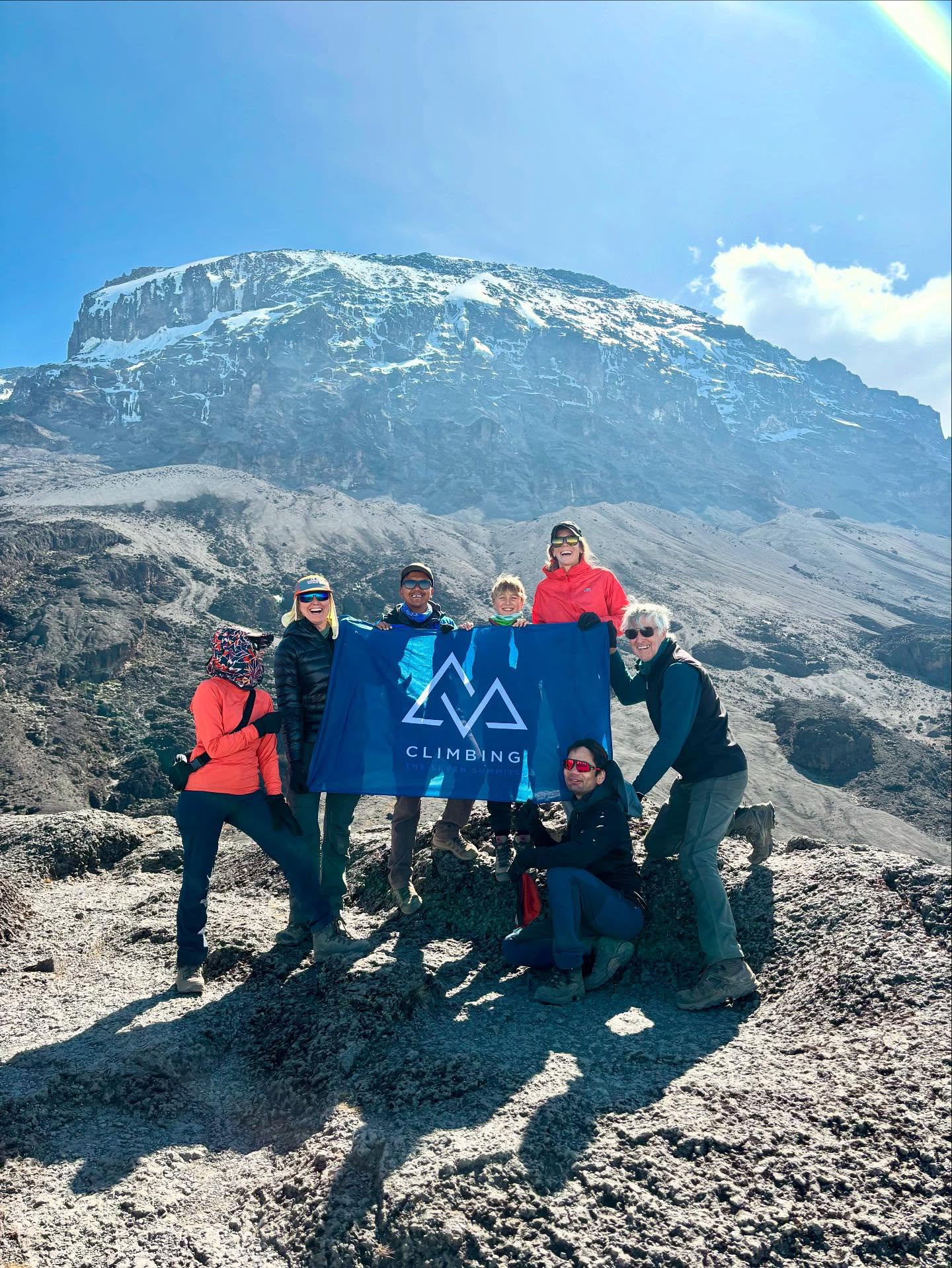
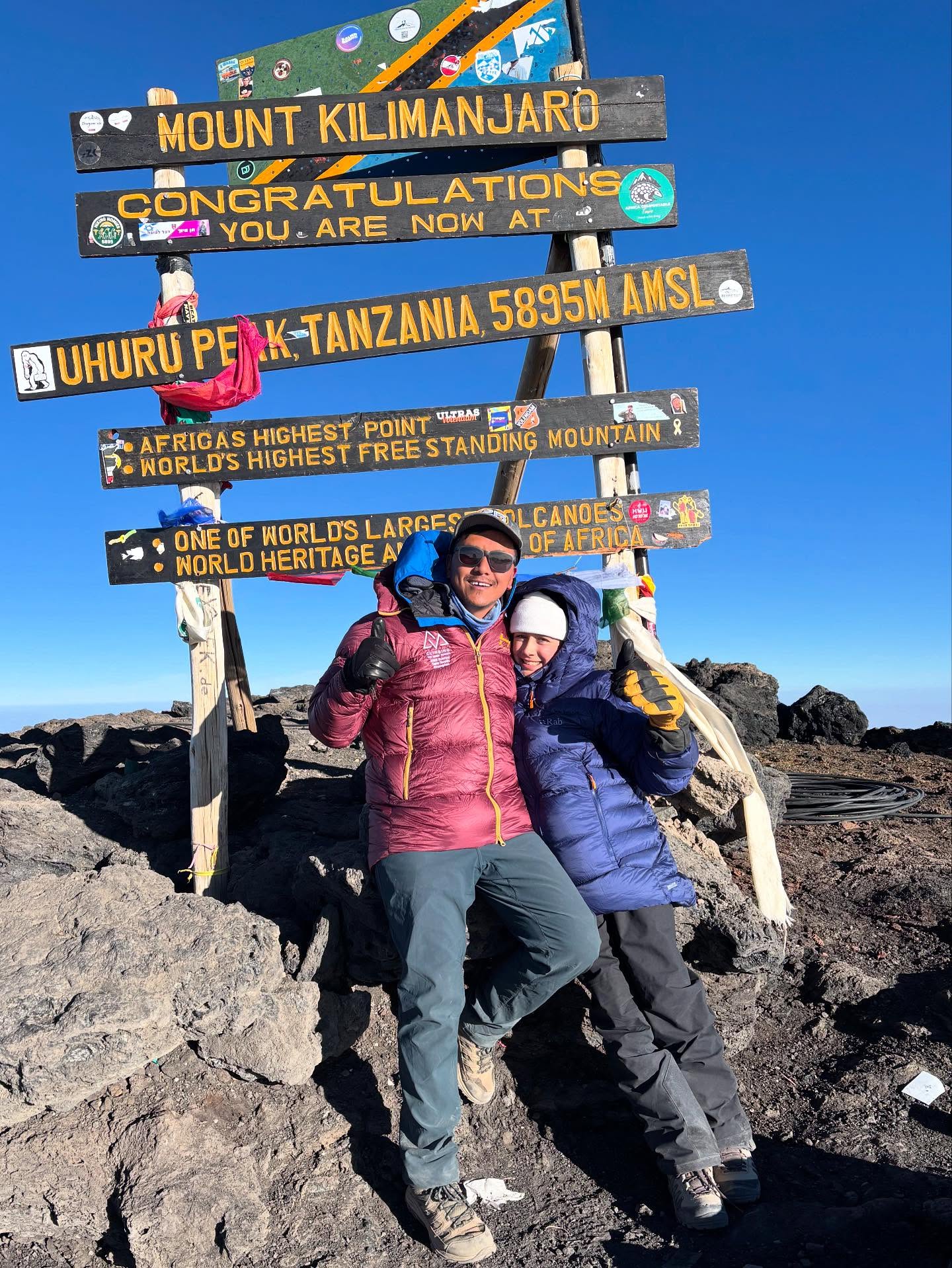
Over the past year, climbers across multiple CTSS expeditions have spent big days in the mountains with Pega Sherpa. From Kilimanjaro to the Himalayas, his presence on the rope and in camp has been a defining part of many climbers’ experiences across the globe.
In 2025, Pega reached a major professional milestone when he earned his IFMGA international certification, the highest international standard in mountain guiding. The pin marked the culmination of years of training, rigorous assessments, and guiding across the world. During Pega’s journey towards this prestigious pin, he has led multiple successful 8000-meter expeditions, including 9x Everest, 2x Cho Oyu, 2x Lhotse, and 1x Manaslu climbs. His Himalayan résumé also includes Putha Hiunchuli, Baruntse, Lobuche, Island Peak, Mera Peak, Yal, and Khangla. With 13 summits of 8,000-meter peaks, he is widely respected for his calm precision, deep patience, and thoughtful approach on the mountain, qualities that have made him one of the most sought-after private guides on Everest.
We sat down with Pega to talk about earning his IFMGA pin, growing up in the Khumbu, the human side of guiding, and what he hopes to pass on to the next generation.
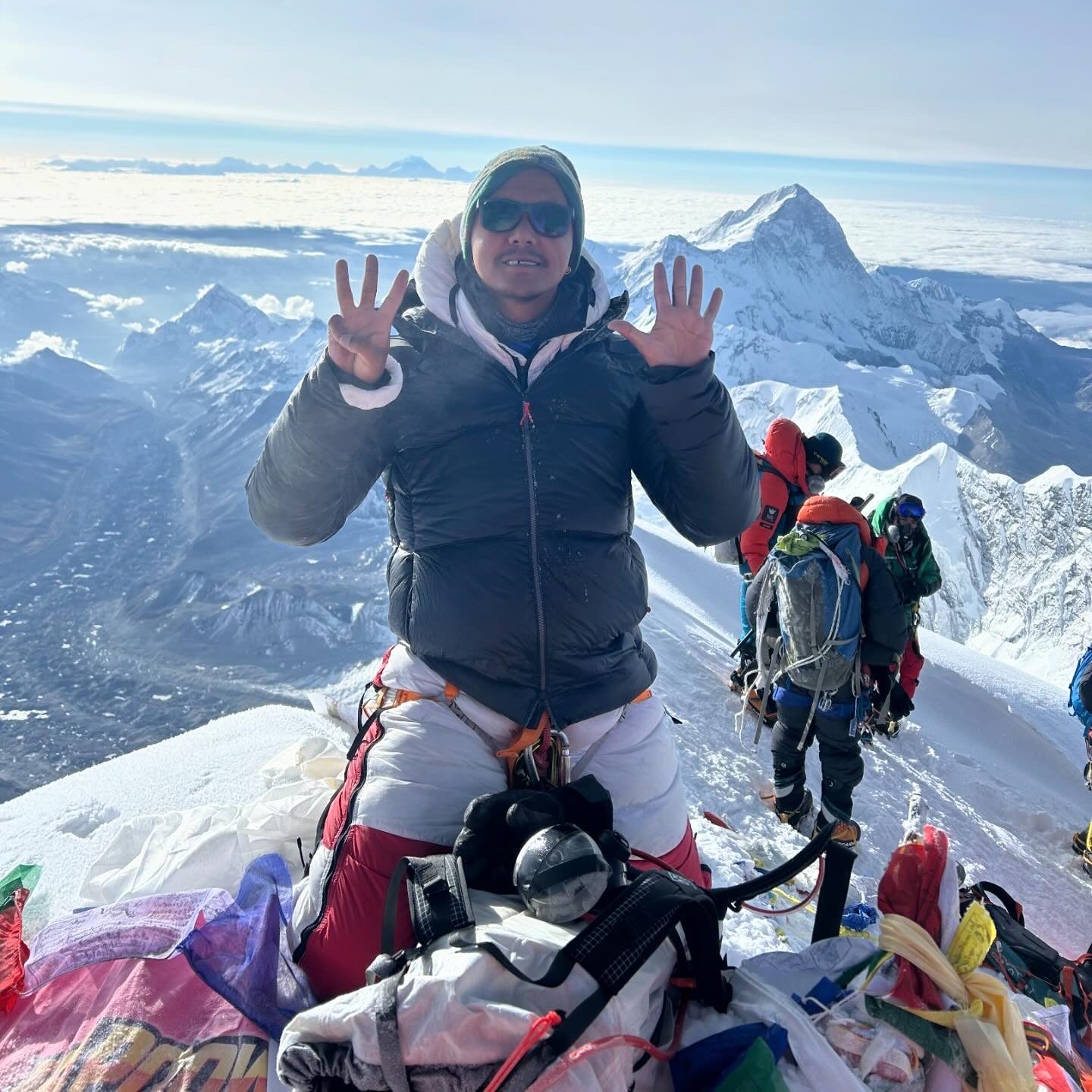
After years of training, assessment, and dedication, you officially earned your IFMGA pin. Congratulations! What did that moment mean to you, and how did it feel to reach the highest standard in mountain guiding?
Thank you. Earning the IFMGA pin meant a lot to me. It represents many years of hard work, sacrifice, and persistence. There were times when it was very challenging to balance guiding, training, and education, but this was always my goal. For me, the pin is not just a personal achievement. It shows that Nepali guides belong at the highest international level of professional guiding, and that our experience and commitment meet the same standards anywhere in the world.
Guiding is an art that takes years of commitment and progression. How did you first discover guiding as your path?
I started in the mountains as a porter and then became a trekking guide. Over time, I moved into climbing and more formal training. As I gained experience, I realized that guiding combines technical skill, judgment, teamwork, and responsibility. Guiding is not just about reaching the summit. It’s about decision-making, communication, and helping people move safely and confidently in difficult environments. That responsibility is what drew me to the work.
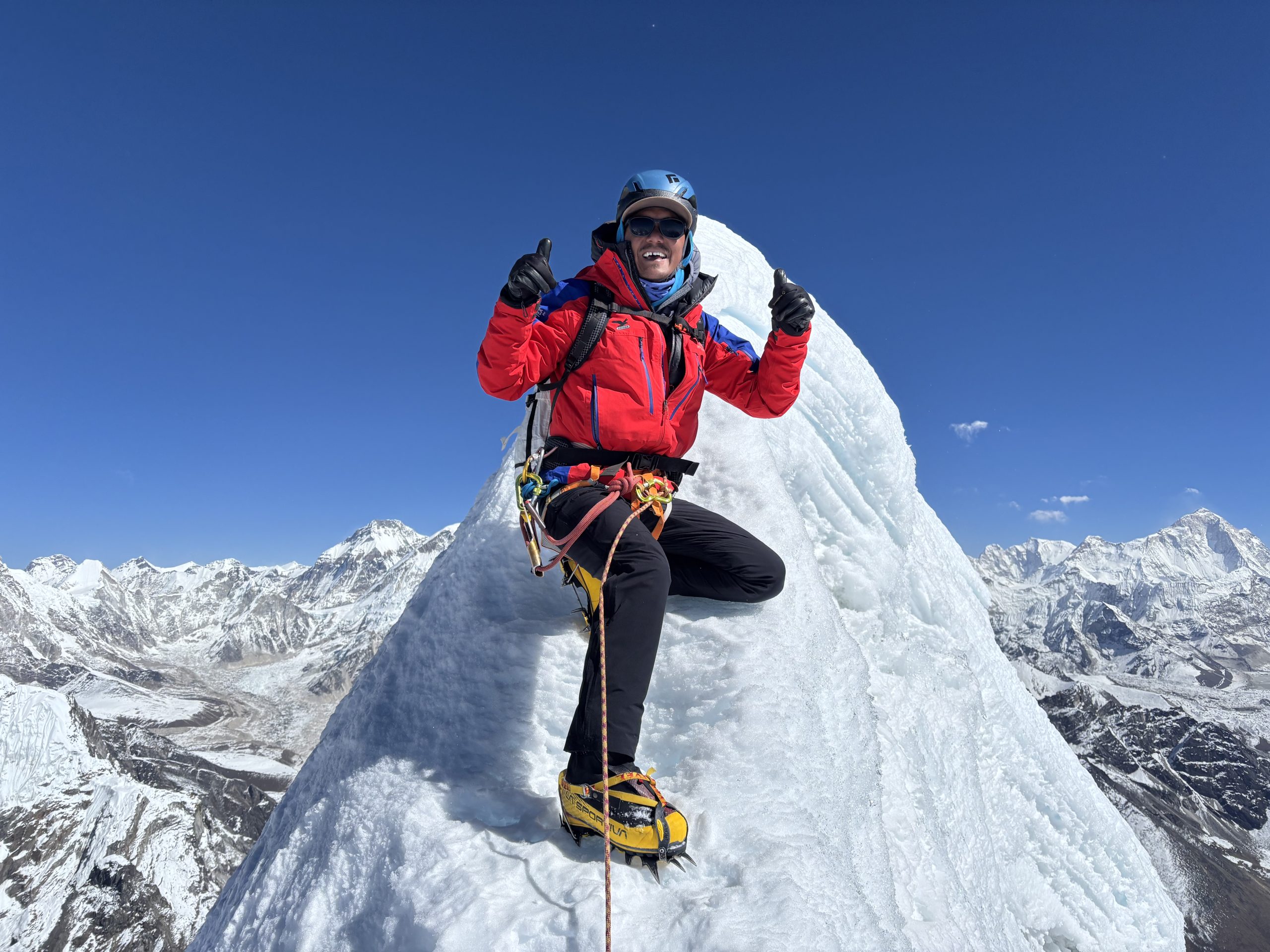
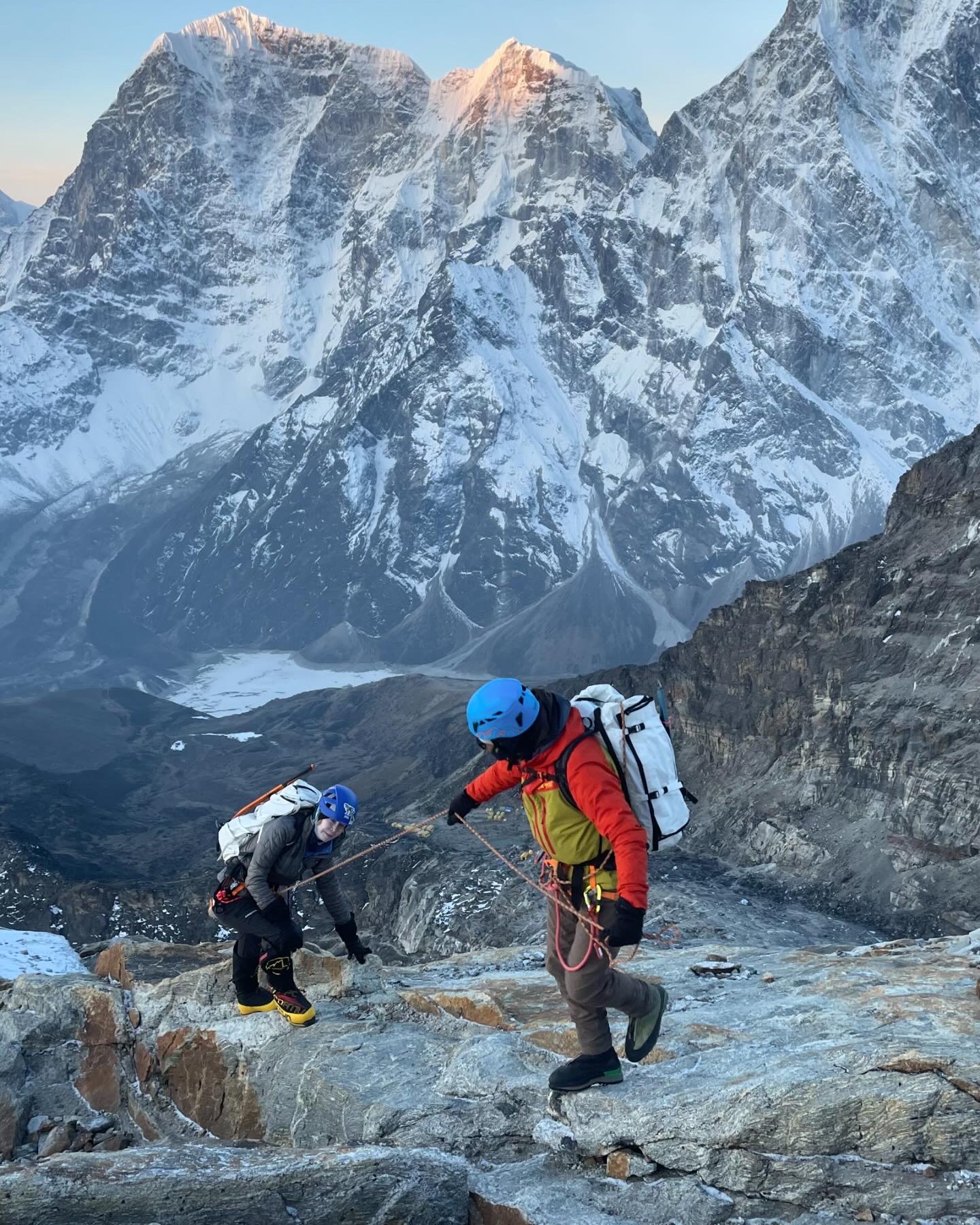
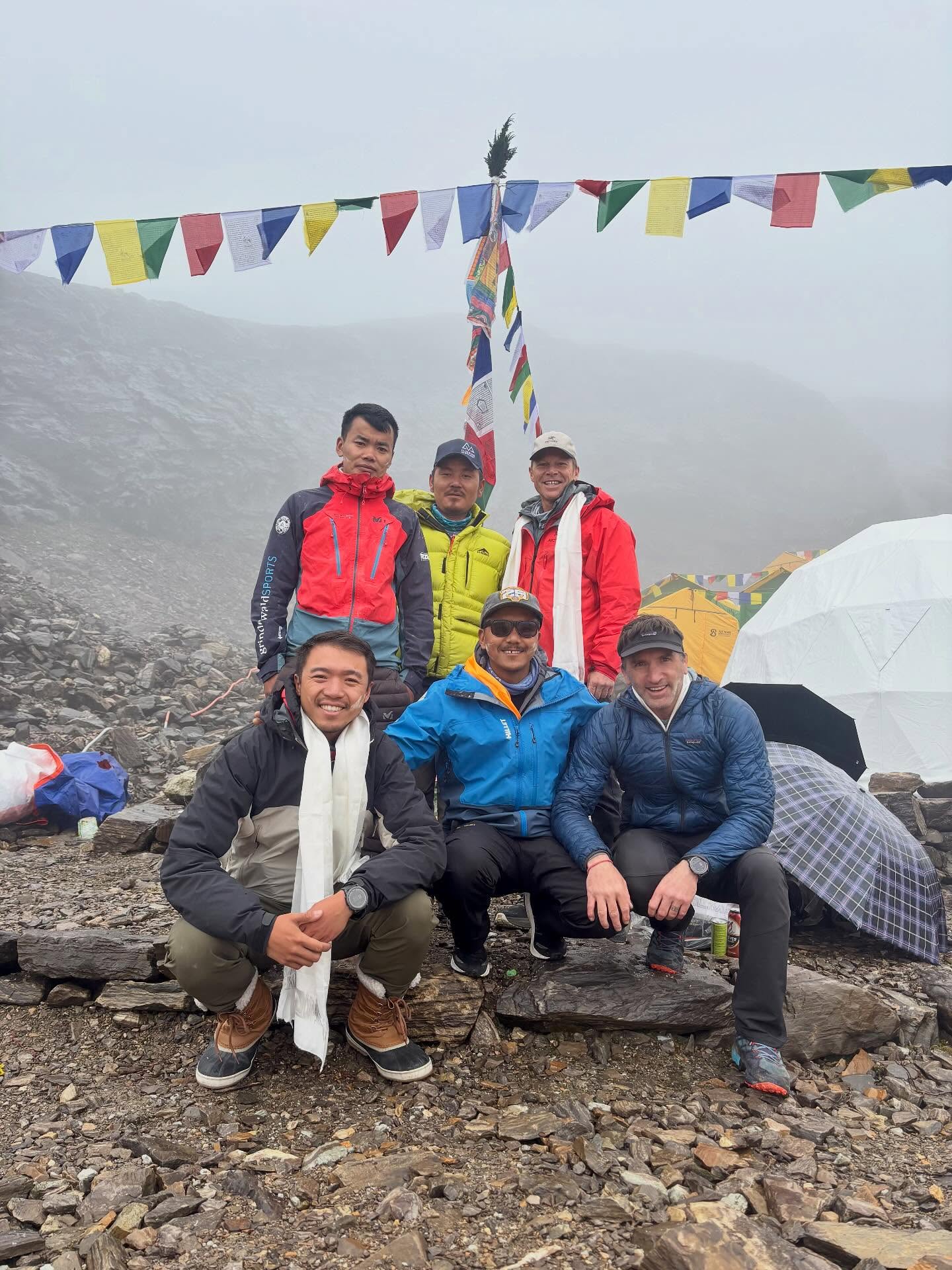
You grew up in Nepal surrounded by Himalayan peaks and mountain culture. How did your childhood in the Khumbu shape the guide you eventually became?
I grew up in Phortse village in the Khumbu region. Life was simple, and the mountains were part of everyday life. From a young age, I learned patience, responsibility, and how important it is to take care of others. In the Khumbu, you don’t rush. You observe conditions, respect the environment, and work together. Those lessons stayed with me and became the foundation of how I guide today.
You have spent years climbing and still made time to pursue your education. You hold a degree in Social Work from Tribhuvan University. How does that background influence the way you support climbers and communicate on expeditions?
Studying social work helped me better understand people. Technical skills are very important, but guiding is also about the human side of the experience. On expeditions, climbers deal with stress, fear, and fatigue. My education helps me listen carefully, communicate clearly, and support people through those moments, not just physically, but mentally as well.
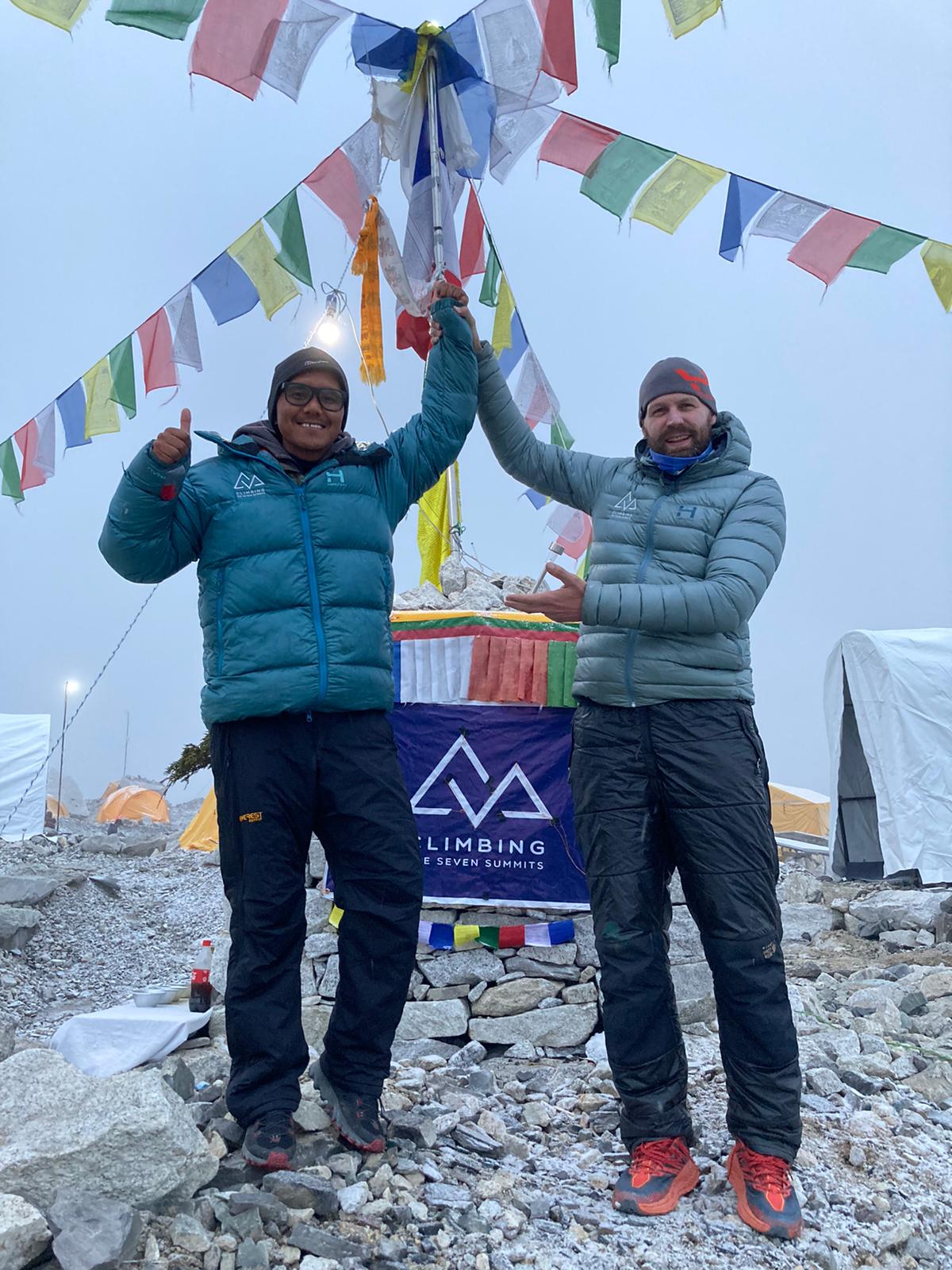
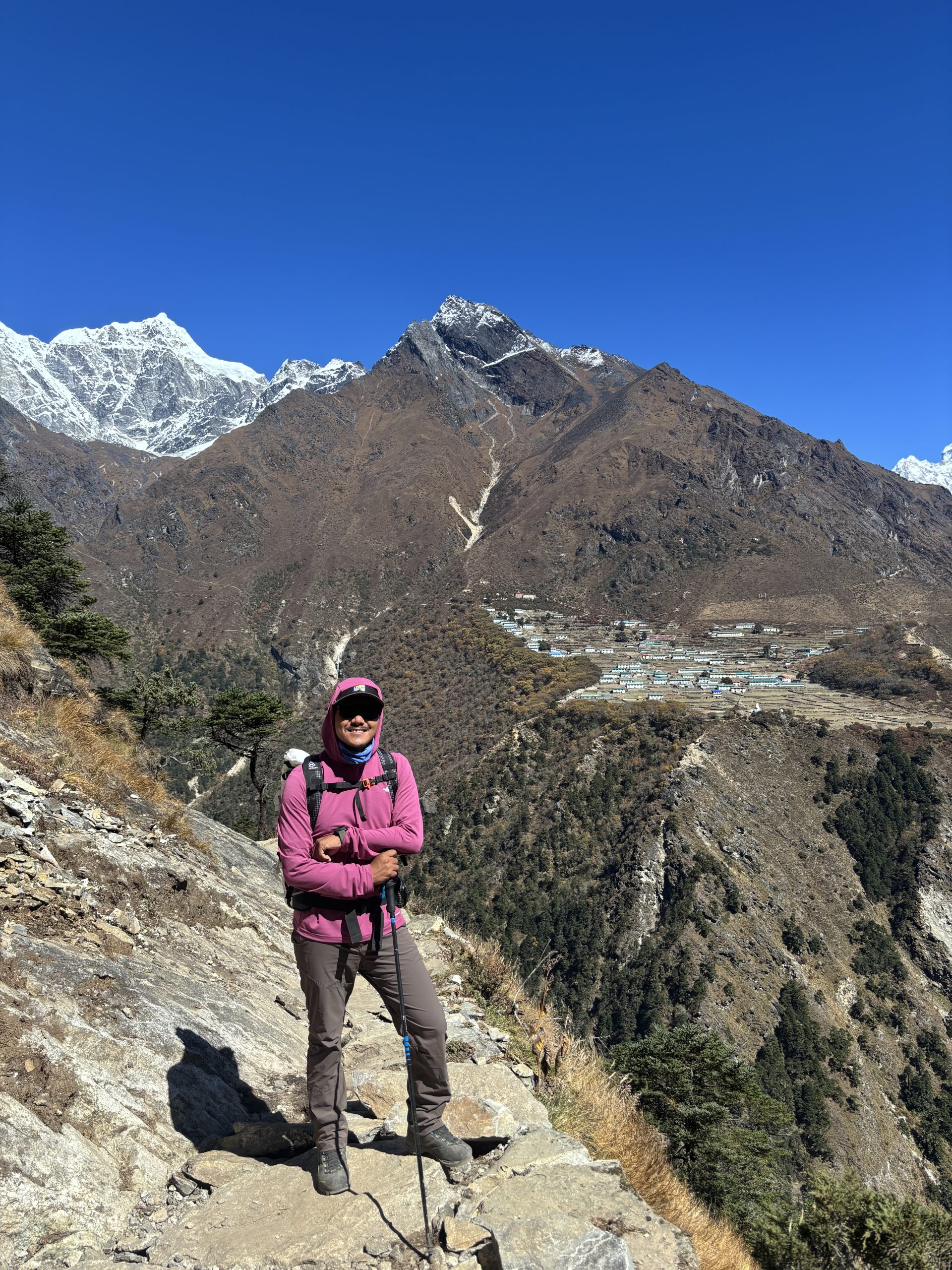
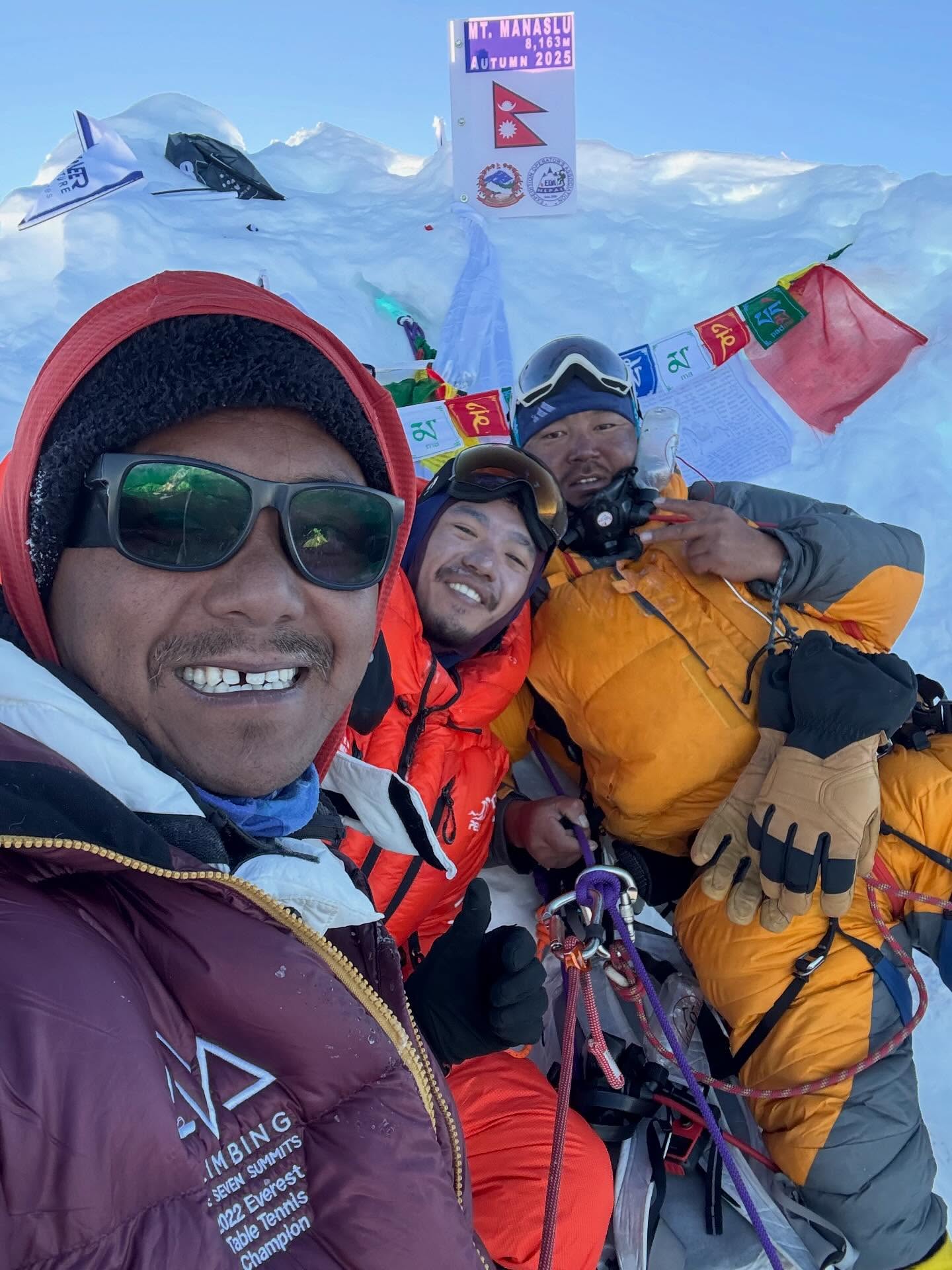
Rumor has it you are the reigning, undefeated champion of the CTSS Everest Base Camp ping pong tournament. How does it feel to hold such a prestigious title?
(Laughs.) On long expeditions, small moments of fun are important. Ping pong is a good way to relax, laugh, and bring people together. Even on serious climbs, morale matters. A positive atmosphere helps teams connect and stay strong through long days in the mountains.
You teach at the Khumbu Climbing Centre and help train the next generation of Nepali climbers. What do you hope to pass on to younger guides, and what excites you most about the future of guiding in Nepal?
I want younger guides to understand that guiding is a responsibility, not a title. Skills are important, but humility, judgment, and decision-making matter just as much. I’m excited about the future of guiding in Nepal. More young guides are training seriously and aiming for international standards. That’s very important for our community and for the future of Himalayan guiding
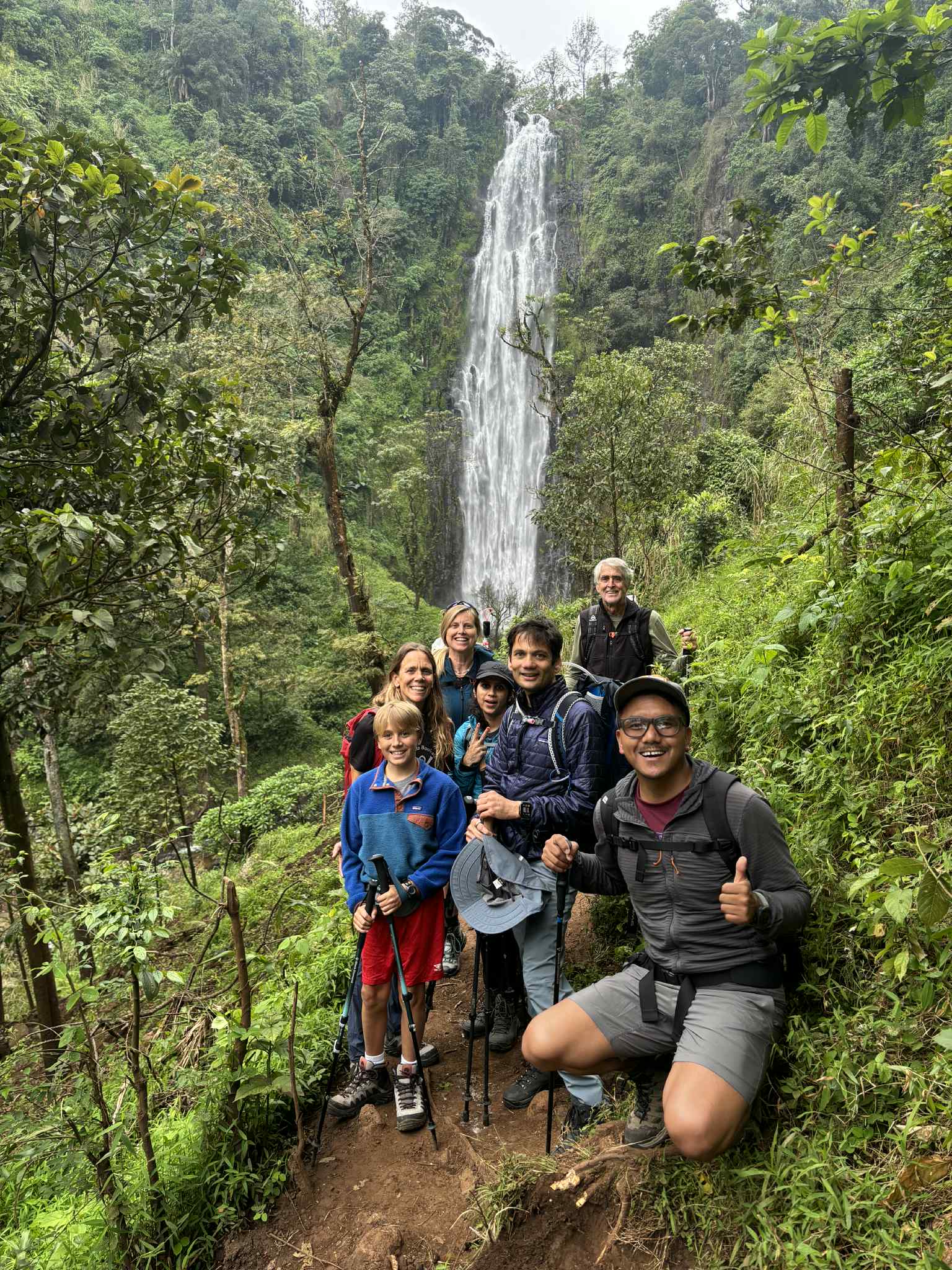
Any parting advice for future Everest hopefuls or those just getting started on their mountaineering journey?
Be patient. Build skills step by step. Respect the mountain and respect the process. Climbing is a long journey. If you focus on learning and preparation, the mountains will always teach you something valuable.
Once again, a massive congratulations to Pega Sherpa on earning his IFMGA pin, a milestone that reflects years of discipline, training, and commitment to the highest standards of mountain guiding. We’re proud to have Pega on the CTSS team and grateful for the leadership and care he brings to every expedition.
Pega approaches mountain guiding the same way he approaches life: with intention and a deep respect for the process. His leadership isn’t performative or ego-driven. It’s consistent and attentive, grounded in his childhood roots in Phortse. Climbers consistently remark not just on his technical skill, but on how safe, supported, and capable they feel moving alongside him.
Pega is already booked for our 2026 and 2027 Everest expeditions, but you’ll continue to see him leading teams from Kilimanjaro to Everest Base Camp, and back again in the Himalayas next fall. Wherever he’s guiding, climbers can expect the same standard of care, professionalism, and quiet excellence that define the very best of CTSS.