Lobuche East to Everest Base Camp
Happy Monday! All of our climbers and trekkers were busy over the weekend. Here's a little recap of what's been happening in the Khumbu Valley.
As mentioned last week, our Western Guided team summited Lobuche on April 12th. CTSS guide Josh McDowell reported that the route was strenuous, but everyone did well, and the group's movement skills were sharp. Congratulations to:
- Mr. Bert Snarr
- Mr. Michael Fortune
- Mr. David Keating
- Mr. Terry Ledgard
- Mr. Jared Harris
- Mr. Josh McDowell (Guide)
- Mr. Nani Stahringer (Guide)
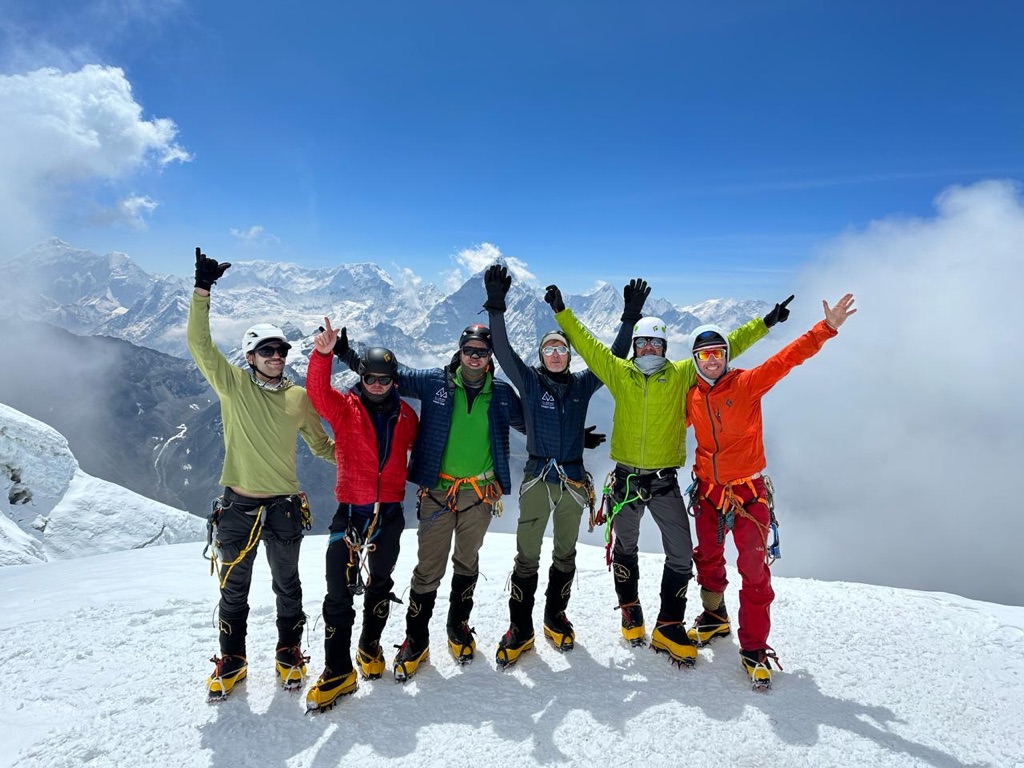
The evolution of a summit through the eyes of our Western Guided team. Thank you to CTSS guide Nani S. for sharing these photos from their summit of Lobuche:
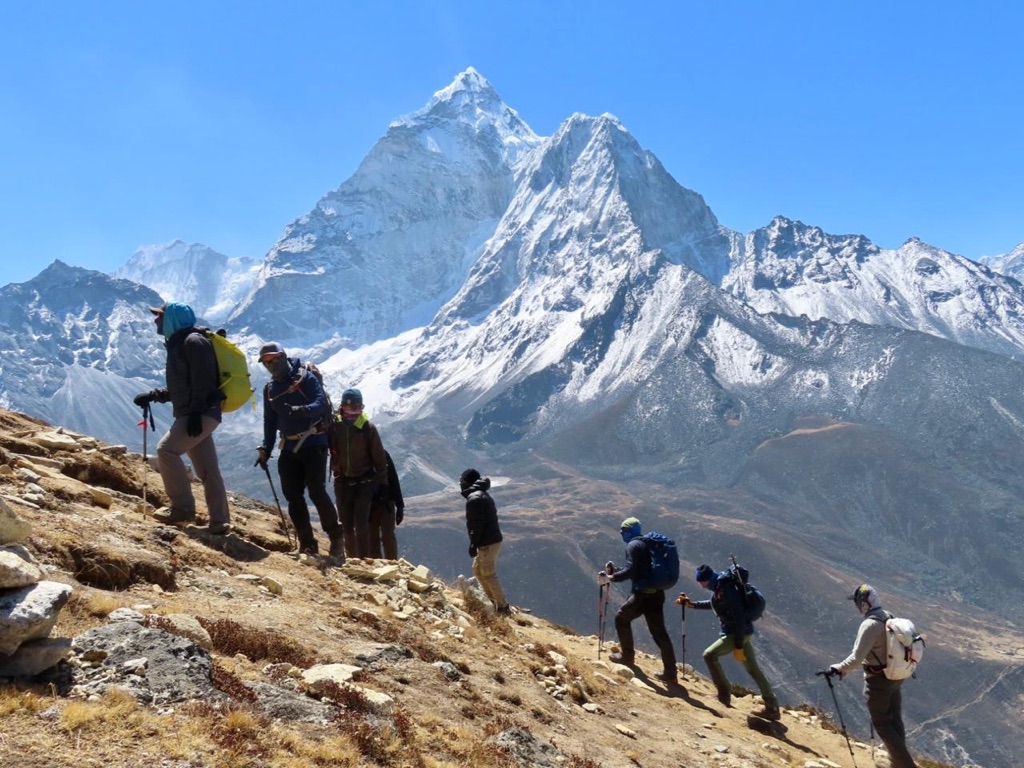 Trekking Up
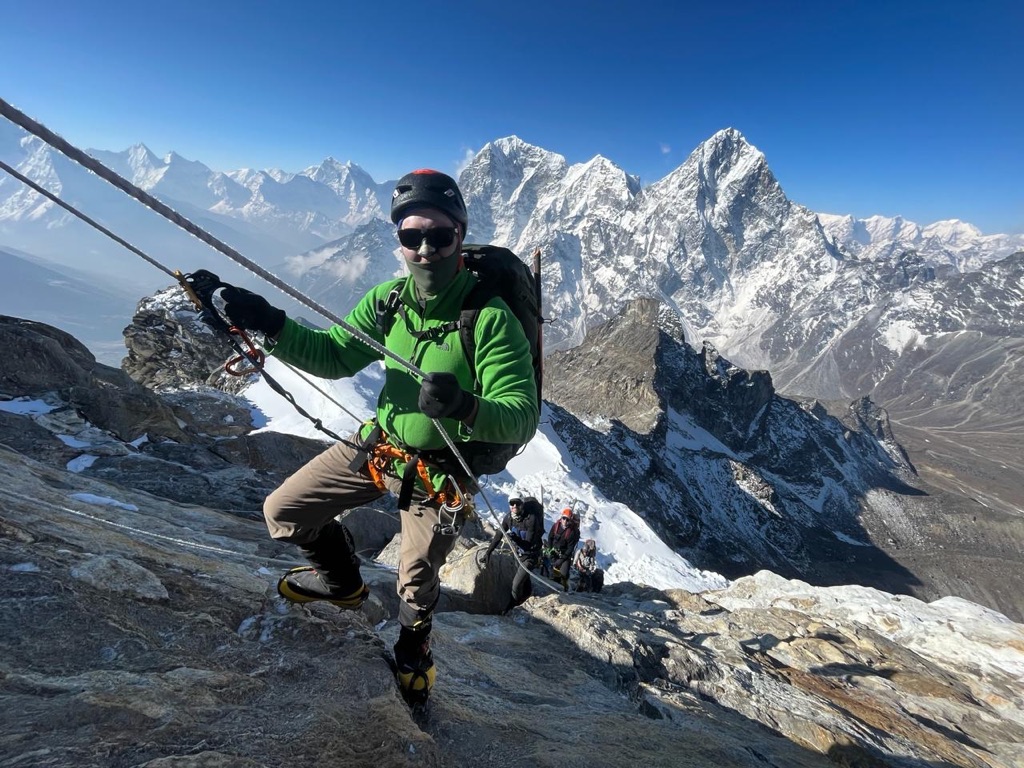 Roped Up
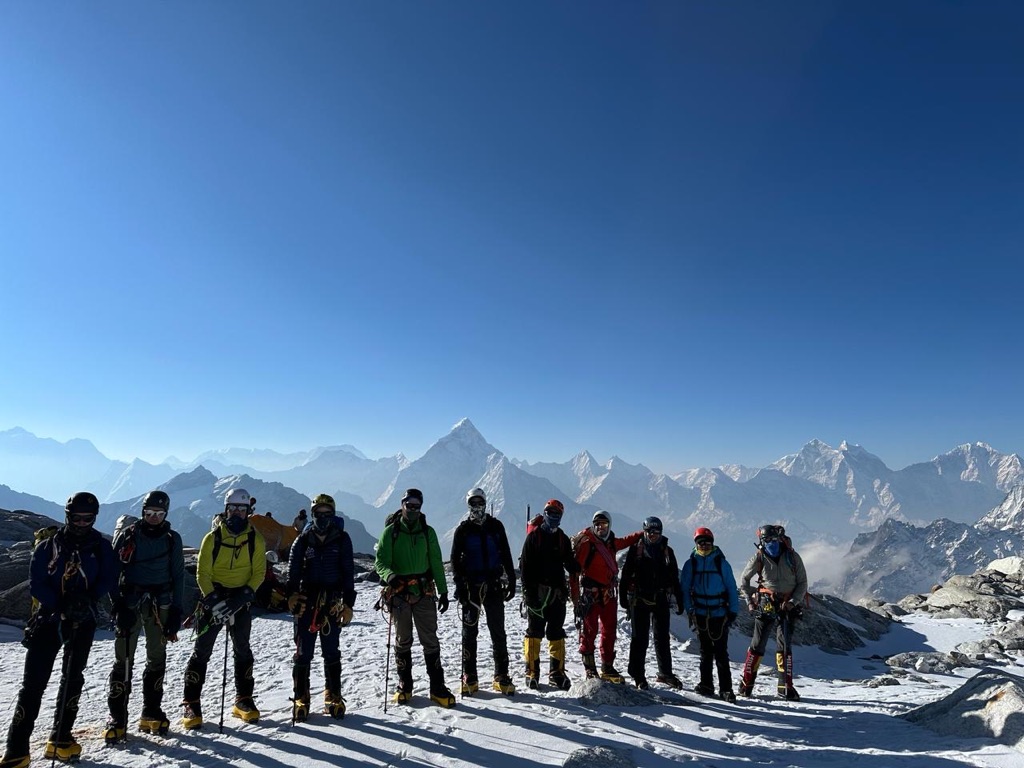 Getting Closer to Lobuche
Hello, Lobuche Summit!
Since then, our 3 Peaks and Western Guided teams have arrived and settled into Everest Base Camp for the season. Here's the note that CTSS guide Josh McDowell shared:
"We rolled into EBC, and everyone is stoked to be here. We are all super impressed with the CTSS camp, and everyone is enjoying some well-deserved downtime today. Showers and connectivity are on the schedule for the day."
While our Western Guided team gets the hang of camp life, our 3 Peaks team won't be in for long. They are headed out soon to climb their last two peaks, Pokalade (19,049 ft/5,806 m) and Island Peak (20,305 ft/6,189 m).
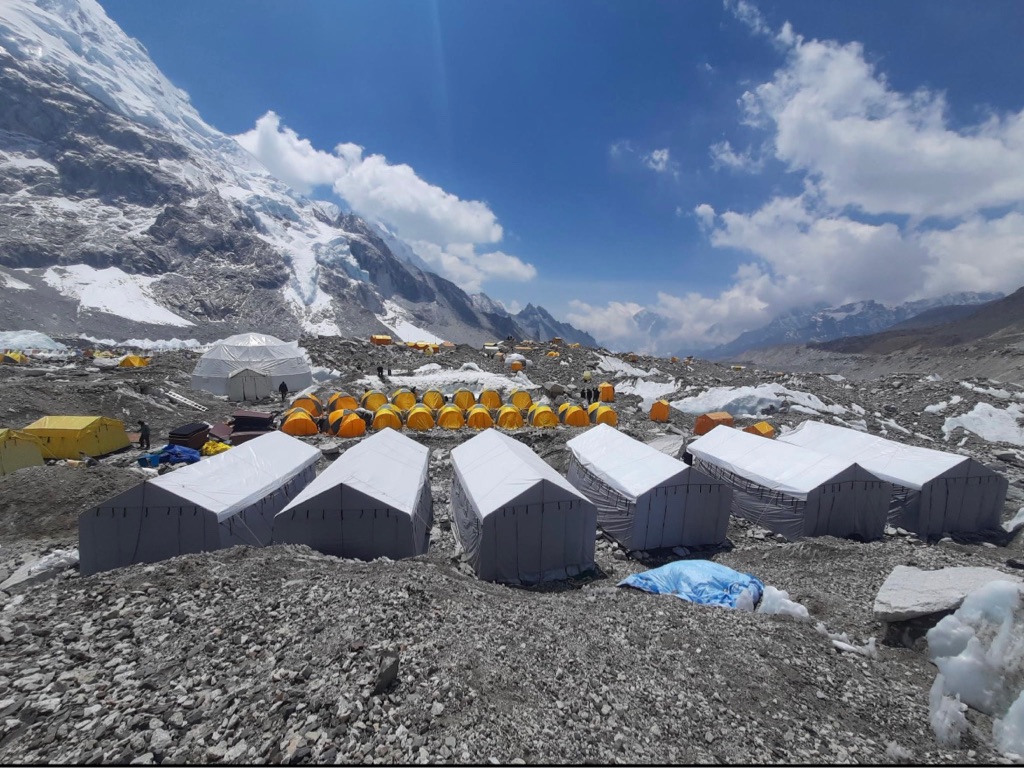 A bird's-eye view of CTSS Everest Base Camp with our famous Big House in the middle of camp!
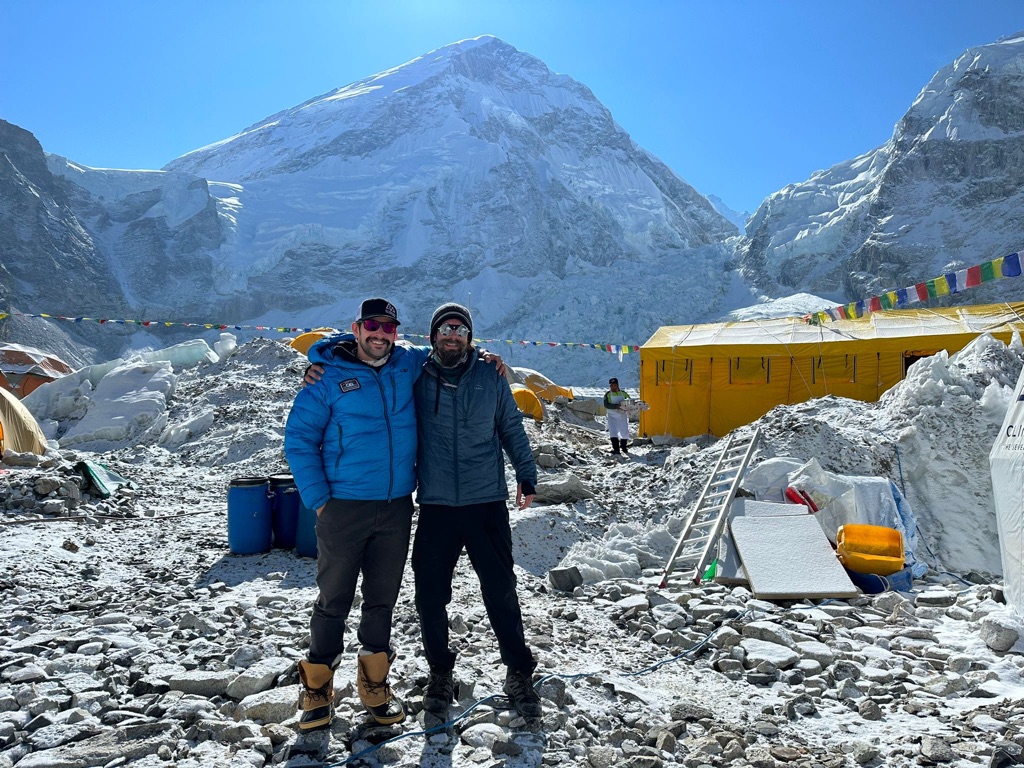 All smiles from Everest Base Camp for our climbers, trekkers, guides, and support teams!
On April 13th, our 1:1 Private climbers summited Lobuche. Congratulations to the following climbers:
- Mr. Marc Baumgartner with Guide Naren
- Ms. CJ Baumgartner with Guide Naren
- Mr. Aseem Chawla with Guide Ashish
- Ms. Susan Agar with Guide Pega
- Mr. Randall Ebersole with Guide Dorjee
- Mr. Chen (Blake) Li with Guide Abiral
- Ms. Riki Jones with Guide Lhakpa
- Ms. Pascale Soubrane with Guide Astani
- Mr. Christopher Bramwell with Guide Dawa
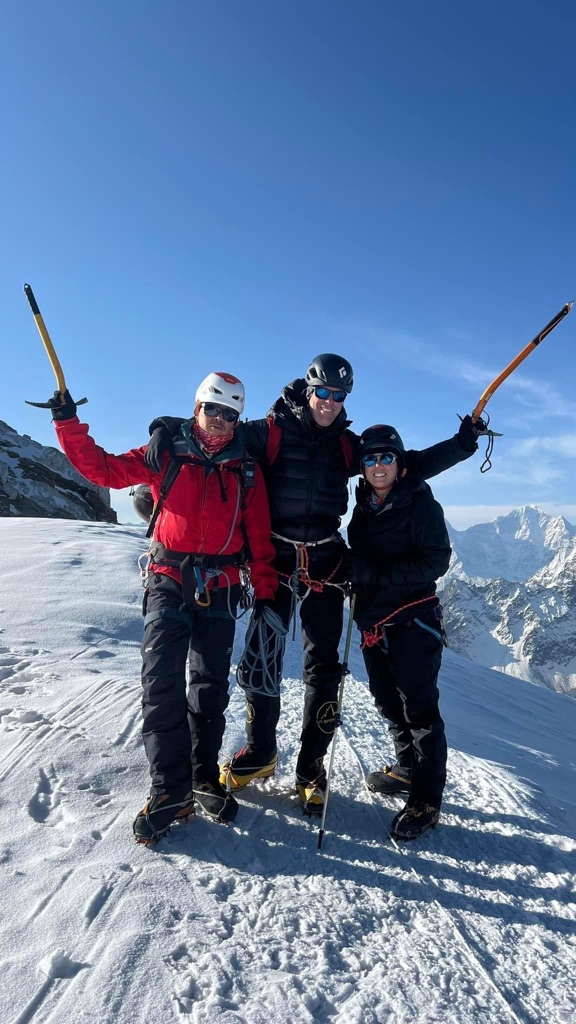 Marc B & CJ on top of Lobuche with Guide Naren.
A few photos from our Lobuche climbers and Everest Base Camp trekkers who were at Lobuche Base Camp this weekend. Thanks to CTSS guide Kat S. for sharing these photos.
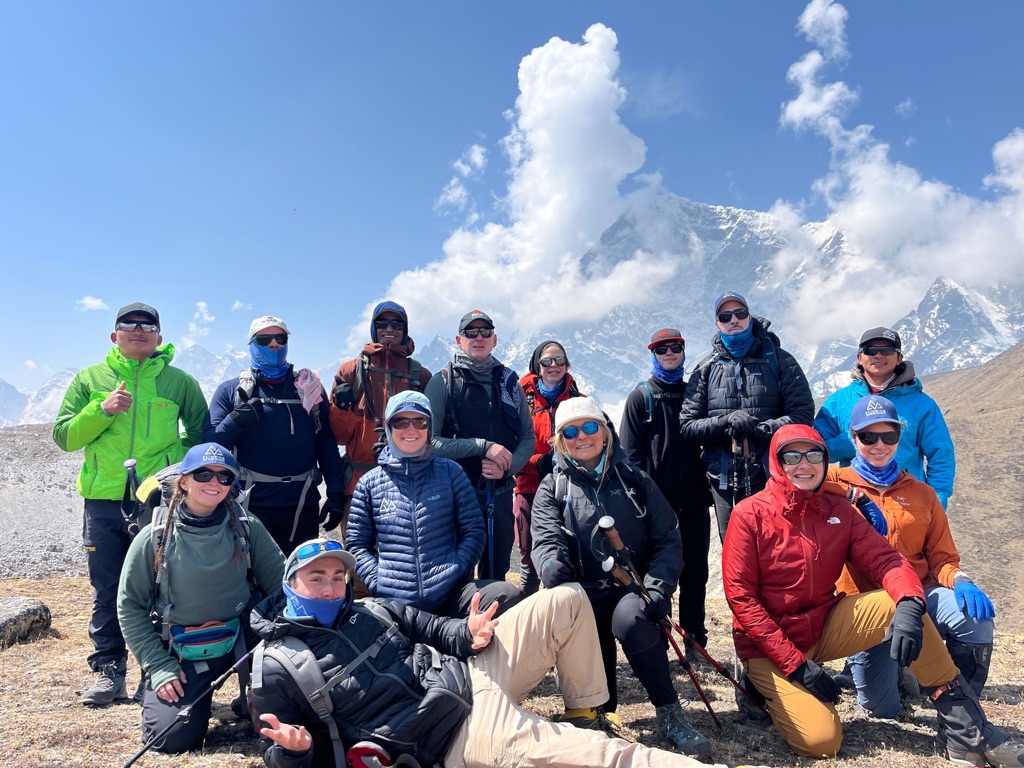 Everest Base Camp trekkers and Lobuche climbers are feeling strong in the Khumbu Valley!
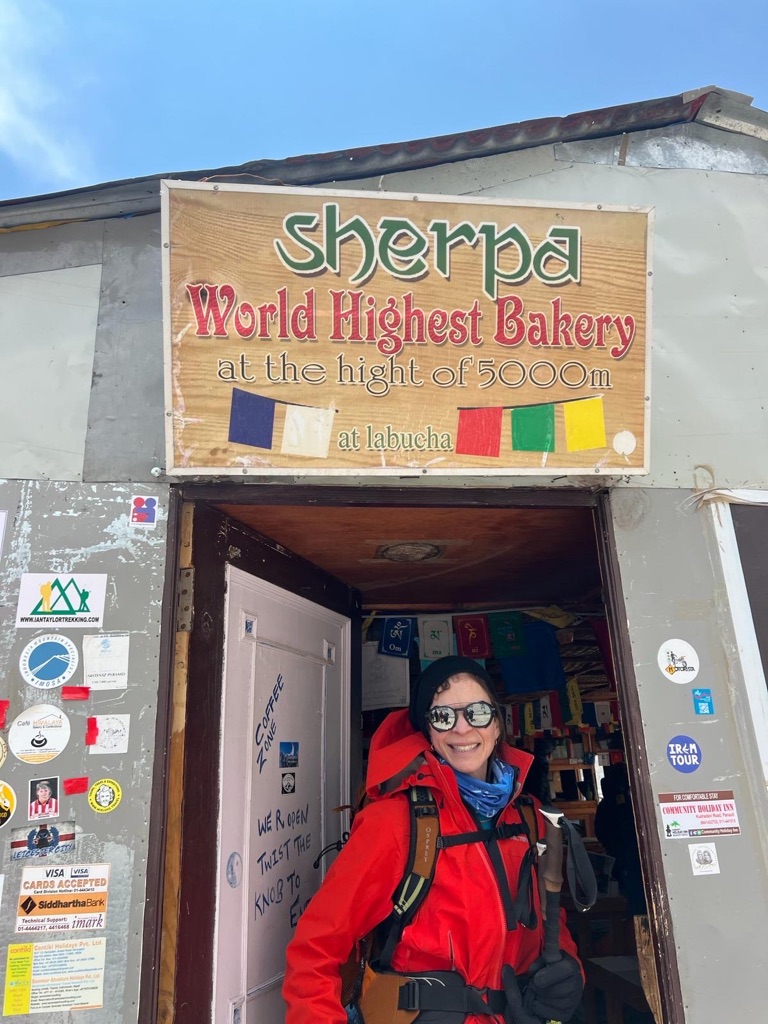 The world's highest bakery? Yes, please!
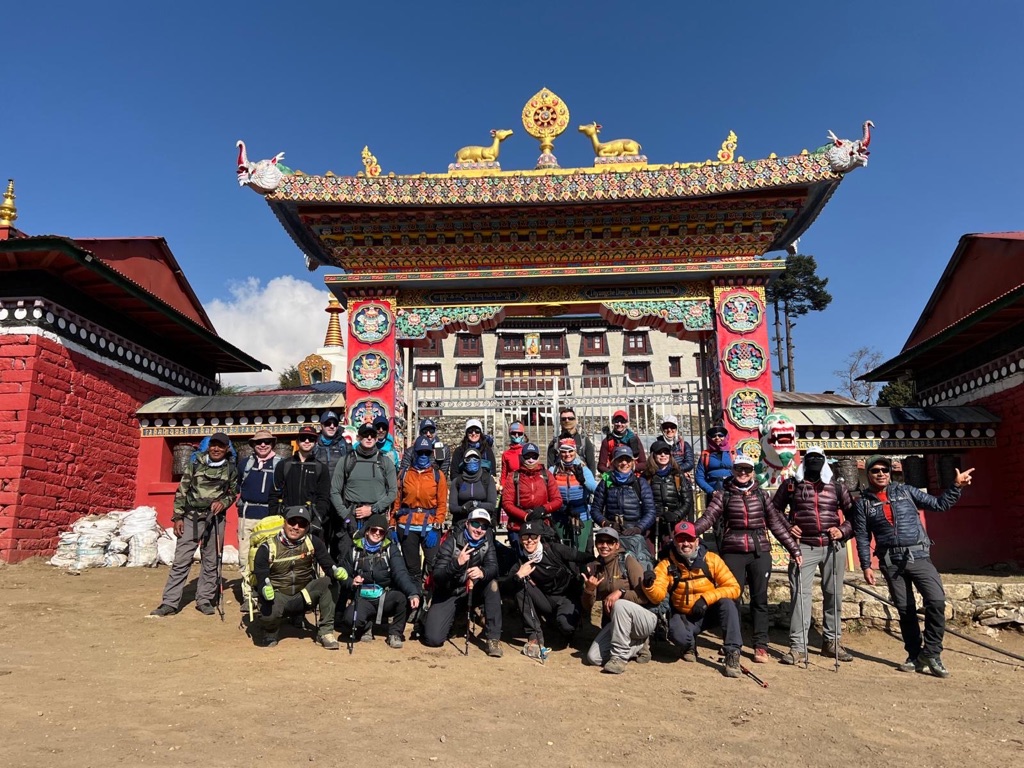 One of our favorite stops along the trek to Everest Base Camp is the Tengboche Monastery. Our Everest Base Camp trekkers and Lobuche climbers visited last week.
A new wave of climbers arrived (and departed) Kathmandu. On April 14th, we welcomed the 40-Day Speed Ascent team to Nepal. After gear checks and guide briefings, the team took a helicopter to Pheriche. The team is excited to have their expedition underway, and they will soon join the rest of the climbers at Lobuche and Everest Base Camp.
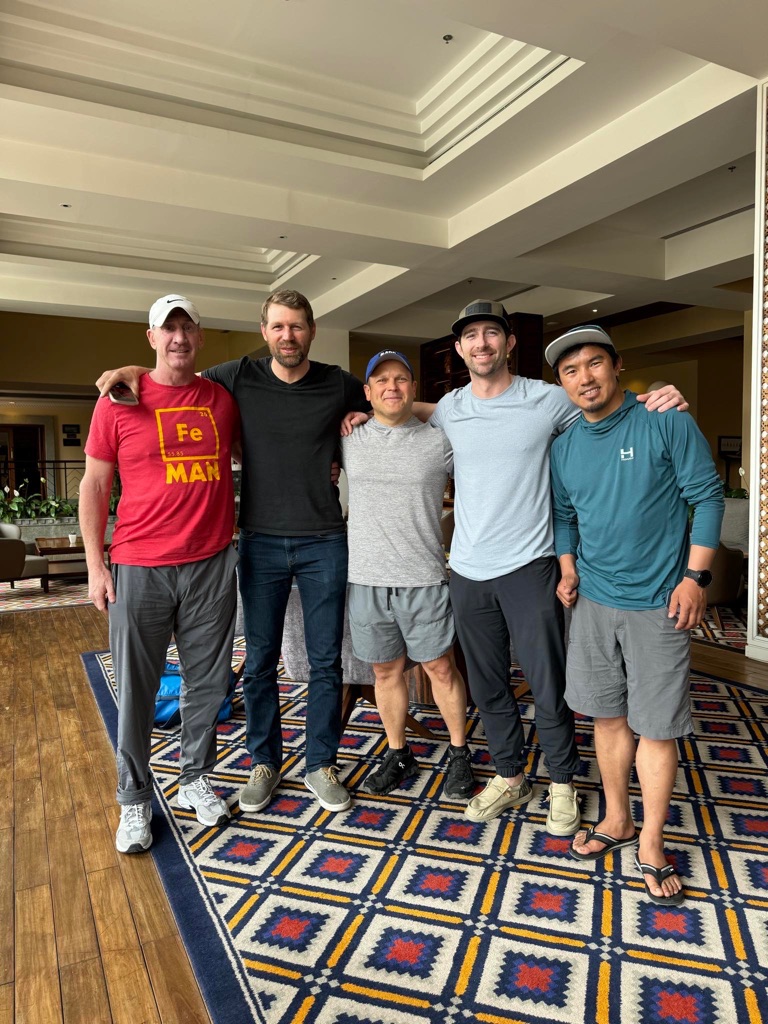 Our 40-Day Speed Ascent Team with Guide Pasang and Expedition Leader Mike Hamill in Kathmandu
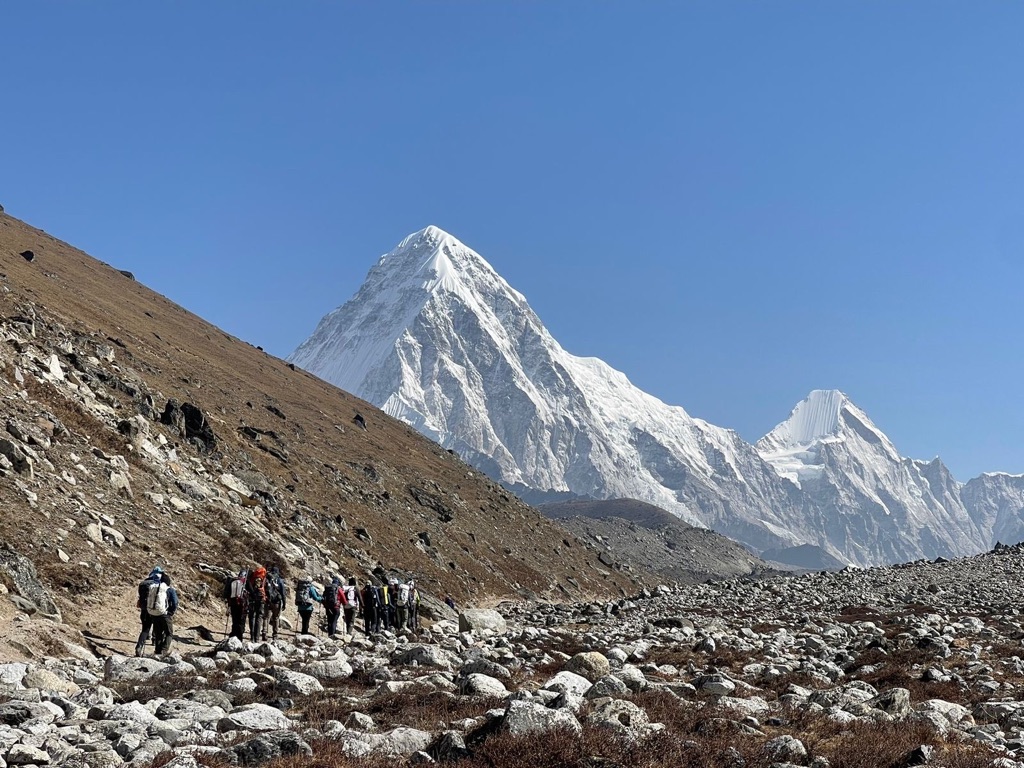 Pumori (23,494 ft/7,161 m) rises up along the Tibet-Nepal border and lies just 5 miles west of Mount Everest. (Photo Credit Tomi Ceppi)

Vinson Advice from Mike Hamill
Personal advice on climbing Vinson from Mike Hamill

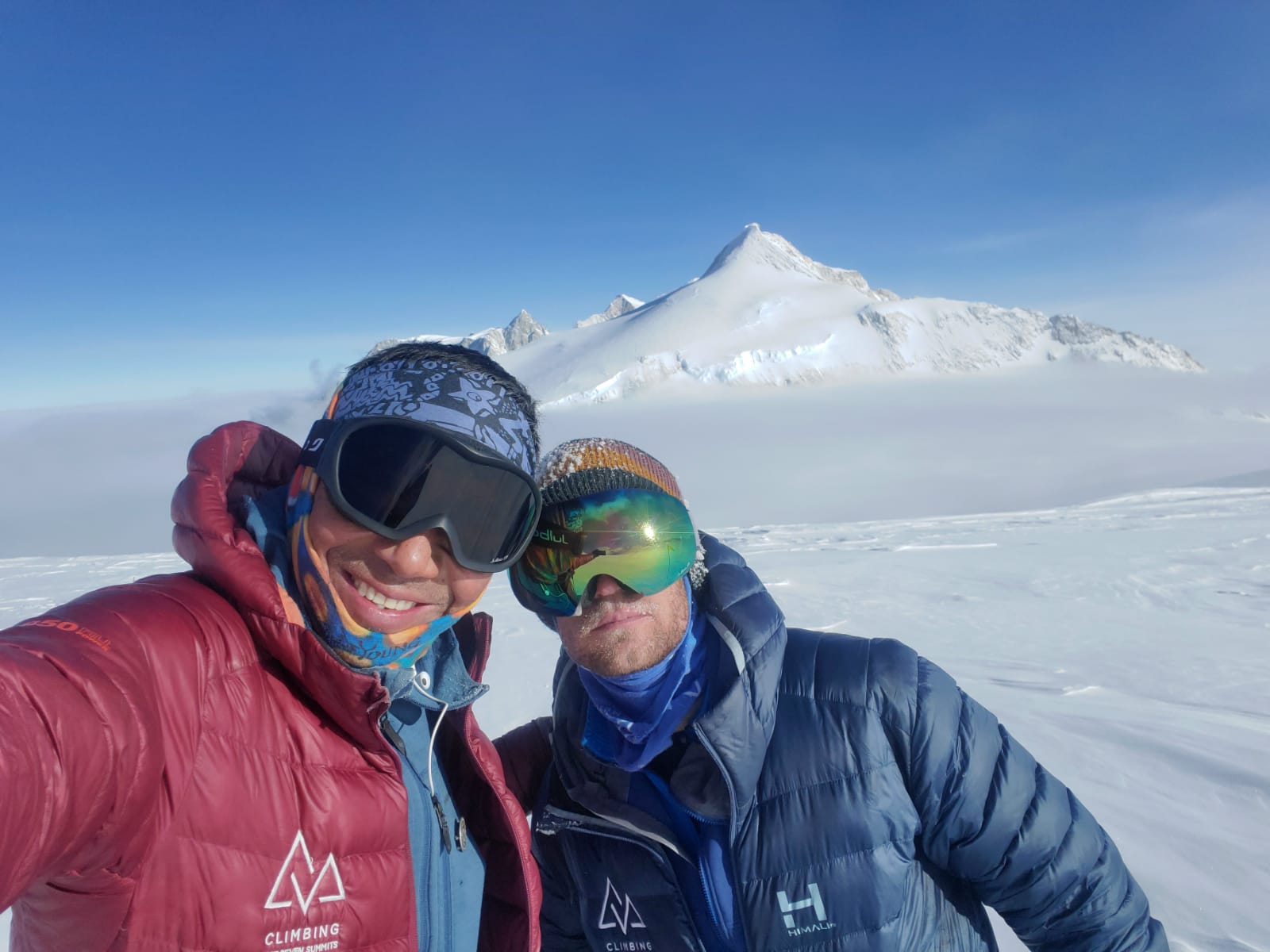
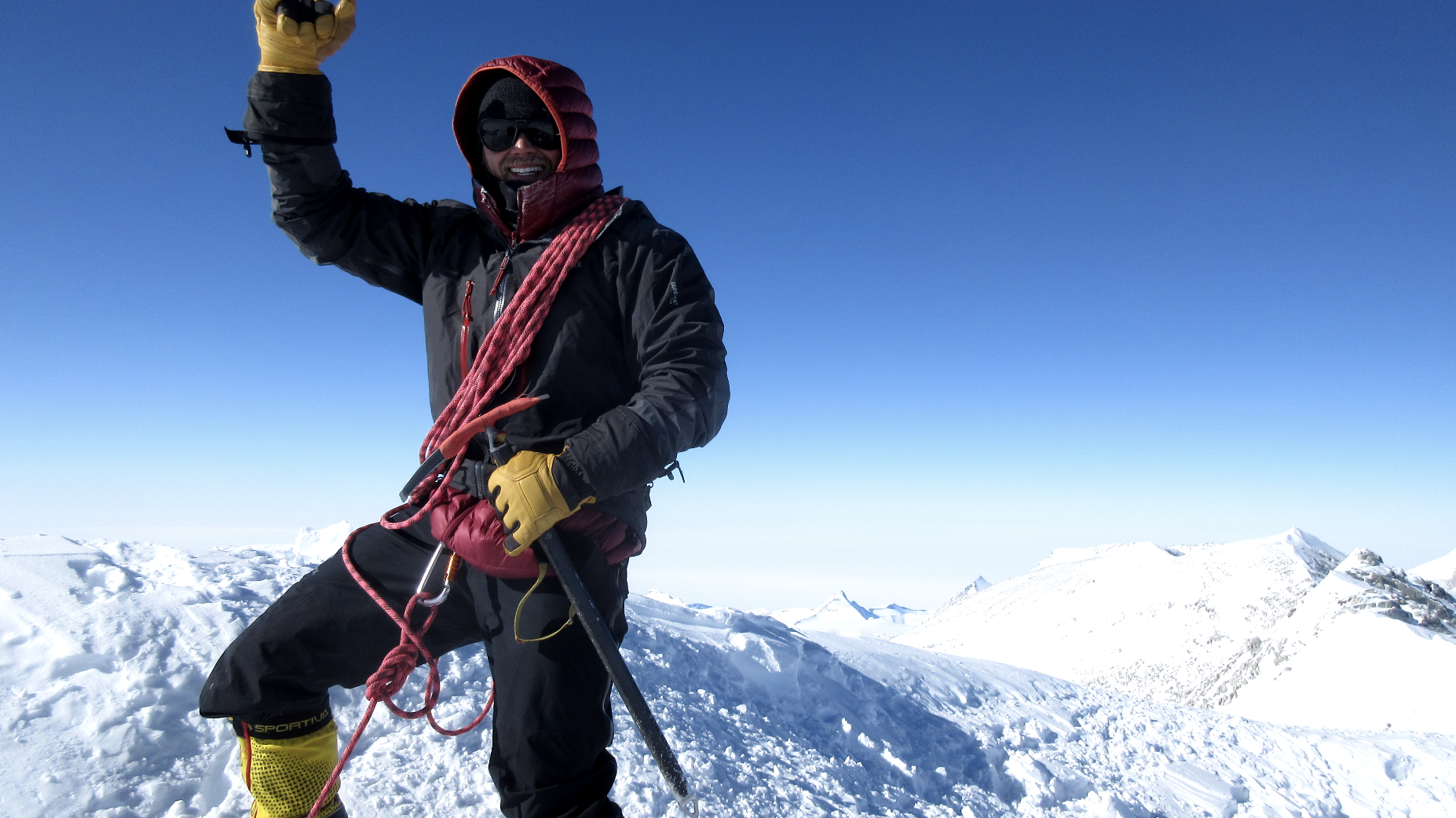
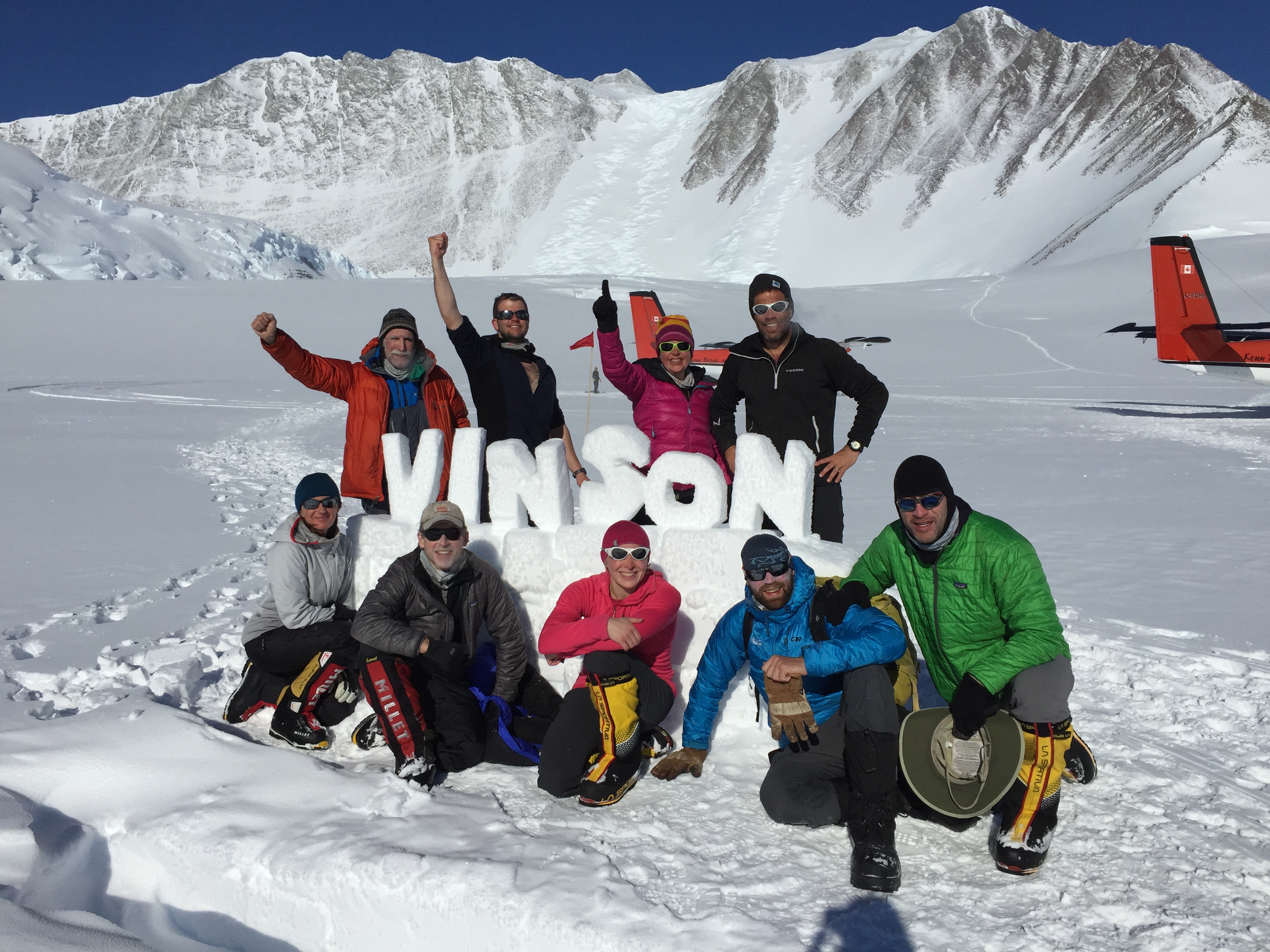
Mount Vinson is absolutely my favorite of the Seven Summits. Nestled deep in Antarctica, ascending one of the most isolated mountains on our planet is an unparalleled and exclusive privilege. Few climbers have the opportunity to climb this peak, and Vinson has far fewer summits than Mt Everest.
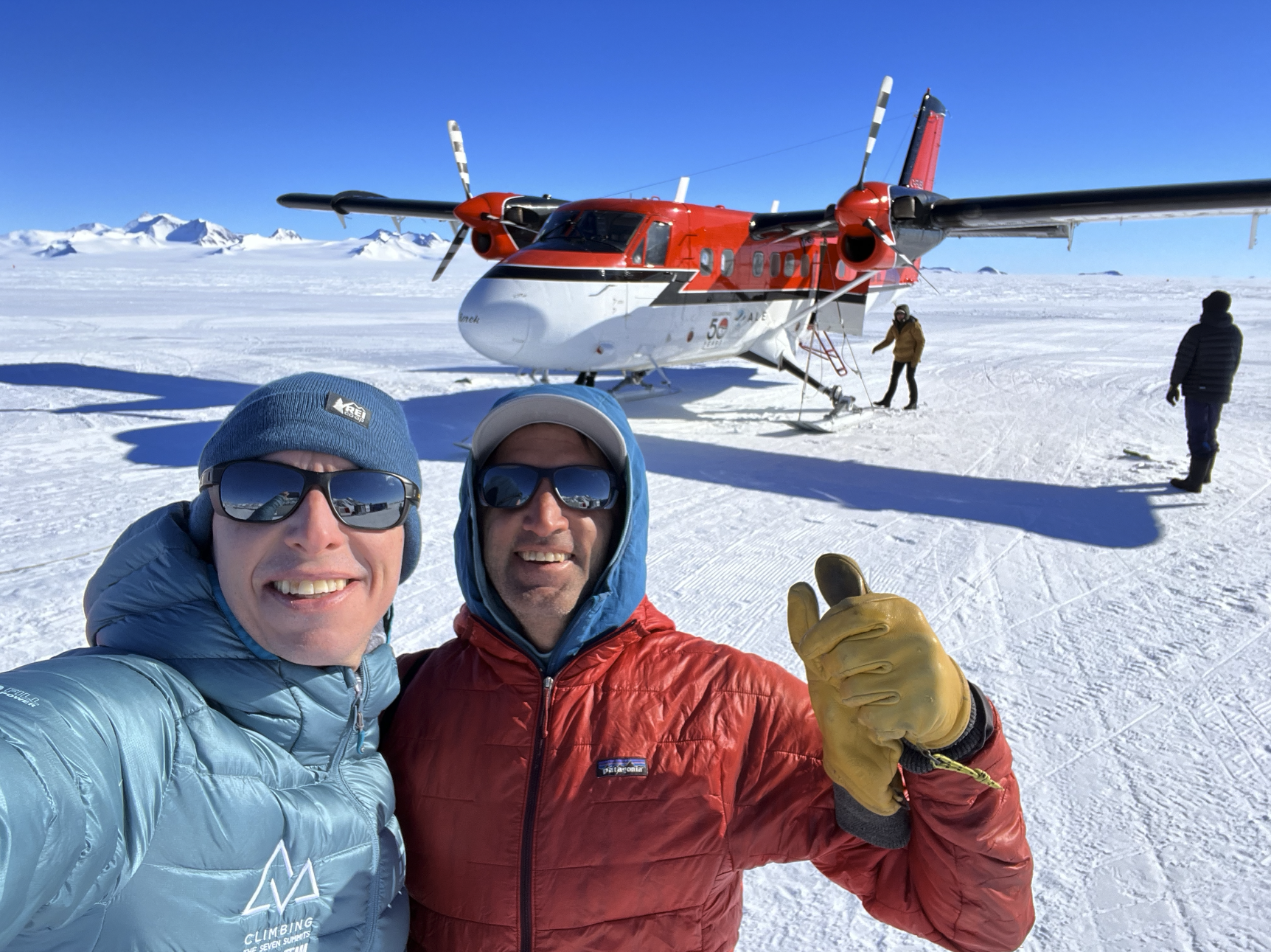
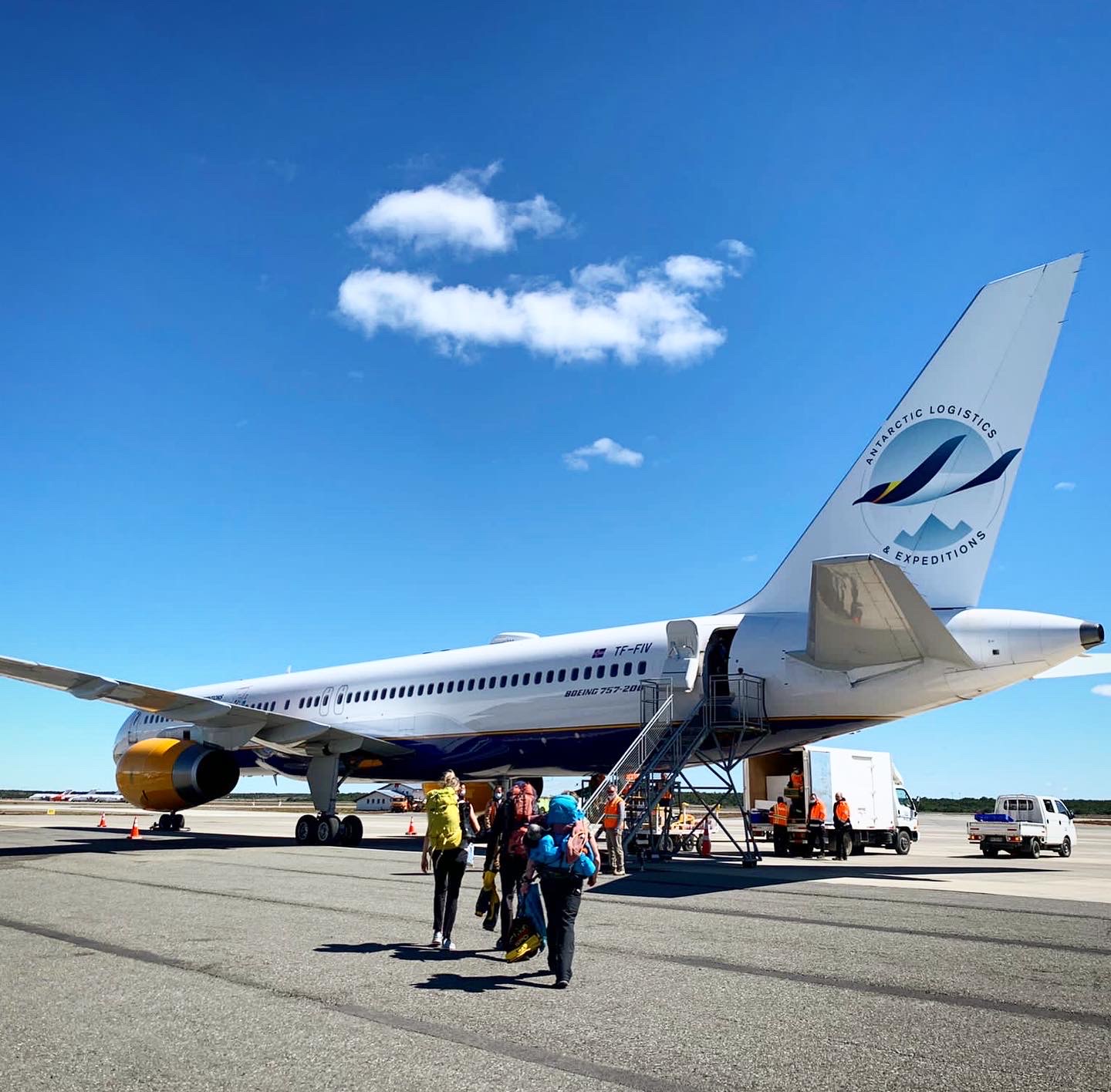

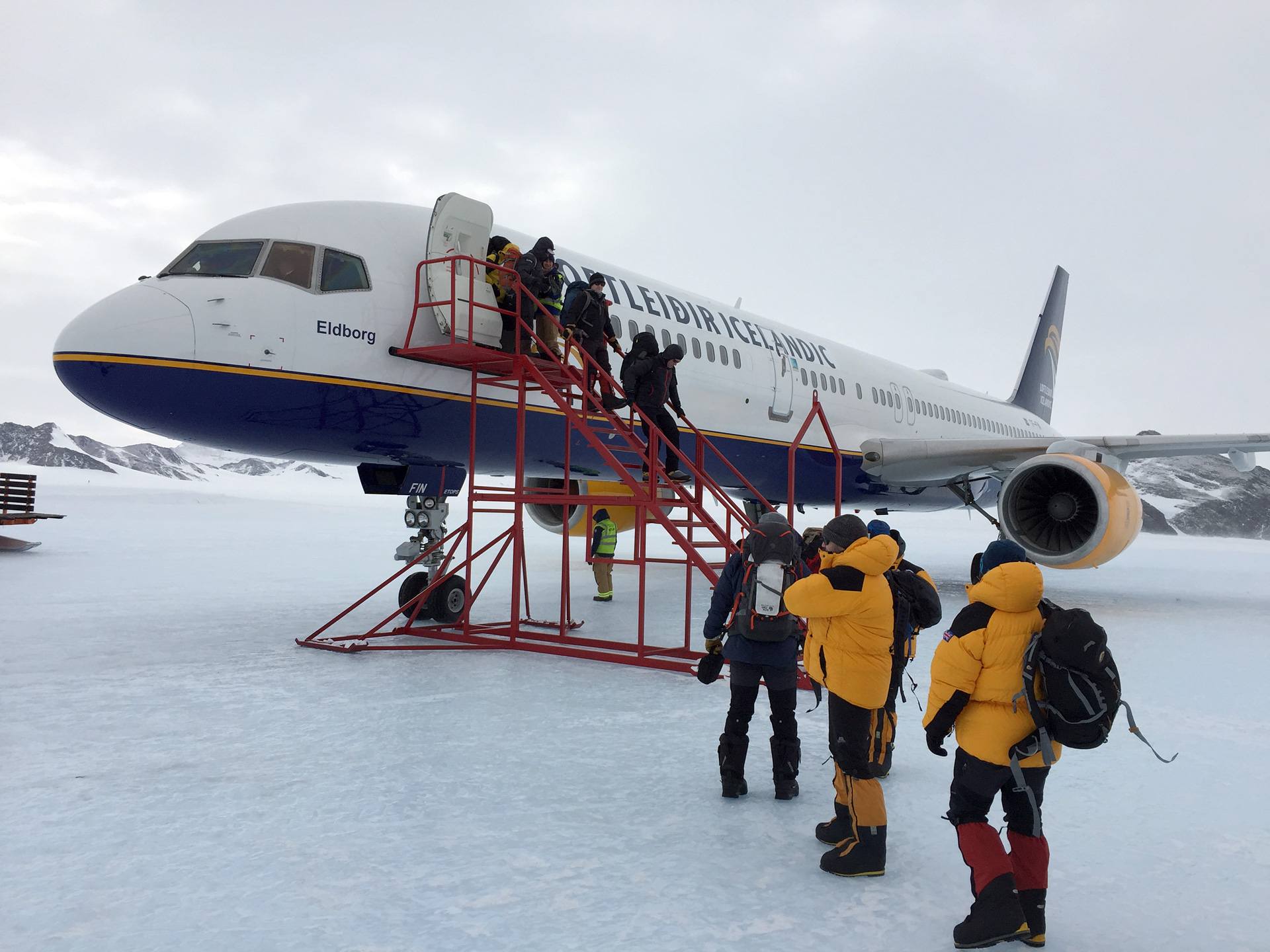
The journey to the mountain alone is an adventure. Accessible only for a brief period each year, the anticipation builds as we gather at the southernmost tip of South America before boarding another flight over the Southern Seas to Antarctica, touching down in the interior on a runway of blue ice. From there, we hop onto specialized ski planes to Vinson Base Camp.
After arriving at Vinson Base Camp, we’re ready for the climb. It’s a special feeling watching the small ski plane depart, leaving you and your team alone with the mountain. The humility and thrill of being as remote from civilization as possible—and the climb has yet to begin!
Here are a few things I’d like to offer up as some advice when you are heading to Vinson:
- Don’t underestimate the cold. Removing your face covering or a glove can lead to a cold injury. Listen closely to your guides and copy what they do to take care of themselves. Stay disciplined in keeping covered up to prevent frostnip or frostbite..
- Invest in the right gear. Having the right gear is critical. Polar temperatures are serious, and you need to closely follow our gear guides sent prior to your trip to make sure you’re prepared. Make sure you adhere to specific warmth ratings. Don’t try to cut corners, or “make do” with old systems/gear. On Vinson, make sure you protect yourself with the right clothing, climbing boots, sleeping bag, etc.
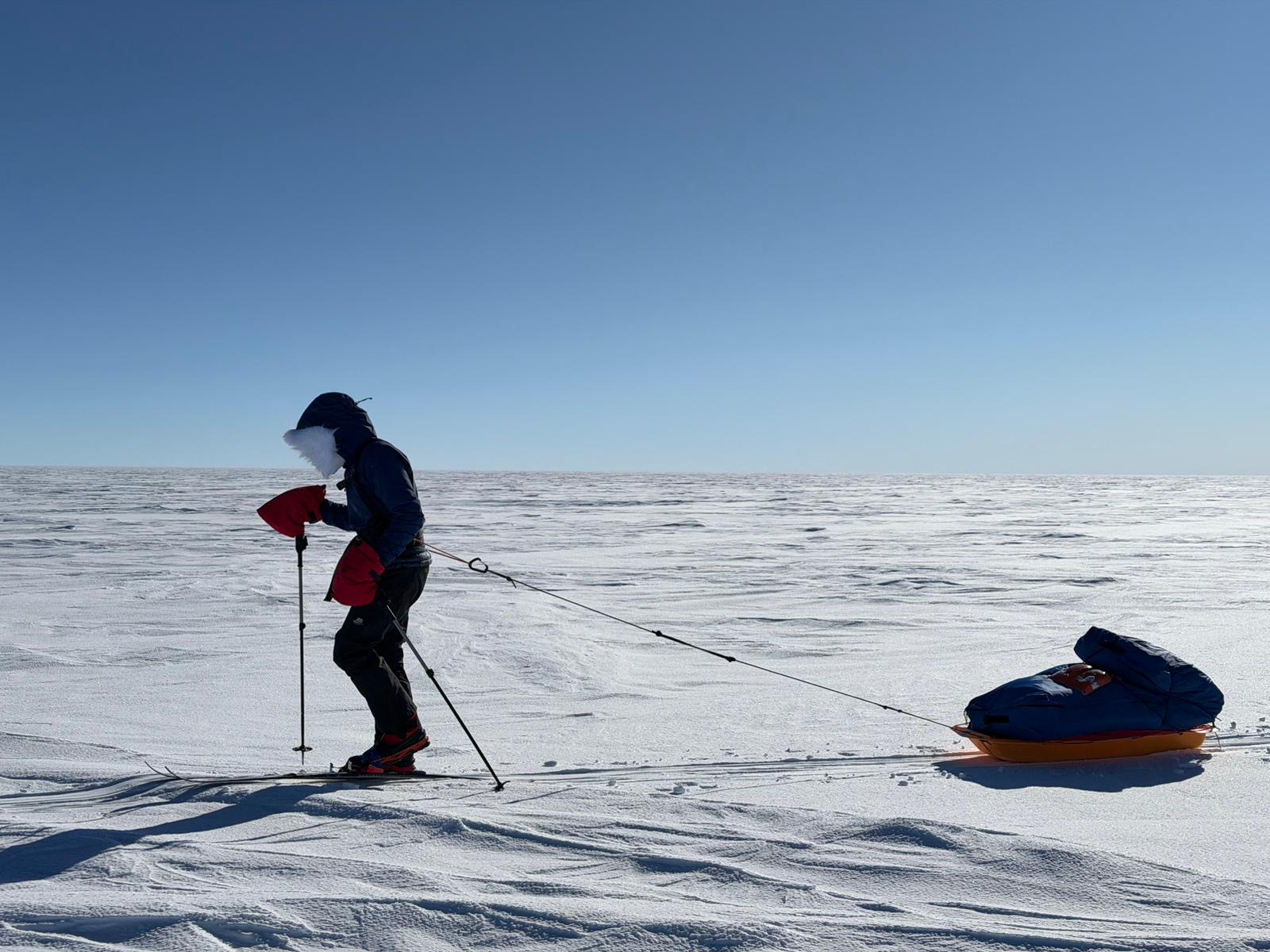
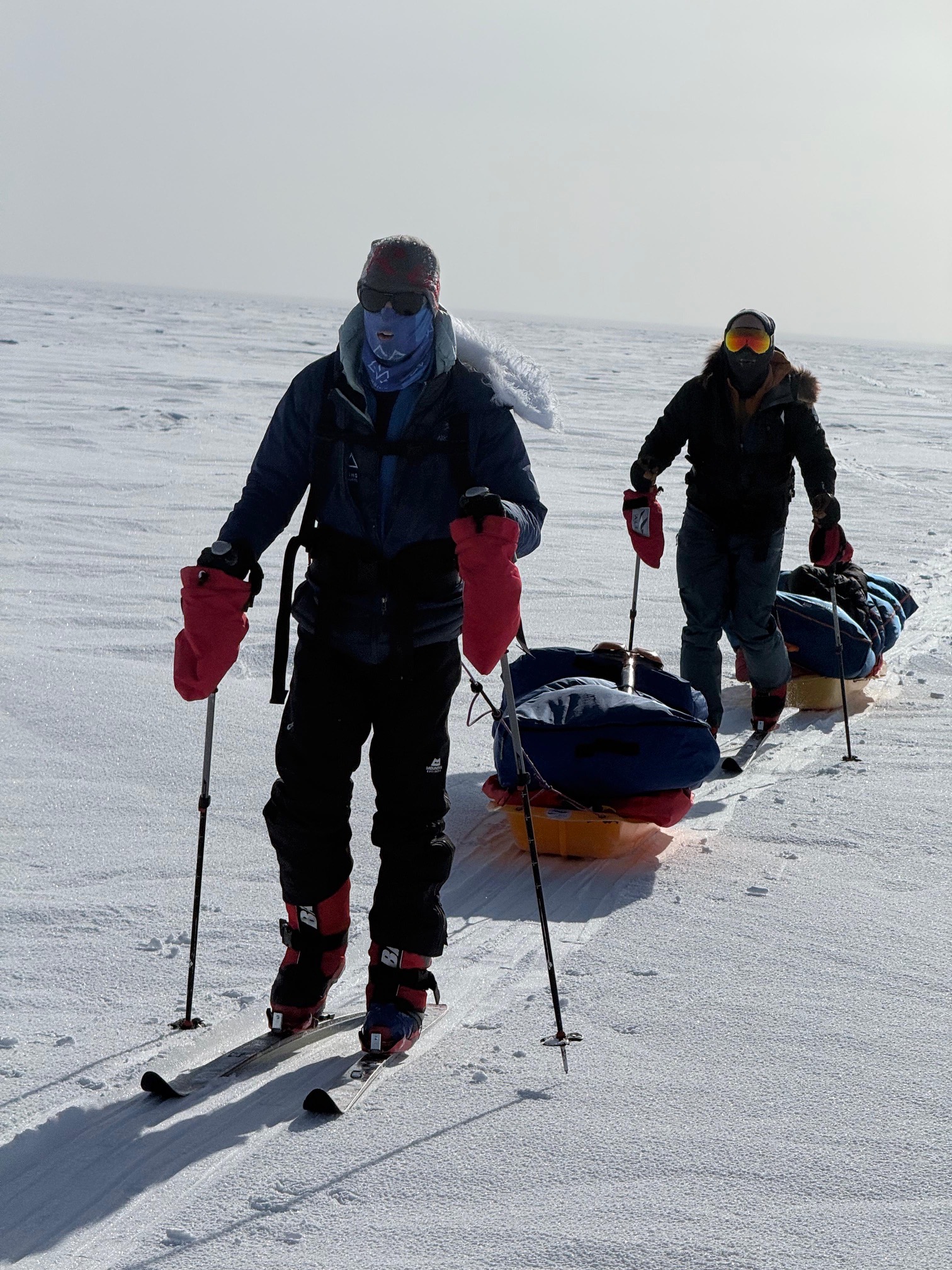
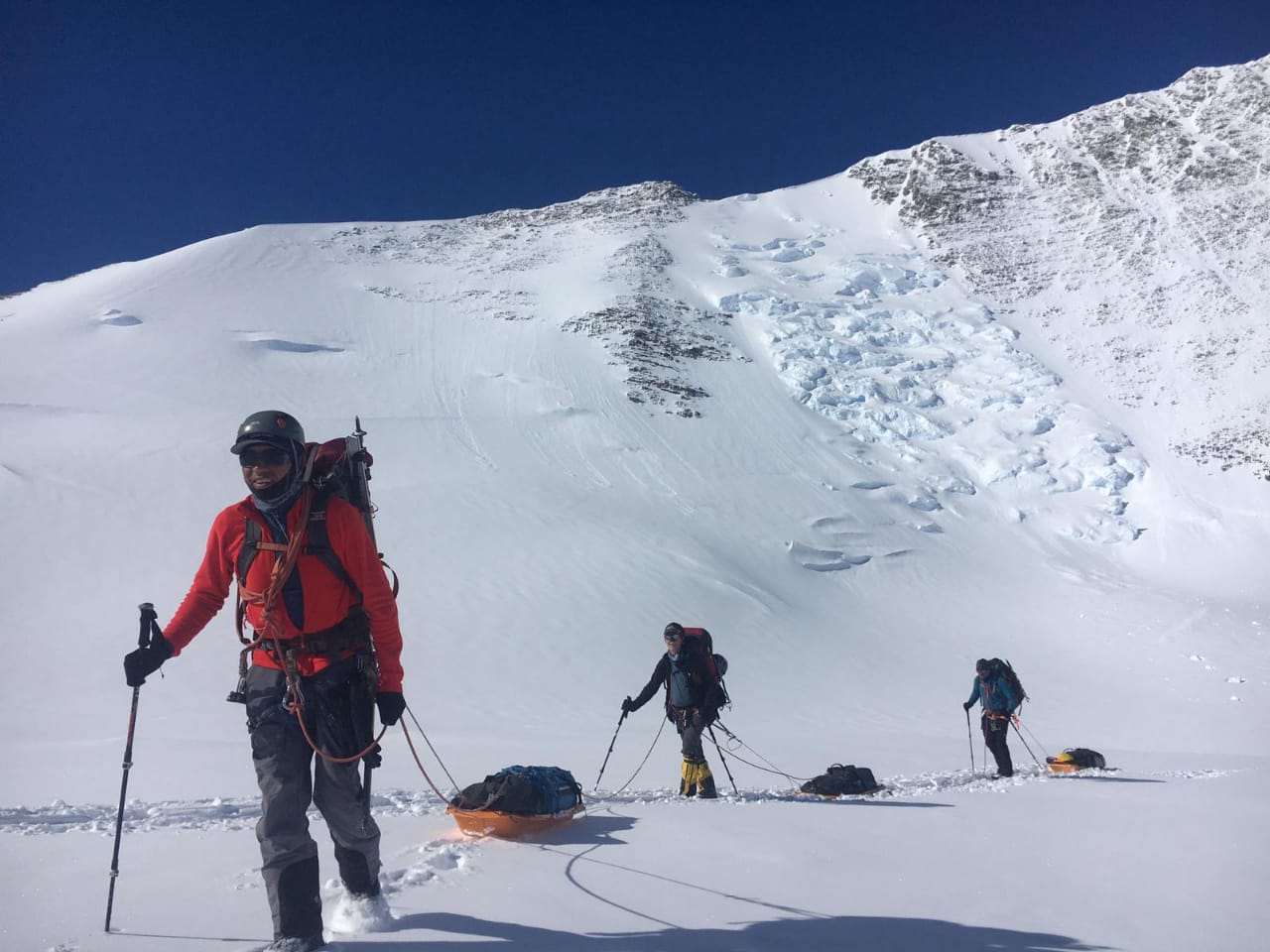
- Training for Vinson. Moving from Base Camp to Low Camp, we often use sleds pulled behind us to spread our pack weight and move more gear and equipment up the mountain. One of the most valuable ways to train for Vinson is by dragging a large car tire connected to your harness while wearing a weighted pack. It will train your body to pull and strengthen all the small stabilizer muscles you otherwise wouldn’t work in the gym. You don’t want your muscles to be sore on Day 1 of the climb.
- Manage expectations. Make sure your work and family understand the trip length and lack of communication. It is rare, but lengthy delays do happen without access to a cell or internet connection. The planes on the ice won’t fly in anything other than perfect conditions, so if you get a storm or poor visibility, you could be sitting at Base Camp for days on end. Bring a Kindle with preloaded books, and download some good podcasts or movies to your phone and a small portable solar system like a Goal Zero to recharge your device batteries.
- Expect to feel more physically taxed on Vinson. The relentless cold, the confusion that 24-hour daylight has on your body clock, and most importantly, the way the atmospheric pressure in Antarctica affects altitude perception. At the North and South Poles, the atmosphere has relatively low pressure compared to sea level, so it will feel higher, and you will feel more fatigued than on other mountains of similar altitude.
- Research Antarctica. Before you arrive, dive into the rich exploration history of this icy continent. It will intensify the experience as you imagine what the early explorers faced compared to our comfy base camp and present-day gear and equipment.
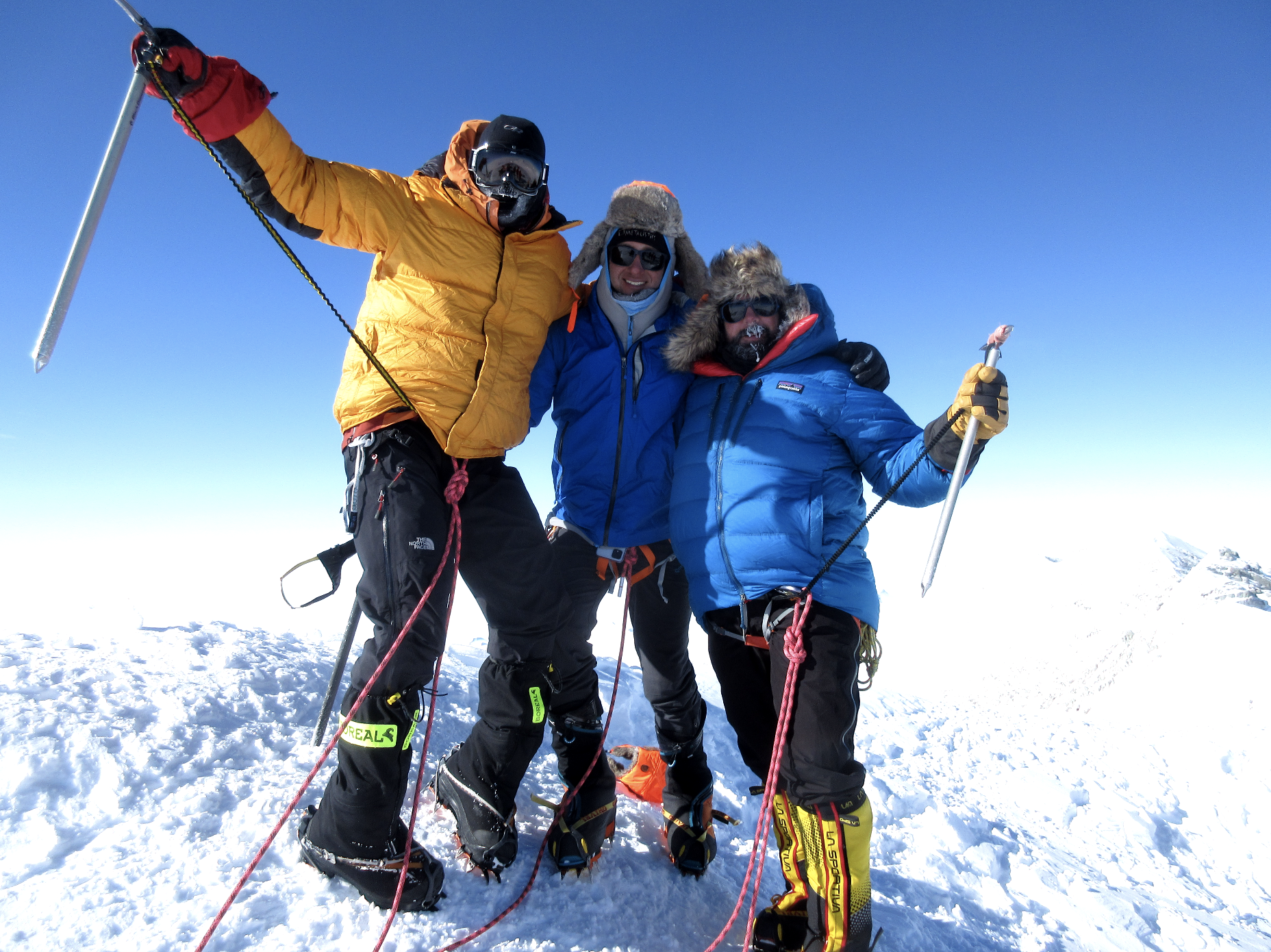
I’ve always found Vinson one of the most thrilling and life-changing of the Seven Summits, and I’m sure you will, too.
The explorers, adventurers, and mountaineers you meet in the heart of Antarctica are some of the most humbling, high-achieving, and fascinating people on Earth. Having the opportunity to connect with them and call them friends will be one of the most life-changing elements of your expedition.
Best Wishes,
Mike
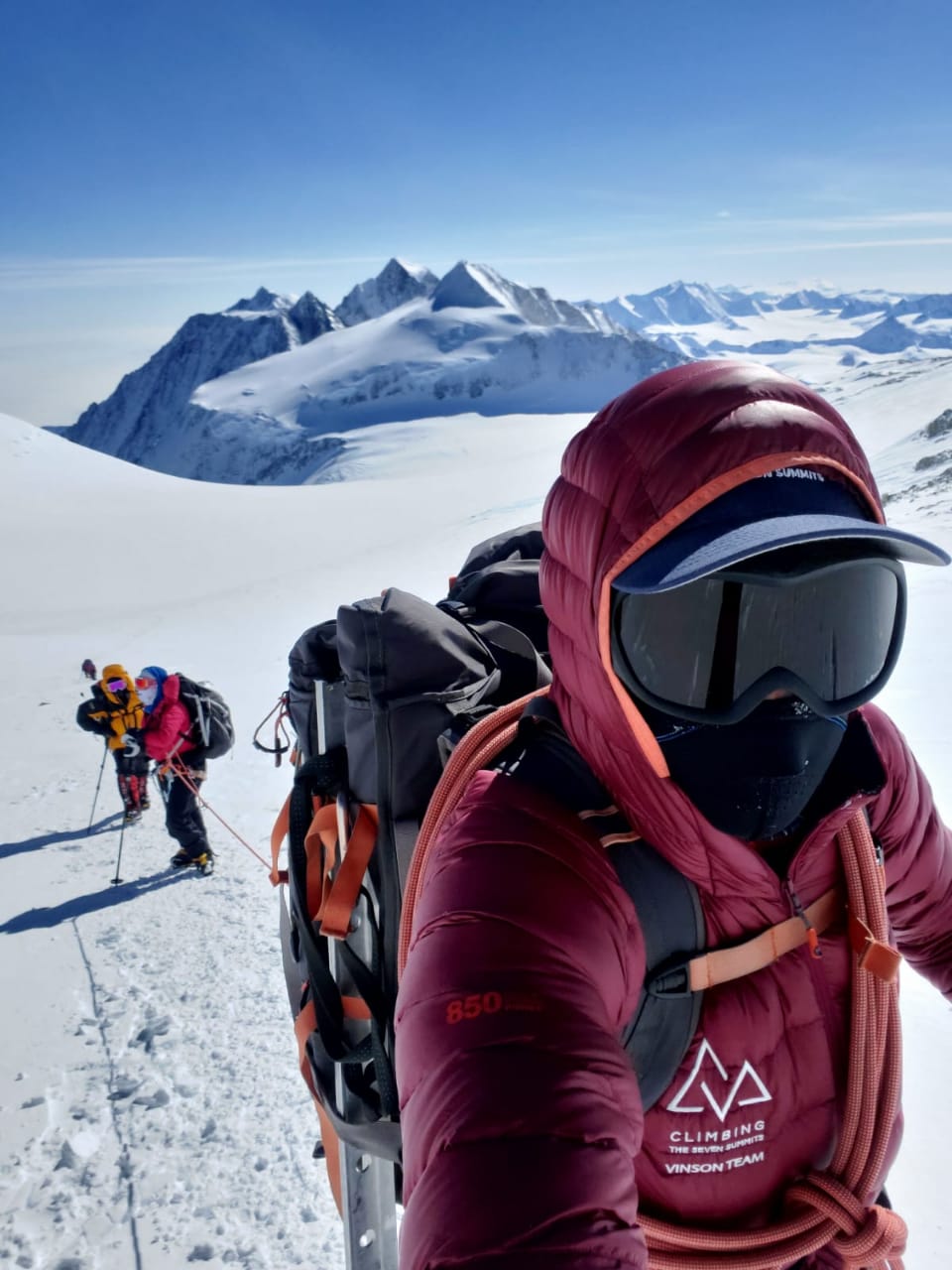
Vinson Training & Prerequisites
Experience Level
Vinson is a serious undertaking meant for climbers with prior experience in the cold and some climbing skills. Guides will work with clients throughout the expedition to provide safety, advice, logistics, technical guidance, and information to best ensure the clients’ summit success.
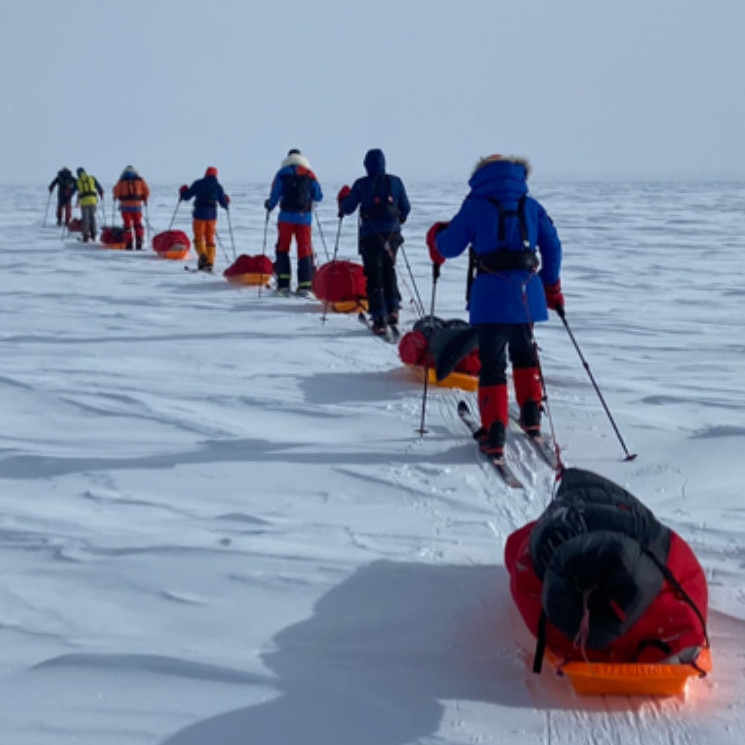
Physical Training
Your climb begins long before you reach the ice. We encourage you to incorporate training into your daily routine at least six months before the departure date. As your climb rolls around, you want to be in top physical and mental condition. Being fit at home is different from being strong at high altitudes and in extreme conditions.
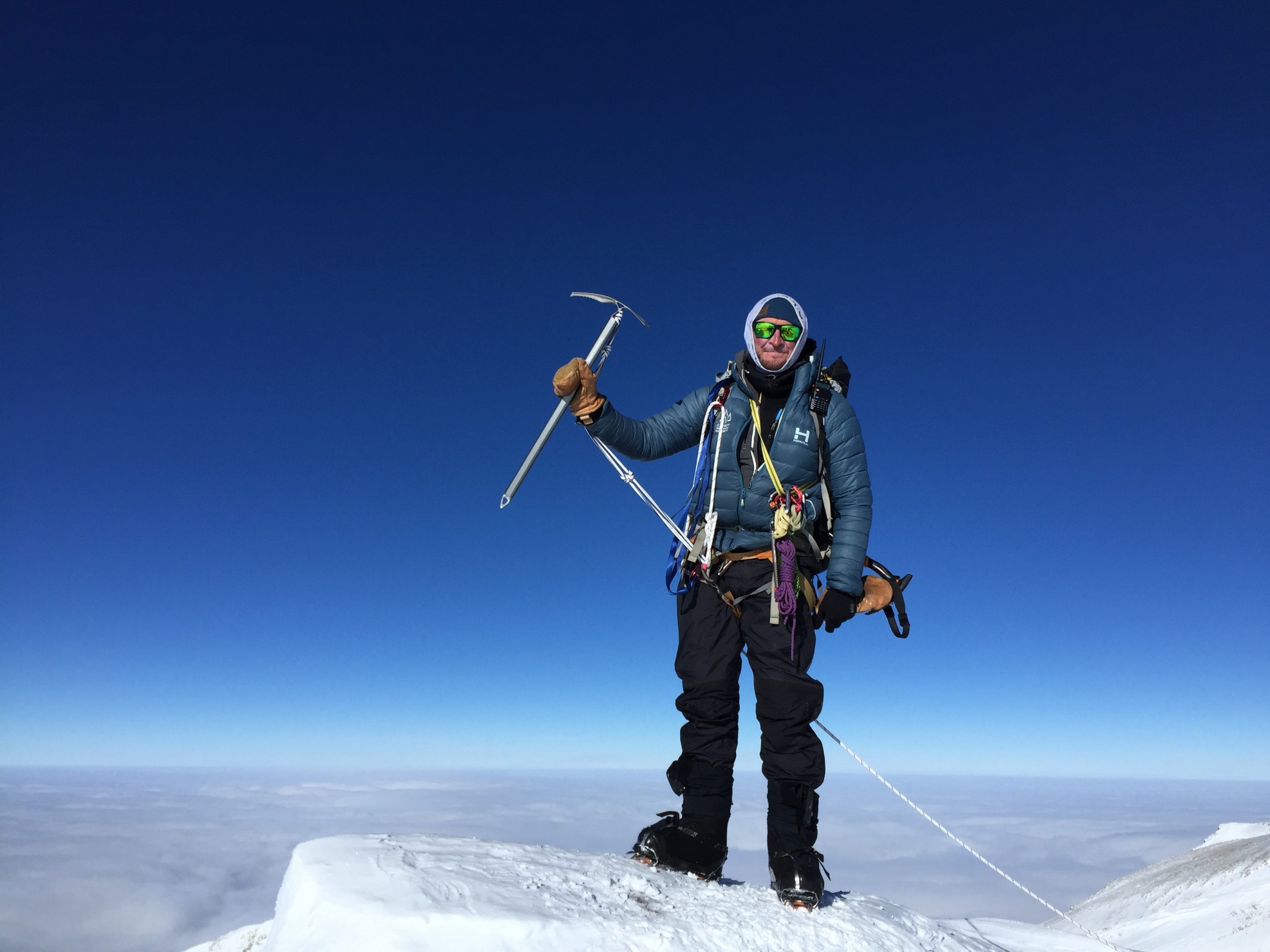
Mindset
Mindset and mental preparation are integral to your success on any peak.
You should be prepared to:
- Be away from home/work for the duration of your climb
- Have a desire for rugged adventure travel
- Be open to receiving and deferring to guidance, support, and advice from your guides/expedition leaders even if you are an experienced mountaineer
- Be comfortable having open conversations with your guides
- Be able to work well in a team environment by being supportive and respectful of fellow teammates
- Be humble, respectful, and considerate even under pressure
Vinson Expedition Beta & Route
Elevation: 16,050 feet
Duration: 16 days
Difficulty: Advanced
Route: Branscomb Shoulder Route
Continent: South America and Antarctica
Route Choice
We have chosen the Branscomb Shoulder route on Vinson for the best chances of summit success. This route is located on the southern side of Mount Vinson and begins at Vinson Base Camp. This route is often dubbed the standard route as it is a more moderate option to the summit of Vinson, but it still presents significant challenges, including crevasses, icefalls, and harsh weather conditions.
The route is named after the Branscomb Glacier, which flows along the southern slopes of Mount Vinson. The “shoulder” refers to a feature on the mountain where the route traverses, leading climbers towards the summit.
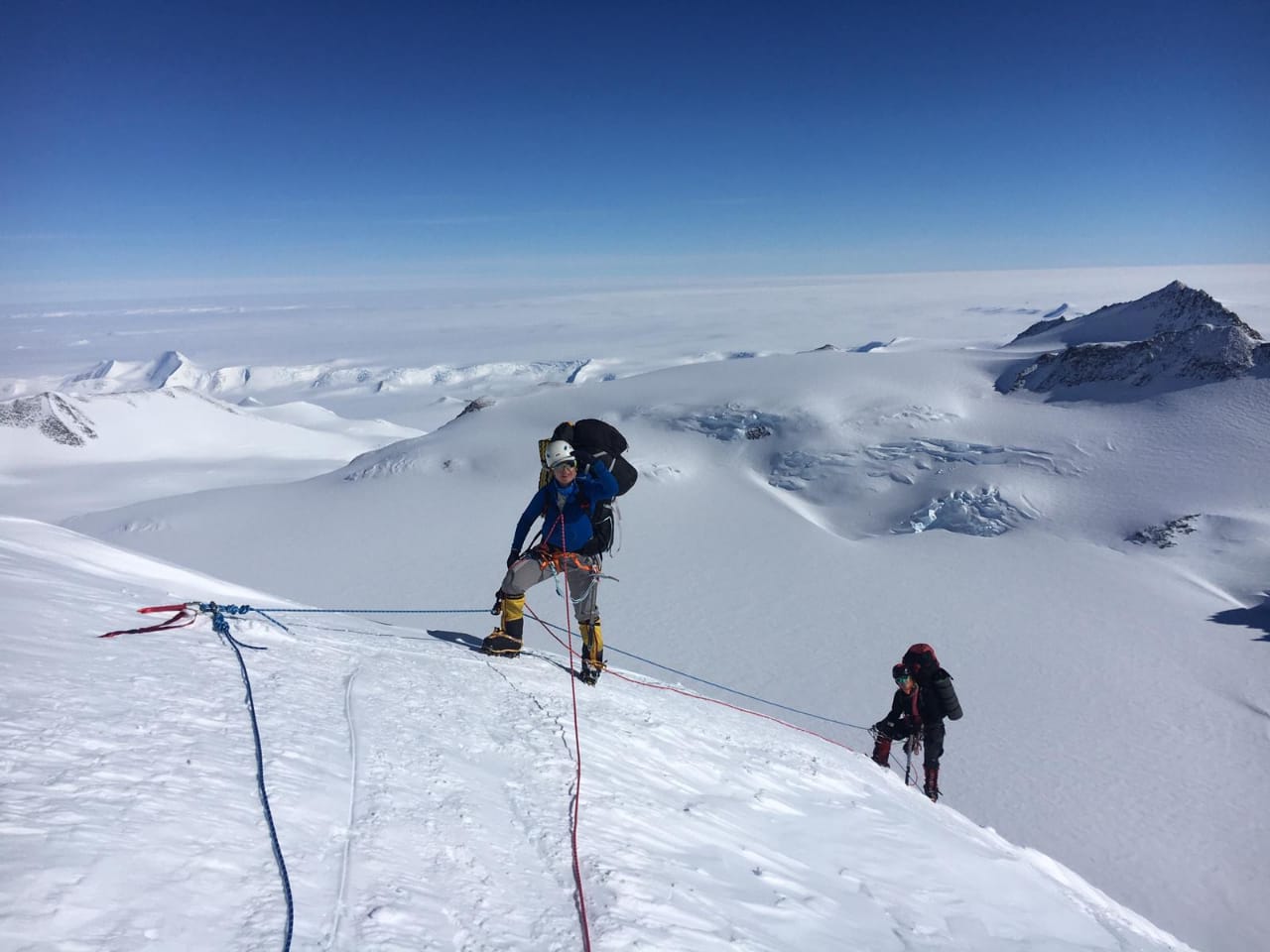
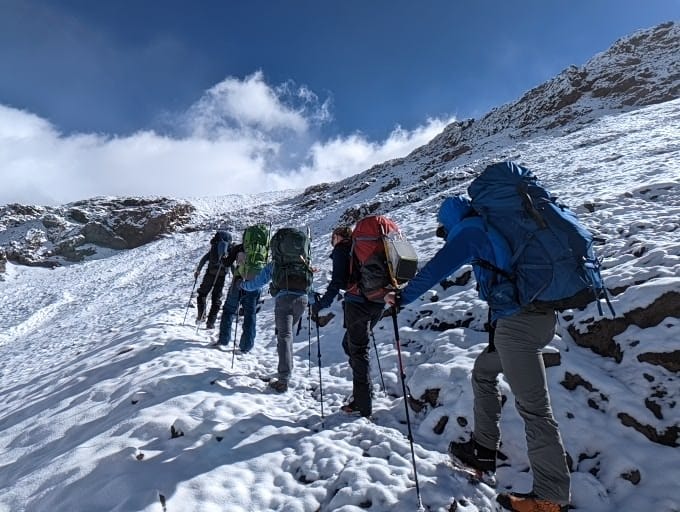
The Branscomb Shoulder route consists of low-angle glacier walking at lower elevations with some moderately steep fixed-rope and ridge walking as the elevation increases. Overall, the climbing is incredibly enjoyable, albeit cold, and very doable. Taking advantage of the endless daylight, we’ll climb when conditions are best, working up through Low Camp to High Camp in preparation for our summit bid.
How to Choose The Right Vinson Expedition
How to Choose The Right Vinson Expedition
Share Expedition
It is important to research and choose the right expedition company to support you, help guide you through all logistics, and be there for you on the mountain. You want to do your homework so you feel 100% confident in your choice and can focus on the climb.
We encourage you to look closely at both the big picture and the small details. Consider a company’s priority on safety, the quality and experience of its guides, its reputation, and its level of “care factor.”
Safety & Success
Your safety and success are the top priorities, in that order.
A climbing company should invest heavily and plan extensively for your safety.
Climbing the Seven Summits is committed to providing the highest-quality expeditions on Vinson Massif. You can be assured that it will be both challenging and fun, a true once-in-a-lifetime experience. As always, our professional priorities are safety and success, which we achieve by outfitting our teams with the best logistics and the most capable, qualified, and seasoned guides in the world.
CTSS is pleased to boast a 100% client success rate on our Vinson expeditions. Who you choose as the outfitter of your Vinson expedition will be one of the most important decisions you’ll make. Sound leadership is the difference between a great expedition and a miserable experience.
Leadership
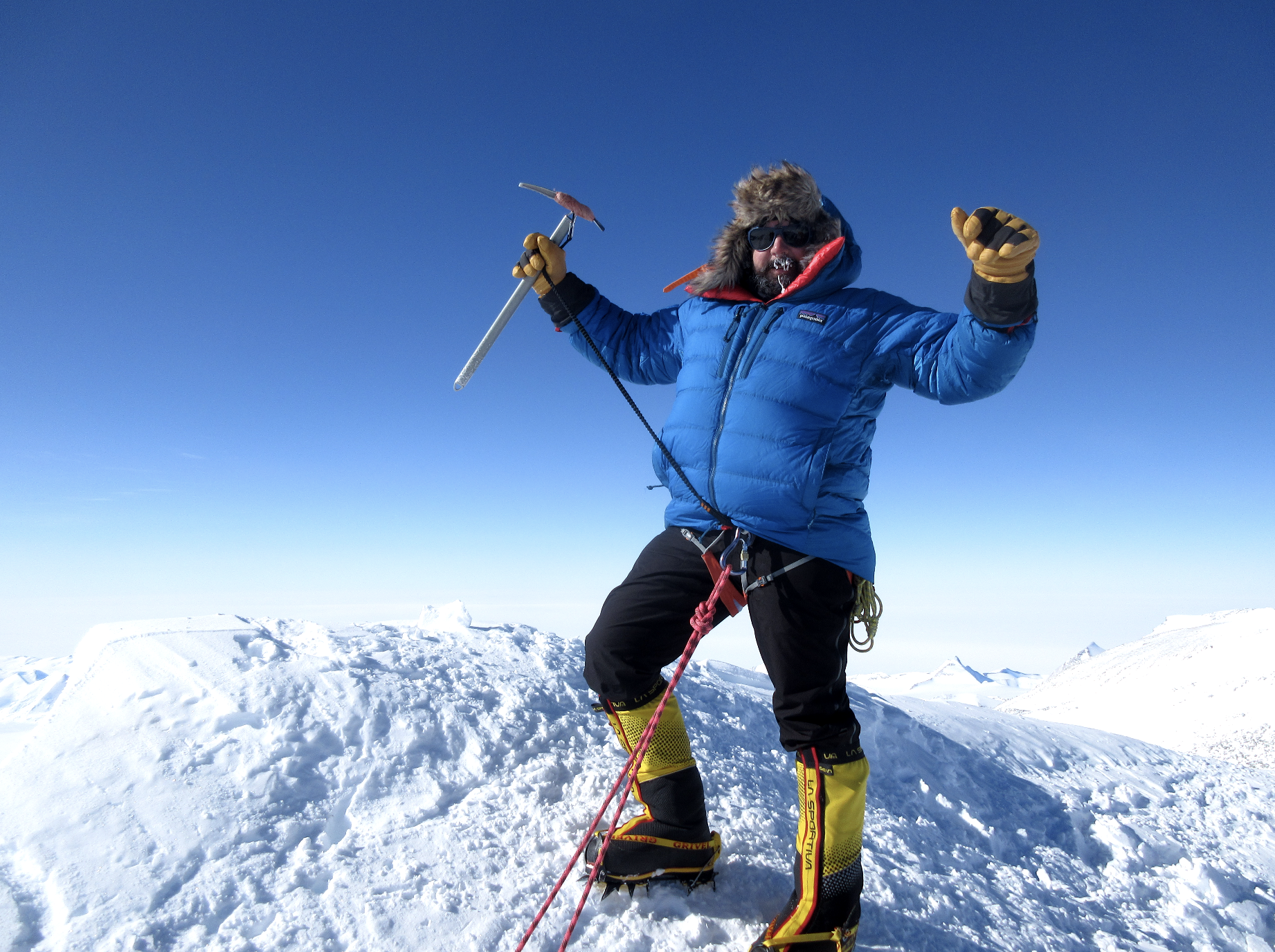
This expedition will be organized by Mike Hamill, Owner of Climbing the Seven Summits. Mike has personally guided nearly 20 Vinson expeditions, 11 Mount Everest expeditions, 24 X 8,000m expeditions, 6 Mount Everest summits, currently holds the record for most non-Sherpa summits of Cho Oyu, and has written the guidebook to “Climbing the Seven Summits,” making him one of the most experienced guides on the mountain. More than 100 summits have been notched on Vinson under Mike’s direct leadership. Climbing the Seven Summits expeditions are meticulously organized with the best logistics.
We feel that our guides are incredibly important to our success. CTSS employs only world-class leaders who are known for their focus on client care and experience.
Vinson is a serious undertaking meant for climbers with prior experience in the cold and some climbing skills. Guides will work with clients throughout the expedition to provide safety, advice, logistics, technical guidance, and information to best ensure the clients’ summit success.
Values & Philosophy
This is sometimes a little harder to identify as it’s more a feeling than a sales pitch, but you should get a feel for a company through their little interactions, their care factor, their attention to detail, their corporate social responsibility, their responses to you.
Mountaineering can be high-risk and stressful, so pick an operator who has strong core values and a team mentality that aligns with yours. When things get challenging, you can rely on open lines of communication, knowing they will do what they can to support you.
It is this team cohesiveness that flows through to each individual climber and helps them stand on top.
Vinson Travel Guide
Expedition Meets in: Punta Arenas, Chile
Continents: South America and Antarctica
Currency: Chilean peso in Chile and US dollar in Antarctica
Population: 124,169 (Punta Arenas, Chile) and 1,000 – 4,000 (Antarctica)
Official Language: Spanish in Punta Arenas, Chile, and no official language in Antarctica, but English, Spanish, and Russian are among the most commonly spoken languages at the research stations.
Seasons to Climb: During the Antarctic summer you can take advantage of the warmer climbing temperatures and reduce the risk of frostbite.
Getting There & Meeting Location:
Getting to Punta Arenas, Chile, is relatively straightforward, with several airlines offering flights to and from the city each day. Due to its southerly latitude, most climbers will have more than 12 hours of flights to reach Punta Arenas. Please pay close attention to your flight times, layovers, and leave date. In the days leading up to your flight, double-check that your flight has not been canceled or changed.
Most flights to Punta Arenas connect through Santiago. Remember to collect your checked luggage BEFORE clearing customs. You will then need to re-check your bags for your domestic flight to Punta Arenas at the domestic terminal. If your luggage does not arrive, please complete a missing form/claim for lost luggage BEFORE leaving the Santiago airport.
The first day of your itinerary is an arrival day, meaning you can book your flights to arrive in Punta Arenas at any time on that first day. We strongly recommend arriving a day in advance, if possible (the day before the arrival day), or at the very least in the morning or early afternoon of Day 1.
Possible flight and luggage delays are two of the reasons we have scheduled a few buffer and prep days in Punta Arenas, as the Antarctic flight service will not hold flights onto the ice for delayed passengers, luggage, or any other reason.
We’ve built in a planning day after everyone arrives in Punta Arenas on Day 2. The whole team will meet this day, usually at breakfast, to make introductions, have our team briefing, and answer any questions.
Upon arrival in Punta Arenas, it is easy and affordable to grab a taxi to your hotel. CTSS will email you prior to the climb with updated hotel information to make sure you get to the right spot. Check in at the front desk and let your guide know you made it. Relax and unwind, knowing that you have no formal activities today. Your guide may be out buying and packing food but will check in with you as soon as possible upon returning to the hotel.
Punta Arenas, Chile International Airport
- Presidente Carlos Ibáñez del Campo International Airport (PUQ)
Expedition Transportation:
Your flights in Punta Arenas, Chile to and from Union Glacier, Antarctica, and Vinson Base Camp are included in your expedition.
Accommodation:
Your expedition includes all of your accommodations, as noted in the inclusions and exclusions.
Money:
It is better to have more money than you need than not enough. Most things are covered on the trip once you land in Chile. You can review the inclusions and exclusions list for more details. Once you land in Punta Arenas, Chile, you can exchange your money for Chilean pesos to use while you are in Punta Arenas. While in Antarctica, you can use US dollars.
Tipping:
Tipping is customary while you are in Chile. Tipping taxi drivers is not expected, but rounding up is appreciated. A tip of 1,000 pesos per night per person is considered a good tip for housekeeping, and a little tip per bag is expected for bellhops. Guide tips, although not required, are always appreciated by our dedicated guide staff.
Language:
Chile’s official language is Spanish. While in Punta Arenas, you should expect difficulty finding English-speaking shopkeepers or the general public. Most hotel front desk employees will have some command of English, and our logistics staff speak English well.
The common language in Union Glacier, Antarctica, is English.
Cell Phone Coverage:
Chile Country Code: +56
While you may find cell coverage in Punta Arenas, Chile, please check with your provider about roaming or international charges. Wi-fi calling from hotels in Punta Arenas is also an option.
There is no cell phone coverage in Antarctica. All communications must be done via satellite phone or text on the Iridium satellite network. CTSS will have a satellite phone that can be made available to clients at $3 per minute on a very limited basis. Please don’t count on having frequent access to the satellite phone, as we want to conserve battery power in case of an emergency. Please prepare your friends and family at home to be out of communication and to rely on the blog/CTSS for updates. Remember that no news is good news. Family and friends need to understand that the blog may not get updated every day and that the lack of updates does not indicate any problems.
Local Emergency Contacts:
In Chile, you can reach emergency services by dialing:
Ambulance: 131
Fire: 132
Police: 132
International Arrivals & Visas:
If you are transferring through Santiago, Chile, you will need to clear customs there, claim your bags at the international terminal, and recheck them at the domestic terminal. Upon exiting the plane, walk to the customs area and have your passport and visa form handy. This process can take some time, so make sure you have at least three hours between flights. It can take up to an hour to clear customs, depending on the number of flights landing. If it is your first time in Chile, you may be required to buy a visa upon arrival at a desk just before getting into the customs line, depending on which country you are from. Double-check if this is required of you before waiting in line.
You should keep a copy of your embassy or consulate information with you while traveling through Chile. For US citizens this information is:
US Embassy Santiago
Av. Andrés Bello 2800
Las Condes, Santiago, Chile
Phone: +56 (2) 2330-3000
https://cl.usembassy.gov
SantiagoUSA@state.gov
Electrical – Punta Arenas:
Chile’s grid operates at 220 volts and 50 hertz utilizing Type C and Type L plug styles. Note that Type C sockets also work with Type E and F plug styles, while Type L sockets also work with Type C plugs. Review your electronics and bring any necessary adapters with you.
Electrical – Antarctica:
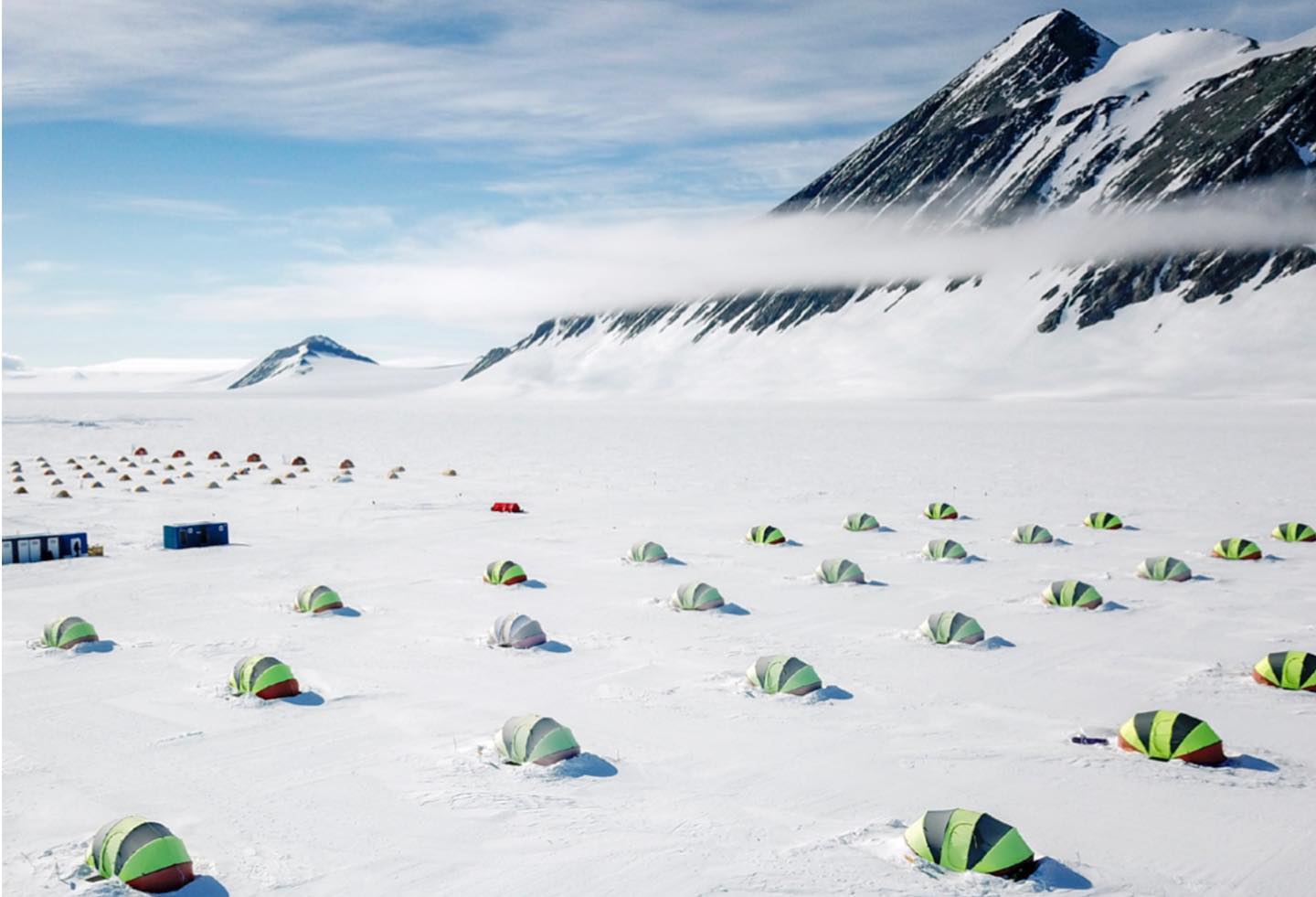
While CTSS cannot guarantee access to electrical plug-ins while at Union Glacier camp they are often available to charge basic electronics or battery packs. The grid at Union Glacier runs the same as the U.S. grid, operating at 120 volts AC power with North American Type A and B plugs.
Potable Water:
It is recommended to opt for bottled water or treat your own tap water while traveling in Chile. We will provide snow melt while on our climb/ski but will not boil the water prior to filling water bottles to save fuel and time. Please bring water purification for your personal water bottles. In established Antarctic field stations, the provided water is potable.
Single Rooming
Single Rooming: $1,250 USD
We are happy to organize single-room accommodation for your 4x night stay in Chile. If you snore or are easily awakened this is a great option for you to ensure you get plenty of R&R.
If you would like single rooming, please let us know when booking.
Please note, rooming in Antarctica will be double occupancy in tents for warmth and safety.
All prices are in US Dollars.
CTSS requires clients to buy trip insurance for all expeditions. Please see our page on trip insurance and cancellation policy for more information.
All payments once submitted are non-refundable and non-transferable. If balances are not received by specified dates, the client forfeits their place on the program and any prior fees paid.

South Pole Flight
South Pole Flight
Contact us for pricing.
Annually: December 27 – January 4
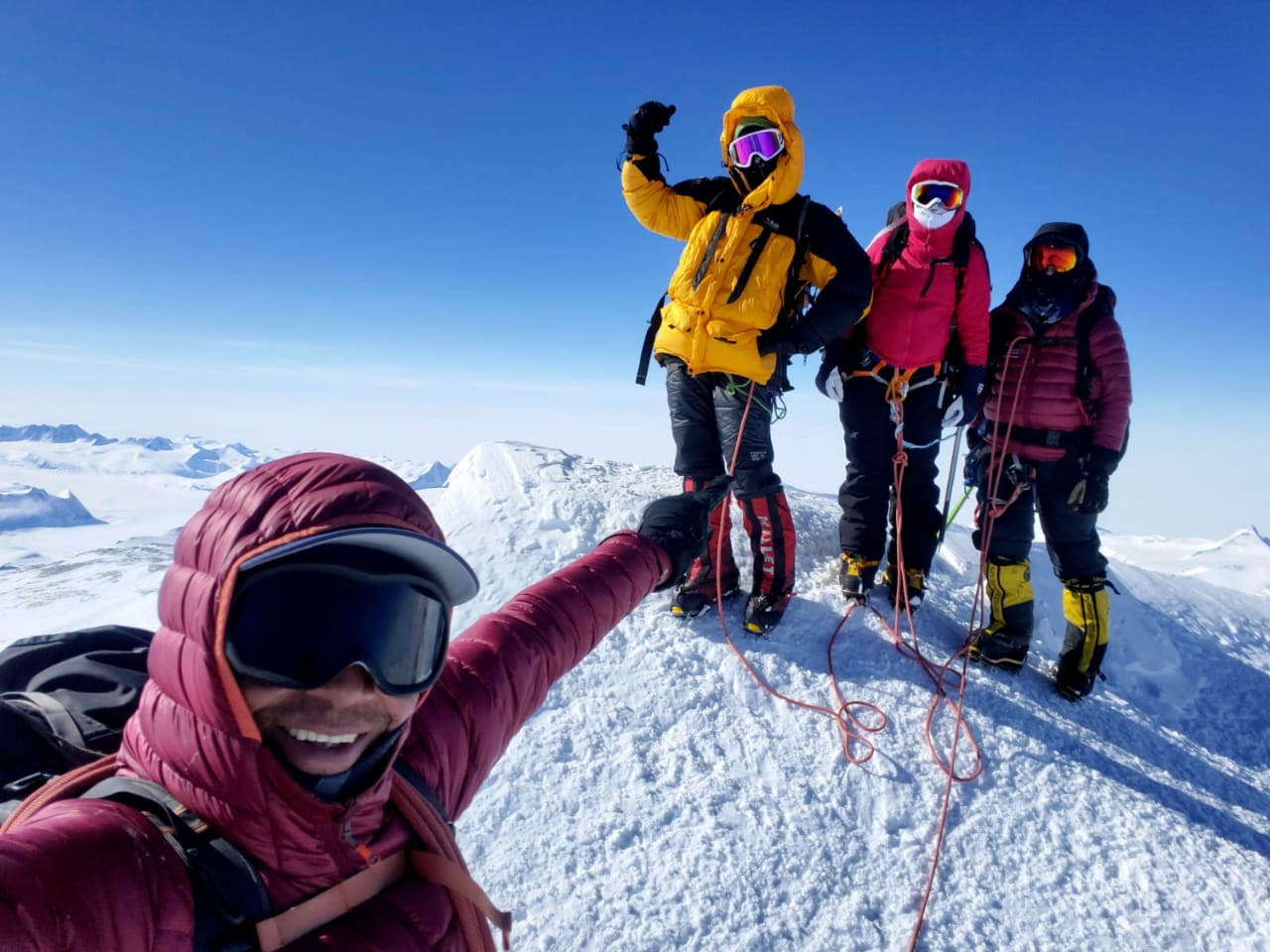
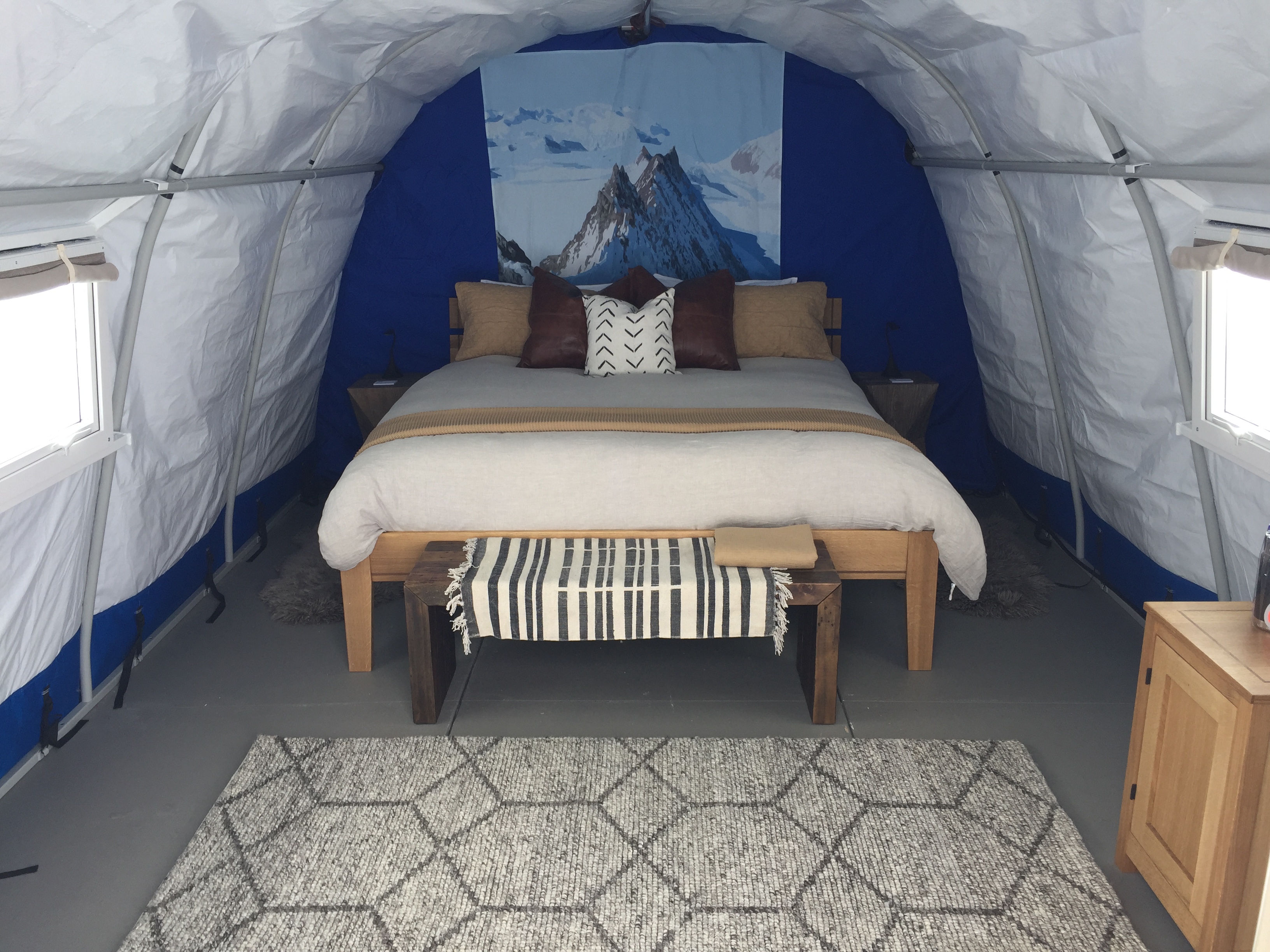
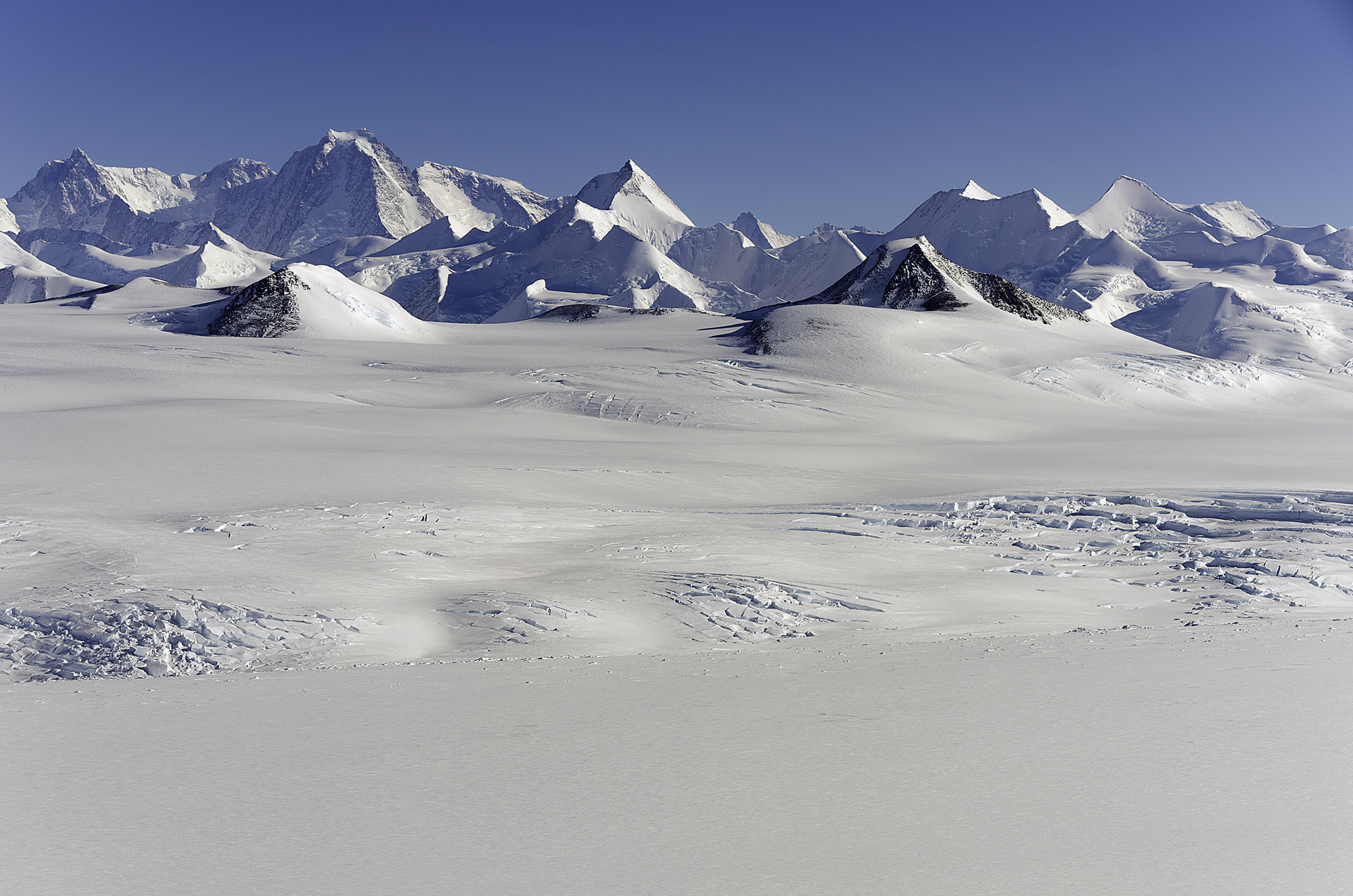
Following your team climb on Vinson, celebrate your summit with a once-in-a-lifetime flight to the South Pole, where all 360 lines of longitude meet. In just a few steps, you can walk around the world!
Please note: This experience does NOT include an overnight stay.
All prices are in US Dollars.
CTSS requires clients to buy trip insurance for all expeditions. Please see our page on trip insurance and cancellation policy for more information.
All payments once submitted are non-refundable and non-transferable. If balances are not received by specified dates, the client forfeits their place on the program and any prior fees paid.
Note: This itinerary reflects the Vinson expedition plus the South Pole Flight.
- Day 1: Arrive in Punta Arenas, Chile
- Day 2: Breakfast, gear checks, expedition briefing
- Day 3: Luggage check-in
- Day 4: Fly to Union Glacier, Antarctica
- Day 5: Fly from Union Glacier to Vinson Base Camp
- Day 6: Carry to Low Camp
- Day 7: Move to Low Camp
- Day 8: Carry to High Camp
- Day 9: Rest day
- Day 10: Move to High Camp
- Day 11: Summit Vinson and descend to High Camp
- Day 12: Descend to Vinson Base Camp
- Day 13: Fly to Union Glacier, Antarctica
- Day 14: Contingency day
- Day 15: Gear checks and briefing at Union Glacier, Antarctica
- Day 16 -19: Relax and explore until the weather allows for an overnight trip to the South Pole
- Day 20: Scheduled flight from Antarctica to Punta Arenas, Chile
- Day 21: Fly Home
- Day 22: Contingency day
- Day 23: Contingency day
Our expeditions are designed to be fully inclusive, except for some services/items of a personal nature like flights, gear, insurance. Here’s a detailed list so you know what to expect
Included:
- Professional Antarctic guides and lecturer
- Flights to and from Punta Arenas, Chile, to Union Glacier, Antarctica
- Flights to and from Union Glacier, Antarctica, to the South Pole
- Checked luggage up to 55 lbs (25 kg) to Antarctica
- Accommodation at Union Glacier Camp and during the expedition
- All expedition food on the expedition, including breakfast, dinner, snacks, and hot drinks
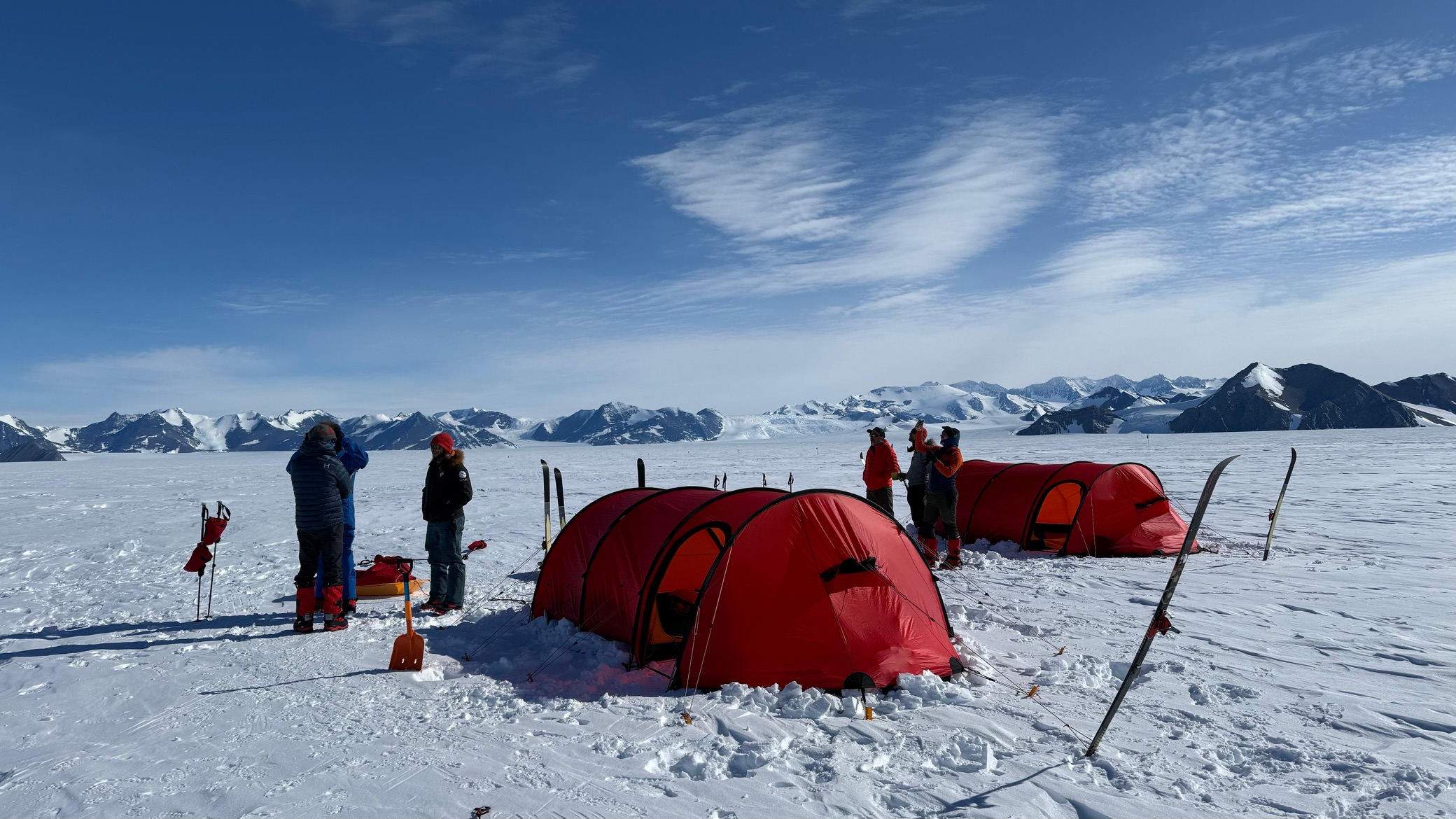
- All team gear, including four-season tents, cooking gear, group duffels, stoves, etc.
- Satellite phone to update the CTSS blog and available to clientele at $3/min
Excluded:
- Flights to and from Punta Arenas, Chile
- Transportation from and to the airport in Punta Arenas
- All meals in Punta Arenas, Chile, and specialty expedition lunch food
- Hotel in Punta Arenas, Chile, if not doing Vinson before
- Luggage over 55 lbs (25 kg) to Antarctica
- All personal climbing gear is the responsibility of the client
- In the event of a rescue, evacuation, or early departure from the group, the client is responsible for any rescue expenses incurred or excess expenses above and beyond our normal trip costs, including transport, hotels, evacuation, flight changes, and gear shipping.
- Guide tips (customary but optional)
- Costs incurred as a result of events beyond the control of CTSS above and beyond the normal expedition costs
- Required trip insurance policy (for trip cancellation, interruption, rescue & evacuation, medical treatment, repatriation, etc.)
South Pole Flight & Overnight Stay
South Pole Flight & Overnight Stay
Contact us for pricing.
Annually: January 7 – January 16
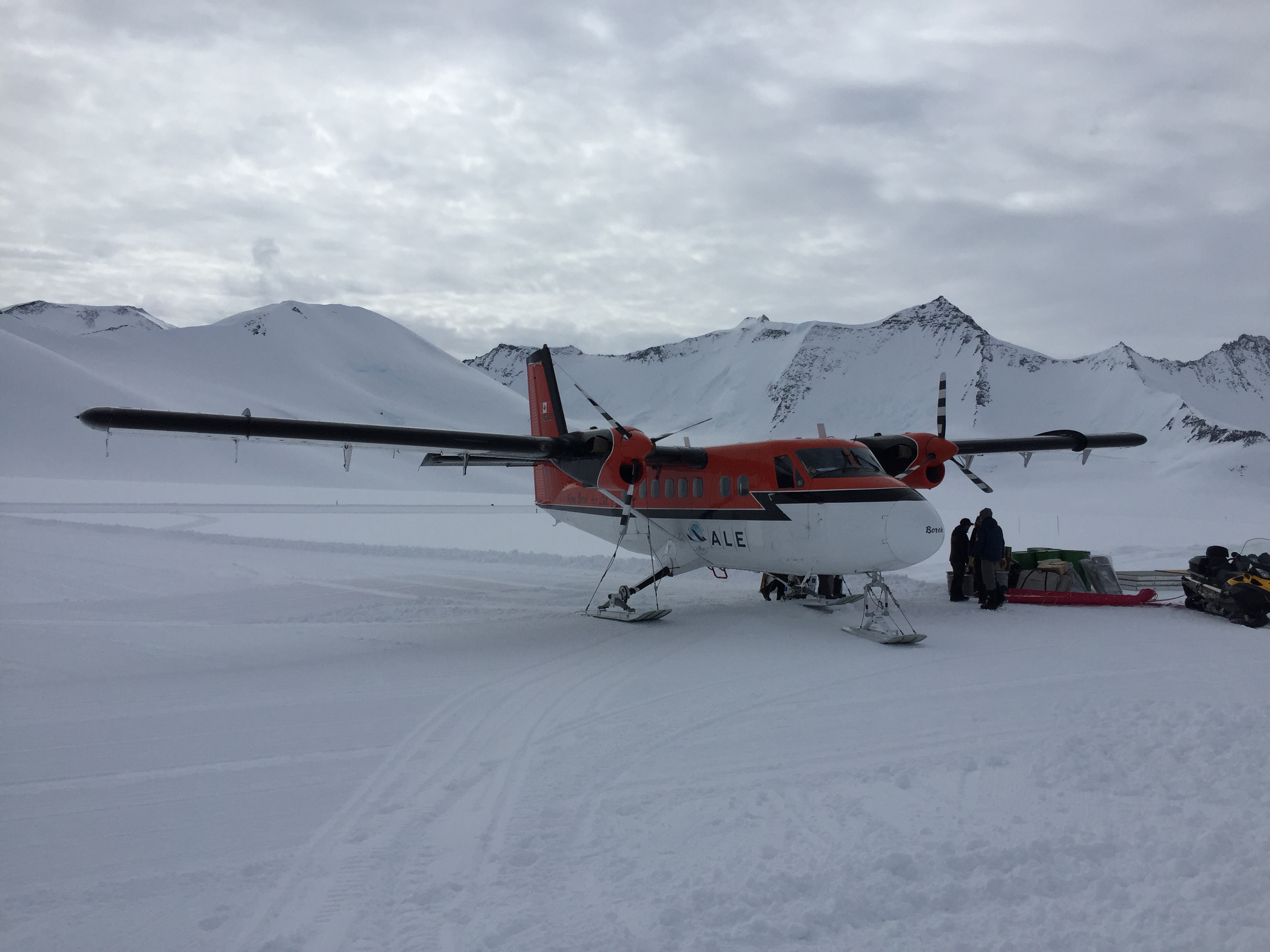
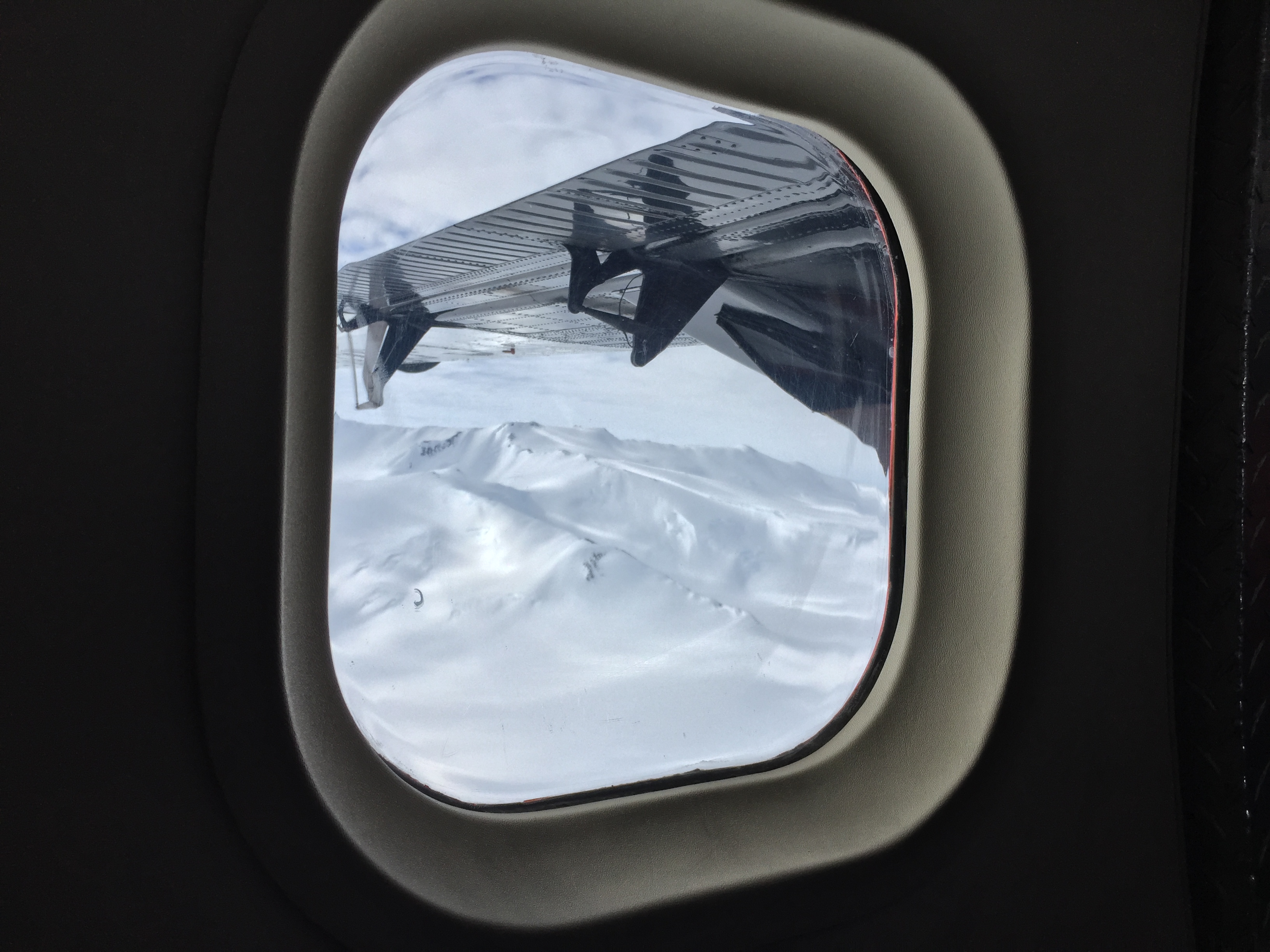
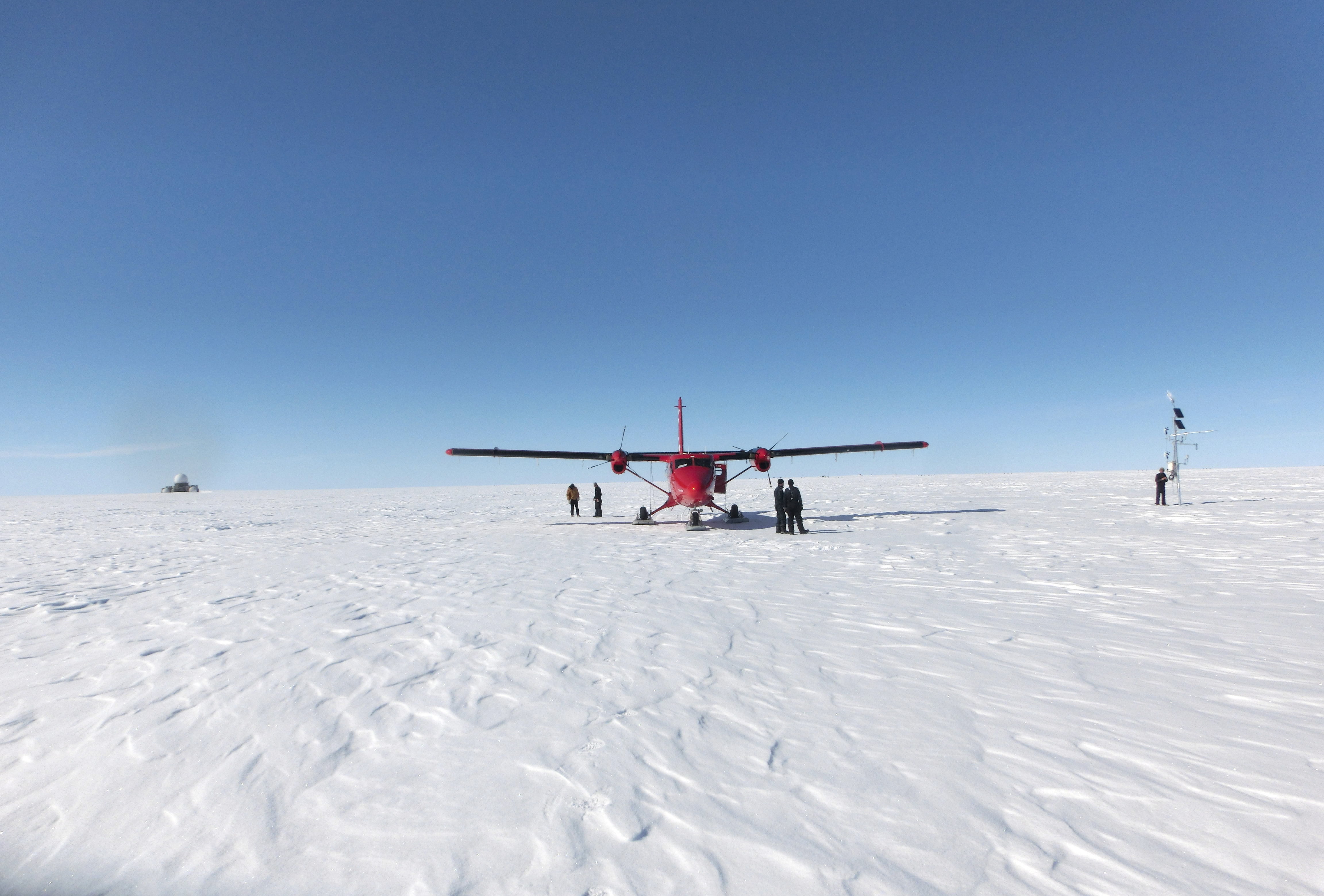
Following your team climb on Vinson, celebrate your summit with a once-in-a-lifetime flight to the South Pole with an exclusive overnight stay in the world’s southernmost resort. Sleep and wake up at 90°S, where all 360 lines of longitude meet, and in a few steps, you can walk around the world!
All prices are in US Dollars.
CTSS requires clients to buy trip insurance for all expeditions. Please see our page on trip insurance and cancellation policy for more information.
All payments once submitted are non-refundable and non-transferable. If balances are not received by specified dates, the client forfeits their place on the program and any prior fees paid.
Note: This itinerary reflects the Vinson expedition plus the South Pole Flight & Overnight
- Day 1: Arrive in Punta Arenas, Chile
- Day 2: Breakfast, gear checks, expedition briefing
- Day 3: Luggage check-in
- Day 4: Fly to Union Glacier, Antarctica
- Day 5: Fly from Union Glacier to Vinson Base Camp
- Day 6: Carry to Low Camp
- Day 7: Move to Low Camp
- Day 8: Carry to High Camp
- Day 9: Rest day
- Day 10: Move to High Camp
- Day 11: Summit Vinson and descend to High Camp
- Day 12: Descend to Vinson Base Camp
- Day 13: Fly to Union Glacier, Antarctica
- Day 14: Contingency day
- Day 15: Gear checks and briefing at Union Glacier, Antarctica
- Day 16 -19: Relax and explore until the weather allows for an overnight trip to the South Pole
- Day 20: Scheduled flight from Antarctica to Punta Arenas, Chile
- Day 21: Fly Home
- Day 22: Contingency day
- Day 23: Contingency day
Our expeditions are designed to be fully inclusive, except for some services/items of a personal nature like flights, gear, insurance. Here’s a detailed list so you know what to expect
Included:
- Professional Antarctic guides and lecturer
- Flights to and from Punta Arenas, Chile, to Union Glacier, Antarctica
- Flights to and from Union Glacier, Antarctica, to the South Pole
- Checked luggage up to 55 lbs (25 kg) to Antarctica
- Accommodation at Union Glacier Camp and during the expedition
- All expedition food on the expedition, including breakfast, dinner, snacks, and hot drinks
- All team gear, including four-season tents, cooking gear, group duffels, stoves, etc.
- Satellite phone to update the CTSS blog and available to clientele at $3/min
Excluded:
- Flights to and from Punta Arenas, Chile
- Transportation from and to the airport in Punta Arenas
- All meals in Punta Arenas, Chile, and specialty expedition lunch food
- Hotel in Punta Arenas, Chile, if not doing Vinson before
- Luggage over 55 lbs (25 kg) to Antarctica
- All personal climbing gear is the responsibility of the client
- In the event of a rescue, evacuation, or early departure from the group, the client is responsible for any rescue expenses incurred or excess expenses above and beyond our normal trip costs, including transport, hotels, evacuation, flight changes, and gear shipping.
- Guide tips (customary but optional)
- Costs incurred as a result of events beyond the control of CTSS above and beyond the normal expedition costs
- Required trip insurance policy (for trip cancellation, interruption, rescue & evacuation, medical treatment, repatriation, etc.)
Last Degree Ski + Vinson Climb Combo
South Pole Last Degree Ski & Vinson Climb Combo
$116,490 USD
- December 4 – 26, 2026
- December 15, 2026 – January 10, 2027
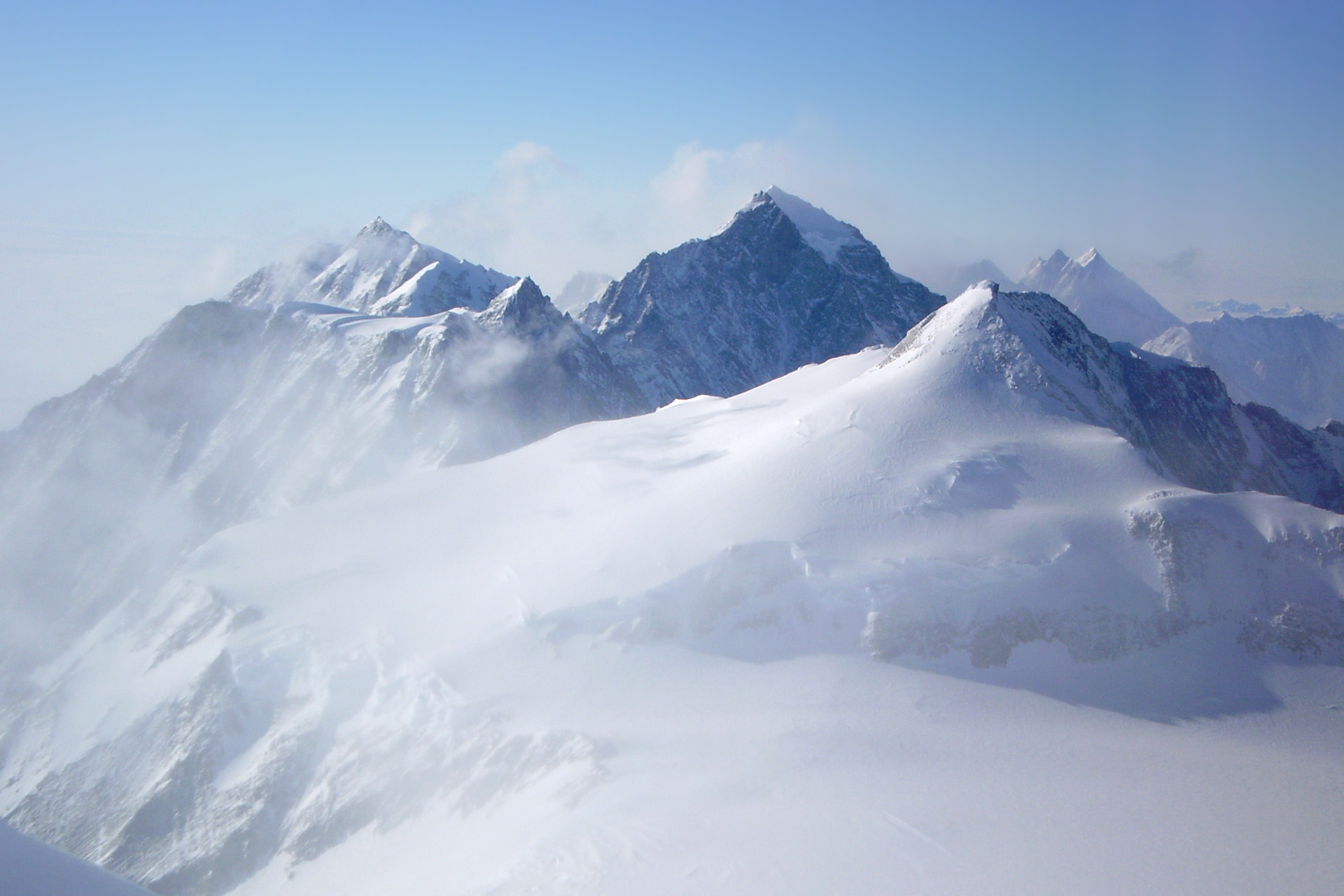
The ultimate combo at the ends of the earth. Skiing to the Last Degree paired with a climb on Vinson is without a doubt one of the world’s greatest adventures
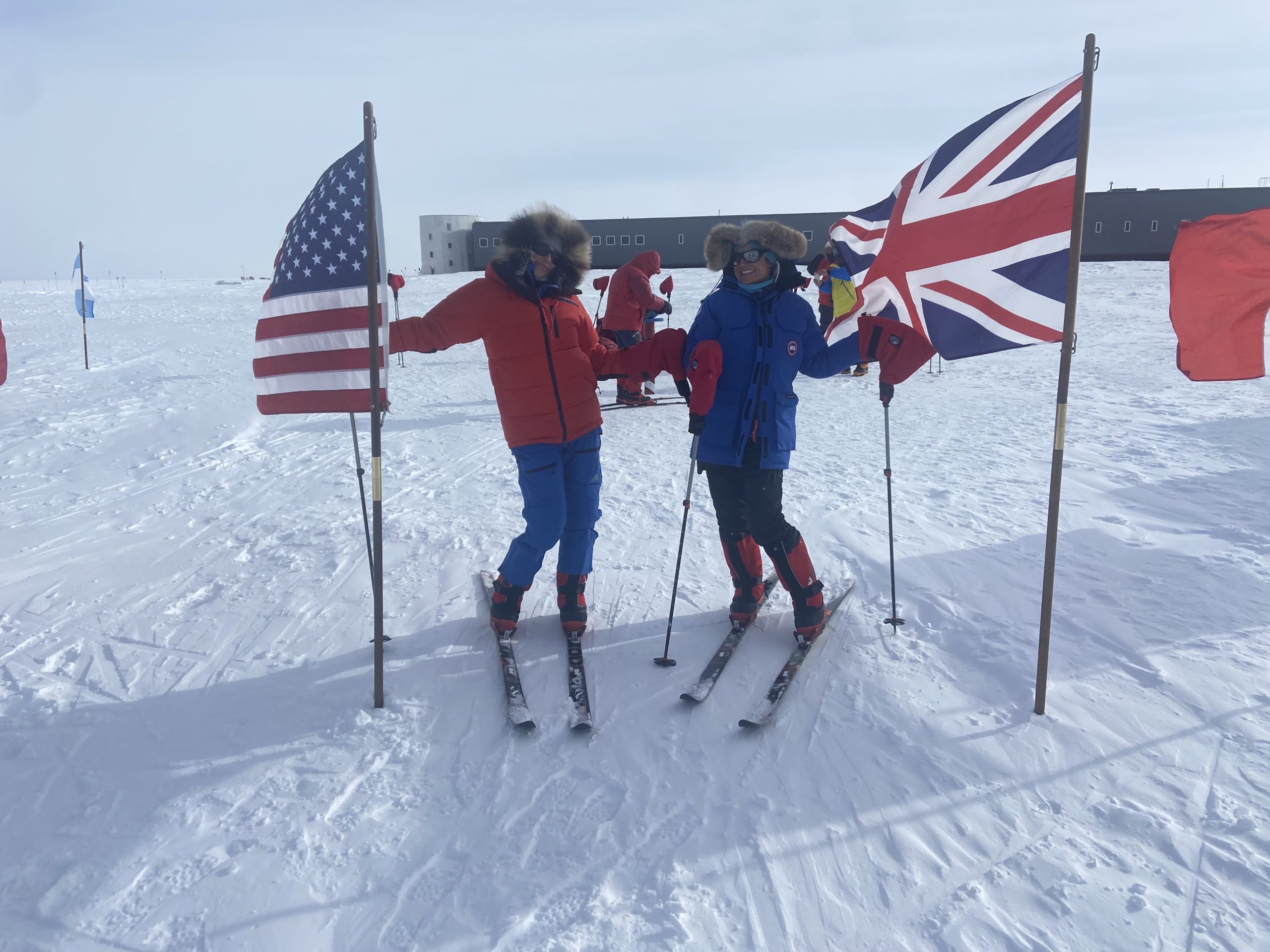
For this itinerary, you’ll arrive in Antarctica before our team climb of Vinson where you’ll spend eight days skiing to the last degree latitude at the South Pole. While at the South Pole, you’ll be able to experience the spirit of determination and discovery that has inspired a century of Antarctic exploration and scientific research. Once you’ve gotten a feel for what life is like there, you’ll fly back to Union Glacier Camp, where you will gear up for your Vinson expedition. If you’re ready to walk in the footsteps of British explorer Robert Falcon Scott and Norwegian explorer Roald Amundsen, join us for this unique experience.
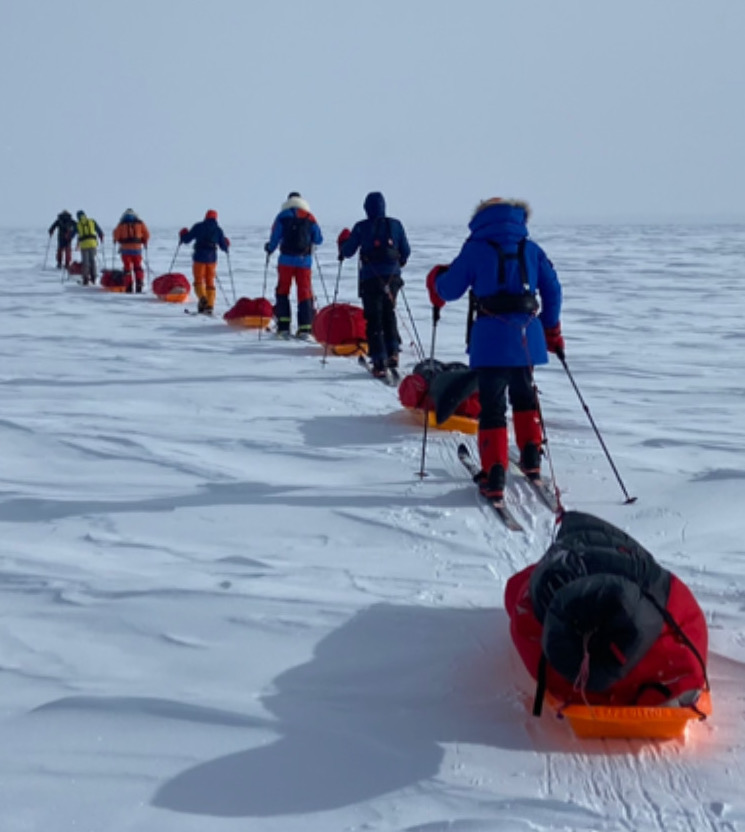
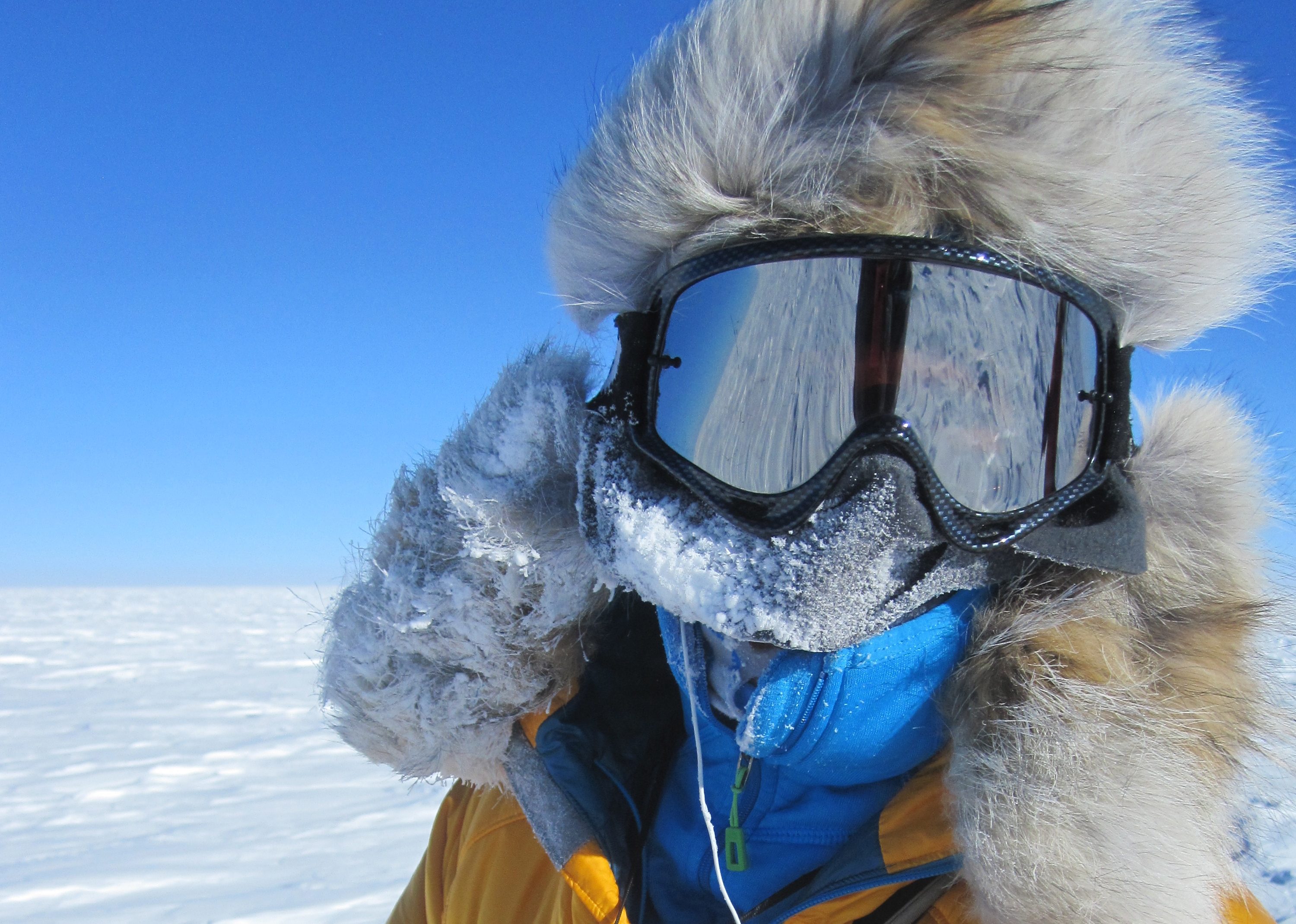
A ski to the South Pole entails skiing with skins on nearly flat snow for roughly 63 miles. Clients will ski six to eight hours per day and set up camps on the glacier along the way. Temperatures hover around -40°C/F while the sun circles above.
All prices are in US Dollars.
CTSS requires clients to buy trip insurance for all expeditions. Please see our page on trip insurance and cancellation policy for more information.
All payments once submitted are non-refundable and non-transferable. If balances are not received by specified dates, the client forfeits their place on the program and any prior fees paid.
This itinerary reflects the Vinson expedition (Team 1) plus the South Pole Last Degree Ski.
- Day 1: Arrive in Punta Arenas, Chile
- Day 2: Breakfast, gear checks, guide briefing
- Day 3: Luggage check-in
- Day 4: Fly to Union Glacier, Antarctica
- Day 5: Expedition preparation in Union Glacier, Antarctica
- Day 6: Expedition preparation in Union Glacier, Antarctica
- Day 7: Fly from Union Glacier to 89°S and start skiing
- Day 8 - 11: Ski to the South Pole
- Day 12: Arrive at the South Pole or 90°S
- Day 13: Return to Union Glacier, Antarctica
- Day 14: Rest day in Union Glacier, Antarctica
- Day 15: Gear checks, guide briefing in Union Glacier, Antarctica
- Day 16: Fly from Union Glacier to Vinson Base Camp
- Day 17: Carry to Low Camp
- Day 18: Move to Low Camp
- Day 19: Carry to High Camp
- Day 20: Rest day
- Day 21: Move to High Camp
- Day 22: Summit Vinson and descend to High Camp
- Day 23: Descend to Vinson Base Camp
- Day 24: Fly to back to Punta Arenas, Chile
- Day 25: Fly home
- Day 26: Contingency day
- Day 27: Contingency day
Our expeditions are designed to be fully inclusive, except for some services/items of a personal nature like flights, gear, insurance. Here’s a detailed list so you know what to expect
Included:
- Professional guides
- Flights to and from Punta Arenas, Chile, to Union Glacier, Antarctica
- Flight to and from Union Glacier, Antarctica, to the South Pole
- Flights to and from Union Glacier, Antarctica, to Vinson Base Camp
- Checked luggage up to 55 lbs (25 kg) to Antarctica
- Accommodation at Union Glacier Camp and during the expedition
- All expedition food on the expedition, including breakfast, dinner, snacks, and hot drinks
- All team gear, including four-season tents, cooking gear, group duffels, stoves, etc.
- All ski equipment
- Satellite phone to update the CTSS blog and available to clientele at $3/min
Excluded:
- Flights to and from Punta Arenas, Chile
- Transportation from and to the airport in Punta Arenas
- All meals in Punta Arenas, Chile, and specialty expedition lunch food
- Hotel in Punta Arenas, Chile, if not doing Vinson before
- Luggage over 55 lbs (25 kg) to Antarctica
- All personal climbing gear is the responsibility of the client
- In the event of a rescue, evacuation, or early departure from the group, the client is responsible for any rescue expenses incurred or excess expenses above and beyond our normal trip costs, including transport, hotels, evacuation, flight changes, and gear shipping.
- Vehicle pick-up and transfer to the South Pole if you are unable to complete the expedition.
- Guide tips (customary but optional)
- Costs incurred as a result of events beyond the control of CTSS above and beyond the normal expedition costs
- Required trip insurance policy (for trip cancellation, interruption, rescue & evacuation, medical treatment, repatriation, etc.)