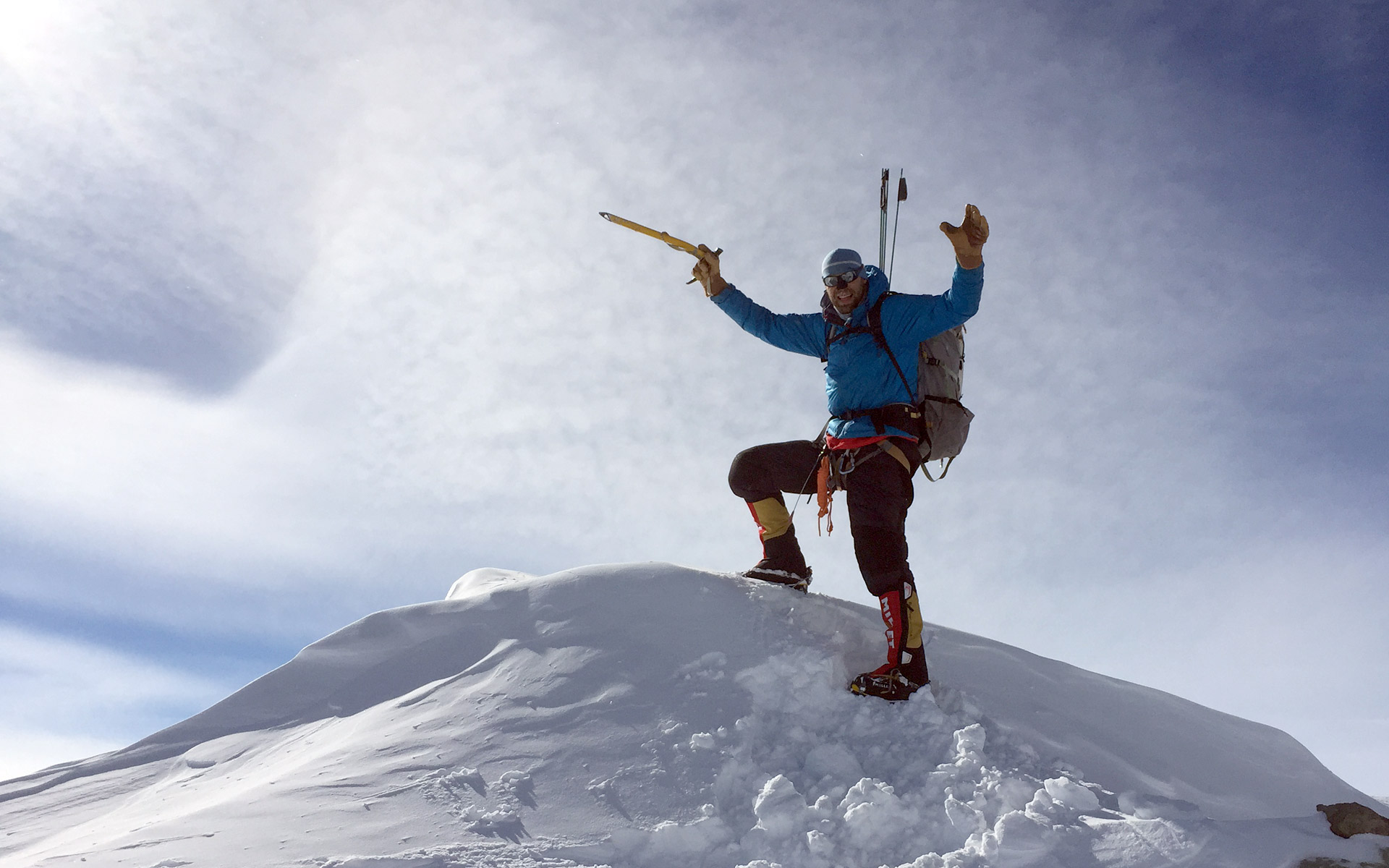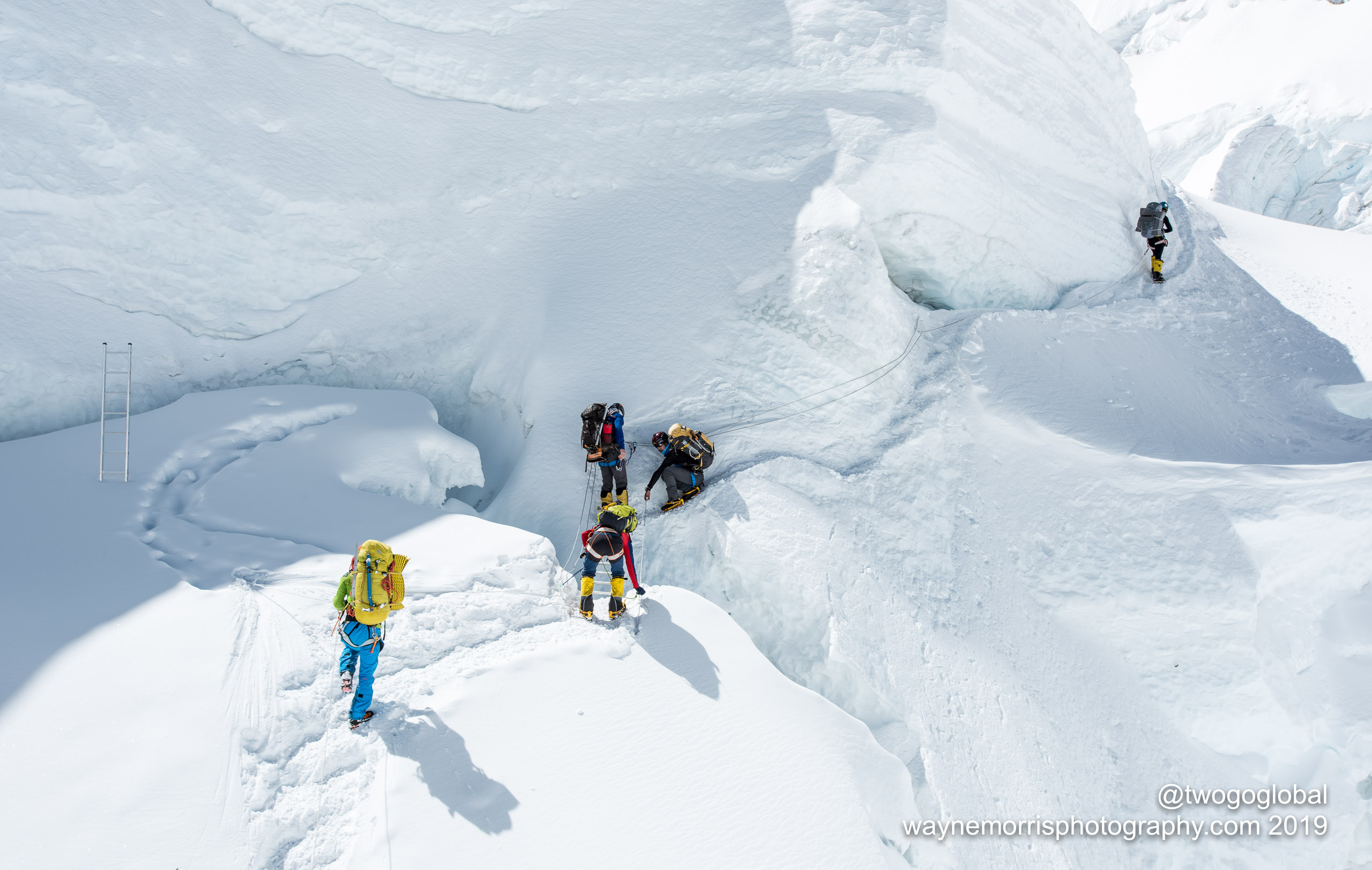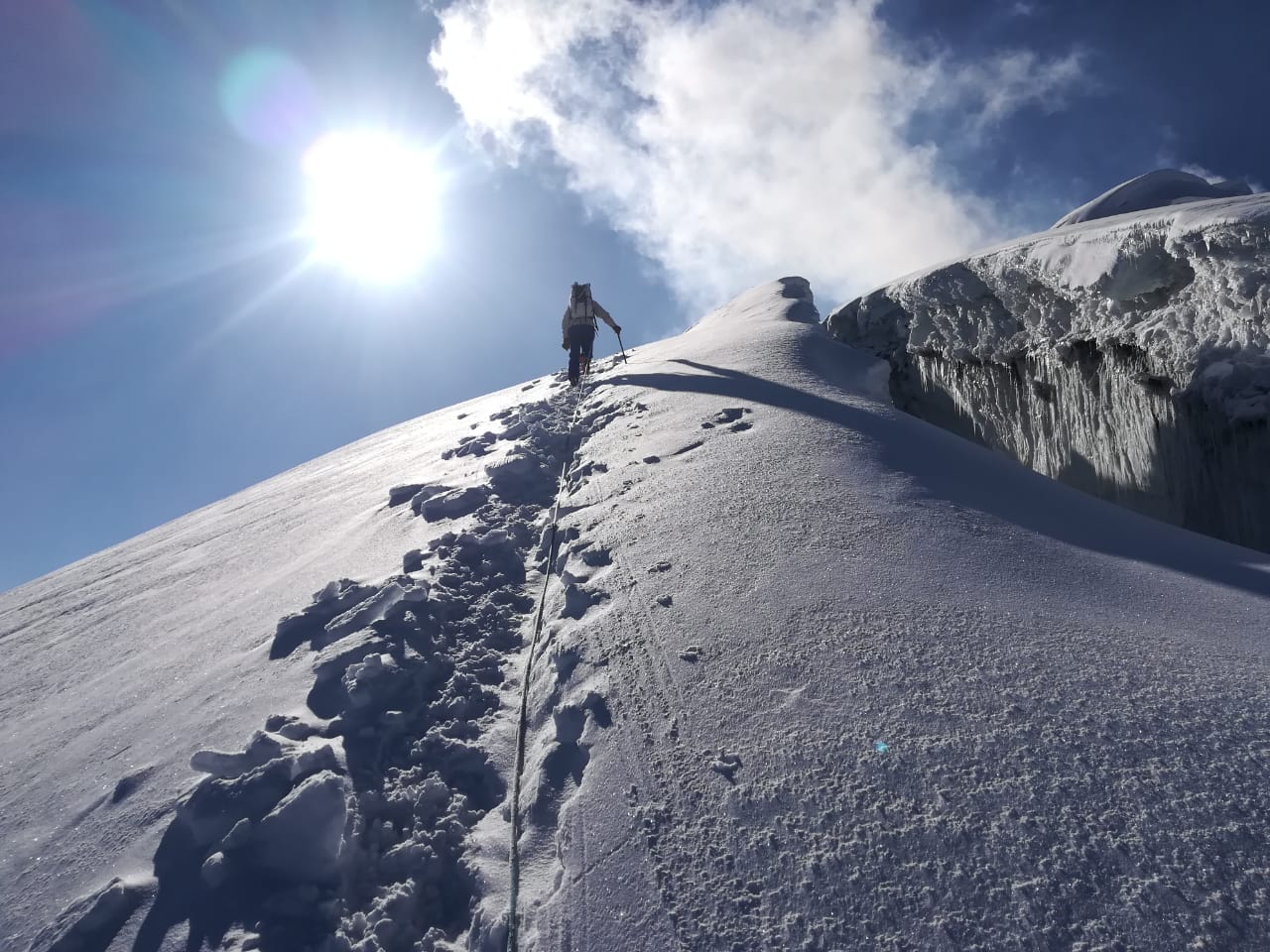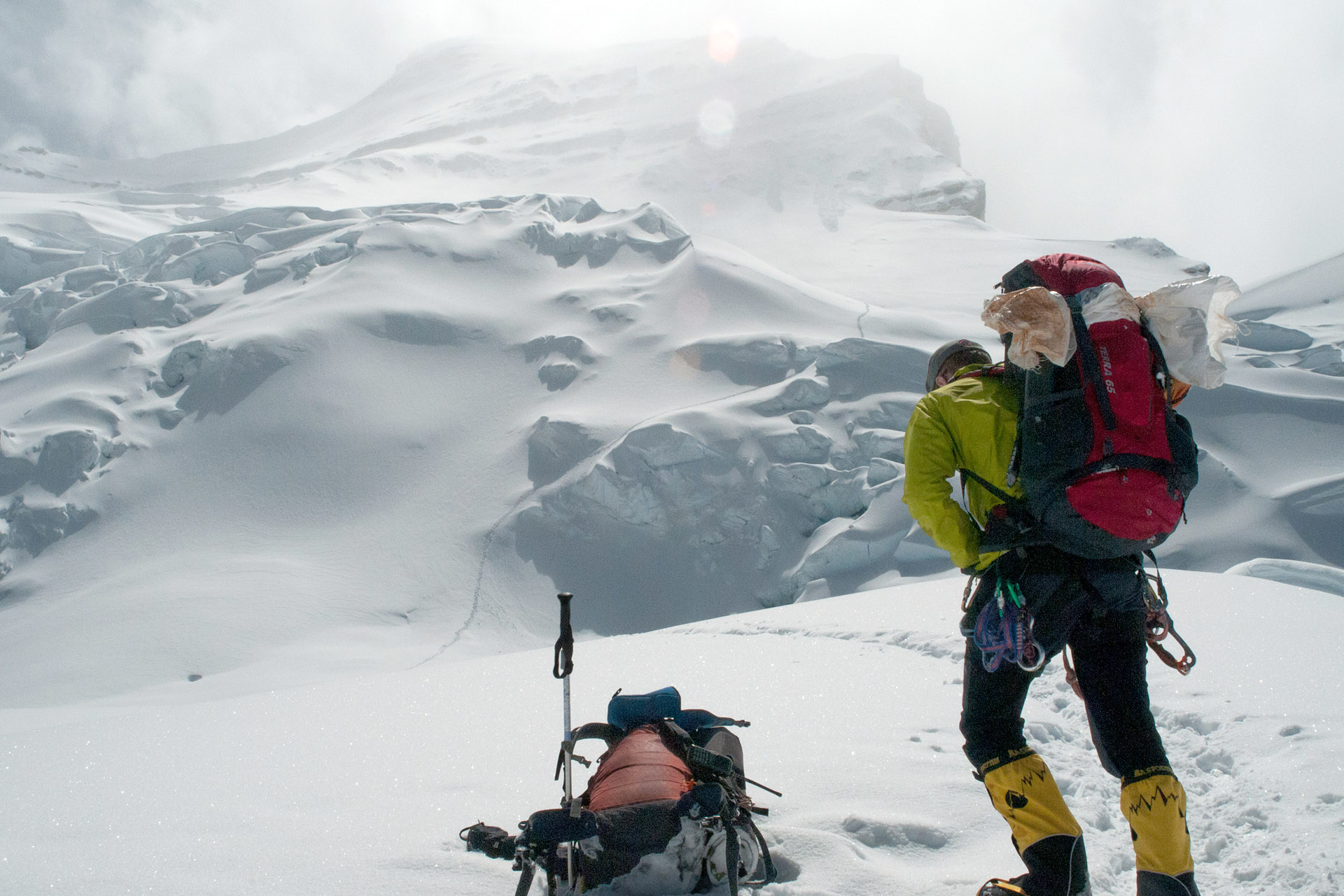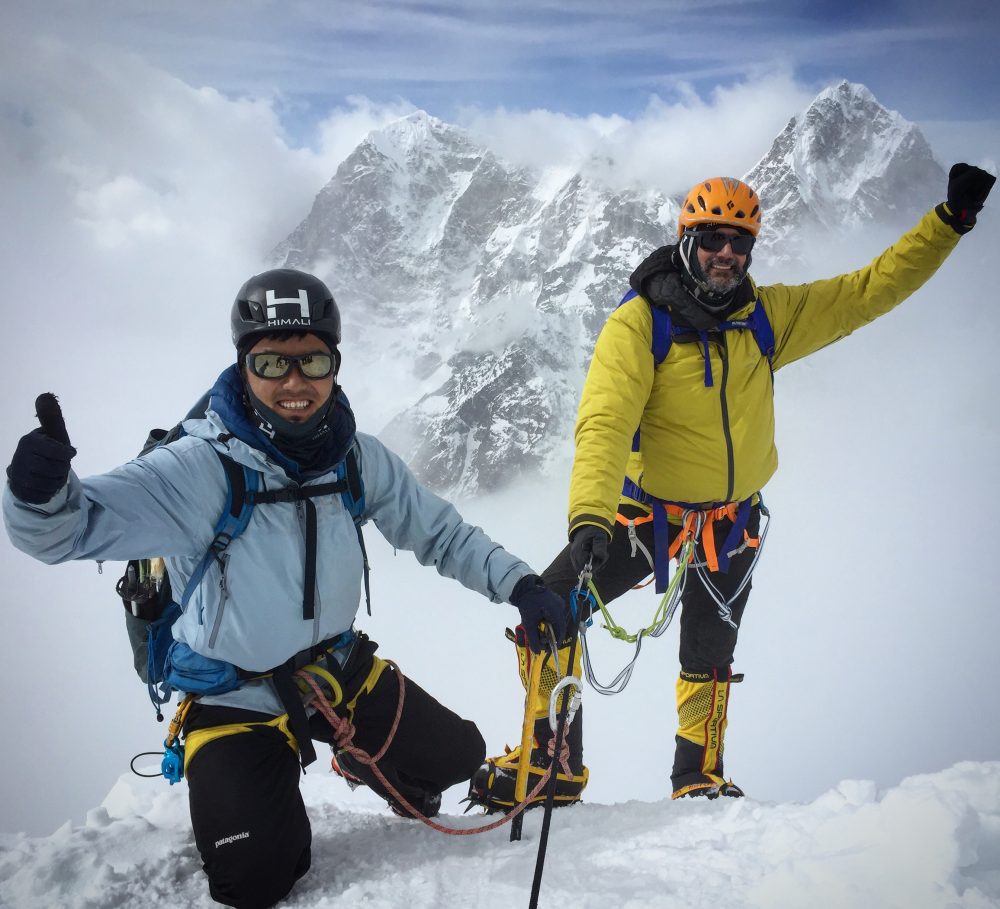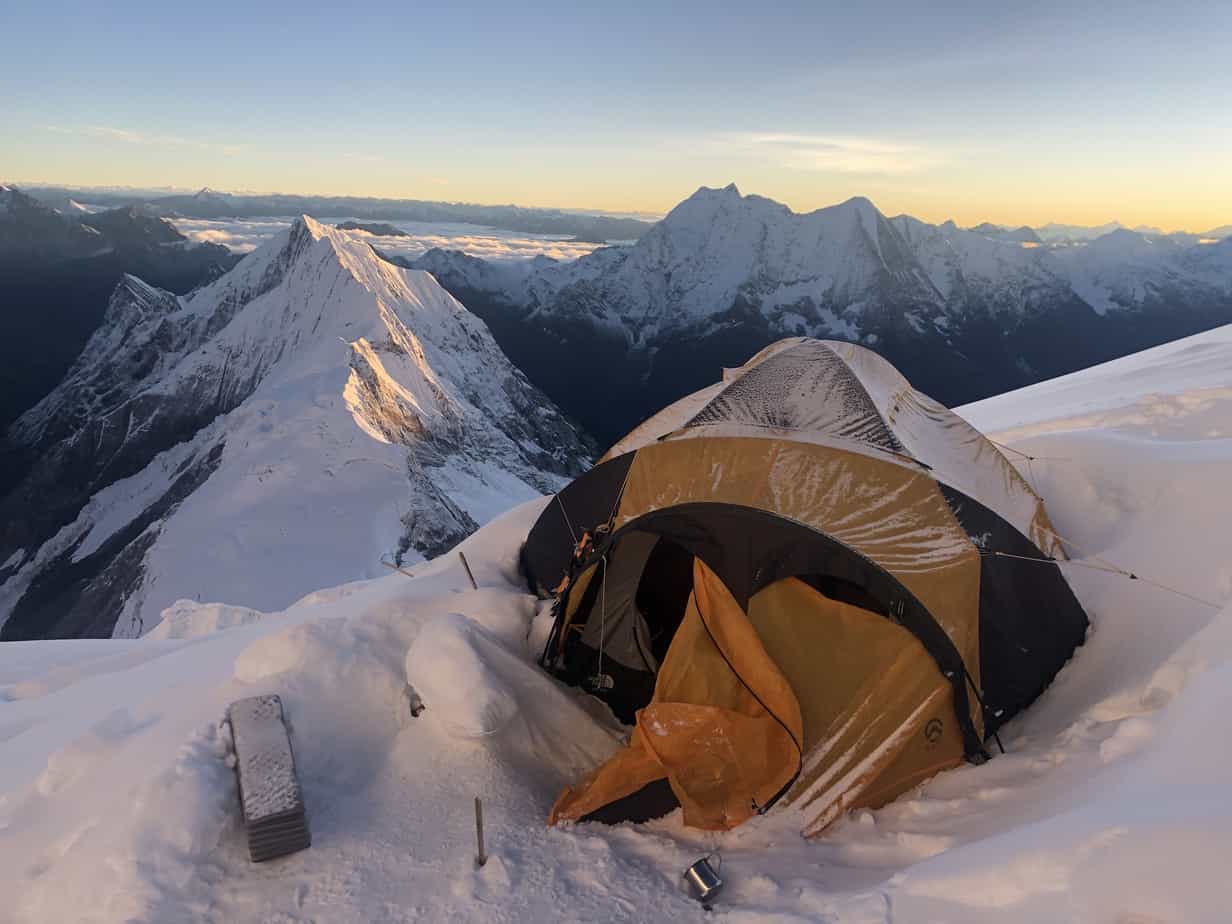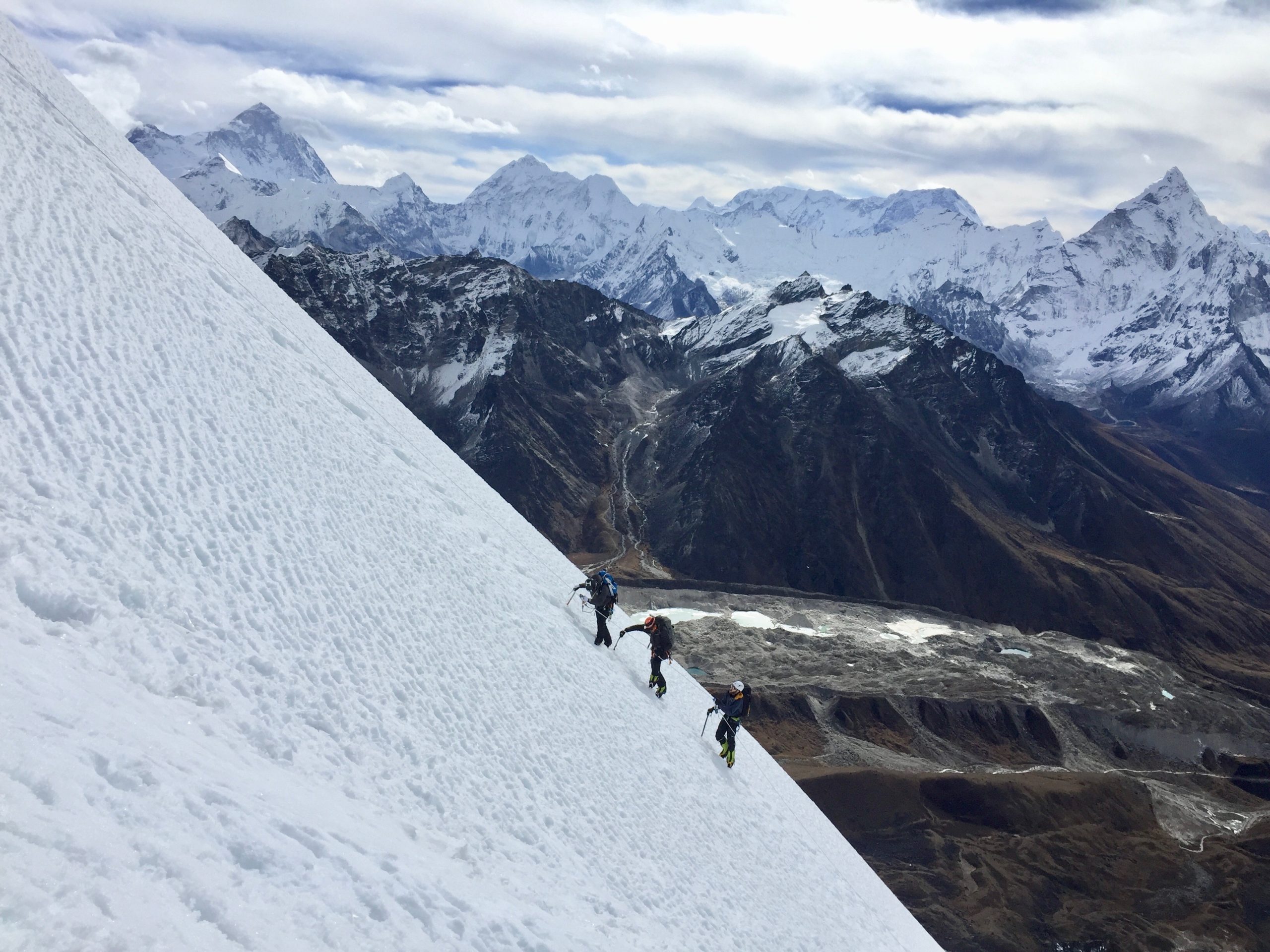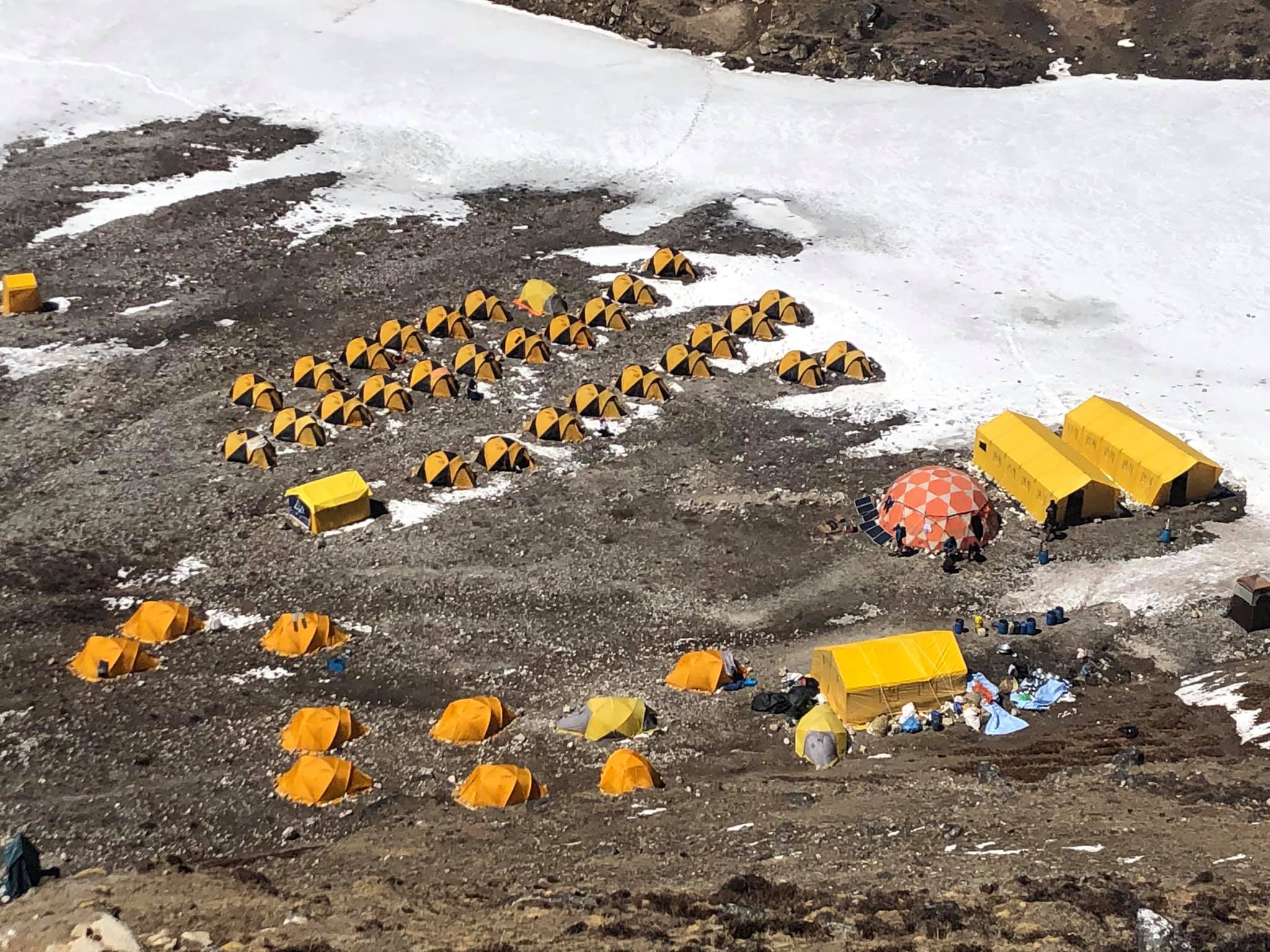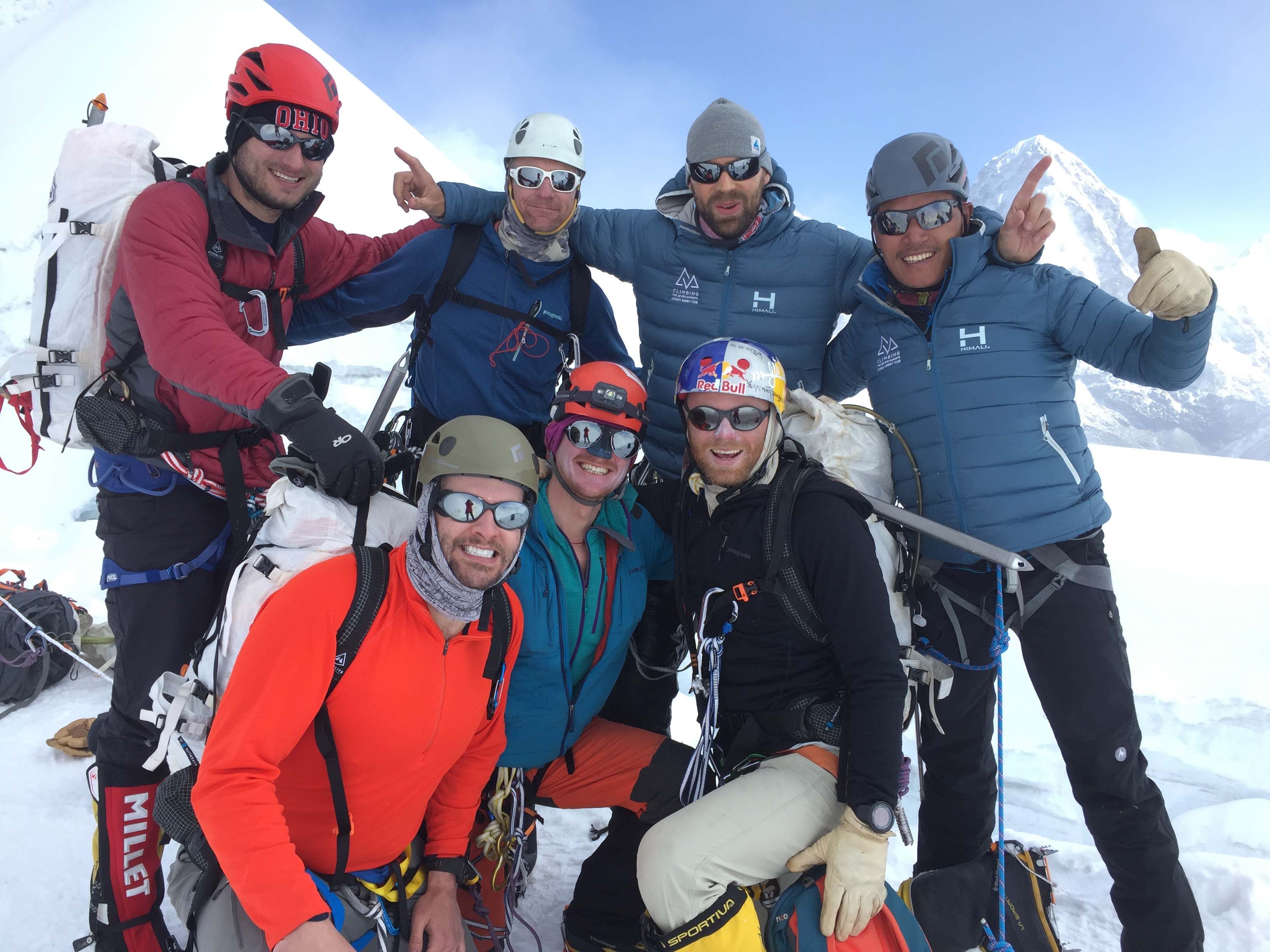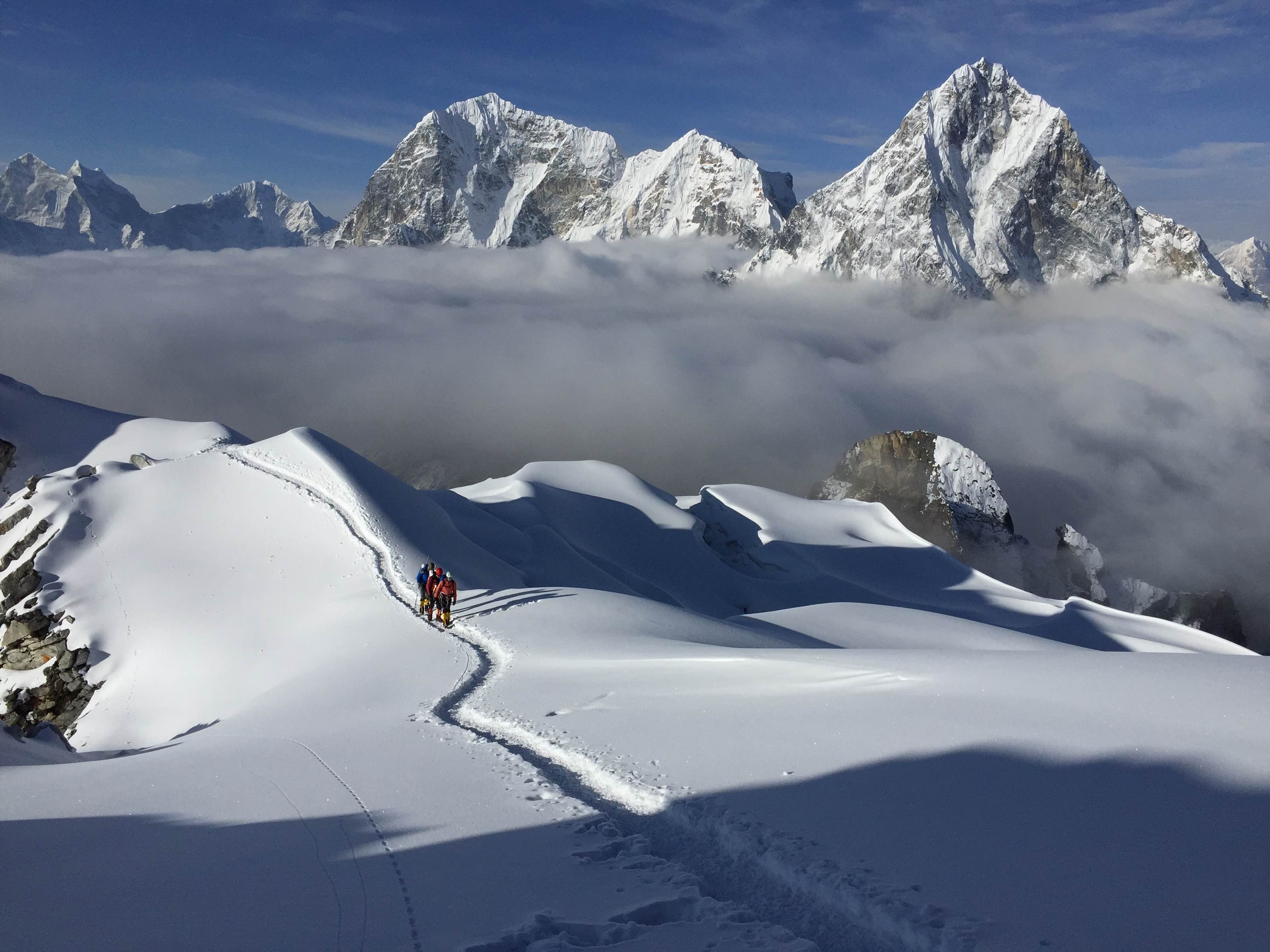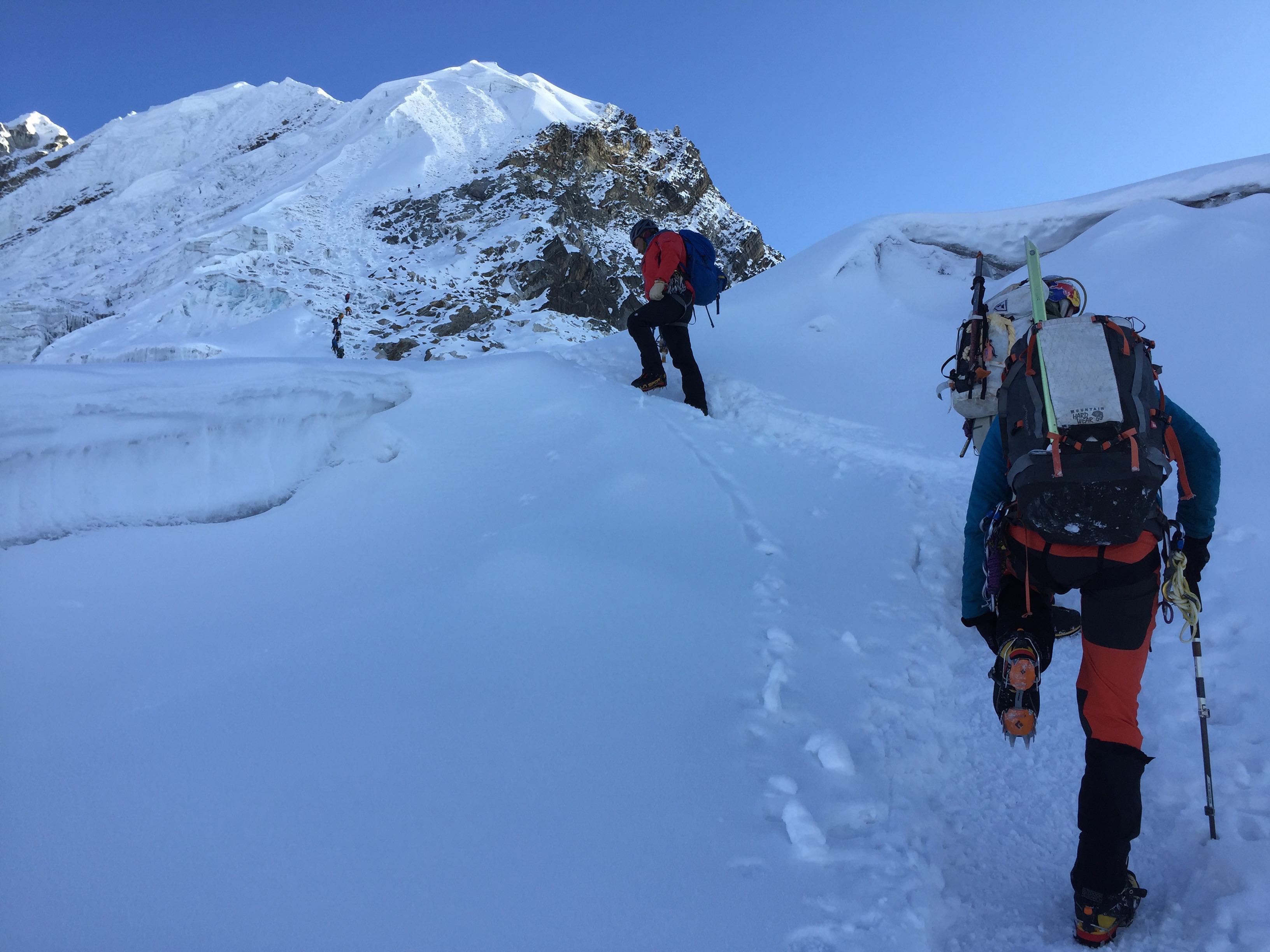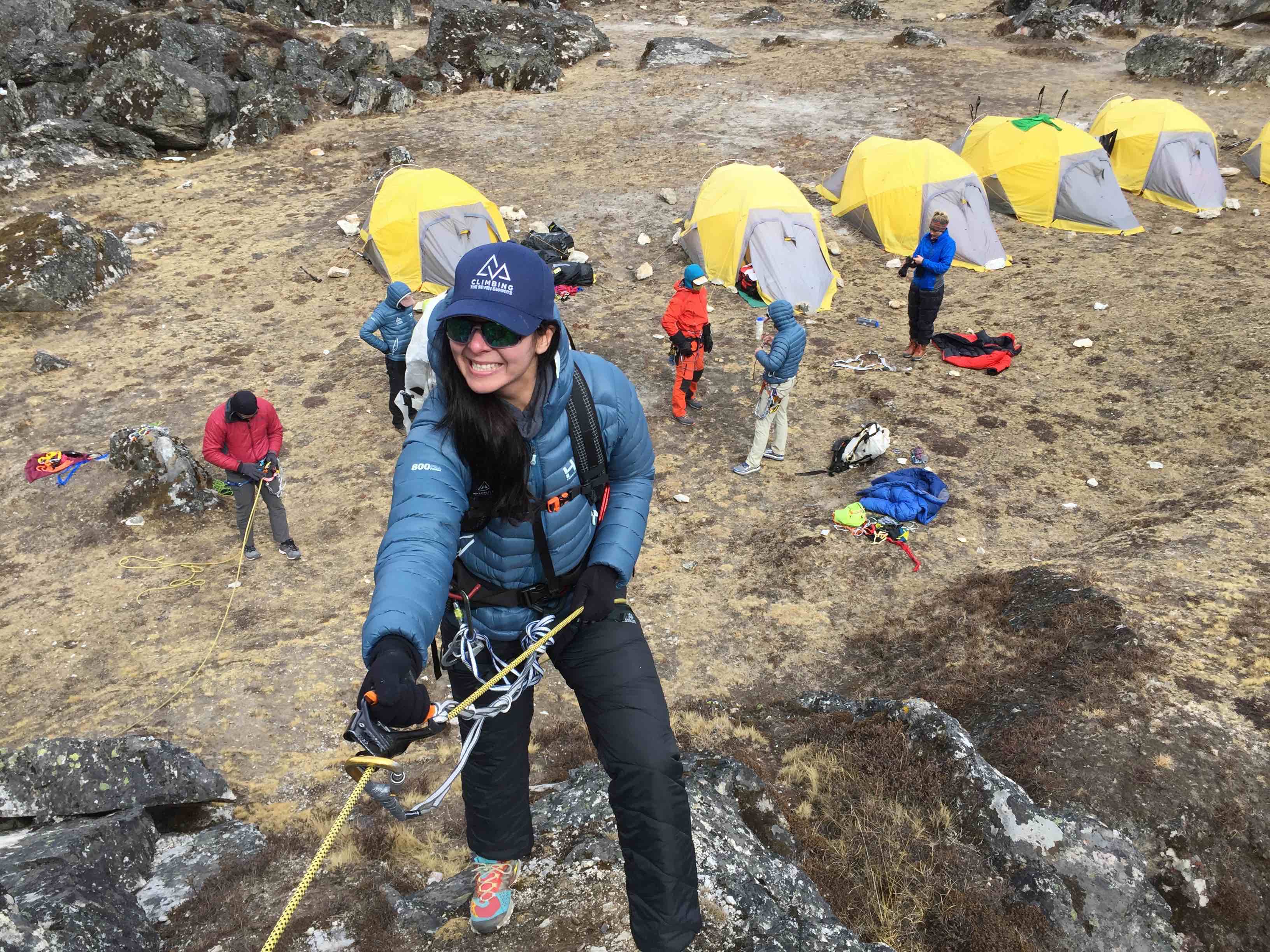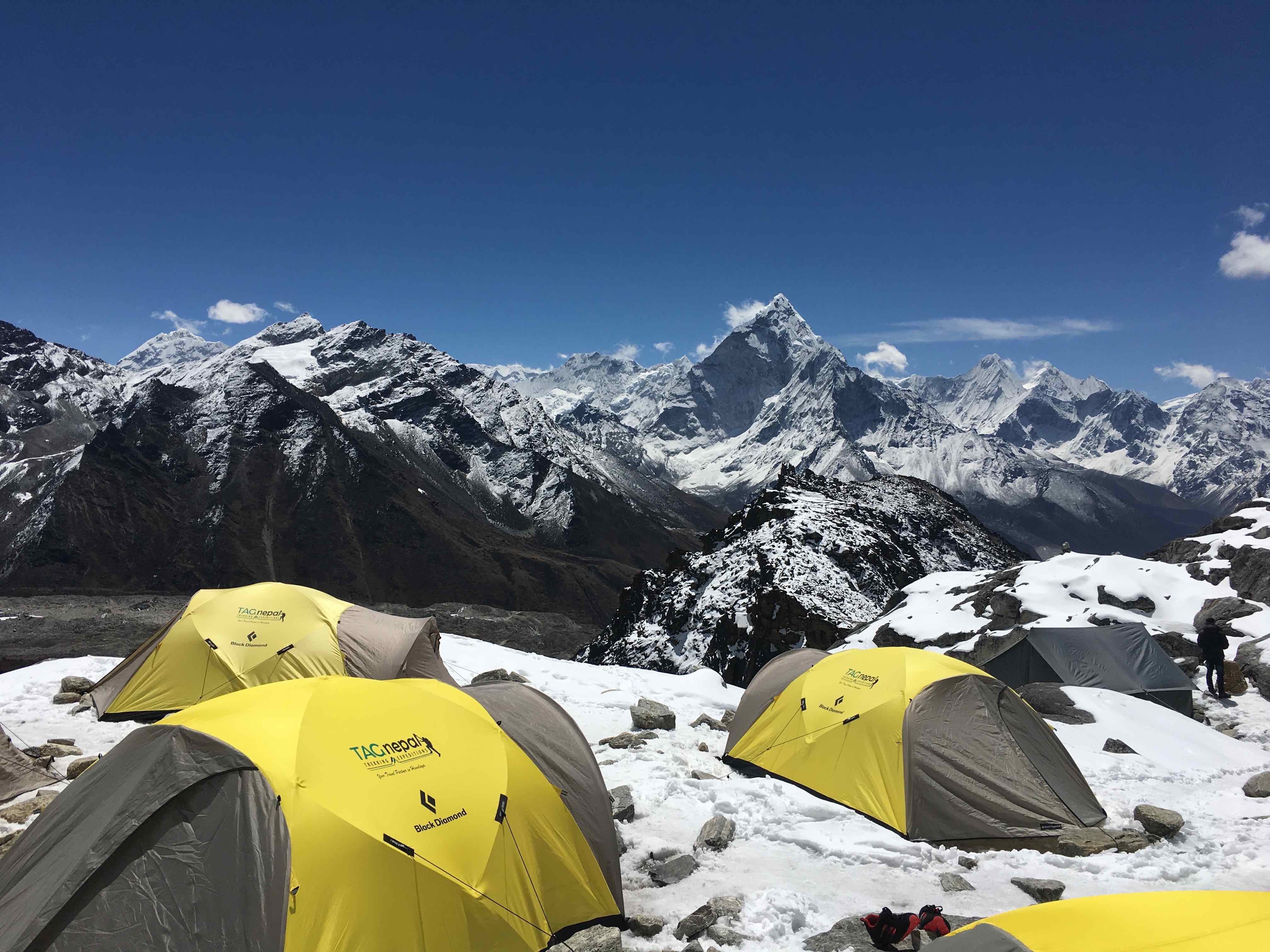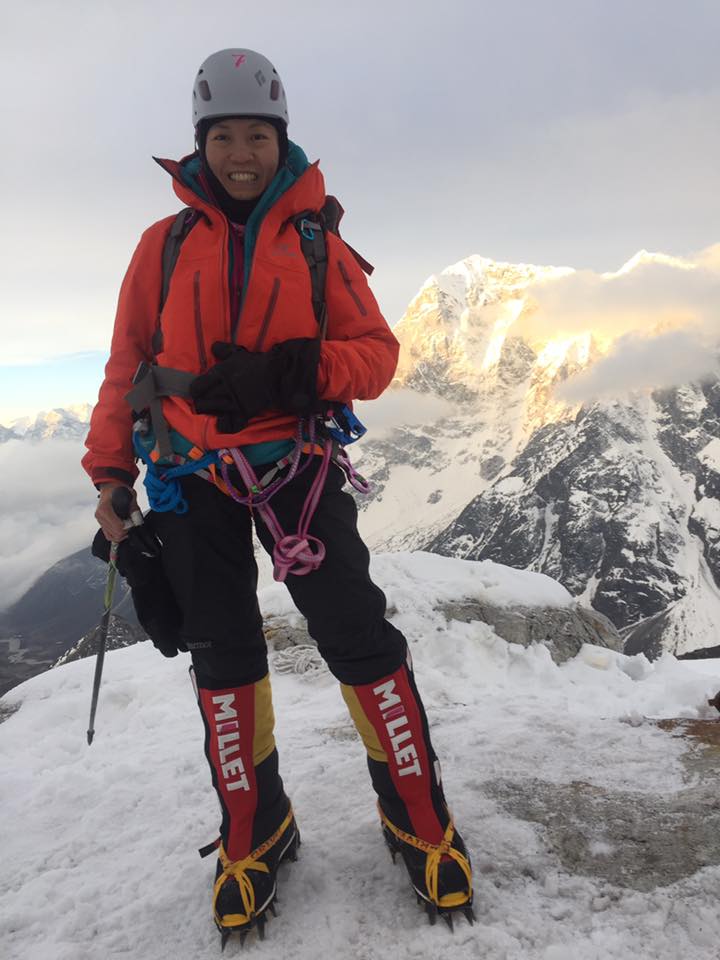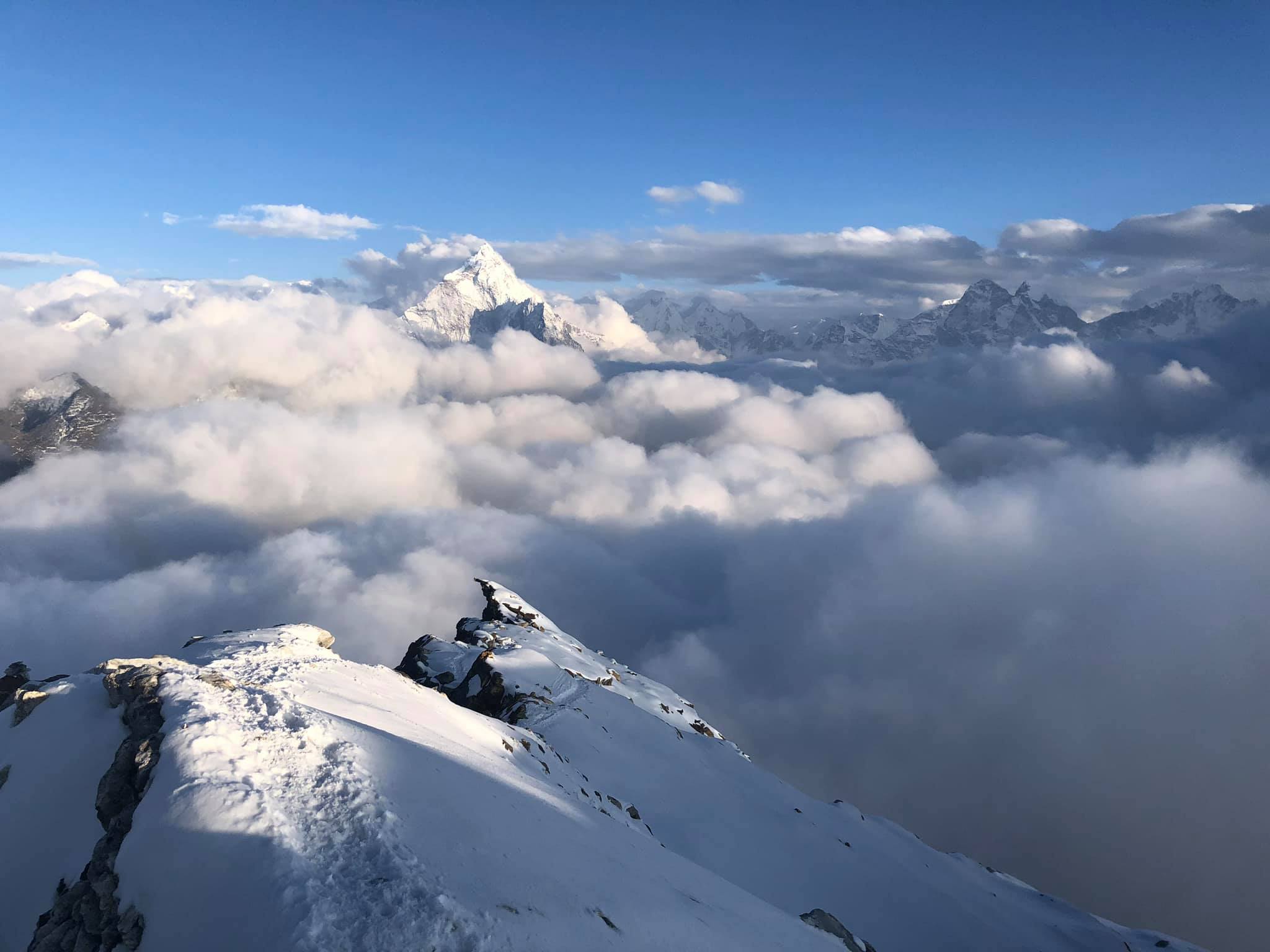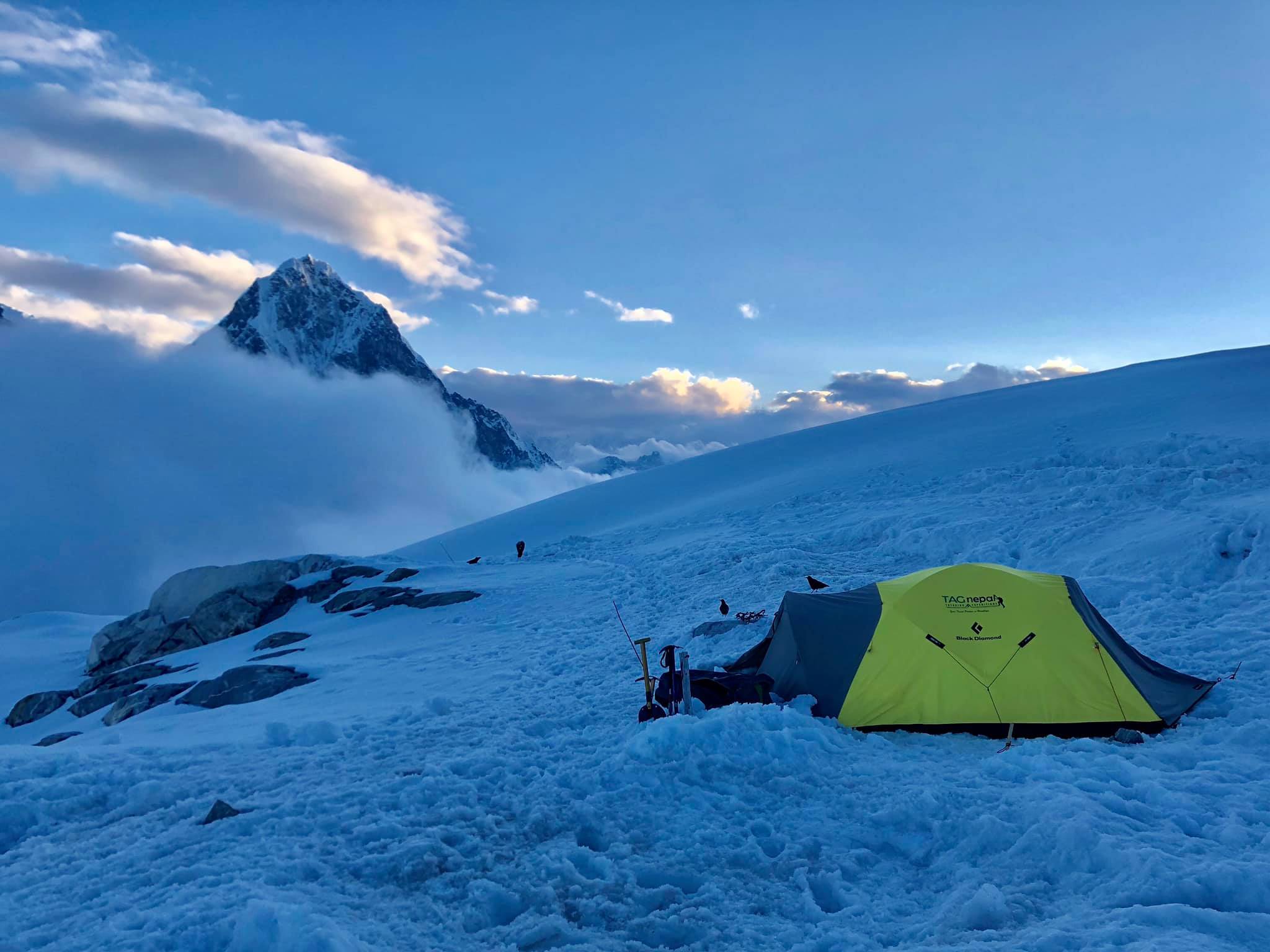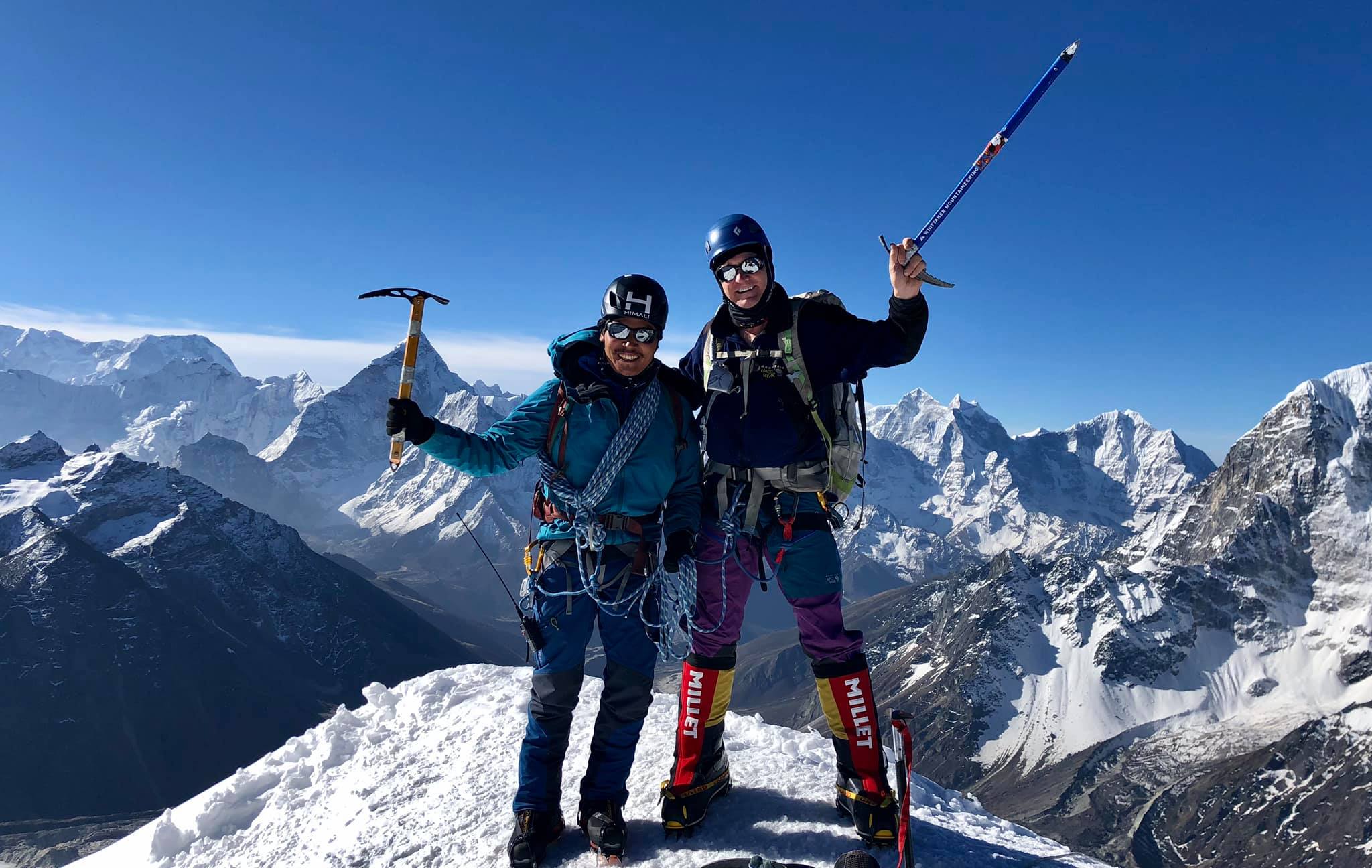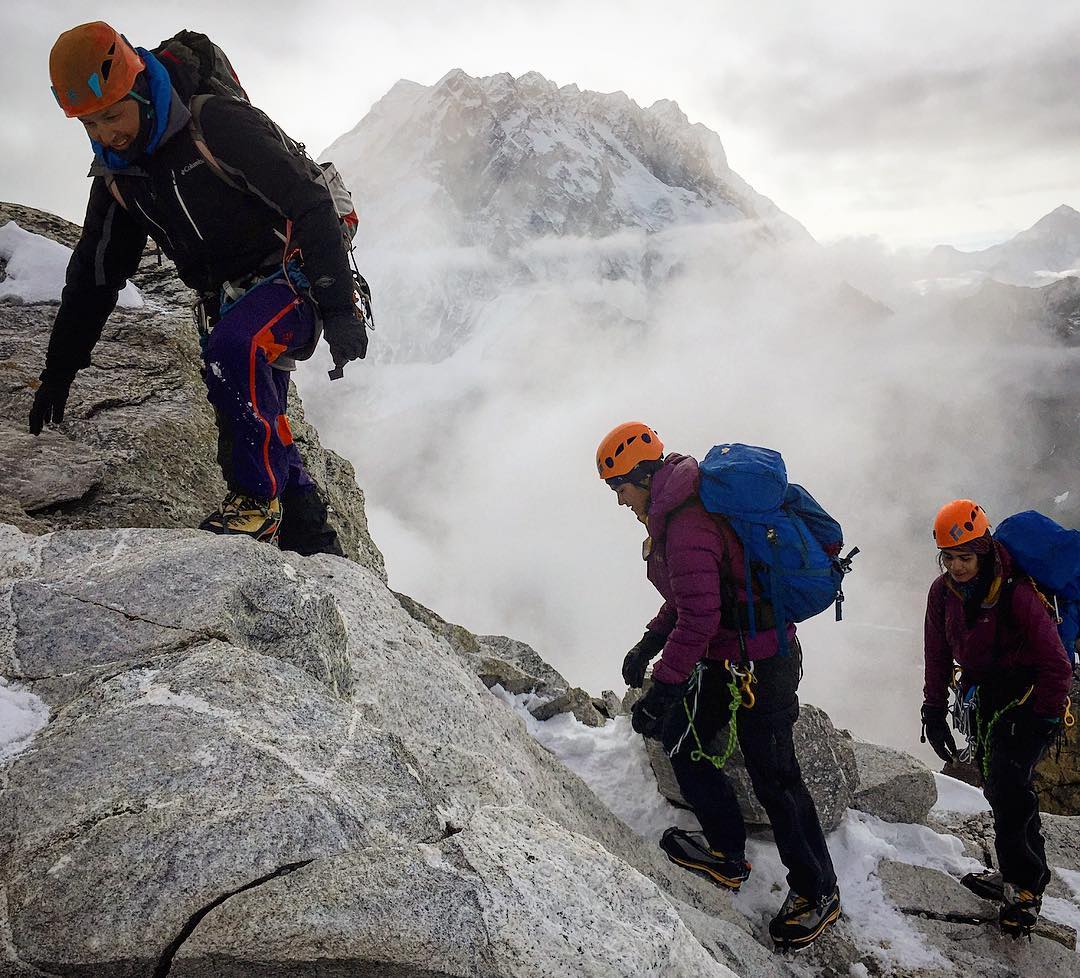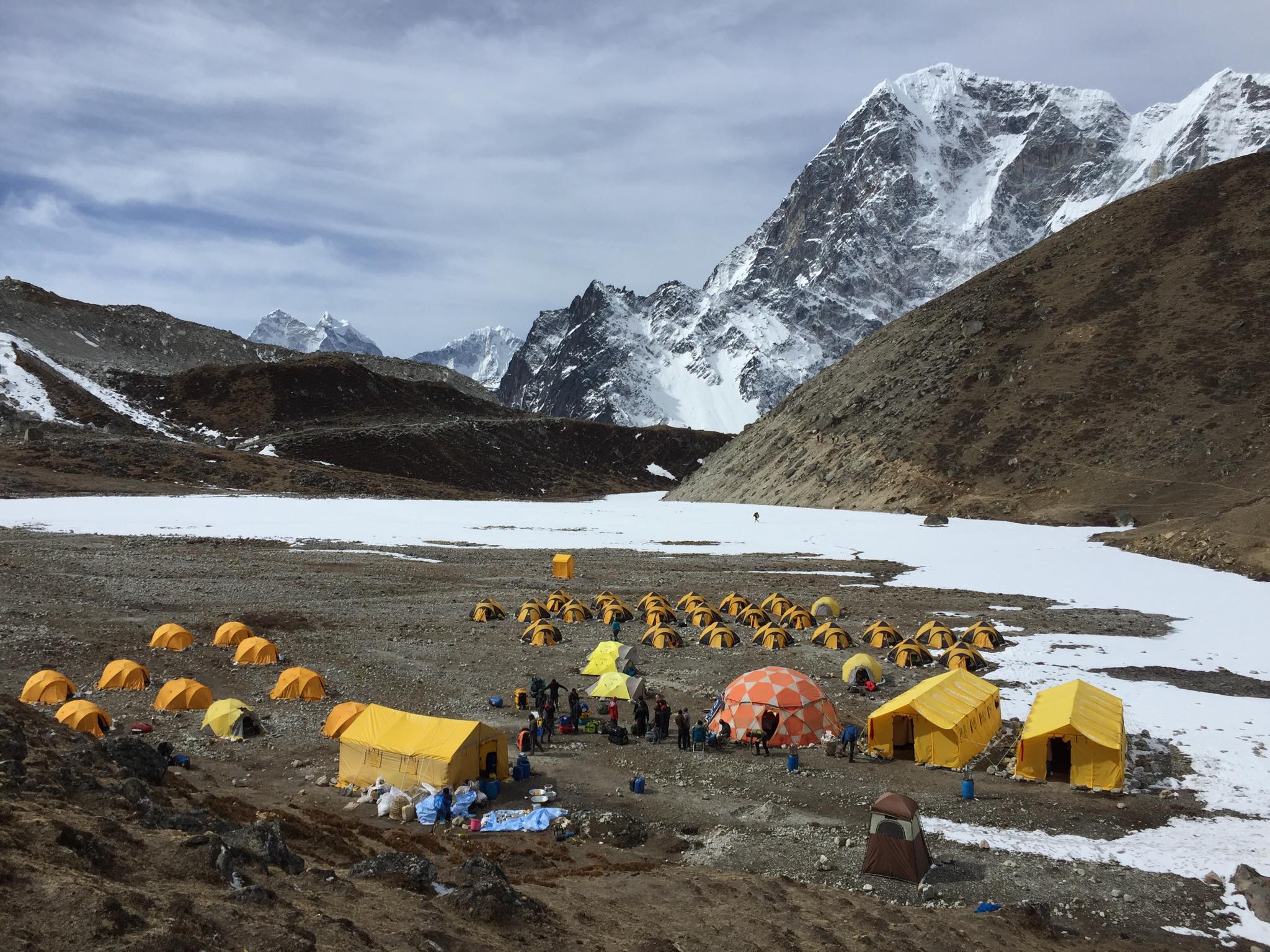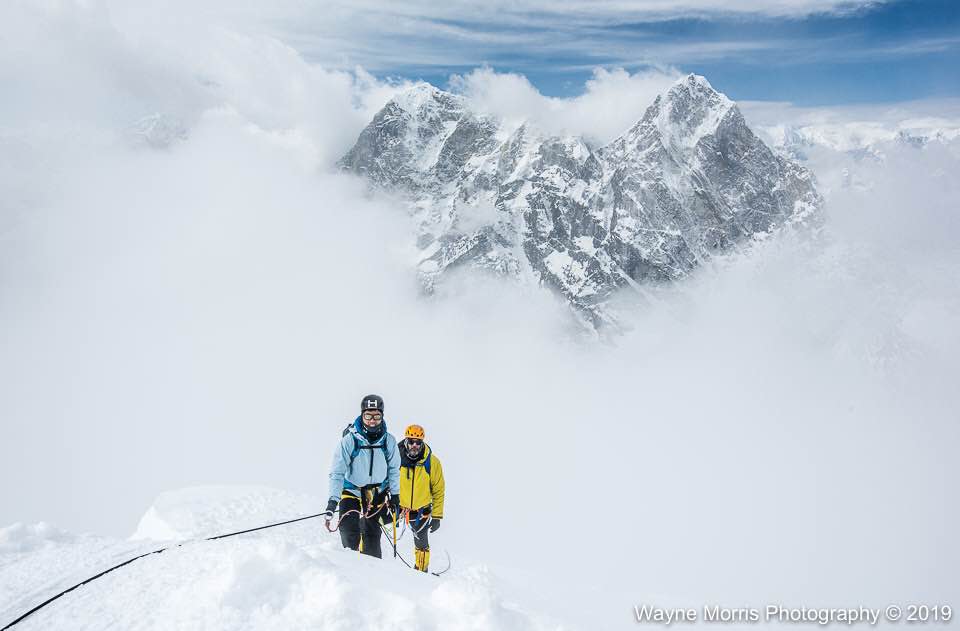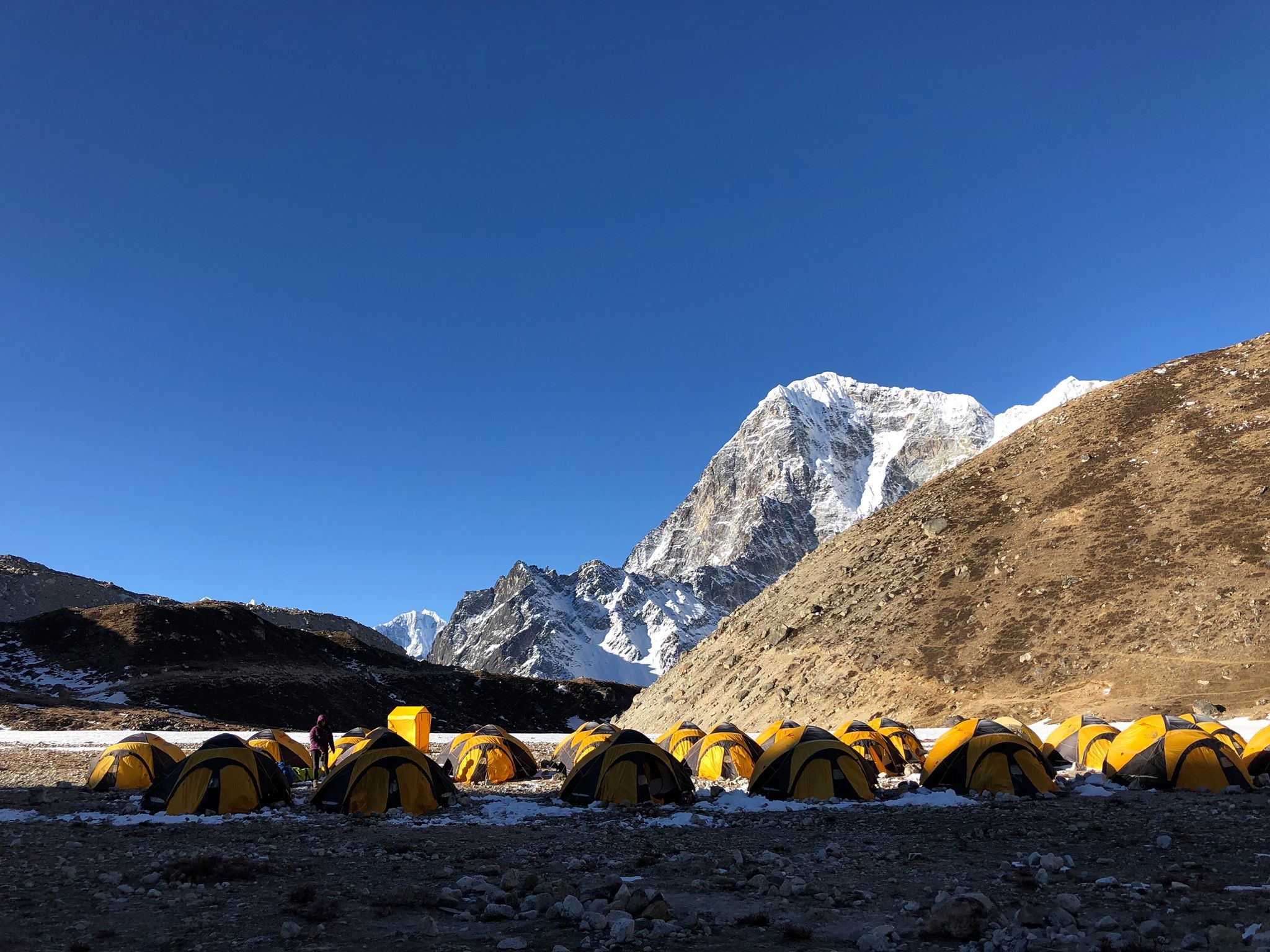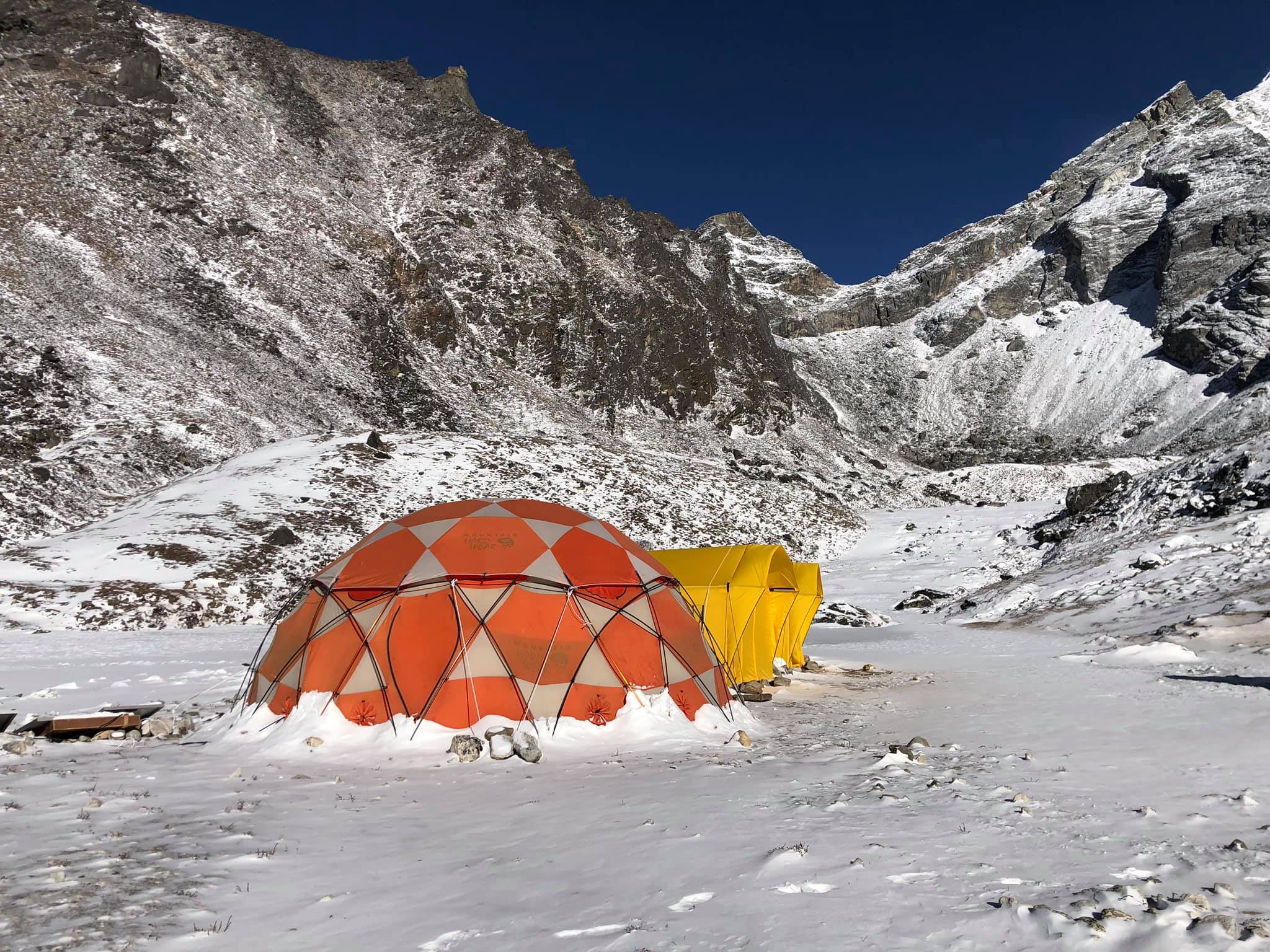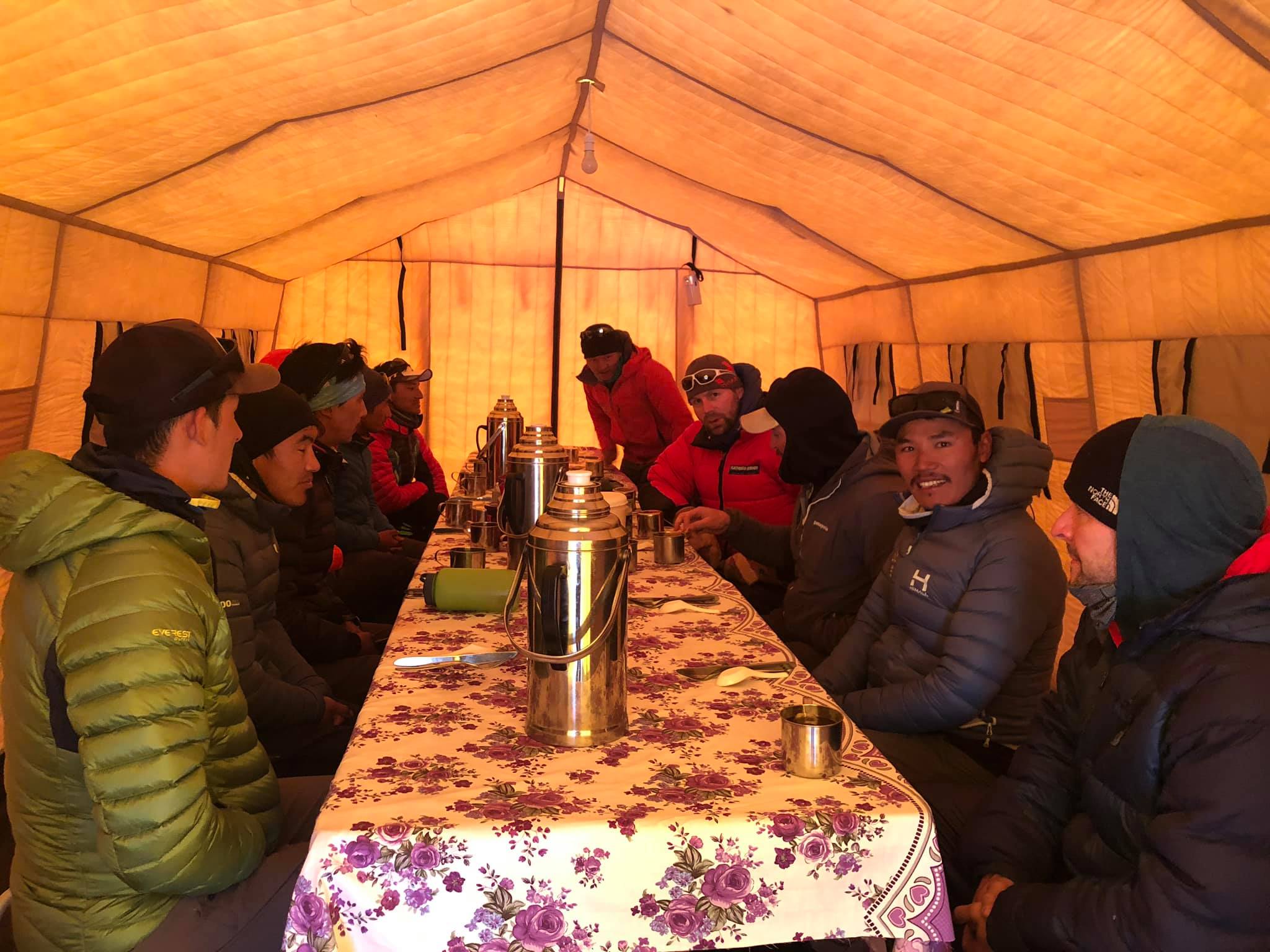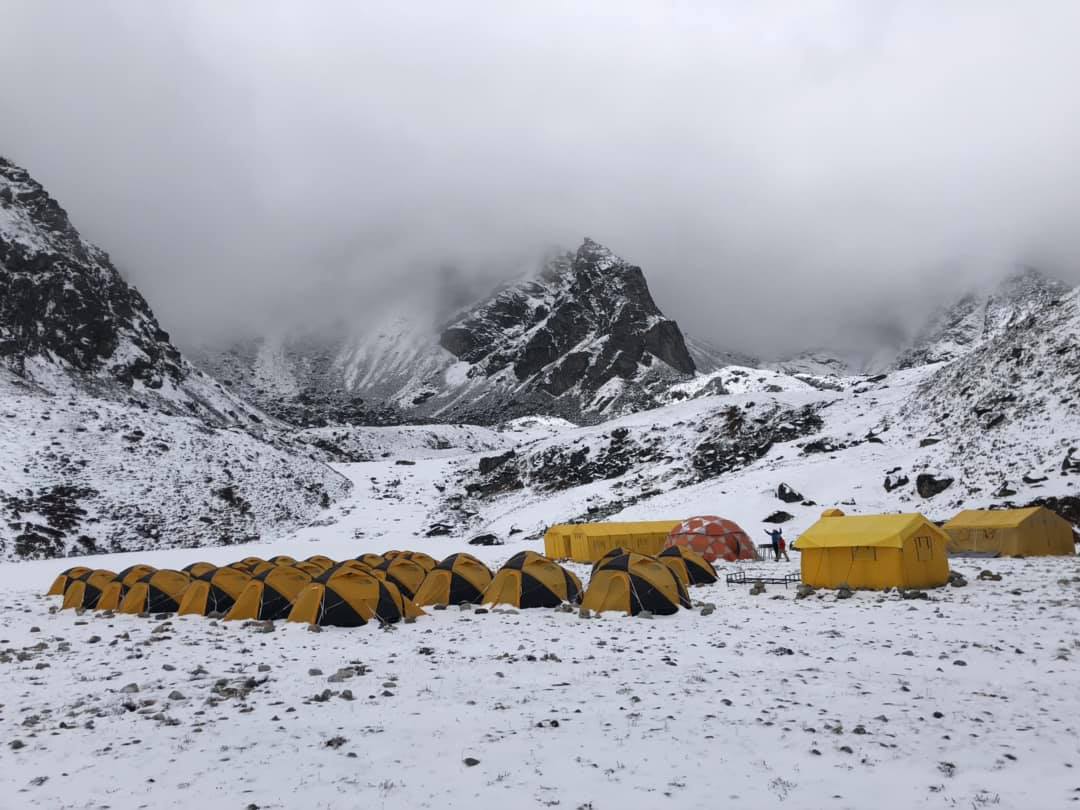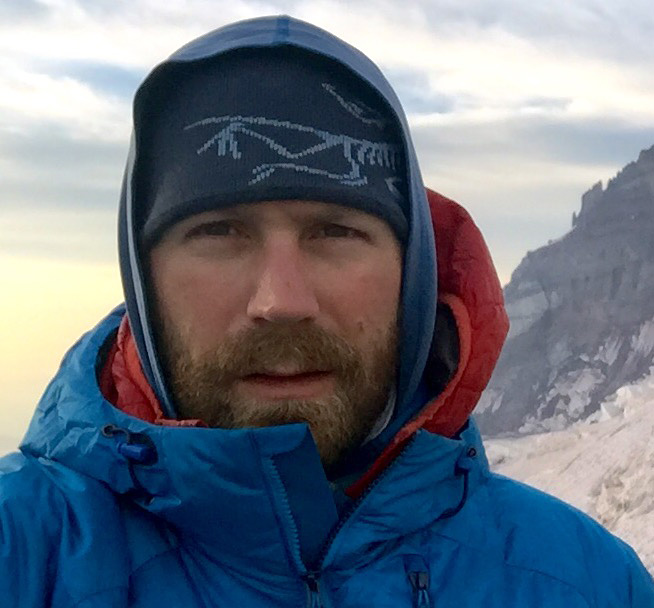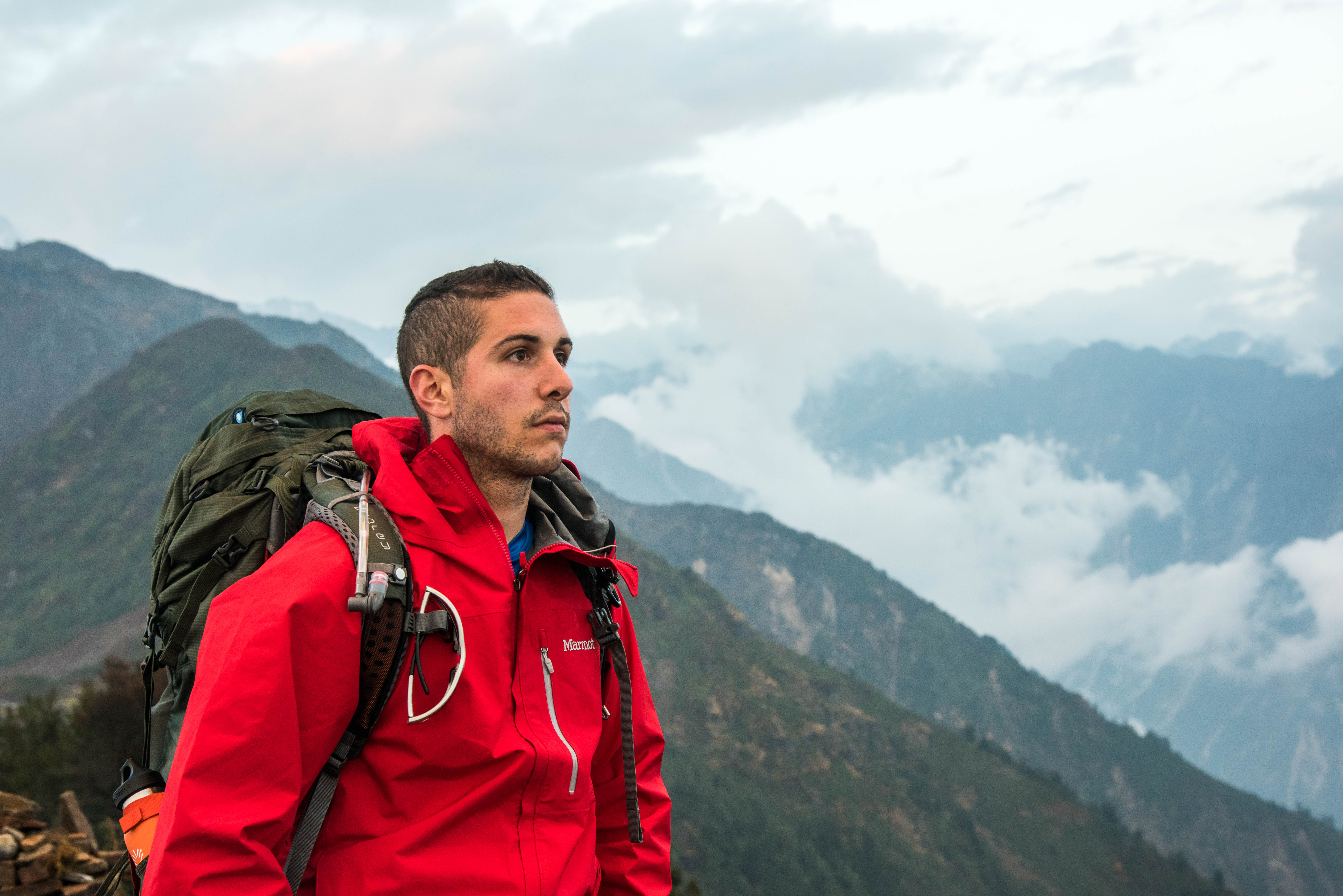
Advice from Mike Hamill

3 PEAKS  |  Nepal

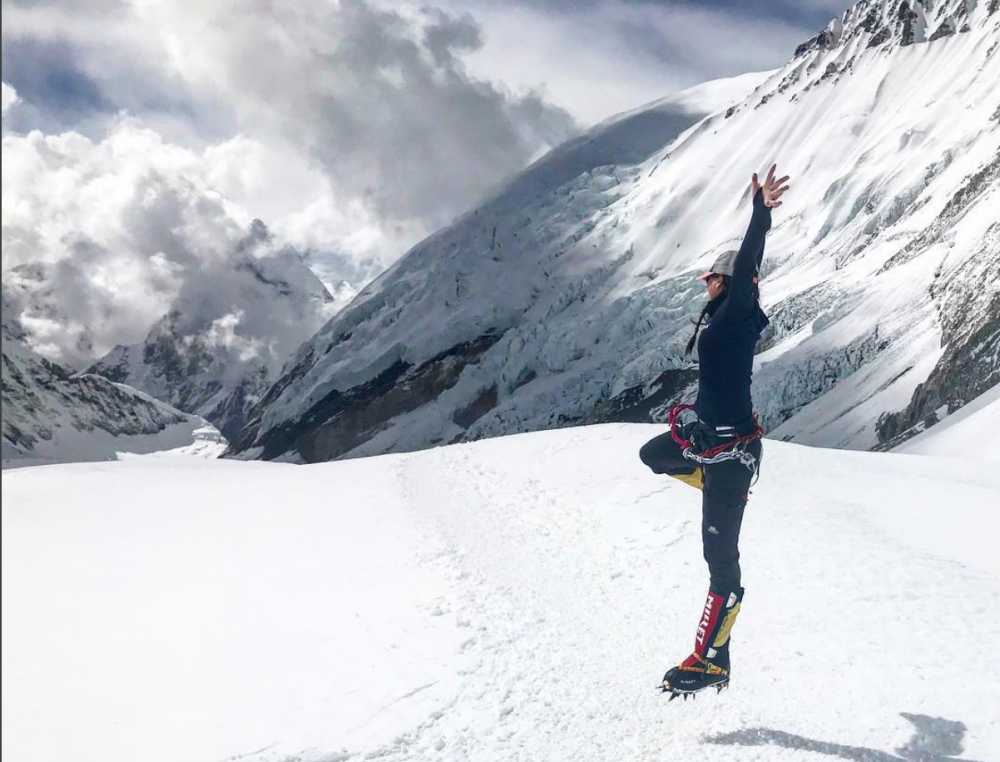
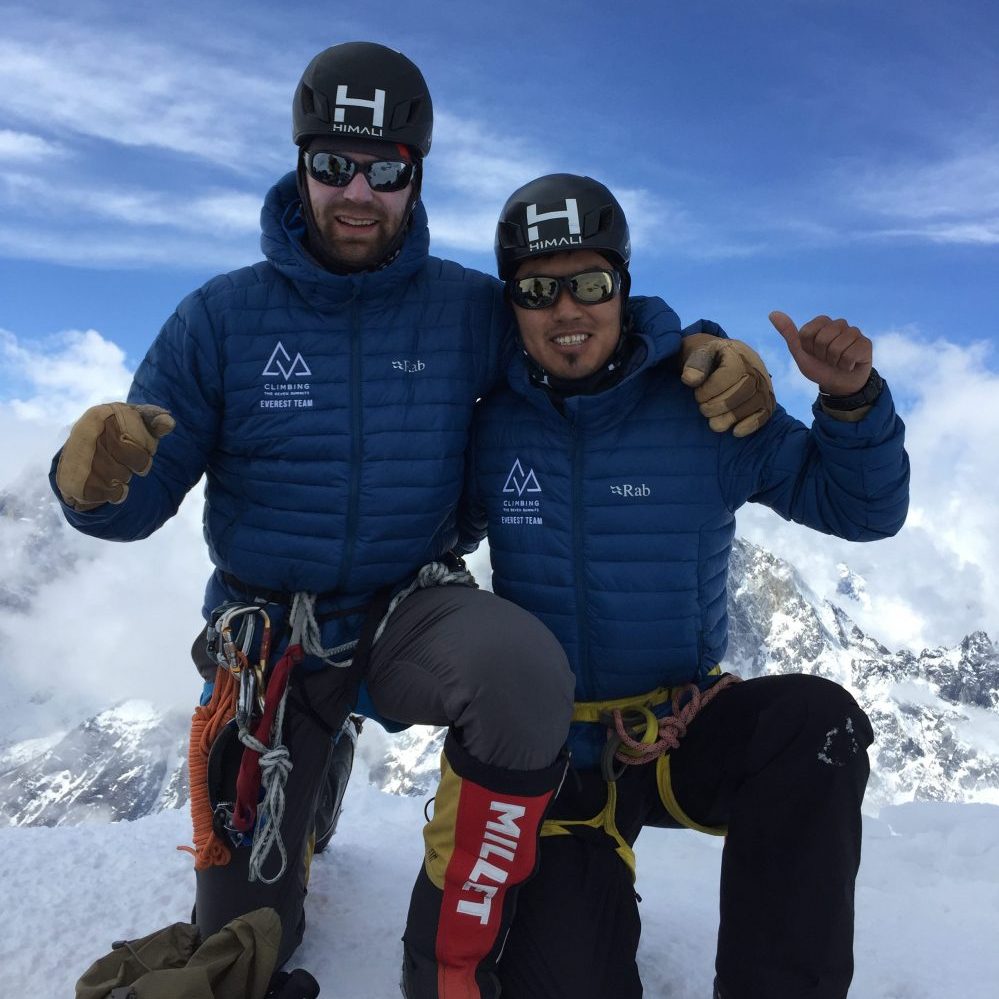
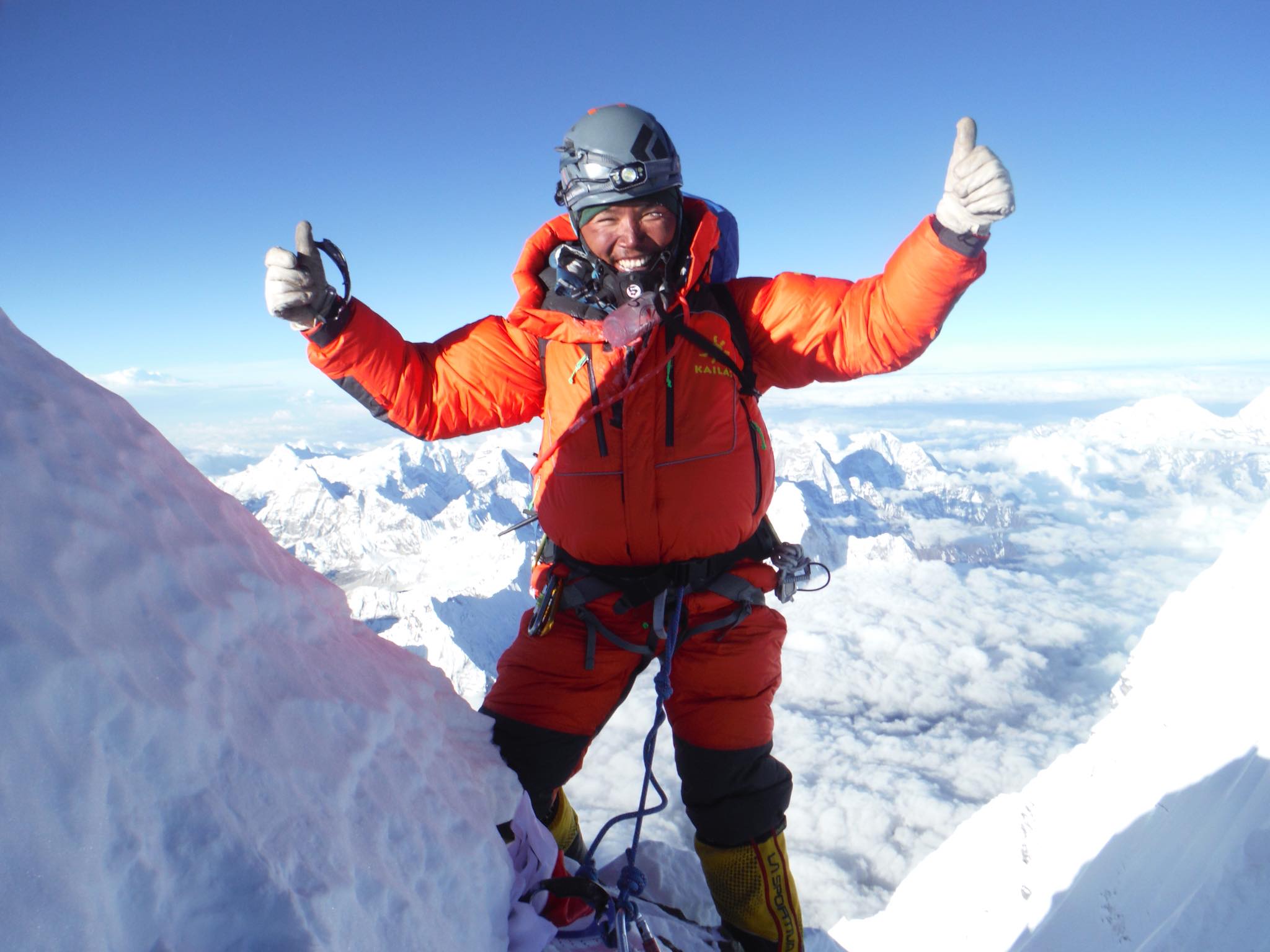
A Personal Welcome to CTSS' 3 Peaks Expedition from Mike Hamill

This expedition is a great opportunity to climb three classic Himalayan climbs and get in a ton of climbing in a short amount of time for an affordable price by capitalising on your acclimatization and having such incredible mountains together in a small geographical location.

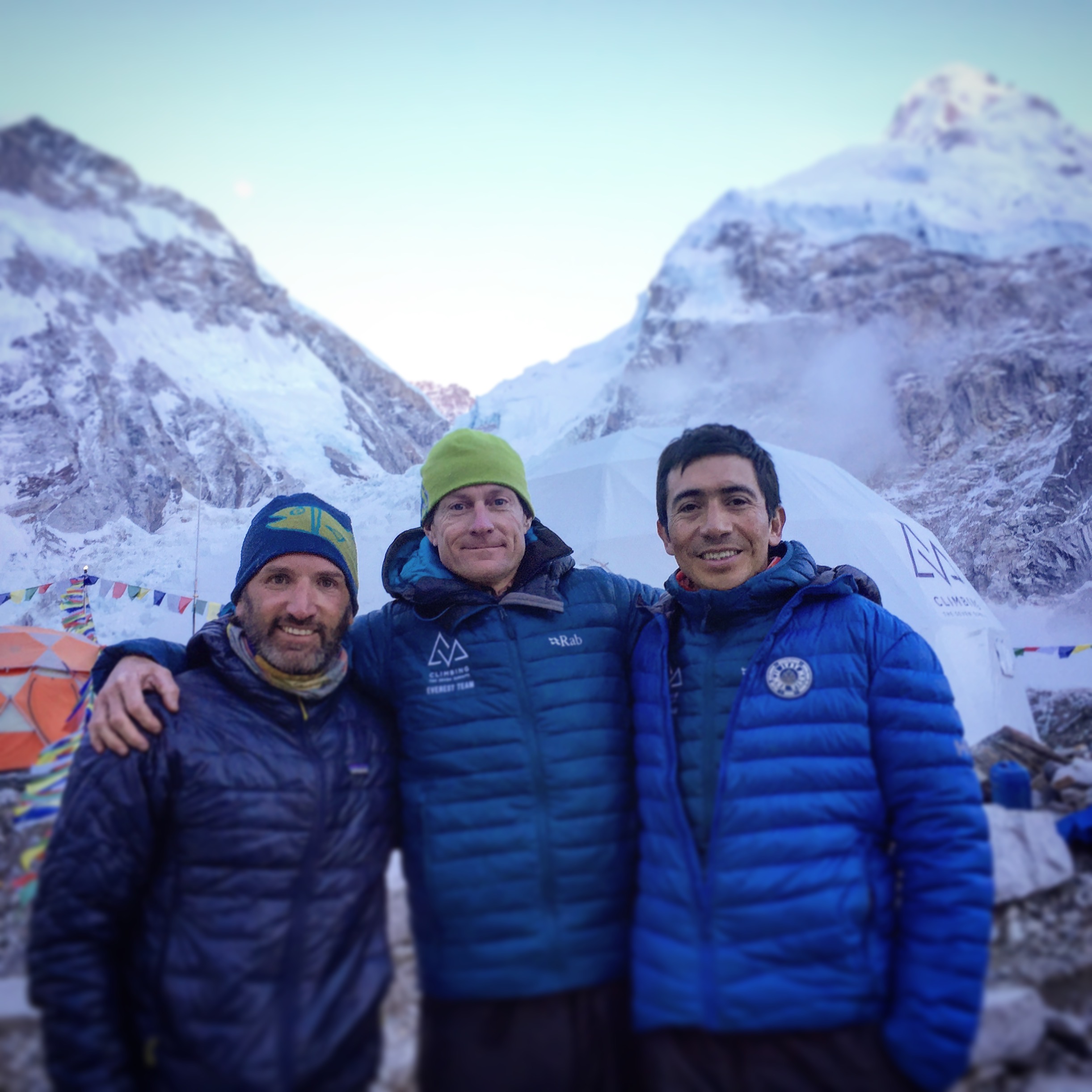
This expedition will really set you up as you progress to higher, more challenging peaks and definitely help you progress quickly in your climbing career. My advice is to not be intimidated by these ascents just because you are climbing alongside an Everest summit team or because they are in the Himalaya. Our team will run through training clinics and make sure you are ready and feeling confident but it’s important to remember the key is pacing yourself. You have three peaks to climb, don’t blow yourself out on the trek in, or even the first climb. Take your time, allow your acclimatization to happen, be patient with yourself and you will do well. Remember it’s not a competition, the time for training by pushing yourself to your very limit is now over, and it’s time to get into endurance mode vs sprinting.

The beauty of it being 3 mountains on a single expedition is if for whatever reason you feel gassed out on Lobuche you still have Pokalde and Island Peak to go. You can have an off day and turning around on one peak is ok, don’t lose heart and keep enjoying the experience. You will feel stronger the next day and continue to become a better climber..

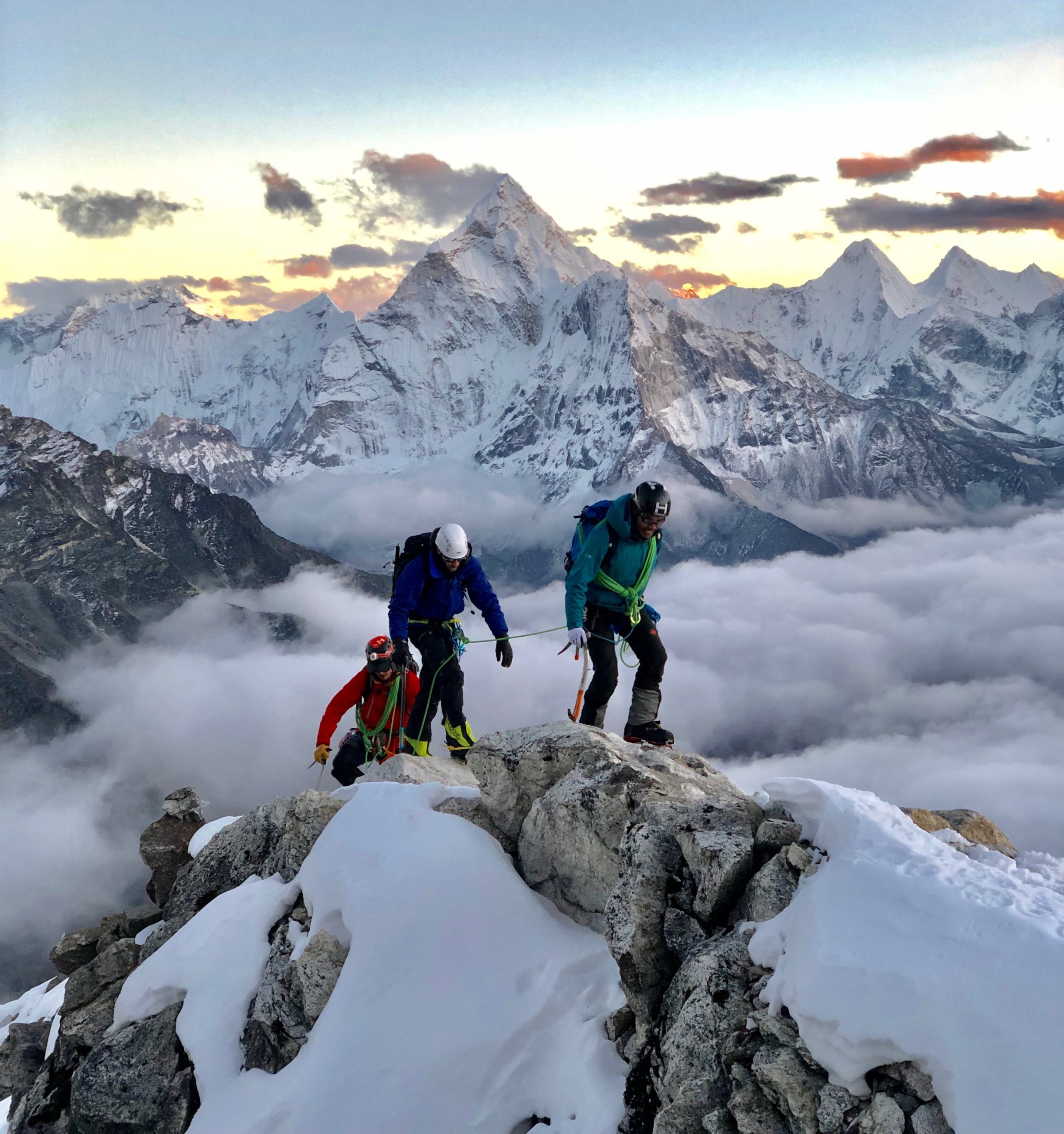
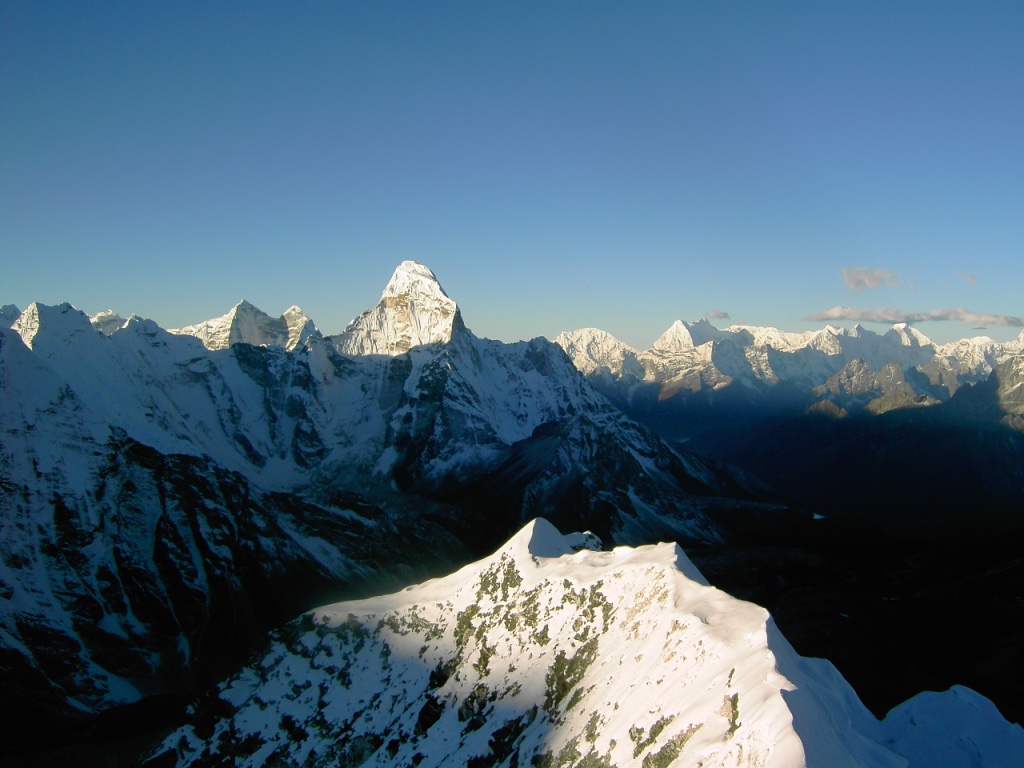
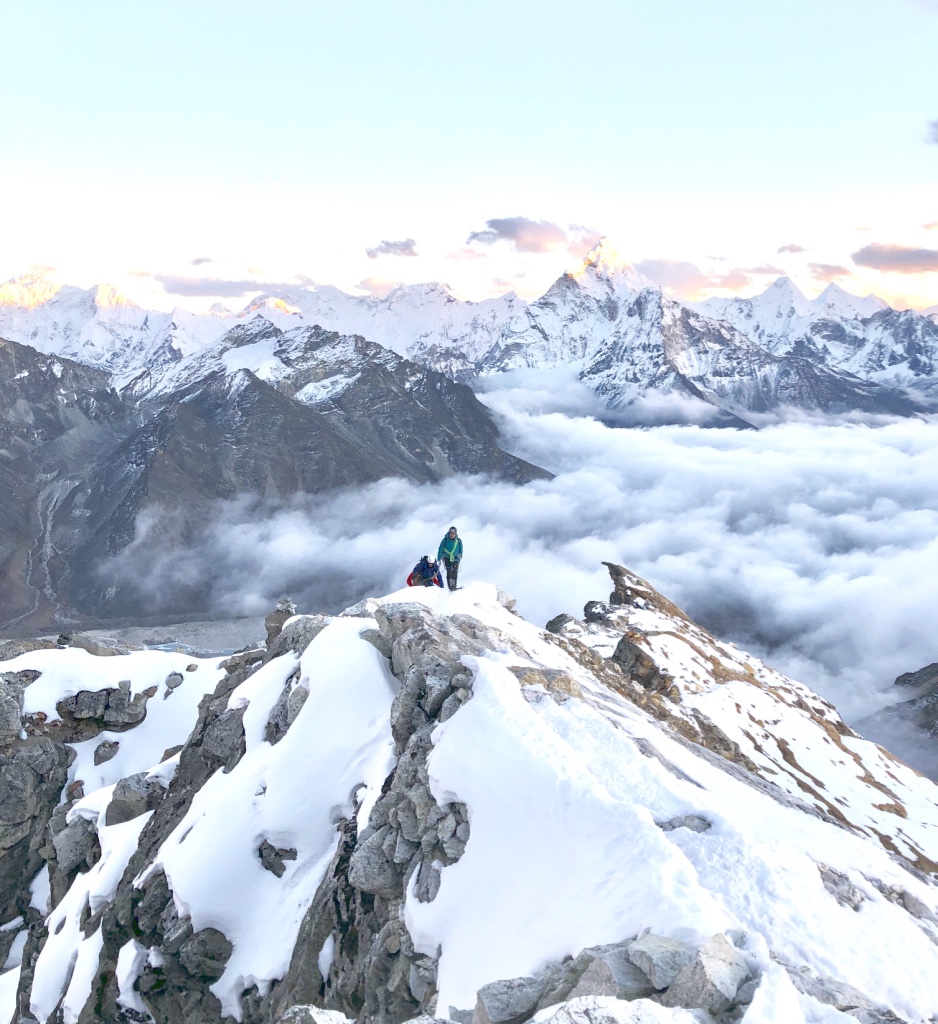
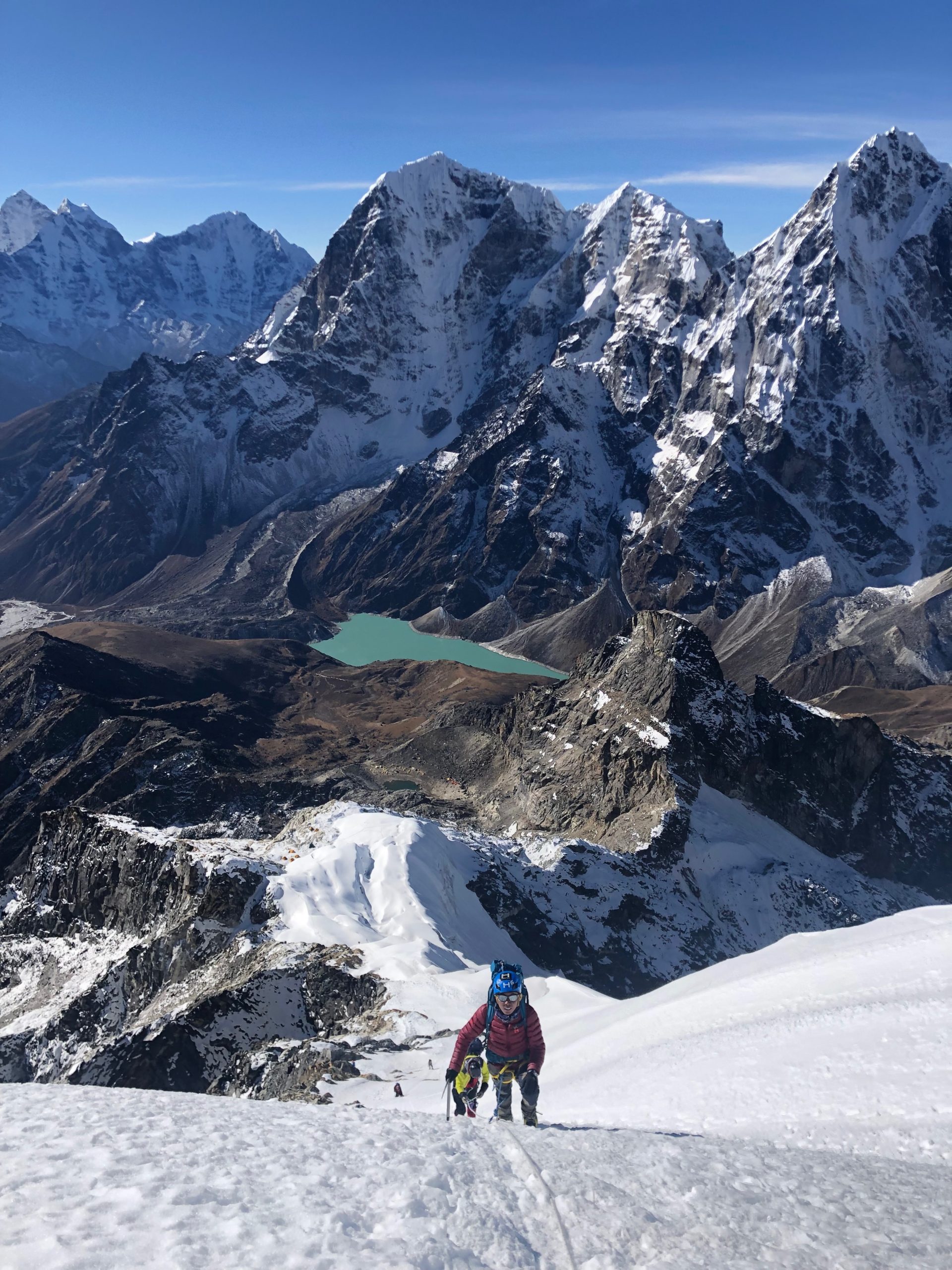
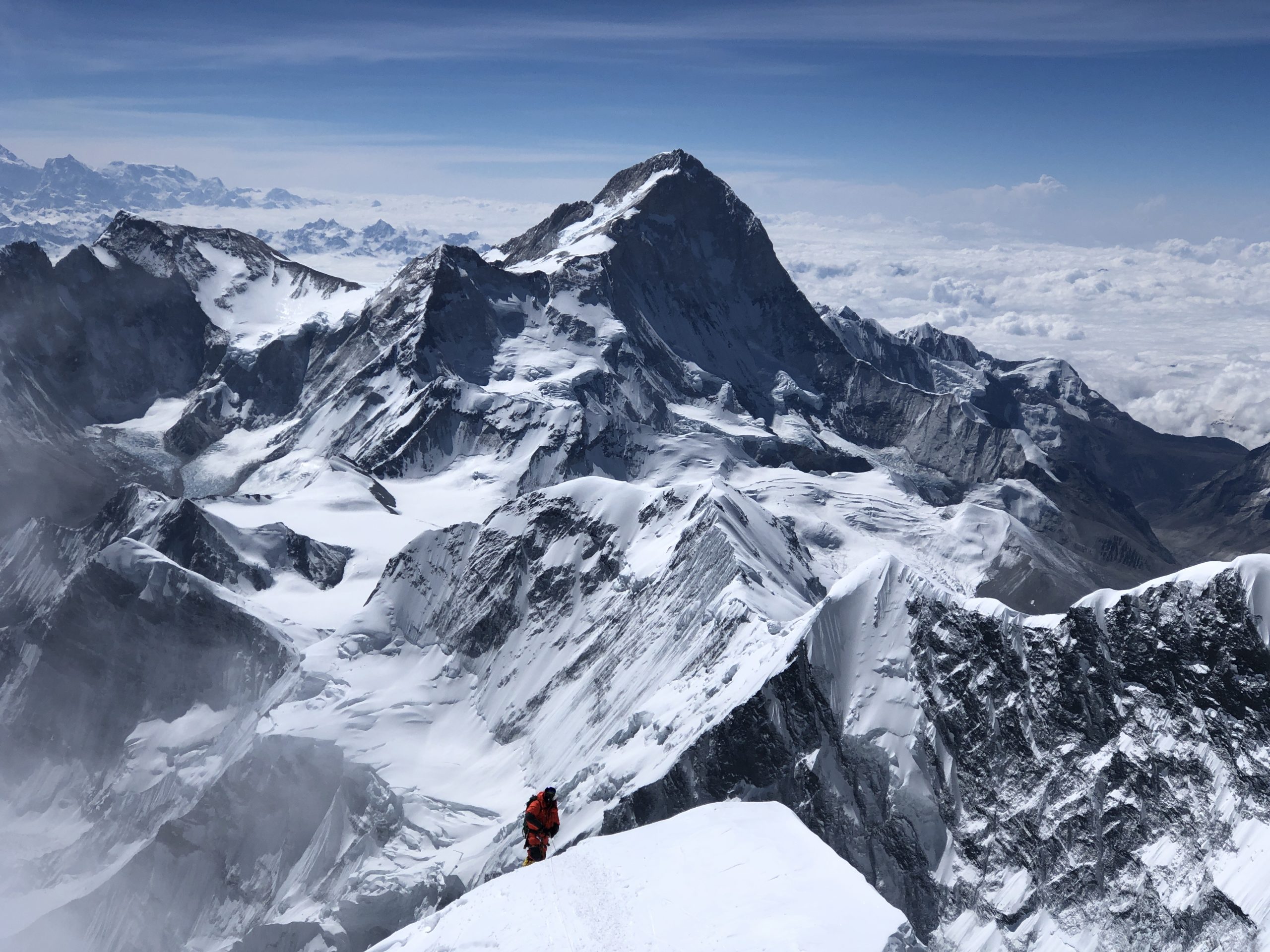
You are going to be blown away by the view from the climbs and summits- arguably the best in the Himalayas and feel a true sense of accomplishment. We look forward to sharing these beautiful Himalayan gems with you and showing you the wonders of high altitude climbing.

All the best,

Mike Hamill


Training & Prerequisites

3 PEAKS  |  Nepal

3 Peaks Training & Prerequisites

Experience Level

The 3 Peaks Expedition is a great intermediate expedition which is well suited to climbers who are fit and have basic mountaineering skills and a good sense of adventure. (It’s ok to be a little rusty on your skill set as we will do a comprehensive refresher as part of your climb with skills clinics at both Lobuche & Everest Base Camp to get you up to speed)

Ideally you are already confident and familiar with your harness, crampon and ice axe techniques and cold management.

If you’re not sure if you have the experience for this climb, please ask us as we can help recommend other training to get prepared for the 3 Peaks Expedition.


Physical Training

It is important that you are very physically fit and healthy and you can dedicate time to ‘climbing specific training’ in the lead up to your expedition. You will be required to climb up to 8-10hrs per day. Being in top shape will also ensure you enjoy your climb, feel good throughout and get the most out of the experience.

It is vital that your training closely simulates what you will be doing on the mountain. Traditional gym workouts or general fitness plans aren’t targeted enough. Instead you need to emulate long physical days (8hrs +) in the mountains.

We recommend that you:

  • Start specific mountaineering training at least 3 months in advance
  • Train at least 5 days a week for an hour or more
  • Focus on high volume but low intensity training
  • A good goal is to be able to comfortably climb 1,500 vertical ft per hour with 6-8kg, 15lbs day pack
  • Schedule a few weekends where you can do two or more full days back to back. Multi day hikes with good elevation are ideal.


Mindset

Mindset and mental preparation are integral to your success on any peak.

You should be prepared:

  • To be away from home/work for 3 weeks with long periods of being out of range
  • Have a desire for rugged adventure travel
  • Be open to receiving and deferring to guidance, support and advice from your guides/expedition leaders (even if you are an experienced mountaineer)
  • Be comfortable having open conversations with your guides
  • Be able to work well in a team environment by being supportive and respectful of fellow team mates
  • Be humble, respectful and considerate even under pressure


How to Choose The Right 3 Peaks Expedition

3 PEAKS  |  Nepal

How to Choose The Right 3 Peaks Expedition

The 3 Peaks expedition takes advantage of some of the most beautiful and accessible 6,000m peaks in the world, Lobuche, Pokalde and Island Peak, they are a great place to test your mettle and progress your mountaineering.

One of the greatest challenges in Himalayan climbing is finding the right expedition company to support you. There are countless options available and at times this can feel overwhelming and hard to navigate what the differences are between them given they are all climbing the same mountains!?

We encourage you to do your homework whenever you are mountaineering so you feel 100% confident in your choice of expedition company. You need to be supported in terms of safety and benefit from the best logistics, which will in turn enable you to focus on your climb/s.

Look for quality and experience in your guides and leadership, assess a company’s reputation and their ‘care factor’. The mountains aren’t somewhere you want to feel like just another traveller.


Safety & Success

Your safety and success are the top priorities, in that order.

An expedition company should invest heavily and plan extensively for your safety. Look for safeguards and redundancies and feel free to ask lots of questions about your operators safety policies.

For instance; there are nuances to Himalayan climbing like rope fixing. Many cheaper operators will take shortcuts and rely on other expeditions to fix the mountain, or risk your safety by using past season’s ropes rather than investing to patiently fixing their own lines with high quality rope that you can rely on with confidence. These processes are time consuming and labour heavy and therefore expensive and way cheaper operators cut their costs but at the expense of your safety.


Leadership

Your guides, leaders and Sherpa team should be seasoned experts with proven track records. Their strategy should be patient, conservative and well planned which will give you the best opportunity for success. Remember that the mountain is always there so your safety must come first.


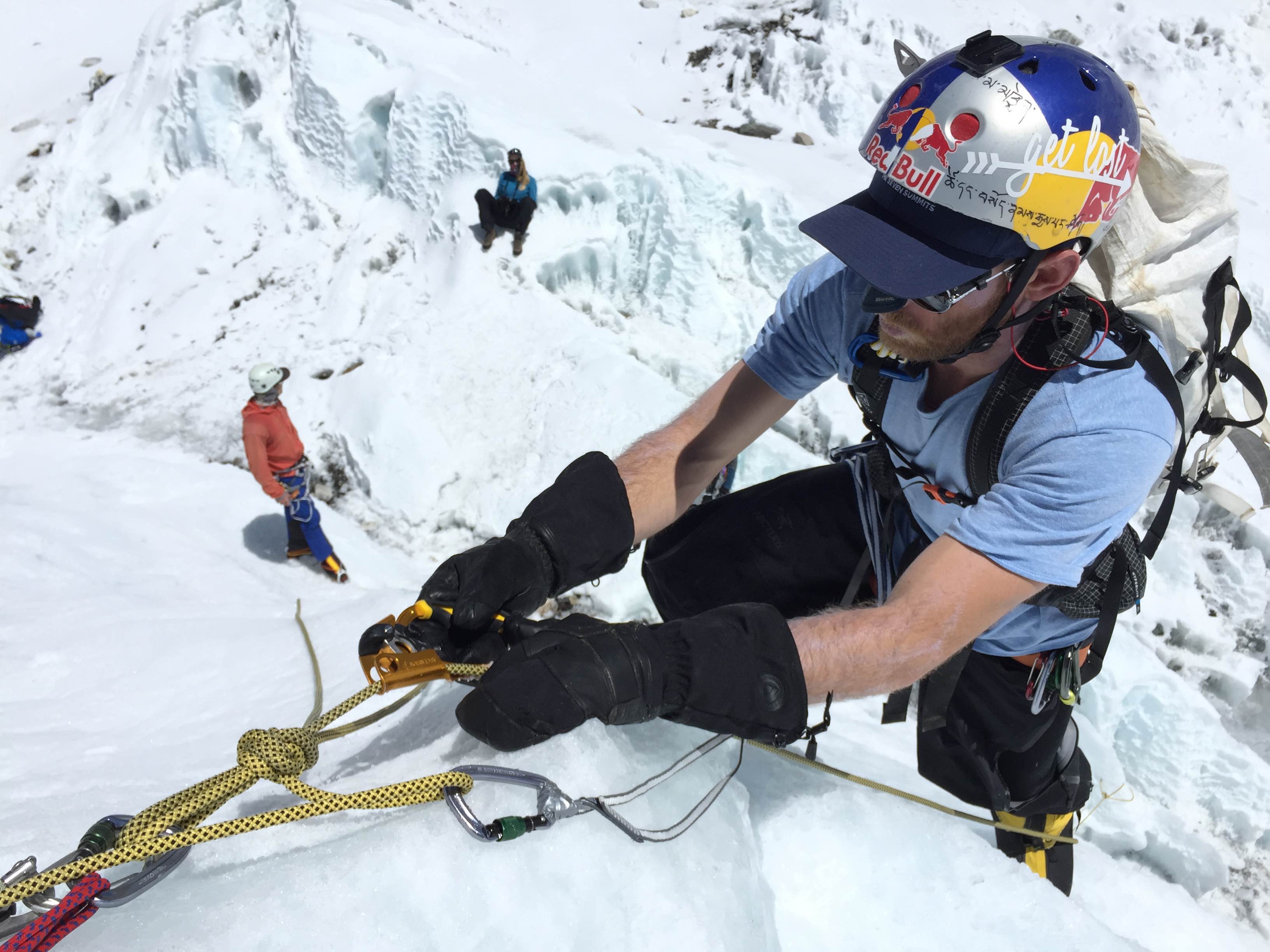
Skills Clinic & Training

The 3 Peaks expedition is a rare opportunity to pack an enormous amount of world class climbing into a short time frame taking advantage of your acclimatization. To further increase your safety and success, it is important that your chosen operator dedicates time in your itinerary to refresh and practice your mountaineering skills before you step foot on the mountain.

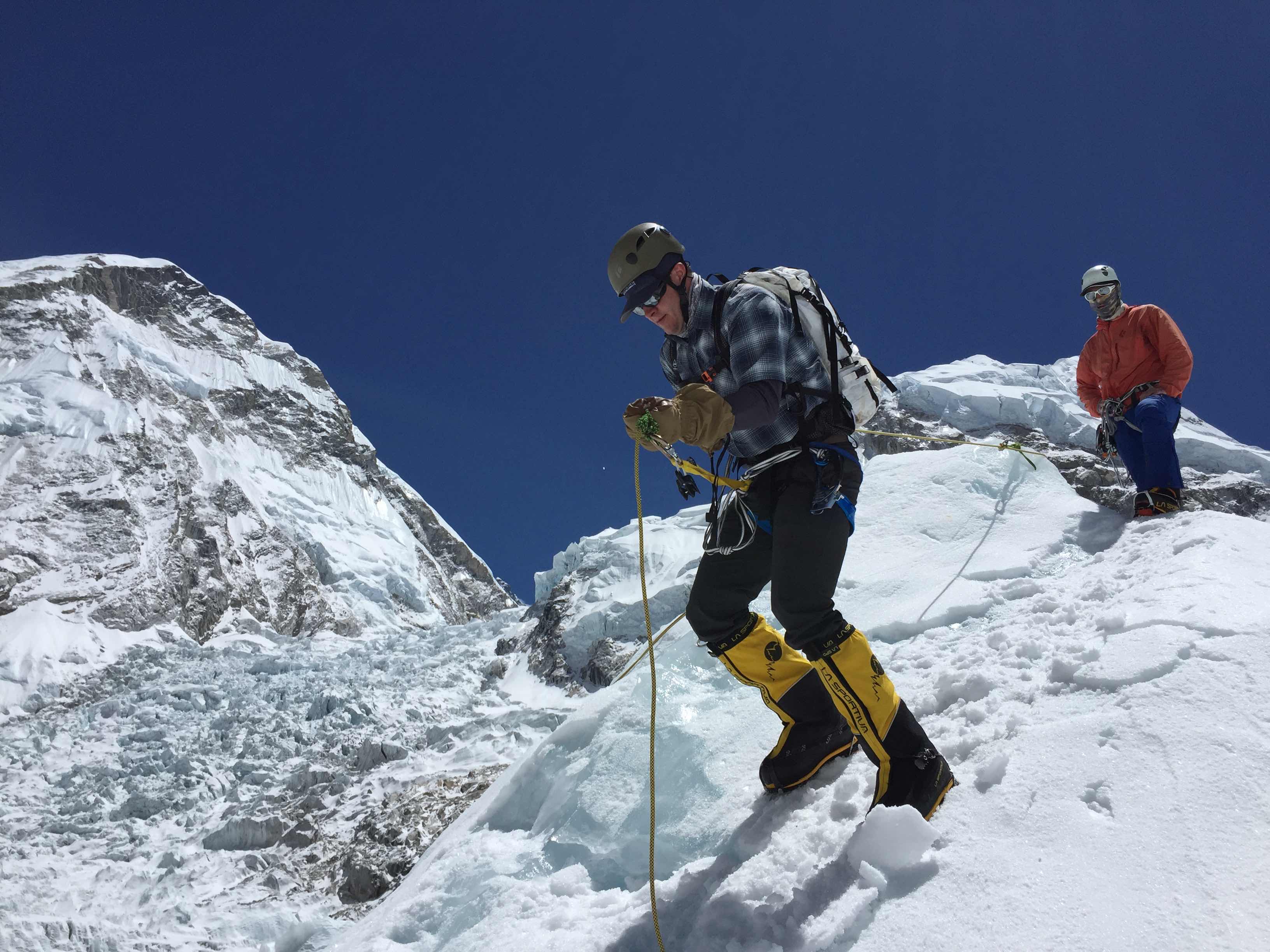
CTSS schedules a comprehensive skills clinic at Lobuche Base Camp before you move to High Camp & again at Everest Base Camp to ensure you are feeling confident and safe and your skills are second nature. Your Guides will take you through all of the techniques you will use on the peaks as well as some of the often overlooked, more intrinsic climbing skills like the rest step, pressure breathing and pacing.
Marginal Gains - The small things add up!

Have you heard of the “Marginal Gains” philosophy?

The idea is that by capitalising on every little hidden advantage, 1% here, 1% there, gains quickly compound into a huge overall improvement.

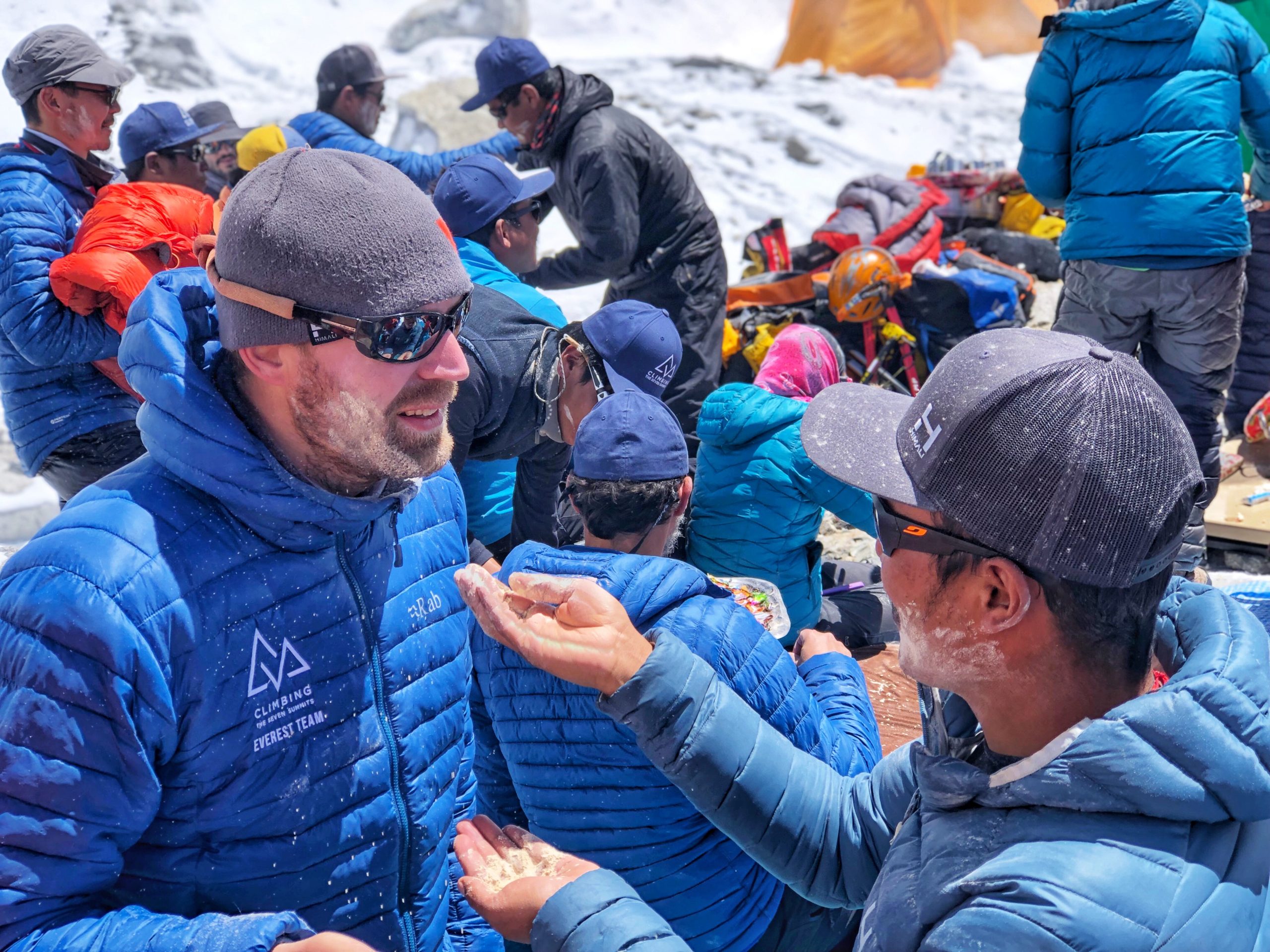
CTSS prides itself on this kind of innovation across all of our expeditions including the 3 Peaks Expedition. We optimize both the big details like guide staff, schedules etc, all the way through to the tiny comfort details. For instance we employ our own chef to come up to with us to High Camp on Lobuche to serve us hearty, nutritious food which is delicious vs. eating dehydrated or basic camp meals because we know well fed climbers are happy, healthy climbers with more energy on summit day. It’s also why we invest in the nicest teahouses in the Khumbu Valley on your trek legs and the nicest tents on the mountains. People may dismiss these little luxuries as ‘soft’ but in fact we invest in them because they are highly strategic.


Opportunity to be part of an Everest Expedition

Does an operator give you the opportunity to be part of a wider Everest expedition taking advantage of the incredible logistics, guidance and set up that comes along with that?

If Everest or another 8,000m peak is on your horizon in the future this is an unparalleled way to get first hand experience and understanding of what goes into that style of trip and the inner workings, nuances and tips that will set you up for success now and in the future. It’s also a great opportunity to get familiar with similar terrain and climbing styles that you will experience on Everest. Being part of the CTSS 3 Peaks expedition is like being on a mini Everest expedition!


Does an operator have strong values?

This is sometimes a little harder to identify as it’s more a feeling than a sales pitch, but you should get a feel for a company through their little interactions, their care factor, their attention to detail, their corporate social responsibility, their response to you.

Mountaineering can be high risk and stressful so pick an operator who has strong core values and a team mentality that aligns with yours so that when things get challenging you can rely on open lines of communication, knowing they will do what they can to support you and keep you safe.

It is this team cohesiveness that flows through to each individual climber and helps them stand on top.
Expedition Beta & Route

3 PEAKS  |  Nepal

3 Peaks Expedition Beta & Route

Elevation: 3 Summits up to 6,189m
Lobuche East = 6,000m
Pokalde = 5,806m
Island Peak (Imja tse) = 6,189m

Duration & Season: April 3 – April 30 (28 days)
Continent: Asia
Country: Nepal
Route: Normal routes
Difficulty: Intermediate

This expedition will have you climbing alongside an Everest summit team through your first Lobuche climb and into Base Camp and it is important not to compare yourself to their skillset or fitness level. It’s also worth noting that you will benefit from the Everest team resources and infrastructure  and following Lobuche & BC you will then splinter off into a much smaller, individualised, nimble team for Pokalde & Island Peak.

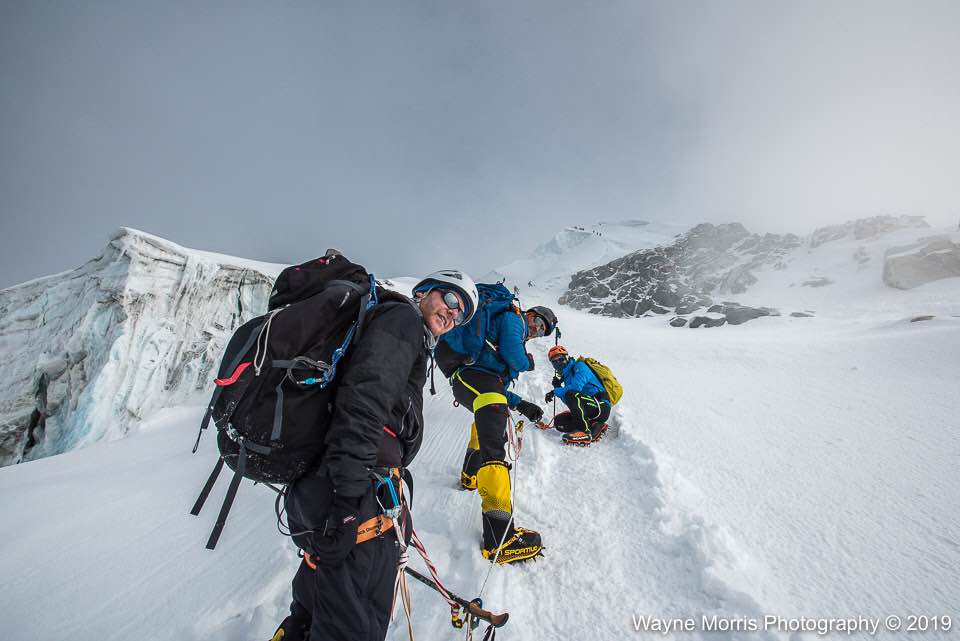
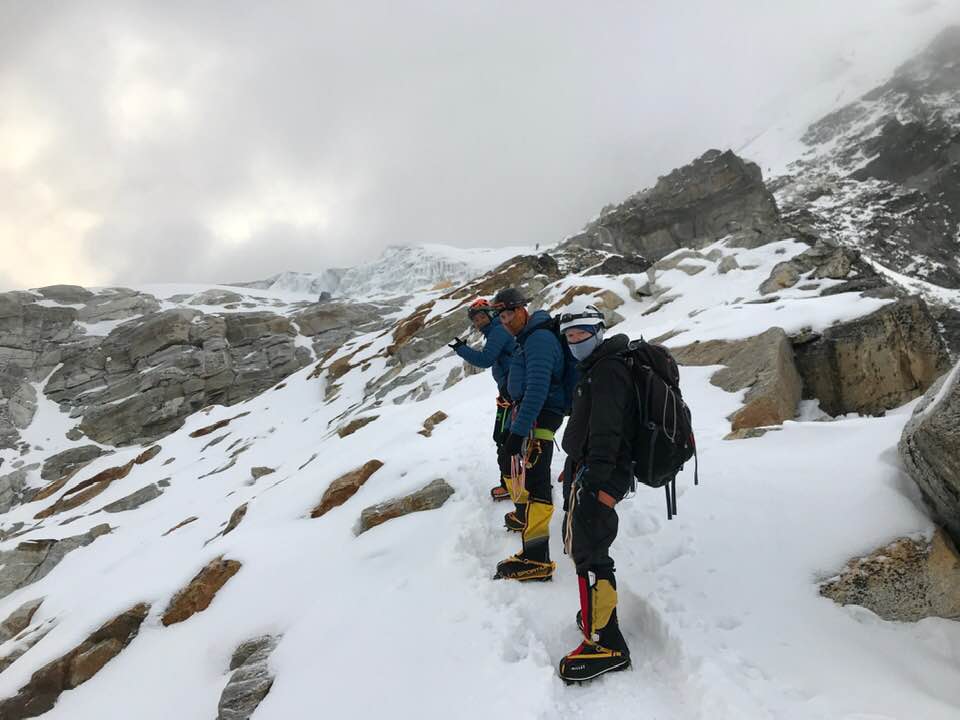
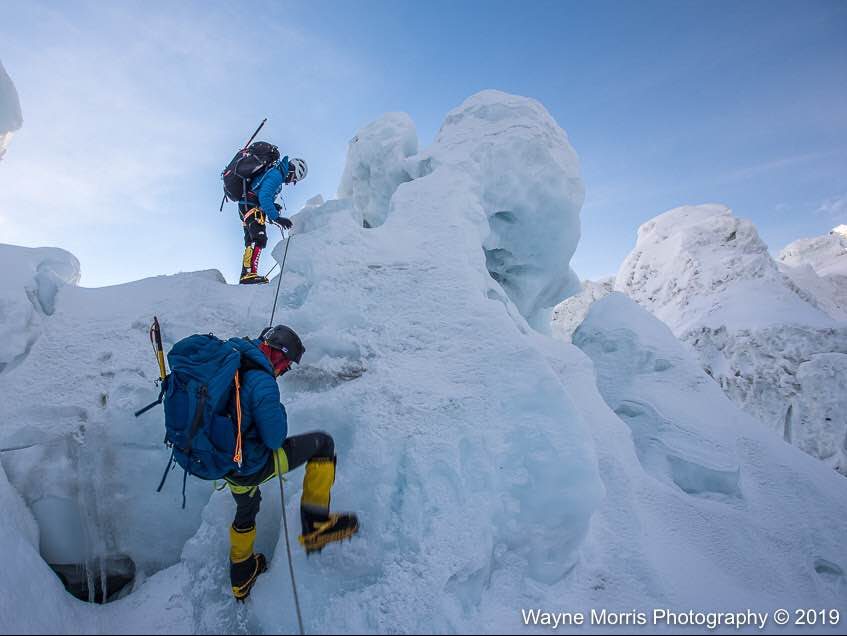
The trip encompass a variety of climbing from dirt trail, to moderate snow, to rock scrambling, to steeper snow and ice. It makes for a really fun and varied climbing in the mountains but it is good to prepare for varied terrain in your training and preparation.

Routes:


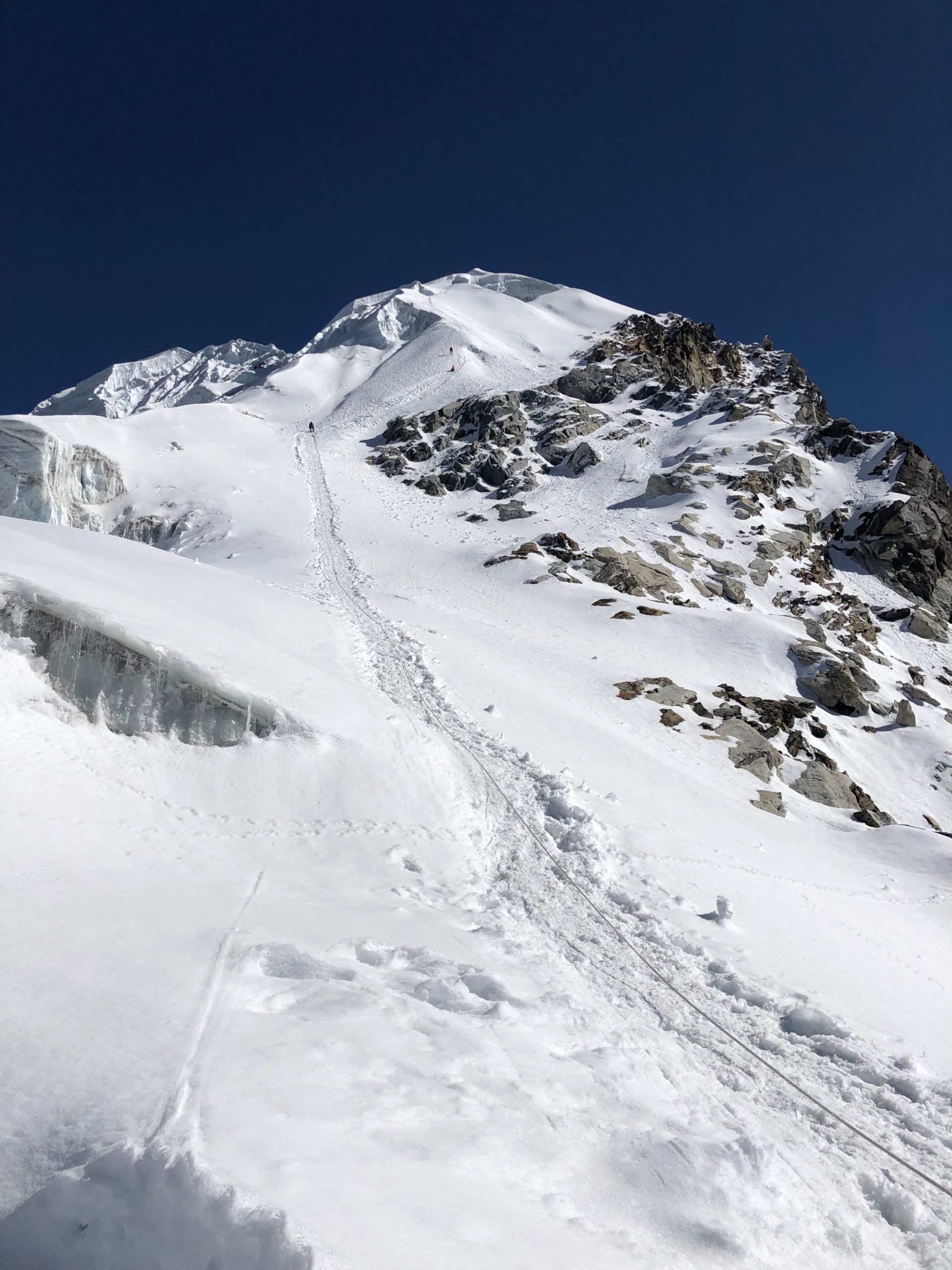
We choose the “normal’ climbing route on Lobuche, Pokalde and island Peak to minimize risk and improve success. These are the most straight-forward and safest routes on the mountain which allow climbers to focus on their climbing technique and acclimatization whilst still being challenged sufficiently by these incredible peaks.

These routes consist of moderate snow climbing in crampons, undulating terrain on rock protected by fixed line and moderate snow and ice fixed line climbing. They offer some of the most scenic climbing in the world with incredible views of the tallest peaks on earth.


3 Peaks

3 PEAKS  |  Nepal


Price Range:

$9,995 USD

Elevation:

6,000m | 5,806m | 6,189m

Duration:

March 30 - April 25 (26 days)

Difficulty:

Intermediate

Share Expedition

3 Peaks Expedition with Climbing the Seven Summits

3 Peaks is one of the most underrated expeditions. It offers the opportunity to climb three legendary peaks in the Himalayas in a relatively short time frame, giving you a great bang for your buck. It is also an excellent way to capitalize on your training and acclimatization and see some of the best summit views in the world!

Tick off four bucket list items in one trip!

    1. Everest Base Camp trek (2x night stay at Base Camp Proper)
    2. Lobuche East (6,119m)
    3. Pokalde (5,806m)
    4. Island Peak (6,160m)

Our 3 Peaks program is an ideal progression option, open to advanced beginners (prior experience is desired but not compulsory). It serves as an ideal Everest prep course and training for bigger objectives such as Aconcagua, Ama Dablam, Manaslu, and other 8000m peaks.

Nothing found.

3 Peaks Expedition Options

Our 3 Peaks Expeditions are run annually in April to take advantage of the best weather and most favourable summit conditions. It is a great climb in the Himalaya and has the added bonus of coinciding with our Everest expedition, giving you first-hand access to those resources and the added experience.

Choose from our crowd favorite 3 Peaks Classic Climb or plan a one-of-a-kind expedition with a private climb. 

Nothing found.

3 Peaks Expedition Add-Ons

Nothing found.

3 Peaks Expedition Gear & Logistics

3 Peaks Gear Guide

3 Peaks Gear Checklist

Nothing found.

3 Peaks Expedition FAQs

How early should I commit to my climb?

We feel that the sooner you commit the better as it gives you more time to prepare mentally and physically for the climb. Climbing the 3 Peaks is a big undertaking and something that you will want to work up to consistently. I have found that people are generally more successful when they commit earlier as it gives them longer to shake out any problems that may arise, arrange their home and work life to be away for a number of months, and build their fitness endurance and strength up over time and thereby avoid injury etc.

What’s the best climb to prepare for the 3 Peaks?

Hands down I think that Elbrus is the best, most specific 3 Peaks prep. You get an understanding of alpine climbing and all the skills you will need for the ascents.

Will I need to purchase insurance?

Yes, trip insurance is required for this program and it needs to cover the entire cost of the trip and include trip cancellation, trip interruption, medical expenses, repatriation, and evacuation for the entire length of the expedition.

Trekkers are required to have the same coverage. Unforeseen hiccups are part of adventure travel both before and during the expedition and it can be very expensive. Every effort should be taken to account for them in advance. Please forward a copy of your insurance for our records so that we can help you in the event that it needs to be used during the expedition. Most insurers require us to contact them immediately.

For more information on trip insurance please visit the “Trip Insurance” page

What program upgrades are available?

The main add-on for the 3 Peaks program is single rooming upgrades and/or deluxe rooms in the trekking lodges. Please discuss this add-on with us and we can help you decide if it is right for you.

It’s a long time away from home – can my family and friends join me?

Yes, your family and friends are more than welcome to join us on the trek into base camp and even climb Lobuche peak (or all 3) if they like. (Our standard treks stay a 2 nights in Base Camp before departing but we have had people stay longer and this can be arranged by chatting to us directly) Please let us know immediately if you have people who want to join us so that we can make arrangements for them. Space in hotels in Kathmandu and in the teahouses is limited during climbing season so we need to know final numbers asap!

What’s the acclimatization process?

Our entire expedition including the trip to base camp is slow in order to allow our bodies ample time to acclimate. In the Khumbu, we gain altitude gradually and this slow process will allow us to acclimate properly and avoid altitude sickness. That means there is plenty of down time while your body adjusts. Please bring a few books or movies on your devices and be patient. This is a slow process but it will give you a much better chance at success on the climb and trek. Make sure to communicate with your guides directly if you are experiencing any altitude issues.

How much cash should I bring?

It is better to have more money than you need than not enough, while most things are covered on the trip once you land in Kathmandu (check what’s included/what’s not included list for details) you will still need cash. The cash that you need to bring includes money for visas ($50 for 1 single entry 30 day), Sherpa tip pool ($600 for climbers and $300 for trekkers), money for staff tips (customary but optional) $200 for potential consultation and treatment by the doctors at base camp, $500 to cover expenses for a potential early departure (not often, but sometimes this occurs) and $1,500 – $5,000 if you think you’ll want a helicopter ride out, $300 for miscellaneous expenses like non-group meals, shopping, drinks around Kathmandu and while on the trip to base camp if you want wifi, sodas, specialty coffees, bottled water, charging of devices or snacks (meals are covered), Generally we recommend bringing $2,000 – $3,000 USD plus a credit card to cover all potential expenses including an early departure but it is unlikely that you will need all of this. Small denominations (1’s, 5’s, 10’s and 20’s) are better and although American dollars are accepted, you can change money into Nepali rupees at change houses when you arrive. Rates are generally about the same and I’ve never encountered one that isn’t legitimate. Also, there are now quite a few ATM’s around town where you can use your card to take out local cash at a good rate. It is much more difficult to change money, especially large sums, once in the Khumbu Valley. Please let your credit card company know you will be traveling so you can use your card (and not set off the fraud alert due to using the card in a foreign country).

How much gear can I bring?

We pay for yak + porter transport for two 50lb duffels (1x trekking duffel which will travel with you and 1x climbing duffel which will go straight to base camp) this should be more than enough weight. If you want to bring more than this with you, you will be expected to pay for the excess weight. This amount will include excess on the flight to Lukla and then be roughly $300/duffel each way to base camp beyond the two duffel allotments. Transport is getting more expensive every year so please leave the kitchen sink at home! (we already have those at base camp) Just bring what you need to be comfortable but not more than that. It is unlikely that you will need two full duffels for the lobuche climb so please bring only 1 if you can fit everything into 1.

What immunizations do I need?

Make sure your immunizations are up to date. Consult your doctor, local travel clinic, or the Centers for Disease Control (CDC) for updated information on immunizations for Nepal and China. Recommended immunizations include diphtheria-tetanus (DPT), polio, mumps-measles-rubella (MMR), meningitis, hepatitis A and B, cholera and typhoid, and rabies. Malaria shouldn’t be a problem in Kathmandu or on the climb. If you plan to travel to lower-elevation areas in Nepal before or after the climb, you should consider malaria chemoprophylaxis.

How should I pack?

For the trip to base camp climbers will need to pack in two separate duffels: a base camp duffel and a trekking duffel. Climber’s base camp duffel will not be accessible while on the trek to Lobuche en route to base camp and should contain all of your climbing gear (crampons, axes, down suit etc) and items you won’t need until Lobuche. Your trekking duffel will contain everything you will need for the trip to base camp including your trekking gear, rain gear, street clothes, and a light sleeping bag. Trekkers will have everything with them in one duffel. Please keep everything you will need with you such as medications and medical supplies. What will go in your trekking and base camp duffels will be covered in more detail in Kathmandu. Pack an additional small lightweight duffel in your luggage to leave street, travel clothes and things you won’t need on the expedition at the hotel in Kathmandu

I have dietary requirements, can you cater for those?

Yes, our chefs are amazing and are well versed in catering for a wide variety of dietary requirements and allergies. On the trek in we order a la carte at the teahouses so you can choose what you like and what you need to avoid. Please feel free to chat to us about your needs.

Why do I need to bring my own snacks?

We supply a large amount of  group snacks and meal food for the mountain and will have lots of good stuff but we want to make sure everyone has the food that they need. Even people who aren’t usually picky about food can get really particular about what they can digest at altitude and getting lots of calories is hugely important. Gu packs, shot blocks, nuts, Snickers bars, cheese, etc… whatever it is that you know you can eat, even when you don’t want to eat anything, is best. Getting speciality and familiar food can be difficult in Nepal so it’s best you bring what you love from home. Also, bring a good supply of cough drops or hard candy as you might like them in the dry air. We’ll have some for the team but people seem to go through them really quickly.

How safe is the food and water?

As in Kathmandu, once on the trail into base camp it is highly recommended that you stick to treated rather than tap water. Properly boiled water is available in all the teahouses and bottled water is readily available in stores en route but to reduce the amount of trash and pollution in the valley we encourage you buying boiled or UV treated water from teahouses. You can also bring your own water treatment solution. We will provide some teas and coffees at meal times but if you want sodas, bottled waters, specialty coffees, or drinks outside of meal times we ask that you purchase them yourself. Nepal isn’t known for its cuisine. The food on the trek to base camp can become a bit monotonous but its energy dense and fulfilling. Asian inspired, there is a lot of fried rice, rice based meals, soups, omelettes etc. Stick to meals where the food is obviously local and sourced from the valley. We stay in reputable teahouses who have a good understanding of food hygiene so our climbers and trekkers rarely get sick. It’s ok and somewhat expected to get a slightly upset tummy as you’ll be eating food that is different to what you are used to. At Base Camp, we have our own chefs who are incredible and take every precaution, in a full catering kitchen. They also cook Western foods, have fresh food including fruit, vegetables and meat resupplied regularly and serve a good variety. CTSS is known to have the best food on the mountain and given where in the world we are, that’s a remarkable feat.

Will I be sharing a tent?

There will be times on the mountain where you will need to share a tent with another climber to reduce the number of dangerous loads the Sherpa need to carry. It’s also a lot warmer and safer when you can keep an eye on each other.

What about phones & wifi?

We understand it’s important to stay in touch with friends and family and on top of your inbox. There are a number of ways to do this;

We suggest picking up a local Ncell sim card in Kathmandu with a data package. Signal is reliable in Kathmandu & for most of the trek up the Khumbu valley it is strong enough to support both calls and data. Once you get to base camp cell service becomes unreliable, although it can sometimes pick up a low signal (not enough to support data). You can buy a local Ncell sim card in Kathmandu and there is a Ncell store close to our hotel that we are happy to show. Your phone will need to be unlocked and you will need your passport to get a sim card. You can get recharge cards almost anywhere. This is by far the most affordable way of staying connected and getting data in the Khumbu valley up until base camp. If you’d like to use your own sim card, talk to your provider about activating your international roaming and you should be able to tie into the local networks. At base camp, when the cell service runs out, you can connect to the wifi network and make calls on facetime, Whatsapp, FB, or Skype. It is available for individual purchase which means you only pay for what you use. Please note, this is operated by a third party and we have no control over whether it works or the expense. There are also internet cafes in the bigger towns along the route to base camp to get online and third-party wifi available for purchase in most of the teahouses. Please keep devices like laptops, smartphones and iPads waterproofed in your trekking packs so they don’t break in your duffels. You will be responsible for your own valuables. There will be a satellite phone with the team but we don’t expect to use it until above base camp. It can be made available to team members at $3/minute. If you plan on bringing your own satellite phone with you, you are required to register it with Nepal which costs thousands of dollars. Should you choose not to register it and use it anyway, you do so at your own risk.

How heavy will my pack be?

In general, climbing packs on the 3 peaks are relatively light. You will likely be carrying 15lbs – 30lbs (7kg – 12kg) most of the time while climbing and less on the trek into base camp. While climbing you should be prepared to carry your gear for the day and some of your personal gear for the mountain. Sherpa will carry all of the group gear and help with personal gear where possible.

How do I charge my devices?

Given the local expense of electricity, teahouses charge you to repower and recharge your electronic devices en route to base camp. This tends to get more expensive up the valley and a portable battery pack is a good idea. You will need to bring an adapter. This cost is your own expense.

Can I have my own room in the hotel and teahouses? 

All hotels and teahouses are double occupancy. If you want single rooms en route to base camp, we can arrange this at an additional cost. Sometimes tea houses are full during the climbing season and may not have room to accommodate single rooms so please let us know as early as possible for the best chance of us securing a private room. Again this is adventure travel and we ask you to roll with the punches if they are not available.

Do I need a visa? How do I navigate Kathmandu airport arrivals?

Often just getting to Nepal can be the hardest part. Once you’re on the ground it’s time to relax. Upon exiting the plane walk to the left of the customs area and have your passport, photo, money, and visa form handy. You must pay for your visa first at the desk straight ahead and to the left before getting in the “Visa Upon Entry” line (far left of the large room). Purchase the a 90 day visa for trekkers and Lobuche climbers single entry Nepali visa.

In the Khumbu, what’s not included?

We cover almost everything in the cost of the trip once we fly into the Khumbu valley so there shouldn’t be too many other expenses that you need to worry about. The biggest expense is tips. The Sherpa tip pool is $300 and we will collect that at the beginning of the climb to disperse amongst the entire team at the end of the climb including cook staff and dining staff. People sometimes tip their individual summit Sherpa a bit more. The other personal expenses people accrue are wifi (through third party operators) additional personal snacks, drinking, charging of devices & toilet paper. We suggest you bring a portable charger and pack a few additional rolls of toilet paper for the trek in.

What if we can’t get into Lukla in time because of the weather?

It’s good to remember that we are in the Himalaya and weather can be variable so it’s important to be patient. Generally, it’s no more than a day or two delay. If it looks like we’ll be unable to get in on the plane then we’ll look at hiring helicopters to get into a safe spot in the valley to stay on schedule.

What’s the deal with blog updates?

We know family and friends will want to follow your progress so we will be posting regular updates to the Climbing the Seven Summits blog here: https://climbingthesevensummits.com/blog/ We try to update it as often as possible but make sure your loved ones know that ‘no news is good news’. If a few days pass between updates it doesn’t mean that anything is wrong, simply that we are probably busy climbing.


Didn't find an answer to your question? Don't hesitate to ask us.

3 Peaks Expedition Photo Gallery

3 Peaks Expedition Reviews & Success Stories

"I successfully trekked to Everest Base Camp and reached the summit safely on all 3 Peaks with my climbing partner and 2 sherpas (new lifelong friends I met on the trip), so that speaks for itself. Everything, and I mean everything, I experienced with CTSS was 5-star. I had never been to the Himalaya, so I had some trepidation pre-trip. I was put to ease with Caroline and the front office staff's recommendations and the pre-planning packages (follow their advice!) Logistics were flawless throughout the trip. From departure to team meeting at the hotel to daily briefings to summit success to arrival home. Accommodations were the best any expedition could experience. Base camp was THE BEST Location closest to the climb(s). Food and hydration are plentiful. Staff fantastic - guides, porters, cooks. Our sherpas were probably the best aspect. True professionals whose number 1 concern was our safety, then only after our safety and comfort concerns were addressed… summit success time 3!!!! Top life bucket list achievement. Choose CTSS! As I did for Everest and will do for my climb this year and in future years."


- Jeff M., USA


"The CTSS team did all + more; what an amazing trip!!! From day one to a week after getting home. From Kathmandu Hotel to EBC trek tea houses, food, guides, safety...all you can expect from the best... CTSS made my trip unforgettable. We stayed in the best tea houses along the way, and the amenities and service at EBC were next level from the espresso bar (thanks, Chino, for the cappuccinos; thanks, Emma, for a great and mixed fabulous food). Our Guides were fantastic: Porter, Dawa, Nick, Manu, Phunjo, and Pasang, all of whom did a great job of keeping us "alive and safe". If you want to go to the Himalayas…CTSS is the way to go!!!"


- Carlos J.

At CTSS, we believe your expedition starts long before you reach the mountain. 

That’s why we provide every climber with holistic, personalized pre-expedition support, no matter the objective.

When you join a CTSS expedition, you become part of the family. You’ll be paired with a dedicated Expedition Manager and backed by our full team of experts, with guidance on everything from personalized strategy and progression planning to gear selection, training, travel logistics, and insider tips to help you get the most out of your climbing journey.

We’re here to make sure you show up prepared, confident, and ready to thrive on the mountain and beyond.

6x Reasons to Choose CTSS


Safety

Your safety and success are our top priorities, in that order. We make conservative decisions, plan redundancies, and all our guides have wilderness medical training, safety and rescue plans, and access to doctors around the clock to help keep you safe.

Value for $

We keep our overheads low to pass savings on to you. We are proud to offer the best service at the most competitive price, without compromising on safety or taking shortcuts in logistics, staffing, or infrastructure.

Holistic Approach

Our service goes far beyond the mountain. Think of us as your climbing coach; we'll be there from start to finish to prepare, debrief, and plan your progression as a mountaineer, whether your goal is a single summit or the Seven Summits.

Guides & Team

Guides can make or break your climb. We hand-pick the most qualified, tenured, tested, and personable guides and Sherpas in the world. Owner and mountaineer Mike Hamill personally oversees the logistics and management of each expedition.

Our Values

We care about you, our people, and the planet. A portion of every expedition goes to the Tiger of the Snows Fund, supporting outdoor tourism workers and their families. We follow strict Leave No Trace principles and live by our No D*ckheads Policy, because who you climb with matters.

Success

We have an unparalleled summit success rate. How? We do it in a myriad of ways; like a great chef's secret sauce, we've fine-tuned the recipe over decades. Most importantly, we believe in you & your ability to achieve your goals, and we are invested in putting you on top.

3 Peaks Inquiry Form


Aconcagua summit

Aconcagua

Aconcagua “The Summit of the Americas", Expedition
Difficulty Level: Advanced Beginner - Intermediate

Aconcagua summit
Photo Albert Backer

Aconcagua is a mighty peak, standing at 22,841 ft, it is the second highest mountain of the Seven Summits after Everest and the tallest peak outside the Himalaya and in the Western Hemisphere. A true test, it straddles the Andes and is roughly equal distance between the stunning South American towns of Mendoza, Argentina and Santiago in Chile. A rugged challenge, the mountain sits in a predominately arid, hot climate which makes for stable summer climbing but still offers some snow and cramponing high on the peak. Not to be underestimated, the altitude, elevation gains and load carries make it unique and arduous but an amazing accomplishment for even the seasoned mountaineer.

“Great leaders like Mike inspire and lead people to take on challenges and achieve great things.” -Tim Igo

Expedition Highlights:
  • Enjoy the warmth and hospitality of European-esque Mendoza and it’’s vibrant people.
  • Join our Arrieros (mule drivers) while they cook the traditional meal “Asado” (BBQ meats, veggies, bread, and of course Argentinian wine) over an open fire and under the stars on the trek in to base camp.
  • Watch the shadow of Aconcagua grow larger, cast by the rising sun over the Andean range, on summit morning.
  • Look down from the summit ridge on the mighty South Face, climbed by Reinhold Messner, as well as by other infamous climbers.
  • Celebrate your success with a relaxing wine tour of the famous Mendoza wine region after the climb.

Although we offer a variety of expedition options, our main guided teams will climb the mountain via a new variation on the False Polish route that CTSS Owner Mike Hamill helped develop. This route approaches the mountain through the Vacas and Relinchos Valleys and ties in higher on the mountain with the old upper Guanacos route. From here it uses one more camp then the typical False Polish climb. This route is less crowded and cleaner then the normal routes and we feel it is the best option on the mountain. Our climb finishes with a traverse and descent to Plaza de Mulas base camp. We chose this route as it offers a more direct descent from high camp and a shorter trek off the mountain.

This expedition will be organized and led by Mike Hamill, Owner of Climbing the Seven Summits. Mike has personally guided nearly 30 Aconcagua expeditions, 10 Mt. Everest expeditions, 23 X 8,000m expeditions, has 6 Everest summits, currently holds the record for most non-Sherpa summits of Cho Oyu, and has written the guide book to “Climbing the Seven Summits,” making him one of the most experienced guide on the mountain. Well over 150 summits have been notched on Aconcagua under Mike’s direct leadership. Climbing the Seven Summits expeditions are meticulously organized with the best logistics.

Climbing the Seven Summits is committed to providing the highest quality Aconcagua expedition.  You can be assured that it will be both challenging and fun, a true once in a lifetime experience. Rest assured that our professional priorities are first and foremost “Safety” and “Success” which we achieve by outfitting our teams with the best logistics and the most capable, qualified and seasoned guides in the world.

While this is a challenging peak, our Aconcagua program is designed to see you succeed. Expedition leader Mike has utilized his extensive knowledge and experience with over 30 expeditions on the mountain to achieve a 93% client success rate.


Welcome to “Climbing the Seven Summits” Aconcagua Expedition!

Climbing the Seven Summits is committed to providing the highest quality Aconcagua expedition.  You can be assured that it will be both challenging and fun, a true once in a lifetime experience. Our professional priorities are first and foremost “Safety” and “Success” which we achieve by outfitting our teams with the best logistics and the most capable, qualified and seasoned guides in the world.

Best regards,
Mike Hamill
Owner and Lead Guide, Climbing the Seven Summits

Expedition Options (Schedule and Prices)

At CTSS we offer a variety of different Aconcagua climb options to customize your Aconcagua experience to your climbing style and ability:

Aconcagua Guided Team Climb: $5,295 (plus $700-$1000 Park permit climbing fee dependant on season)
December 21st 2020 – 10th January 2021
February 1st – February 20th, 2021

Our most popular option, this expedition is our traditional guided team climb which traverses the mountain by ascending the Vacas Valley and descending the Relinchos Valley. Provided are guidance, leadership, and expedition oversight by renowned expedition leader Mike Hamill, local guides, logistics, team gear, food, and support for a summit attempt on Aconcagua.

We begin our expedition by meeting in Mendoza, Argentina, where we obtain our climbing permits before driving to Penitentes and beginning our trek to base camp. We will then climb the mountain and return to Mendoza via the Relinchos Valley.

Polish Glacier Route via Upper Vacas Valley and Traverse: $6,995 USD (plus $700 – $1000 for the Provincial Park climbing permit depending on season)

December 21st 2020 – 10th January 2021
February 1st – February 20th, 2021

For those looking for more of a challenge than just climbing Aconcagua itself, we offer an ascent of the classic Polish Glacier route.

The Polish Glacier ascends the upper northeastern slopes of Aconcagua to its summit. The route climbs 35-55 degree snow and ice on summit day to the top of Aconcagua, offering stunning views on a large and arduous summit day.

Clients must have significant high altitude experience and strong ice and snow climbing ability to be considered for this program. You will be paired up at either a 1:1 or 2:1 ratio with a guide on this program and have separate logistics than the normal team climb, hence the difference in price. This route is very weather and conditions dependent and has a lower chance of success then ascending the normal route.

Bart Baars from the Netherlands shares his thoughts on the Polish Glacier

Aconcagua Speed Ascent: Starts from USD $6,995*
(13 days + contingency)
26th December 2020 – 10th January 2021
6th – 18th February 2021

CTSS offers select climbers our “Speed Ascent” option which employs state-of-the-art technology to allow you to summit in less time.

Partnering with Hypoxico, we will advise you on the use of a portable hypoxic altitude chamber at home prior to the expedition to pre-acclimate your body to the rarefied air and cut valuable days from the standard climbing schedule.

Having pre-acclimatized, you will fly directly in to Aconcagua Base Camp and join the guided team.

This option is perfect for those who want to minimize time away from home while still stacking the odds in their favor for summit success.

This expedition provides specialized Aconcagua Guides, food, team gear, transport and a summit attempt on Aconcagua.

Please note: Helicopter flight, permit, porters & Hypoxico tent are excluded

This option is also available on a 1:1 Private Guide on custom dates. Contact Us for further information. 

Aconcagua Private and Custom Climb with 1:1 ratio: Starts at $15,995 (plus $700 – $1000 Park permit fee)

Option 1: Local Argentinian CTSS Guide: $15,995 USD
Option 2: CTSS International or Western Guide: $22,750 USD

Having your own private guide climbing with you can be an indispensable advantage and allow you to customize your itinerary and program to fit your schedule. A personal guide will give you total autonomy and control over your trip, and they can coach you throughout the expedition, give you valuable feedback, be available if there are any medical issues and make your climbing experience more enjoyable overall. Although the summit is obviously never guaranteed, there is no better way to stack the odds in your favor than climbing with a private guide.

This expedition provides a CTSS private guide at a 1:1 ratio, logistical oversight by renowned expedition leader Mike Hamill, logistics, food, team gear, and support for a summit attempt on Aconcagua.

Our private guided climb is for those who want to stack the odds in their favor as much as possible with unparalleled safety and personal attention. Whether you’re a less experienced climber or have climbed at altitude many times before, our private climb with 1:1 Private Guide gives you the most flexibility and arguably the best chance of standing on top of Aconcagua.

Your expedition meets in Mendoza where we obtain our climbing permits before driving to Penitentes and beginning our trek to base camp. We will then climb the mountain and return to Mendoza via the Relinchos Valley.

Porter Optional Add-on:
$2,000 USD

Many clients choose to use porters to facilitate their ascent of Aconcagua making their climb more enjoyable and giving them a higher chance of success.

Hiring porters entitles you to 20kg* of porter-carried gear from camp to camp during the ascent and descent of the peak.

If you want to make your climb easier, or you simply want to enjoy the climb more, hiring porters may be the right call. Please let us know if you’re considering hiring a porter, and we can discuss if this option is right for you.

*Please note that weight limits are very strict with the porters and if you have more than 20kg of personal effects along with your allocation of the group gear you will be expected to carry your additional weight.

Single rooming option: $750 USD 

We are happy to organize single rooming accommodations in Mendoza & Penitentes for you. If you snore or are easily awakened by others that do snore, this might be a great option.

We feel that having a single room helps climbers stay healthy and adds a bit of comfort and personal space that can go a long way on an expedition. If you would like a single rooming option please let us know. Please note that tent accommodations are double-occupancy for safety and warmth. 

All prices are in US Dollars.

CTSS requires clients to buy trip insurance for all expeditions. For more information, please see our page on trip insurance and cancellation policy.

All payments, once submitted, are non-refundable and non-transferable. If balances are not received by specified dates, the client forfeits their place on the program and any prior fees paid.

  • Aconcagua is the tallest mountain in the world outside of the Himalayas.
  • Aconcagua was first climbed in 1896-97 a team under the leadership of Edward FitzGerald.
  • Aconcagua lies in Argentina just east of the border between Argentina and Chile.
  • The “Normal Route” ascends the western side of the mountain.
  • Aconcagua is an ideal training climb for anyone considering attempting an 8000m peak. It is one of the safest and least technical high altitude peaks despite its massive height, making it a great way to determine how your body does at extreme altitude in this unique part of the world.

Aconcagua Climb Difficulty: Advanced Beginner to Intermediate

Climbing Aconcagua requires serious fitness, an ability to perform well at altitude, the mindset to be away from home for 3 weeks, and a desire for rugged adventure travel. The Andes are still a very remote and rugged place with few of the creature comforts we have come to expect. We try to give our climbers all of the creature comforts that we can but at the end of the day this is true adventure travel!

Climbers need solid cramponing skill and knowledge of self arrest technique and ice axe use are valuable but not a pre-requisite. If you want to join this expedition but don’t have these skills we can work with you to get you up to speed prior to the climbs. Please let us know how we can help!

Description of the Upper Vacas Valley route and Traverse:

Although we offer several expedition choices on Aconcagua, our main guided route is the Upper Vacas Valley and traverse. Our director, Mike Hamill, is perhaps the most experienced guide on this route and helped pioneer this route over a decade ago. It is our choice route because it offers us a wilderness experience while offering the easiest and safest climbing and the best chance of success. It is a breathtaking route with less traffic then the normal route, and great wild life (especially guanacos) viewing opportunities. The route one climbs in large part determines the experience and this route will give you by far the best climbing experience available on Aconcagua.

Despite being more pristine and less crowded then the normal route, it’s a relatively straight forward climb with few technical difficulties. There is some moderately steep, loose scree scrambling on our route as with all other routes but no technical climbing. We hike along well beaten mule paths all the way to Base Camp. From Base Camp to the summit our route varies between smooth hiking trails, loose scree, walking on snow and through “Penitentes”, and crossing small streams. This variety keeps our ascent interesting while never posing a real impediment to progress. Overall, this route is casual and enjoyable. Anyone with limited climbing experience should have little difficulty with the terrain.

All of our expeditions incorporate a slow acclimatization schedule to give you the best chance at continuing upwards without experiencing altitude illness. We employ the “carry high, sleep low”, principle of high altitude mountaineering by carrying up to our next camp and then returning to a lower altitude to sleep before moving to the higher camp the following day.

Although we offer a variety of expedition options, our main guided teams will climb the mountain via a new variation on the False Polish route that CTSS Owner Mike Hamill helped develop. Our route climbs the east side of the mountain through the Vacas and Relinchos valleys using Plaza Argentina. Historically this has been a less crowded way to ascend the mountain. After a summit bid we descend the west side of the mountain via the “Normal Route” through Plaza de Mulas camp. We chose this route as it offers a more direct descent from high camp and a shorter trek off the mountain.


Making a Traverse of Aconcagua:

Mike has had incredible success making a traverse of the mountain and people really enjoy this option. Traversing Aconcagua allows us to see both sides of the mountain, makes for an easier descent, and cuts a day off the trek back to the trail head. Overall, it’s a huge advantage! However, there are logistics that need to be considered to make the traverse run smoothly. Since we have an 18 mile (30km) trek out the last day of the trip on the opposite side of the mountain we need to have a day pack and footwear for this last day. We recommend that you bring a light pair of sneakers up the mountain as camp booties that you can hike out in the final day. Do not attempt to hike 18 miles in your climbing boots: your feet will be destroyed! As for a day pack, many climber’s top pouch on their packs turn into a hip pack, or they may be able to dump the contents of your big pack into a duffel bag and trek out with your pack. Also, since we traverse the mountain we won’t cache gear at camps on our way up the mountain since we won’t be descending the same route to recover these items. This means that climbers need to make sure they bring only the essentials up the mountain. We will leave duffels at Plaza Argentina base camp before ascending the mountain and this gear will meet you back at Penitentes (not base camp on the other side), so if you have a few comfort items like a book or cotton T shirt on the trek, you won’t need to haul this up and over the mountain. Making sense? The traverse is a great option and you will love it once you experience it. Your guide will give you a more detailed description of the traverse at the team meeting in Mendoza.

“Great leaders like Mike inspire and lead people to take on challenges and achieve great things.” -Tim Igo

Aconcagua Team Expedition Climb Schedule: Upper Vacas Valley and Traverse

This itinerary is only a rough estimate and will be determined by weather and acclimatization. This is adventure travel meaning things rarely go as planned and this schedule will likely change. Climbers need to be adaptable and positive.

We always recommend climbers arrive in Mendoza one day early to avoid travel delays or issues with lost baggage. Added expenses (hotel/food/sightseeing) of this extra day are the clients responsibility. Please let us know if you want us to arrange logistics for early arrivals or for a single rooming option.

Team Climb Itinerary

  1. Meet in Mendoza
  2. Gear checks, Team meeting, Team dinner
  3. Permits and travel to Penitentes
  4. Mule assisted day hike to first camp
  5. Mule assisted day hike to second camp
  6. Mule assisted hike to Base Camp at Plaza Argentina 
  7. Rest and acclimatization day at Base camp
  8. Load carry to Camp 1 and return to B.C.
  9. Move to Camp 1 with gear
  10. Carry to Camp 2 and return to Camp 1
  11. Move to Camp 2 with gear
  12. Carry to Camp 3 and return to Camp 2
  13. Optional rest day
  14. Move to Camp 3
  15. 1st potential summit day
  16. Descend to Base Camp at Plaza de Mulas, making the traverse
  17. Trek out from base camp to Penitentes and drive to Mendoza, arrive late
  18. Fly Home/Most climbers spend a day in Mendoza to relax, celebrate, and get together for dinner as a team
  19. Contingency day
  20. Contingency day

Speed Ascent Itinerary:

  1. Arrive Mendoza
  2. Drive to Penitentes & fly to Plaza Argentina Base Camp
  3. Rest, Gear Checks, Medical checks at Base Camp
  4. Move to Camp 1
  5. Carry to Camp 2 and return to Camp 1
  6. Move to Camp 2 with gear
  7. Carry to Camp 3 with gear
  8. Optional Rest DAy
  9. Move to Camp 3
  10. Summit Day
  11. Descend to Plaza de Mulas
  12. Trek to Penitentes & return to Mendoza
  13. Flights Home
  14. Contingency Day
  15. Contingency Day


Speed Ascent: Aconcagua Normal Route Via Horcones

The following is a tentative itinerary for the Normal Route Private Guide Speed Ascent. We use the Normal route on this ascent option because it is shorter and faster option; perfect for someone looking to shave time and is already acclimatized. This itinerary is only a rough estimate and will be determined by weather and acclimatization. All climbers need to be adaptable and roll with the schedule if it changes.

We always recommend climbers arriving to town one day early to avoid travel delays or issues with lost baggage. Added expenses (hotel/food/sightseeing/etc) of this extra day are the clients responsibility. Please let us know if you want us to arrange logistics for you arriving a day early or for a single room.

  1. Leave Home
  2. Meet in Mendoza, permits, team meeting
  3. Permits and drive to Penitentes Hotel
  4. Mule assisted day hike to Confluencia camp
  5. Mule assisted hike to Base Camp (Plaza de Mulas)
  6. Rest/organization day in Plaza de Mulas
  7. Climb to Camp Canada and return to base camp
  8. Rest/acclimatization in Plaza de Mulas
  9. Move to Camp Canada
  10. Move to Nido de Condores Camp
  11. Acclimatization hike to Camp Cholera
  12. Move to Camp Cholera
  13. Summit day
  14. Contingency summit day
  15. Descend to Plaza de Mulas
  16. Hike out of mountain, drive back to Mendoza
  17. Fly home
  18. Arrive home

This detailed gear list is provided for your reference. Each item has been selected over many expeditions to Aconcagua. Please follow these guidelines carefully. Every item on the list is mandatory, and if you arrive in Mendoza missing some of them, you will be required to track them down in town prior to the climb at your own expense which can be difficult and costly. Please make sure you are fully prepared so that your trip and the trips of your teammates goes smoothly. If you have any questions about the gear, please give us a call, and we can discuss it: we’re here to help!

  • Water treatment (Steripen, Iodine tabs, Chlorine tabs, or water filtration system)
  • Ear plugs
  • Camera or phone camera
  • Small Aloe Vera for sun burn
  • Hand Cream (optional)
  • Power battery/recharger/solar charger with cords (optional)
  • Soap and shampoo for base camp shower (optional)
  • Towel for base camp shower (optional, there are showers available for $20)
  • 1 ski/winter hat
  • 1 ball cap for sun protection
  • 1 balaclava/face mask (must cover your whole face (all exposed skin) with goggles
  • 1- 2 buffs
  • 1 pair liner gloves
  • 1 pair heavy ski gloves (like OR alti glove)
  • 1 pair heavy mitts (like OR altimitt)
  • 1 pair dark goggles (like Smith turbofan)
  • 1 sleeping bag, rated to -20F (like Marmot Col)
  • 1 thermarest
  • 1 ridge rest
  • hiking shoes or light hiking boots for the approach (these will come up the mountain with us as a camp booty and for the trek out from base camp on the other side of the mountain the final day, so keep them light)
  • 1 thin long john pants, and 1 pair of medium weight long john pants
  • 1 pair of light trekking pants
  • 1 pair medium weight climbing pants
  • 1 goretex water proof pants, must be full zip
  • 1 goretex waterproof jacket
  • 1 pair insulated pants, must be full zip (like Mountain Hardware Compressor Pant)
  • 1 pair trekking shorts
  • in town clothes (some restaurants are nice so a collared shirt/dress is not a bad idea)
  • 2 pairs trekking socks
  • 3 pairs climbing socks (1 thin, 2 thick (1 for sleeping))
  • 2 pair climbing underwear
  • swimsuit for pool at hotel (optional)
  • 1 pair steel crampons
  • Double climbing boots (like La Sportiva Baruntse or Scarpa Inverno)
  • Heavy gaiters (like OR Crocodiles)
  • 2 long john tops (1 light, 1 medium)
  • Synthetic Sun hoodie or trekking shirt, long sleeve (like Patagonia sun hoody)
  • Upper body Pile Layer, like Patagonia R1 or similar hoodie
  • Synthetic Puffball jacket, synthetic or down, mid weight with front zip and hood or similar (like Patagonia Puffball)
  • Heavy weight down parka with hood (like Mountain Hardware subzero or similar)
  • Lip balm
  • Sunscreen (like All Good 35spf with high Zinc Oxide content)
  • Book (optional)
  • Alarm (on watch or other)
  • Headphones (optional)
  • Baby wipes, for staying clean
  • Meds: (bandages, triple antibiotic ointment, tums, antacid, immodium, ciproflacin, azithromycin, ibuprofen, aspirin, blister kit, bandaids, etc) keep it fairly small and light to reduce weight
  • Prescription Meds, in consultation with your doctor: (Acetazolamide 125mg x 14 tablets, Dexamethasone 4mg x 4 tablets, Nifedipine 30 mg slow-release x 2 tablets)
  • Toilet paper (2 rolls)
  • Pee bottle (1 liter)
  • Pee funnel (women)
  • 5 large heavy duty trash bags (for waterproofing duffels, backpack, and caching gear)
  • 2 X 1 liter Nalgene-type water bottles with full covers (Camelback-type hydration systems are fin until base camp but are unacceptable above there. They freeze, pop and break so are unreliable.)
  • Large internal frame pack, must be 100+ liter (like Mountain Hardware BMG)
  • day pack for trek in to base camp (also doubles as a carry on, 45L)
  • 2 – 3 large duffels, water proof PVC rugged construction (like North Face XXL) (One will stay at Penitentes with your street clothes and other items not needed for the climb and the second will come with us on the trek to base camp. If you can’t fit all of your gear for the trek and climb in one duffel bag then there will be some extra room in group duffels or bring an extra duffel that you can share with others)
  • Travel wallet
  • Passport
  • Cash
  • Light harness (like Black Diamond)
  • Helmet
  • 1 locking carabiner
  • 1 non-locking carabiner
  • Tooth paste and toothbrush
  • 1 light headlamp with extra batteries
  • 2 pairs glacier glasses (one spare)
  • Belt for climbing pants
  • Collapsable ski poles
  • 1 long alpine length ice axe
  • 3 stuff sacks
  • 1 compression sack
  • Neoprene surf booties for river crossings, or something similar
  • Print out of team emails and bring with you
  • Hand sanitizer (small container)
  • Marker
  • Pen
  • 3lbs personal snack food (real food and stuff that you know you will want to eat at altitude when you don’t feel like eating: nuts, jerky, granola bars, dried fruit, candy, etc.)
  • Cup
  • Bowl
  • Spoon

Thanks for your interest in our expeditions. We're looking forward to climbing with you!

To apply for our expeditions, please contact us to send you an application packet.

Steps:

1. Fill in the application form (you can fill it out digitally or print and scan) and email it back to us at: info@climbingthesevensummits.com
2. Pay your 25% deposit (wire transfers are preferred and the details are on the application form. Credit cards attract a merchant surcharge)
3. Upon receiving your application and your deposit, and accepting you onto the trip, we will then issue you an invoice reflecting that and your balance amount and due date
4. Please send us the remainder of the forms to info@climbingthesevensummits.com which are due 4 months of departure along with your balance.
5. At the same time, please send a copy of the photo page of the passport you intend to travel on and a copy of your trip insurance*

*It’s worth noting most insurers require you to take out a policy within 14 days of paying a deposit for their trip cancellation/interruption clauses. Please don’t hesitate to contact us if you would like recommendations on who we use for our guide’s insurance etc.

Travel can be booked through our partner travel agent: Pirjo DeHart at CTT Destinations.

APPLY NOW!
Included:
  • Guides: Professional Mountain Guides
  • Mule Service: Reliable, professional mule support from the best local outfitters.
  • Hotels: One or Two (depending on your program) nights lodging in Mendoza on arrival, one night lodging at Penitentes and one night lodging in Mendoza upon our return. (Accommodation on unused contingency days are your responsibility)
  • Transportation: All group transportation while on the expedition. If you depart early then the added expenses for transport, lodging, rescue, and evacuation is your own responsibility.
  • Food: All expedition (on Mountain) food is covered including breakfast, dinner, snacks and hot drinks, and breakfast at the Penitentes Hotel. Lunch and in town/Penitentes restaurant meals are your own expense.
  • All Group Gear: Four season tents, cooking gear, group duffels, stoves, etc.
  • 1st Aid Equip
  • Satellite Phone: To update the blog and available to clientele at $3/min

  • Mountain Climbing Permit fee ($600  $800 for high season)
  • All in town restaurant meals (breakfast is provided), Penitentes dinner, and mountain lunch food
  • Transportation to and from the airport upon arrival/departure
  • Flight costs to and from Mendoza
  • Personal gear: all personal climbing gear is the responsibility of the client
  • In the event of a rescue, evacuation, or early departure from the group, any rescue expenses incurred or excess expenses above and beyond our normal trip costs including transport, hotels, evacuation, flight changes, and gear shipping are the responsibility of the client.
  • Unusued contingency day hotel nights in Mendoza
  • Guide and Porter Tips (customary but optional)
  • Costs incurred as a result of events beyond the control of CTSS above and beyond the normal expedition costs
  • Required trip insurance policy (for trip cancellation, interruption, rescue & evacuation, medical treatment, repatriation, etc.)

Each expedition is led by Mike Hamill.

Mike Hamill, lead guide and owner of CTSS, is universally regarded as one of the most experienced and respected high altitude mountaineers and expedition leaders in the world.

He has personally guided thousands of climbers on the Seven Summits and well over 150 climbers have stood atop 8000m peaks, including Everest with him. A guide for over 20 years, he boasts a 91% expedition success rate and an 83% climber summit success rate for all of his expeditions worldwide.

He has stood on top of Everest 6x and currently holds the record for most non-Sherpa summits of Cho Oyu. He’s also the author of the guidebook “Climbing the Seven Summits,”

To complement his leadership, Mike has hand-picked a selection of the finest mountaineering professionals from around the world to make up the international CTSS guiding team.

Our team are highly qualified and some of the most highly experienced climbers in the world. Chosen for their attention to detail, safety records along with their fun, genuine and caring personalities, we have no hesitation in saying they are the best. Mike holds the CTSS staff to the same high standards as he holds himself.

Who you choose for expedition organization and leadership is a big deal – it can be the difference between a great expedition and a miserable, potentially dangerous one and you only want the best in your corner. The fact that Mike and his guides have an unprecedented safety record should be a paramount consideration in who you choose to climb with.

Mike and the CTSS team’s love for the mountains and adventure continues in our corporate social responsibility policy. A portion of profits and fundraising climbs are organized every year in support of the  “Tiger of the Snows Fund” a not-for-profit that provides grants to further education of mountain tourism workers and their families.

“Great leaders like Mike inspire and lead people to take on challenges and achieve great things.” -Tim Igo

Climbing the Seven Summits’ primary aim is to help you attain your personal climbing and trekking goals while experiencing the best of our planet, its unique cultures. and environments.

We strive to offer the highest quality mountaineering expeditions and treks at a great value while focusing on our primary goals: safety, success, and enjoyment.

We achieve this by bringing our extensive experience, top-of-the-line logistics, individualized and world-class guides to each adventure we undertake.

To give our clients the highest possible chance at success we are detailed in our approach, ensuring we’ve dotted our ‘i’s and crossed our ‘t’s. We provide personalized service, employ conservative acclimatization schedules, use top-of-the-line mountaineering, camping, and communications gear, hire only the best mountain leaders, and we don’t skimp on costs.

Our expeditions strive to set the highest standards and climb in “good style.” By this, we mean prioritizing the well-being and safety of our teams, leaving no trace on the environments we operate in, respecting culture, contributing to local economies by employing regional partners and paying them higher than the industry standard, and working in a self-sufficient and self-reliant way. We promote a responsible approach to adventure travel by connecting people to the natural world and giving back to local communities by donating a percentage of every expedition to the Tiger of the Snows Fund.

We take immense pride in our expeditions, and this shows in the positive feedback we receive from our teams who form lasting friendships forged in the mountains as they work together and overcome tough challenges.

Don’t take our word for it – Our past Aconcagua clients share their CTSS experiences

US Climber Austin Weidler

SA Climber Remy Kloos joined us recently on Aconcagua
as part of  her quest to climb the Seven Summits,
watch as she shares her thoughts on the expedition…

Indian climbers Anuja & Aditi Vaidya share their thoughts on the CTSS Aconcagua guides…

For more client testimonials, please visit our Success & Reviews page, where you can find quotes reflecting CTSS’s leadership and experience. If you would like to talk to previous customers as references, please contact us, and we can put you in touch with many satisfied climbers. Please feel free to contact us by phone or email, and we will be happy to discuss the expedition with you. Joining a climbing or trekking expedition is a significant undertaking, and it’s essential to feel confident in the expedition leadership. The majority of our clients are repeat customers, largely due to their overwhelmingly positive experiences.

Aconcagua FAQ

Yes, both at base camp and one the mountain, tents will be shared accommodations due to limited tent space on the mountain and the weight of carrying extra tents. Please plan to share a tent with one of your fellow climbers.

In general, climbing packs on Aconcagua are moderately to quite heavy. You will likely be carrying 40lbs – 50lbs (18kg – 24kg) most of the time while climbing on the mountain but less on the trek into base camp. During the trek to base camp, you only need to carry what you need for the trek that day which is generally only 15 lbs (7kg). We make available the option of hiring porters to carry some of your gear, but keep in mind that this is expensive, and you must have cash on you to pay this expense directly. The cost for 20kg is typically $200 usd to $400 usd per day depending on how big the carry.

Yes. Trip delay and cancellation, rescue, repatriation, medical insurance is mandatory for this program for your own benefit. We have seen too many times people need to cancel their trip either before or during the expedition for reasons such as injury, health, family and business matters. With such a long trip and so much at stake, climbers need to be prepared for contingencies.

In general our food on and off the mountain is excellent. Mendoza is known for its food and wine. En route to base camp we will be eating “Asado,” traditional Argentinean BBQ over an open fire that the muleteers make for us (vegetarian options are available). At base camp we have hired the services of first rate chefs. On the mountain, the guides will be cooking large, hearty meals that are tasty albeit a bit more rustic then in town.

You will need light shoes that double as camp booties to bring up and over the mountain with you for the long hike out of base camp the final day. Also, you will need a way to carry gear for this hike out. If the top of your pack turns into a hip belt, that would be ideal, or you could bring an ultra-lightweight pack.

Express Your Interest in Оur Expeditions


Australian Alpine Academy

Australian Alpine Academy – An Introduction to Mountaineering

CTSS Australian Alpine Academy

Difficulty Level: Beginner

The Snowy Mountains in NSW Australia is one of the most unique alpine environments in the world. The landscape itself is defined by gumtrees, wildflowers and limestone gorges and is home to Australia’s largest mainland peak, Mt Kosciuszko.

The topography of Kosciuszko National Park makes for rugged and challenging environment that is perfectly suited to an Alpine Academy which focuses on teaching people the fundamentals of mountaineering and backcountry travel to prepare them for bigger more technical objectives aboard.

The CTSS Australian Alpine Academy offers two in depth programs, you can choose from either our ‘Introduction to Mountaineering – Alpine Academy’ which prepares you for bigger, international peaks or our ‘Winter Ascent of Kosciuszko as part of the Seven Summits – or combine them together for a once in a lifetime Australian winter experience.

Expedition Highlights
  • Learn Principles of Mountaineering with world class guides
  • Ice and mixed climbing at Blue Lakes and surrounding areas*
  • Setting up rappel stations and abseiling techniques
  • Snow slope pitching and protection
  • Expedition Snow Camping
  • In depth workshops and hands on practical experience
  • Experience the unique Australian alpine environment
  • Opportunity to climb one of the Seven Summits

*Ice climbing dependent upon Weather & condition

This programme is suited for people who have a good base level of fitness, beginner or intermediate mountaineering skills as well as those with adventurous mindset.

We meet prior to our official expedition start in the Australian alpine village of Jindabyne where we will do a complimentary gear check and briefing the afternoon before.

Our expedition proper begins officially in Guthega where we will drop into the back country and enter the main range, snow shoeing to Base Camp.

Our route consists of low angle snow slopes, open plateaus and undulating terrain. Overall the topography is very achievable and provides elements that are perfectly suited to teach beginner and intermediate mountaineering techniques.

The Alpine Academy is designed to expose you to all aspects of expedition style climbing as well as well as winter snow camping so that you can gain practical hands on experience with expert guides in an alpine environment so as to gain the confidence and skills necessary to prepare you for bigger international objectives.

This course is also suited for those with an adventurous mindset who want to experience the Australian alpine environment in in a unique setting!

This Alpine Academy has been organized by Mike Hamill, Owner of Climbing the Seven Summits. Mike has personally guided nearly well over 100 high altitude expeditions, 10 Mt. Everest expeditions, 23 X 8,000m expeditions, has 6 Everest summits, currently holds the record for most non-Sherpa summits of Cho Oyu, and has written the guide book to “Climbing the Seven Summits,” making him one of the most experienced guides in the world.

Mike has an impeccable safety record and an unmatched success rate due to his expertise and professionalism and holds all of the CTSS guides to the same high standards as he holds himself. He knows that his choice of guides is the most important decision factor to continued success so CTSS only employs world-class leaders known for their coal face experience, focus on client care and attention to safety

Welcome to “Climbing the Seven Summits” Australian Alpine Academy.

We are delighted to host this unique ‘Introduction to Mountaineering’ course in the Australian Alps in the hope of introducing a new generation of climbers to the joy of the mountains and equip them with a solid foundation of skill and knowledge to allow them to progress onto higher peaks.

As an adopted Aussie, I spend much of my year in Australia and I’ve come to love its unique environment. As an American I’ve grown up climbing on some of the most rugged peaks in the world; from Rainier in the North Cascades to Denali in the Alaskan Range and would have previously dismissed any alpine terrain in Australia.

Yet I’m impressed with the diversity of the terrain in the backcountry and have found it to be an excellent, uncrowded playground perfect for challenging any aspiring climber and laying down the fundamentals of big mountain climbing.

I’m excited to introduce you to this program, and look forward to meeting you in the mountains.

Best regards,
Mike Hamill

Owner and Director, Climbing the Seven Summits
Author of “Climbing the Seven Summits”

At CTSS we offer these options to customize your experience to your climbing style:

Alpine Academy – Introduction to Mountaineering: $1,295 (AUD + GST) (4 Days | 3nights)

4th September – 7th September 2020
6th September – 9th August 2021

*Note – Complimentary pre trip briefing & gear checks takes place in Jindabyne the afternoon before the course begins (3rd September 2020 & 5th August 2021 respectively) 

Course Learning covers:

  • Alpine Safety
  • Expedition & Snow Camping (Site selection, tent set up, snow block walls, kitchen setup, camp hygiene)
  • Mountaineering skills – crampon technique, self-arrest training, climbing efficiency techniques
  • Knots, hitches and rope craft
  • Fixed line ascension
  • Glacier travel with sleds
  • Ice climbing (condition dependant)
  • Rapelling
  • Crevasse rescue
  • Snow anchors & running protection

*Curriculum may be adapted to take advantage of current weather conditions

Alpine Academy & Winter Ascent of Mt. Kosciuszko (COMBINED): $1,495 (AUD +GST)

Dates: 12th – 15th August 2021 (4 days | 3 nights)*Note – pre trip briefing & gear checks takes place in Jindabyne on the 11th August 2021

A winter ascent of Mt Kosciuszko represents is a unique way in which to achieve one of the fabled seven summits.

While the mountain itself requires no prior technical climbing experience, a winter ascent is by no means a walk in the park! This course requires a good level of physical fitness and some grit to achieve the summit.

Course Learning covers:

  • Alpine Safety
  • Expedition & Snow Camping (Site selection, tent set up, snow block walls, kitchen setup, camp hygiene)
  • Mountaineering skills – crampon technique, self-arrest training, climbing efficiency techniques
  • Knots, hitches and rope craft
  • Glacier travel with sleds
  • Ice climbing (condition dependant)
  • Rapelling
  • Snow anchors & running protection

*Curriculum may be adapted to take advantage of current weather conditions

Australian Alpine Academy

Family Friendly Summer Ascent

Contact us for custom dates and prices

Kosciuszko is the most accessible of the Seven Summits and a great opportunity to bring your family and friends along for the adventure. Many of our Seven Summiteers finish their goal on Kosciuszko as a celebration climb. We can help you arrange your trip self-guided or alongside one of our Australian Alpine Guides.

Expedition Itineraries

Alpine Academy (4 Day | 3 Night):

Day Zero: 3pm Pre-trip team briefing & gear checks – Jindabyne – (This is a complimentary service that is not included in the official program – so you need to be in Jindabyne a day early. Accommodation the night before is your responsibility)

Day 1:
AM:
Meet in Guthega Car Park
Training Session: Sled Rigging & Packing
Snowshoe Base Camp.
PM: Training Session: Intro to Expedition Camping, set up camp. Overnight: Base Camp

Day 2:
Full Day Training: Snowshoe to Blue Lakes
Basic Mountaineering Skills:
– Crampon technique
– Self-arrest
– Climbing efficiency
– Knots & Hitches
– Glacier travel with sleds
Overnight at Base Camp

Day 3:
Full Day Training:
Snowshoe to Blue Lakes

– Snow anchors and running protection
– Fixed line ascension
Ice climbing (condition dependant)
– Rapelling
– Snow anchors & running protection
Overnight at Base Camp

Day 4:
AM:
Training Session: Crevasse Rescue
Break down Camp
PM: Return to Guthega by approx. 4pm
(It is strongly recommended you book accommodation in the area to avoid driving/travelling when you are tired)

Winter Ascent (4 day | 3 nights)

(22nd July) Day Zero: Afternoon Pre-trip team briefing & gear checks – Jindabyne – (This is a complimentary service that is not included in the official program – Accommodation tonight is your responsibility)

(23rd July) Day 1:
AM:
Meet in Guthega Car Park
Training Session: Sled Rigging & Packing
Snowshoe Base Camp.
PM: Training Session: Intro to Expedition Camping, set up camp. Overnight: Base Camp

(24th July) Day 2:
Basic Mountaineering Skills & then Move to High Camp:
– Crampon technique
– Self-arrest
– Climbing efficiency
– Knots & Hitches
– Glacier travel with sleds whilst moving to High Camp
Overnight at High Camp

(25th July) Day 3: Summit Kozi
Return to Base Camp for overnight

(26th July) Day 4:
AM:
Snowshoe to Blue Lake for final training
– Ice climbing
– Rapelling
PM: Break down Camp & Return to Guthega by approx. 4pm
(It is strongly recommended you book accommodation in the area to avoid driving/travelling when you are tired)

  • Strong hiking fitness (you are expected to be able to snow shoe in snow for 6-7kms)
  • Ability carry a 15- 20kg pack for up to 6 hours
  • An appetite for adventure travel and the ability to spend several days in the back-country snow camping

Please do not underestimate this alpine environment, while it may seem like ‘mild terrain’ it can be challenging with zero visibility white outs, ferocious wind, blizzards and extreme cold.

Australian Alpine Academy Mandatory Personal Equipment List:

Personal Gear Miscellaneous

  • In town clothes for Jindabyne
  • Print out team emails and bring with you
  • Pen/marker
  • Power banks/recharger/solar charger with cords (optional)
  • Sunscreen – 30+ SPF with high zinc oxide content
  • Lip balm or Zinc stick
  • Toiletries – toilet paper in zip lock bag, tooth brush, wet wipes etc.
  • Glacier Glasses – must be cat 4, darkest lens
  • Hand sanitiser x 1 small container
  • Ear plugs and eye mask
  • Drink bottle – x 2 1 litre Nalgene bottles (insulated covers are optional)
  • Camera, phone etc. (optional)
  • Headlamp – with extra batteries
  • Heavy garbage bag liners x 3 (help to ensure gear is kept dry at all times)
  • Insulated mug
  • Plate and fork/spork
  • Snack Food (gels, chocolate, protein bars etc.)

Lower Body:

  • Insulated climbing pants
  • Goretex Pants- full zip wind & rain proof pants
  • Base layer, 1 x polyprop or merino
  • Gaiters – must fit over climbing boots
  • 2 x pairs of climbing socks – mid weight
  • 2 pairs of underwear (merino are great)
  • Mountaineering Boots – single or double

Upper Body:

  • Goretex Shell Jacket – wind and rain proof
  • 750+ Fill power down jacket with hood
  • Mid Layers (fleece or synthetic)
  • Base layer, 2 x polyprop or merino
  • Gloves or Mittens – 1 pair of base layer gloves & 1 x pair of warm goretex
  • Light gloves
  • Beanie/warm ski hat
  • Buff
  • Cap or full brim hat
  • Snow googles – darkest lens available

Personal Climbing Gear:

  • Mountaineering ice axe
  • Crampons – 12 point, steel crampons (preferably with anti-balling plates)
  • Helmet
  • Snow shoes (Can rent from Jindabyne)
  • Harness
  • 6 metres of 7mm prusik cord
  • 3x locking carabiners | 7x non-locking carabiners
  • Belay devices (Preferably an ATC but figure 8 acceptable)
  • Climbing Ascender
  • 2x Slings (1 double length & 1 single length)
  • Sleeping mats (Closed cell foam (for insulation) and inflatable thermarest
  • Sleeping bag -20c
  • Ski/trekking poles with powder baskets
  • Light duffel for sled (100L + capacity)
  • Backpack (70L + capacity)
  • Down booties with soles (for basecamp – optional)
  • Pee Bottle & Funnel

Thanks for your interest in our expeditions. We're looking forward to climbing with you!

To apply for our expeditions, please contact us to send you an application packet.

Steps:

1. Fill in the application form (you can fill it out digitally or print and scan) and email it back to us at: info@climbingthesevensummits.com
2. Pay your 25% deposit (wire transfers are preferred and the details are on the application form. Credit cards attract a merchant surcharge)
3. Upon receiving your application and your deposit, and accepting you onto the trip, we will then issue you an invoice reflecting that and your balance amount and due date
4. Please send us the remainder of the forms to info@climbingthesevensummits.com which are due 4 months of departure along with your balance.
5. At the same time, please send a copy of the photo page of the passport you intend to travel on and a copy of your trip insurance*

*It’s worth noting most insurers require you to take out a policy within 14 days of paying a deposit for their trip cancellation/interruption clauses. Please don’t hesitate to contact us if you would like recommendations on who we use for our guide’s insurance etc.

Travel can be booked through our partner travel agent: Pirjo DeHart at CTT Destinations.

APPLY NOW!

Included:

  • Fully qualified world class Mountain Guides
  • Education and Comprehensive Training Seminars
  • 3x nights camping in Kosciuszko National Park
  • Camping equipment (tents, toilet facilities)
  • Group equipment (stoves, gas, group technical gear including snow & ice anchors, ropes, rock, ice & snow protection, sleds, snow shovels)
  • Mountain Meals
  • Emergency equipment, first aid, satellite phone/GPS

Not Included:

  • All costs incurred by you prior to the start date of the trip and after the end date, including accommodation in Jindabyne the night before (Day Zero) or the night the course completes
  • Personal clothing and personal climbing gear (including snow shoes, helmet, harness, carabiners, mountaineering boots, ice axe – many of these items can be rented in advance)
  • In town meals in Jindabyne
  • Transportation
  • Personal National Park entry fees
  • Expenses while on expedition that are above and beyond the normal scope of the trip such as medical treatment, evacuation, trip interruption, snacks, flight changes, alcohol, gifts for friends and family, specialty coffees, and bottled water among others.
  • Expenses incurred due to events out of the control of CTSS such as delays or interruptions, political events, natural events of disasters, events outside of our control will not be covered by CTSS. These may include circumstances such as extra hotel nights due to delays.
  • Trip Insurance including personal climbing, medical, rescue, evacuation, trip interruption, and trip cancellation insurance
  • Guide tips (customary but optional)

Climbing the Seven Summits’ primary aim is to help you attain your personal climbing and trekking goals while experiencing the best of our planet, its unique cultures. and environments.

We strive to offer the highest quality mountaineering expeditions and treks at a great value while focusing on our primary goals: safety, success, and enjoyment.

We achieve this by bringing our extensive experience, top-of-the-line logistics, individualized and world-class guides to each adventure we undertake.

To give our clients the highest possible chance at success we are detailed in our approach, ensuring we’ve dotted our ‘i’s and crossed our ‘t’s. We provide personalized service, employ conservative acclimatization schedules, use top-of-the-line mountaineering, camping, and communications gear, hire only the best mountain leaders, and we don’t skimp on costs.

Our expeditions strive to set the highest standards and climb in “good style.” By this, we mean prioritizing the well-being and safety of our teams, leaving no trace on the environments we operate in, respecting culture, contributing to local economies by employing regional partners and paying them higher than the industry standard, and working in a self-sufficient and self-reliant way. We promote a responsible approach to adventure travel by connecting people to the natural world and giving back to local communities by donating a percentage of every expedition to the Tiger of the Snows Fund.

We take immense pride in our expeditions, and this shows in the positive feedback we receive from our teams who form lasting friendships forged in the mountains as they work together and overcome tough challenges.

For more client testimonials, please visit our Success & Reviews page, where you can find quotes reflecting CTSS’s leadership and experience. If you would like to talk to previous customers as references, please contact us, and we can put you in touch with many satisfied climbers. Please feel free to contact us by phone or email, and we will be happy to discuss the expedition with you. Joining a climbing or trekking expedition is a significant undertaking, and it’s essential to feel confident in the expedition leadership. The majority of our clients are repeat customers, largely due to their overwhelmingly positive experiences.

Express Your Interest in Our Expeditions


Carstensz Pyramid

Carstensz Pyramid

Carstensz Pyramid (Helicopter in and out)
Difficulty Level: Intermediate to Advanced

It is often argued as to which mountain is the true Seventh Summit: Carstensz or Kosciuszko? To that I answer, “It doesn’t matter! They are both beautiful and unique adventures in their own right so why not do them both?” In fact, it seems that many people are concluding just that and climbing both peaks.

Carstensz Pyramid is one of the world’s great adventures. Few people have the opportunity to go to such an exotic location as Irian Jaya. The fact that Carstensz is a stunning climb and one of the Seven Summits is just the icing on the cake. If you are looking for a true adventure and world-class rock climbing then look no further then Carstensz Pyramid. One of the most attractive features of the Seven Summits is that to climb them you are forced to travel the world and experience cultures you would otherwise miss. This isn’t more true for any peak than Carstensz Pyramid.

Expedition Highlights:
  • End your expedition by meeting up with friend and family in Bali, Indonesia, a world-famous beach resort island that we usually fly through both on the way in and out of our climb
  • Climb a classic rock route and brave the airy cable bridge traverse en route to the summit of Carstensz
  • See a part of the world on the remote island of New Guinea that few people have seen
  • Fly in a helicopter over the lush rain forest and mountains of the Sudirman Range from our start point in Timika en route to Carstensz base camp

Deep in the heart of the Sudirman Range in the western central highlands of Irian Jaya lies Carstensz Pyramid. Irian Jaya comprises the western side of the island of New Guinea; the eastern part is Papua New Guinea. Irian Jaya (formerly West New Guinea od Dutch New Guinea) is part of Indonesia, a large collection of islands in the southern Southeast Asia, northeast of Australia. The bare, rocky, and near-vertical slopes of Carstensz Pyramid rise above the lush jungle environment and small settlements that characterize the moderately large island of New Guinea. Carstensz Pyramid is also known as Puncak Jaya by Indonesians.

Carstensz looms over the smaller peaks in the mountain range at a height of 16,024 feet (4884m). The mountain is part of the Lorentz National Forest, the largest protected area is Southeast Asia. It is surrounded to the south by settlements belonging to several native Indonesian tribes, including the Dani. These people live mainly in simple structures and maintain a more primitive way of life than any culture experienced on the other Seven Summits. The local culture is part of what makes a climb of Carstensz Pyramid such a unique and adventurous experience.

Carstensz is one of the least climbed of the Seven Summits because of its logistical challenges, the prohibitive expense required, and its dubious status on the Seven Summits list, although more climbers are beginning to attempt the peak as awareness of the mountain and region grow. Carstensz is a very remote mountain that lies in an exotic, undeveloped region of the world.

This expedition will be organized by Mike Hamill, Owner of Climbing the Seven Summits. Mike has personally guided nearly well over 100 high altitude expeditions, 10 Mt. Everest expeditions, 23 X 8,000m expeditions, has 6 Everest summits, currently holds the record for most non-Sherpa summits of Cho Oyu, and has written the guide book to “Climbing the Seven Summits,” making him one of the most experienced guides in the world.

Mike has an impeccable safety record and an unmatched success rate due to his expertise and professionalism and holds all of the CTSS guides to the same high standards as he holds himself. He knows that his choice of guides is the most important decision factor to continued success so CTSS only employs world-class leaders known for their coal face experience, focus on client care and attention to safety.

Welcome to CTSS’s Carstensz Pyramid Expedition!

Climbing Carstensz Pyramid is truly a once in a lifetime opportunity. This is your chance to get way off the beaten path and see a remote part of Southeast Asia that few have seen while having an incredible adventure. It just also happens to be one of the Seven Summits too!

Come join our world class guide team on one of the world’s most sought after peaks. You will not be disappointed by the experience. Because of the remoteness and logistical challenges involved with this climb we only offer one departure per year so spaces are limited and they tend to go quickly.

We have chosen to fly both in and out of the mountain for many reason, the main one being safety. We feel that the risks associated with trekking in to base camp are too great and out of our comfort zone and that it is impossible for us to mitigate them. Once you experience the helicopter service and the amenities that we provide on our Carstensz climb you will be pleased you decided to climb Carstensz the right way- focusing on climbing rather than jungle mud-slogging!

We have been fine-tuning our Carstensz logistics for many years and I literally wrote the book on the Seven Summits. We employ a slow acclimatization schedule to make sure that you are properly adjusted to the rarefied air and have the best chance of success. Come join us for this amazing, life changing experience- one that you will one-day tell your grandkids about.

We look forward to helping you achieve success on Carstensz Pyramid. Please don’t hesitate to contact me directly regarding the expedition if you have any further questions.

Best regards,
Mike Hamill
Owner and Lead Guide, Climbing the Seven Summits

Expedition Options (Schedule and Prices)

Carstensz Pyramid Team Guided Climb

4th (Meet in Timika) – 14th September 2021:
$24,995 USD

This is our most popular option. This expedition is our traditional guided team climb which ascends the stunning normal ascent route on Carstensz. Provided are guidance, leadership, and expedition oversight by renowned expedition leader Mike Hamill, local guides, logistics, team gear, food, and support for a summit attempt on Carstensz.

All prices are in US Dollars.

CTSS requires clients to buy trip insurance for all expeditions. Please see our page on trip insurance and cancellation policy for more information.

All payments once submitted are non-refundable and non-transferable. If balances are not received by specified dates, the client forfeits their place on the program and any prior fees paid.

Please Note:

  • You will want to check with you embassy to understand the visa requirement for your country for Indonesia.
  • You will require two passport photos and a copy of your passport for travel in Papua.
  • Passport must be valid for at least 6 months after your entry into Indonesia and have 4 free pages

Custom Dates – Contact Us for Pricing

Having your own private guide climbing with you can be an indispensable advantage! A private guide allows you to dictate the schedule, amend it depending on how you’re feeling, customize a program, and a private guide can coach you throughout the expedition, give you valuable feedback, be available if there are any medical issues, and make your climbing experience more enjoyable overall. Although summits are obviously never guaranteed this is a great way to stack the odds in your favor.

Please Note:
CTSS requires clients to buy trip insurance for all expeditions. Please see our page on trip insurance and cancellation policy for more information.
All payments once submitted are non-refundable and non-transferable. If balances are not received by specified dates, the client forfeits their place on the program and any prior fees paid.

All prices are in US Dollars.

CTSS requires clients to buy trip insurance for all expeditions. For more information, please see our page on trip insurance and cancellation policy.

All payments, once submitted, are non-refundable and non-transferable. If balances are not received by specified dates, the client forfeits their place on the program and any prior fees paid.

  • Best expedition at a great value: CTSS believes in providing our clients with the highest quality service in the industry at a great value. Climbing and trekking is our passion, and our goal is to share these unique places and experiences with you. We want you to feel good about your experience because we believe word-of-mouth is the best advertising, and that begins with satisfied customers. There is a difference between our expeditions and those of our competitors, especially local cut-rate options. In choosing us, you are hiring the finest guides and logistical support in the industry. Benefiting from well over 100 high altitude expeditions, and drawing on decades of first-hand guiding experience, we have worked hard to refine our logistics in order to offer you the highest chance of success at an exceptional value.
  • We are a modestly sized guide service with highly personalized service: We maintain a moderate size so that we can tailor our Carstensz Pyramid experience to you. Not all climbers are the same, which is why Mike Hamill will work with you directly to make sure you choose only the programs that are right for you.
  • The best route: CTSS climbs Carstensz by the beautiful normal route. By using this route, we provide you with the highest chance of success and give you the best climbing experience available on the mountain. We also provide you will more than ample time to acclimatize to the altitude so you feel good on summit day. Many climbing companies, especially local ones, race you up and down the mountain not allowing time to get used to the rarefied air. This is not only not advantageous to you but it is dangerous. We also fly you both in and out of the mountain in a helicopter. It is dangerous and incredibly time to consume to take the trekking approach and takes the focus off the climbing route and summit. Using the helicopter is a huge advantage that improves safety, success and fun- are our three main objectives. You will see when you’re on the mountain that there’s no better way to climb the peak than the way we have organized it.
  • Leadership: As the expedition organizer, Mike’s almost unparalleled experience base at high altitude can make the difference between success and failure. From start to finish, he will work with you to make sure you’re as prepared as possible to reach your goal of standing on top of Oceania. Often being able to troubleshoot problems before they occur can make all the difference and this is where Mike’s vast experience becomes crucial. Please visit our Success Rates page for more information.
  • The Seven Summits specialist! Climbing the Seven Summits is THE Seven Summits specialist. We focus primarily on the mountains of the Seven Summits, and Carstensz is one of our signature climbs. With hundreds of high altitude expeditions under our belts, we are well prepared to create the perfect climbing experience for you. We love the diversity of the “Seven Summits,” and the challenge of climbing them all which is why we focus on these climbs in particular.
  • Best guides: The quality of an expedition is, in large part, dictated by the individual guide(s) leading the trip. CTSS hires only the finest guides operating at the highest standards for client care who are highly trained, well respected in the industry, and close friends that we trust. They have excellent personalities and are some of the most experienced professionals in the world. Mike and the rest of our guides are strong leaders who maintain high standards. Our guides make our company what it is and have extensive resumes of personal climbs, high altitude guiding, and certifications. All our lead guides maintain at least a Wilderness First Responder medical standard or equivalent. Our local guides around the world are the best in the industry and do an amazing job helping you attain your goals and navigating local obstacles.
  • Safety: Our primary goal at CTSS is safety. We have an unparalleled safety record and our clientele’s well-being factors into every decision we make while on expeditions. Although we like to stand on the top of mountains more than anyone, we believe that climbing is a round trip endeavour and getting you back to your loved ones safely is paramount. We take many safety precautions including bringing multiple communication devices, high altitude safety equipment, medical kits, and the highest quality gear to ensure a safe environment in which to climb.
  • Success: Success rates on expeditions under Mike’s leadership are among the best in the business. Mike has maintained a 91% expedition success rate for expeditions under his direct guidance. This is a testament to our quality of service and attention to detail. Mike and our team of guides are incredibly proud of their summit success and work hard to get their clients to the top. As Mike says, “You can’t buy a summit, but you can buy better odds.” With our expertise, experience and infrastructure, you can stack those odds in your favor. We offer a longer acclimatization progression for proper acclimatization to mitigate the risks of altitude sickness. Many guide services race their clients up the mountain, especially local companies, to cut corners on costs. We are highly invested in our reputation for safety and success and are always striving to improve our programs to maintain our hard-earned status. Decision making in the mountains is supremely important, and our guides are the best in the business, have a hunger to summit whenever it’s safe to do so, and have a proven track record. All of our programs acclimatize conservatively to mitigate the risk of having altitude issues and to give them the highest chance of success.
  • You!: Why choose us? Because of you! We consistently attract the best clients and believe this is because we offer the highest quality expedition at a great value. Our clientele takes the time to educate themselves about their options and choose us because of this. We feel that surrounding yourself with the right people will make you successful, and that goes for guide service owners, guides, and even those with whom you climb. Having a team with the right attitude and camaraderie is a key factor in making you successful.
  • Logistics: We have led countless high altitude expeditions and have perfected the logistics, allowing you to focus on climbing, safety and success. We eat well and live well on expedition. We want you to feel as comfortable as possible while on your climb or safari to not be distracted from the task at hand. We feel that these creature-comforts go a long way to making your time in the backcountry enjoyable. We strive to work with the best local outfitters and provide the best local logistics hands down.
  • Updates: In today’s connected world people want to know how things are going on the expedition. CTSS maintains regular updates on our blog to keep friends and families informed. This can relieve a lot of the stress loved ones have when you’re away on climbing. We want to make the climb as stress-free for both the climber and the folks back home.
  • Professional Business Practices: Running a professional guide service that you feel comfortable putting your trust in, is important to us. We comply with all local, state, federal and international laws. We hope that this makes you feel more confident about choosing us and our programs.
  • Enjoyment: This is your vacation, and you’re here to have a good time. Our goal is to give you the experience of a lifetime, inspire you in the mountains, and to have a great time doing it. This, again, comes back to our guides; they all have great personalities, and their love for the mountain is contagious.
  • Low client to guide ratio: We operate all of our trips at a low client to guide ratio which offers you a better, safer, and more personalized experience.

“Great leaders like Mike inspire and lead people to take on challenges and achieve great things.” -Tim Igo

  • Carstensz Pyramid sits in Irian Jaya, which is part of Indonesia
  • Carstensz Pyramid entails the most consistently steep and technical climbing of all the Seven Summits
  • Some native tribes in Papua still practice cannibalism
  • Patrick Morrow was the first person to finish the Seven Summits with the Carstensz variation
  • The Dutch explorer Jan Carstensz saw the mountain in 1623

The climbing on Carstensz consists mainly of steep rock climbing. From base camp the route winds its way up a series of gulleys following fixed lines to the top of a ridge. The climbing is fun and positive with great friction even when it’s raining, albeit somewhat steep and exposed in sections. The steepest steps consist of moderate 5th class climbing on fixed lines. Leather gloves are highly recommended due to the extremely rough texture of the rock.

Once on the ridge the route traverses the ridge and undulates up and down following the path of least resistance. After crossing the famous cable bridge it’s a short scramble to the summit. The descent consists mainly of rappelling on steep fixed lines reversing course from the ascent.

 Climbing Carstensz requires serious fitness, an ability to perform well at altitude, the mindset to be away from home for several weeks, and a desire for rugged adventure travel. The Sudirman Range is still a very remote and rugged place with few of the amenities we have come to expect. We try to give our climbers all of the creature comforts that we can but at the end of the day this is true adventure travel!

Climbers need to have experience rock climbing and using fixedlines and ascenders. Also, cramponing skill, knowledge of self-arrest technique and ice axe use are valuable but not a pre-requisite. If you want to join this expedition but don’t have these skills we can work with you to get you up to speed prior to the climb. Please let us know how we can help!

Day 1: Meet in Timika, Irian Jaya, Indonesia: Many of you will have been traveling for a long time to reach Timika. If the team feels up to it we will meet for an informal dinner before turning in for the night.

Day 2: Gear checks and team meeting: We will meet at breakfast and set a plan for the day. We will organize a team meeting that will get everyone up to speed on the details of the trip before diving into gear checks. Once gear checks are done we will have free time to get any last-minute supplies. We will have a team dinner before heading to bed early.

Day 3: Fly to Carstensz base camp: We will transfer to the airport in the morning for our helicopter ride to base camp, weather permitting. It’s about a 45 minute ride to base camp. Once there, we will set up camp and have time to relax and acclimatize.

Day 4: Acclimatization day: We spend today getting used to the altitude and acclimatizing with a short hike around base camp.

Day 5: Acclimatization day: Again, we spend the day acclimatizing in and around base camp to make sure our bodies are used to the altitude before heading higher. Since the following day is our first potential summit day we will spend most of the day training, discussing the climb, and packing for the climb before heading to bed early.

Day 6: Summit day!: Weather permitting, we climb Carstensz, and return to base camp.

Day 7: Fly to Timika: Weather permitting, we return to Timika on the helicopter and have a celebration dinner before heading on our separate ways the following day.

Day 8: Fly to Bali: Weather permitting, we begin our flights home, generally through either Bali or Jakarta.

Day 9 – 11: Contingency days: Since the weather is such a huge factor in most Carstensz climbs we need to factor in several extra contingency days.

Note: Weather is a huge factor in this expedition! Teams have waited for weeks to get in and out of base camp and some teams haven’t even made it in. This is a real possibility. EXPECT weather delays and if there aren’t any then that will be the exception, not the rule. We will do our best to get you in and out on time but this likely won’t happen. This is true adventure travel so you need to relax, roll with the punches, bring a good book and music, and expect delays.

Note: We highly recommend you make your return flight for several days after the final departure date as we can get delayed and want to have plenty of time to climb the mountain before needing to change your flight. We plan to move our flights forward at the end of the climb when we know for sure when we are getting off the mountain.


This detailed gear list is provided for your reference. Please follow these guidelines carefully because if you arrive in Indonesia missing gear you will be required to track them down prior to the climb at your own expense which can be difficult (if not impossible) and costly. Please make sure you are fully prepared so that your trip and that of your teammates goes smoothly. If you have any questions about the gear, please give us a call, and we can discuss: we’re here to help! Note: There are strict weight limitations for the helicopter flight so bring only what you need and not more. That being said, if you are unsure about items you can bring them to Timika for the gear check and make the final decision there. You can leave some stuff in a duffel at the hotel in Timika.

  • Water treatment (Iodine tabs, Chlorine tabs, or water filtration system)
  • Ear plugs (for sleeping in the hut)
  • Camera or phone camera
  • 1 Ski/winter hat
  • 1 Ball cap for sun protection
  • 1 Balaclava/face mask (must cover your whole face (all exposed skin)
  • 2 Buffs
  • 1 Pair liner gloves
  • 2 pairs of thick leather gloves
  • 1 Pair heavy ski gloves
  • 1 Pair heavy mitts
  • 1 Pair dark goggles
  • 1 Sleeping bag, rated to -10F
  • 1 Thermarest
  • 1 Closed cell foam mattress
  • Hiking shoes or light hiking boots
  • Climbing boots: a single layer insulated technical climbing boot that has a ¾ shank with some flex in the sole to be nimble on rock. Carstensz gets a lot of rai so they must be waterproof
  • 1 Pair of medium weight long john pants
  • 1 Pairs of light trekking pants
  • 1 Pair of trekking shorts
  • $1,000 travel expense money (includes the $200 usd local staff tip pool)
  • 1 Pair medium weight climbing pants
  • 1 Pair goretex water proof pants, must have a full side zip
  • 1 Goretex waterproof jacket
  • Pack Cover
  • 1 Pair insulated pants, must have a full side zip
  • Town clothes for restaurants
  • 2 Pairs trekking socks and 3 pairs of climbing socks
  • 3 Pair climbing underwear
  • 1 Pair steel crampons (we likely won’t use these but in the case of snow we may)
  • Heavy gaiters that fit boots
  • 2 Long john tops (1 light, 1 medium) Synthetic Sun hoodie or trekking shirt, long sleeve
  • Mid weight upper body insulation layer like a heavy fleece
  • Mid-weight synthetic jacket with a front zip and hood
  • Mid to heavy weight down parka with hood
  • Personal toiletries
  • Sunscreen and lip balm
  • Book/kindle
  • Baby wipes, for staying clean on the mountain
  • Small med kit
  • Prescription Meds, in consultation with your doctor: (Acetazolamide 125mg x 14 tablets, Dexamethasone 4mg x 4 tablets, Nifedipine 30 mg slow-release x 2 tablets)
  • Toilet paper (2 rolls)
  • Pee bottle (1 liter bottle with wide mouth) pee funnel for women
  • 5 trash bags (for waterproofing duffels and backpack)
  • 2 X 1 liter Nalgene water bottles with full insulated covers
  • Day Summit pack (optional, also doubles as a carry on, 45- 65L)
  • 2 Large duffels, water proof PVC rugged construction
  • Travel wallet with passport and cash and pen
  • Light climbing harness
  • Helmet
  • Hand warmers
  • Bug spray
  • Contacts or prescription glasses/sunglasses/goggles
  • 3 double length slings
  • 5 Locking carabiners and 5 non-locking carabiners
  • Ascender
  • 30ft or 7mm cordelette
  • Rappel device
  • 1 Light headlamp with extra batteries
  • 2 Pairs glacier glasses (one spare)
  • Collapsible ski poles
  • 1 Long alpine length ice axe
  • 3 Stuff sacks and 2 compression sacks for packing gear
  • Print out of team emails to bring with you
  • Hand sanitizer (small container)
  • 5 lbs personal snack food and drink mix
  • Cup, bowl, spoon
  • Mud boots (like Wellingtons) for hiking around camp
  • A big rain poncho
  • An umbrella

Thanks for your interest in our expeditions. We're looking forward to climbing with you!

To apply for our expeditions, please contact us to send you an application packet.

Steps:

1. Fill in the application form (you can fill it out digitally or print and scan) and email it back to us at: info@climbingthesevensummits.com
2. Pay your 25% deposit (wire transfers are preferred and the details are on the application form. Credit cards attract a merchant surcharge)
3. Upon receiving your application and your deposit, and accepting you onto the trip, we will then issue you an invoice reflecting that and your balance amount and due date
4. Please send us the remainder of the forms to info@climbingthesevensummits.com which are due 4 months of departure along with your balance.
5. At the same time, please send a copy of the photo page of the passport you intend to travel on and a copy of your trip insurance*

*It’s worth noting most insurers require you to take out a policy within 14 days of paying a deposit for their trip cancellation/interruption clauses. Please don’t hesitate to contact us if you would like recommendations on who we use for our guide’s insurance etc.

Travel can be booked through our partner travel agent: Pirjo DeHart at CTT Destinations.

APPLY NOW!

What’s included/not included in your Carstensz Pyramid Team Guided Climb

What is included:
  • Guides
  • Climbing permits
  • Group gear
  • Cooks and kitchen supplies
  • Breakfast and dinner food while on the mountain, and lunch food while at base camp
  • Helicopter charter flight from Timika to base camp and back
  • 3 nights accommodation in Timika double occupancy
  • All transfers
What is not included:
  • All international flights and flights to Timika, our meeting point
  • All personal climbing gear and equipment
  • Additional fees associated with early arrivals or late departures
  • $200 Local guide, cooks, local porter tip pool (we will hold a tipping ceremony at the end of the trip)
  • Mandatory trip, medical and evacuation insurance
  • Visas, travel fees, excess baggage fees, etc
  • All in town meals
  • Excess baggage costs
  • Any extra night’s accommodation due to delays above and beyond those covered (beyond the 3 nights in Timika)
  • Drinks and alcohol, incidentals, 3rd party internet costs, laundry, etc.
  • Any additional expenses above and beyond the normal trip costs such as rescues, medical issues, early departure expenses, etc.
  • 5lbs of snack/climbing food for the climb and acclimatization days
  • Single occupancy rooming
  • Staff tips (customary but optional)

Each expedition is led by Mike Hamill.

Mike Hamill, lead guide and owner of CTSS, is universally regarded as one of the most experienced and respected high altitude mountaineers and expedition leaders in the world.

He has personally guided thousands of climbers on the Seven Summits and well over 150 climbers have stood atop 8000m peaks, including Everest with him. A guide for over 20 years, he boasts a 91% expedition success rate and an 83% climber summit success rate for all of his expeditions worldwide.

He has stood on top of Everest 6x and currently holds the record for most non-Sherpa summits of Cho Oyu. He’s also the author of the guidebook “Climbing the Seven Summits,”

To complement his leadership, Mike has hand-picked a selection of the finest mountaineering professionals from around the world to make up the international CTSS guiding team.

Our team are highly qualified and some of the most highly experienced climbers in the world. Chosen for their attention to detail, safety records along with their fun, genuine and caring personalities, we have no hesitation in saying they are the best. Mike holds the CTSS staff to the same high standards as he holds himself.

Who you choose for expedition organization and leadership is a big deal – it can be the difference between a great expedition and a miserable, potentially dangerous one and you only want the best in your corner. The fact that Mike and his guides have an unprecedented safety record should be a paramount consideration in who you choose to climb with.

Mike and the CTSS team’s love for the mountains and adventure continues in our corporate social responsibility policy. A portion of profits and fundraising climbs are organized every year in support of the  “Tiger of the Snows Fund” a not-for-profit that provides grants to further education of mountain tourism workers and their families.

“Great leaders like Mike inspire and lead people to take on challenges and achieve great things.” -Tim Igo

Climbing the Seven Summits’ primary aim is to help you attain your personal climbing and trekking goals while experiencing the best of our planet, its unique cultures. and environments.

We strive to offer the highest quality mountaineering expeditions and treks at a great value while focusing on our primary goals: safety, success, and enjoyment.

We achieve this by bringing our extensive experience, top-of-the-line logistics, individualized and world-class guides to each adventure we undertake.

To give our clients the highest possible chance at success we are detailed in our approach, ensuring we’ve dotted our ‘i’s and crossed our ‘t’s. We provide personalized service, employ conservative acclimatization schedules, use top-of-the-line mountaineering, camping, and communications gear, hire only the best mountain leaders, and we don’t skimp on costs.

Our expeditions strive to set the highest standards and climb in “good style.” By this, we mean prioritizing the well-being and safety of our teams, leaving no trace on the environments we operate in, respecting culture, contributing to local economies by employing regional partners and paying them higher than the industry standard, and working in a self-sufficient and self-reliant way. We promote a responsible approach to adventure travel by connecting people to the natural world and giving back to local communities by donating a percentage of every expedition to the Tiger of the Snows Fund.

We take immense pride in our expeditions, and this shows in the positive feedback we receive from our teams who form lasting friendships forged in the mountains as they work together and overcome tough challenges.

For more client testimonials, please visit our Success & Reviews page, where you can find quotes reflecting CTSS’s leadership and experience. If you would like to talk to previous customers as references, please contact us, and we can put you in touch with many satisfied climbers. Please feel free to contact us by phone or email, and we will be happy to discuss the expedition with you. Joining a climbing or trekking expedition is a significant undertaking, and it’s essential to feel confident in the expedition leadership. The majority of our clients are repeat customers, largely due to their overwhelmingly positive experiences.

Express Your Interest in Our Expeditions


Join the CTSS Mailing List


Tiger of the Snows Fund
We aim to facilitate education for workers involved in outdoor tourism and their families in under-served communities.
Help us make it happen!