IFMGA Sherpa Team Climb

EVEREST  |  Nepal


IFMGA Sherpa Team Climb

Share Expedition

IFMGA Sherpa Everest Team Climb

$59,995 USD

Departs Annually:

  • April 3 – May 31 (58 Days)

Pros:

  • Camaraderie of the team
  • Highly affordable
  • Skilled and certified Nepali Guidance
  • Pre-climb ladder and climbing clinics

Cons:

  • Shared personal attention (1 guide: max of 5 climbers)
  • Possible language and/or cultural barrier

The IFMGA Sherpa Team Climb is ideal for the experienced mountaineer who is confident in their ability and comfortable relying on their own skillset to keep their expedition costs low but is still looking for the advantages, oversight, and safety of working with a professional, fully internationally certified Mountain Guide.

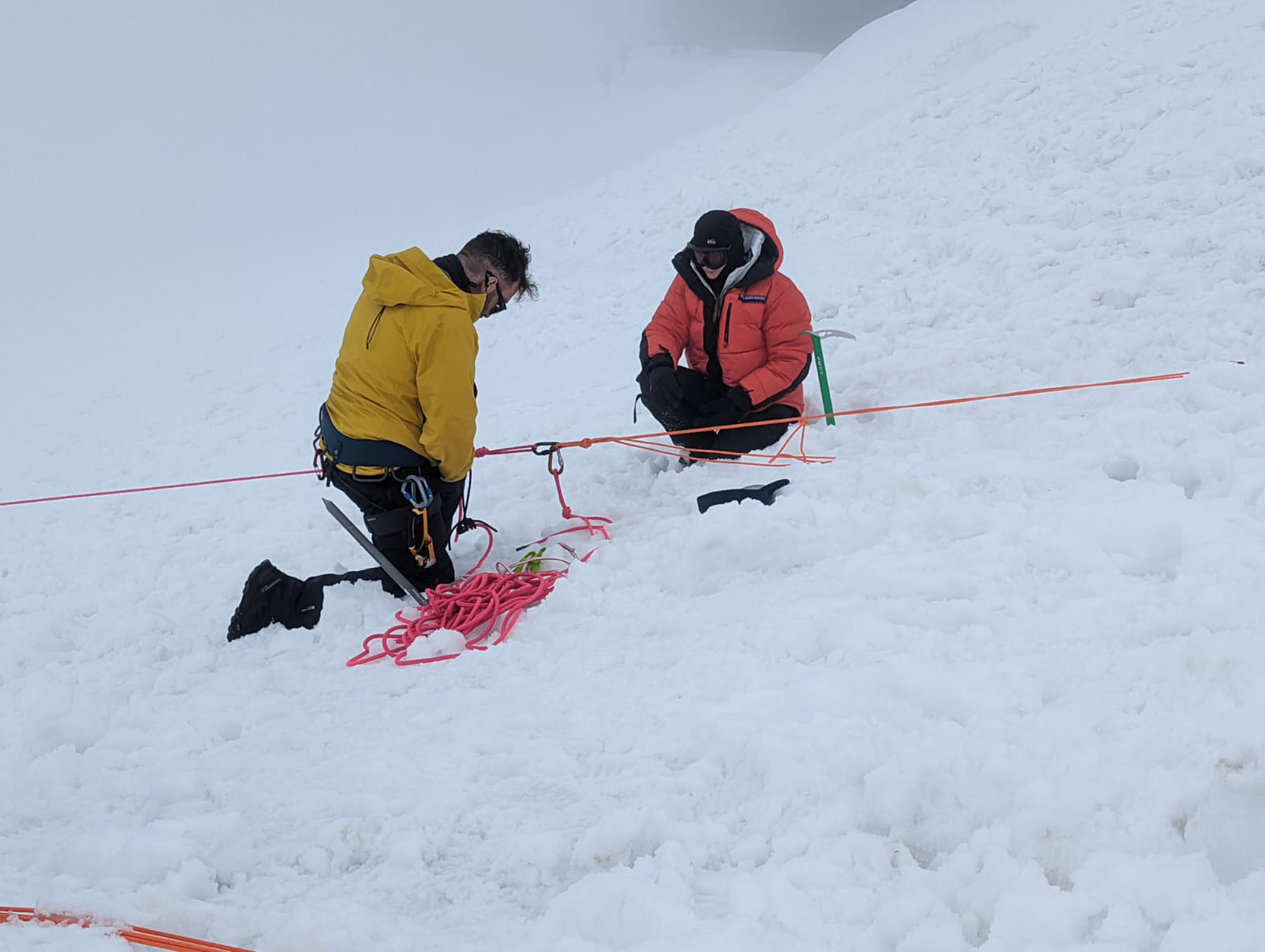
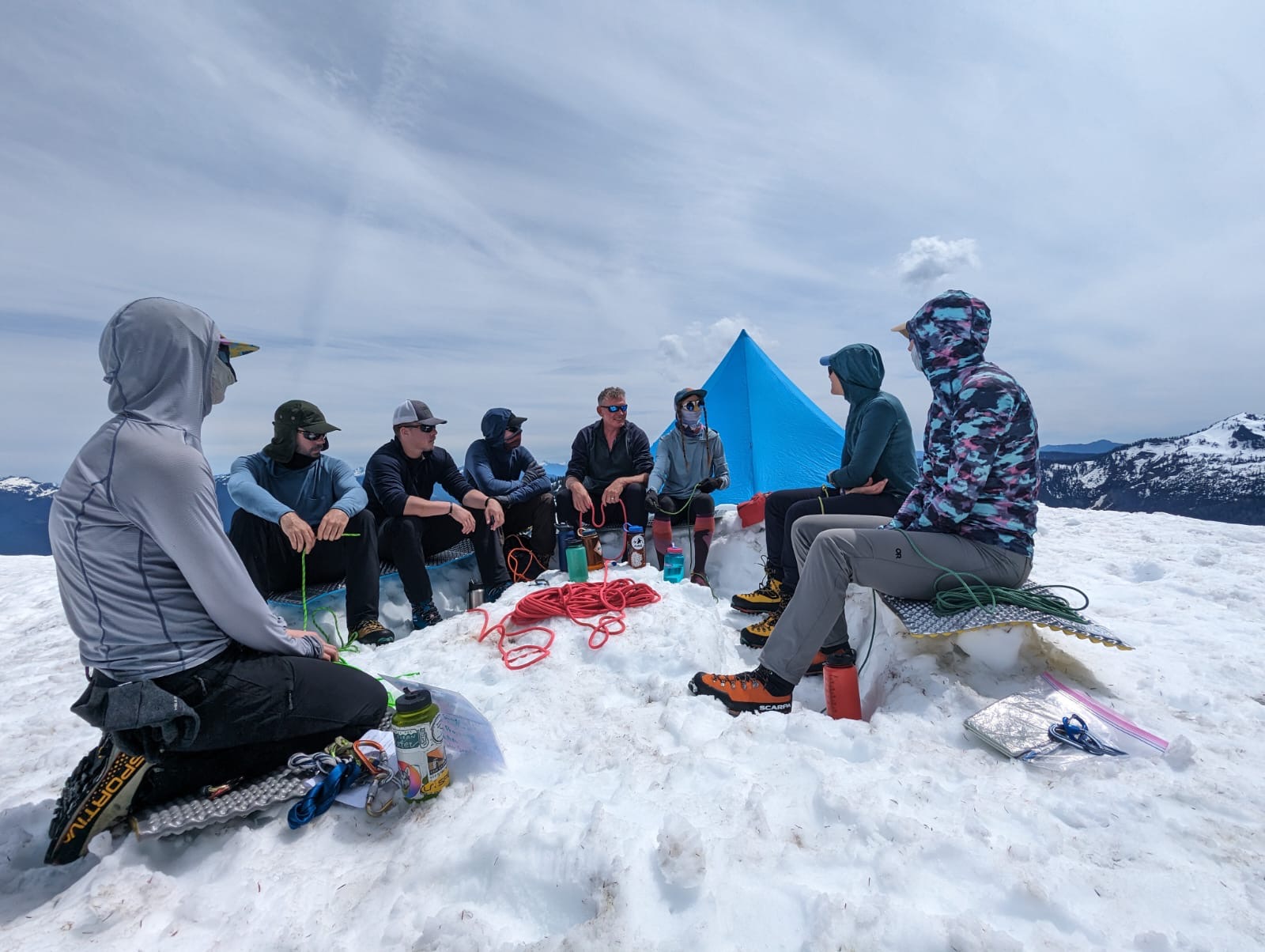
This option will see you climbing in a small team of other experienced climbers (maximum 1:5 Sherpa Guide to Client Ratio) led by one of our hand-picked, highly qualified IFMGA Sherpa Guides (who will also be available to conduct group refresher skills clinics)

This option further includes the benefit of an additional Personal Sherpa with you on  summit day, oversight and assistance of our Everest Expedition Leader throughout, support from our group Sherpa team to assist with load carries during all acclimatization rotations, and full access to CTSS’s logistics.

Climbers need to have solid climbing skills, experience above 7,000m (Aconcagua is okay) or preferably 8,000m, and familiarity with a high-altitude oxygen and mask system.

Please note: This program will not run with fewer than 3 climbers.

IFMGA Sherpa Everest Team Climb Itinerary

This is a sample itinerary only. Your actual daily schedule will be strategically planned to account for the best weather, summit windows, etc. We begin our expedition in Kathmandu, Nepal, where we obtain our climbing permits before flying to Lukla in the Khumbu Valley to trek to Everest base camp. Our climb ends in Kathmandu. We suggest you book a flexible return airfare.

  • April 3: Team Arrives
  • April 4: Kathmandu Day
  • April 5: Fly to Lukla/Phakding
  • April 6: Trek to Namche
  • April 7: Rest Day
  • April 8: Trek to Tengboche
  • April 9: Rest Day
  • April 10: Trek to Pheriche
  • April 11: Rest Day
  • April 12: Trek to Lobuche Base Camp
  • April 13: Trek to Lobuche High Camp
  • April 14: Move to Lobuche High Camp
  • April 15: Acclimatization Hike
  • April 16: Summit and descend Lobuche Base Camp
  • April 17: Trek to Everest Base Camp
  • April 18: Rest Day
  • April 19: Rest Day
  • April 20: Train and Acclimatization Hike
  • April 21: Rest and Pack for First Rotation
  • April 22: Climb to Camp 1
  • April 23: Climb towards Camp 2, return to Camp 1
  • April 24: Descend to Everest Base Camp
  • April 25: Rest Day
  • April 26: Hike to Pumori
  • April 27: Rest Day
  • April 28: Climb to Camp 1
  • April 29: Climb to Camp 2
  • April 30: Climb above Camp 2
  • May 1: Climb to Camp 3 and descend to Camp2
  • May 2: Descend to Everest Base Camp
  • May 3: Rest Day
  • May 4: Rest Day
  • May 5: Rest Day
  • May 6: Rest Day
  • May 7: Move to Camp 1
  • May 8: Move to Camp 2
  • May 9: Move to Camp 3
  • May 10: Move to Camp 4
  • May 11: Summit and descend to Camp 2
  • May 12: Descend to Everest Base Camp
  • May 13: Rest Day
  • May 14: Pack Up at Everest Base Camp
  • May 15: Trek to Pheriche
  • May 16: Trek to Namche
  • May 17: Trek to Lukla
  • May 18: Fly to Kathmandu
  • May 19: Fly Home
  • May 20: Contingency Day
  • May 21: Contingency Day
  • May 22: Contingency Day
  • May 23: Contingency Day
  • May 24: Contingency Day
  • May 25: Contingency Day
  • May 26: Contingency Day
  • May 27: Contingency Day
  • May 28: Contingency Day
  • May 29: Contingency Day
  • May 30: Contingency Day

Our expeditions are designed to be fully inclusive, except for some services/items of a personal nature like flights, gear, insurance. Here’s a detailed list of inclusions/exclusions so you know what to expect.

Included in the IFMGA Sherpa Everest Team Climb:

  • IFMGA (internationally certified) Everest Sherpa Guide (max ratio 1:5 for your team for the entire Everest climb)
  • Additional Personal Sherpa above Camp 2 on the summit rotation
  • Leadership, strategy, and climbing oversight by our Everest Expedition Leader, including full support for a summit attempt
  • A climbing Sherpa to assist with carrying personal gear
  • Full expedition logistics, weather forecasts, etc
  • Everest climbing permit
  • Domestic flights to and from Lukla 
  • In-country transport associated with the program itinerary
  • Airport transfers
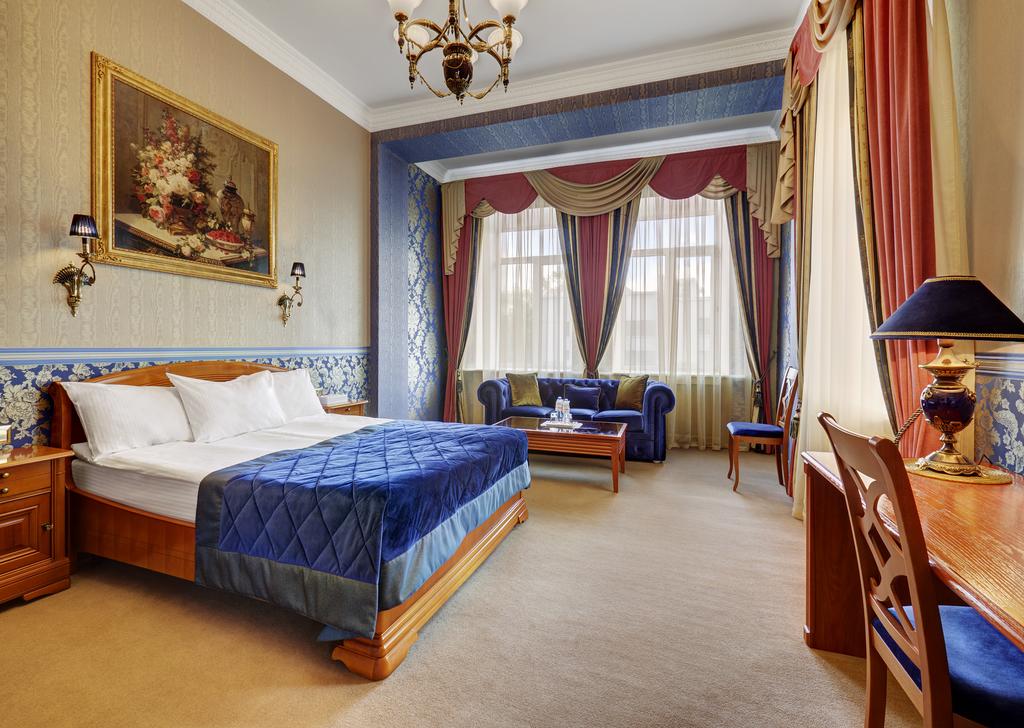
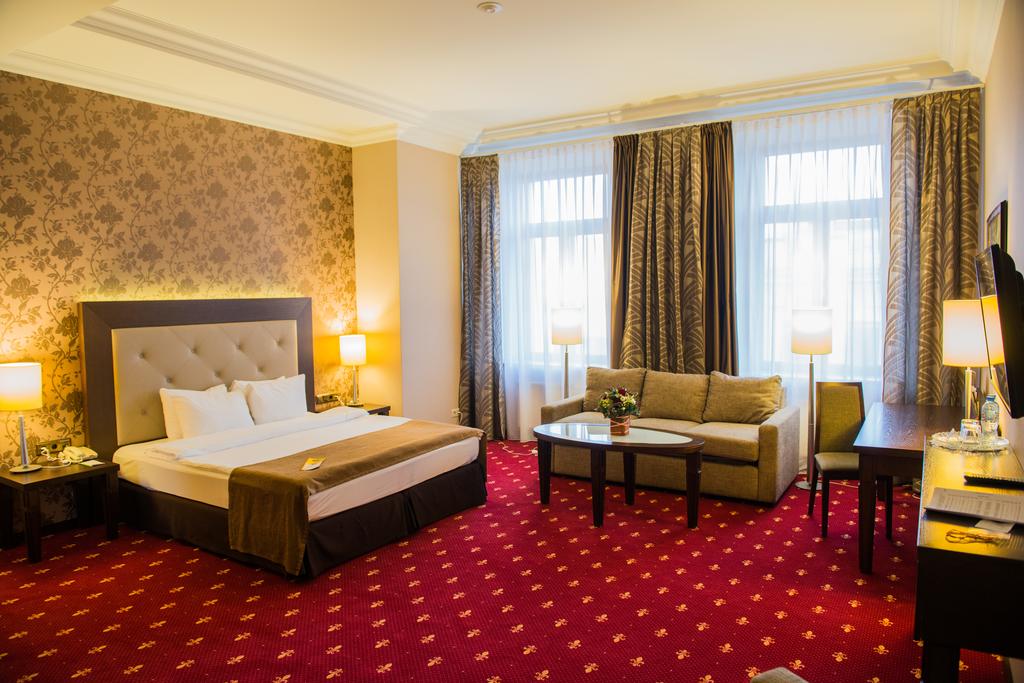
  • Accommodation in Nepal, including hotels and teahouses
  • Welcome dinner and meals throughout the expedition
  • Oxygen system and oxygen
  • Lobuche East peak training and acclimatization climb
  • Lobuche Base Camp and High Camp setup and tent accommodation
  • Everest Base Camp setup and tent accommodation
  • Access to medical and communications gear
  • High mountain camp infrastructure and logistics (Camp 1, Camp 2, Camp 3, Camp 4)
  • On mountain meals

Excluded in the IFMGA Sherpa Everest Team Climb:

  • International flights to Kathmandu, Nepal
  • Airport arrival or departure taxes
  • Associated travel expenses, including visa, passport, reciprocity fees, vaccination charges, excess baggage
  • Optional excursions not included in the itinerary or additional days before or after the scheduled program
  • Personal climbing equipment, clothing, toiletries, etc.
  • Personal sundries including but not limited to: non-team meals while in Kathmandu, personal snacks, specialized high altitude climbing food, alcoholic beverages, laundry services, medical expenses, gratuities, 3rd party internet, email or phone charges, bottled water, specialty coffees
  • Sherpa tip pool
  • Guide tip (customary but optional)
  • Costs incurred as a result of events beyond the control of CTSS above and beyond the normal expedition costs
  • Required trip insurance policy (for trip cancellation, interruption, rescue & evacuation, medical treatment, repatriation, etc.)
  • Unused Contingency Days at the end of your program: CTSS covers one night in the hotel in Kathmandu on your return. If you decide to stay longer in Kathmandu beyond this night, those costs are your responsibility. We highly recommend that, while you should plan to be away from home for the entire duration of the expedition, including contingency days, you book a flexible return airfare so you can move your flight forward if you don’t use all of the contingency days or push it back as you need.

Personal Sherpa Climb

EVEREST  |  Nepal


Personal Sherpa Climb

Share Expedition

Everest Personal Sherpa Climb

$62,995 USD

Departs Annually: 

  • April 3 – May 31 (58 Days)

Pros:

  • High degree of autonomy and independence
  • Highly affordable
  • Recognizes past skillset and qualifications as a mountaineer
  • 1:1 climbing partner during the entire climb from Everest Base Camp to the summit and on each rotation. (You will likely be partnered with multiple Sherpa companion climbers from rotation to rotation, giving you the opportunity to figure out who you climb best with, so you can partner with them on the summit push)
  • Pre-climb ladder and climbing clinics

Cons:

  • No professional guidance, and therefore higher risk
  • Personal Sherpas are more of a climbing companion and less of a ‘guide’ and have fewer qualifications than IFMGA, Western Guides, or Private Guides.
  • Limited Everest-specific guide knowledge
  • Less camaraderie
  • Possible language and/or cultural barrier
  • Personal Sherpa doesn’t climb Lobuche

The Personal Sherpa Climb is a 1:1 climb that offers the benefit of self-directed climbing with the safety and personal attention of having a Sherpa companion climber with you. This option differs from the ‘Sherpa Supported Climb’ option, which only partners you with a companion climber on the summit rotation.

This option is well suited to self-sufficient climbers who want autonomy, are highly competent in the mountains, and are familiar with using high-altitude oxygen systems.

This option also includes the oversight and assistance of our Everest Expedition Leader throughout your expedition, support from our group Sherpa team to assist with load carries, and full access to CTSS’s logistics.

With this option, you will meet the Sherpas with whom you will climb at Everest Base Camp. Don’t worry. You will be met by one of our team members in Kathmandu and guided by CTSS during your trek and Lobuche climb.

Please note that this option is a 1:1 companion climb, meaning someone will always be with you, but it is important to note that it may not be the same person from rotation to rotation. The Sherpa share load-carrying work and the joy of climbing with you equitably amongst their team. The benefit of this is that it allows you to figure out who you climb best with and select them as your summit rotation companion climber.

When you are resting at Everest Base Camp or on the Lobuche East peak acclimatization climb, the whole Sherpa team will be ferrying loads to the upper camps.

Everest Personal Sherpa Climb Itinerary

This is a sample itinerary only. Your actual daily schedule will be strategically planned to account for the best weather, summit windows, etc. We begin our expedition in Kathmandu, Nepal, where we obtain our climbing permits before flying to Lukla in the Khumbu Valley to trek to Everest Base Camp. Our climb ends in Kathmandu. We suggest you book a flexible return airfare.

  • April 3: Team Arrives
  • April 4: Kathmandu Day
  • April 5: Fly to Lukla/Phakding
  • April 6: Trek to Namche
  • April 7: Rest Day
  • April 8: Trek to Tengboche
  • April 9: Rest Day
  • April 10: Trek to Pheriche
  • April 11: Rest Day
  • April 12: Trek to Lobuche Base Camp
  • April 13: Trek to Lobuche High Camp
  • April 14: Move to Lobuche High Camp
  • April 15: Acclimatization Hike
  • April 16: Summit and Descend Lobuche Base Camp
  • April 17: Trek to Everest Base Camp
  • April 18: Rest Day
  • April 19: Rest Day
  • April 20: Train and acclimatization hike
  • April 21: Rest and Pack for First Rotation
  • April 22: Climb to Camp 1
  • April 23: Climb towards Camp 2 return to Camp 1
  • April 24: Descend to Everest Base Camp
  • April 25: Rest Day
  • April 26: Hike to Pumori
  • April 27: Rest Day
  • April 28: Climb to Camp 1
  • April 29: Climb to Camp 2
  • April 30: Climb above Camp 2
  • May 1: Climb to Camp 3 and descend to Camp 2
  • May 2: Descend to Everest Base Camp
  • May 3: Rest Day
  • May 4: Rest Day
  • May 5: Rest Day
  • May 6: Rest Day
  • May 7: Move to Camp 1
  • May 8: Move to Camp 2
  • May 9: Move to Camp 3
  • May 10: Move to Camp 4
  • May 11: Summit and descend to Camp 2
  • May 12: Descend to Everest Base Camp
  • May 13: Rest Day
  • May 14: Pack Up at Everest Base Camp
  • May 15: Trek to Pheriche
  • May 16: Trek to Namche
  • May 17: Trek to Lukla
  • May 18: Fly to Kathmandu
  • May 19: Fly Home
  • May 20: Contingency Day
  • May 21: Contingency Day
  • May 22: Contingency Day
  • May 23: Contingency Day
  • May 24: Contingency Day
  • May 25: Contingency Day
  • May 26: Contingency Day
  • May 27: Contingency Day
  • May 28: Contingency Day
  • May 29: Contingency Day
  • May 30: Contingency Day

Our expeditions are designed to be fully inclusive, except for some services/items of a personal nature, like flights, gear, and insurance. Here’s a detailed list of inclusions and exclusions so you know what to expect.

Included in the Everest Personal Sherpa Climb:

  • Personal climbing Sherpa for the entire Everest climb
  • Leadership, strategy, and climbing oversight by our Everest Expedition Leader, including full support for a summit attempt
  • A climbing Sherpa to assist with carrying personal gear
  • Full expedition logistics, weather forecasts, etc.
  • Everest climbing permit
  • Domestic flights to and from Lukla 
  • In-country transport associated with the program itinerary
  • Airport transfers
  • Accommodation in Nepal, including hotels and teahouses
  • Welcome dinner & meals throughout the expedition
  • Oxygen system and oxygen
  • Lobuche East peak training and acclimatization climb (please note: you will climb with the wider Everest team on Lobuche as your personal Sherpa will meet you at Everest Base Camp)
  • Lobuche Base Camp and High Camp setup and tent accommodation
  • Everest Base Camp setup and tent accommodation
  • Access to medical and communications gear
  • High mountain camp infrastructure and logistics (Camp 1, Camp 2, Camp 3, Camp 4)
  • On mountain meals

Excluded in the Everest Personal Sherpa Climb:

  • International flights to Kathmandu, Nepal
  • Airport arrival or departure taxes
  • Associated travel expenses, including visa, passport, reciprocity fees, vaccination charges, and excess baggage
  • Optional excursions not included in the itinerary or additional days before or after the scheduled program
  • Personal climbing equipment, clothing, toiletries, etc.
  • Personal sundries including but not limited to: non-team meals while in Kathmandu, personal snacks, specialized high altitude climbing food, alcoholic beverages, laundry services, medical expenses, gratuities, 3rd party internet, email or phone charges, bottled water, specialty coffees
  • Sherpa tip pool
  • Guide tip (customary but optional)
  • Costs incurred as a result of events beyond the control of CTSS above and beyond the normal expedition costs
  • Required trip insurance policy (for trip cancellation, interruption, rescue & evacuation, medical treatment, repatriation, etc.)
  • Unused Contingency Days at the end of your program: CTSS covers one night in the hotel in Kathmandu on your return. If you decide to stay longer in Kathmandu beyond this night, those costs are your responsibility. We highly recommend that while you should plan to be away from home for the entire duration of the expedition, including contingency days, you book a flexible return airfare so you can move your flight forward if you don’t use all of the contingency days or push it back as you need.

Sherpa Supported Climb

EVEREST  |  Nepal


Sherpa Supported Climb

Share Expedition

Everest Sherpa Supported Climb

$57,995 USD

Departs Annually:

  • April 3 – May 31 (58 Days)

Pros:

  • High degree of autonomy and independence
  • Highly affordable
  • Recognises past skillset and qualifications as a mountaineer
  • Gives access to CTSS logistics but maintains independence as a climber

Cons:

  • Personal Sherpa assistance only above Camp 2 on the summit bid
  • No professional guidance, and therefore higher risk
  • Less camaraderie, as climbing is mostly done alone
  • Lack of Everest-specific knowledge (unless you have climbed high on Everest previously)
  • Possible language and cultural barriers
  • Personal Sherpas have fewer qualifications than IFMGA, Western Guides, or Private Guides
  • No refresher training

Our Sherpa Supported Climb is designed for the highly experienced mountaineer. These are climbers who are qualified to and prefer climbing autonomously but want logistical support and expedition oversight.

This option involves climbing fully independently until the summit rotation, when you will be partnered with a personal Sherpa above Camp 2.

Throughout the expedition, you will have full access to CTSS logistics, the support of our Everest Expedition Leader, and support from our Sherpa team to assist you with your load carries.

If you are interested in this option, please contact us to see if you qualify.

Everest Sherpa Supported Everest Climb Itinerary

This is a sample itinerary only. Your actual daily schedule will be strategically planned to account for the best weather, summit windows, etc. We begin our expedition in Kathmandu, Nepal, where we obtain our climbing permits before flying to Lukla in the Khumbu Valley to trek to Everest Base Camp. Our climb ends in Kathmandu. We suggest you book a flexible return airfare.

  • April 3: Team Arrives
  • April 4: Kathmandu Day
  • April 5: Fly to Lukla/Phakding
  • April 6: Trek to Namche
  • April 7: Rest Day
  • April 8: Trek to Tengboche
  • April 9: Rest Day
  • April 10: Trek to Pheriche
  • April 11: Rest Day
  • April 12: Trek to Lobuche Base Camp
  • April 13: Trek to Lobuche High Camp
  • April 14: Move to Lobuche High Camp
  • April 15: Acclimatization Hike
  • April 16: Summit and descend Lobuche Base Camp
  • April 17: Trek to Everest Base Camp
  • April 18: Rest Day
  • April 19: Rest Day
  • April 20: Train and Acclimatization Hike
  • April 21: Rest and Pack for First Rotation
  • April 22: Climb to Camp 1
  • April 23: Climb towards Camp 2, return to Camp 1
  • April 24: Descend to Everes Base Camp
  • April 25: Rest Day
  • April 26: Hike to Pumori
  • April 27: Rest Day
  • April 28: Climb to Camp 1
  • April 29: Climb to Camp 2
  • April 30: Climb above C2
  • May 1: Climb to Camp 3 and descend to Camp 2
  • May 2: Descend to Everest Base Camp
  • May 3: Rest Day
  • May 4: Rest Day
  • May 5: Rest Day
  • May 6: Rest Day
  • May 7: Move to Camp 1
  • May 8: To Camp 2
  • May 9: To Camp 3
  • May 10: To Camp 4
  • May 11: Summit Everest and descend to Camp 2
  • May 12: Descend to Everest Base Camp
  • May 13: Rest Day
  • May 14: Pack Up at Everest Base Camp
  • May 15: Trek to Pheriche
  • May 16: Trek to Namche
  • May 17: Trek to Lukla
  • May 18: Fly to Kathmandu
  • May 19: Fly Home
  • May 20: Contingency Day
  • May 21: Contingency Day
  • May 22: Contingency Day
  • May 23: Contingency Day
  • May 24: Contingency Day
  • May 25: Contingency Day
  • May 26: Contingency Day
  • May 27: Contingency Day
  • May 28: Contingency Day
  • May 29: Contingency Day
  • May 30: Contingency Day

Our expeditions are designed to be fully inclusive, except for some services/items of a personal nature, like flights, gear, and insurance. Here’s a detailed list of inclusions and exclusions so you know what to expect.

Included in the Everest Sherpa Supported Everest Climb:

  • Leadership, strategy, and climbing oversight by our Everest Expedition Leader, including full support for a summit attempt
  • A personal climbing Sherpa above Camp 2 on the summit bid
  • A climbing Sherpa to assist with carrying personal gear
  • Full expedition logistics, weather forecasts, etc
  • Everest climbing permit
  • Domestic flights to and from Lukla 
  • In-country transport associated with your program itinerary
  • Airport transfers
  • Accommodation in Nepal, including hotels and teahouses
  • Welcome dinner & meals throughout the expedition
  • Oxygen system and oxygen
  • Lobuche East peak training and acclimatization climb
  • Lobuche East Base Camp and High Camp setup and tent accommodation
  • Everest Base Camp setup and tent accommodation
  • Access to medical and communications gear
  • High mountain camps (Camp 1, Camp 2, Camp 3, Camp 4)
  • On mountain meals

Excluded in the Everest Sherpa Supported Everest Climb:

  • International flights to Kathmandu, Nepal
  • Airport arrival or departure taxes
  • Associated travel expenses, including visa, passport, reciprocity fees, vaccination charges, and excess baggage
  • Optional excursions not included in the itinerary or additional days before or after the scheduled program
  • Personal climbing equipment, clothing, toiletries, etc
  • Personal sundries including but not limited to: non-team meals while in Kathmandu, personal snacks, specialized high altitude climbing food, alcoholic beverages, laundry services, medical expenses, gratuities, 3rd party internet, email or phone charges, bottled water, specialty coffees
  • Sherpa tip pool
  • Guide tip (customary but optional)
  • Costs incurred as a result of events beyond the control of CTSS above and beyond the normal expedition costs
  • Required trip insurance policy (for trip cancellation, interruption, rescue & evacuation, medical treatment, repatriation, etc.)
  • Unused Contingency Days at the end of your program: CTSS covers one night in the hotel in Kathmandu on your return. If you decide to stay longer in Kathmandu beyond this night, those costs are your responsibility. We highly recommend that, while you should plan to be away from home for the entire duration of the expedition, including contingency days, you book a flexible return airfare so you can move your flight forward if you don’t use all of the contingency days or push it back as you need.

everest

Education & Resources

EVEREST  |  Nepal


Education & Resources

Share Expedition

Mount Everest Education & Resources

Summit Side Chat:
Inside the CTSS Everest Experience

Join CTSS Co-Founders Mike Hamill and Caroline Pemberton, together with CTSS Sirdar and IFMGA Mountain Guide Tendi Sherpa, for an insider look at what it really takes to stand on top of the world, and why CTSS has become the most consistently successful team on Everest.

Summit Side Chat Video Clips

Everest Experience - Webinar Series


Mount Everest Route Familiarization


Mount Everest Summit Day In Stages


Mount Everest FAQ


Mike’s Guide Tips for Mount Everest


Advice from Mike Hamill

EVEREST  |  Nepal


Advice from Mike Hamill

Share Expedition

A Personal Welcome to CTSS' Mount Everest Expedition from Mike Hamill

Everest is a journey that should be approached with patience and a high level of attention to detail. It’s often the small things that can derail what would be a successful summit.

Here are just a handful of things I’ve imparted on my clients over the years (and used myself!) that have helped them be successful – tips that I hope will contribute to your summit too.

Best wishes,
Mike

  • On Everest it is vitally important that you take care of yourself and your body well before you feel you have to stop to do so. Be very preventative vs. reactive.For instance; Sip small amounts of water often by keeping a small bottle in your pocket close at hand rather than in your pack and waiting for a big rest stop when you are likely already dehydrated.Make sure you start the day with warm feet by keeping your boots in your tent and inner boots in your sleeping bag. Putting your feet into cold boots means you will expend precious energy all day trying to warm them up.On Everest it is key to anticipate your body’s needs before things become a problem.

  • The mountain is more active and therefore more dangerous later in the day when the sun begins to melt ice and snow, making rock and icefall much more common so for safety travel early in the day (before the sun hits) when it is cold. It can also get unbearably hot in the sun and the body doesn’t perform well when overheated.

  • If you start to feel a headache or signs of altitude illness, even if mild, it’s not worth pushing through it, being tough or stoic. You need to spend more time at your current altitude or descend and then reascend. If you don’t, you risk more serious illness which could end your expedition and put you in dire danger. This is not the place to ignore any symptoms however small.

  • The key to reducing risk in the icefall is being able to move quickly and continuously (as best you can). Acclimatize before you head through the icefall so your body feels strong and ready. You can do this with acclimatization hikes to Kala Patthar and Pumori Camp 1 and using a climb of Lobuche as a substitute for one rotation thus reducing your overall exposure to risk.

  • My favorite bit of gear is actually the humble buff. It’s one of my keys to climbing Everest. Get used to it as much as you can so it becomes comfortable to wear religiously on the mountain. It helps to humidify and warm the cold, dry air which can contribute to ‘Khumbu cough’. Khumbu cough can get so bad that climbers have actually broken ribs ending their summit bids.

Want more golden advice like this from Mike on Everest?

When you join our Everest program you become part of our CTSS family, which means access to lots more personal advice from Mike in our Everest Client Consults and Briefings.


Training & Prerequisites

EVEREST  |  Nepal


Training & Prerequisites

Share Expedition

Mount Everest Training & Prerequisites

Climbing Everest is a serious (and expensive) undertaking so you want to ensure you are ready.

A major factor in your success is being sufficiently prepared. If you are unsure whether you have the requisite experience, we can help answer your questions and create a custom progression for you.

Please note, we do not accept beginner climbers on our Everest programs.


Mount Everest: Experience Level

You need to be an advanced climber with:

  • Altitude experience of at least 7000m (a summit of Aconcagua is sufficient)
  • Technical familiarity, confidence and proven experience with cramponing and glacier and fixed line climbing
  • Comfortable with exposure and steep rock and ice terrain
  • A well rounded resume of climbing experience (please feel free to contact us with your climbing experience to see if it is appropriate)


Mount Everest: Physical Training

For success on Everest you need to have a high level of ‘climbing specific fitness’ and aerobic capability and strength. It is vital that your training closely simulates what you will be doing on the mountain. Traditional gym workouts or general fitness plans aren’t targeted enough. You need to emulate long physical days (10hrs +) in the mountains, back to back.

You should:

  • Start training specifically for Everest at least 9-12months in advance of departure.
  • Have the time to commit to training 5-6 days a week
  • Be comfortable hiking 1,500 vertical ft per hour with a 20lb pack.
  • Concentrate on High Volume but Low Intensity training


Mount Everest: Mindset

Mindset and mental preparation are integral to your success on Everest.

Everest is a sustained and stressful environment for 2 months. Your psychological and emotional state need to be robust and ready to face a multitude of challenges.

While you are training, push yourself so you start to get ‘comfortable with being uncomfortable’.

Whilst training, get to the point you want to quit and picture yourself on the mountain to find the motivation you need to push yourself.

As a base, you need to:

  • Be prepared and comfortable being away from home/work for 8-10 weeks
  • Have a desire for rugged adventure travel and be adaptable enough to ‘roll with the punches’
  • Be prepared to be patient. There is extensive ‘down time’ at Base Camp that can feel monotonous.
  • Be open to receiving and deferring to guidance, support and advice from your guides/expedition leaders (even if you are an experienced mountaineer)
  • Be able to manage and regulate your stress levels effectively
  • Be comfortable having open conversations with your guides
  • Be able to work within a team environment and be supportive of fellow team members
  • Be humble, respectful and considerate even under pressure


Mount Everest: Fitness Training & Coaching

We strongly recommend specialist mountaineering coaching who can help formulate a specific plan for you that is both sustainable to your lifestyle and help keep your training goals on track.

We work with and strongly recommend Uphill Athlete.

Their guidance toward specific, structured, progressive training along with their deep knowledge has contributed to the success of many of our climbers. Your preparation should not be underestimated.


More Resources on Training and Preparing for Everest


Logistics, Safety Strategy & Risk Management

EVEREST  |  Nepal


Logistics, Safety Strategy & Risk Management

Share Expedition

Mount Everest Logistics, Safety Strategy & Risk Management

Logistics and risk mitigation vary greatly between operators on Everest. Here are a few of our key logistics and risk minimization strategies we prioritize for your safety and success.


Mount Everest: Acclimatization Schedule

Acclimatization is the process your body takes to become accustomed to lower levels of oxygen at altitude – is hugely important to your safety and the success of your entire expedition. Here are the advantageous approaches we chose to help facilitate this critical process:

Slow Acclimatization

Throughout your expedition, from the trek, to the summit, we employ a slow, steady, approach with a very generous acclimatization schedule which builds a strong foundation of acclimatization for your body to build on. This conservative approach gives your body the rest it needs to undergo the long terms physiological changes of acclimatization – like increasing your red blood cells, lung capacity increase, capillary growth for better circulation. These long term changes take time and can’t be rushed.

Once at Base Camp we will make three forays (or rotations) up the mountain to successively higher altitudes to prepare for our summit bid, with plenty of rest back at Base Camp in between.

Your rest environment at Base Camp is first rate so that this process isn’t a test of patience, but a relaxing break from the arduous climbing.

We believe healthy, well rested climbers are the strongest climbers.

Lobuche East Rotation

Included in your expedition is a climb of Lobuche East en route to Everest which counts as one of your acclimatization rotations.

We recognise that one of the most dangerous sections of Everest is the Khumbu Icefall so to eliminate unnecessary trips through the icefall we climb Lobuche East enroute to Base Camp which makes our expedition safer overall.

Lobuche is a great 6,000m climb in and of itself, and a fantastic opportunity to shake out your climbing skills and a huge “value add” not only for the safety factor, but also the joy of tagging another Himalayan gem.


Mount Everest: Oxygen Strategy & Management

Oxygen Allowance & Flow Rates

Oxygen helps you climb more efficiently, feel stronger, faster and importantly; stay warmer. All in all, it makes you safer.

Look for generous supply included in your expedition as a standard. At CTSS, we allocate a generous 11 bottles per climber (8x for you and 3x for your Sherpa). We plan for you to run an oxygen flow of 3L/min or more while climbing, and 1L/min sleeping on your summit bid.  While this is more than enough oxygen, we still cater for climbers who want to take advantage of the ‘Extra Oxygen’ option.

We only use advanced technology, hyper-efficient, state-of-the-art oxygen masks and regulators and make sure we have redundancies on the mountain for summit bid.

We also train you extensively at Base Camp on the use of the system, how to correctly and securely fit your mask, common errors in use, how to troubleshoot it should you need to etc.

Guides & Oxygen

Our Guides ALWAYS climb on Oxygen.

At CTSS our guiding team and sherpa always climb on oxygen, for your safety.

Above 8000m you will be mildly hypoxic even on oxygen. No human is immune to this. Being mildly hypoxic is like being tipsy. You can still make decisions and function quite well but you aren’t quite yourself.

Whereas, climbing above 8000m without oxygen is like being really drunk. There’s no denying you will be mentally impaired and severely hypoxic.

A good analogy might be driving home tired and drunk from the pub, you can probably pull it off when road conditions are perfect, and there’s no traffic etc, but it’s extremely risky.

Now imagine you are a drunk taxi driver, on a busy main road and you have paying passengers in your car. You aren’t just risking your own safety, you are now endangering other people’s lives unnecessarily in your own pursuit.

Lately there has been an explosion in these kind of unsafe guiding practices. “Guides” have been boasting about doing ‘No O2 ascents’ whilst guiding paying climbers, as if this should be applauded. This isn’t impressive, it’s gross negligence.

Non O2 ascents should be reserved for personal pursuits only outside of the guiding arena.

Oxygen Reserves & Redundancy

As they say when it comes to redundancy; ‘two is one & one is none’. CTSS invests in

  • Emergency Oxygen cached at South Col & Camp 2
  • Redundancies and spare masks & regulators (between them the Guides & Sherpa always have a handful of extra masks and regulators spread across the team, as they move above the South Col on summit bid.


Mount Everest: Weather Reports

Weather is integral to safety and success on Everest. We need to be able to accurately forecast down to the hour, at the exact altitude bands, many days in advance.

To do this, we invest heavily and use a professional, Air Force trained, meteorologist whose speciality is 8000m peaks and isolated, extreme environments, to give us daily, tailored forecasts for Everest and Lhotse that we know we can trust.

Their accuracy has been second to none over years and the proof is in our decades long relationship.

We keep our forecasts and movements on the mountain top secret to avoid other operators who try and save $ by using free sites like Windy from following our lead and crowding our teams.


Mount Everest: Staff & Climber Training

Climber Training

Even though you may be competent, refreshers cement technical skills into second nature.

Repeatedly getting your systems dialled, over and over again helps improve your overall efficiency and safety.

Between rotations, both on Lobuche and at Everest, we run additional skills clinics.

We will train in:

  • Climbing skills (rappelling, ascending, cramponing, fixed line climber and safety systems)
  • Use of the oxygen systems, troubleshooting, flow rates and system management
  • Icefall & Ladder Crossing Techniques

Staff Training

Every year CTSS invests in their climbing staff and sherpa by funding a specific mountain safety training course including;

  • 3x days technical and high mountain rescue training
  • 2x days of medical training
  • Taught by 3x technical climbing instructors & 2x doctors

All of our CTSS Guides are professional, full time career mountain guides who hold current Wilderness First Responder qualifications/first aid certifications & leave no trace training.


Mount Everest: Closed Camp Policy & Hygiene

Beyond our COVID safe procedures and policies, we’ve always had a huge focus on hygiene because when your body is hard at work at altitude, it can be easier to pick up bugs.

We are fastidious about hand washing, sanitation, food handling safety etc. We ask you to limit unnecessary personal contact, keep your distance, cough into your elbow, keep your buff up and if team members do get sick we will quarantine them immediately.

All of our communal areas at Base Camp have hand washing stations and our staff are trained to keep our Camp squeaky clean and our food handling practices are extremely stringent.

We also maintain a closed camp policy where we don’t invite members from other expeditions to freely enter our camp and ask you to keep your socialising beyond our immediate team socially distanced and masked and avoid hugs, hand shakes etc.


the Seven Summits Explorer's Grand Slam

How to Choose a Mount Everest Expedition

EVEREST  |  Nepal


How to Choose a Mount Everest Expedition

Share Expedition

How to Choose a Mount Everest Expedition

Climbing Mount Everest? Learn how to choose an expedition that works for you.

One of the greatest challenges in planning a goal as large as climbing Mount Everest is finding the right expedition company to support you.

It’s important to do your homework so you feel 100% confident in your choice and can focus on your climb of Mount Everest.

Look closely at both the big picture and the small details. Look at a company’s priority on safety, their investment in their infrastructure, quality and experience of their guides and sherpa teams, their reputation, their customization and their level of ‘care factor’.


Mount Everest: Safety & Success

Your safety and success are the top priorities, in that order.

An expedition company should invest heavily and plan extensively for your safety. Look for safeguards and redundancies (for example; positioning highly experienced Sherpa and extra oxygen at the South Col for rescues)

Their leaders should be seasoned experts and their strategy should be patient, conservative and well planned which will give you the best opportunity for success. They should be using the best weather forecasts and leaning on their experience to be able to “thread the needle” when it comes to picking the best summit window and helping you to navigate crowding.

Remember that the mountain is always there so your safety must come first.


Mount Everest: Value

Planning a summit climb of Mount Everest is a hugely expensive undertaking and it is easy to be swayed by the lowest price on the market because what’s the difference? Surely you’re climbing the same mountain?! Let’s break it down so it is a bit clearer:

Why is climbing Mount Everest so expensive?

An Everest expedition is an enormous logistical exercise.

On average a reputable operator will plan for a year, employ up to 400+ local staff over a 2-3 month period, have hundreds of tonnes of equipment flown by helicopter (or carried by foot) to the mountain and then stage it where it is needed (all the way up to 8000m!) hire the best guides and bring them in from around the world, fork out tens of thousands for state of the art equipment and weather forecasts, transport, feed and accommodate their teams and climbers and that’s before the approx. 13K per climber in both permit and government fees, amongst a myriad of countless other hard costs. You can see how quickly things add up.

So when you see a low price tag please ask what is being sacrificed to get the price low?

  • Are they cutting corners around redundancy and equipment and therefore safety?
  • Are they foregoing hiring expert staff who in turn command good wages?
  • Are they skimping on oxygen allowances, solid forecasts, good food and infrastructure?

Being such a competitive industry it is important to ask how low cost operators are able to offer those prices. Sadly the answer is they are under-resourced.

Often their strategy is ‘quantity over quality’. They will accept anybody and everybody – regardless of whether they have the experience to be safe and successful on Everest – to fill bums on seats and make their quota. They cut every cost they can, giving bare bones logistics marketed as full service guidance.

Climbers are drawn in by the low price tag believing they are getting a good deal, but it is a false economy, which leads to greater expenditure. Without the right infrastructure in place to facilitate a safe summit climbers need to return again for a second try.

You may think you are saving $10K but you might end up costing yourself $50K in the long run.

Even worse is the lack of safety that this severe cost cutting creates. Many climbers have found themselves in serious danger when it is most crucial. There’s no denying the correlation between low cost operator and higher incident rate.

On any 8,000-meter peak you want to do it once, you want to do it right and you want to do it safely.

On the other hand you will also find very expensive Mount Everest climbing options on the market (sometimes 20 – 50K more expensive!) and it’s equally important to ask questions as to what extra “unique” service they are offering that justifies such a huge increase in price?! More often than not it is spiffy marketing on an overpriced product to make it look more boutique vs. actual delivery of any tangible advantage.

It’s vital that you do your research and compare and contrast the different operations. Try to speak to other climbers who may have used a particular operator in the past and get their insight into their set ups.

This extra time invested will give you a solid understanding of the difference and similarities behind the services and which ones offer the best value, potentially saving you tens of thousands of dollars.

We couldn’t be this straight forward with you if we weren’t confident that we offer the highest quality services on the mountain for the best price. 

So how do we keep our prices so fair and reasonable?

Simple, we don’t skimp on the mountain, our staff or on our infrastructure but we do hustle to reduce our overall business overheads. We’re a family run business who doesn’t have to appease big stakeholders and we would rather keep our overheads low and invest those profits back into improving our programs. We also want to give you great value in the hope you will return to climb other peaks with us.


Mount Everest: Leadership

When you are examining an expedition company look for three things in their team:

1) The caliber of their guides
2) The structure of the team
3) The Sherpa team

Mount Everest Leadership

You want your 8,000-meter guides to be highly experienced, personable, professional but above all else – you want them to be GUIDES.

There’s a common saying in the mountains that not all great climbers make great guides and this has never been more true.

Being an accomplished climber and a media personality, doesn’t automatically qualify someone as a good guide.

Guides have spent years, if not decades perfecting their craft of leading people in the mountains. Of course they must be strong, have medical and emergency training, diligently assess conditions and know how to troubleshoot when things go sideways, but above that, a good guide will be able to identify the X factors that are going to help their client be successful.

This isn’t just physical, it’s also mental.

The best guides have the right mindset for guiding. They are patient, encouraging, humble and intrinsically motivated to help you achieve your dreams. They enjoy being the “Supporting Act” to your goal. Beware the climber chasing their own fame and ambitions who use clients as a means to their own ends under the guise of being a guide.

Ideally on Mount Everest they have summited themselves, (preferably numerous times) but regardless they need to have a very strong, proven track record at altitude. (Last year our Mount Everest guide team averaged five summits each and one of our guides’ boasts 13x!).All of our Mount Everest guides have been selected for those traits and are great people who we trust to have your back.

The Structure of our Everest Team

Many expedition companies shortcut their staff by combining their Expedition Leader and Lead Guide into the same person. To physically and mentally climb Mount Everest at the same time as managing a large team of both staff and climbers whilst staying on top of logistics, threading a needle with the weather etc is a herculean, multitasking effort.

Think of your dedicated Expedition Leader as the Air Traffic Controller and the Guide as a Pilot. It’s difficult for the pilot to be 100% present in the cop-pit flying the plane whilst keeping perspective and abreast of all the other planes in the sky. Something has to give.

As a business we consciously made the decision to not spread too thin and allow our Guides to focus on their climbers’ well being and our Expedition Leader to focus on running a smooth expedition.

The Everest Sherpa Team

The Sherpa team is a keystone to any expedition and as such the best ones are in high demand. Pick an expedition who has a loyal, proven Sherpa team who they work with season after season. Not just because of ‘team cohesion’ but also because if the Sherpas are happy to return to the same company, year after year, you can bet they’re going to be good operators who care for their staff and their clients.

We purposely pay our Sherpas more than anyone on the mountain so that they are happy to go the extra mile for our clients and to attract the best. Once they’ve been hand selected, they go through intensive training and a 5 day review process every season which includes mountain medicine, client care, technical rescue, and guiding principles before being ok’ed to work.


On Mount Everest, those Marginal Gains (the small things) add up!

Have you heard of our Marginal Gains philosophy?

The idea is that by capitalizing on every little hidden advantage, 1% here, 1% there, gains quickly compound into a huge overall improvement.

CTSS prides itself on this kind of innovation. We optimize both the big details like staffing, oxygen systems, weather forecasting, camp hygiene all the way through to the tiny comfort details.

People may dismiss these little luxuries as ‘soft’ but in fact we invest in them because they are highly strategic.

For instance; we hire a dedicated, professional chef for the whole season to prepare fresh, nutritious and delicious meals. It’s not about having instagram worthy dishes but about fueling people’s bodies at altitude as best we can.

One of the most critical parts of mountaineering is eating well.

Most climbers lose a huge amount of weight on Everest because altitude effects appetite and suppresses hunger. People just don’t “feel” like eating, the very thing they need to do given how much energy the body expends on Everest – even at rest! We pull out all the stops to tempt our team to eat. Compare that to most camps who churn out basic, highly repetitive and unappetising food – canned fruit, rice, spam, and other long life options over and over again.

Our goal is to help our climbers keep their energy, strength and stamina high throughout the expedition. Hence the chef.

For breakfast this morning our Everest team had Eggs Benedict with shiitake mushrooms and truffle hollandaise, last night dinner was steak and fresh sautéed garlic vegetables with espresso chocolate marquis and toasted toffee almonds for desert!

The Big House Geodesic Dome – is designed to feel like a second home, a giant living room where you feel the most comfortable.

Sure, the world’s highest cafe serving limitless cappuccinos and freshly baked brownies while people play ping pong, watch movies, or work on their laptops overlooking the icefall might seem a bit over the top, but let’s think it out. You are spending 6 or more weeks tackling the greatest physical and mental challenge of your life, how would you feel freezing cold in damp, cramped, dark tents with nothing to do all day? Do you think you would you have a better frame of mind if instead you were in a fun, warm, open place that encourages rest and recovery?

Boredom is actually a major obstacle for climbers on Mount Everest.

Generally speaking you only spend an average of 10-14 nights above Everest Base Camp and yet the expedition takes 2 months! That’s A LOT of downtime. Downtime is a critical part of your climb as it allows your body to make the physiological adaptations (increasing lung capacity, blood cells, capillary growth etc) to acclimatize to the extreme altitude. The problem with lots of downtime is that people get uncomfortable, depressed, anxious, homesick, physically sick, and more.

If you were an Olympic-level athlete feeling like that, do you think their performance would be impacted? Absolutely it would. Our climbers are no different. We treat them like the athletes they are and we take their frame of mind as seriously as we take their physical fitness.

We entertain them, we make them comfortable, we create purpose and play in downtime. Climbers have fun, socialize and enjoy the facilities. See our blog post on the World’s Highest Ping Pong Tournament.

They are happy and healthy and well rested and as a result, they climb better, stronger and faster.

Having added height in your tent isn’t about the ‘luxe’ factor, it’s so you can stand up and put your harness on, inside an even surface where you can see so you don’t twist an ankle. The 6inch mattress isn’t just about a pillowy sleep, it’s to keep your body further off the cold ground so you don’t expend precious energy keeping warm at rest.

The list is endless on how we do this – but what you need to know is that we’ve spent time thinking about it and everything has been engineered to make you feel your best, so you can focus on climbing at your best.


Mount Everest: Customization

Be wary of a ‘one size fits all’ approach to climbing Mount Everest that many operators employ.

As mountaineers ourselves, we know not every climber is the same. Your expedition should suit your experience, climbing style and budget.

If in doubt, our advice is to lean towards a higher level of guidance than you think you need, as it will always improve your chance of success.

Think of a good guide like a good coach. Even the most elite athletes lean on their coaches, just as the most seasoned climbers can benefit from a great guidance.

Please look through the various options on our Climb Options page and chat to us about the options available so we can help tailor your climb to you.


Mount Everest: Buyer Beware of Crazy Summit Guarantees!

Steer clear of ‘Summit or Free’ guarantees!

If you are hiring a guide or a guide service – you are hiring them for their experience and expertise making decisions in the mountains.

Beware of guides or guide services that guarantee a Mount Everest summit – as incredulous as that is! Guarantees like that negate the critical decision making process and create an enormous conflict of interest.

The last thing you want is a guide who is choosing between risking your life in reckless pursuit of the summit, or taking an enormous financial hit to stick within safety margins.

Buyer beware, this egregious attitude of “summit or die” has absolutely no place on Everest and puts you at extreme risk.

You have to question the ethics here, yes it may draw you in, but at what cost?


Mount Everest: Values & Philosophy

Does an operator have strong values?

This is sometimes a little harder to identify as it’s more a feeling than a sales pitch, but you should get a feel for a company through their little interactions, their care factor, their attention to detail, their corporate social responsibility, their response to you.

When the stakes are high and you have two long months on the mountain you can expect things to be a little stressful at times so you want to pick an operator who has strong core values and a team mentality that aligns with yours so that when things get challenging as they are bound to do, you can rely on open lines of communication, knowing you will work together and they will do what they can to support you.

It is this team cohesiveness that flows through to each individual climber and helps them stand on top.


Mount Everest: Seek References

Don’t be afraid to seek objective perspectives from other climbers.

When you are interviewing a job candidate, or canvasing a new tenant etc, you always ask for references. You can do the same thing when picking an operator. Ask to speak to a recent climber about their experiences within a team to get objective information straight from the horse’s mouth on things like safety, guides, service levels, experience and amenities.

For instance Bruce (below) will tell you what his experience with CTSS was like in comparison to another Mount Everest operator.


Expedition Beta & Route

EVEREST  |  Nepal


Expedition Beta & Route

Share Expedition

Mount Everest Expedition Beta & Route

Elevation: 8,850m or 29,035 ft
Duration: 8-10 weeks
Continent: Asia
Season: Nepalese Spring (March – June)
Meets in: Kathmandu, Nepal
Route: South Side (Nepal)
Difficulty: Advanced, 8000m +
Elevation Gain: 3532m (11,560ft) + trekking approach 2737m (8980ft)
First Ascent: Tenzing Norgay & Sir Edmund Hillary

On this expedition you will be climbing in the death zone. Beginning with an imaginary line at 8,000m the oxygen in the atmosphere is so sparse that the human body cannot stay for prolonged periods of time. Climbing on oxygen on Everest is standard practice and lightweight, state of the art systems are provided for all of our members.

Mount Everest Route Choice


Which route you chose is important. Both sides of the mountain have pros and cons. CTSS favours the South Side of Everest (from Nepal) for these reasons:

  • The South Side has better opportunity for infrastructure which means better facilities, more assurances and rescue capability including helicopter access
  • The HRA (Himalayan Rescue Association) at base camp is a medical clinic manned with speciality trained doctors 24/7
  • In the event of a rescue; we can get helicopter access up to Camp 2, meaning definitive care is within a few hours vs days on the North Side
  • The South Side has a steeper approach which allows you to drop back to lower altitudes more quickly and efficiently, meaning a better quality of rest and recuperation between rotations
  • The South Side is a milder environment vs the drier, dustier, windier North Side
  • The border to Tibet has been closed to climbers multiple times, on very short notice over the last 10 years, and as such we have greater confidence in reliably accessing the mountain from the South Side.


everest

Everest

EVEREST  |  Nepal


Price Range:

Starts at US$54,995

Elevation:

29,035 ft / 8850 m

Duration:

30-69 Days

Difficulty:

Advanced

Route:

South Side

Share Expedition

Mount Everest Expeditions with Climbing the Seven Summits

The crown jewel of any climbing career, Mount Everest is a transformative peak that is guaranteed to not just challenge you, but to change you.

Highlights:

  • Discover what you are truly capable of
  • Stand on the highest point of our planet
  • Be humbled climbing amongst the giants of the Himalaya
  • Enjoy lifelong friendships with your Sherpa and fellow climbers alike
  • Climb through the famous and rugged Khumbu Icefall
  • See the sunrise over the Himalaya from the highest point on earth!

CTSS is proud to be the gold standard in Everest expeditions.

Nothing found.

Mount Everest Expedition Options

Choosing the right Everest expedition level depends on your experience, how much supervision or personal attention you want versus autonomy, and what fits your budget. Finding the right balance can be tricky, but we are here to help you choose a program that’s right for you. Generally, the more experience you have, the more autonomy you can enjoy at a lower price point. As the level of guidance increases, so does the cost.

Here’s a good way to start:

HOW TO PICK THE RIGHT EVEREST CLIMB

Nothing found.

LEARN MORE ABOUT OUR EVEREST: THE FORMULA PROGRAM

Mount Everest Expedition Add-Ons

Allowing you to customize your expedition to suit your needs is a huge priority for us.

As mountaineers ourselves we understand that it’s the little things that can make the difference. Comfortable, well rested climbers are successful climbers. While people often dismiss these add-ons as indulgent luxuries, for many it’s a game changer. We encourage you to tailor your expedition to suit your individual needs and talk with us about any other options you might be interested in.

Nothing found.

Mount Everest Expedition Gear & Logistics

Everest Gear Guide

Everest Gear Checklist

Nothing found.

Mount Everest Expedition Amenities

  • State of the art lightweight oxygen systems
  • The best weather forecasting on the mountain
  • 5-star accommodation in Kathmandu
  • Trek accommodations at the finest teahouses in the Khumbu Valley
  • Luxury EBC set up with dedicated manager to ensure camp is maintained
  • CTSS team jackets and hats
  • Unlimited 3rd party wifi available for purchase
  • State of the art communications tent and facilities

More details on Everest Expedition amenities below.


Everest Expedition Amenities: The Big House

  • The Big House is the heart of Everest Base Camp
  • 10-meter insulated, powered, geodesic dome
  • Cafe with barista and espresso machine and unlimited cappuccinos
  • Heaters to keep the Big House cozy
  • Viewing windows overlooking the Khumbu Icefall
  • Raised, carpeted, and even flooring, further insulating from the glacier
  • Mud room entryway with shoe storage
  • Relaxation zone with couches and beanbags
  • Yoga and stretching area
  • Tables and chairs for working and relaxing
  • Training seminar venue (oxygen clinics, etc.)
  • Charging stations for your devices
  • State of the art projector for movies
  • Book swap library for all climbers
  • Ping-pong table and annual tournament

Everest Expedition Amenities: Executive Domes

  • Personal, powered, 4-meter geodesic domes
  • Insulated throughout for comfort and warmth
  • Personal heater and humidifier
  • North American power outlet for charging
  • Overhead lighting
  • Queen sized bed with linens, pillows, and comforter
  • Table and chairs for working and relaxing
  • Raised and carpeted flooring for comfort
  • Viewing window with curtains
  • Covered entryway with shoe rack and gear storage
  • Morning coffee and tea service delivered to you
Tough to leave the comforts of the Exec domes for summit bids!

Everest Expedition Amenities: Associate House Tents

  • 2-room insulated house tent
  • Entrance foyer with gear storage
  • Single bed with linens, pillow, and comforter
  • Overhead lighting
  • Raised and carpeted flooring for comfort
  • Table and chair for working and relaxing
  • Power outlet for charging
  • Personal shoe rack
  • Morning coffee and tea service delivered to you

Everest Expedition Amenities: Standard Tents

  • Individual custom-built 4 season tent
  • Extra height and space for comfort
  • Insulated flooring to avoid damp and cold of glacier
  • 6-inch memory foam mattress with pillow
  • Standard tent for all climbers

Everest Expedition Amenities: Dining at Camp

  • Chefs, cook staff, and wait staff at Everest Base Camp and Camp 2
  • Fresh meat, eggs, dairy, fruit, and vegetables helicoptered in weekly
  • Full catering kitchen with gas stovetops and ovens
  • Custom double walled, heated, insulated and carpeted dining tents
  • Wide dining tables with padded and upholstered chairs
  • Charging station in all dining tents
  • Warm water for hand washing
  • Hygiene stations with mirrors
  • Healthy and nutritious high altitude food for the upper mountain
  • Imported snacks and comfort food

Everest Expedition Amenities: Power at Camp

  • Sustainable solar power at Everest Base Camp
  • State of the art solar array and battery bank
  • Generators for back up power
  • Full time electrician at camp
  • Charging stations in the Big House and dining tents
  • Personal power outlets in Executive Domes and Associate Tents

Everest Expedition Amenities: Bathrooms and Sanitation

  • Hot showers at Everest Base Camp
  • Two-room shower tents at Everest Base Camp
  • Dry room for changing in shower tent
  • Wet room with overhead shower-head and mirrors
  • Two-room toilet tents at Everest Base Camp
  • Western Style sit down toilets
  • Hand washing station with mirror in toilet tent
  • Hand washing stations throughout camp
  • Laundry service available for purchase
  • Toilet tent at Camp 2

Everest Expedition Amenities: Upper Mountain Camps

  • Dedicated kitchen tent at Camp 1
  • Four full time cooks at Camp 2
  • Dedicated kitchen tent at Camp 2
  • Dining tent with tables, chairs, plates, mugs, and cutlery at Camp 2
  • Real food and condiments (not dehydrated meals) at at Camp 2
  • Toilet tent and waste management at Camp 2

Everest Expedition Amenities: Lobuche East Camps

  • 8-meter insulated, geodesic dome at Lobuche Base Camp
  • Full time cook at Lobuche Base Camp
  • Dining facilities with tables and chairs at Lobuche Base Camp
  • Toilet tent at Lobuche Base Camp
  • Cook at Lobuche High Camp
  • Kitchen tent at Lobuche High Camp
  • Standard tents at both Lobuche Base Camp and High Camp to avoid tent setup
  • Porter service to Lobuche High Camp

Don't take our word for it, hear it direct from our climbing family about CTSS' amenities on Everest. 

After doing research on the various mountaineering guide companies, I could find no reason to use anyone other than Climbing The Seven Summits. Now that I’ve returned from a successful summit of Mt. Everest with CTSS, I would highly recommend them to any climber, for any summit in the world. CTSS has significantly raised the bar in the mountaineering world – and all the other companies know it.”

– William B, (USA)

Mount Everest Expedition FAQs

How early should I commit to my climb?

The sooner you commit, the better, as it gives you more time to prepare mentally and physically for the climb. Climbing Everest is a huge undertaking and something that you will want to work up to consistently. We have found that people are generally more successful when they commit earlier, as it gives them more time to shake out any problems that may arise, arrange their home and work life for being away for several months, and build their endurance and strength over time, thereby avoiding injury, etc.

What’s the best climb to prepare for Everest?

Manaslu is the best, most specific Everest prep. You get an understanding of how your body does at altitudes over 8000m and get familiar with the oxygen system and climbing with the Sherpa.

Will I need to purchase insurance?

Yes, trip insurance is required for this program, and it must cover the entire cost of the trip and include trip cancellation, trip interruption, medical expenses, repatriation, and evacuation for the entire length of the expedition.

Unforeseen hiccups both before and during the expedition can be very expensive. For instance, you may accidentally have a fall the week before you are due to leave, a family emergency might crop up halfway through your trip, or unsafe climbing conditions beyond anyone’s control may put a hard, premature end to the season in the name of your safety. In such circumstances, we want to protect you and your investment. It’s important to know that we pay for your expedition expenses well in advance, so these costs are already sunk and irrecoverable whether things get shut down on day 1 or day 60. Of course, every effort is taken to account for every eventuality in advance wherever possible.

Please forward a copy of your insurance policy for our records so we can assist you in the event of an emergency or hiccup during the expedition, as most insurers require us to contact them immediately.

Trekkers must have the same coverage. For more information on trip insurance, please visit the Trip Insurance page.

Why do we climb from Everest’s south side?

We prefer the south side of Everest for several reasons. While people think avoiding the icefall means a safer climb, we beg to differ. The south side has a lot more infrastructure, which means there are more assurances, including helicopter access and the HRA (Himalayan Rescue Association) medical clinic, staffed with specialty-trained doctors 24/7 at Everest Base Camp. If something goes wrong, we have much higher chances of evacuating you and getting you to a hospital in Kathmandu within hours. In contrast, if something were to go wrong on the north side, it could take days for a rescue and evacuation to be completed and to get you to the nearest hospital. The north side is also a more hostile environment, with windier, drier, and dustier conditions. Further, the border to Tibet has often been closed to climbers on very short notice over the last ten years.

What program upgrades are available?

The core add-ons for the Everest programs are extra oxygen, the Everest Executive & Associate Options, helicopter drop-backs, single-room upgrades, and/or deluxe rooms in the trekking lodges. If you are climbing Everest, you can add on an ascent of Lhotse. Please discuss these add-ons with our team, and we can help you decide if they are right for you.

It’s a long time away from home. Can my family and friends join me?

Absolutely! Your family and friends are welcome to join us for the trek to Everest Base Camp and even climb Lobuche East. Our standard trek to Everest Base Camp includes two nights at Everest Base Camp before departing back down the Khumbu Valley, but we have had people stay longer, and this can be arranged with our team. Please let us know immediately if anyone wants to join us so we can make arrangements for them. Space in hotels in Kathmandu and teahouses is limited during the climbing season, so we need to know about any additional arrangements as soon as possible.

What’s the deal with extra oxygen?

We give you plenty of oxygen to maintain a comfortable flow (3 L/min or so) throughout the climb. As standard, we give you 10 bottles (7 for you and 3 for your Sherpa). If you would like extra oxygen, we encourage you to add it, and we can arrange an additional three bottles. With the extra Os, you can run high flow (4 – 5L/min) throughout summit day, start oxygen at Camp 2, and have a bit extra in case of delays at the South Col, etc. Additional oxygen can help keep you warmer and move faster, providing a significant safety margin. You certainly don’t need the extra oxygen, but we’ve always considered it a good on-mountain insurance policy.

Will we be taught how to use the oxygen systems?

Top-quality, reliable oxygen tanks, masks, and regulators will be provided for you on your climb, and we will go through their usage in depth at Everest Base Camp so you can practice before your climb. We typically use oxygen from Camp 3 (roughly 24,500ft) to sleep and climb on and continue using it through to the summit. If you are interested in extra oxygen from Camp 2 (roughly 23,000ft) for the summit bid and to run a higher flow rate on summit day, please let us know in advance, and we can arrange this.

What’s the acclimatization process?

Our entire expedition, including the trip to Everest Base Camp, is slow-paced to allow our bodies ample time to acclimate. In the Khumbu Valley, we will gain altitude quickly, and this gradual process will help us acclimate properly and avoid altitude sickness. That means there is plenty of downtime while your body adjusts. Please bring a few books or movies on your devices and be patient. This is a slow process, but it will give you a much better chance at success on the climb and trek. Make sure to communicate with your guides directly if you are experiencing any altitude issues.

How much cash should I bring?

It is better to have more money than you need than not enough. While most things are covered on the trip once you land in Kathmandu (check the what’s included and not included list for more details), you will still need cash. The cash you need to bring includes money for visas, the Sherpa tip pool, and staff tips (customary but optional). Check with your expedition manager for up-to-date details on visas and tipping guidelines.

In addition, you may need more cash for consultation and treatment by the doctors at Everest Base Camp, expenses related to an early departure, and money for any helicopter ride out of Everest Base Camp. We are happy to schedule a helicopter departure in advance. Reach out to our team if you would like this option. Lastly, you will want to budget for miscellaneous costs like non-group meals, shopping, drinks around Kathmandu, and, while on the trip to Everest Base Camp, if you wish to access wifi, charge devices, enjoy sodas, specialty coffees, bottled water, and/or snacks. Reminder, your meals are covered on your way to Everest Base Camp.

Generally, we recommend bringing $2,000–$3,000 USD plus a credit card to cover all potential expenses, including an early departure, but you are unlikely to need all of this. Small denominations (1’s, 5’s, 10’s, and 20’s) are better, and although American dollars are accepted, you can change money into Nepali rupees at the change houses when you arrive. Rates are generally about the same, and we’ve never encountered one that isn’t legitimate. Also, there are now quite a few ATMs around town where you can withdraw local cash at a reasonable rate with your card. It is much more difficult to change money, especially large sums, once in the Khumbu Valley. Please let your credit card company know you will be traveling, so you can use your card (and not set off the fraud alert due to using the card in a foreign country)

How much gear can I bring?

We pay for yak and porter transport for two 50lb duffels (1x trekking duffel, which will travel with you, and 1x climbing duffel, which will go straight to Everest Base Camp). This should be more than enough weight. If you want to bring more than this, you will be expected to pay for the excess weight. This amount will include excess on the flight to Lukla and then be roughly $300/duffel each way to Everest Base Camp beyond the two duffel allotments. Transport is getting more expensive every year, so please leave the kitchen sink at home! We already have those at Everest Base Camp, anyway! Just bring what you need to be comfortable, but not more than that.

What immunizations do I need?

Make sure your immunizations are up to date. Consult your doctor, a local travel clinic, or the Centers for Disease Control and Prevention (CDC) for updated information on immunizations for Nepal and China.

Recommended immunizations include diphtheria-tetanus (DPT), polio, mumps-measles-rubella (MMR), meningitis, hepatitis A and B, cholera and typhoid, and rabies. Malaria shouldn’t be a problem in Kathmandu or on the climb. If you plan to travel to lower-elevation areas in Nepal before or after the climb, you should consider malaria chemoprophylaxis.

How should I pack?

For the trip to Everest Base Camp, climbers will need to pack in two separate duffels: a base camp duffel and a trekking duffel. The climber’s base camp duffel will not be accessible during the trek to Lobuche East or on the route to Everest Base Camp. It should contain all of your climbing gear (crampons, axes, down suit, etc) and items you won’t need until your Lobuche East acclimatization climb. Your trekking duffel will include everything you need for the trip to Everest Base Camp, including trekking gear, rain gear, street clothes, and a light sleeping bag. Trekkers will have everything with them in one duffel. Please keep everything you need with you, including medications and medical supplies. What will go in your trekking and base camp duffels will be covered in more detail in Kathmandu. Pack an additional small lightweight duffel in your luggage to leave street, travel clothes, and things you won’t need on the expedition at the hotel in Kathmandu.

What is the food like on the climb?

At Everest Base Camp, CTSS has the best chefs and food, hands down. Our teams are consistently blown away by the quality of food and hygiene at Everest Base Camp, considering where we are in the world. Our head chef trains at 5-star restaurants during the off-season. Think lemon crepes, cheese omelettes, chicken cordon bleu, pizza, fresh fruit almost daily, fresh salads, steaks, apple pie, fresh croissants and cinnamon rolls, and moist chocolate cake. We get shipments of fresh meat, fruit, vegetables, and other supplies weekly. Dave Hahn, non-Sherpa Everest summit record holder with 15 summits, shared this about Chef Kumar, “A real pro. Kumar is the reason I kept climbing in the Himalayas as long as I did.”

I have dietary requirements. Can you cater to those?

Yes, our chefs on Everest are amazing and well-versed in catering to a wide variety of dietary requirements and allergies. Please let us know in advance about your needs.

Why do I need to bring my own snacks?

We do a big Costco run for group snacks and meals for the mountain, and we’ll have lots of good stuff, but we want to make sure everyone has the food they need. Even people who aren’t usually picky about food can get really particular about what they can digest on Everest due to the extreme altitude, and getting lots of calories is really important. Gu packs, shot blocks, nuts, candy bars, cheese, etc, whatever it is that you know you can eat when you don’t want to eat anything is best. Getting specialty and familiar foods can be challenging in Nepal, so bring what you love from home. Also, bring a good supply of cough drops or hard candy, as you might like them in the dry air. We’ll have some for the team, but people go through them quickly.

How safe is the food and water?

As in Kathmandu, once on the trail to Everest Base Camp, it is highly recommended that you stick to treated rather than tap water. Boiled water is available at all teahouses, and bottled water is readily available at stores en route. To reduce trash and pollution in the valley, we encourage you to buy boiled or UV-treated water from teahouses. You can also bring your own water treatment solution. We will provide some teas and coffees at meal times during the trek, but if you want sodas, bottled waters, specialty coffees, or drinks outside of meal times, we ask that you purchase them yourself. Nepal isn’t known for its cuisine. The food on the trek to Everest Base Camp can become monotonous, but it’s high in energy and satisfying. Asian-inspired: there is a lot of fried rice, rice-based meals, soups, omelettes, etc. Stick to meals that use food obviously sourced from the Khumbu Valley.

We stay in reputable teahouses that maintain high standards of food hygiene, so our climbers and trekkers rarely get sick. It’s ok and somewhat expected to get a slightly upset tummy as you’ll be eating food that is different from what you are used to. At Everest Base Camp, we have our own incredible chefs who take every precaution in a fully equipped catering kitchen. They cook Western foods, have fresh food, including fruit, vegetables, and meat, resupplied regularly, and serve a good variety. CTSS is known for having the best food on the mountain, and given where in the world we are, that’s a remarkable feat.

What’s the accommodation at Everest Base Camp like?

For our standard tents, we use North Face VE-25 tents. They’re large, spacious (the same size as a 3-person tent), and extremely high quality. Inside, you will have a thick, comfortable 15cm sleeping mattress and a pillow. This is placed on top of a ground cloth to keep out the wet and cold. To avoid overcrowding your tent, there is a separate gear tent where you may store your climbing equipment.

We do offer a variety of upgraded accommodations, like our Executive Dome and Associate House Tent. If you would like one of these add-ons, please let our team know.

Will I be sharing a tent?

No, for the majority of the climb, you are not sharing a tent. During your stay at Everest Base Camp, you will have your own tent to spread your gear out and call home. There will be times on the upper mountain where you will need to share a tent with another climber to reduce the number of dangerous loads the Sherpa needs to carry through the treacherous Khumbu Icefall. It’s also a lot warmer and safer when you can keep an eye on each other.

What about phones & wifi?

We understand it’s important to stay in touch with friends and family, and keep an eye on your inbox. There are a number of ways to do this. We suggest picking up a local Ncell SIM card in Kathmandu with a data package. Signal is reliable in Kathmandu, and for most of the trek up the Khumbu Valley, it is strong enough to support both calls and data. Once you get to Everest Base Camp, cell service becomes unreliable, although it can sometimes pick up a low signal (not enough to support data).

You can buy a local Ncell SIM card in Kathmandu, and there is an Ncell store close to our hotel that we are happy to show you. Your phone must be unlocked, and you will need your passport to get a SIM card. You can get recharge cards almost anywhere. This is by far the most affordable way to stay connected and get data up to base camp in the Khumbu Valley. If you’d like to use your own SIM card, talk to your provider about activating international roaming, and you should be able to connect to the local networks. At Everest Base Camp, when the cell service runs out, you can connect to the wifi network and make calls on FaceTime, WhatsApp, Facebook, or Skype. Wifi at Everest Base Camp is available for purchase, so you only pay for what you use. Please note that a third party operates this, and we have no control over whether it works or the cost. There are also internet cafes in the bigger towns along the route to Everest Base Camp to get online, and third-party wifi is available for purchase at most teahouses. Please keep devices like laptops, smartphones, and iPads waterproofed in your trekking packs so they don’t break in your duffels. You will be responsible for your own valuables. There will be a satellite phone with the team, but we don’t expect to use it until above Everest Base Camp. It can be made available to team members at $3 per minute. If you plan to bring your own satellite phone, you are required to register it with Nepal, which costs thousands of dollars. Should you choose not to register it and use it anyway, you do so at your own risk.

How heavy will my pack be?

In general, climbing packs on Everest are relatively light. You will likely be carrying 15lbs – 30lbs (7kg – 12kg) most of the time while climbing and less on the trek into base camp. While climbing, you should be prepared to carry your gear for the day and some personal items for the mountain. Our Sherpa team will carry all of the group gear and help with personal gear where possible.

How do I charge my devices?

Given the high cost of electricity in the area, teahouses charge you to recharge and power your electronic devices along the way to Everest Base Camp. The price tends to go up as you move up the Khumbu Valley, and a portable battery pack is a good idea. You will need to bring an adapter. This cost is your own expense. Once at Everest Base Camp, we will have power and power cords that fit North American plugs. Charging is dependent on the sun or on fuel for the generator, so it’s important to note that it won’t be available all the time. We will try to keep it available enough to meet your needs.

Can I have my own room at the hotel and teahouses?

All hotels and teahouses are double or triple occupancy, but once we get to Everest Base Camp, you will have your own tent to spread out in. If you want a single room in Kathmandu and on the way to Everest Base Camp, we can arrange it at an additional cost. Sometimes, teahouses are full during the climbing season and may not have single rooms available, so please let us know as early as possible to give us the best chance of securing a private room. Again, this is adventure travel, and we ask you to roll with the punches if they are not available.

Do I need a visa? How do I navigate Kathmandu airport arrivals?

Often, just getting to Nepal can be the hardest part. Once you’re on the ground, it’s time to relax. Upon exiting the plane, walk to the left of the customs area and have your passport, photo, money, and visa form handy. You must pay for your visa first at the desk straight ahead and to the left before getting in the Visa Upon Entry line (far left of the large room). Purchase a single-entry Nepali visa: either the 90-day visa for Everest and Lhotse climbers or the 30-day visa for trekkers and Lobuche climbers.

What’s not included during my trek up the Khumbu Valley?

We cover almost everything once we fly into the Khumbu Valley, so there shouldn’t be too many other expenses that you need to worry about. The biggest cost will likely be tips. The Sherpa tip pool, collected at the beginning of the climb, will be distributed to the entire team at the end of the climb, including cook and dining staff. People often tip their individual summit Sherpa a bit more than this, and often tip their guide as well. The other personal expenses people incur include wifi (through third-party providers), additional snacks and drinks, device charging, and toilet paper. Bring a portable charger and pack a few extra rolls of toilet paper for the trek in.

What if we can’t get to Lukla in time because of the weather?

It’s good to remember that we are in the Himalayas, and the weather can be variable, so it’s essential to be patient. Generally, it’s no more than a one or two-day delay. If we’re unable to get on the plane, we’ll look at hiring helicopters to reach a safe spot in the Khumbu Valley to stay on schedule.

What’s the deal with blog updates?

We know family and friends will want to follow your progress, so we will be posting regular updates to the Climbing the Seven Summits blog here: https://climbingthesevensummits.com/blog/. We update it as often as possible, but make sure your loved ones know that ‘no news is good news’. If a few days pass between updates, it doesn’t mean anything is wrong; it simply means we are probably busy climbing.


Advice for Climbing Everest from Mike Hamill.


Didn't find an answer to your question? Don't hesitate to ask us.

Mount Everest Expedition Success & Reviews

2018:


100%

Success Rate

2019:


100%

Success Rate

2020:


0%

Covid Cancelled


2021:


60%

Covid Impacted

2022:


100%

Success Rate

2023:


85%

Success Rate


2024:


90%

Success Rate

2025:


84%

Success Rate

2026:


TBD

Join Us & Be Part of the Success


Don't take our word for it, hear it directly from our CTSS family.


Everest Expedition Testimonials

“I just wanted to express my appreciation and thank you for creating a company that puts clients’ needs in focus without compromising on safety or quality of service. Everest was my 4th expedition with CTSS, and there will be more in the future. Every time I get reassured that by choosing CTSS, I not only make the right choice, but also develop my skills as a climber. The guides are excellent, my dietary needs are taken seriously, and I always end up meeting wonderful people.

With this expedition, I wanted to specifically thank you for acting fast to arrange a helicopter rescue and hospital treatment. Thank you for always finding time to talk to me and reassuring me that everything will be fine. In moments of crisis, it’s easy to lose focus, but you made sure that I had a chance to go back to the mountain. Thank you for customizing my summit push – it was excellent! Although I felt that I didn’t fully recover and had moments of struggle, I knew that the plan would work out fine. And it did! So thank you from the bottom of my heart.

I’m looking forward to climbing more mountains with CTSS.”

– 2025 Everest Climber, Anna K.

“From my earliest interactions with CTSS, there was a difference. Not only an emphasis on safe and enjoyable climbing, but also, critically, the social dynamics of the team, the nuances of individual needs, and patient and complete answers to months of questions. My first attempt on Everest surpassed all expectations: smooth CTSS logistics ensured bags were never misplaced; outstanding staff who provided spectacular meals; and remarkably comfortable facilities at base camp. The entire CTSS team provided encouragement and support, generously sharing knowledge and experience on each acclimatization climb. Positive attitudes throughout turned a “climb” into a marvelous experience. Unsurprisingly, not everyone summits Everest for the first time. CTSS accommodated occasional setbacks with a flexible climbing schedule, tailoring each rotation to my progress. While I was unable to summit due to unexpected health issues, the world-class expertise of my guide and CTSS safety practices ensured an exceptionally well-managed evacuation and timely treatment with a full recovery. If you don’t make the summit, consider the sum of the parts: all those acclimatization climbs en route to base camp, achieving your own elevation objectives, the extraordinary people you meet, engagement with Nepalese culture, the opportunity to strengthen climbing skills and experience, and climbing with some of the best guides in the world.”

– 2024 Everest Climber, Susan A.

“Thanks to CTSS, I had the most incredible experience on my journey to the top of the world. Everyone was super friendly, from the kitchen staff, porters, Sherpa, guides, Mike, to Caroline and her crew back in the office. The food, the accommodation, and the extra bit of luxury that CTSS offers are most definitely worth every penny. I had a pretty hard time getting sick twice on my journey, but Thunang (my Sherpa) couldn’t have looked after me better, bringing me tea, food, and carrying a heavier load to make it easier for me. I wouldn’t have made it to the summit without him. Despite Everest being a highly dangerous place, I felt safe and in good hands at all times, as I could tell how well-trained all their Sherpa and guides are. And despite opting for a Supported Climb instead of group, the camaraderie around BC and on the mountain was spot on and made my experience on Everest one I’ll never forget!”

– 2024 Everest Climber, Lee D.

“I had the great privilege of summiting Everest in 2023 with a team of amazing CTSS guides and clients. CTSS is, without a doubt, the premier Everest guiding service. After spending weeks at base camp, you get a sense of what the other guide companies are like. No other company was remotely close to CTSS; the base camp, food, attention to detail, experience of the guides and sherpa, customization options (tents, Os, etc)…CTSS was far and away the best organization on the mountain. The Western Team climb was exactly what I wanted out of my Everest experience. The camaraderie of our team was a big part of our success and made everything more enjoyable. I’ll be close friends with my teammates for life. Summiting Everest was an intense and moving experience that I’ll always cherish. I can’t say enough great things about CTSS for making it possible!

– 2023 Everest Climber, Ben S.

“Summiting Everest was an unforgettable experience, and I’m incredibly grateful to have shared it with such a professional, supportive, and fun team. I really appreciated the care and attention from everyone throughout the expedition. CTSS’s attention to the small details made a huge difference in such a demanding environment.”

– 2025 Everest Climber, Ilknur C.


“CTSS is a class act! The team and facilities are world-class. Every detail of the expedition was perfect. Mike’s decision-making, Tendi’s guidance, the strength of our Sherpa team, and the food Kumar was producing were second to none. You only had to see the look on the faces of team members from other operators to know we had something special. I can’t wait to climb with CTSS again.”

– Peter W.


“After researching the various Everest mountaineering guide companies, I could find no reason to use anyone other than Climbing The Seven Summits. Now that I’ve returned from a successful summit of Mt. Everest with CTSS, I would highly recommend them to any climber, for any summit in the world.”

– William B.


Mount Everest Expedition Photo Gallery

At CTSS, we believe your expedition starts long before you reach the mountain. 

That’s why we provide every climber with holistic, personalized pre-expedition support, no matter the objective.

When you join a CTSS expedition, you become part of the family. You’ll be paired with a dedicated Expedition Manager and backed by our full team of experts, with guidance on everything from personalized strategy and progression planning to gear selection, training, travel logistics, and insider tips to help you get the most out of your climbing journey.

We’re here to make sure you show up prepared, confident, and ready to thrive on the mountain and beyond.

6x Reasons to Choose CTSS


Safety

Your safety and success are our top priorities, in that order. We make conservative decisions, plan redundancies, and all our guides have wilderness medical training, safety and rescue plans, and access to doctors around the clock to help keep you safe.

Value for $

We keep our overheads low to pass savings on to you. We are proud to offer the best service at the most competitive price, without compromising on safety or taking shortcuts in logistics, staffing, or infrastructure.

Holistic Approach

Our service goes far beyond the mountain. Think of us as your climbing coach; we'll be there from start to finish to prepare, debrief, and plan your progression as a mountaineer, whether your goal is a single summit or the Seven Summits.

Guides & Team

Guides can make or break your climb. We hand-pick the most qualified, tenured, tested, and personable guides and Sherpas in the world. Owner and mountaineer Mike Hamill personally oversees the logistics and management of each expedition.

Our Values

We care about you, our people, and the planet. A portion of every expedition goes to the Tiger of the Snows Fund, supporting outdoor tourism workers and their families. We follow strict Leave No Trace principles and live by our No D*ckheads Policy, because who you climb with matters.

Success

We have an unparalleled summit success rate. How? We do it in a myriad of ways; like a great chef's secret sauce, we've fine-tuned the recipe over decades. Most importantly, we believe in you & your ability to achieve your goals, and we are invested in putting you on top.

Everest Inquiry Form