Everest Base Camp Trek: Travel Guide
Expedition Meets in: Kathmandu, Nepal
Continent: Asia
Currency: Nepalese Rupee
Population: 862,400
Official Language: Nepali
Seasons to climb: March – May & September – November
Things You Need to Know
Meeting Location: The first day of your itinerary is an arrival day, so you can book flights to arrive in KTM at any time on that day. If you are arriving earlier than the first day, please let us know so we can book additional nights at the same hotel for you. Note: any extra expenses incurred due to early arrival are your responsibility and must be paid directly.
Upon clearing customs and collecting your baggage at the airport, a member of our team will meet you and transport you to our hotel. Once you arrive at the hotel and check in, please settle in. Today is a free day to relax and recover from jet lag. Your Guides will swing by as soon as they can to introduce themselves and answer questions. Please leave a message at reception to confirm your arrival.
Our hotel in Kathmandu provides very comfortable accommodations. Feel free to explore the hotel and the surrounding area, but don’t wander too far until you’ve made contact with one of your guides. You will formally meet the team in the morning of Day 2 for Gear Checks and a Guide Briefing.
Typically, we don’t give out team members’ personal information before the trip for privacy reasons. Some people prefer not to have their information publicly available, and we want to respect their wishes. There is plenty of time to get to know one another in Kathmandu and on the trek, and share contact details.
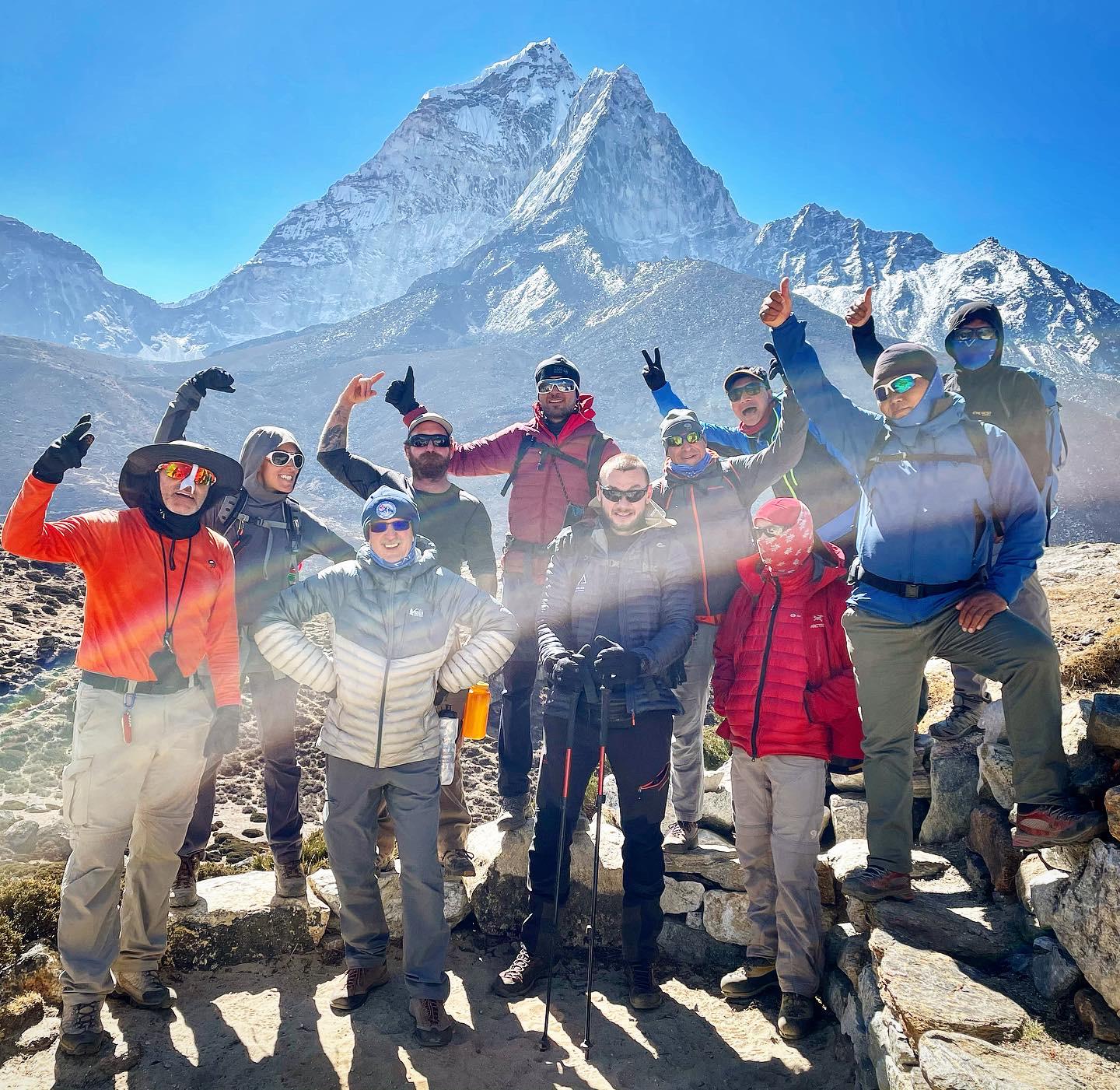
You will be traveling with other members of our Everest Base Camp trekking team, as well as climbers heading to Everest, Lhotse, Lobuche, and our 3 Peaks climb. At the hotel, you will have the opportunity to begin to get to know the climbers as well as your fellow trekkers, as you’ll be spending the next 10-12 days working together as a team to reach Everest Base Camp.
Tourist Visas: Nepal’s visa policy varies significantly by country. It is your responsibility to research current visa requirements for your home country. Most foreign nationals will need to pay for a visa on arrival, but do not need to apply in advance. However, a few countries require a visa in advance. Indian citizens do not require a visa to travel to Nepal.
Bring at least 3 passport photos with you for entry into Nepal. You will need one for your entry visa and one for your climbing/trekking permit; it’s always good to have an extra. Please contact CTSS as early as possible if you have any questions about Nepalese visas
It is your responsibility to research visa requirements for your country of passport issuance.
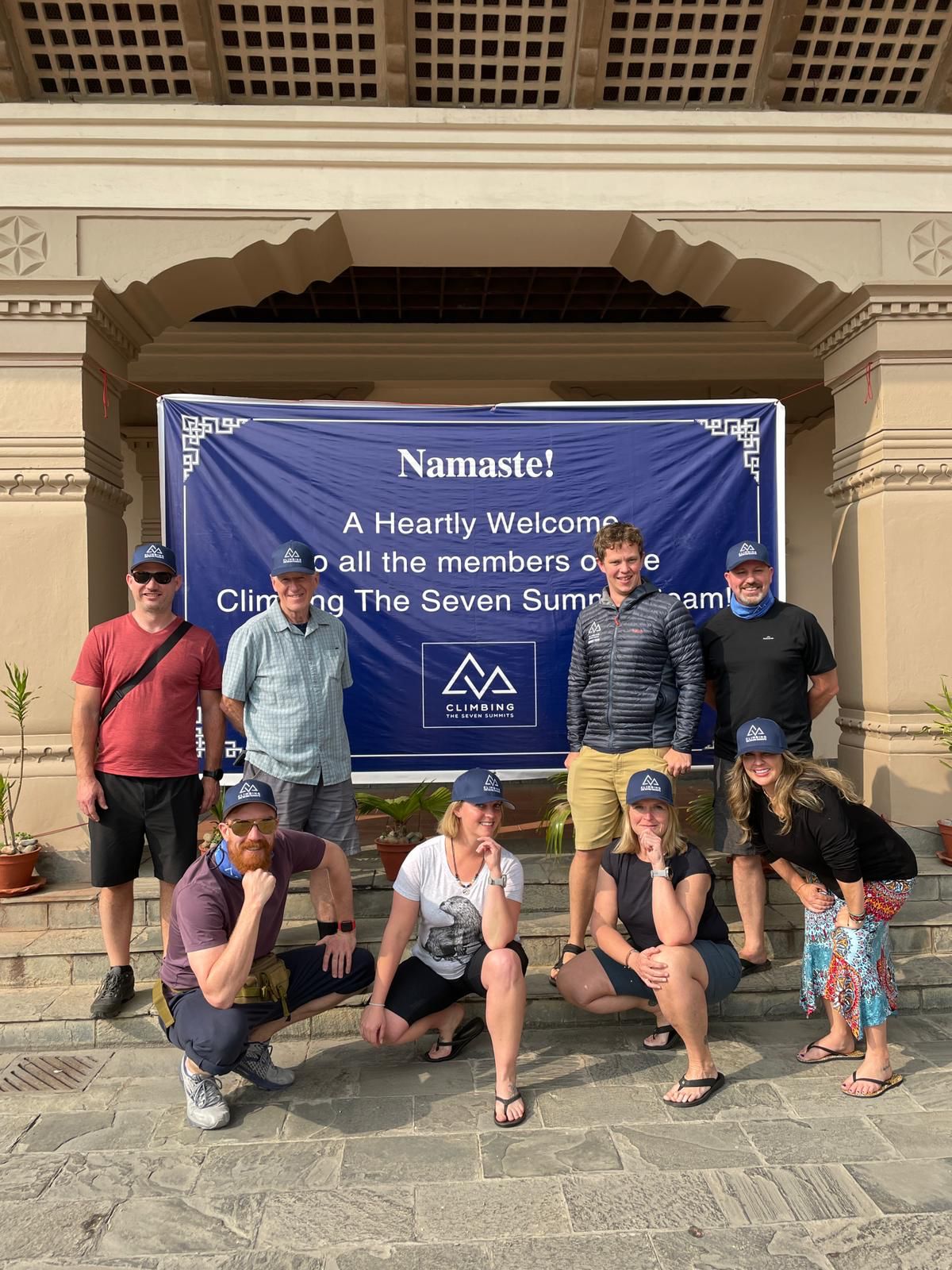
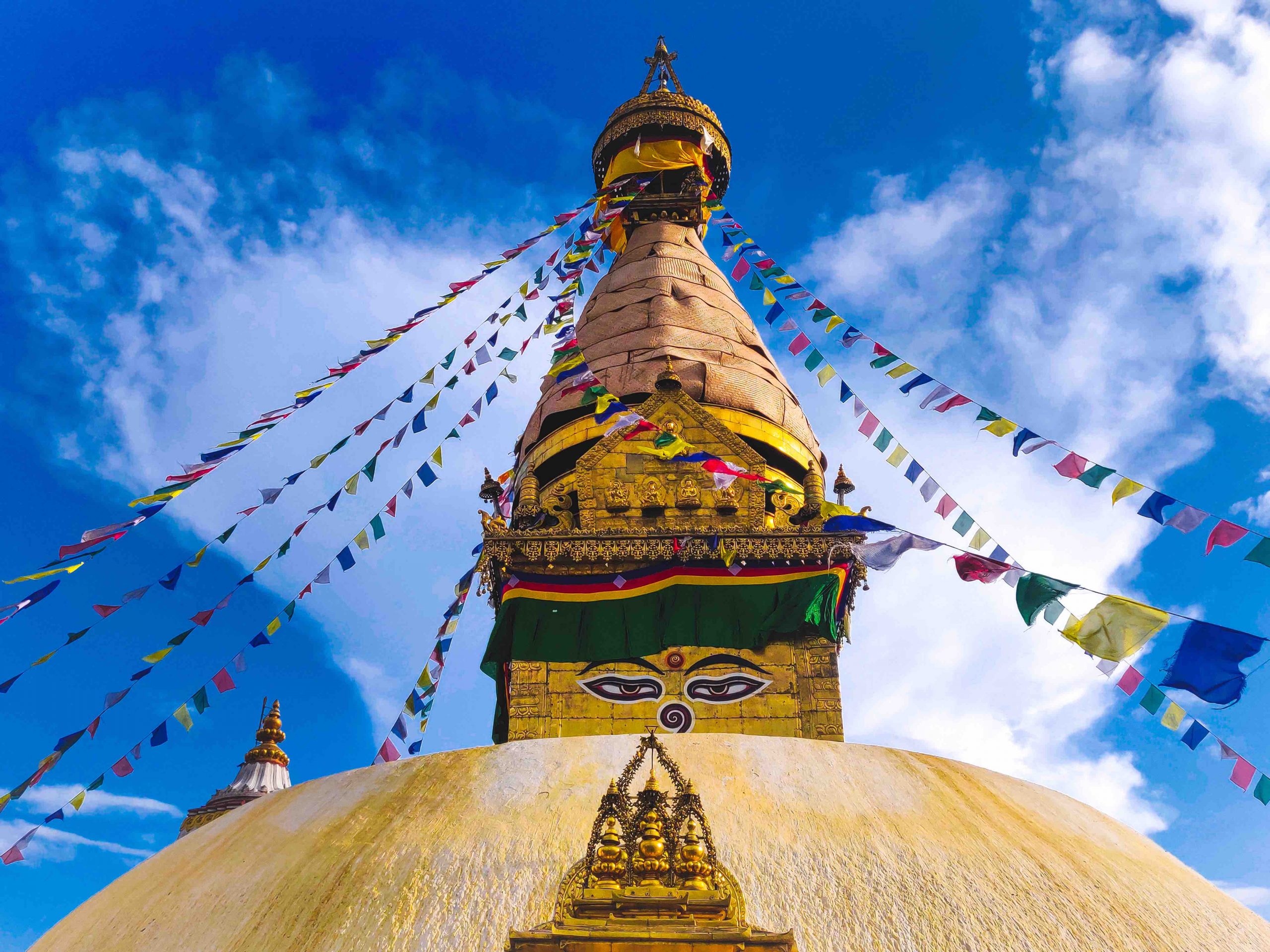
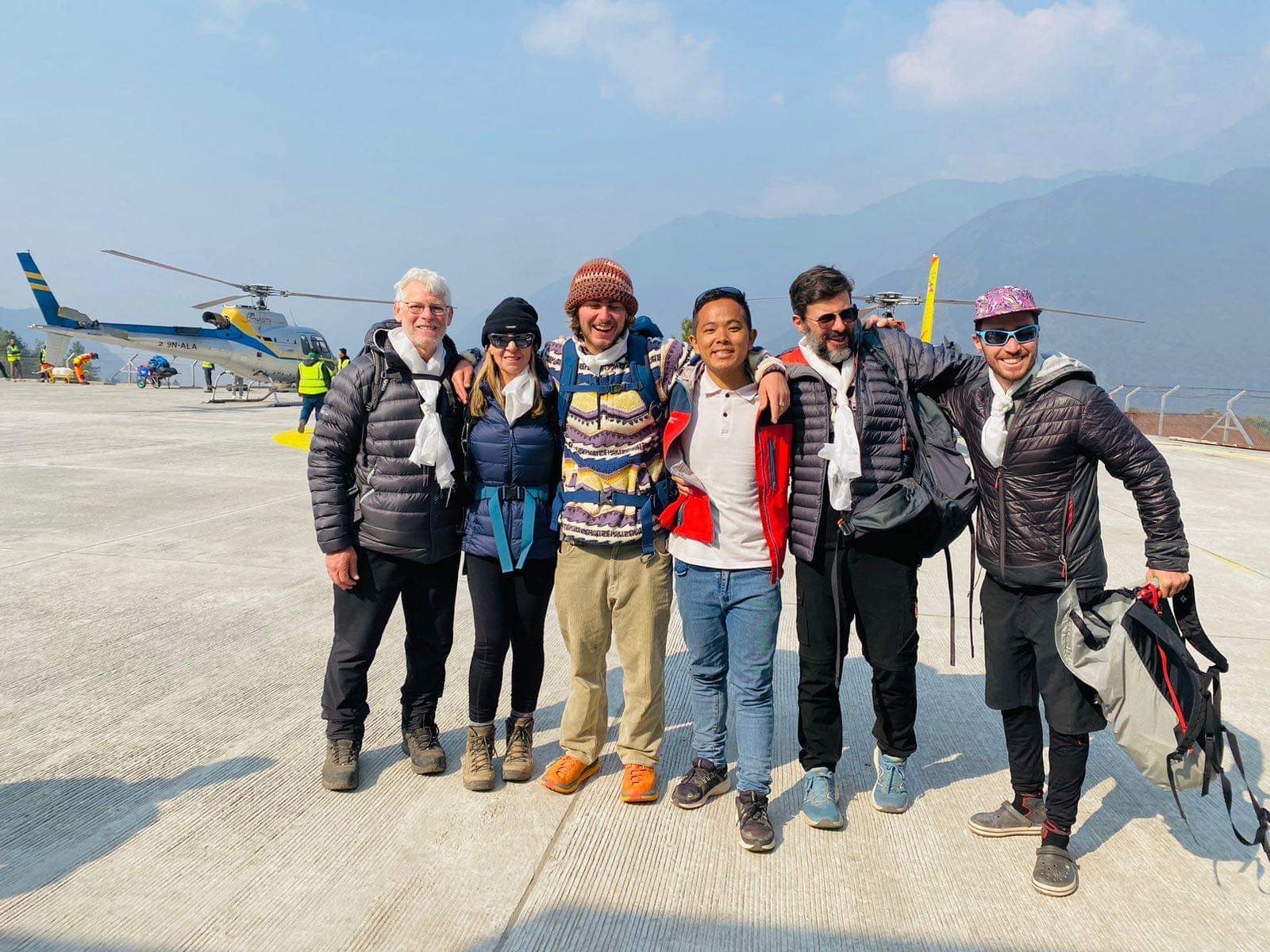
Getting There: Flying into Tribhuvan International Airport (KTM) is straightforward. KTM is served by several major airlines and is a common destination for adventure travelers. As you book tickets, please pay special attention to your flight durations and layovers. Note that if your layover at a connecting airport exceeds 12 hours, you may be required to collect and recheck your baggage and book a hotel. We highly recommend booking flexible-return-date tickets. Remember, things seldom move quickly in Nepal—arriving in KTM, clearing customs, and purchasing your visa on arrival may take an hour or more. Refer to the Travel Details section below for more details.
Domestic Transportation: Your domestic transportation within Nepal is included in your expedition.
Money: It is better to have more money than you need than to have too little. Most things are covered on the trip once you land in Nepal (check the inclusions and exclusions list for details). The cash that you need to bring includes money to cover expenses for a potential early departure (not often, but sometimes this occurs), miscellaneous expenses like extra hotel nights, non-team meals in town or if arriving early or departing late, shopping, alcohol, specialty coffees, bottled water or snacks, money for hotels in transit if applicable, visas, Sherpa tip pool, and guide tips (customary, but optional).
In general, we recommend bringing more in cash than you anticipate needing, plus at least one, preferably 2, credit and debit cards. When all goes well, you’ll head home with most of your money still in hand (unless you shop for souvenirs in Kathmandu!). However, in the event of an early departure or an emergency, it is crucial to have the resources on hand to cover these costs, as ATMs are scarce in the Khumbu.
Tipping: Tipping is customary in many situations in Nepal. At restaurants, a 10% tip is acceptable, and if someone goes above and beyond to help you, a small tip goes a long way.
We will collect and pool our Sherpa and Porter tips for the expedition, but if you wish to tip a staff member who has been particularly helpful, that is acceptable.
Electrical: Nepal’s electrical grid runs at 230 volts and 50 hertz. Some common US appliances may not be compatible as they are designed for 110V, 60Hz power. Check your device specifications (especially the Hertz rating) and bring an adapter to ensure compatibility.
Common plug types in Nepal include: Type C, Type D, and Type M.
You can charge your electronic devices at teahouses en route to base camp using a North American plug without an adapter at your own expense. Once at Everest Base Camp, we will also have power and power cords that fit North American plugs. Charging at base camp is dependent on the sun or the generator, so it won’t be available all the time, but we will try to make it available enough to meet your needs.
Potable Water & Food Suggestions: It is recommended to opt for bottled water or treat your own tap water while traveling in Nepal. Water served at Base Camp is safe to drink, but all other water should be treated or bottled.
Most food at decent restaurants in Kathmandu is fine, and you shouldn’t have any issues, but it is best to play it safe. Avoid fresh salads unless you are at a highly reputable hotel or restaurant, and watch for undercooked food. With changes in food and environment, a slightly upset stomach can be normal as your body adjusts to the local cuisine.
Language: English is widely used in business and government in the Kathmandu area. In the Khumbu region, English speakers are common, especially in high-tourism areas, but most of the local population does not speak English or other non-indigenous languages.
Vaccinations: Rules and regulations surrounding vaccinations may change rapidly. It is your responsibility to check Nepalese government websites to ensure compliance with any vaccination requirements.
Make sure your immunizations are up to date before flying to Nepal. Consult your doctor, a local travel clinic, or the Centers for Disease Control and Prevention (CDC) for up-to-date information on immunizations for Nepal. Recommended immunizations include COVID-19, diphtheria-tetanus (DPT), polio, mumps-measles-rubella (MMR), meningitis, hepatitis A and B, cholera and typhoid, and rabies. Malaria shouldn’t be a problem in Kathmandu or on the climb. If you plan to travel to lower-elevation areas in Nepal before or after the climb, you should consider malaria chemoprophylaxis.
Rabies is rare but present in Nepal’s dog population. Avoid petting dogs you do not know and stay alert for aggressive animals. If you are overly concerned about rabies, consider receiving the prophylactic vaccine.
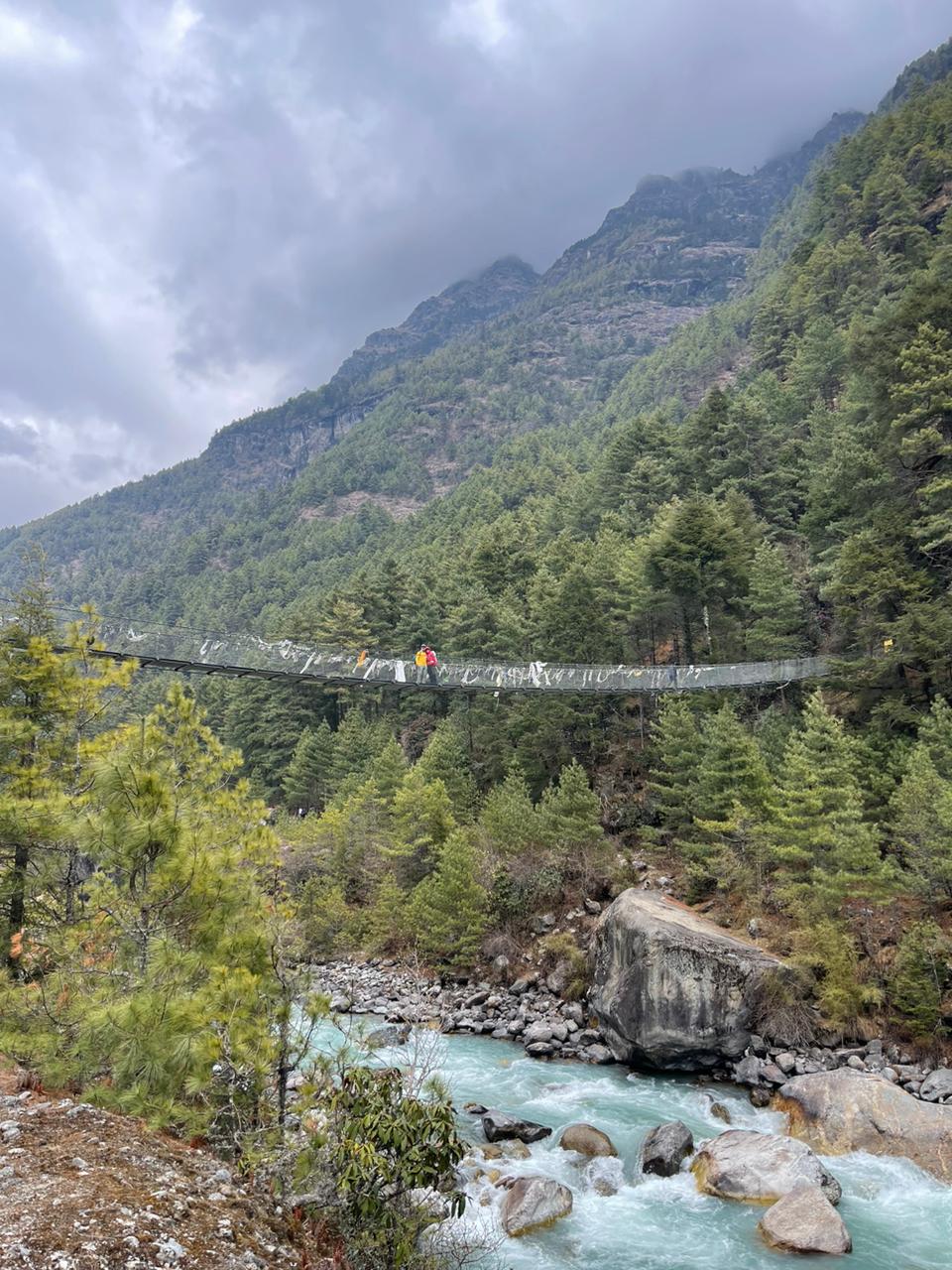
Accommodations: All hotel and teahouse rooms are double occupancy unless you have selected the single rooming option and paid the add-on fee. If you want a single room, please let us know, and we can add the fee to your balance to cover the additional expense. Sometimes hotels and teahouses are full during the climbing season and may not have enough space to accommodate single rooming, but we will do our best to accommodate.
Gear Storage: You will have secure storage for one duffel in Kathmandu. This is a great place to leave your in-town or dressier clothes and any items deemed unnecessary during your gear check.
Cell Phone Coverage: Nepal Country Code: +977
There is cell service with Ncell in Kathmandu & most of the way up the trek to base camp (with cheaper data than the 3rd-party Everest Wi-Fi that the teahouses resell), but not at base camp. You can use your personal cell phone to connect to the local network, paying roaming charges if you prefer, or buy a local Ncell SIM and recharge it.
The Ncell store is close to our hotel, and we are happy to show you where it is. You can also tie in to the 3rd-party Everest wifi network at base camp at your own expense and call on FaceTime, WhatsApp, Facebook, or Skype. Make sure to turn off data for any apps you aren’t using that could eat your data allowance.
Internet: There is third-party Wi-Fi in teahouses and cafes along the route to base camp, and if you have a smartphone or tablet, you can connect. If you bring a Wi-Fi device, we’d suggest keeping it safe and waterproofed in your trekking packs so it doesn’t break in your duffels. At Base Camp, Wi-Fi is available through a third party for individual purchase, so you only pay for what you use. It is sold in small allotments, and data can run out quickly, so use it wisely.