North Side Closed, New Rules in Effect: Everest 2026 Season Update
By: Alan Arnette
Alan Arnette is a veteran high-altitude climber and journalist who has reported on Everest and Himalayan expeditions for more than 25 years, contributing to Climbing, Outside, and other leading outdoor publications. Arnette climbed Mount Everest in 2011 and reached the summit of K2 in 2014 at age 58, making him the oldest American to climb the peak at that time.
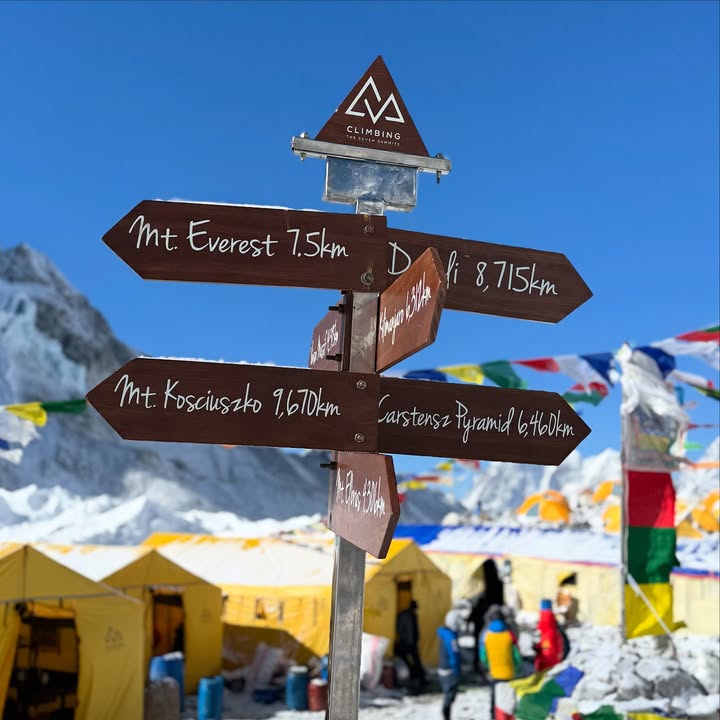
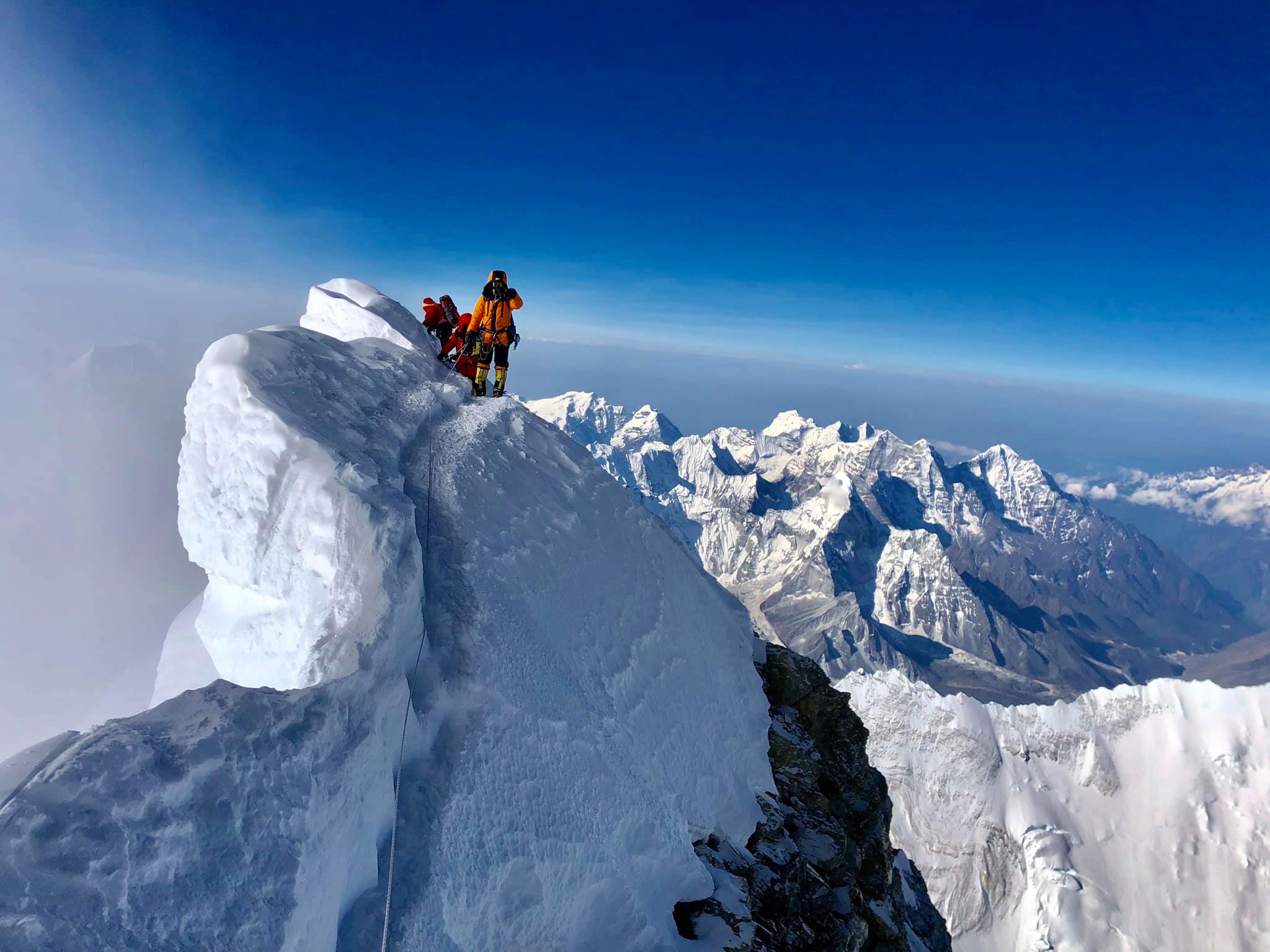
The spring 2026 Everest climbing season is just around the corner. The Icefall doctors are already at Base Camp, and have started to fix the ropes to Camp 2 in the upper Western Cwm. Many expedition teams have already sent Sherpas to reserve their traditional spots and have begun building tent platforms. In other words, the annual small tent city is taking shape.
Perhaps the most significant development so far is the unexplained closure of Everest to climbers on the Tibet side. I recently attended a screening of the Sherpa documentary “Zero to 8848” (excellent!) and a fundraiser for the Colorado Sherpa Association, where I spoke with many Sherpas about the Everest Tibet side closure. One guide company owner said he thought the closure was due to “restoration,” but he wasn’t sure.
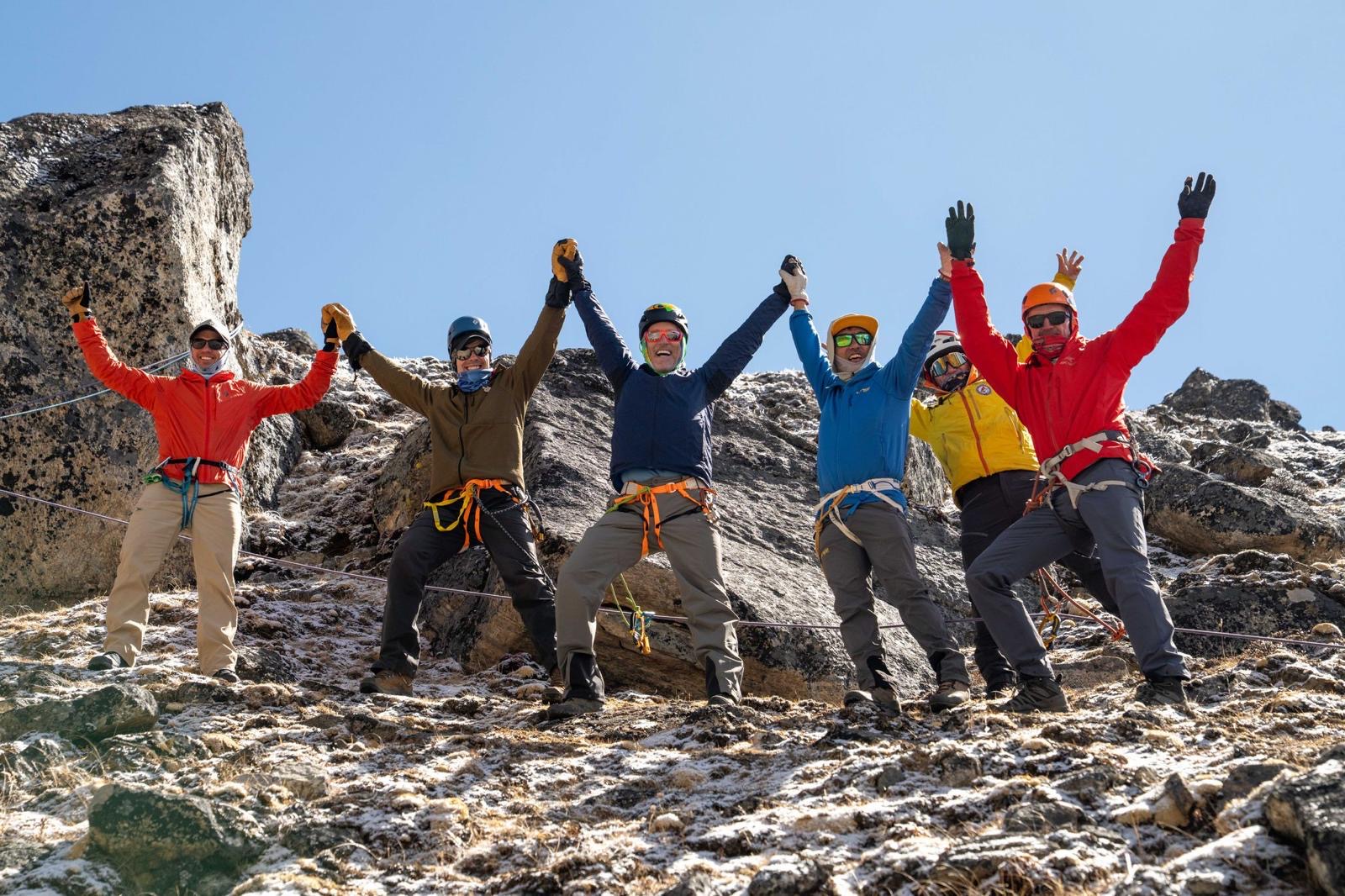
Editor’s Note: Zero to 8848 features features legendary climber and mountain guide Tendi Sherpa who serves at Climbing the Seven Summits Upper Mountain Sirdar on Everest. Below are a few images of Tendi and keep an eye out for more this season!
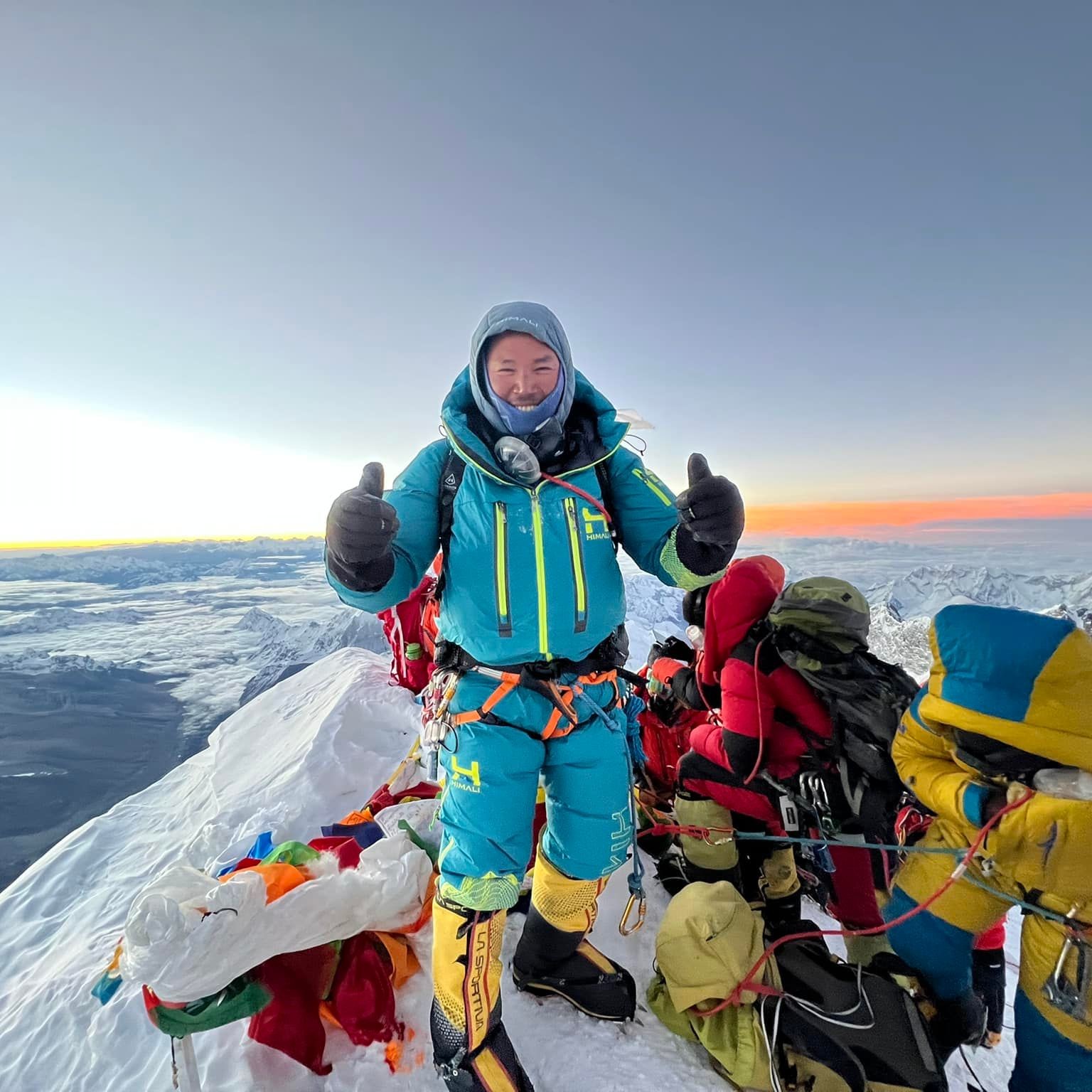
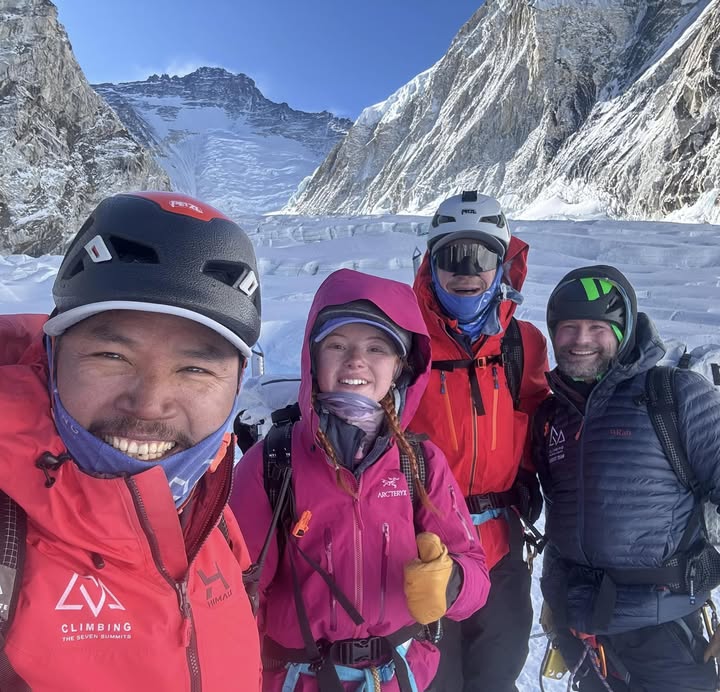
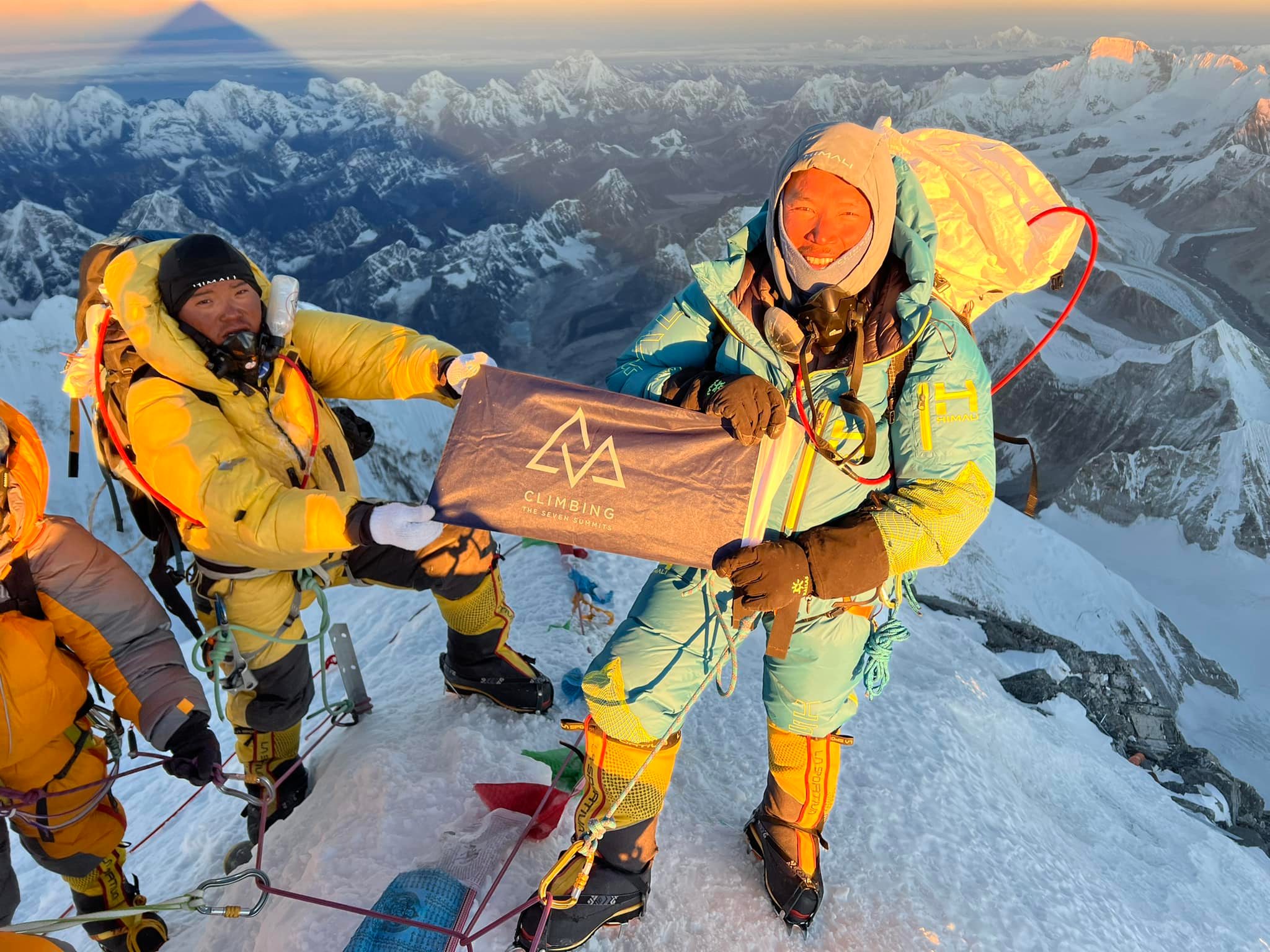
Additionally, when speaking with Western guides who usually run North-side expeditions, they tell me that the CTMA has not provided a specific reason for the closure and has not initiated the climber application process, which normally begins in early March. So, the closure was de facto, not explicitly stated.
On the Nepal side, there is confusion about the proposed requirement that all Everest applicants must have summited a 7,000-meter peak in Nepal. This law was part of the Tourism Bill 2081, introduced into Nepal’s government approval process last year. The Upper House has passed the bill, but it still needs approval by the Lower House and the President’s signature. Therefore, it is not in effect for the 2026 spring season.
Opinions differ on whether this law will be passed as is, with many hoping the “in Nepal” requirement is changed to “worldwide” or that specific peaks are included, such as any 8000-meter mountain, Aconcagua, Ama Dablam, Peak Lenin, Mount Kun, and others. You can follow its current status at this link, which shows “Discussion in Committee” as of March 2026.
One rule that will be enforced starting this season is that each member must bring down 2kg/4.41 lb of waste from Camp 2 and above, excluding oxygen bottles and human waste. Expedition members may not use their own WAG bags and must use the bags provided by the SPCC. This will be in addition to the current rule requiring each member to deposit 8kg/17.6 lb of garbage at Everest Base Camp at the end of their expeditions.
Regarding summits, with the looming 7000-meter requirement, an unintended consequence may be a rush of less-experienced climbers attempting the mountain this season before the requirement takes effect next year. I had predicted 900 to 1,000 total summits from both sides combined, exceeding the previous high set in 2019, when 877 climbers summited (661 from Nepal, 216 from Tibet). However, with the North side closed, I anticipate around 125 climbers, both members and hired staff, will shift to the south side. Therefore, we can realistically expect between 850 and 900 combined summits, compared to the 731 from Nepal in 2025.
Operationally, expect continued experimenting with drone use, particularly in the Khumbu Icefall, to support the Icefall Doctors by ferrying ropes, ladders, and equipment across the Icefall, thereby reducing the number of heavy-load carries and lowering Sherpas’ exposure to falling or collapsing ice structures. Drones are also expected to play a larger role in removing waste from high camps, helping clean the mountain without adding to Sherpa workloads.
Here’s to a safe season for everyone on Chomolungma.