Ty Sauerbrey and Mount Baker as a Classroom
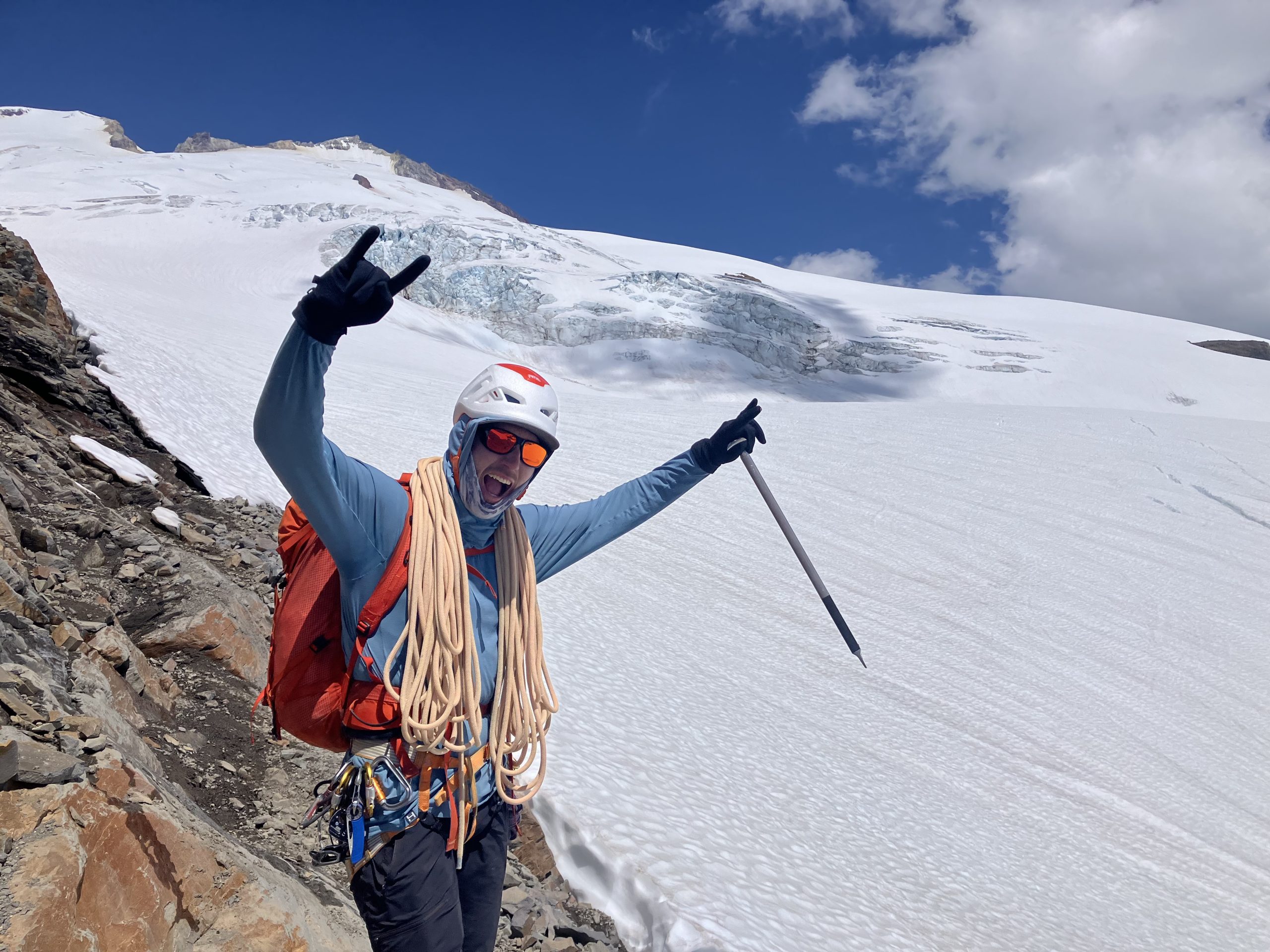
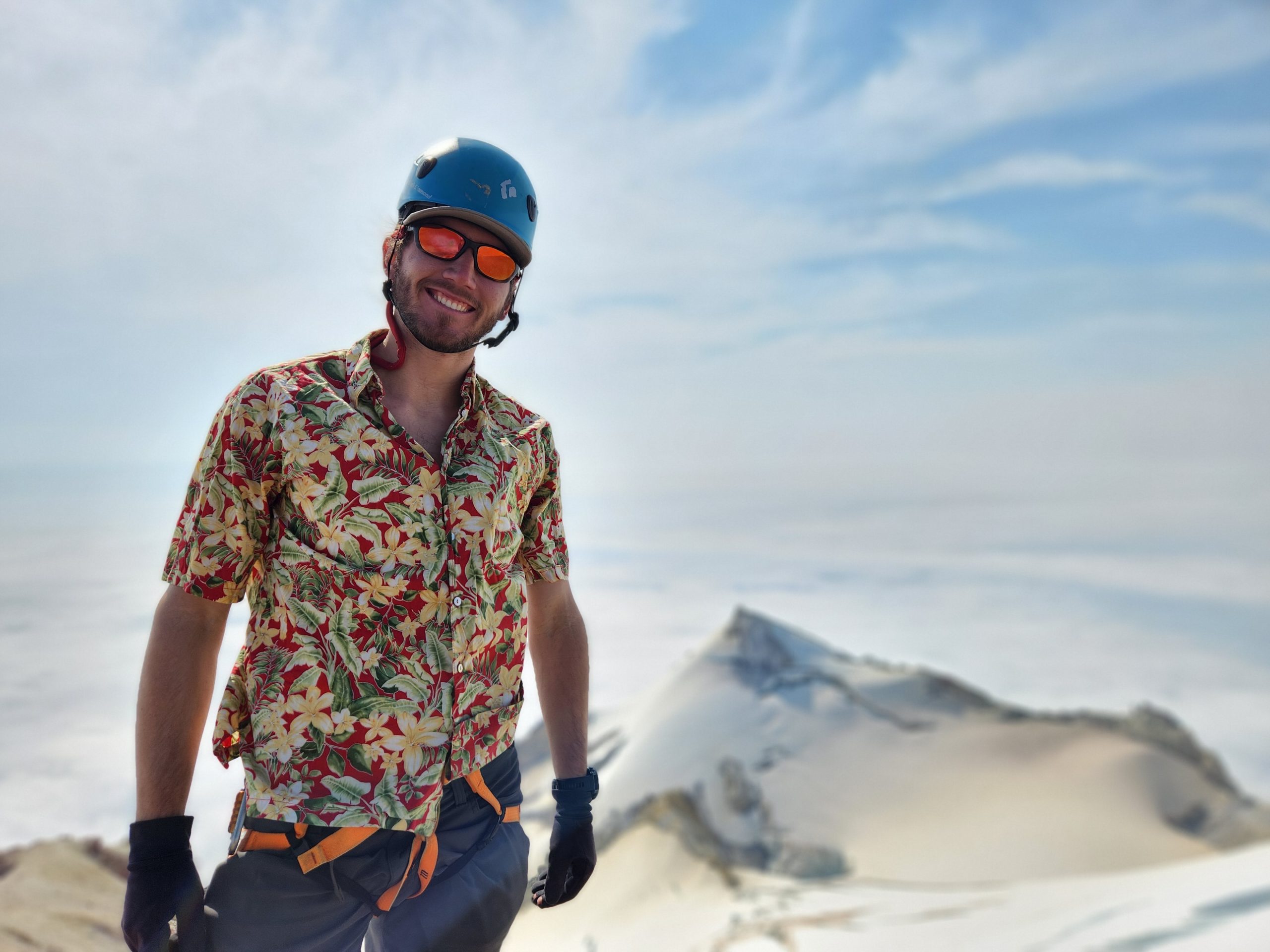
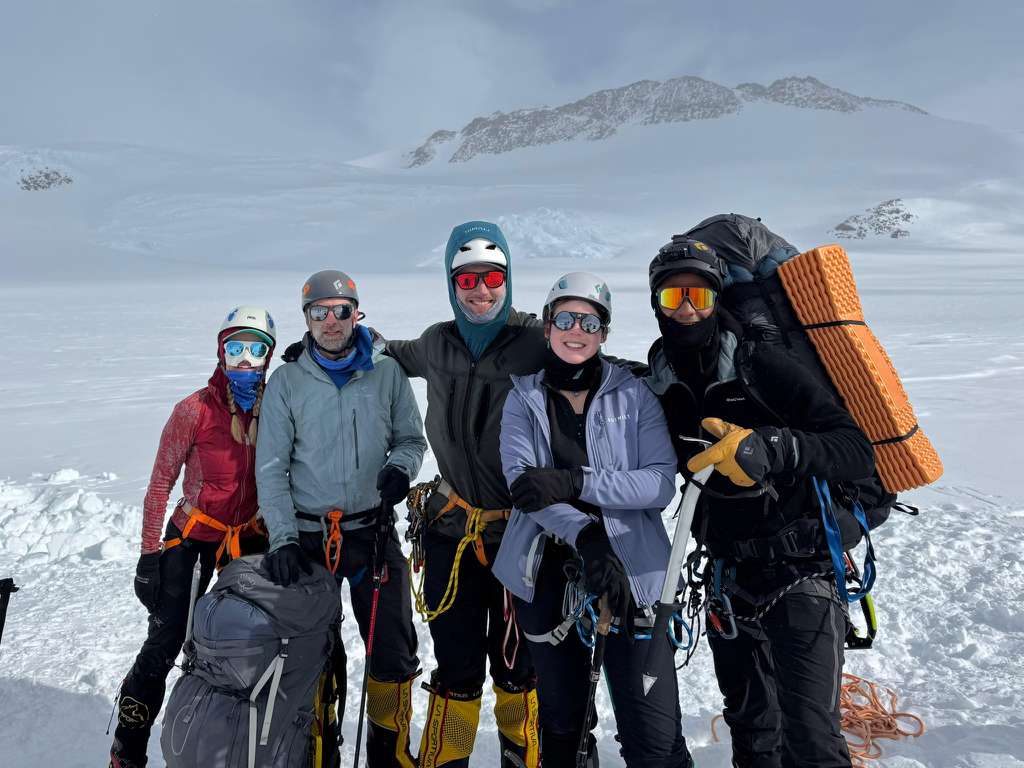
If you’re climbing Mount Baker with CTSS this season, there’s a good chance you’ll spend time on the glacier with Ty Sauerbrey, who brings extensive experience not only on Baker but also across Mexico, Ecuador, Alaska, and the Pacific Northwest. With more than 80 successful Baker summits, Ty has a deep familiarity with the mountain and a background built through diverse experiences.
Raised up and down the East Coast, Ty never stayed in one place for long. That constant movement shaped how he approaches new environments, learning to pay attention quickly, adapt to changing conditions, and stay comfortable when things feel unfamiliar. A chance climb of Mount Fuji in Japan became a turning point, pulling him away from a Division I collegiate running career and towards the mountains. What stayed with him was not just the climb itself, but the discipline of pacing, problem-solving, and decision-making in harsh terrains. Those early lessons became the foundation of his guiding career, informing how he moves between disciplines and teaches climbers to think clearly across different mountain environments
Throughout his guiding career, Ty has led alpine climbs, glacier courses, backcountry ski tours, and rafting expeditions, and has taught ice climbing, avalanche awareness, and outdoor leadership to a wide range of ages and abilities. That breadth of experience translates directly into how he works with climbers, especially those stepping onto glaciated terrain for the first time. His focus is not just on skills and terrain, but also on helping people understand why decisions are made and how to adapt when conditions change.
We sat down with Ty to talk about safety, teaching, and Mount Baker’s role as a training ground, and what climbers should expect when they step onto the glacier with him.
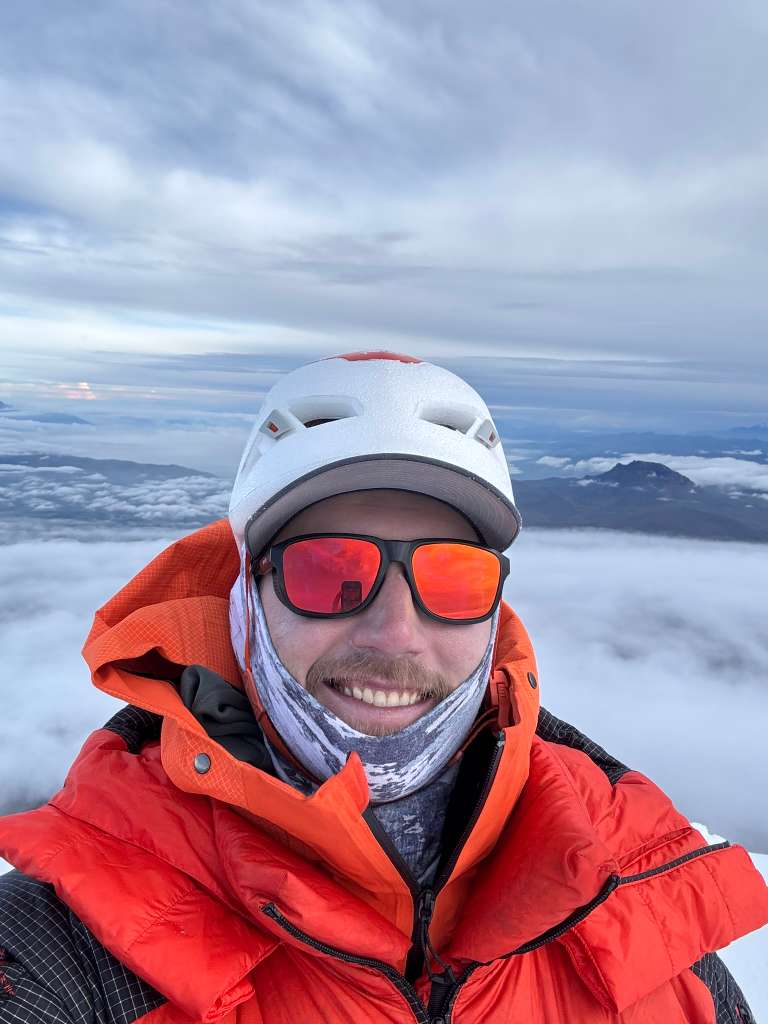
With your experience as a former Guide Supervisor and your certifications as a Wilderness EMT, Avalanche Pro 1, and AIARE Instructor, how do you bring your safety mindset into the Baker environment where so many climbers are learning for the first time?
My safety mindset starts long before we step on the snow. I combine pre-trip risk assessment—weather, objective hazards, and avalanche forecasts—with route selection that matches each group’s abilities.
On the mountain, I focus on three things. First is practical prevention. I reduce risk through smart decisions like objective selection, group spacing, and travel techniques. Second is skill-building through teaching. I break complex topics into short, confidence-building lessons and hands-on drills. Novice climbers learn ropework, crampon and ice-axe use, and self-rescue skills in small, supported steps so progress feels clear and achievable.
The third piece is preparedness to respond. My Wilderness EMT and Avalanche Pro 1 training mean I’m prepared to treat injuries and organize evacuations. I take prepping my med kit very seriously.
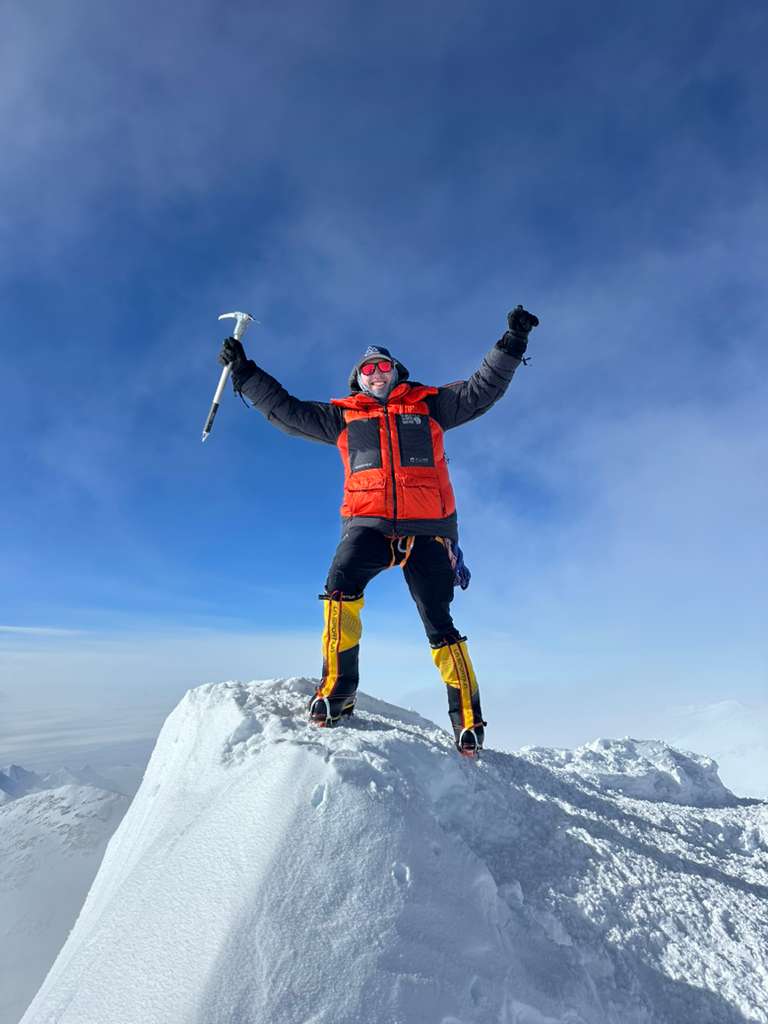
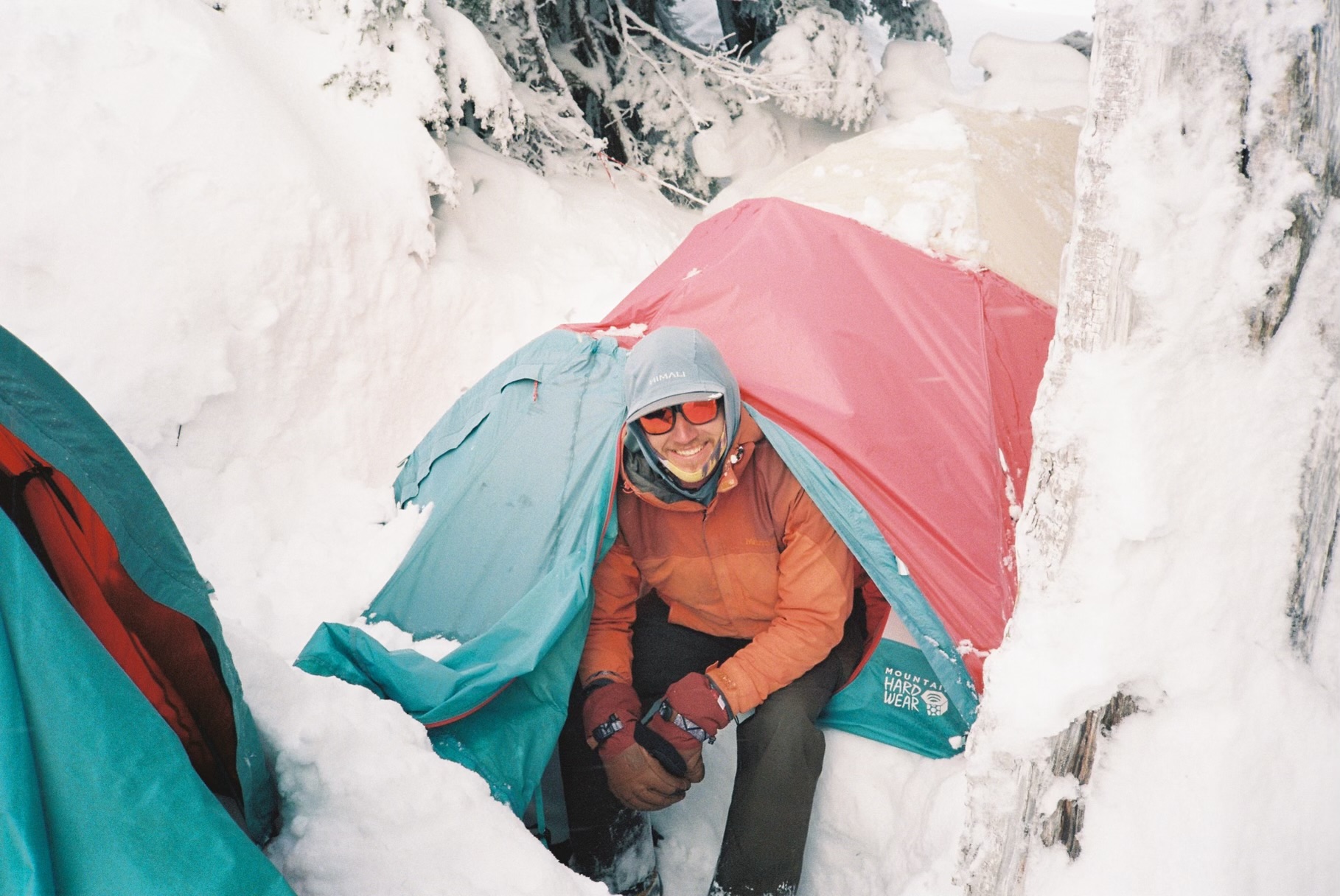
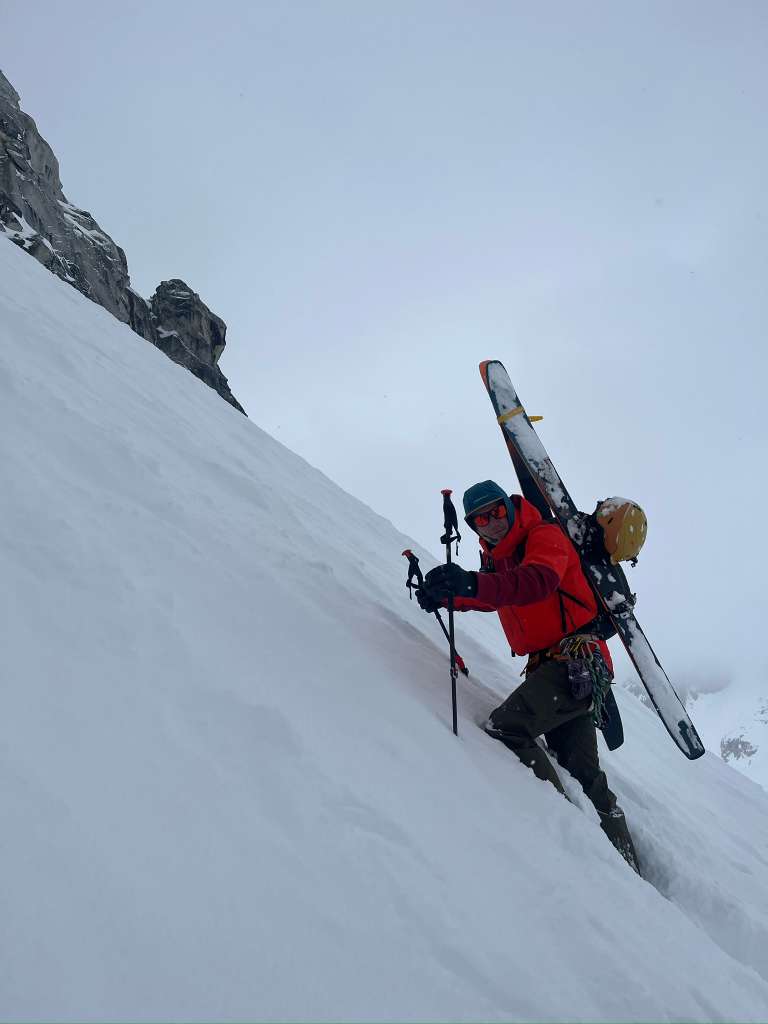
You guide across alpine climbs, glacier courses, and backcountry skiing. How does that range of experience shape the way you teach climbers? What do you love about guiding, and what’s the most challenging part?
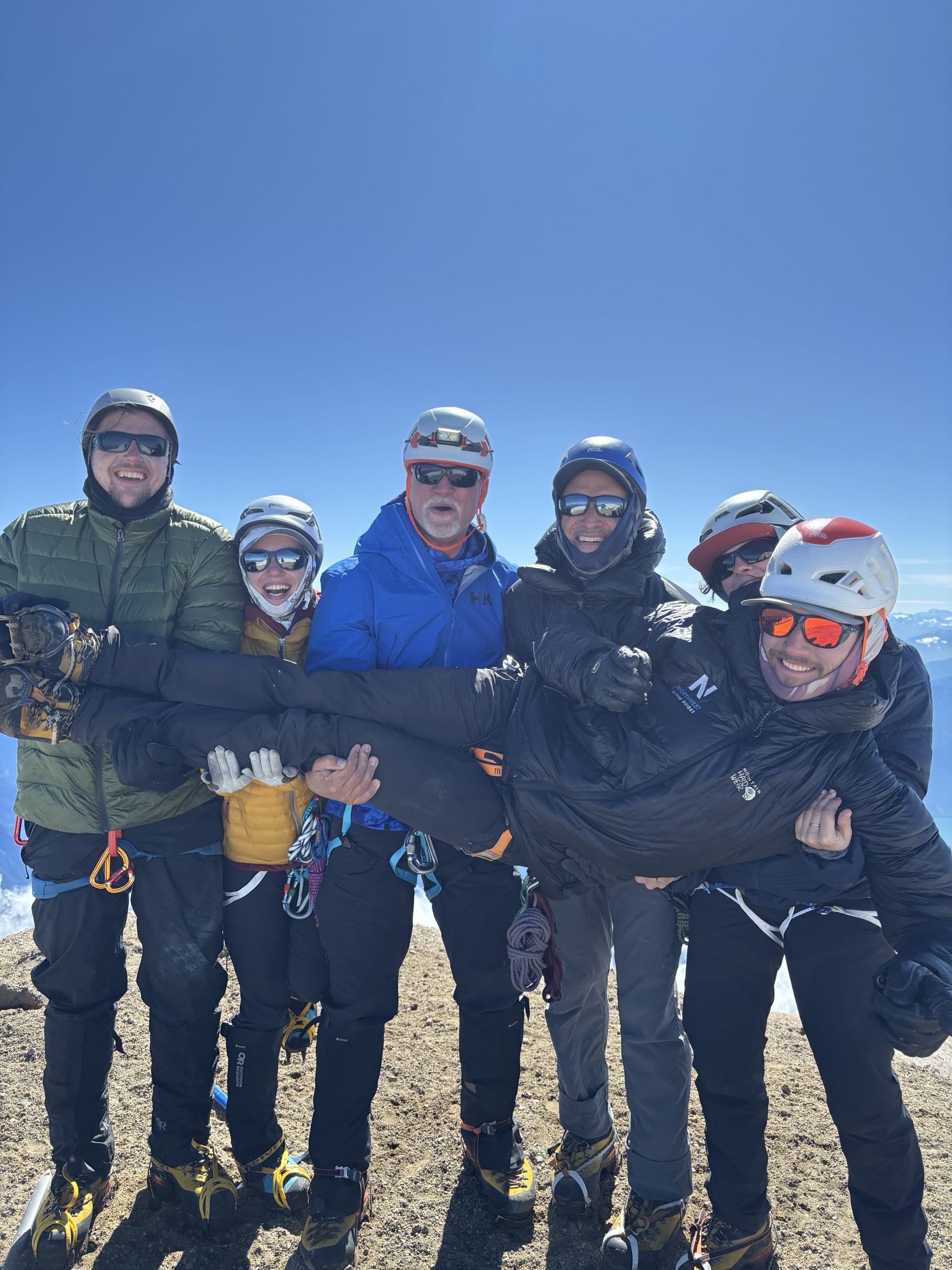
I love watching people change—the moment when a movement clicks or when someone nails a crevasse rescue drill. That transformation is addictive. I also love the team element. I grew up playing sports, and there’s nothing like working together toward a shared goal in the mountains.
One of the best parts for me is constant problem-solving: reading conditions, choosing creative options, and teaching others to think in that same way. The most challenging part is balancing instruction with objective safety and group goals. Time, conditions, and differing experience levels mean constantly juggling teaching opportunities with route decisions and risk management. The goal is to keep learning high-quality while maintaining conservative, flexible decision-making.
You’re known for your big smile, booming laugh, and gift for teaching. What kind of environment do you try to create while leading a climb?
Learning sticks when people feel comfortable and secure. I give positive, specific feedback mixed with energy and humor throughout the course. Empathy and pacing drive my teaching style.
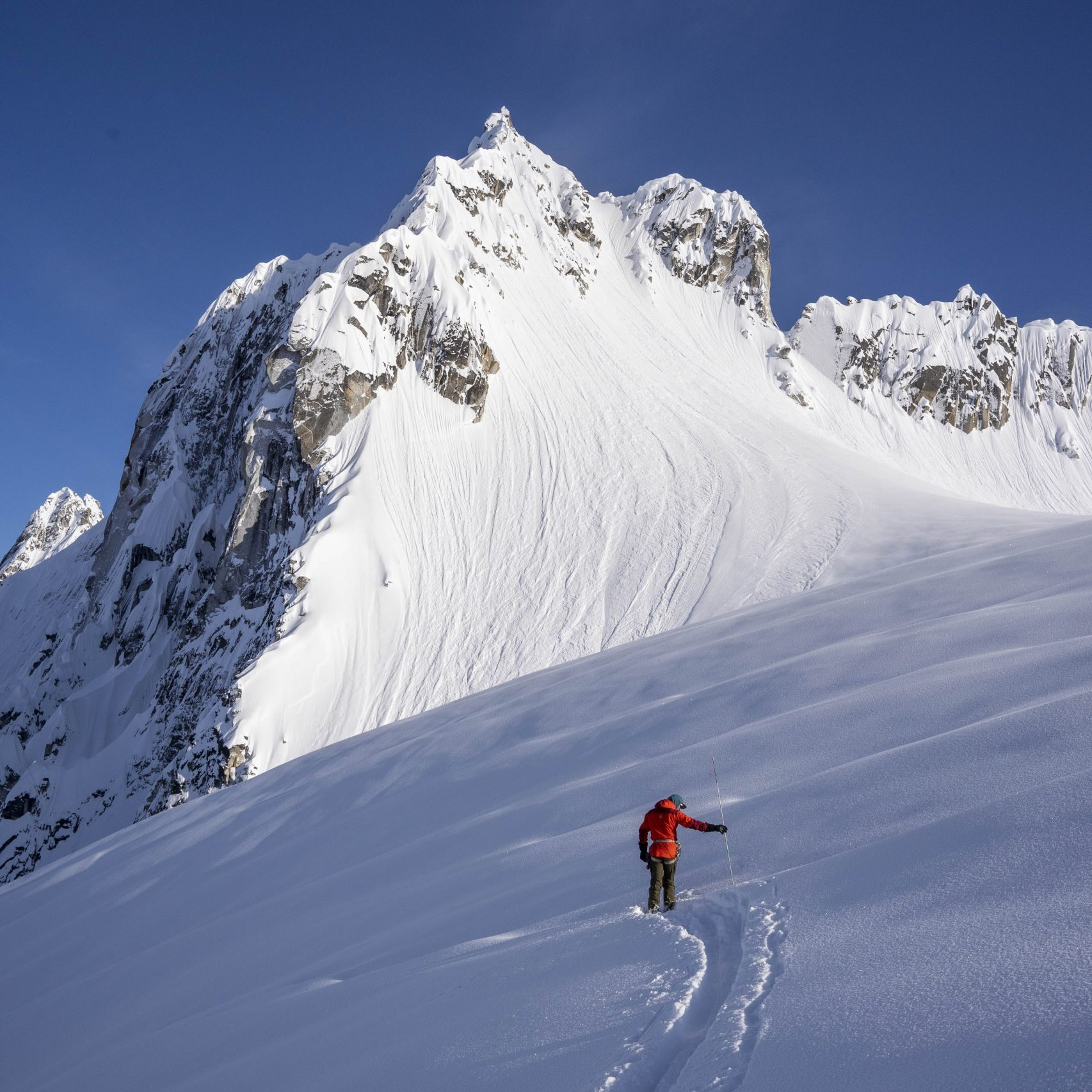
I tune the day to the group’s energy and anxiety levels—more demos and reassurance when people are nervous, faster reps when confidence grows. Everyone learns on a different clock, and respecting that actually speeds progress. I like to create an environment with open, no-shame communication. No question is a dumb question, and repeated questions are always welcome.
I believe in a hands-on learning environment where everyone gets the reps they need to be successful. At the same time, I expect everyone to show up ready to learn. We’re a team, and I’m going to do my best, so I expect the best from you in our outdoor classroom. When the learning environment is right, we can make real magic happen on Baker.
What do you wish all your clients knew before they showed up on expedition?
You don’t need to be “strong” or “experienced” to succeed. You just need to show up prepared, curious, and ready to learn. Effort, attitude, and teamwork matter far more than prior mileage.
If I could give every client one pre-trip briefing, it would be this: expeditions aren’t about proving something. They’re about learning, adapting, and working as a team in a dynamic environment. The people who have the best experiences are the ones who arrive open-minded and prepared.
You’ve summited Mount Baker more than 80 times. What makes Baker a mountain you keep returning to, and why is it such a powerful place to build fundamental skills?
Baker is the perfect classroom—complex, changeable, and incredibly instructive. Its glaciers, varied routes, and frequent weather swings give climbers real-world practice in the exact skills that matter: rope systems, crevasse awareness, movement on snow and ice, and sound decision-making.
Eighty-plus summits doesn’t mean I’ve seen everything. It means I’ve seen the same kinds of challenges play out enough times to teach them clearly. Baker is one of those rare mountains that’s both demanding and accessible, which is why it’s such an effective place to build fundamentals.
What type of skills do climbers develop on Baker that prepare them for bigger objectives around the world?
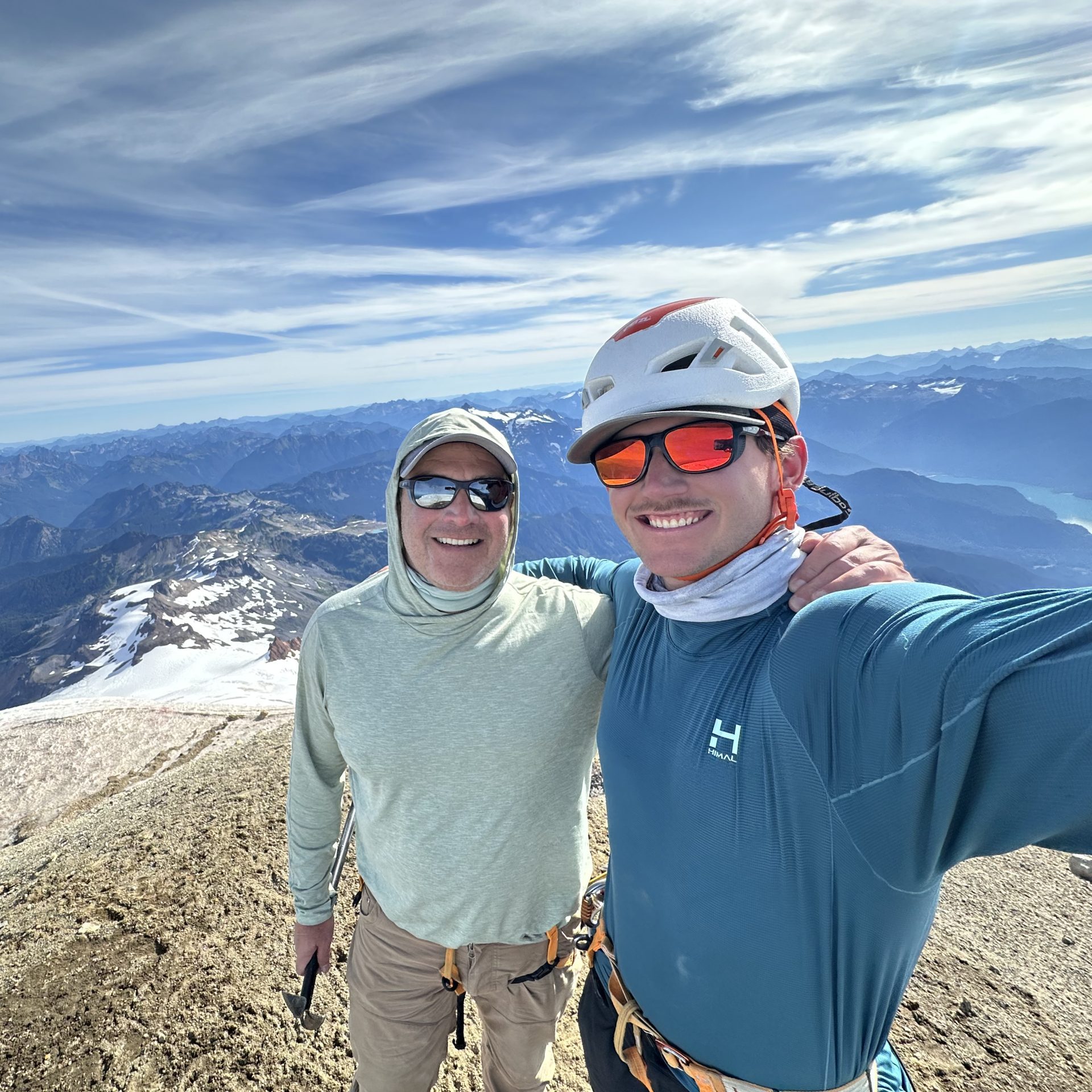
Baker is a compact, high-value classroom. The skills you practice there transfer directly to big glaciated peaks and expedition objectives around the world. Climbers develop efficient movement on snow and ice, proficiency with crampons and ice axes, rope systems, expedition pacing, logistics, and nutrition.
Beyond the technical, climbers build judgment—assessing weather, identifying objective and subjective hazards, route finding, and mountain leadership. Baker builds the habits, systems, and decision-making skills needed to step up safely and confidently to larger mountains anywhere in the world.
What comes through clearly after getting to know Ty is how intentional his guiding is. He pays attention. He explains his decisions. He gives people space to learn, mess up, ask questions, and try again. Climbers don’t leave the mountain having simply followed a guide; they leave understanding why decisions were made and how to apply those lessons on future climbs.
This season, Ty will be guiding eight Mount Baker programs with CTSS, including our 5-Day Alpine Academies, Advanced courses, and Masters programs. Whether you’re stepping onto a glacier for the first time or sharpening skills for bigger objectives, learning from Ty on Baker means learning in one of the best mountaineering classrooms there is, guided by someone who knows how to make the lessons stick.
And if you’re one of the climbers joining him this season, Ty has a message for you:
“I can’t wait to get you on the snow. These programs are built for folks who want to learn how to think and move like a mountaineer. Show up ready to learn, because the learning starts the second we shake hands during gear check.
My big ask is to take Mount Baker seriously. It’s not enough to carry the heavy pack to high camp on day one—it’s about how well you recover over the following days during lessons and our eventual summit attempt. Spend some time in the off-season building fitness with a weighted pack. If you take the time to train, I promise you’ll get the most out of your course.”
Consider that your friendly nudge—and your cue to start hauling that weighted pack.