Everest Base Camp Trek Beta & Route
Everest Base Camp Trek Beta & Route
Elevation: 17,598 feet (5,364 meters)
Duration: 20 days
Continent: Asia
Route: Everest Base Camp (South Side) via the Khumbu Valley
Difficulty: Beginner
Route Choice
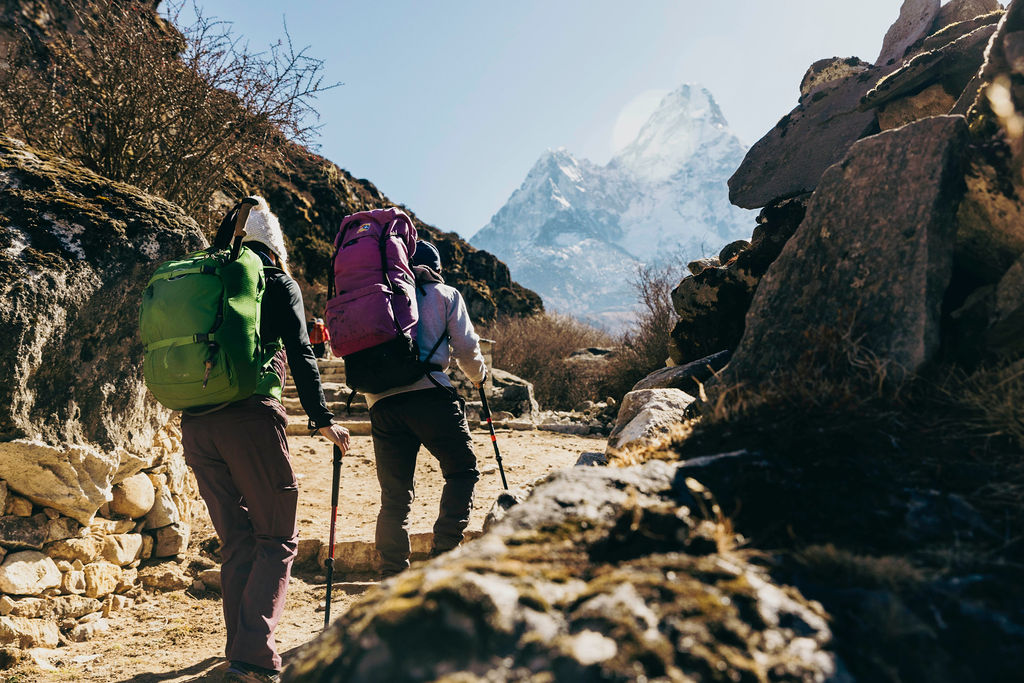
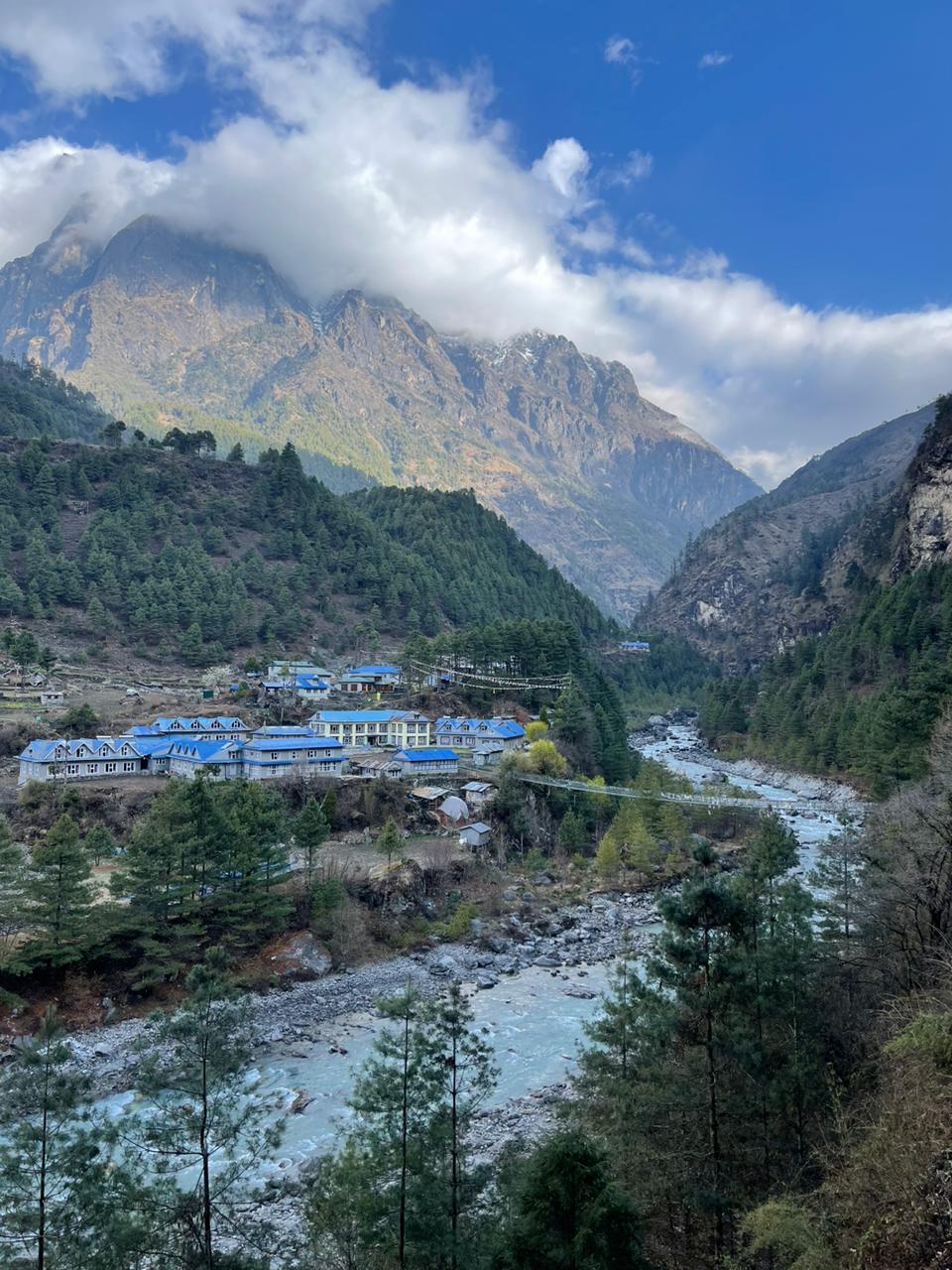
Our trek to Everest Base Camp involves both moving days, where you will trek to the next village, interspersed with rest and acclimatization days. The slow ascent up the Khumbu Valley is essential to allow your body time to acclimate and to give yourself a chance to explore each village. On some rest days, we’ll take a small day hike up to points of interest to give our bodies new high points.
While each village has its own charm, a visit to Tengboche Monastery is often considered one of the highlights of the trek. An important cultural landmark for the Sherpa and steeped in mountaineering history, the Tengboche Monastery is a unique and fantastic place to see for yourself.
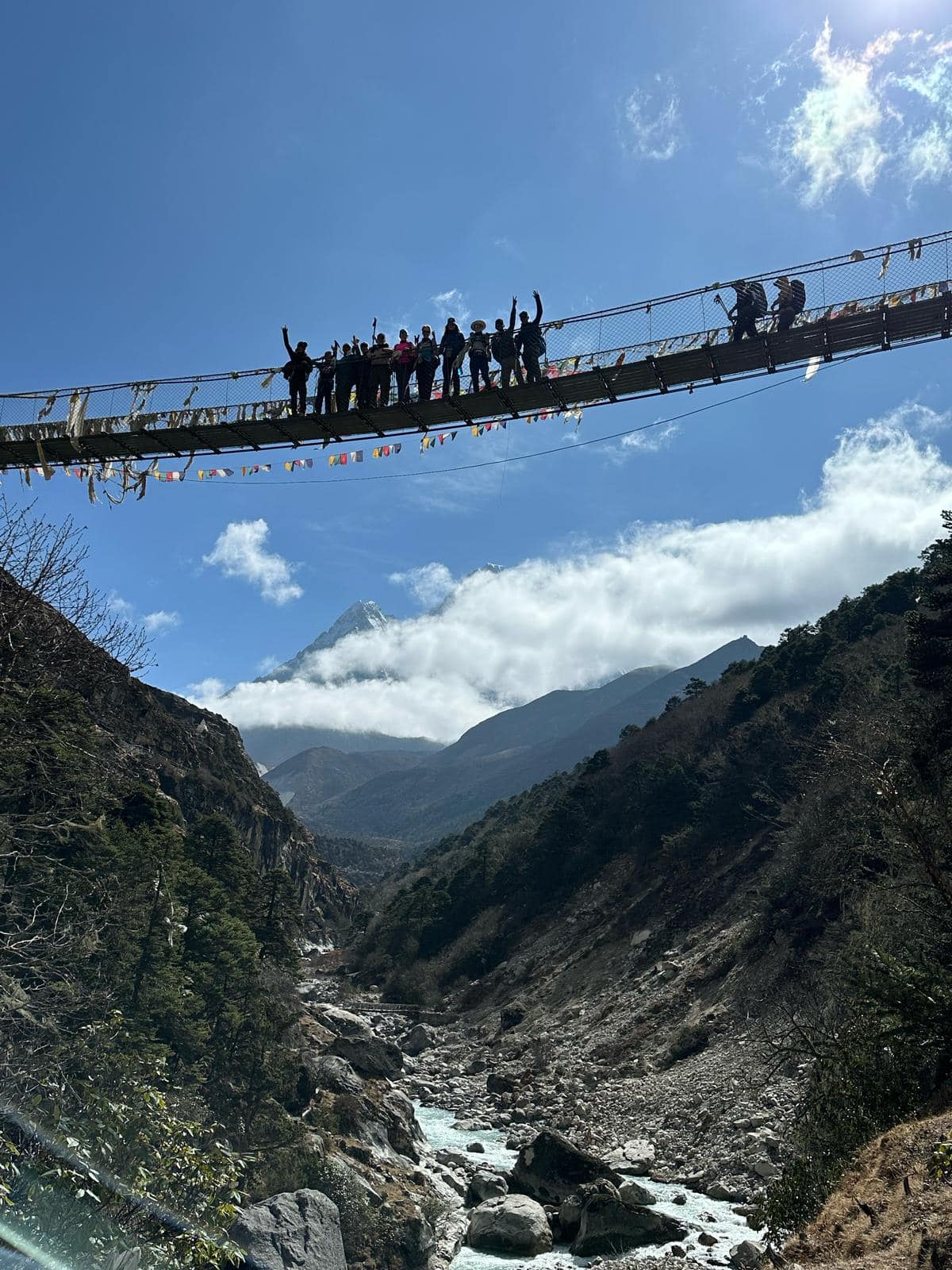
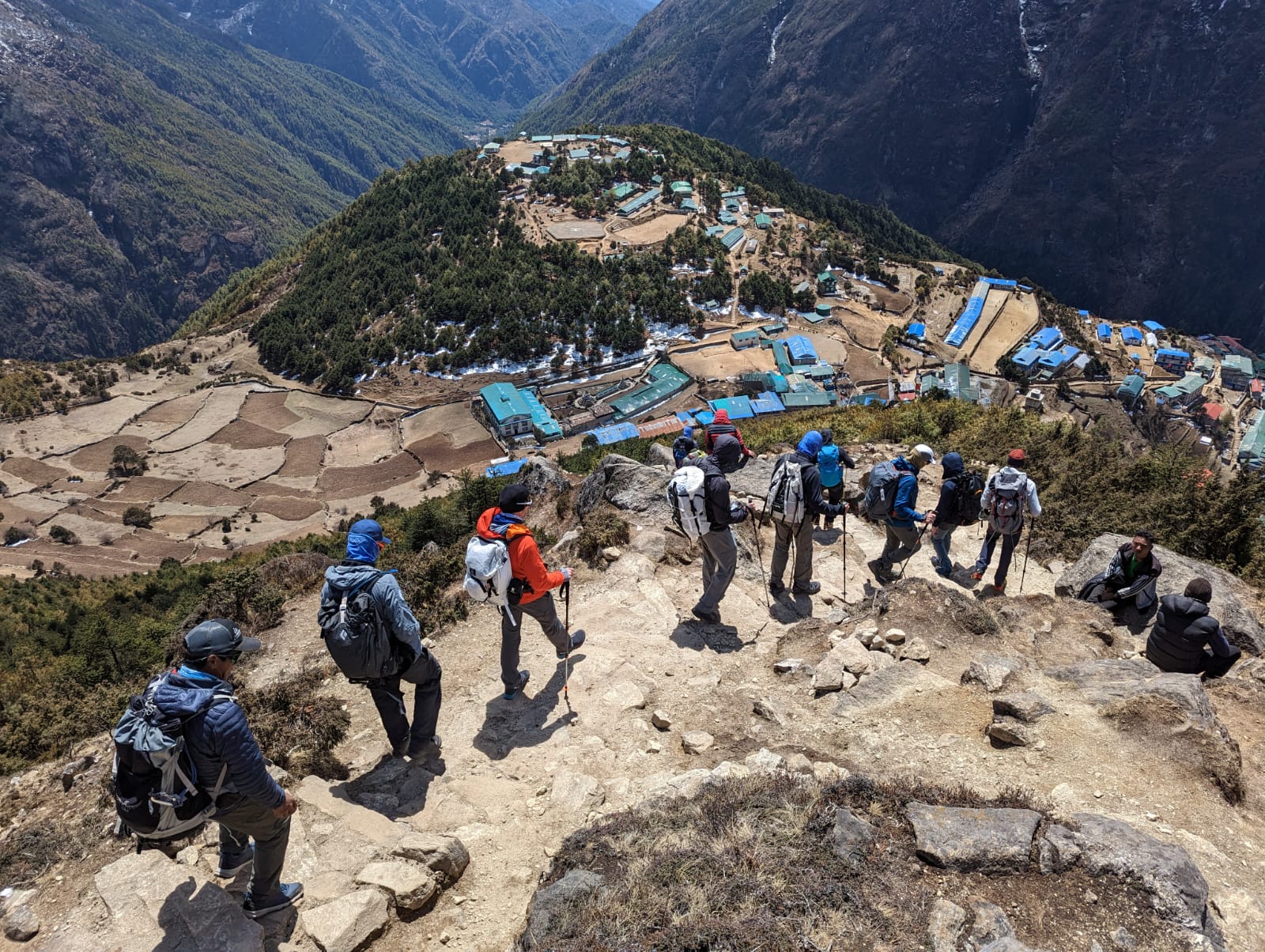
Each trekking morning, after waking up and having breakfast at the teahouse, it’s time to load your daypack and hit the trail. Porters and yaks will carry most of your gear to your next night’s stay, allowing you to trek light and carry only what you need for the day.
Most days, we walk 4 to 6 hours on the trail at a moderate pace, with occasional days of longer stretches. Over the years, we’ve refined our trekking schedule to make the best of our move, rest, and move itinerary. You won’t sleep more than 1,500ft (460m) higher than the night before, with the one exception (Phakding to Namche) occurring at the lower elevations near the beginning of the trek when high altitude issues are less prominent.
After each significant elevation gain, our teams will rest for a day, with a day hike to get the blood flowing and see the surrounding countryside. For many experienced hikers, the mileage and elevation gains each day are moderate, but taking frequent rest days is essential for acclimatization. Plus, you can’t beat the scenery throughout the trek. Relaxing with a hot drink in front of your teahouse while you watch the sunset illuminate the tallest peaks in the world is unforgettable.
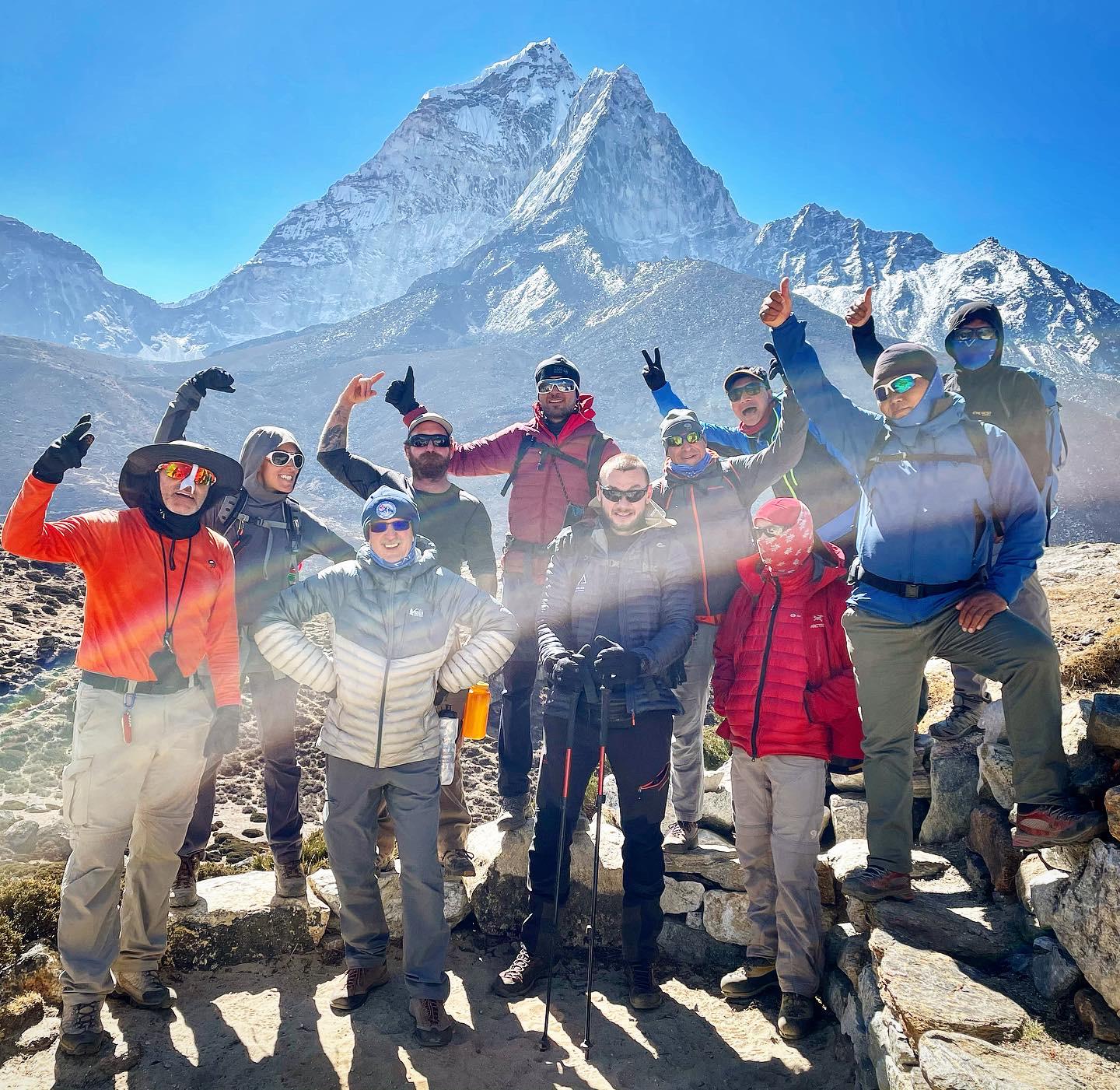
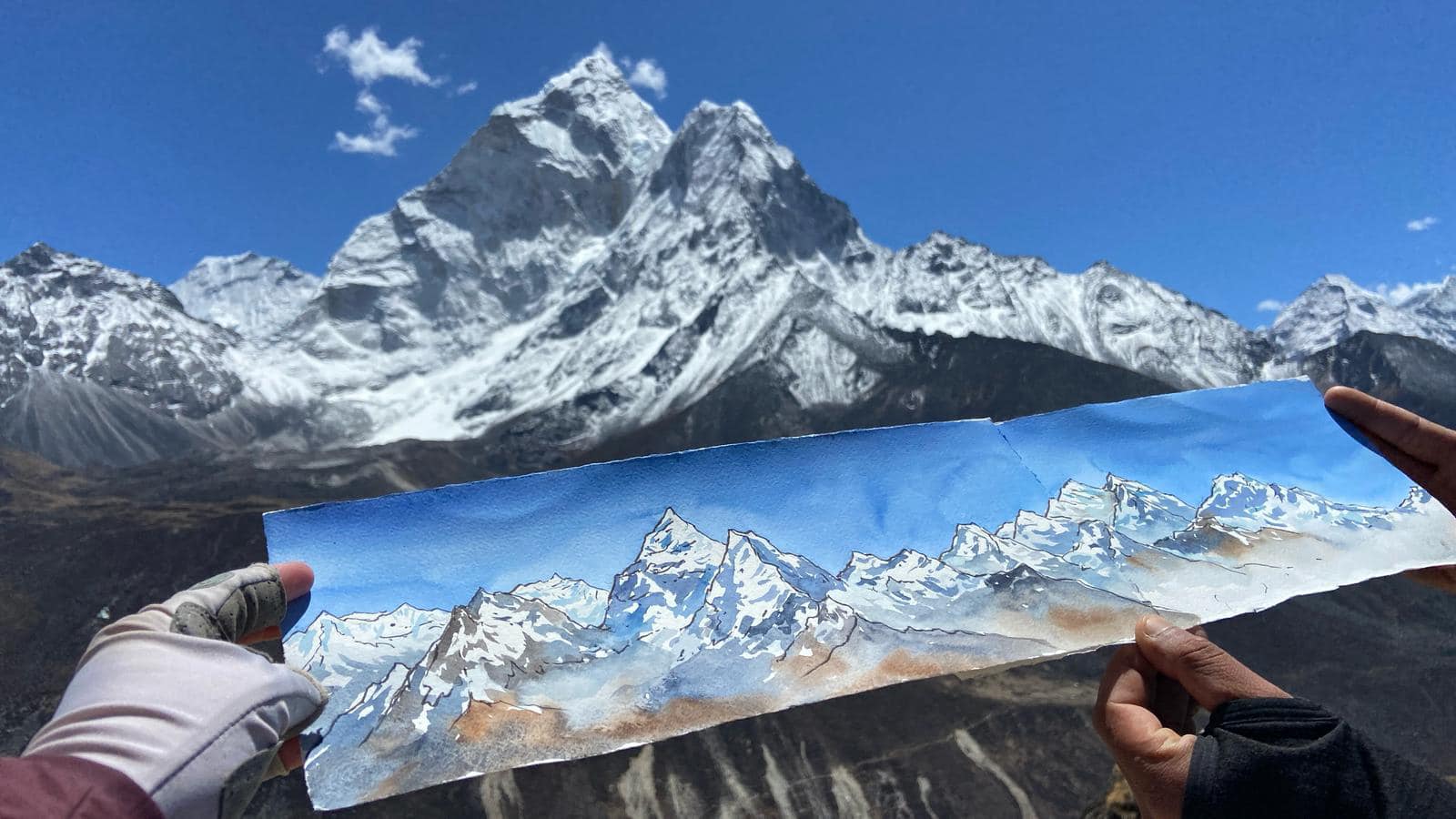
Climbing up to Lobuche High Camp on Day 11 of your trek is a fantastic opportunity not available to most Everest Base Camp trekkers. While the trail to high camp isn’t very technical, it rises high above the valley and offers spectacular views of Ama Dablam, Everest, Pokalde, and the entire Khumbu Valley. As you descend from Lobuche High Camp, your trekking team will split from the climbing teams as they will continue climbing to the summit of Lobuche East, while you head to Everest Base Camp.
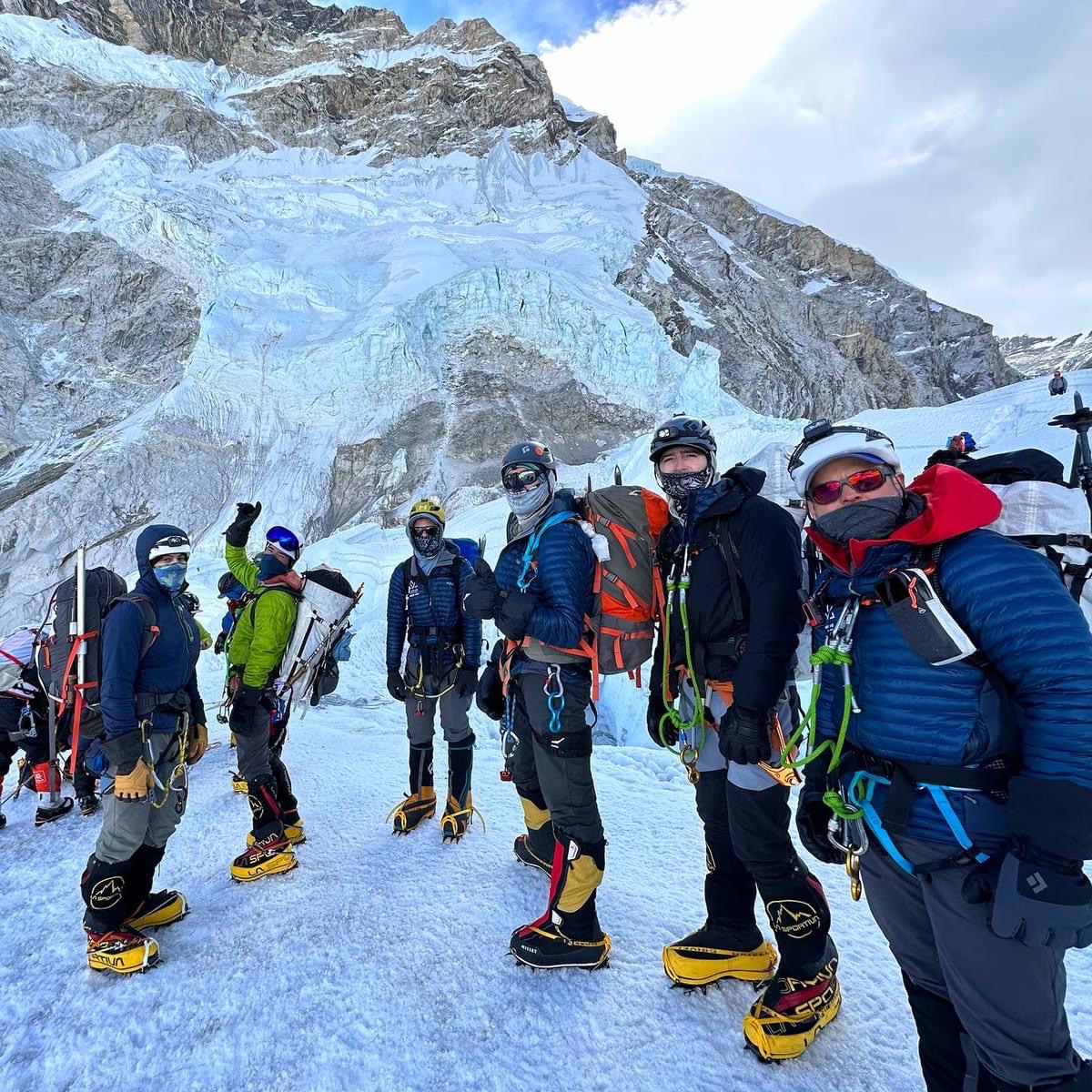
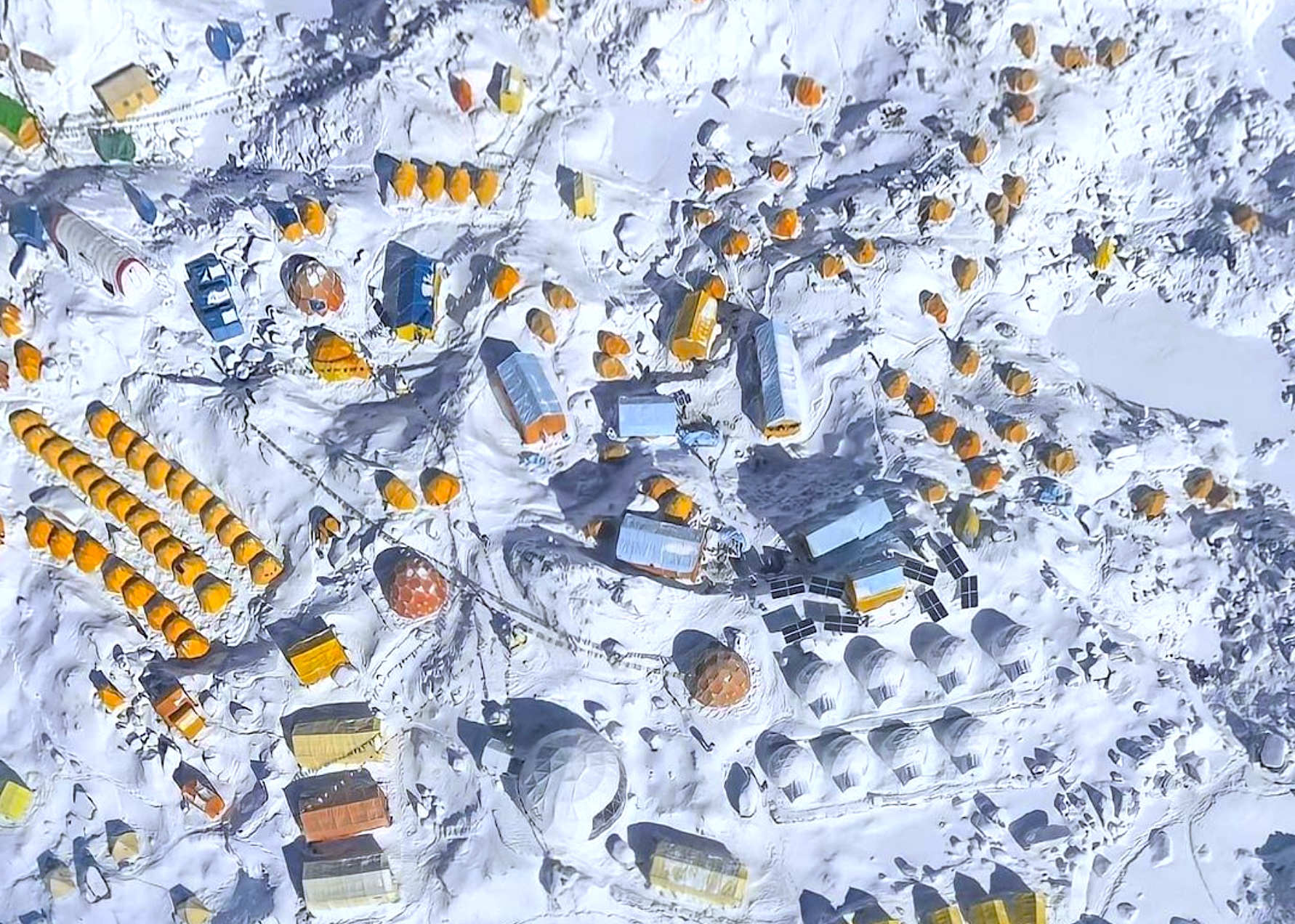
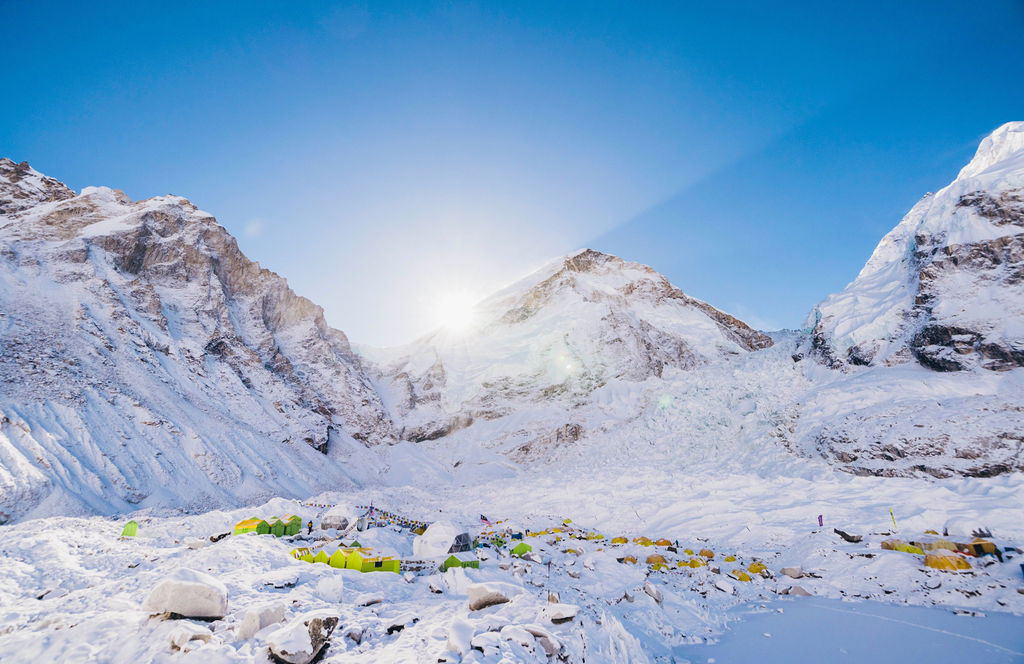
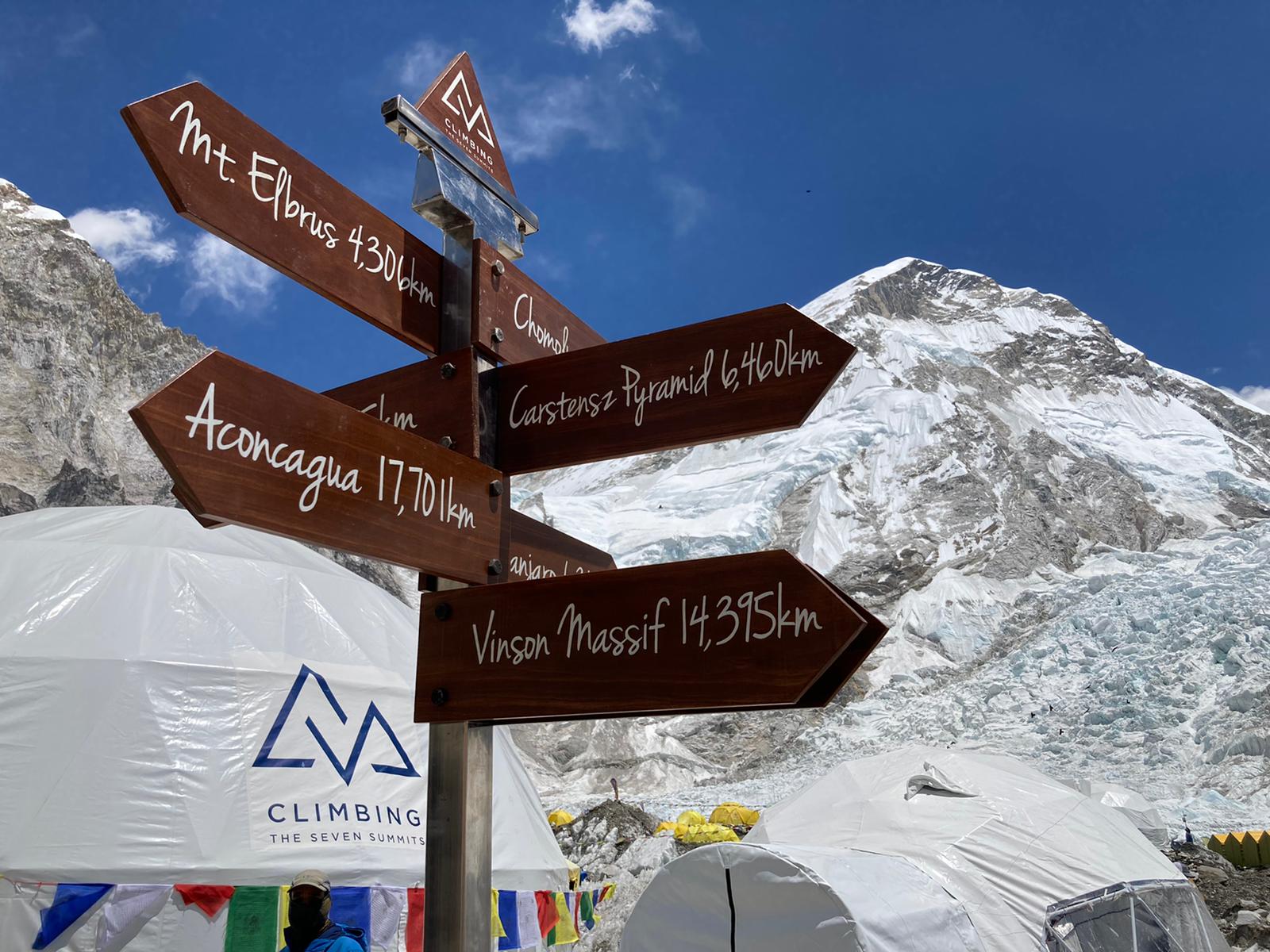
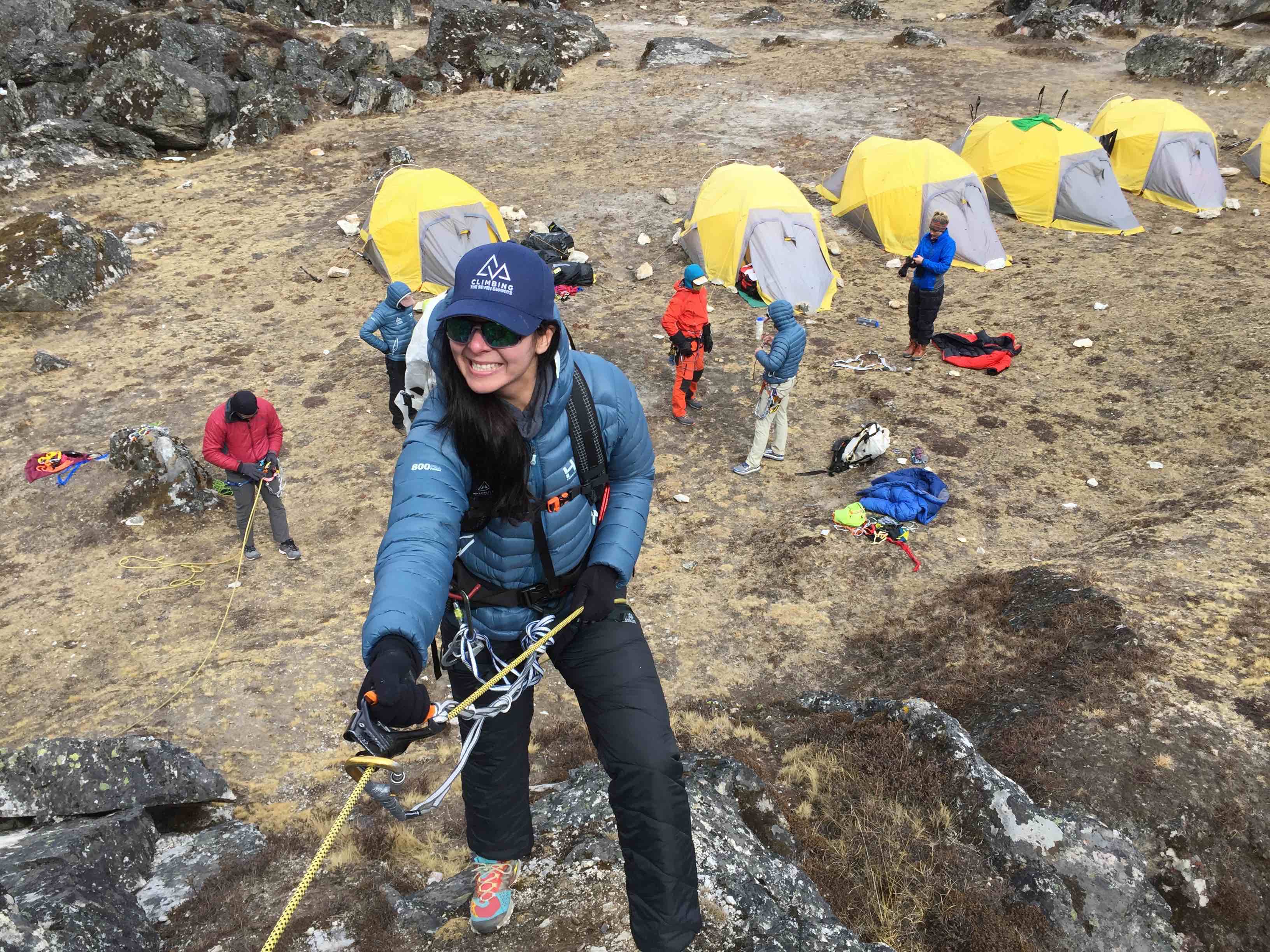
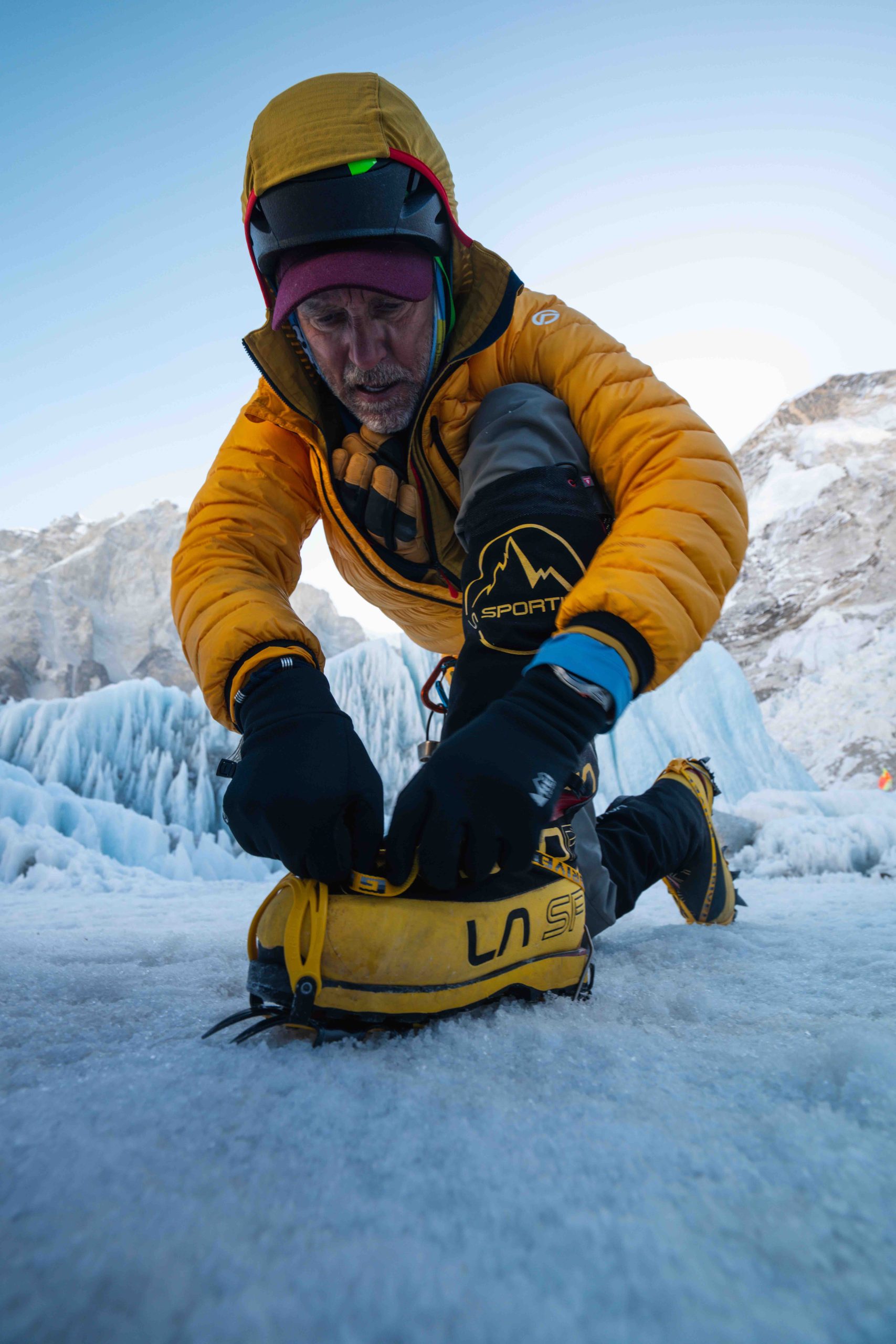
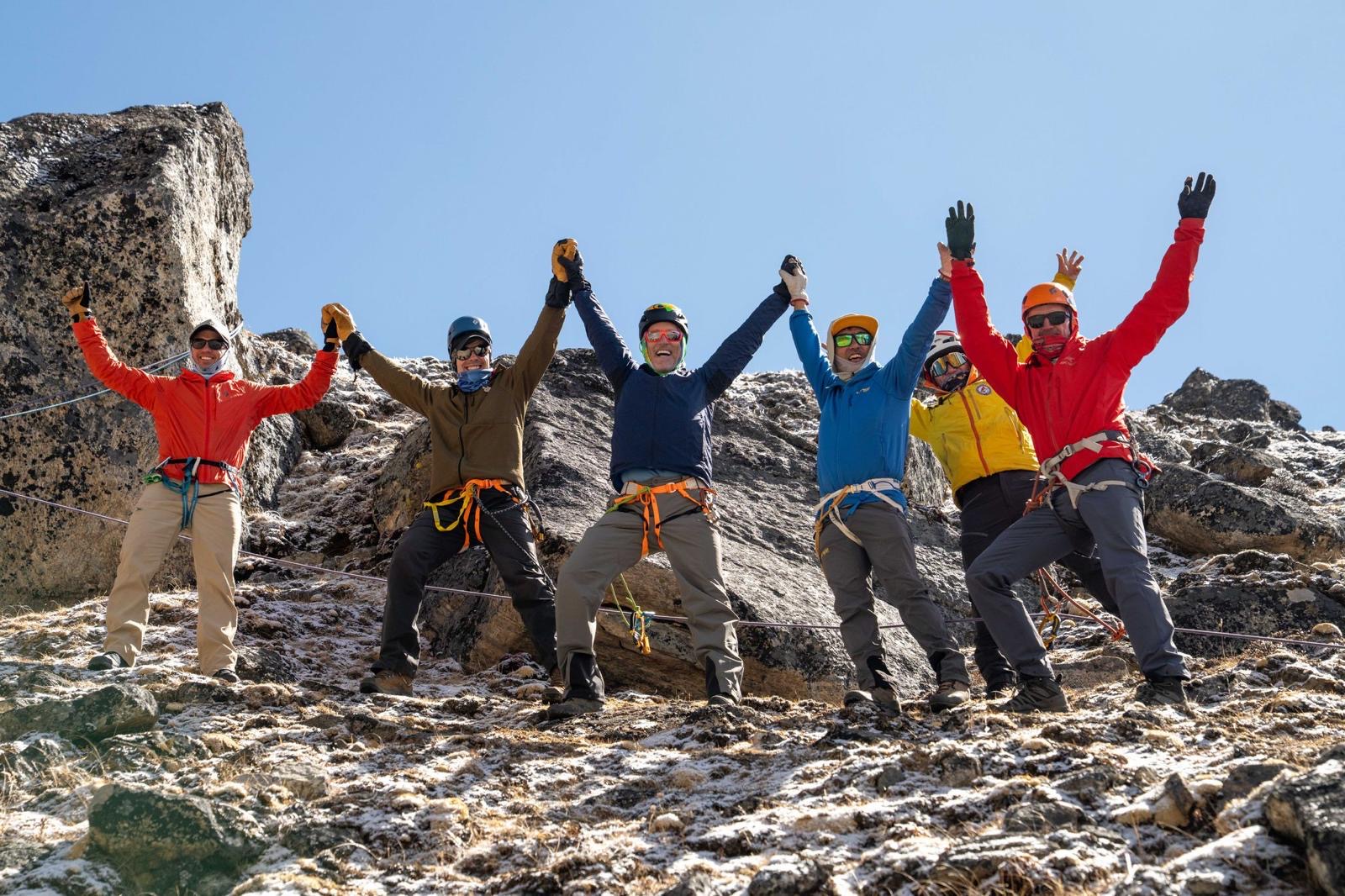
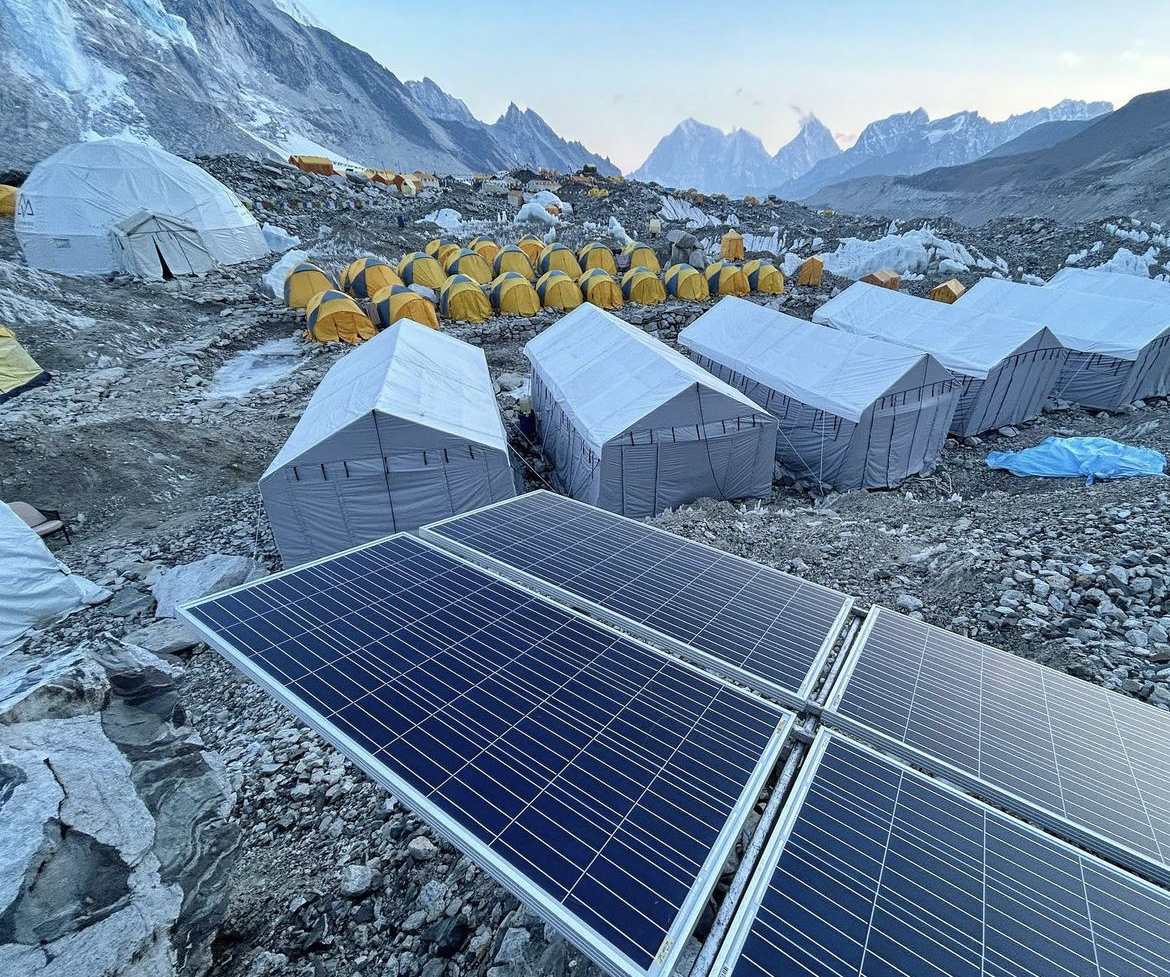
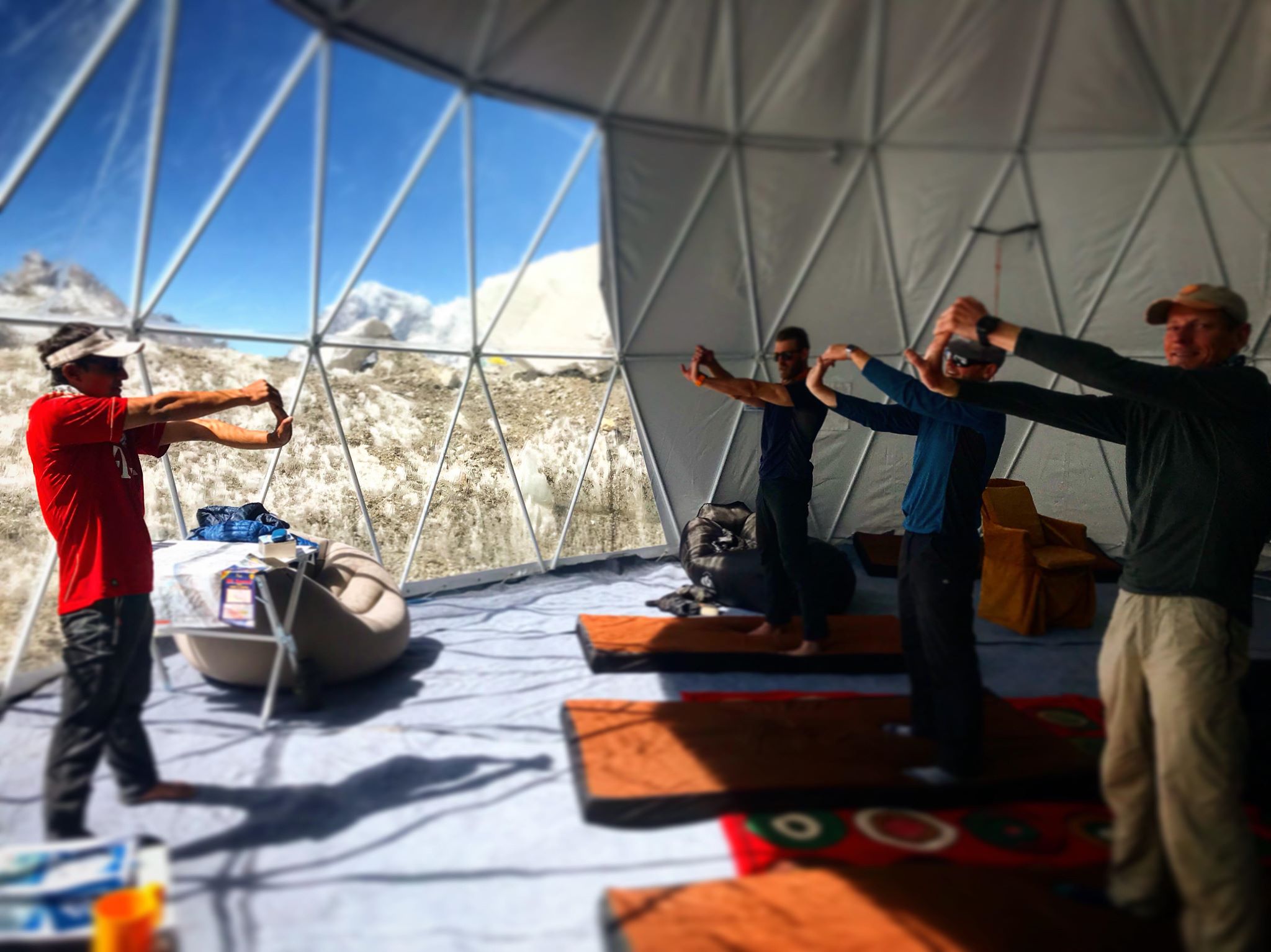
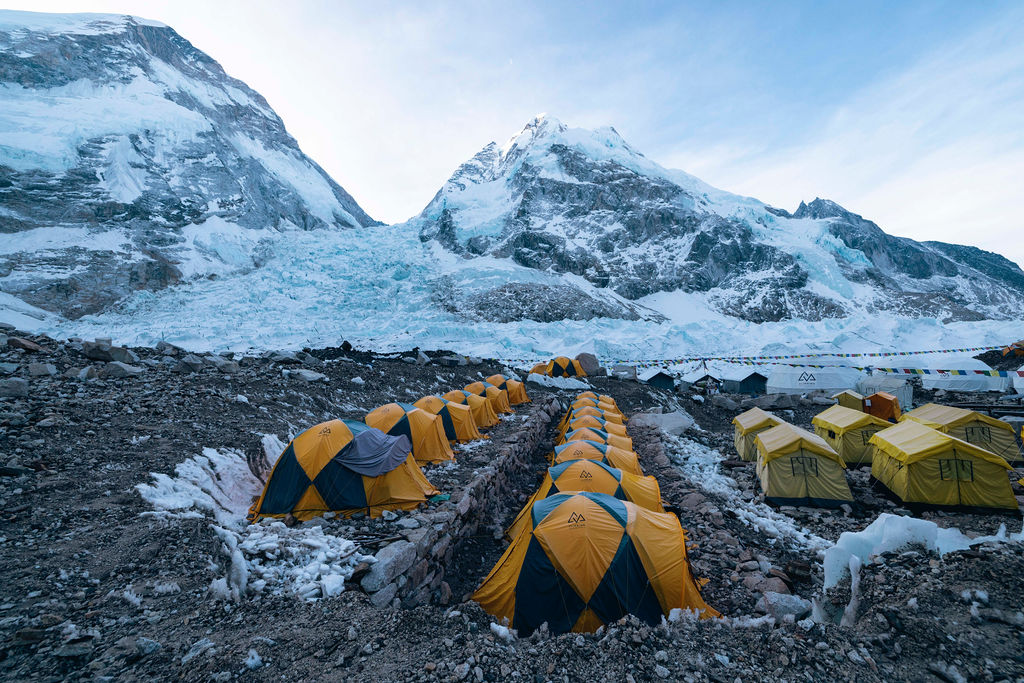
As the trekking team arrives at Everest Base Camp, you’ll be welcomed by our fantastic staff and tents ready for you to move into. Our itinerary includes two nights and one full day at Everest Base Camp proper, an experience most trekkers will never have. Weather permitting, you will have the option to take part in a beginner-friendly climbing clinic with a spin on some nearby fixed lines and explore the lower edge of the Khumbu Glacier just outside camp. Our chefs will make sure you are well fed throughout your stay.
After twp nights at Everest Base Camp, you will begin your descent down the valley, retracing your steps. You will be surprised by how different the trek down feels: the views will be different, you will feel stronger, and the terrain will feel easier with your new acclimatization. CTSS’s standard return trek takes 3 days, descending to Lukla, stopping in Pheriche and Namche for 1 night each along the way.
Back in Lukla, it’s all about the weather and flight schedules. Most teams can fly out of Lukla without delays, but as always, it is best to acknowledge the possibility of weather-related delays. If you’re looking for something different, our Gokyo Lakes Extension is a fantastic alternative to the standard descent from Everest Base Camp.

How to Choose The Right Everest Base Camp Trek
How to Choose the Right Everest Base Camp Trek
Researching and choosing the right expedition company to support you and help guide you through all logistics, as well as be there for you on the mountain, is important. You want to do your homework so you feel 100% confident in your choice and can focus on the climb.
We encourage you to compare leadership, logistics, accommodations, food quality, acclimatization strategy, and professionalism across operators. We’ve built this program carefully to offer the strongest leadership, the most thoughtful itinerary, and the highest level of support—while still delivering the best pricing in the industry. Strong, well-cared-for trekkers are successful trekkers.
How to Choose the Right Everest Base Camp Trek: Safety & Success
Your safety and success are the top priorities, in that order.
A climbing or trekking company should invest heavily in planning, leadership, and systems that protect your well-being, and we take that responsibility seriously. We have an unparalleled safety record, and our clientele’s well-being factors into every decision we make while on expeditions. Our approach is grounded in risk management, clear judgment, and decades of Himalayan experience. Our teams carry multiple communication devices, comprehensive medical kits, and high-quality equipment to ensure a controlled and well-managed environment throughout your time in the Khumbu.
At CTSS, your safety and experience are shaped by one of the most accomplished leadership teams in the industry. All of our Himalayan programs are overseen by CTSS owner Mike Hamill, one of the world’s most respected high-altitude mountaineers and expedition leaders. With more than two decades of guiding experience, six Everest summits, and a 91% global expedition success rate, Mike sets the strategic standards, safety protocols, and program design that define our approach in the Khumbu.
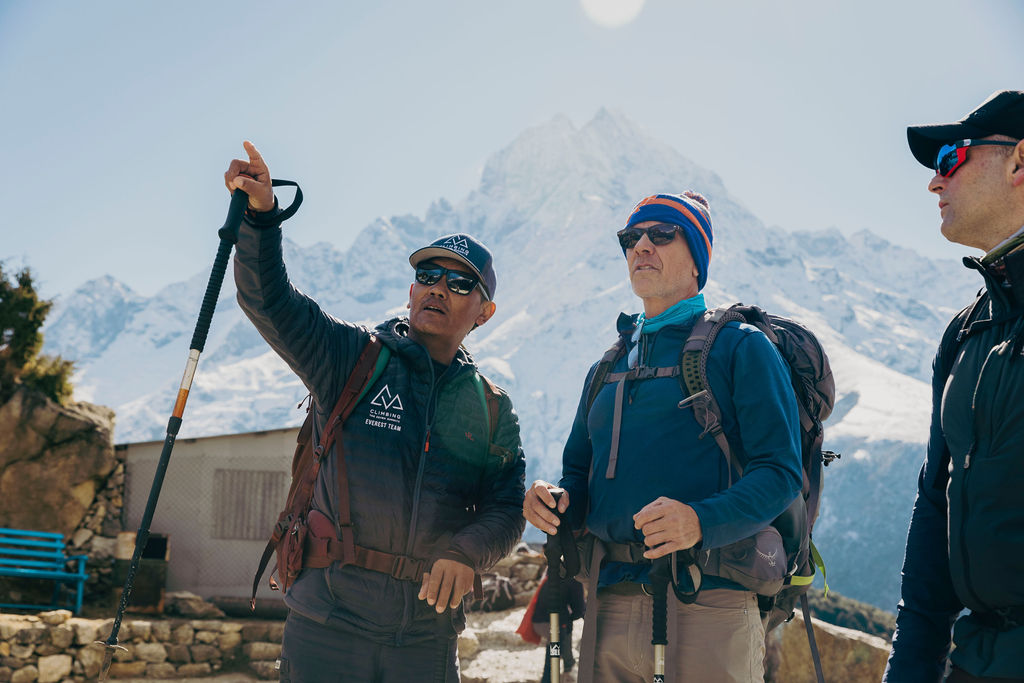
Your Everest Base Camp Trek & Stay will be led by a seasoned, expert CTSS guide with extensive experience in Nepal and a proven track record at altitude. Paired with our world-class Sherpa team, your leadership ensures a thoughtful acclimatization schedule, strong logistical support, and a safe, well-managed experience from Lukla to Base Camp. Our philosophy is conservative and deliberate, built entirely around giving trekkers the best possible chance to feel well, adapt smoothly, and enjoy every step of this iconic journey.
We take a conservative, well-designed acclimatization progression to support your health and comfort at altitude. Many operators rush clients up the Khumbu Valley to cut costs or shorten schedules, often resulting in ill trekkers and poor outcomes. Our strategy is slow, deliberate, and built around your success: more time to adapt, more time to explore, and more time to enjoy the cultural richness of the Khumbu. With CTSS, you benefit from world-class leadership, meticulous planning, and an approach that prioritizes safety, preparedness, and the quality of your overall experience.
Decision-making at altitude is critical, and our guides are among the most experienced and trusted professionals in the Khumbu. They bring deep regional knowledge, strong judgment, and a calm, measured approach to every stage of the trek. All of our Himalayan programs follow a conservative acclimatization schedule designed to reduce altitude-related risks and give trekkers the best possible chance to feel strong, healthy, and successful throughout their journey.
How to Choose the Right Everest Base Camp Trek: Leadership
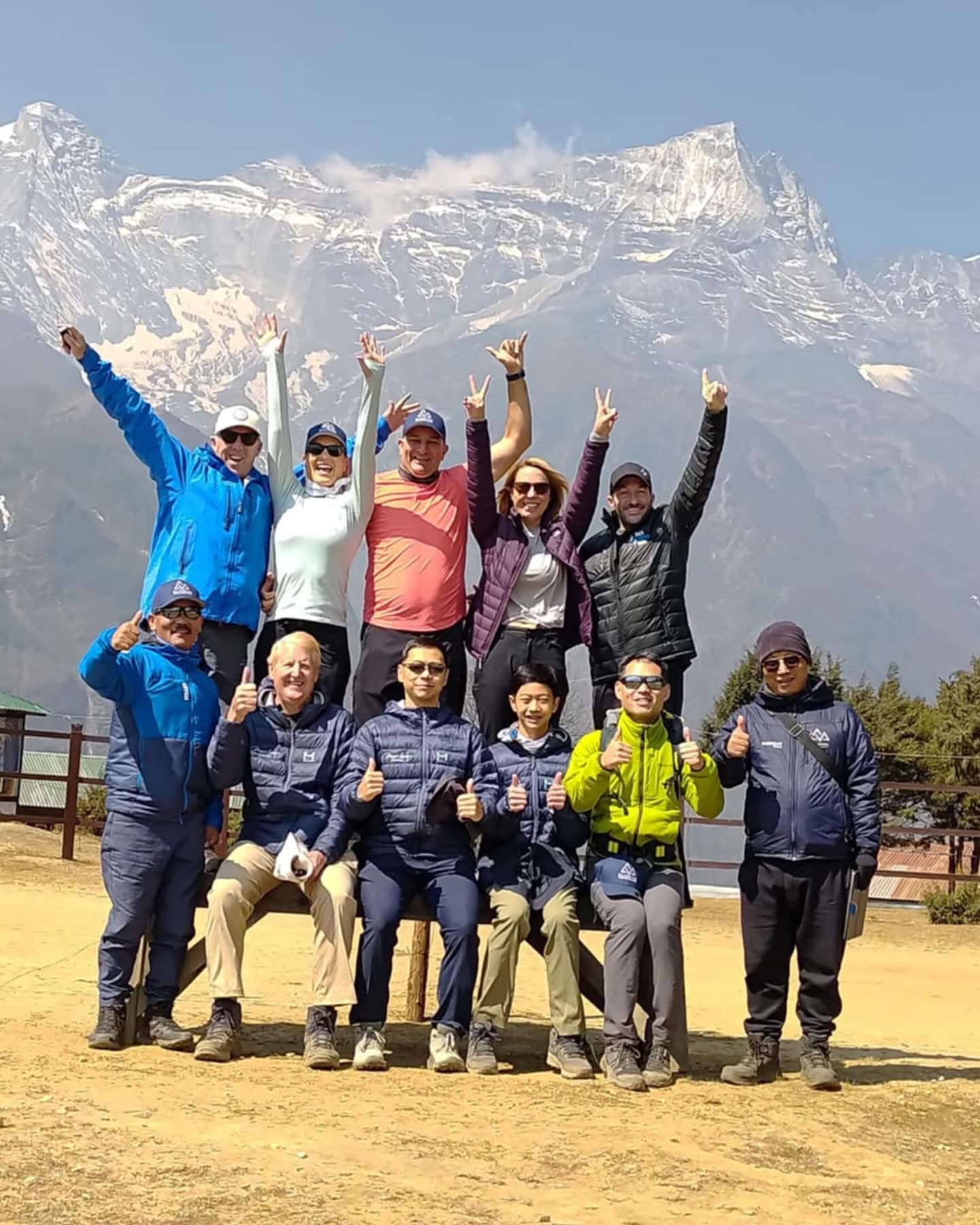
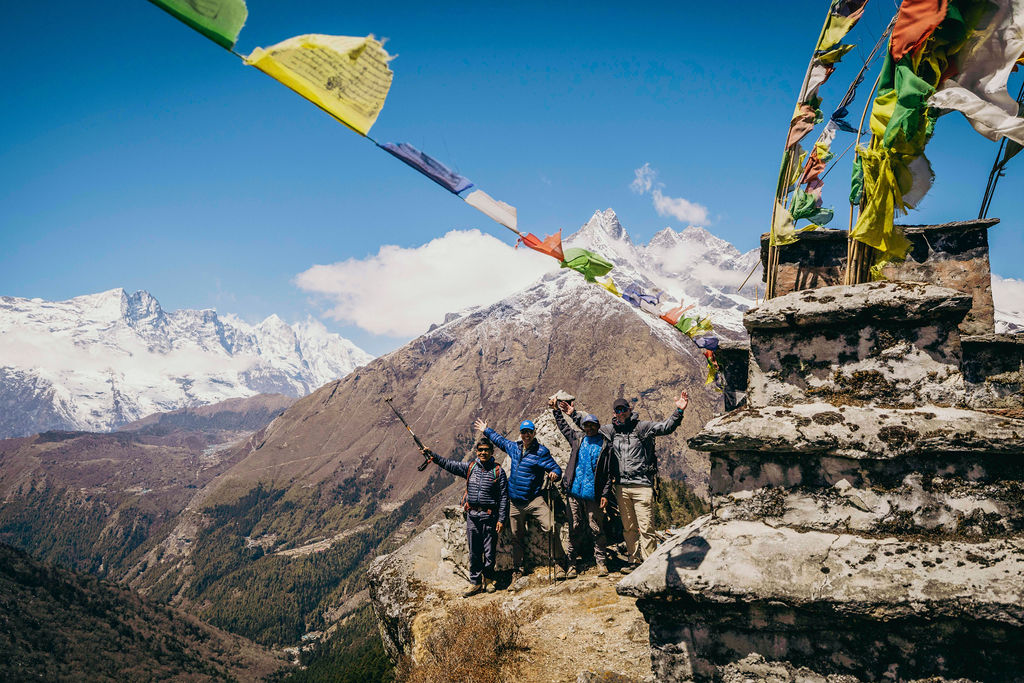
Our guide team is highly qualified and includes some of the most highly experienced climbers in the world. Chosen for their attention to detail, safety records, and with their fun, genuine, and caring personalities, we have no hesitation in saying they are the best. Mike Hamill, CTSS Founder and Owner, holds the CTSS staff to the same high standards he holds himself to.
Who you choose for you expedition organization and leadership is a big deal; it can be the difference between a great trek and a miserable, potentially dangerous one, and you only want the best in your corner. The fact that Mike and his guides have an unprecedented safety record should be a paramount consideration in who you choose to climb with.
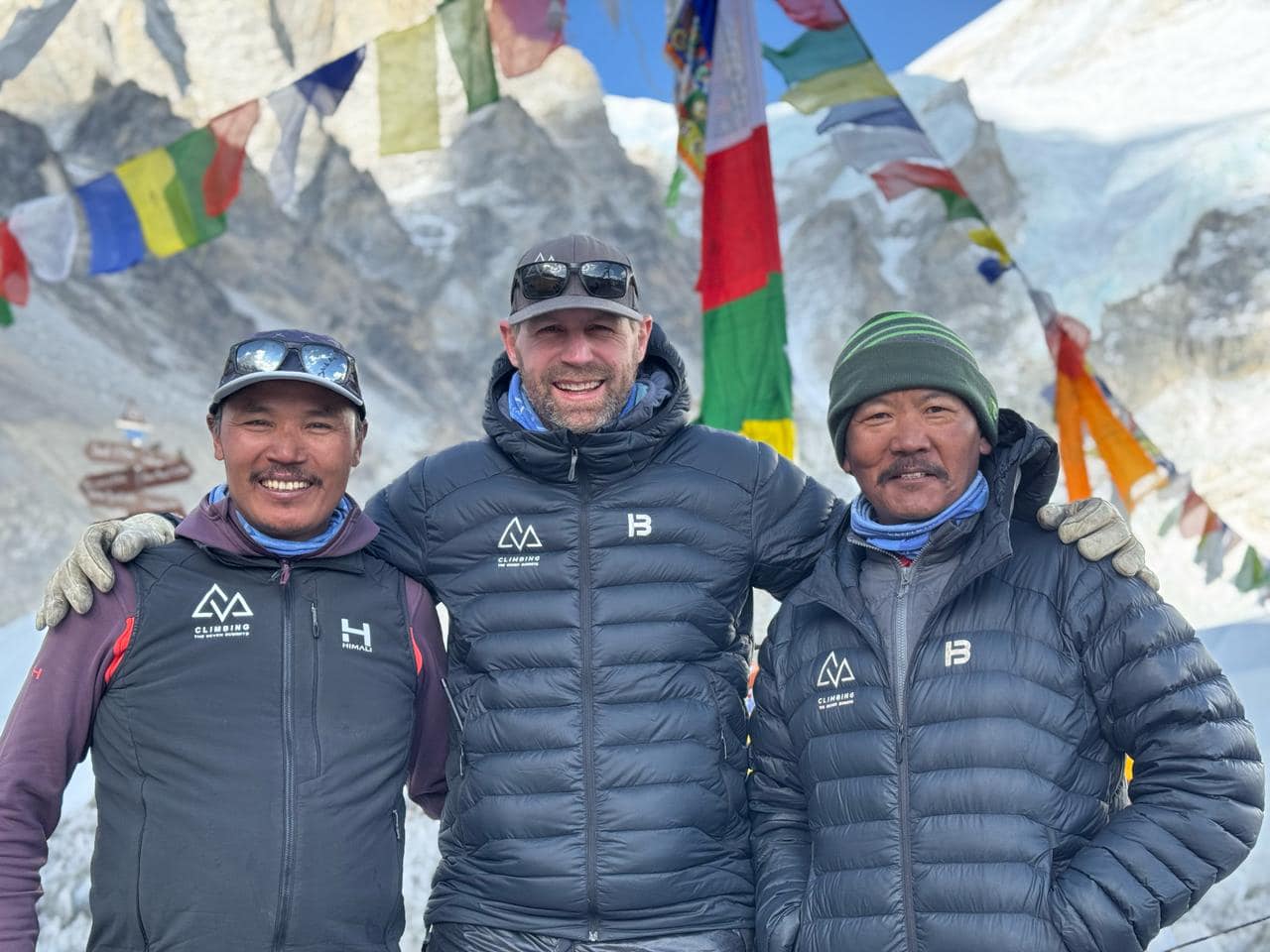
Our Sherpa team is the best of the best and is led by our Sirdar, Tendi Sherpa. Tendi is one of the most respected members of the Everest and Lhotse community and has completed a dozen Everest summits on both the south and north sides of the mountain, in addition to numerous other summits worldwide. Tendi is an internationally certified guide, co-owns a logistics company based in Kathmandu, and is the best in the business.
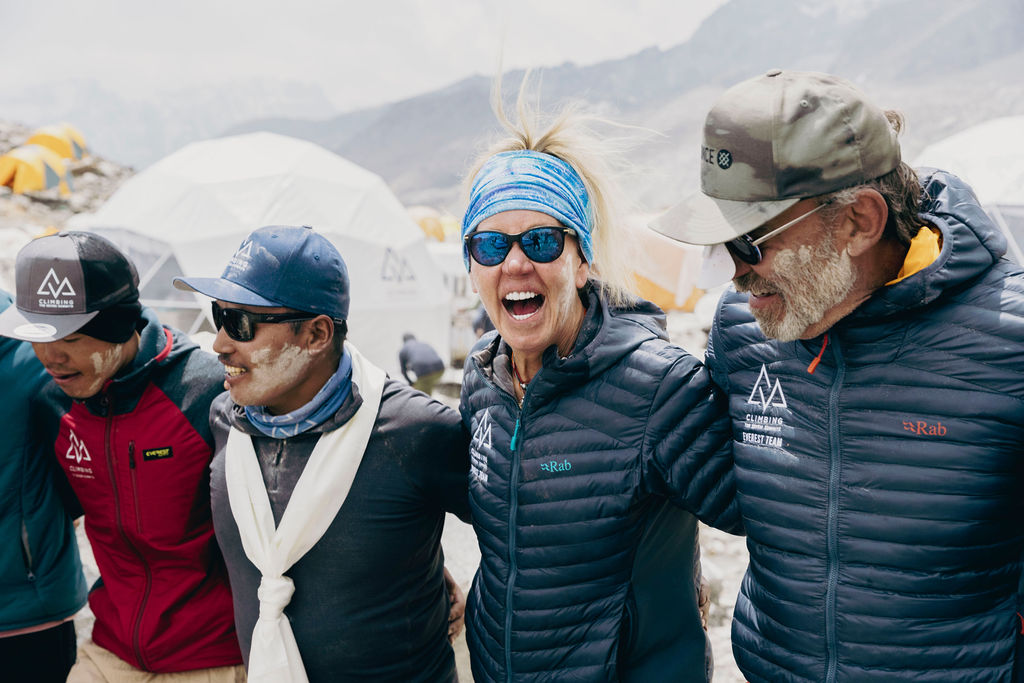
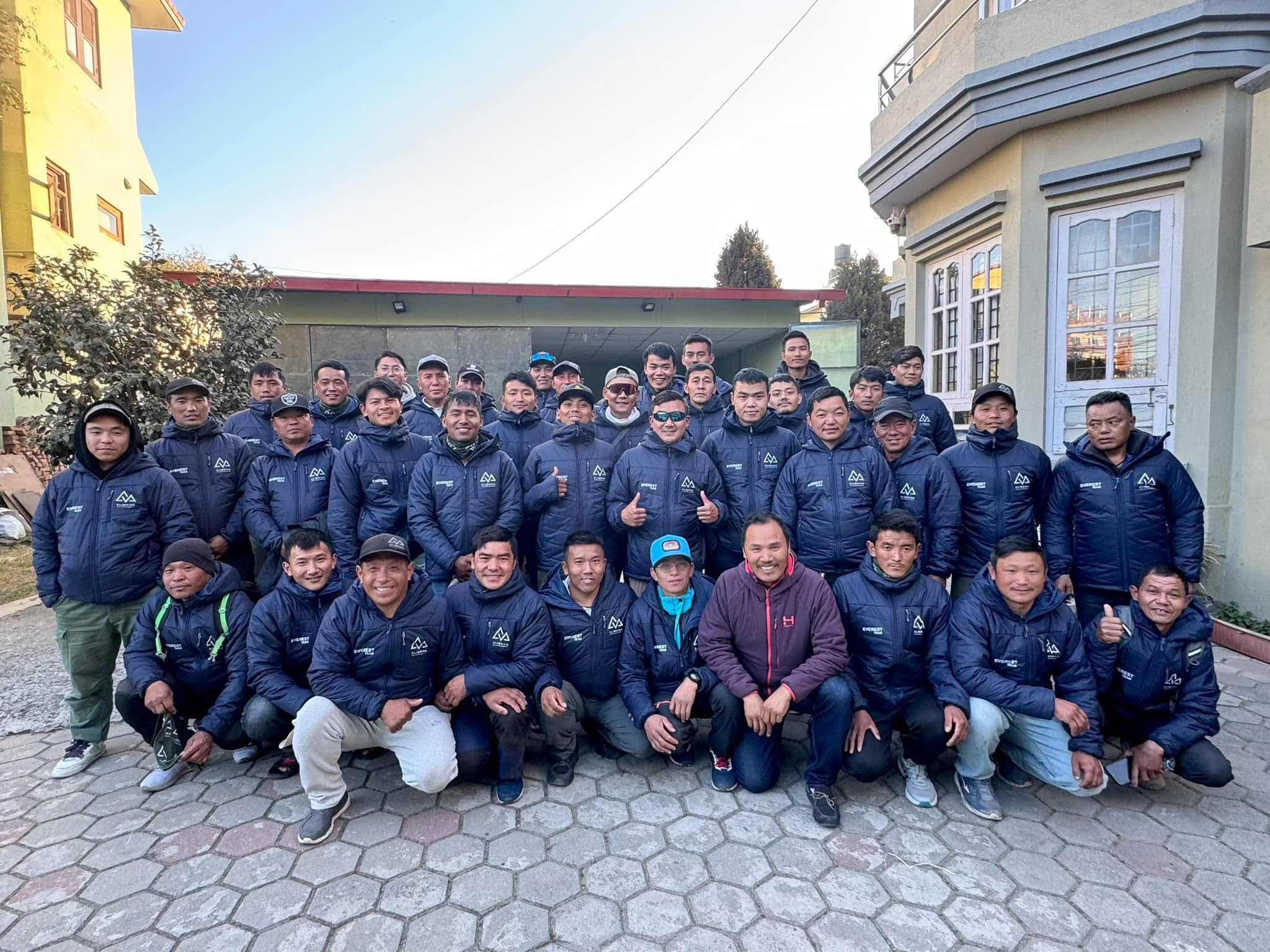
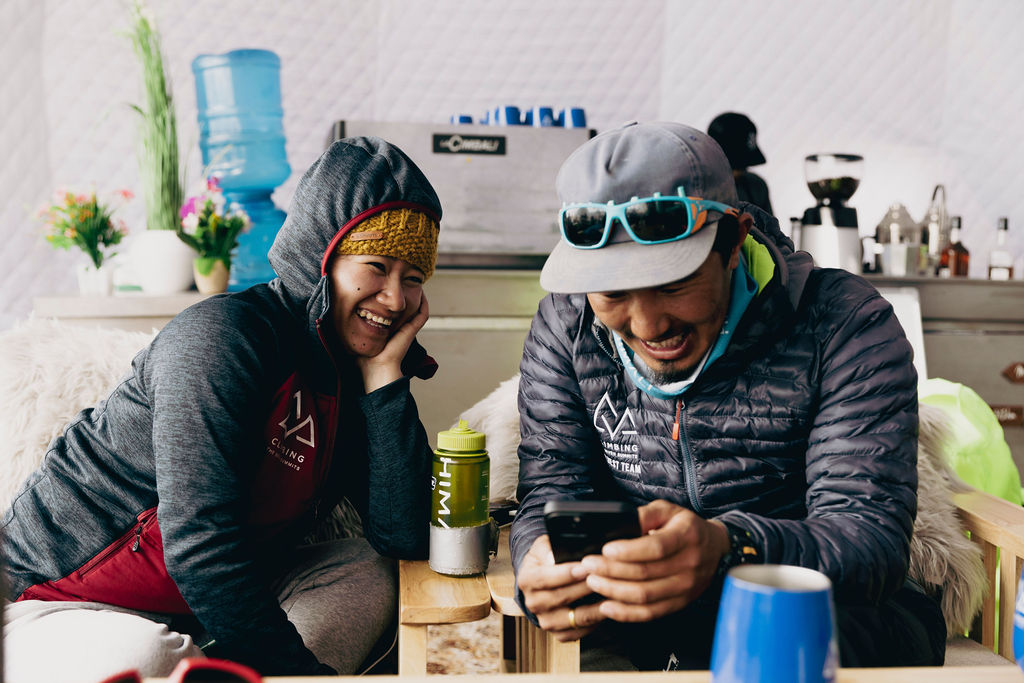
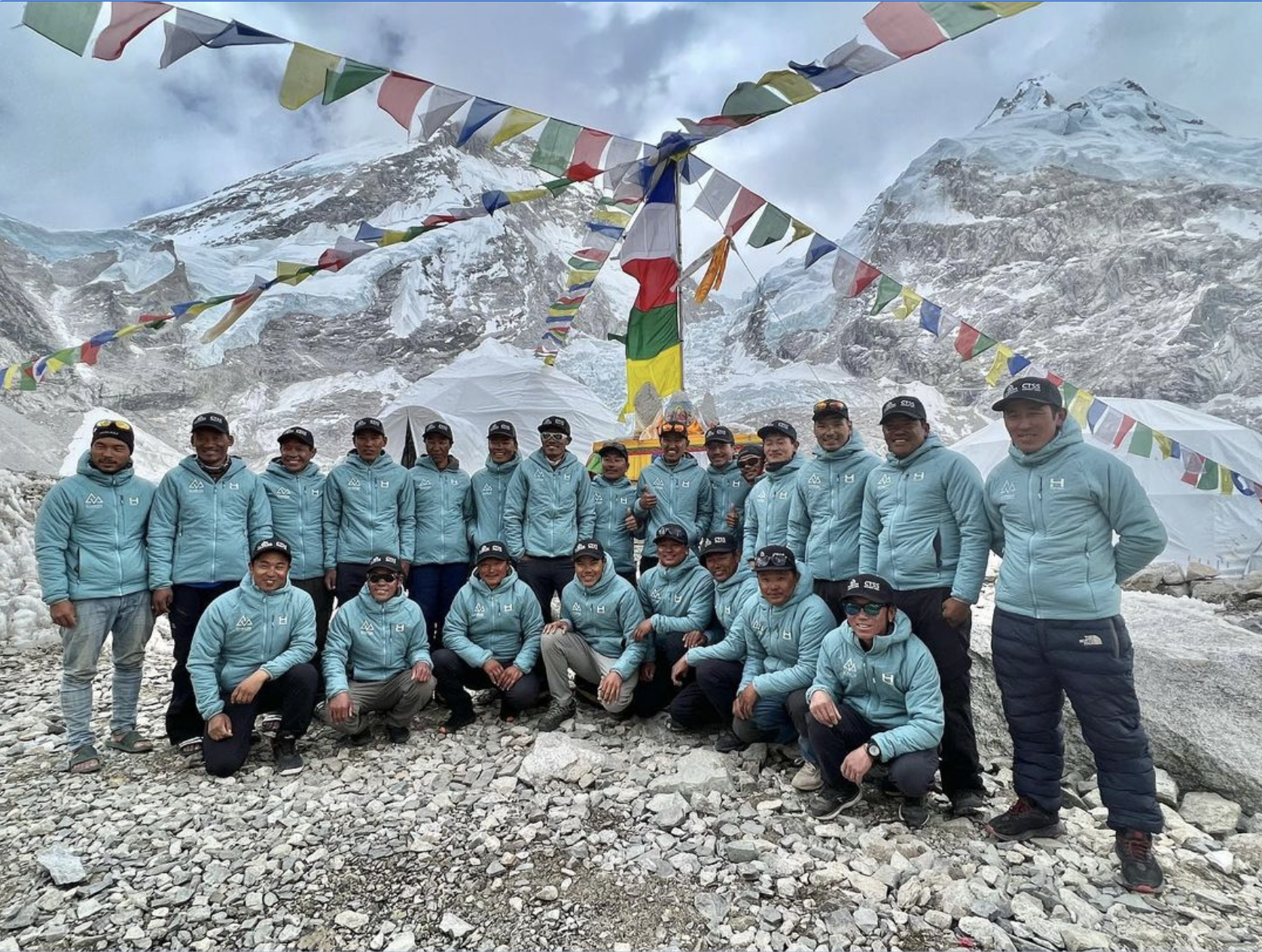
He holds his team of Sherpa to the same high standard he holds himself to and hand-picks only the strongest, most skilled, and most trusted Sherpa friends. Some of our Sherpa team are fully IFMGA-certified, and all are incredibly strong and proficient climbers. Tendi and his team will work incredibly hard to make your trek a success and become friends for life. Tendi and the Sherpa team undergo extensive technical and customer service training before each expedition to ensure their skills are sharp. Our Sherpa team is paid more than any other Sherpa team on the mountain because we believe in them and want them to feel valued and well cared for. This will ensure they do their best work for you. You will quickly notice our Sherpa team has many character traits, including hard work, humility, friendliness, gregariousness, and, not to mention, strength.
How to Choose the Right Everest Base Camp Trek: Progression Specialists
We are proud to be a holistic mountaineering guiding service committed to keeping you a happy climber. We work with trekkers and mountaineers throughout their lifelong adventures, getting to know each individual as they progress. This means we are deeply invested not only in your safety and success but also in your goals, your learning, your journey, and your satisfaction. An Everest Base Camp-only trek operator only needs your business once, whether you make it to Base Camp or not, get altitude sick or not. Our goal is for you to trek with us and stick with us, expedition after expedition.
Our team looks forward to helping you create a path that makes your big mountain dreams come true. You won’t get a generalized plan for your journey from our team. You get a custom-tailored plan designed for you, your budget, and your timeline. We are always ready to answer your questions and provide personalized support, rather than becoming just another faceless online booking platform.
How to Choose the Right Everest Base Camp Trek: Values & Philosophy
Does an operator have strong values?
This is sometimes a little harder to identify, as it’s more of a feeling than a sales pitch, but you should get a sense of a company through their interactions, care factor, attention to detail, corporate social responsibility, and responses to you.
High-altitude trekking can be high-risk and stressful, so choose an operator with strong core values and a team mentality that aligns with yours. When things get challenging, you can rely on open lines of communication and know they will do what they can to support you.
It is this team cohesiveness that flows through to each individual trekker and helps them reach their goals.
Everest Base Camp Travel Guide
Everest Base Camp Trek: Travel Guide
Expedition Meets in: Kathmandu, Nepal
Continent: Asia
Currency: Nepalese Rupee
Population: 862,400
Official Language: Nepali
Seasons to climb: March – May & September – November
Things You Need to Know
Meeting Location: The first day of your itinerary is an arrival day, so you can book flights to arrive in KTM at any time on that day. If you are arriving earlier than the first day, please let us know so we can book additional nights at the same hotel for you. Note: any extra expenses incurred due to early arrival are your responsibility and must be paid directly.
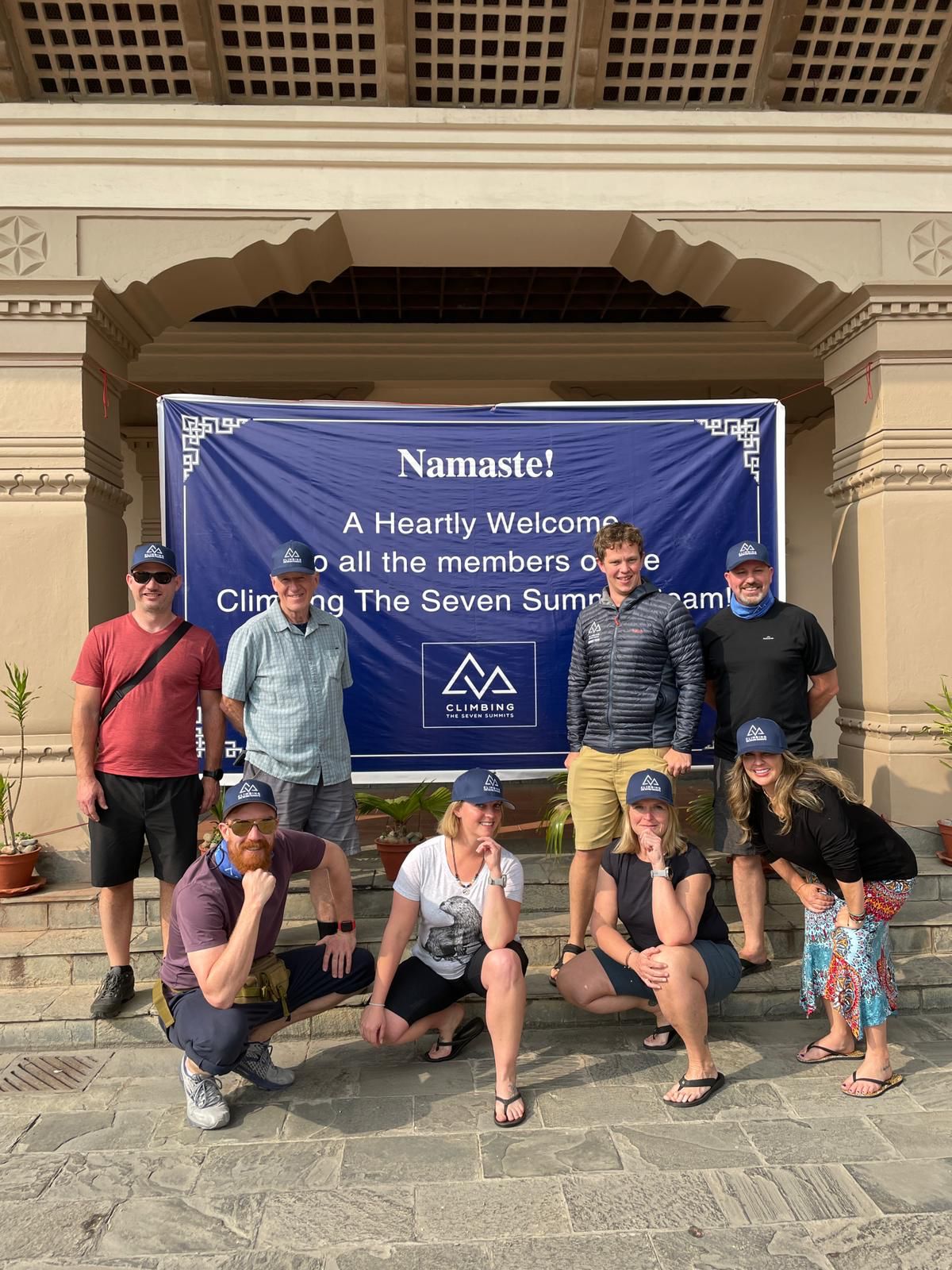
Upon clearing customs and collecting your baggage at the airport, a member of our team will meet you and transport you to our hotel. Once you arrive at the hotel and check in, please settle in. Today is a free day to relax and recover from jet lag. Your Guides will swing by as soon as they can to introduce themselves and answer questions. Please leave a message at reception to confirm your arrival.
Our hotel in Kathmandu provides very comfortable accommodations. Feel free to explore the hotel and the surrounding area, but don’t wander too far until you’ve made contact with one of your guides. You will formally meet the team in the morning of Day 2 for Gear Checks and a Guide Briefing.
Typically, we don’t give out team members’ personal information before the trip for privacy reasons. Some people prefer not to have their information publicly available, and we want to respect their wishes. There is plenty of time to get to know one another in Kathmandu and on the trek, and share contact details.
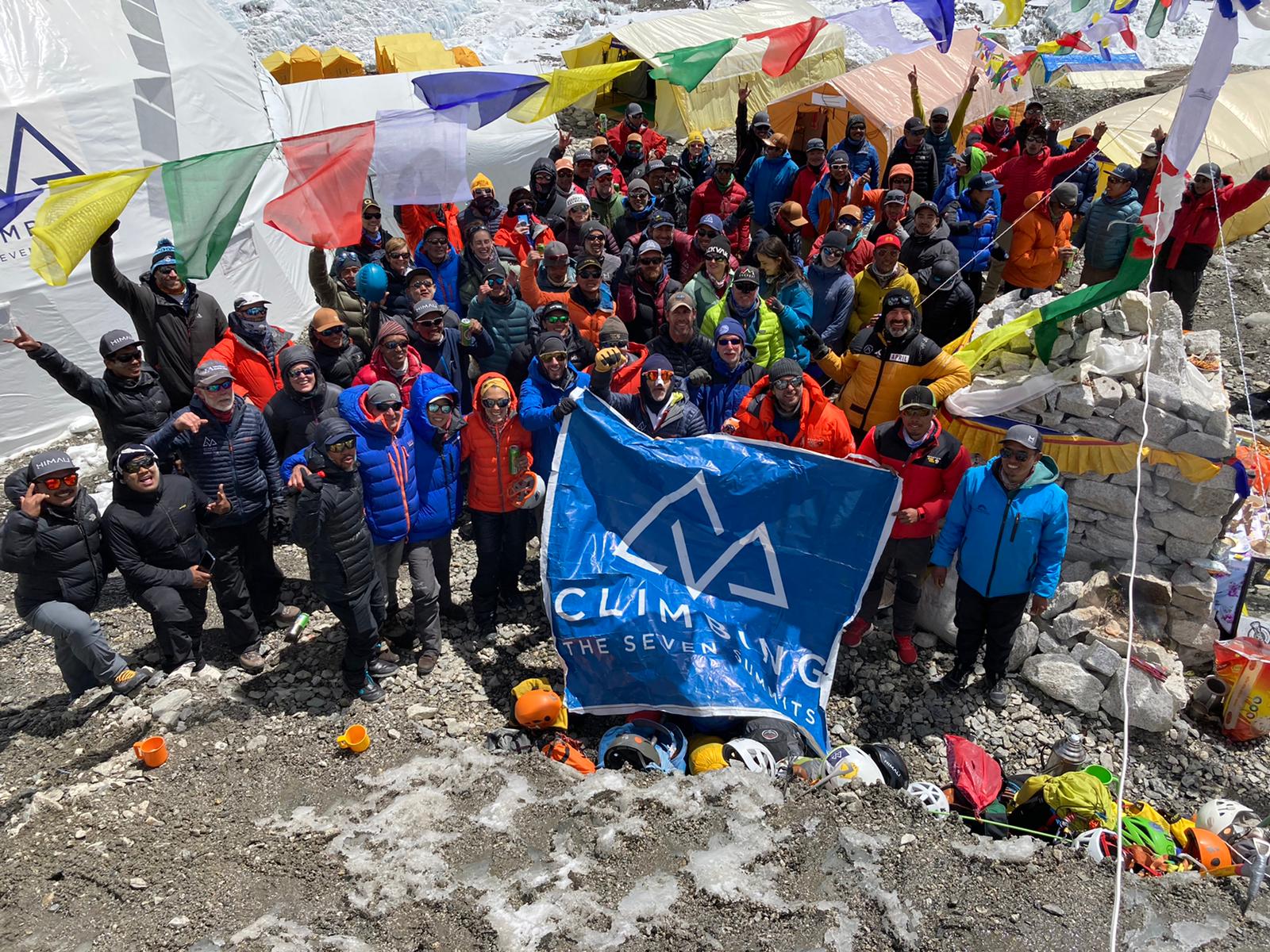
You will be traveling with other members of our Everest Base Camp trekking team, as well as climbers heading to Everest, Lhotse, Lobuche, and our 3 Peaks climb. At the hotel, you will have the opportunity to begin to get to know the climbers as well as your fellow trekkers, as you’ll be spending the next 10-12 days working together as a team to reach Everest Base Camp.
Tourist Visas: Nepal’s visa policy varies significantly by country. It is your responsibility to research current visa requirements for your home country. Most foreign nationals will need to pay for a visa on arrival, but do not need to apply in advance. However, a few countries require a visa in advance. Indian citizens do not require a visa to travel to Nepal.
Bring at least 3 passport photos with you for entry into Nepal. You will need one for your entry visa and one for your climbing/trekking permit; it’s always good to have an extra. Please contact CTSS as early as possible if you have any questions about Nepalese visas
It is your responsibility to research visa requirements for your country of passport issuance.
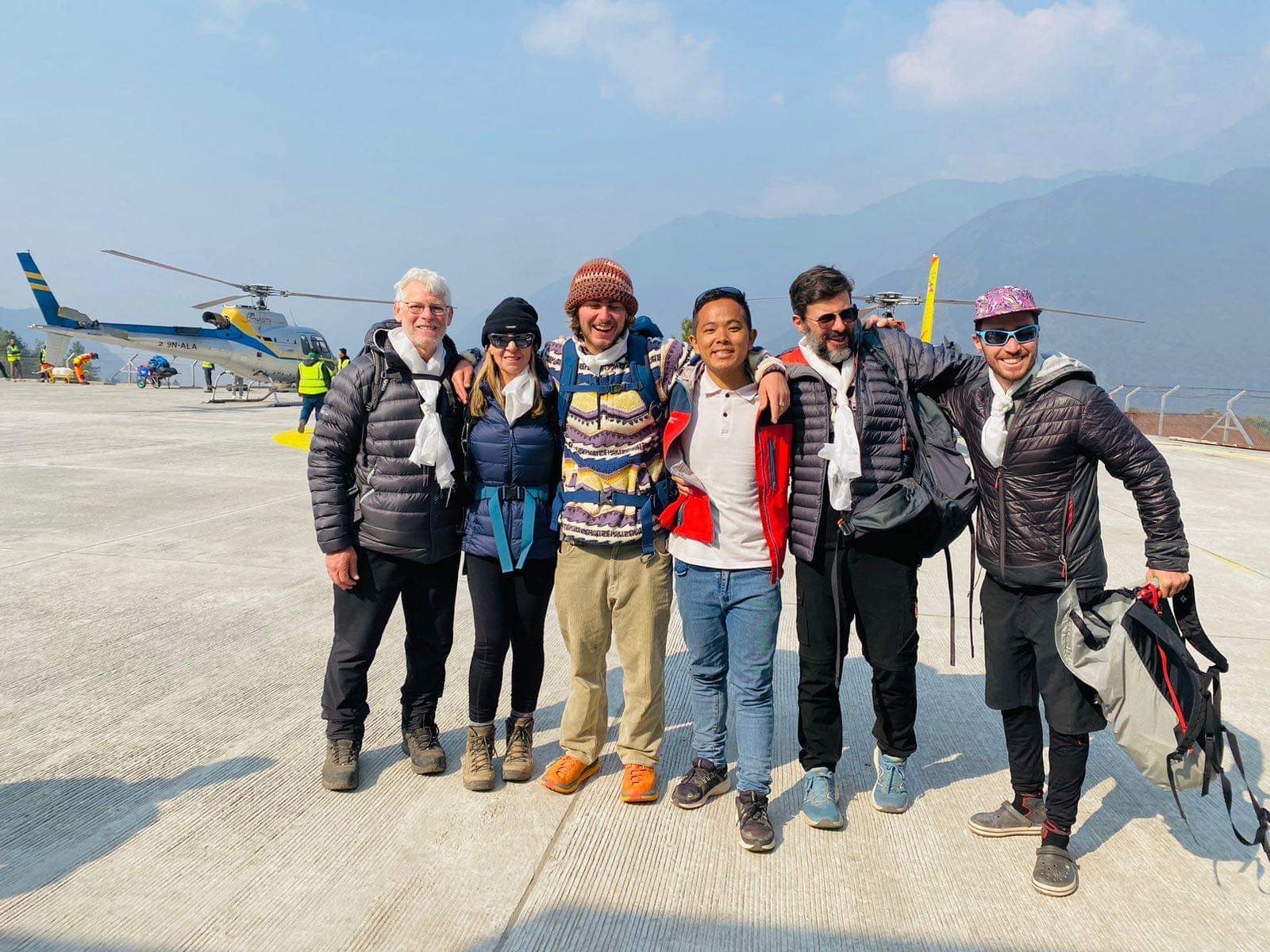
Getting There: Flying into Tribhuvan International Airport (KTM) is straightforward. KTM is served by several major airlines and is a common destination for adventure travelers. As you book tickets, please pay special attention to your flight durations and layovers. Note that if your layover at a connecting airport exceeds 12 hours, you may be required to collect and recheck your baggage and book a hotel. We highly recommend booking flexible-return-date tickets. Remember, things seldom move quickly in Nepal—arriving in KTM, clearing customs, and purchasing your visa on arrival may take an hour or more. Refer to the Travel Details section below for more details.
Domestic Transportation: Your domestic transportation within Nepal is included in your expedition.
Money: It is better to have more money than you need than to have too little. Most things are covered on the trip once you land in Nepal (check the inclusions and exclusions list for details). The cash that you need to bring includes money to cover expenses for a potential early departure (not often, but sometimes this occurs), miscellaneous expenses like extra hotel nights, non-team meals in town or if arriving early or departing late, shopping, alcohol, specialty coffees, bottled water or snacks, money for hotels in transit if applicable, visas, Sherpa tip pool, and guide tips (customary, but optional).
In general, we recommend bringing more in cash than you anticipate needing, plus at least one, preferably 2, credit and debit cards. When all goes well, you’ll head home with most of your money still in hand (unless you shop for souvenirs in Kathmandu!). However, in the event of an early departure or an emergency, it is crucial to have the resources on hand to cover these costs, as ATMs are scarce in the Khumbu.
Tipping: Tipping is customary in many situations in Nepal. At restaurants, a 10% tip is acceptable, and if someone goes above and beyond to help you, a small tip goes a long way.
We will collect and pool our Sherpa and Porter tips for the expedition, but if you wish to tip a staff member who has been particularly helpful, that is acceptable.
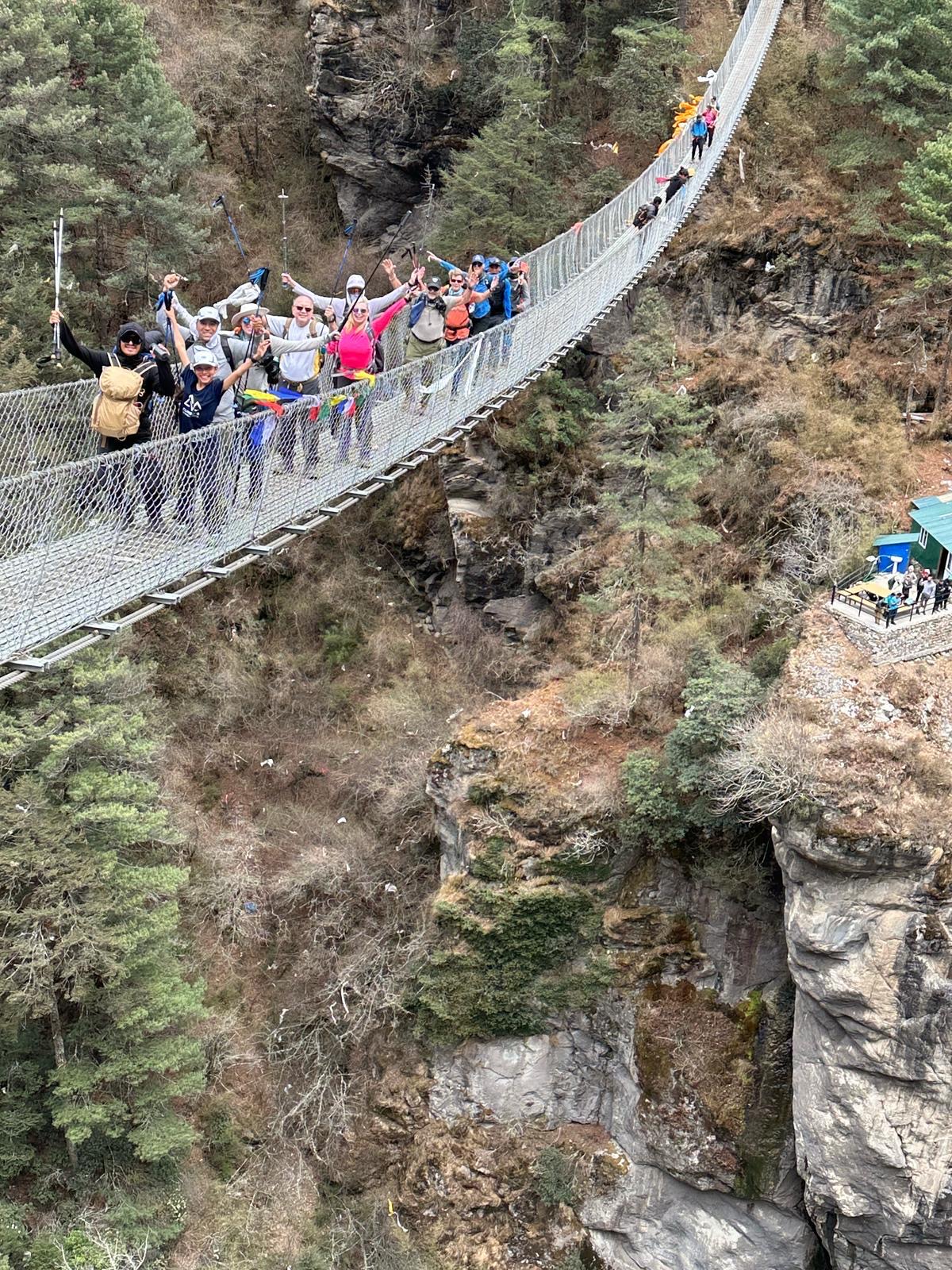
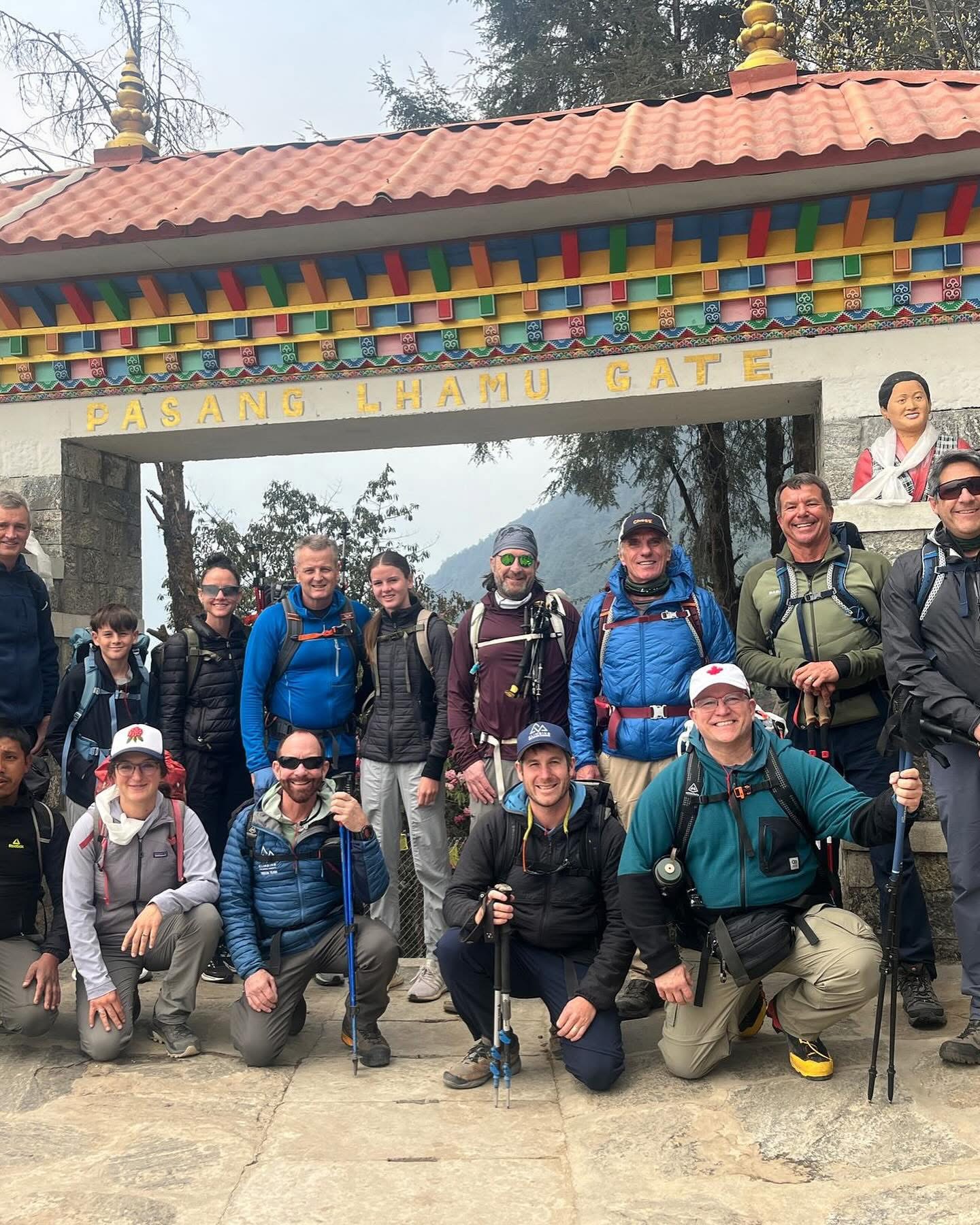
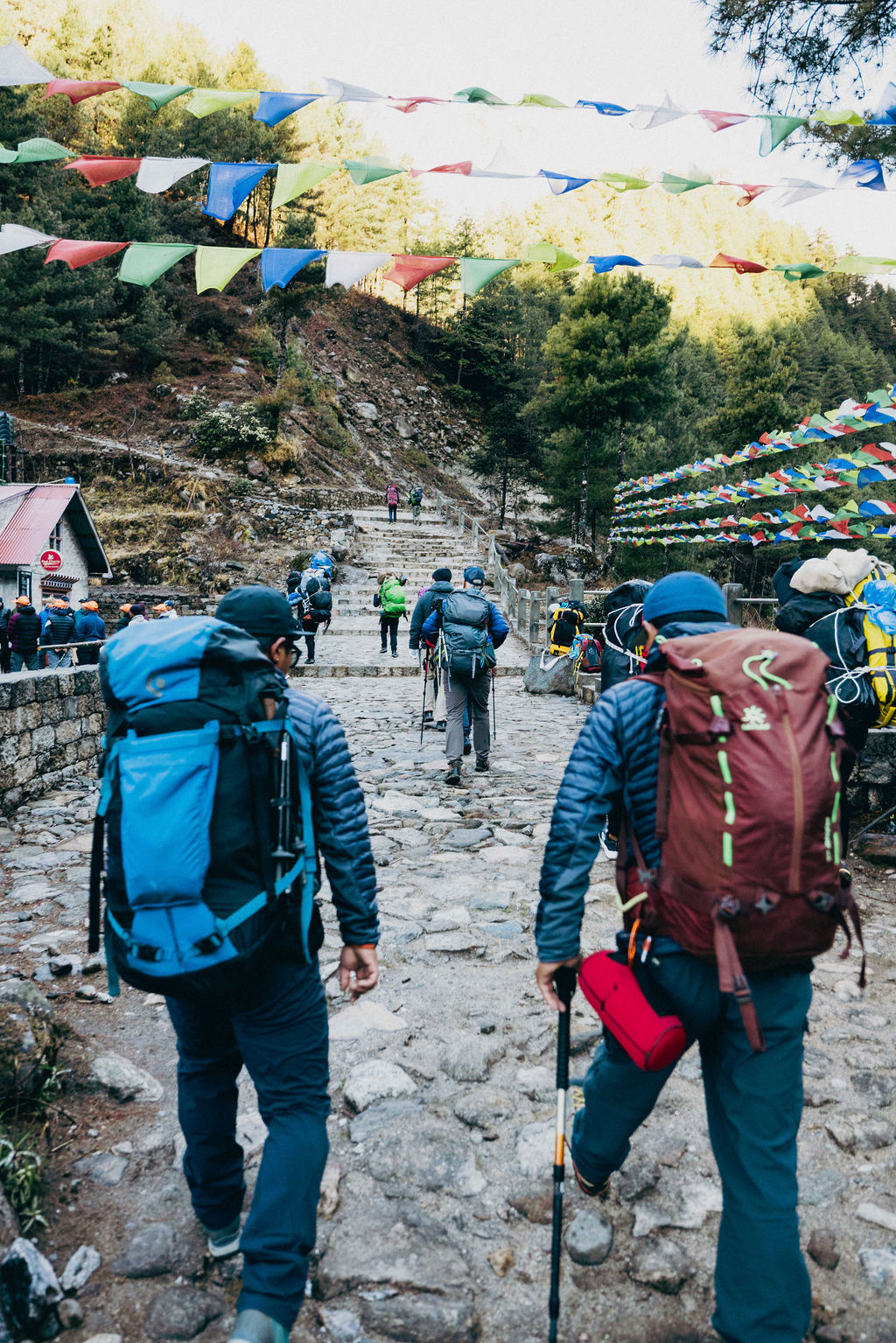
Electrical: Nepal’s electrical grid runs at 230 volts and 50 hertz. Some common US appliances may not be compatible as they are designed for 110V, 60Hz power. Check your device specifications (especially the Hertz rating) and bring an adapter to ensure compatibility.
Common plug types in Nepal include: Type C, Type D, and Type M.
You can charge your electronic devices at teahouses en route to base camp using a North American plug without an adapter at your own expense. Once at Everest Base Camp, we will also have power and power cords that fit North American plugs. Charging at base camp is dependent on the sun or the generator, so it won’t be available all the time, but we will try to make it available enough to meet your needs.
Potable Water & Food Suggestions: It is recommended to opt for bottled water or treat your own tap water while traveling in Nepal. Water served at Base Camp is safe to drink, but all other water should be treated or bottled.
Most food at decent restaurants in Kathmandu is fine, and you shouldn’t have any issues, but it is best to play it safe. Avoid fresh salads unless you are at a highly reputable hotel or restaurant, and watch for undercooked food. With changes in food and environment, a slightly upset stomach can be normal as your body adjusts to the local cuisine.
Language: English is widely used in business and government in the Kathmandu area. In the Khumbu region, English speakers are common, especially in high-tourism areas, but most of the local population does not speak English or other non-indigenous languages.
Vaccinations: Rules and regulations surrounding vaccinations may change rapidly. It is your responsibility to check Nepalese government websites to ensure compliance with any vaccination requirements.
Make sure your immunizations are up to date before flying to Nepal. Consult your doctor, a local travel clinic, or the Centers for Disease Control and Prevention (CDC) for up-to-date information on immunizations for Nepal. Recommended immunizations include COVID-19, diphtheria-tetanus (DPT), polio, mumps-measles-rubella (MMR), meningitis, hepatitis A and B, cholera and typhoid, and rabies. Malaria shouldn’t be a problem in Kathmandu or on the climb. If you plan to travel to lower-elevation areas in Nepal before or after the climb, you should consider malaria chemoprophylaxis.
Rabies is rare but present in Nepal’s dog population. Avoid petting dogs you do not know and stay alert for aggressive animals. If you are overly concerned about rabies, consider receiving the prophylactic vaccine.
Accommodations: All hotel and teahouse rooms are double occupancy unless you have selected the single rooming option and paid the add-on fee. If you want a single room, please let us know, and we can add the fee to your balance to cover the additional expense. Sometimes hotels and teahouses are full during the climbing season and may not have enough space to accommodate single rooming, but we will do our best to accommodate.
Gear Storage: You will have secure storage for one duffel in Kathmandu. This is a great place to leave your in-town or dressier clothes and any items deemed unnecessary during your gear check.
Cell Phone Coverage: Nepal Country Code: +977
There is cell service with Ncell in Kathmandu & most of the way up the trek to base camp (with cheaper data than the 3rd-party Everest Wi-Fi that the teahouses resell), but not at base camp. You can use your personal cell phone to connect to the local network, paying roaming charges if you prefer, or buy a local Ncell SIM and recharge it.
The Ncell store is close to our hotel, and we are happy to show you where it is. You can also tie in to the 3rd-party Everest wifi network at base camp at your own expense and call on FaceTime, WhatsApp, Facebook, or Skype. Make sure to turn off data for any apps you aren’t using that could eat your data allowance.
Internet: There is third-party Wi-Fi in teahouses and cafes along the route to base camp, and if you have a smartphone or tablet, you can connect. If you bring a Wi-Fi device, we’d suggest keeping it safe and waterproofed in your trekking packs so it doesn’t break in your duffels. At Base Camp, Wi-Fi is available through a third party for individual purchase, so you only pay for what you use. It is sold in small allotments, and data can run out quickly, so use it wisely.
Additional Nights at Everest Base Camp
Additional Nights at Everest Base Camp
$350 USD per night
If trekkers want to stay at Everest Base Camp beyond the itinerary, we can add nights for $350 USD per night. If you plan to stay longer than a week, you will need a Nuptse climbing permit, which allows you to stay at base camp throughout the Everest expedition season. Please contact us directly to arrange this.

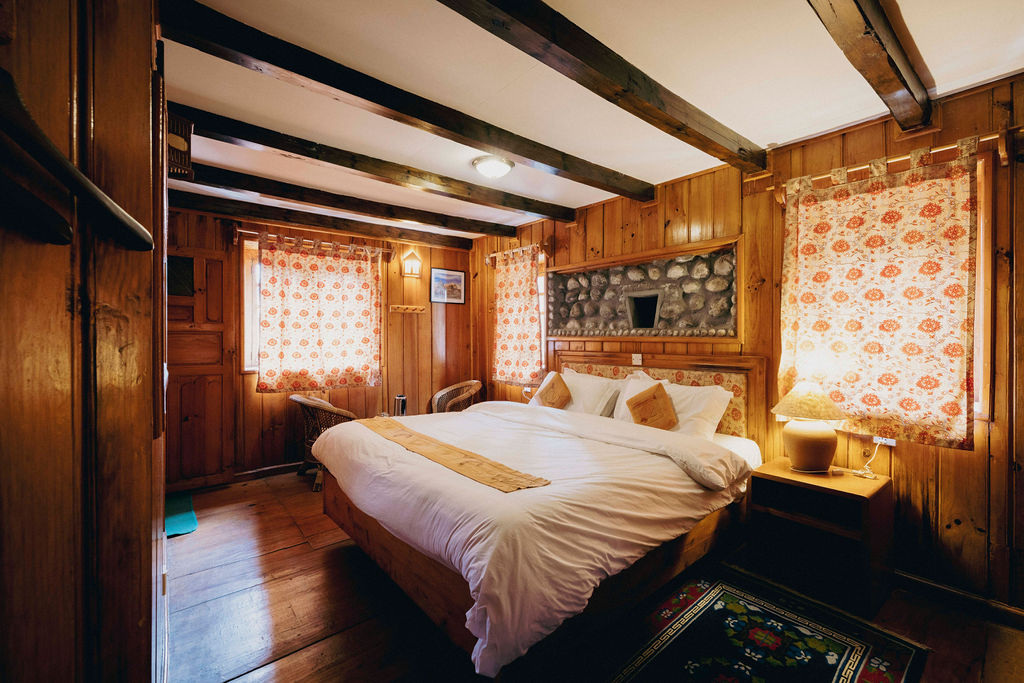
Single Rooming
Everest Base Camp Trek: Single Rooming
$1,000 USD
We are happy to organize single-room accommodations throughout the expedition for you. If you aren’t price-sensitive, you snore, or you are easily awakened by others who do, this might be a great option.
We stay at some of the nicest teahouses in the Khumbu Valley throughout our trek to keep you healthy and comfortable. Many teahouses offer room upgrades that may include an en suite bathroom with a hot shower and additional space, whereas our standard rooms generally have a shared bathroom and shower for an additional fee.
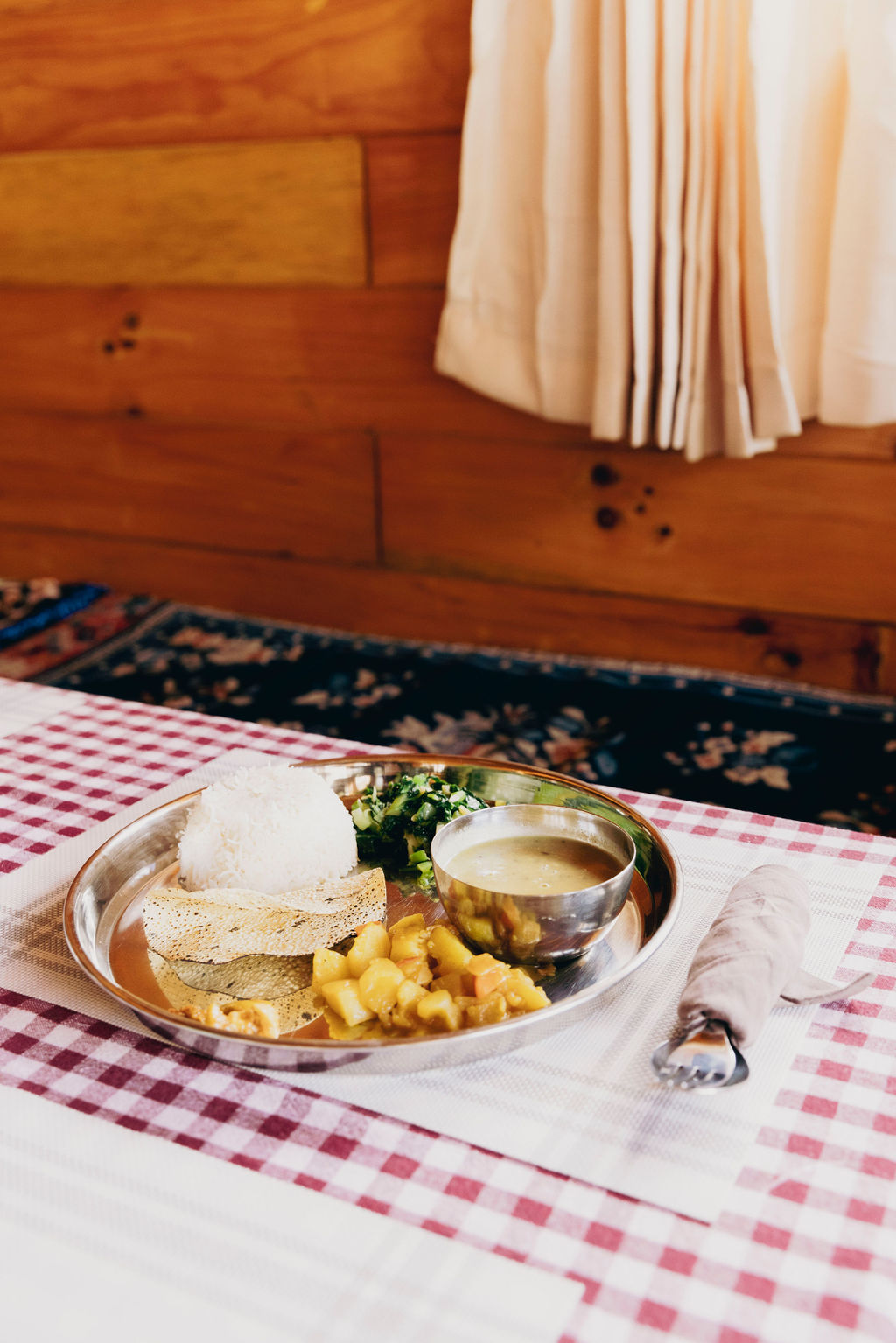
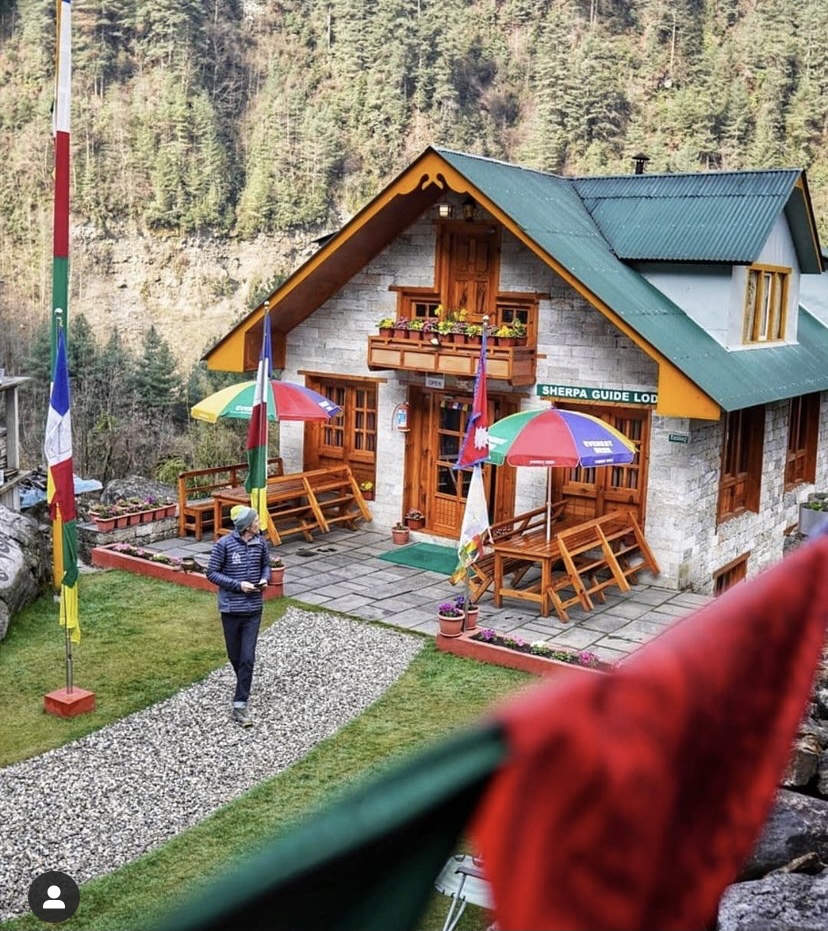
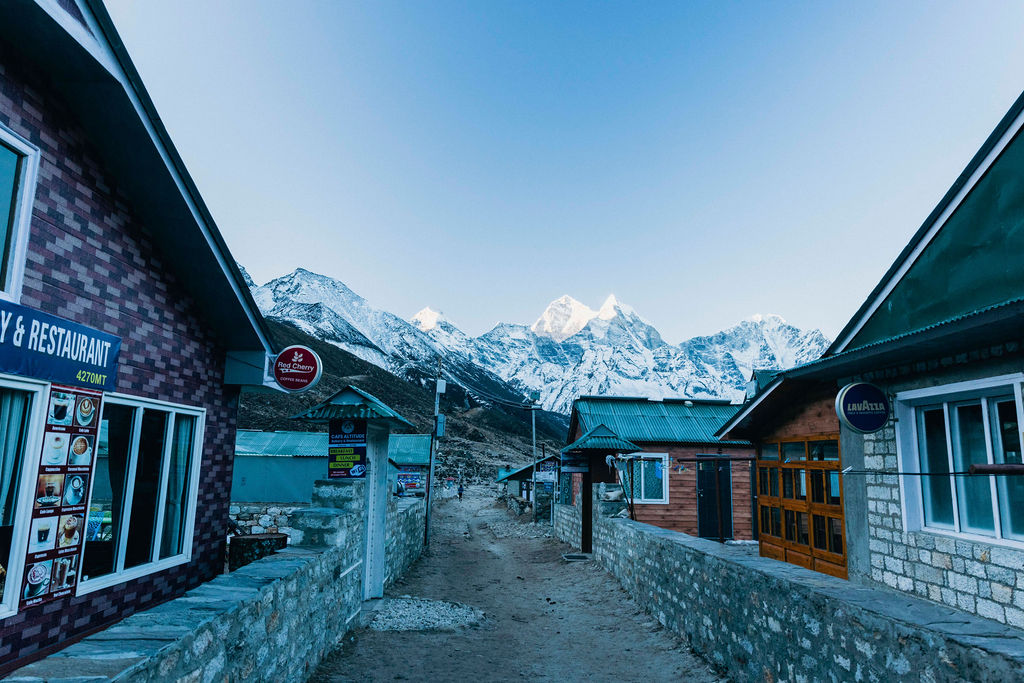
EBC Trek + Gokyo Lakes Trek
Everest Base Camp Trek + Gokyo Lakes Return
$6,990 USD
- Annually: April 3rd – April 26nd
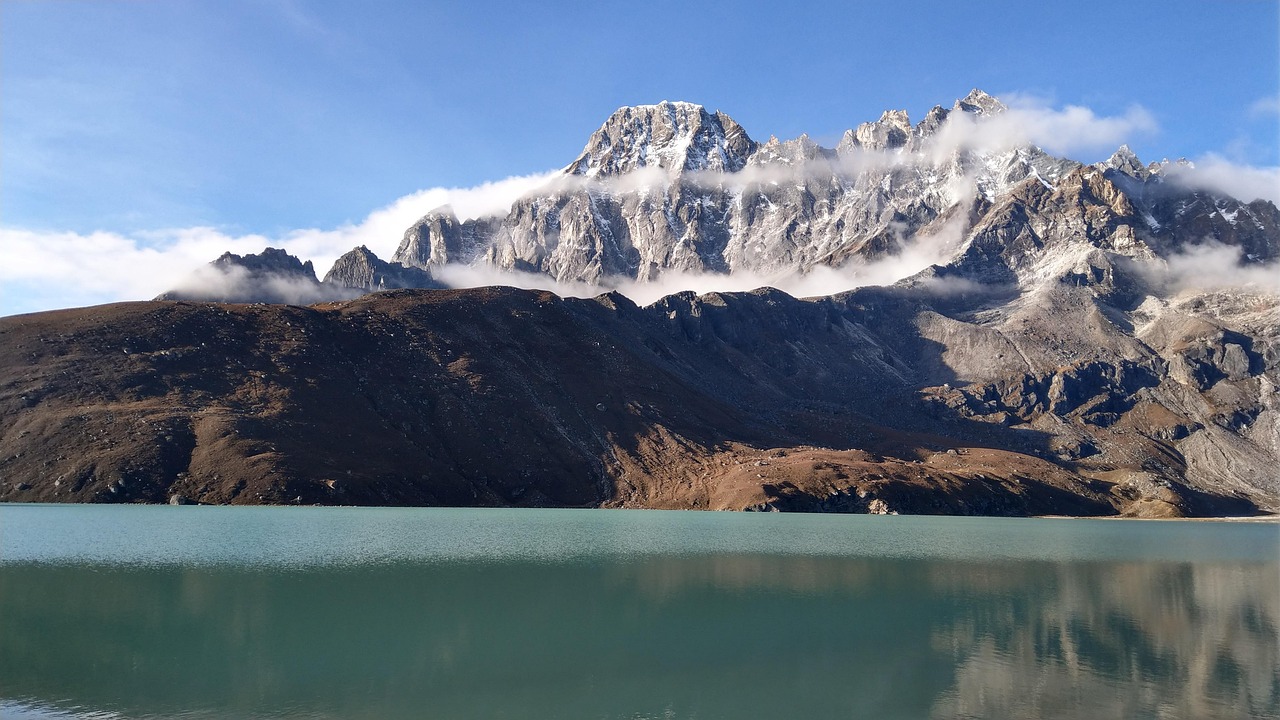
Once you’ve achieved your goal of Everest Base Camp, why not make your return a little different? Rather than retracing your footprints back down the Khumbu valley, instead spend a few days seeking some new scenery by visiting the Gokyo region. Gokyo itself is a small hamlet of stone houses and one of the highest settlements in the world, surrounded by truly breathtaking vistas, mountains, and glaciers.
You’ll see and experience more of these amazing, mighty Himalayan mountains, climb the famous Cho La Pass (5,420m) escape the madding crowd,s and view the stunning Gokyo Lakes before rejoining the main trail at Namche Bazaar for the final day’s trek back to Lukla.
This extension is best suited to experienced and fit trekkers who are keen to get off the beaten path and further challenge themselves
Everest Base Camp Trek + Gokyo Return Itinerary
This itinerary is a rough estimate and will be adjusted according to weather and conditions. This is adventure travel, meaning things rarely go as planned, and this schedule will likely change. Climbers need to be adaptable and maintain a positive attitude.
We always recommend climbers arrive in Kathmandu one day early to avoid travel delays or issues with lost baggage. The client is responsible for the added expenses (hotel/food/sightseeing) of this extra day. Please let us know if we need to organize logistics for your early arrival or accommodation upgrades.
- Day 1: Team Arrives. Pick up from airport and transfer to hotel.
- Day 2: Gear Checks/Guide Briefing. Free afternoon in KTM
- Day 3: Fly to Lukla/Phakding
- Day 4: Trek to Namche
- Day 5: Rest/Acclimatize hike Namche
- Day 6: Trek to Tengboche
- Day 7: Rest/Acclimatize hike Tengboche. Visit Tengboche Monastery
- Day 8: Trek to Pheriche
- Day 9: Rest/Acclimatize hike Pheriche. Visit HRA
- Day 10: Trek to Lobuche Base Camp
- Day 11: Acclimatization Climb Lobuche High Camp, return to Base Camp
- Day 12: Trek to Gorak Shep
- Day 13: Climb Kalapattar - Trek to Everest Base Camp
- Day 14: Everest Base Camp Day (Climbing Clinic)
- Day 15: Everest Base Camp to Dzongla
- Day 16: Dzongla to Dragnag via Cho La Pass
- Day 17: Dragnag to Gokyo via the Ngozumpa Glacier
- Day 18: Explore the Gokyo Region with options to climb Gokyo Ri or trek further up valley to Gokyo Lakes Lakes and climb Gokyo Peak
- Day 19: Trek to Machermo
- Day 20: Trek to Namche Bazaar
- Day 21: Trek to Lukla
- Day 22: Fly Lukla to Kathmandu
- Day 23: Contingency Day
- Day 24: Fly home
Our expeditions are designed to be fully inclusive, except for certain services and personal items, such as flights, gear, and insurance.
We highly recommend adding contingency days to the end of your trip and booking a flexible fare for the return flight. Flights can sometimes be delayed out of the Khumbu due to mountain weather. Please note CTSS covers one night in Kathmandu at the end of your trip.
Included in the Everest Base Camp Trek + Gokyo Return:
- Professional trek leaders
- Leadership, strategy, logistics, and expedition oversight
- Airport transfers
- Accommodation in Kathmandu (double-occupancy)
- Welcome dinner
- Transportation associated with the program itinerary
- Flights to and from Lukla
- Accommodation in lodges and teahouses in the Khumbu Valley (double-occupancy)
- 2x nights accommodation at Everest Base Camp Proper (double-occupancy)
- Tent accommodation at Lobuche Base Camp
- Breakfast and dinner during the expedition
- Park fees and trekking permits
- Porters to carry trekking duffels on the trek
- Mountain camp infrastructure and logistics
- Group gear that is not included in the expedition gear list
Excluded from the Everest Base Camp Trek + Gokyo Return:
- International Flight to/from Kathmandu, Nepal
- Airport arrival or departure taxes
- Associated travel expenses (visas, passports, reciprocity fees, vaccination charges, excess baggage)
- Optional add-ons, excursions, or additional days before or after the scheduled program
- All costs incurred prior to the start date of the trip and after the end date
- Single-room accommodations, if desired and pre-booked
- All in-town restaurant meals (non-team meals in Kathmandu are your own responsibility)
- Bar tabs, minibars, hotel internet bills, laundry, etc.
- Personal climbing gear, equipment, and snacks (see Gear List for details)
- Sherpa tip pool ($300 for trekkers)
- Guide tips (customary but optional)
- Required trip insurance policy (trip cancellation, interruption, rescue & evacuation, medical treatment, repatriation, etc.)
- Unused contingency days at the end of your program (CTSS covers one night in the hotel in Kathmandu on your return; additional nights are your responsibility)
- Costs incurred as a result of events beyond the control of CTSS
- Expenses while on the expedition that are above and beyond the normal scope of the trip
- Rescue expenses or excess expenses above and beyond our normal trip costs
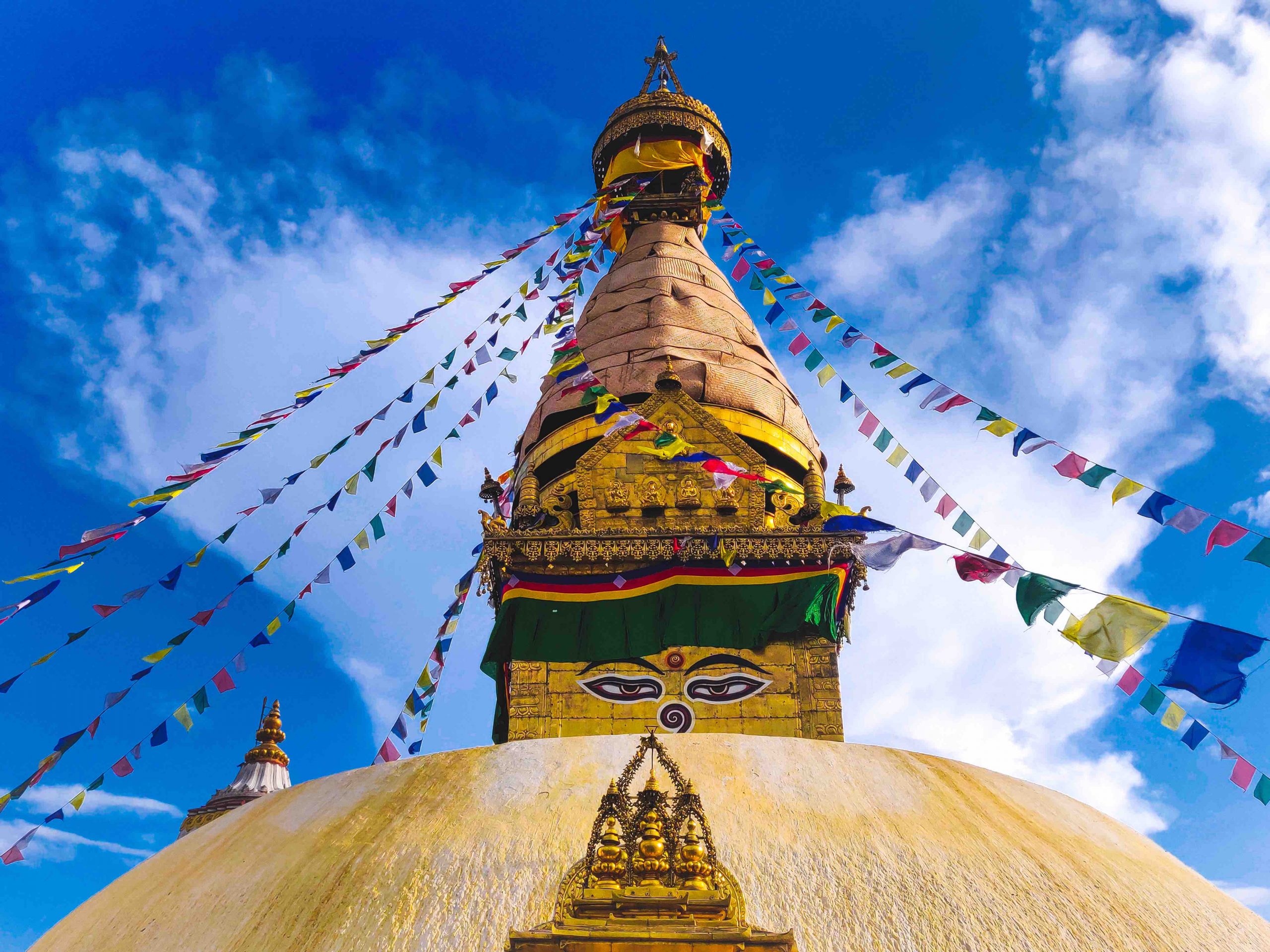
Kathmandu Cultural City Tour
Everest Base Camp Trek: Kathmandu Cultural City Tour
$250 USD
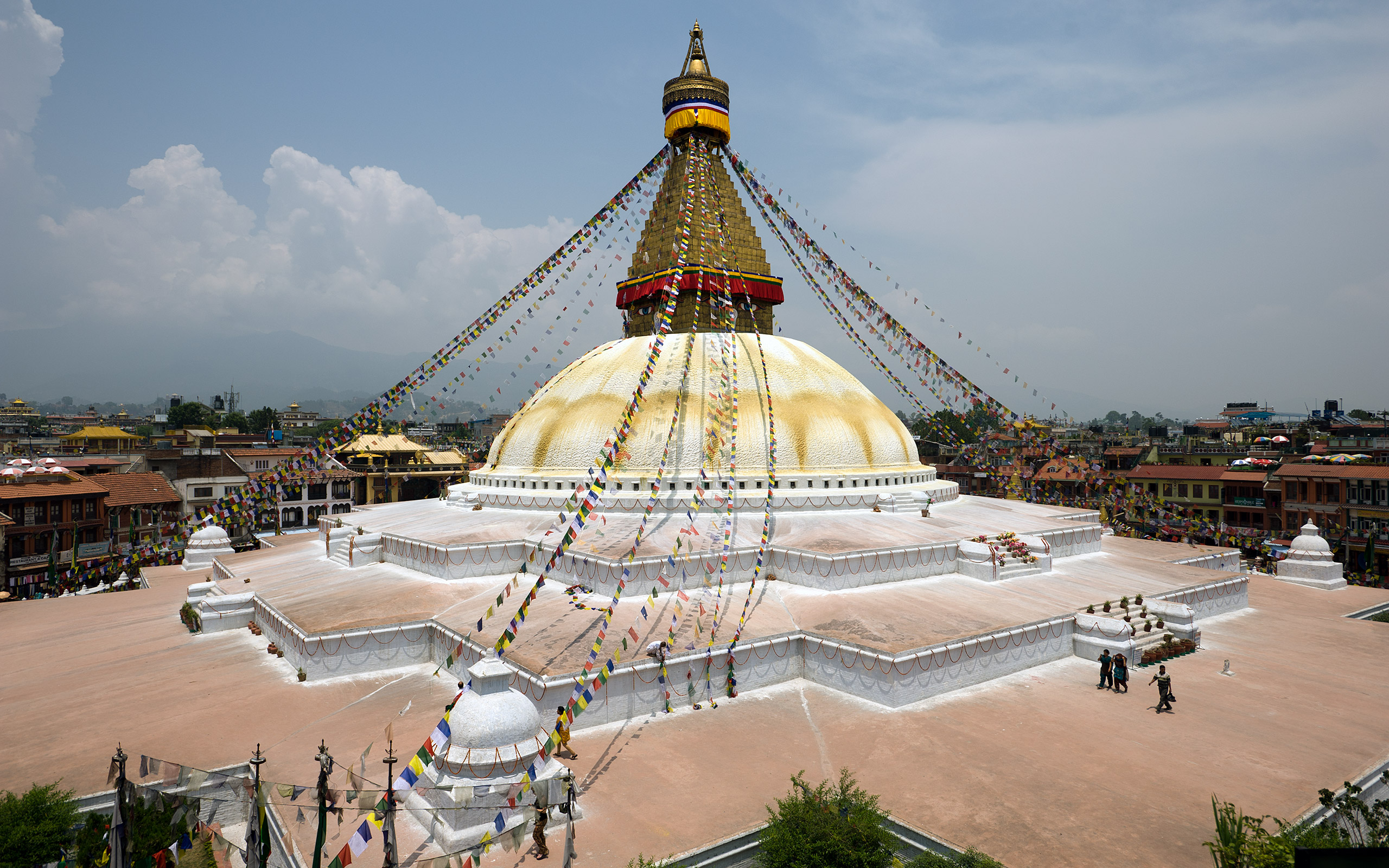
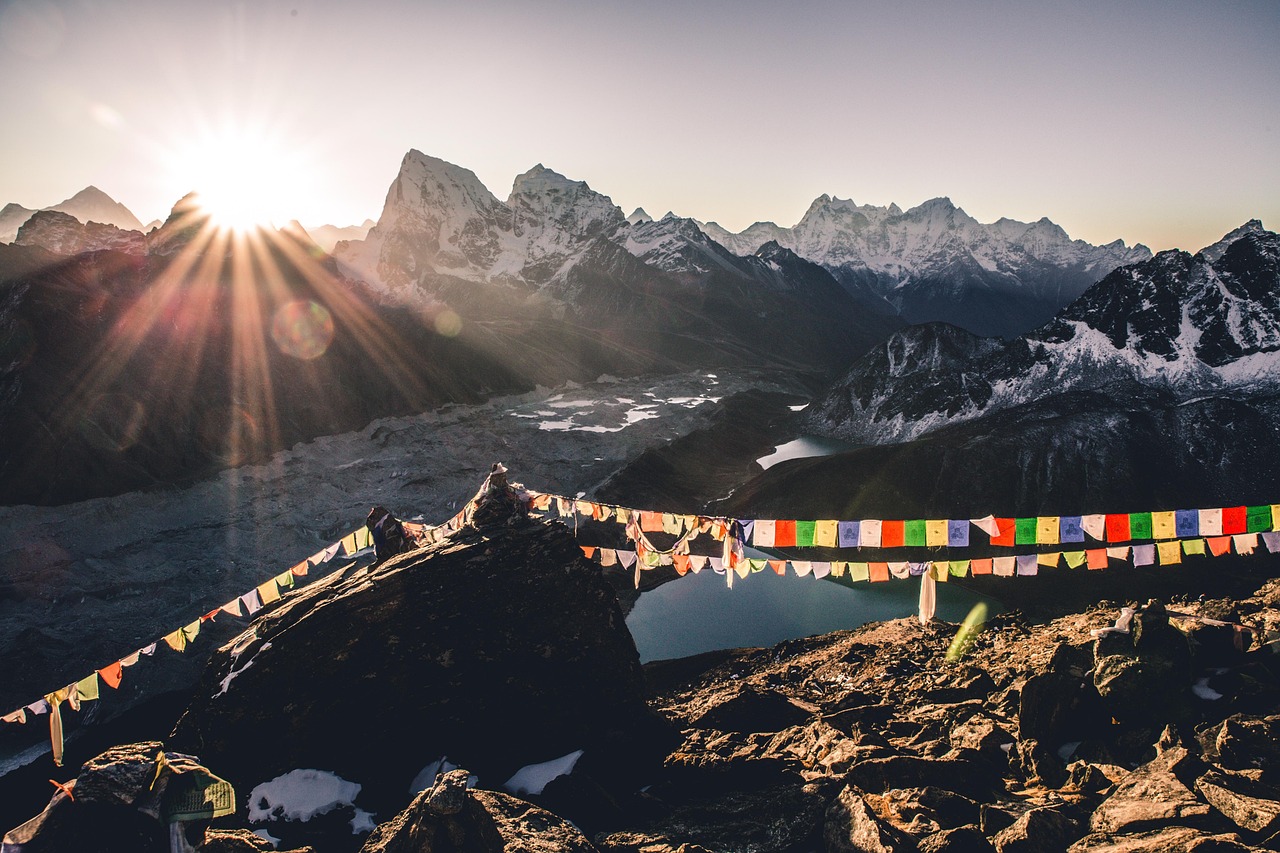
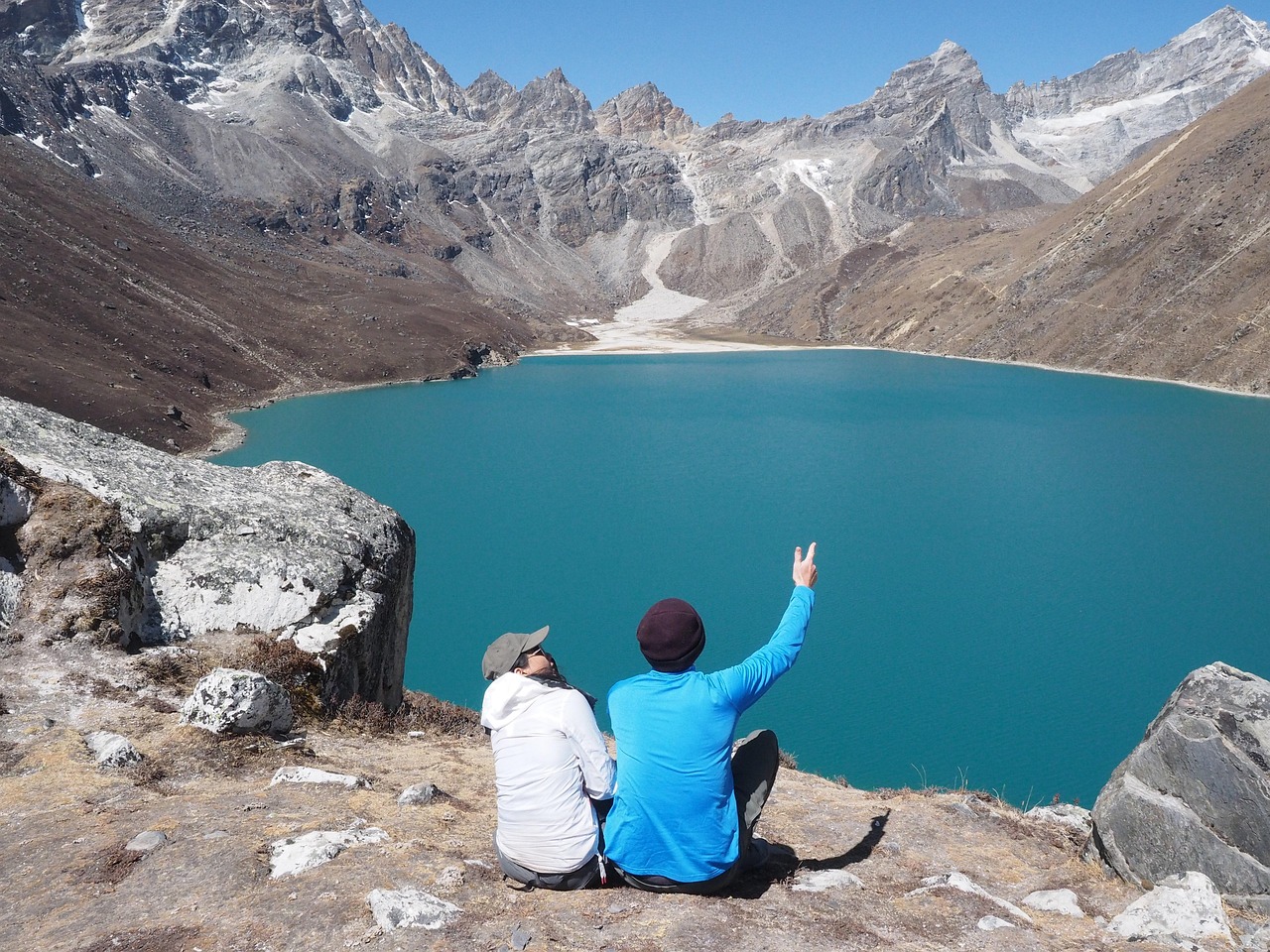
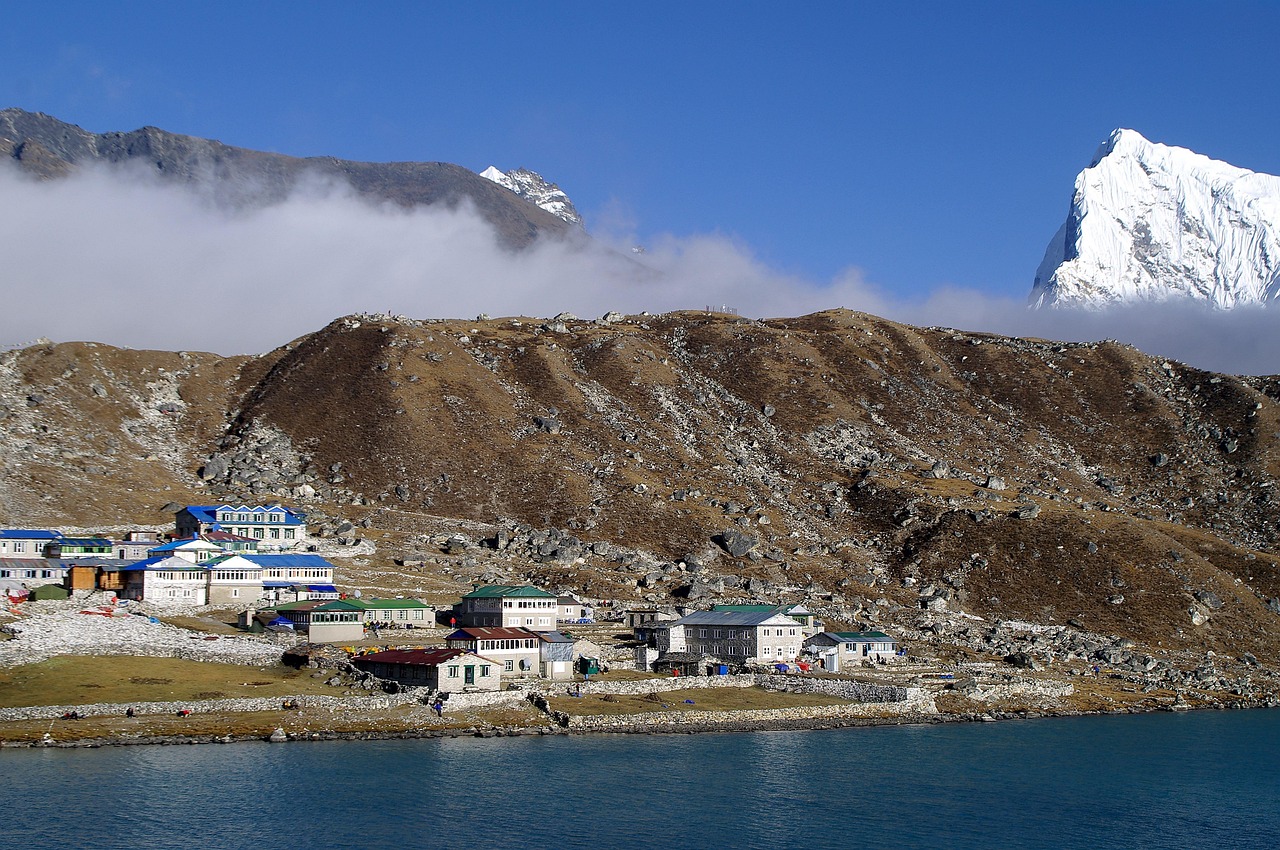
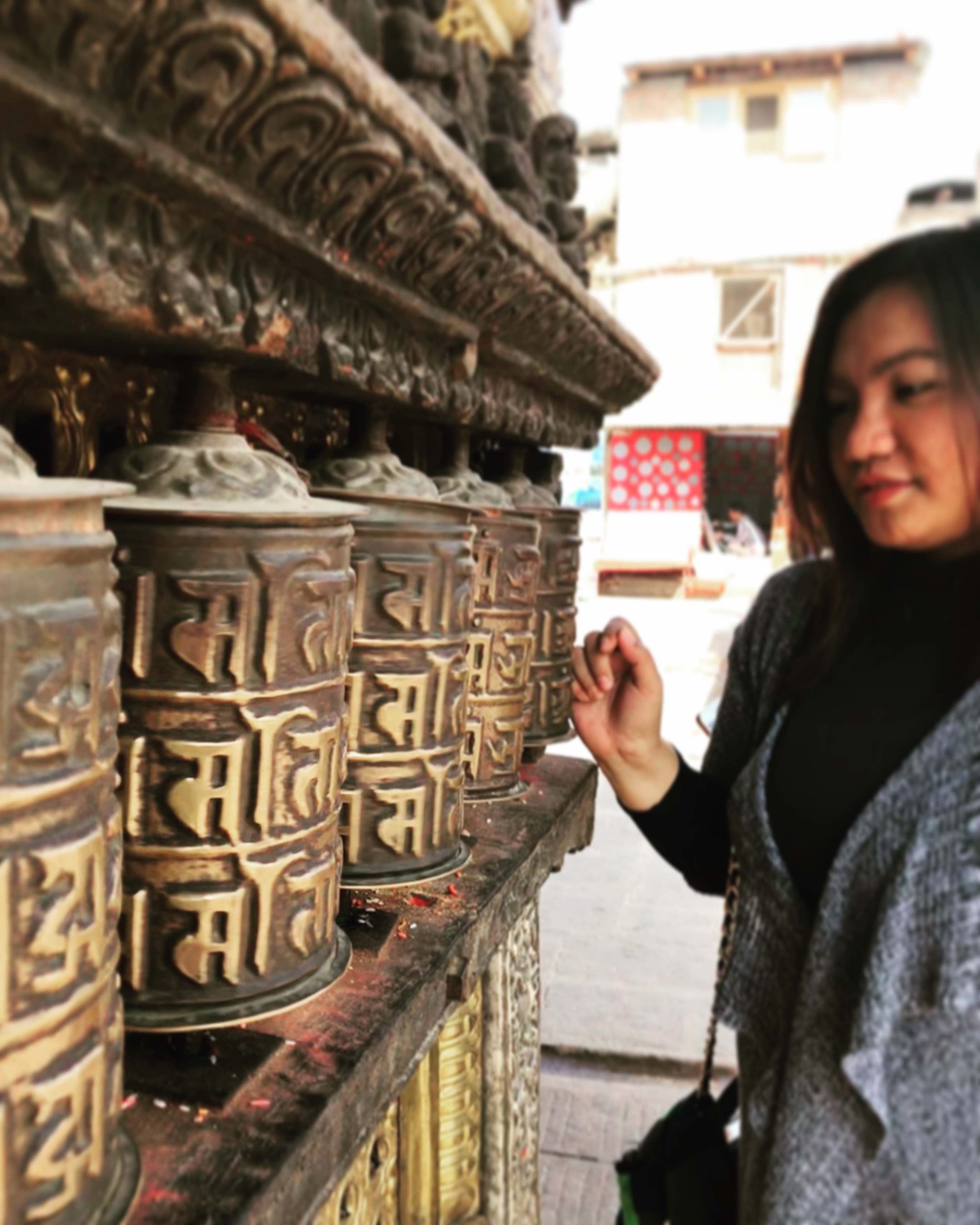
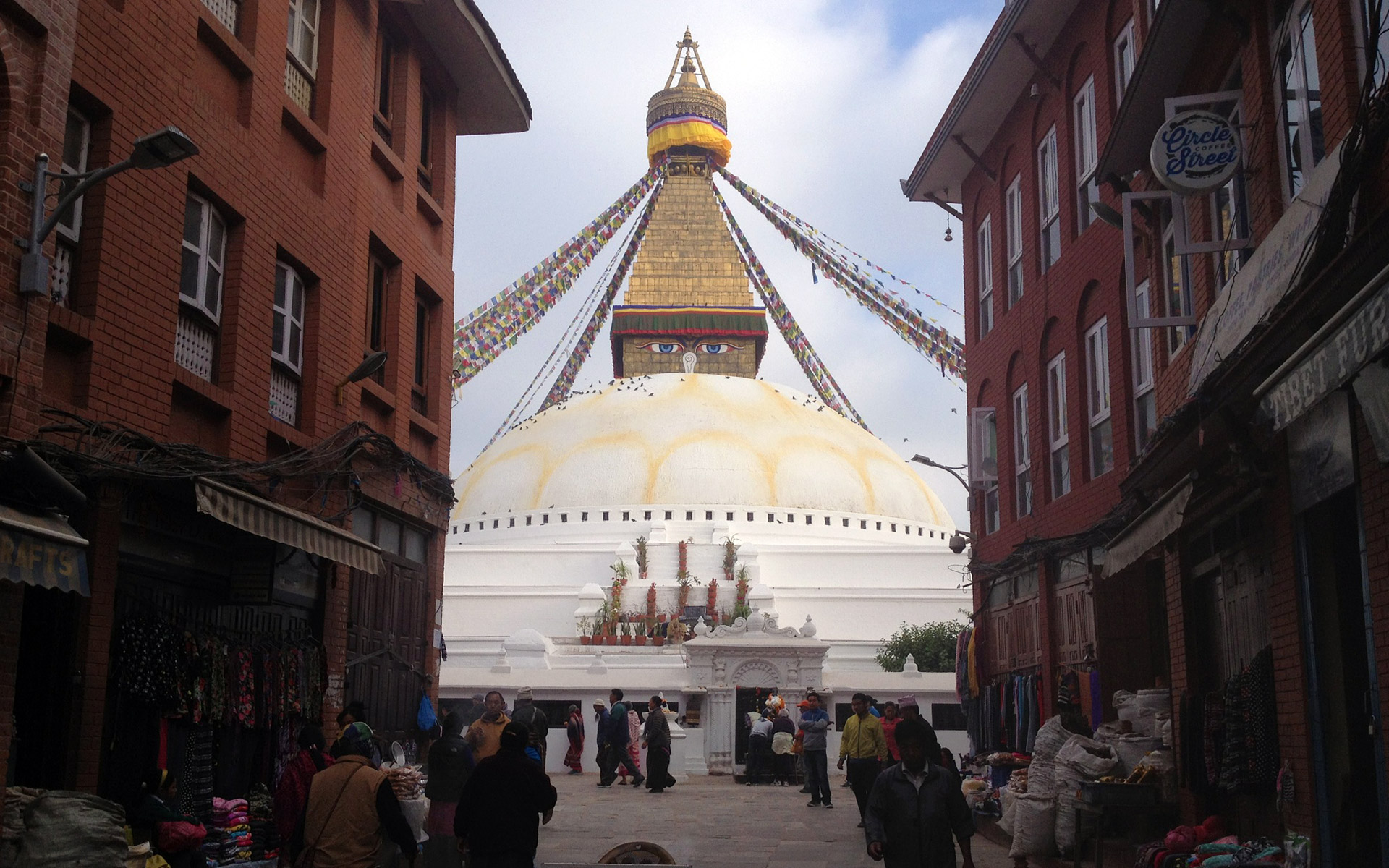
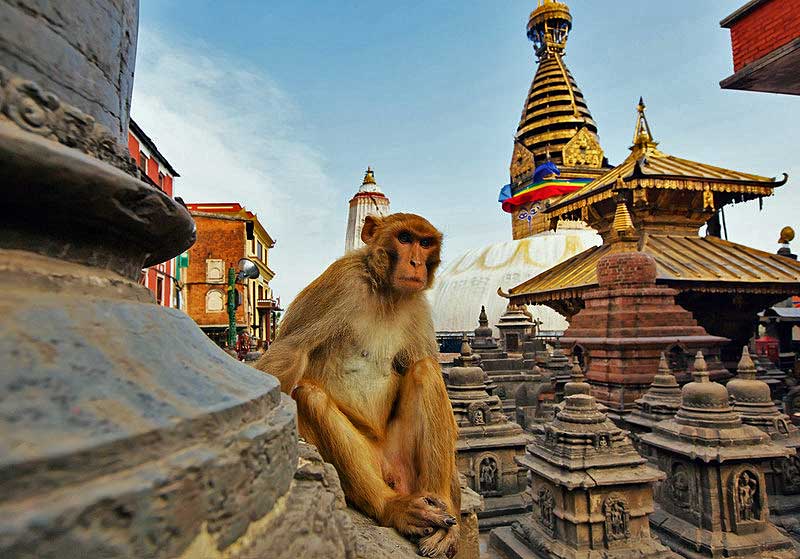
Kathmandu is one of the most exciting, culturally rich cities in the world. Unique and overflowing with sights, smells, sounds, and tastes, it’s both chaotic and charming. A city of true contrast, it needs to be experienced to be understood. During our Kathmandu Cultural Tour, an English-speaking guide will lead you through the city’s best historical and UNESCO sites.
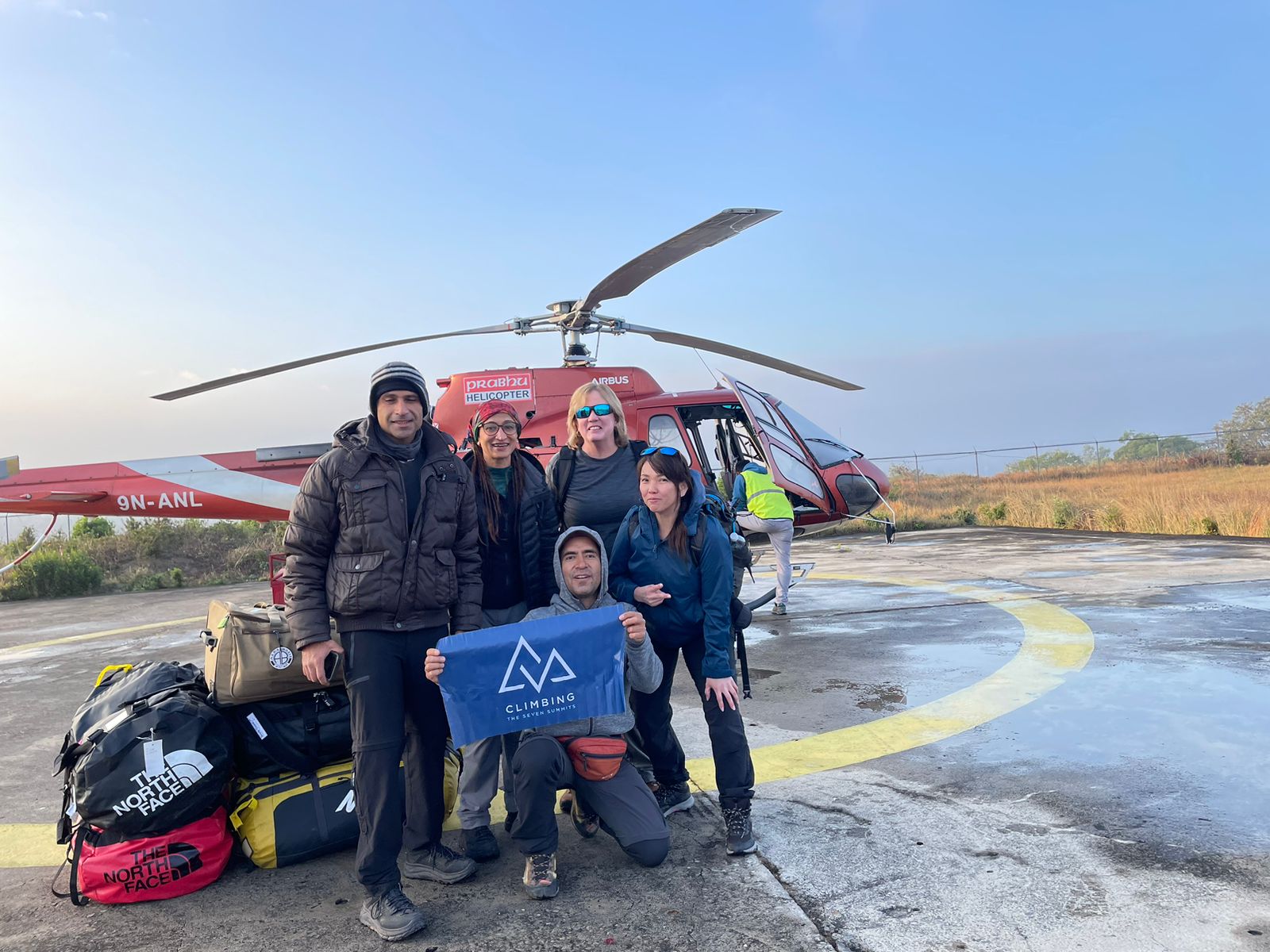
Helicopter Options
Everest Base Camp Trek & Stay: Helicopter Options
Round-Trip Helicopter from Kathmandu to Lukla
$1,500 USD
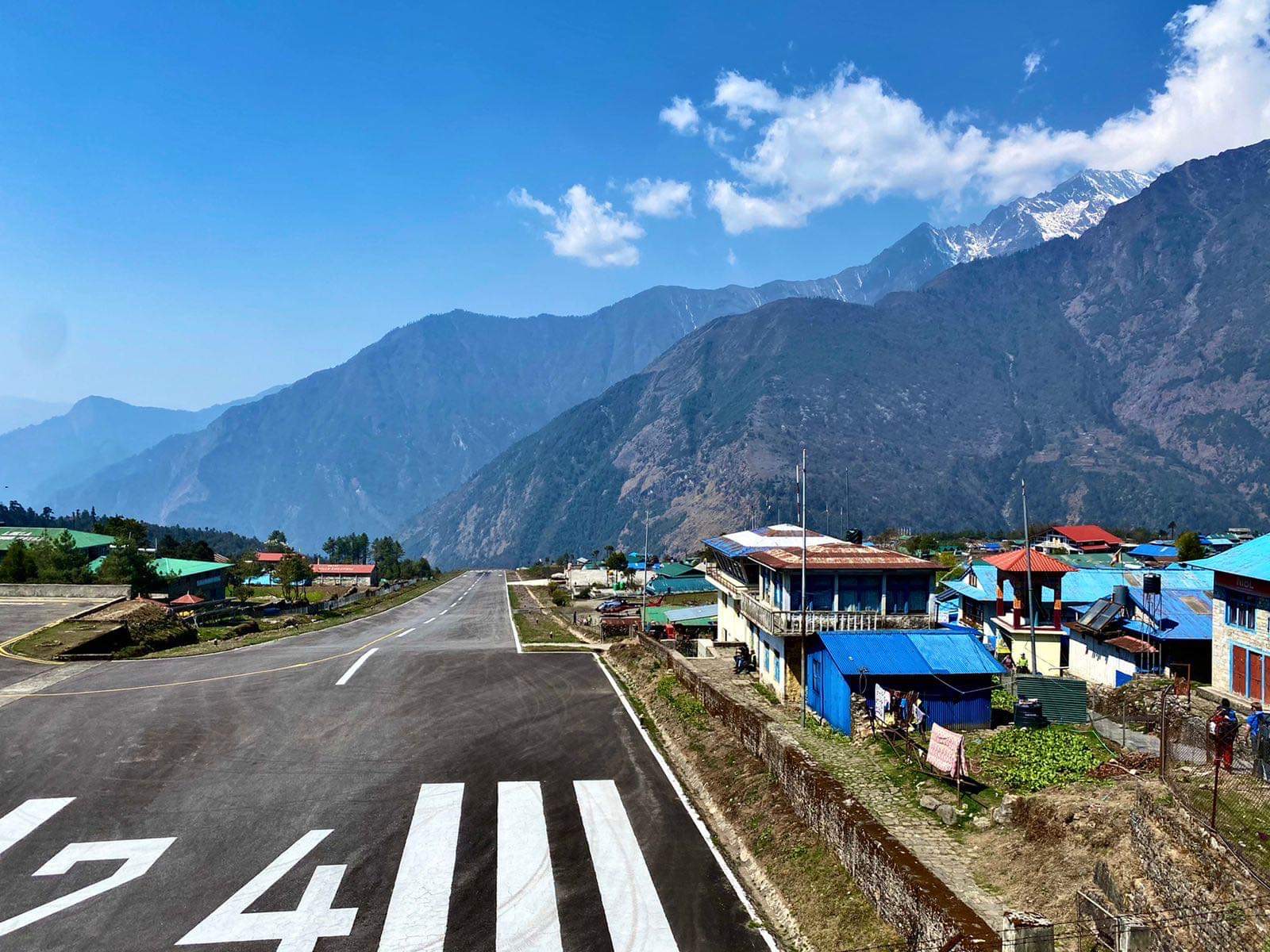
Due to ongoing flight restrictions at Tribhuvan International Airport (KTM), almost all flights from Kathmandu to Lukla now operate from Ramechhap, a smaller airstrip approximately 4–5 hours by road from Kathmandu. The airport in Ramechhap is dedicated to mountain flights and allows earlier-morning departures when mountain weather is more stable; however, it requires a long, bumpy pre-dawn transfer, often departing Kathmandu before 3 am. Since there are no suitable accommodation options in Ramechhap, if flights are delayed due to mountain weather, you may face an uncomfortable wait or even have to make the full 9–10-hour round trip back to Kathmandu and repeat it the following day.
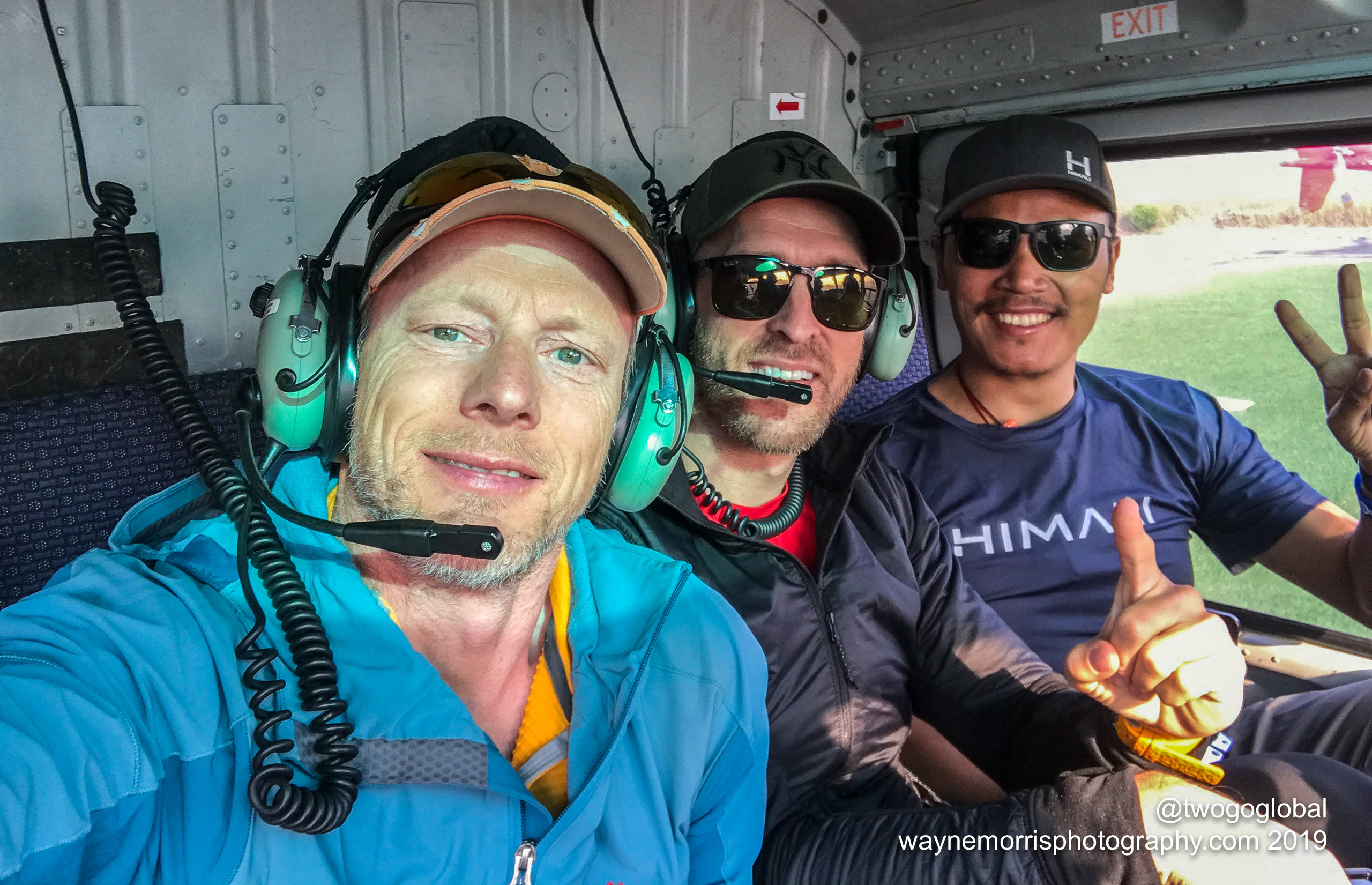
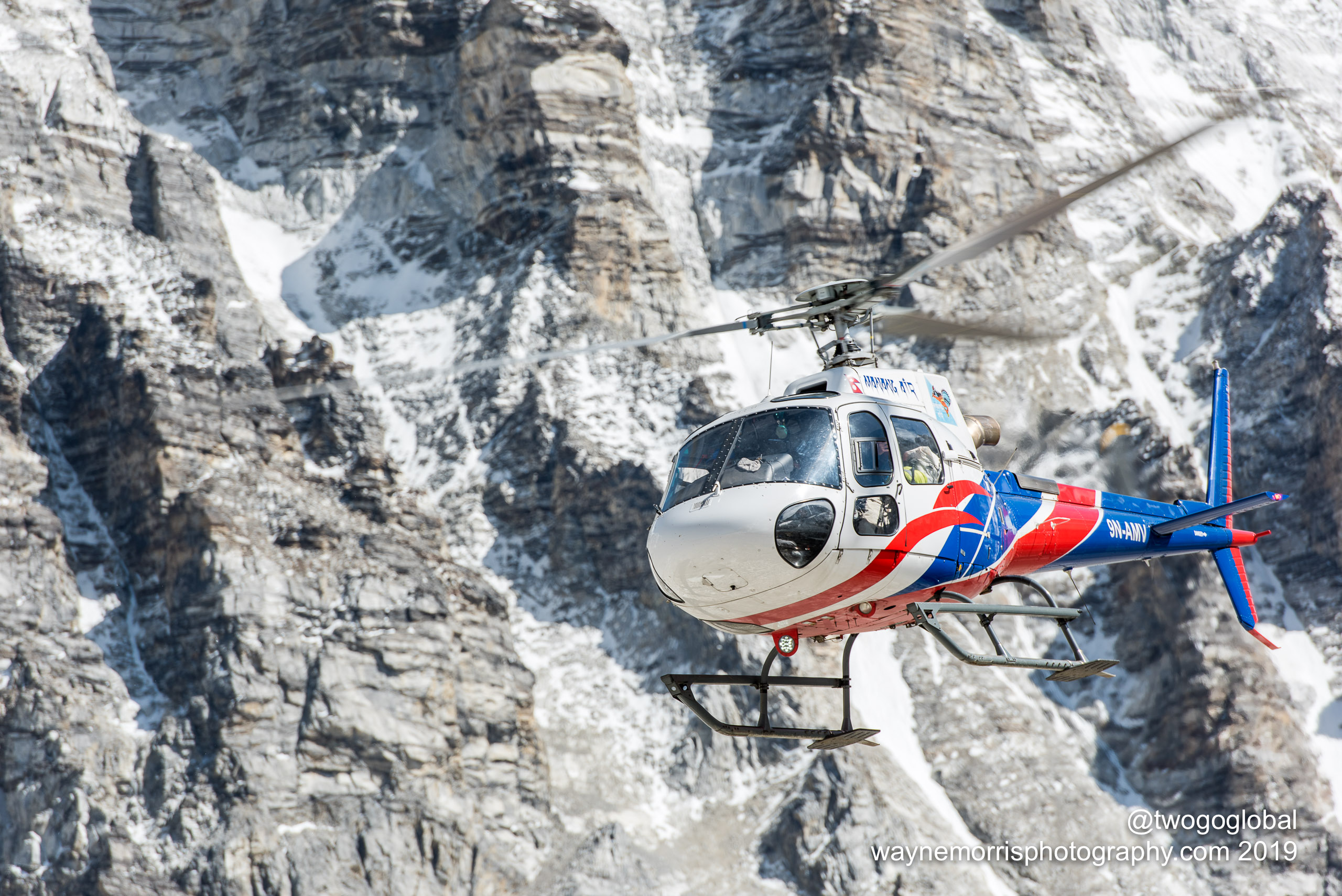
For those who prefer to avoid this hassle, a direct helicopter transfer from Kathmandu to Lukla is the most seamless solution. It saves valuable time, maximizes comfort and recovery, eliminates the uncertainty of the road transfer, and ensures the smoothest possible start (and finish) to your Himalayan adventure—all with the added bonus of a spectacular scenic flight.
EBC Custom & Private Trek
Everest Base Camp Trek Custom & Private Departures
Contact us for dates, pricing, and itinerary planning.
We pride ourselves on our ability to customize your trek to suit your needs and believe that a trek to Everest Base Camp should not be one-size-fits-all. We offer a variety of options and add-ons because we believe every trekker has individual needs. Our deep personalization and client care are second to none. DON’T get lost in the numbers and join a large team where quality and personal attention suffer.
If you think this option is right for you, please contact us directly, and we will work with you to develop a personalized plan that maximizes your time trekking to Everest Base Camp.
Having your own private trekking guide with you can be an invaluable advantage, allowing you to customize your itinerary and schedule. A personal guide will give you total autonomy and control over your trip, and they can coach you throughout the expedition, give you valuable feedback, be available if there are any medical issues, and make your climbing experience more enjoyable overall.
Although reaching Everest Base Camp is obviously never guaranteed, there is no better way to stack the odds in your favor than trekking with a private guide.
This expedition provides a private guide at a 1:1 ratio. CTSS provides guidance, leadership, and expedition oversight from renowned expedition leader Mike Hamill, along with expert guides, logistics, team gear, porters, food, and support for your trek to Everest Base Camp.
All prices are in US Dollars.
CTSS requires clients to buy trip insurance for all expeditions. Please see our trip insurance and cancellation policy page for more information.
All payments, once submitted, are non-refundable and non-transferable. If balances are not received by the specified dates, the client forfeits their place on the program and any prior fees paid.
Our expeditions are designed to be fully inclusive, except for certain services and personal items, such as flights, gear, and insurance.
We highly recommend adding contingency days to the end of your trip and booking a flexible fare for the return flight. Flights can sometimes be delayed out of the Khumbu due to mountain weather. Please note CTSS covers one night in Kathmandu at the end of your trip.
Included in the Everest Base Camp Trek Custom & Private Departures:
- Professional trek leaders
- Leadership, strategy, logistics, and expedition oversight
- Airport transfers
- Accommodation in Kathmandu
- Welcome dinner
- Transportation associated with the program itinerary
- Flights to and from Lukla
- Accommodation in lodges and teahouses in the Khumbu Valley
- 2x nights accommodation at Everest Base Camp Proper
- Tent accommodation at Lobuche Base Camp
- Breakfast and dinner during the expedition
- Park fees and trekking permits
- Porters to carry trekking duffels on the trek
- Mountain camp infrastructure and logistics
- Group gear that is not included in the expedition gear list
Excluded in the Everest Base Camp Trek Custom & Private Departures:
- International Flight to/from Kathmandu, Nepal
- Airport arrival or departure taxes
- Associated travel expenses (visas, passports, reciprocity fees, vaccination charges, excess baggage)
- Optional add-ons, excursions, or additional days before or after the scheduled program
- All costs incurred prior to the start date of the trip and after the end date
- Single-room accommodations, if desired and pre-booked
- All in-town restaurant meals (non-team meals in Kathmandu are your own responsibility)
- Bar tabs, minibars, hotel internet bills, laundry, etc.
- Personal climbing gear, equipment, and snacks (see Gear List for details)
- Sherpa tip pool ($300 for trekkers)
- Guide tips (customary but optional)
- Required trip insurance policy (trip cancellation, interruption, rescue & evacuation, medical treatment, repatriation, etc.)
- Unused contingency days at the end of your program (CTSS covers one night in the hotel in Kathmandu on your return; additional nights are your responsibility)
- Costs incurred as a result of events beyond the control of CTSS
- Expenses while on the expedition that are above and beyond the normal scope of the trip
- Rescue expenses or excess expenses above and beyond our normal trip costs
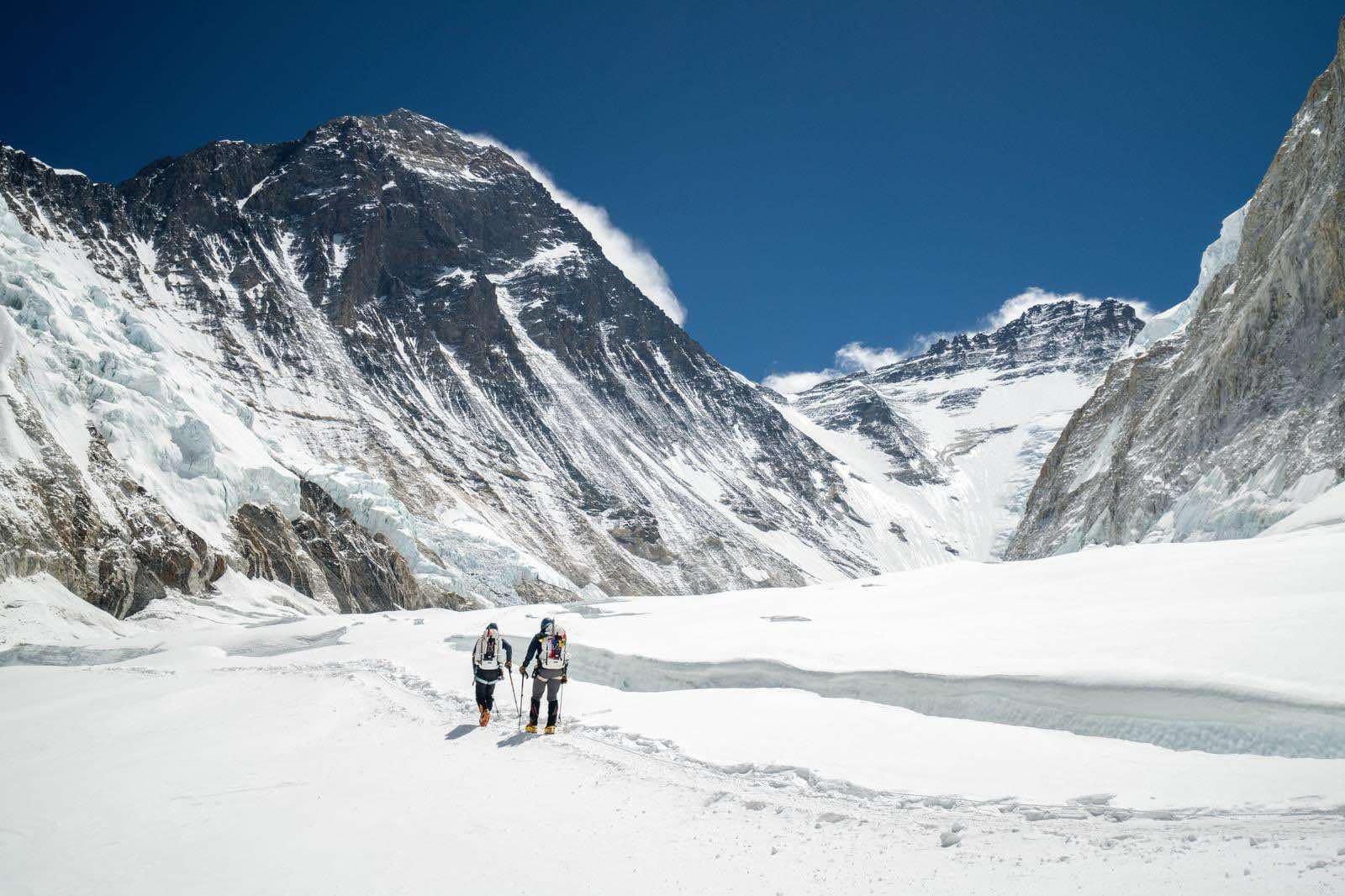
EBC Trek + Camp 3 Climb
Everest Base Camp Trek + Mount Everest Camp 3 Climb
$21,995 USD
- Annually: April 3rd – May 12th
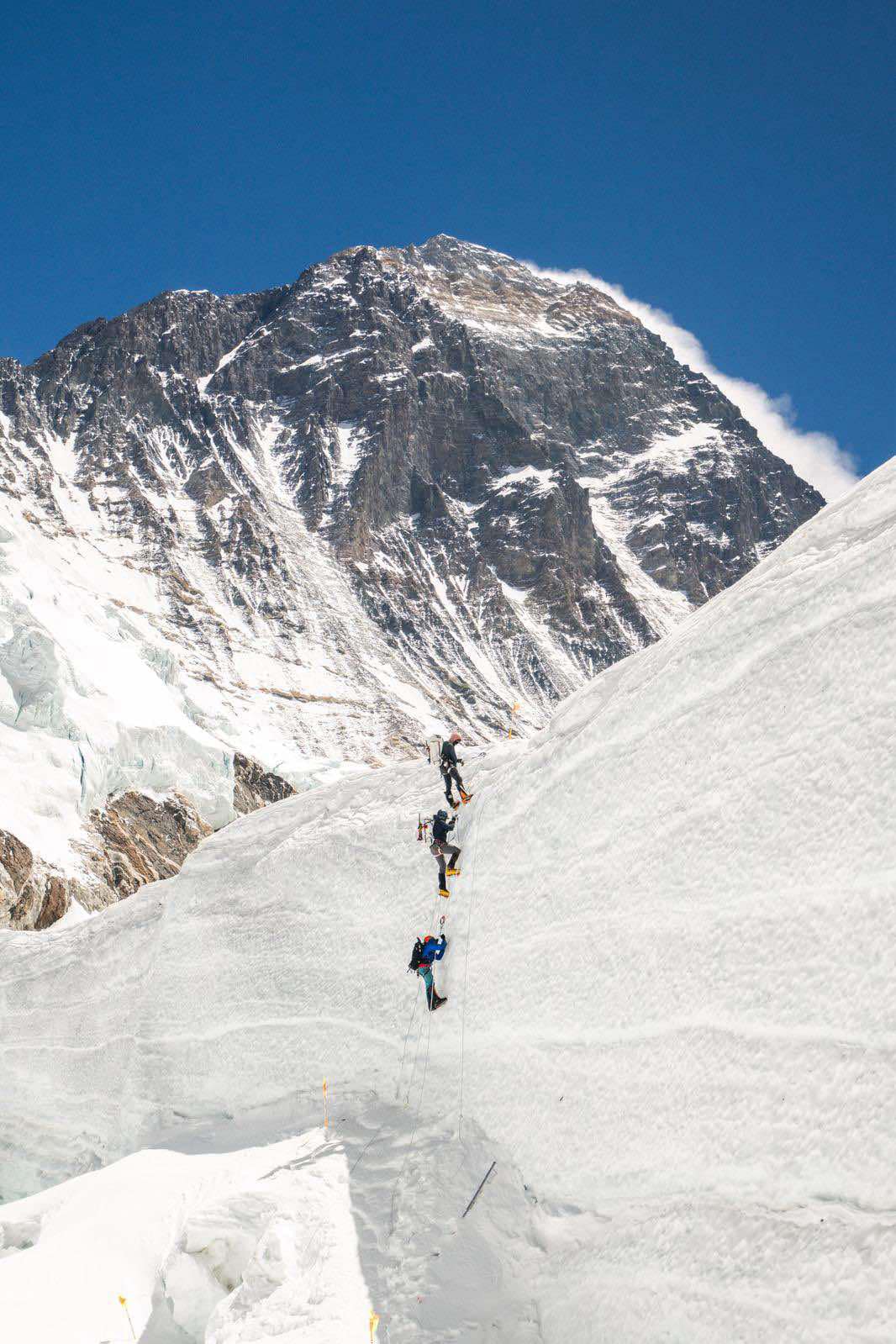
A Camp 3 (24,000ft/7,500 m) climb is a phenomenal way to prepare for a future Everest or another 8,000m climb, not to mention a stunning and challenging climb in and of itself.
If Everest is on your horizon, gaining familiarity with the route, the style of climbing required to master the Khumbu icefall, the Western CWM, and the Lhotse Face, and even understanding the nature of what it is to be part of an Everest expedition will give you an unparalleled advantage when you return for your summit bid in the future. A Camp 3 climb also satisfies the 7,000m Everest pre-requisite in a fun, affordable, and productive way.
Our Camp 3 climbers are also offered the opportunity to use supplemental oxygen while climbing on the Lhotse Face to familiarize themselves with the systems and build an invaluable skill set for the future. A huge advantage!
CTSS provides guidance, leadership, and expedition oversight from renowned expedition leader Mike Hamill, along with expert guides, logistics, team gear, porters, food, and support for your climb to Camp 3 and trek to Everest Base Camp.
All prices are in US Dollars.
CTSS requires clients to buy trip insurance for all expeditions. Please see our trip insurance and cancellation policy page for more information.
All payments, once submitted, are non-refundable and non-transferable. If balances are not received by the specified dates, the client forfeits their place on the program and any prior fees paid.
This itinerary is only a rough estimate and may be adjusted based on weather and conditions. This is adventure travel, meaning things rarely go as planned, and this schedule will likely change. Trekkers need to be adaptable and positive.
We always recommend that trekkers arrive in Kathmandu one day early to avoid travel delays or lost baggage. Any additional expenses (hotel/food/sightseeing) for this extra day are the client’s responsibility.
- Day 1: Arrive in Kathmandu, airport pick up and transfer to our hotel
- Day 2: Obtain climbing permits, free day in Kathmandu, team dinner
- Day 3: Fly to Lukla and begin trekking to Phakding
- Day 4: Trek to Namche
- Day 5: Rest day and acclimatization hike in Namche
- Day 6: Hike to Tengboche
- Day 7: Rest day and acclimatization hike in Tengboche. Visit the Tengboche Monastery
- Day 8: Hike to Pheriche
- Day 9: Rest day and acclimatization hike in Pheriche
- Day 10: Hike to Lobuche Base Camp, overnight in CTSS tented camp
- Day 11: Acclimatization hike, Lobuche High Camp, skills refresher, overnight in CTSS tented camp
- Day 12: Move to Lobuche High Camp, overnight in CTSS tented camp
- Day 13: Acclimatization hike above Lobuche High Camp, overnight in CTSS tented camp
- Day 14: Summit Lobuche and return to Lobuche Base Camp, overnight in CTSS tented camp
- Day 15: Trek to Everest Base Camp, overnight in CTSS tented camp
- Day 16: Rest at Everest Base Camp, overnight in CTSS tented camp
- Day 17: Training and acclimatization hike, overnight in CTSS tented camp
- Day 18: Packing and acclimatization hike, overnight in CTSS tented camp
- Day 19: Climb to Camp 1, overnight in CTSS tented camp
- Day 20: Climb to Camp 2, return to Camp 1, overnight in CTSS tented camp
- Day 21: Move to Camp 2, overnight in CTSS tented camp
- Day 22: Descend to Everest Base Camp, overnight in CTSS tented camp
- Day 23: Rest day, overnight in CTSS tented camp
- Day 24: Hike to Pumori Camp 1, overnight in CTSS tented camp
- Day 25: Rest & pack up gear at Everest Base camp, overnight in CTSS tented camp
- Day 26: Climb to Camp 1, overnight in CTSS tented camp
- Day 27: Climb to Camp 2, overnight in CTSS tented camp
- Day 28: Touch the base of the Lhotse Face, return to Camp 2, overnight in CTSS tented camp
- Day 29: Climb to touch Camp 3, return to Camp 2, overnight in CTSS tented camp
- Day 30: Descend to Everest Base Camp, overnight in CTSS tented camp
- Day 31: Rest & pack up gear at Everest Base camp, overnight in CTSS tented camp
- Day 32: Trek to Pheriche
- Day 33: Trek to Namche
- Day 34: Trek to Lukla
- Day 35: Fly to Kathmandu
- Day 36: Fly home
- Day 37: Contingency day
- Day 38: Contingency day
- Day 39: Contingency day
Our expeditions are designed to be fully inclusive, except for certain services and personal items, such as flights, gear, and insurance.
We highly recommend adding contingency days to the end of your trip and booking a flexible fare for the return flight. Flights can sometimes be delayed out of the Khumbu due to mountain weather. Please note CTSS covers one night in Kathmandu at the end of your trip.
Included in the Everest Base Camp Trek & Stay + Camp 3 Climb
- Professional mountain guides
- Professional Sherpa support staff and base camp support staff
- Climbing Sherpa and trek porters to assist with carrying personal gear
- Leadership, strategy, logistics, and expedition oversight
- Airport transfers
- Hotel accommodations in Kathmandu, Nepal (double-occupancy)
- Welcome dinner
- Transportation associated with the program itinerary
- Flights to and from Lukla
- Accommodation in lodges and teahouses in the Khumbu Valley (double-occupancy)
- Climbing permit for Everest and Lobuche East
- Breakfast and dinner during the expedition
- CTSS Everest Base Camp and Lobuche Base Camp setup and tent accommodation (double-occupancy)
- High mountain camp infrastructure and logistics (Camp 1, Camp 2, Camp 3)
- Lobuche East peak training and acclimatization climb (program dependent)
- Oxygen system and oxygen bottles
- Group gear that is not included in the expedition gear list
Excluded in the Everest Base Camp Trek & Stay + Camp 3 Climb
- International Flight to/from Kathmandu, Nepal
- Airport arrival or departure taxes
- Associated travel expenses (visas, passports, reciprocity fees, vaccination charges, excess baggage)
- Optional add-ons, excursions, or additional days before or after the scheduled program
- All costs incurred prior to the start date of the trip and after the end date
- Single-room accommodations, if desired and pre-booked
- All in-town restaurant meals (non-team meals in Kathmandu are your own responsibility)
- Bar tabs, minibars, hotel internet bills, laundry, etc.
- Personal climbing gear, equipment, and snacks (see Gear List for details)
- Sherpa tip pool
- Guide tips (customary but optional)
- Required trip insurance policy (trip cancellation, interruption, rescue & evacuation, medical treatment, repatriation, etc.)
- Unused contingency days at the end of your program (CTSS covers one night in the hotel in Kathmandu on your return; additional nights are your responsibility)
- Costs incurred as a result of events beyond the control of CTSS
- Expenses while on the expedition that are above and beyond the normal scope of the trip
- Rescue expenses or excess expenses above and beyond our normal trip costs
Everest Base Camp Trek & Stay + Camp 3 Climb Itinerary