EBC Trek + Camp 2 Climb
Everest Base Camp Trek + Mount Everest Camp 2 Climb
$17,995 USD
- Annually: April 3rd – May 3rd
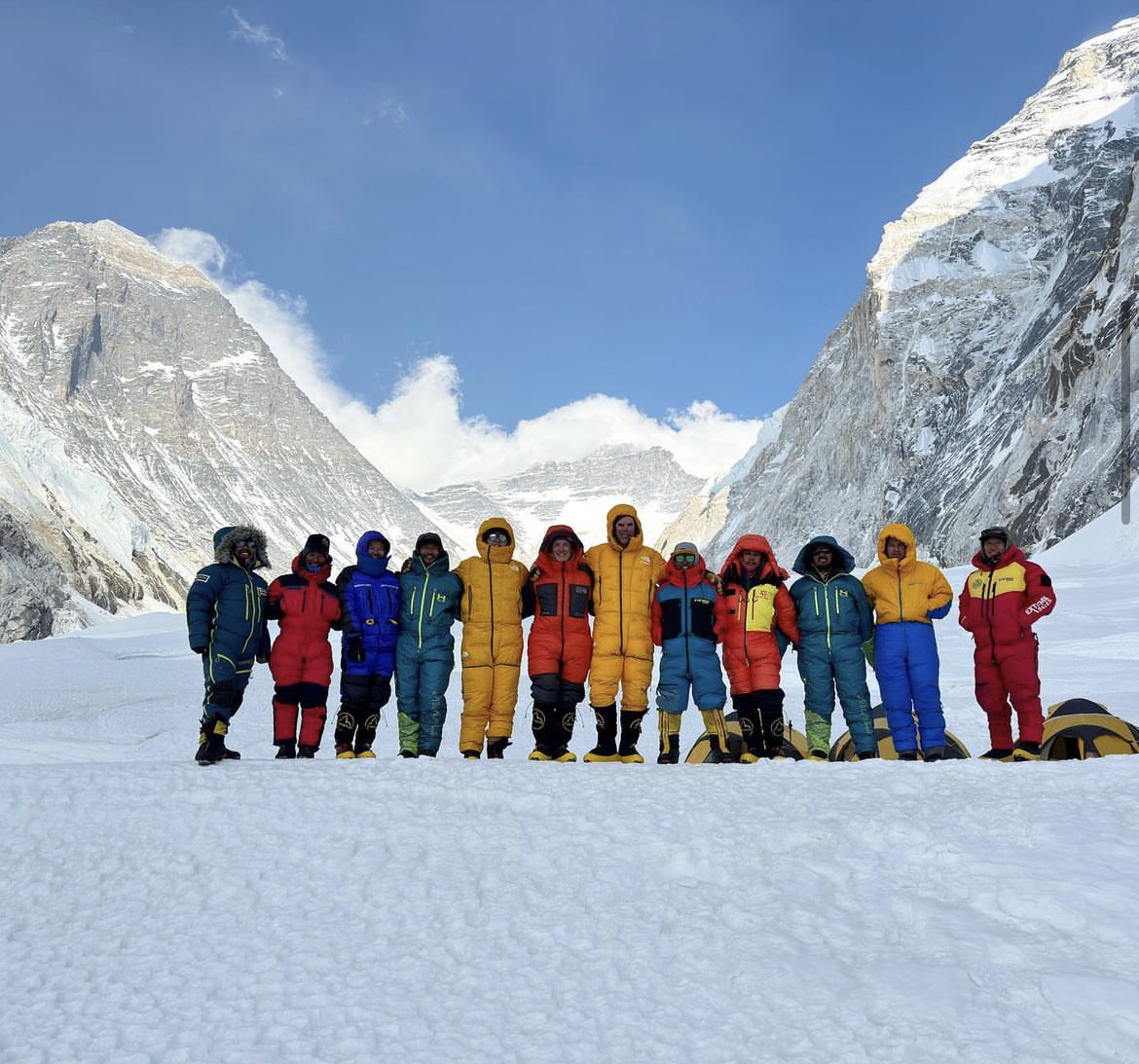
A climb to Camp 2 (21,500 ft/6,500 m) on Everest is a great way to sample the mountain without the stress, duration, or high cost of a summit bid.
Whether you are fascinated by the biggest mountain in the world and want to experience what it is like to be an Everest climber, or you are looking to climb Everest in the future and want to become familiar with the logistics and route, you won’t be disappointed!
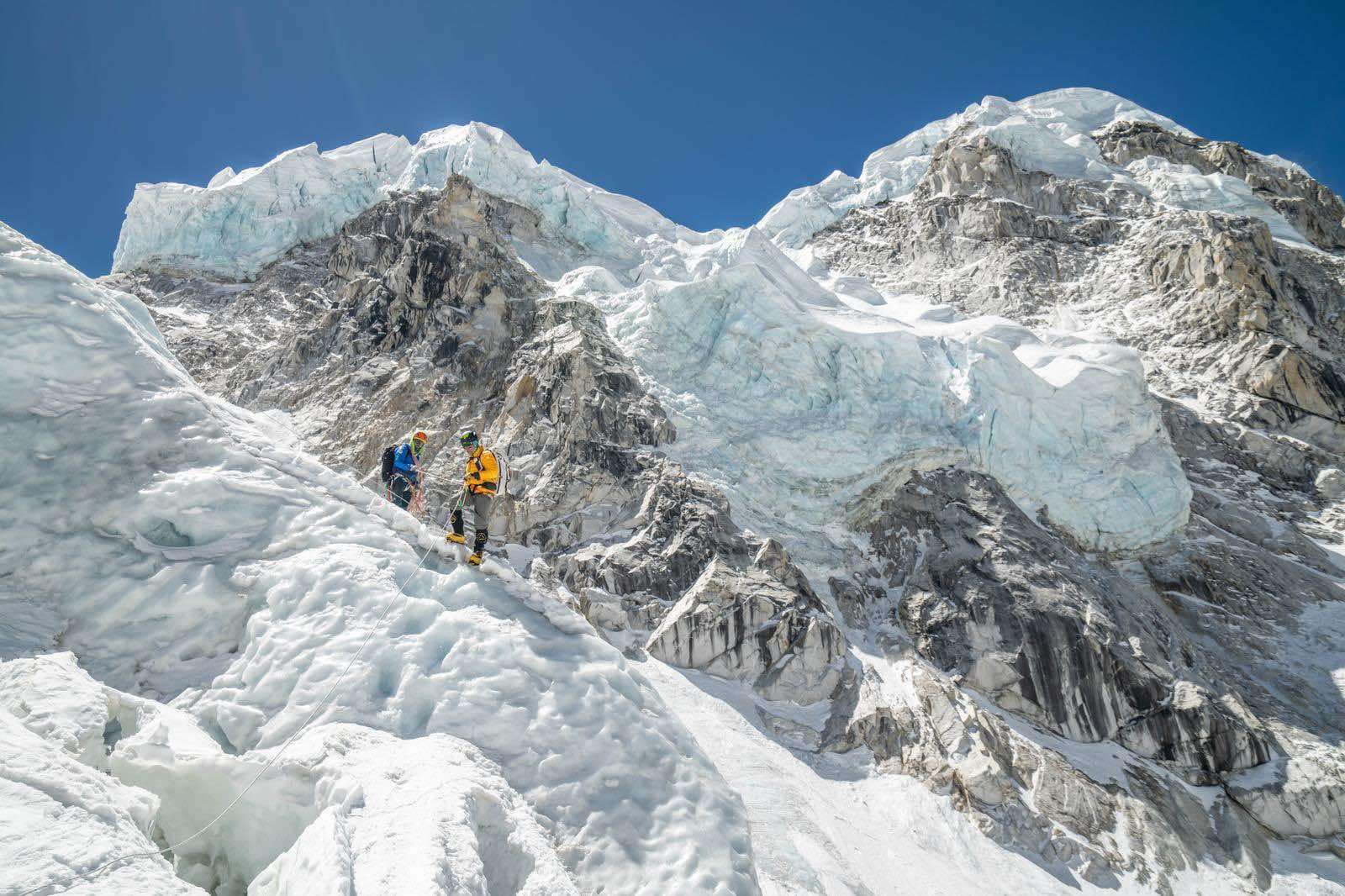
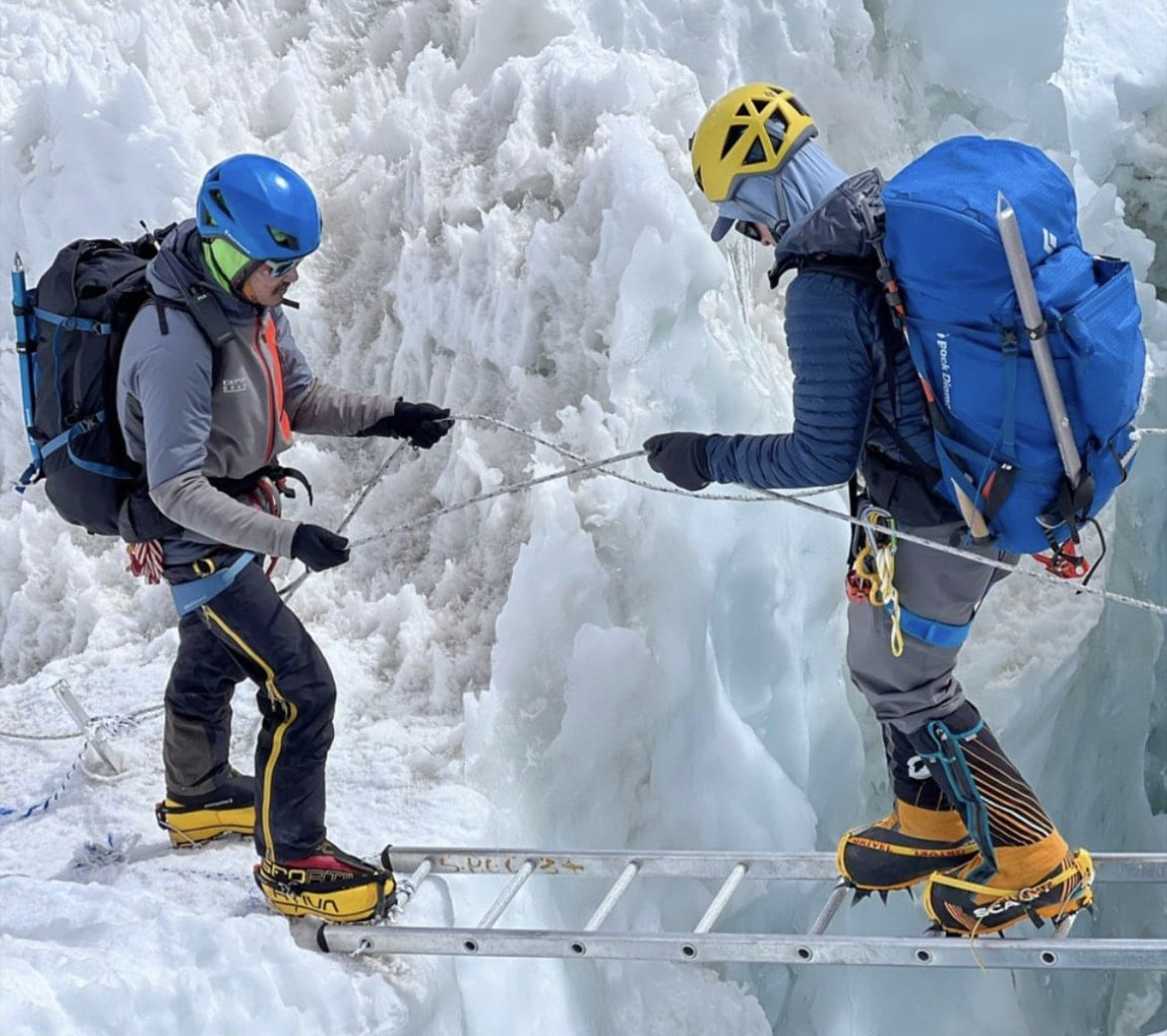
A Camp 2 climb is an excellent progression step in your climbing career, and the thrill of climbing in the renowned Khumbu Icefall and through the breathtaking Western CWM will stay with you for life..
CTSS provides guidance, leadership, and expedition oversight from renowned expedition leader Mike Hamill, along with expert guides, logistics, team gear, porters, food, and support for your climb to Camp 2 and trek to Everest Base Camp.
All prices are in US Dollars.
CTSS requires clients to buy trip insurance for all expeditions. Please see our trip insurance and cancellation policy page for more information.
All payments, once submitted, are non-refundable and non-transferable. If balances are not received by the specified dates, the client forfeits their place on the program and any prior fees paid.
Everest Base Camp Trek & Stay + Camp 2 Climb Itinerary
This itinerary is a rough estimate and will be adjusted according to weather and conditions. This is adventure travel, meaning things rarely go as planned, and this schedule will likely change. Climbers need to be adaptable and maintain a positive attitude.
We always recommend climbers arrive in Kathmandu one day early to avoid travel delays or issues with lost baggage. The client is responsible for the added expenses (hotel/food/sightseeing) of this extra day. Please let us know if we need to organize logistics for your early arrival or accommodation upgrades.
- Day 1: Arrive in Kathmandu, airport pick up and transfer to our hotel
- Day 2: Obtain climbing permits, free day in Kathmandu, team dinner
- Day 3: Fly to Lukla and begin trekking to Phakding
- Day 4: Trek to Namche
- Day 5: Rest day and acclimatization hike in Namche
- Day 6: Hike to Tengboche
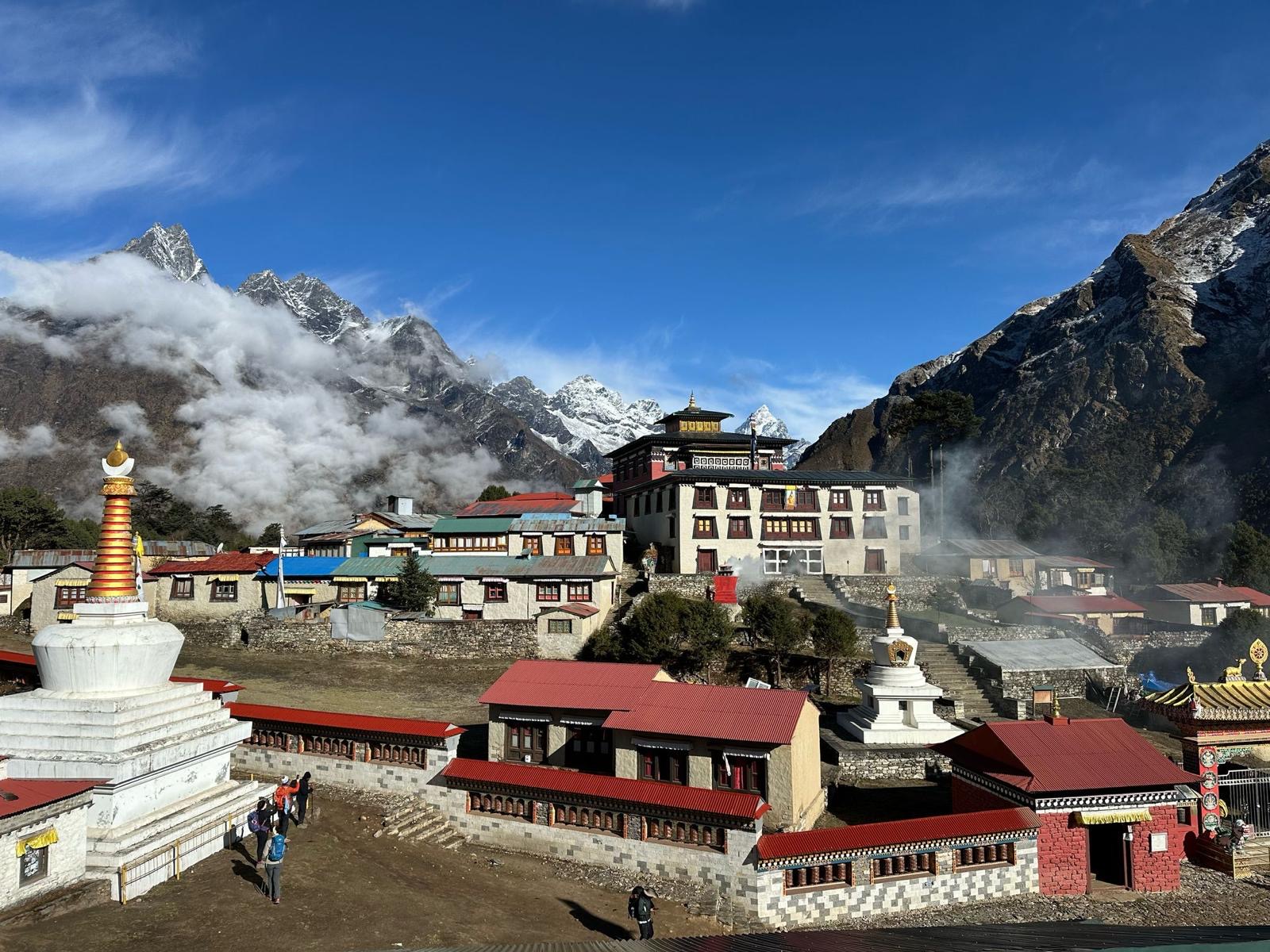
- Day 7: Rest day and acclimatization hike in Tengboche. Visit the Tengboche Monastery
- Day 8: Hike to Pheriche
- Day 9: Rest day and acclimatization hike in Pheriche
- Day 10: Hike to Lobuche Base Camp, overnight in CTSS tented camp
- Day 11: Acclimatization hike Lobuche High Camp, skills refresher, overnight in CTSS tented camp
- Day 12: Move to Lobuche High Camp, overnight in CTSS tented camp
- Day 13: Acclimatization hike above Lobuche High Camp, overnight in CTSS tented camp
- Day 14: Summit Lobuche and return to Lobuche Base Camp, , overnight in CTSS tented camp
- Day 15: Trek to Everest Base Camp, overnight in CTSS tented camp
- Day 16: Rest at Everest Base Camp, overnight in CTSS tented camp
- Day 17: Training and acclimatization hike, overnight in CTSS tented camp
- Day 18: Packing and acclimatization hike, overnight in CTSS tented camp
- Day 19: Climb to Camp 1, overnight in CTSS tented camp
- Day 20: Climb to Camp 2, return to Camp 1, overnight in CTSS tented camp
- Day 21: Descend to Everest Base Camp, overnight in CTSS tented camp
- Day 22: Rest & pack up gear at Everest Base camp, overnight in CTSS tented camp
- Day 23: Trek to Pheriche
- Day 24: Trek to Namche
- Day 25: Trek to Lukla
- Day 26: Fly to Kathmandu
- Day 27: Fly home
- Day 28: Contingency day
- Day 29: Contingency day
- Day 30: Contingency day
Our expeditions are designed to be fully inclusive, except for certain services and personal items, such as flights, gear, and insurance. Here’s a detailed list so you know what to expect.
Included in the Everest Base Camp Trek & Stay + Camp 2 Climb
- Professional mountain guides
- Professional Sherpa support staff and base camp support staff
- Climbing Sherpa and trek porters to assist with carrying personal gear
- Leadership, strategy, logistics, and expedition oversight
- Airport transfers
- Hotel accommodations in Kathmandu, Nepal (double-occupancy)
- Welcome dinner
- Transportation associated with the program itinerary
- Flights to and from Lukla
- Accommodation in lodges and teahouses in the Khumbu Valley (double-occupancy)
- Climbing permit for Everest and Lobuche East
- Breakfast and dinner during the expedition
- CTSS Everest Base Camp and Lobuche Base Camp setup and tent accommodation (double-occupancy)
- High mountain camp infrastructure and logistics (Camp 1, Camp 2)
- Lobuche East peak training and acclimatization climb (program dependent)
- Oxygen system and oxygen bottles
- Group gear that is not included in the expedition gear list
Excluded from the Everest Base Camp Trek & Stay + Camp 2 Climb
- International Flight to/from Kathmandu, Nepal
- Airport arrival or departure taxes
- Associated travel expenses (visas, passports, reciprocity fees, vaccination charges, excess baggage)
- Optional add-ons, excursions, or additional days before or after the scheduled program
- All costs incurred prior to the start date of the trip and after the end date
- Single-room accommodations, if desired and pre-booked
- All in-town restaurant meals (non-team meals in Kathmandu are your own responsibility)
- Bar tabs, minibars, hotel internet bills, laundry, etc.
- Personal climbing gear, equipment, and snacks (see Gear List for details)
- Sherpa tip pool
- Guide tips (customary but optional)
- Required trip insurance policy (trip cancellation, interruption, rescue & evacuation, medical treatment, repatriation, etc.)
- Unused contingency days at the end of your program (CTSS covers one night in the hotel in Kathmandu on your return; additional nights are your responsibility)
- Costs incurred as a result of events beyond the control of CTSS
- Expenses while on the expedition that are above and beyond the normal scope of the trip
- Rescue expenses or excess expenses above and beyond our normal trip costs

EBC Trek + Lobuche East Climb
Everest Base Camp Trek + Lobuche East Climb
$6,995 USD
- Annually: April 3rd – April 24th
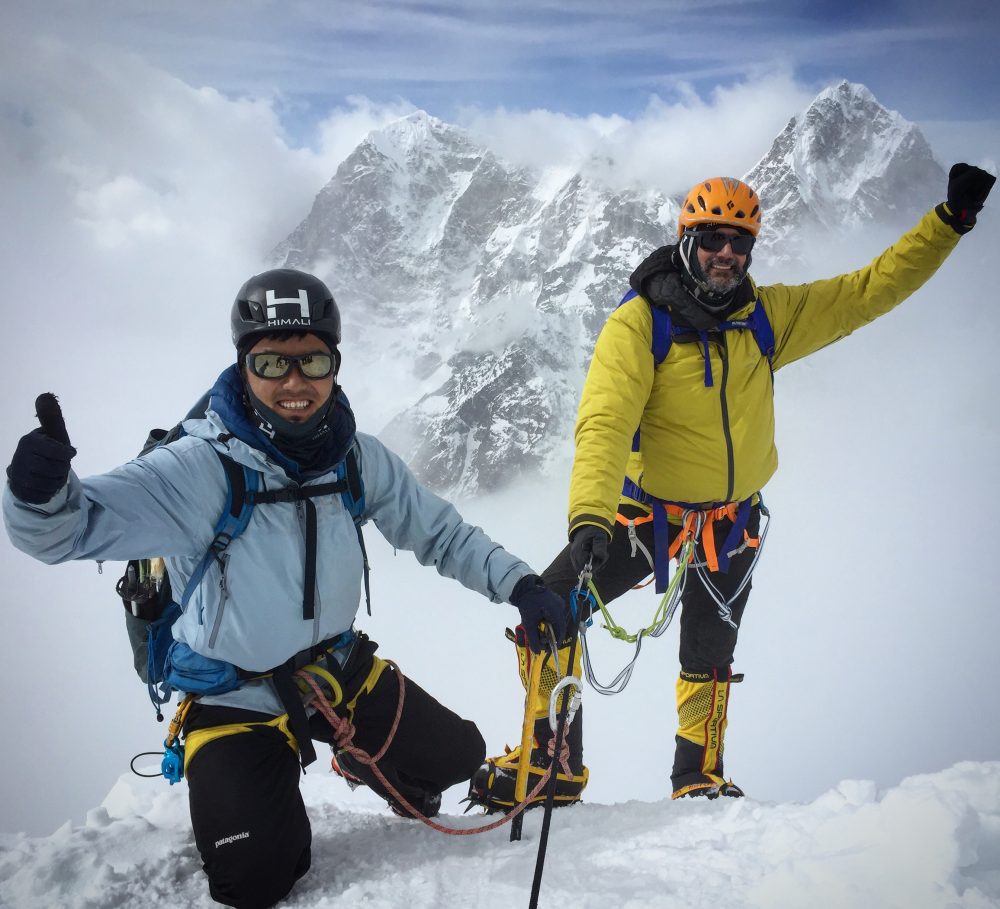
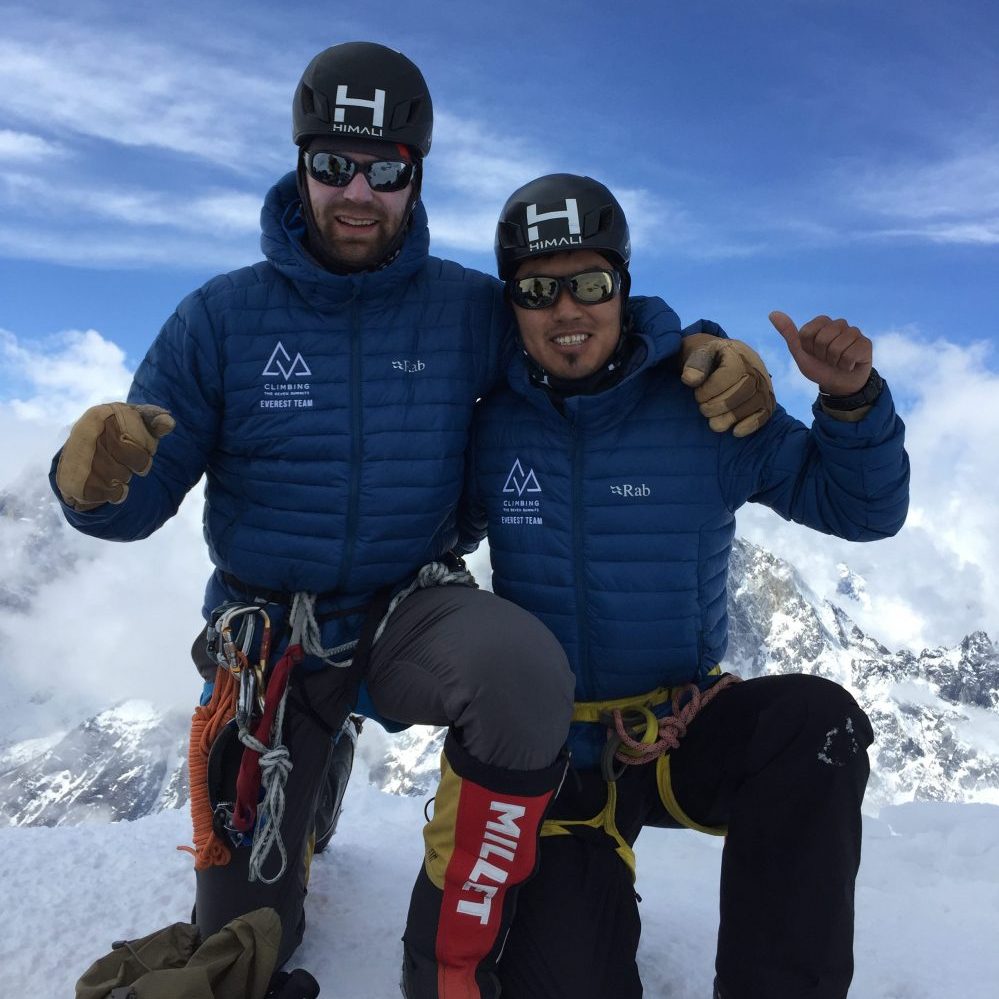
Lobuche Peak is a jewel of the Himalaya and offers perhaps the best summit view in the world! Lobuche is surrounded by the tallest peaks on Earth, and the view from the summit extends to the Everest, Lhotse, Nuptse massif, Makalu, as well as Pumori, Ama Dablam, Cho Oyu, Thamserku, and many others. This is a great first Himalayan climb and training peak for taller mountains such as Aconcagua, Ama Dablam, and Cho Oyu. Those considering an ascent of Lobuche East must be familiar with crampon and ice axe techniques and have used a harness before. We will run a training refresher at Lobuche Base Camp before the ascent, so if you are a little rusty, don’t worry, we will get you up to speed. If you’re unsure whether you have the experience for this climb, please ask us. If not, we can recommend additional training to prepare for an ascent of Lobuche East.
If you’re an Everest climber, your friends and family can join you on your acclimatization climb of Lobuche East en route to Everest and challenge themselves on steep fixed-line climbing up rock, snow, and ice.
CTSS provides guidance, leadership, and expedition oversight from renowned expedition leader Mike Hamill, along with expert guides, logistics, team gear, porters, food, and support for your summit attempt on Lobuche East and trek to Everest Base Camp.
All prices are in US Dollars.
CTSS requires clients to buy trip insurance for all expeditions. Please see our trip insurance and cancellation policy page for more information.
All payments, once submitted, are non-refundable and non-transferable. If balances are not received by the specified dates, the client forfeits their place on the program and any prior fees paid.
Everest Base Camp Trek + Lobuche East Climb Itinerary
This itinerary is a rough estimate and will be adjusted according to weather and conditions. This is adventure travel, meaning things rarely go as planned, and this schedule will likely change. Climbers need to be adaptable and maintain a positive attitude.
We always recommend climbers arrive in Kathmandu one day early to avoid travel delays or issues with lost baggage. The client is responsible for the added expenses (hotel/food/sightseeing) of this extra day. Please let us know if we need to organize logistics for your early arrival or accommodation upgrades.
- Day 1: Arrive in Kathmandu, airport pick up and transfer to our hotel
- Day 2: Obtain climbing permits, free day in Kathmandu, team dinner
- Day 3: Fly to Lukla and begin trekking to Phakding
- Day 4: Trek to Namche
- Day 5: Rest day and acclimatization hike in Namche
- Day 6: Hike to Tengboche
- Day 7: Rest day and acclimatization hike in Tengboche. Visit the Tengboche Monastery
- Day 8: Hike to Pheriche
- Day 9: Rest day and acclimatization hike in Pheriche
- Day 10: Hike to Lobuche Base Camp, overnight in CTSS tented camp
- Day 11: Acclimatization hike to Lobuche High Camp, skills refresher, overnight in CTSS tented camp
- Day 12: Move to Lobuche High Camp, overnight in CTSS tented camp
- Day 13: Acclimatization hike above Lobuche High Camp, overnight in CTSS tented camp
- Day 14: Summit Lobuche and return to Lobuche Base Camp, overnight in CTSS tented camp
- Day 15: Trek to Everest Base Camp, overnight in CTSS tented camp
- Day 16: Explore at Everest Base Camp, overnight in CTSS tented camp
- Day 17: Trek to Pheriche
- Day 18: Trek to Namche
- Day 19: Trek to Lukla
- Day 20: Fly to Kathmandu
- Day 21: Fly Home
- Day 22: Contingency Day
Our expeditions are designed to be fully inclusive, except for certain services and personal items, such as flights, gear, and insurance.
We highly recommend adding contingency days to the end of your trip and booking a flexible fare for the return flight. Flights can sometimes be delayed out of the Khumbu due to mountain weather. Please note CTSS covers one night in Kathmandu at the end of your trip.
- Professional mountain guides
- Professional Sherpa support staff and base camp support staff
- Leadership, strategy, logistics, and expedition oversight
- Airport transfers
- Hotel accommodations in Kathmandu, Nepal (double-occupancy)
- Transportation associated with the program itinerary
- Flights to and from Lukla
- Accommodation in lodges and teahouses in the Khumbu Valley (double-occupancy)
- CTSS Lobuchue Base Camp setup and tent accommodation (double-occupancy)
- 2x nights accommodation at Everest Base Camp proper (double-occupancy)
- Climbing permit for Lobuche East
- Training and skills refresher clinics at Lobuche & Everest Base Camp
- Breakfast and dinner during the expedition
- Group gear that is not included in the expedition gear list
- International Flight to/from Kathmandu, Nepal
- Airport arrival or departure taxes
- Associated travel expenses (visas, passports, reciprocity fees, vaccination charges, excess baggage)
- Optional add-ons, excursions, or additional days before or after the scheduled program
- All costs incurred prior to the start date of the trip and after the end date
- Single-room accommodations, if desired and pre-booked
- All in-town restaurant meals (non-team meals in Kathmandu are your own responsibility)
- Bar tabs, minibars, hotel internet bills, laundry, etc.
- Personal climbing gear, equipment, and snacks (see Gear List for details)
- Sherpa tip pool
- Guide tips (customary but optional)
- Required trip insurance policy (trip cancellation, interruption, rescue & evacuation, medical treatment, repatriation, etc.)
- Unused contingency days at the end of your program (CTSS covers one night in the hotel in Kathmandu on your return; additional nights are your responsibility)
- Costs incurred as a result of events beyond the control of CTSS
- Expenses while on the expedition that are above and beyond the normal scope of the trip
- Rescue expenses or excess expenses above and beyond our normal trip costs
Included in the Everest Base Camp Trek + Lobuche East Climb
Excluded in the Everest Base Camp Trek + Lobuche East Climb
Everest Base Camp Trek & Stay Team Departure
Everest Base Camp Trek & Stay Team Depature
2026 Departures: $5,495 USD
2027 Departures: $5,995 USD
- Annually: April 3rd – April 22nd
- Annually: April 12th – May 1st
- Masters (50+): April 8th – April 27th, 2027
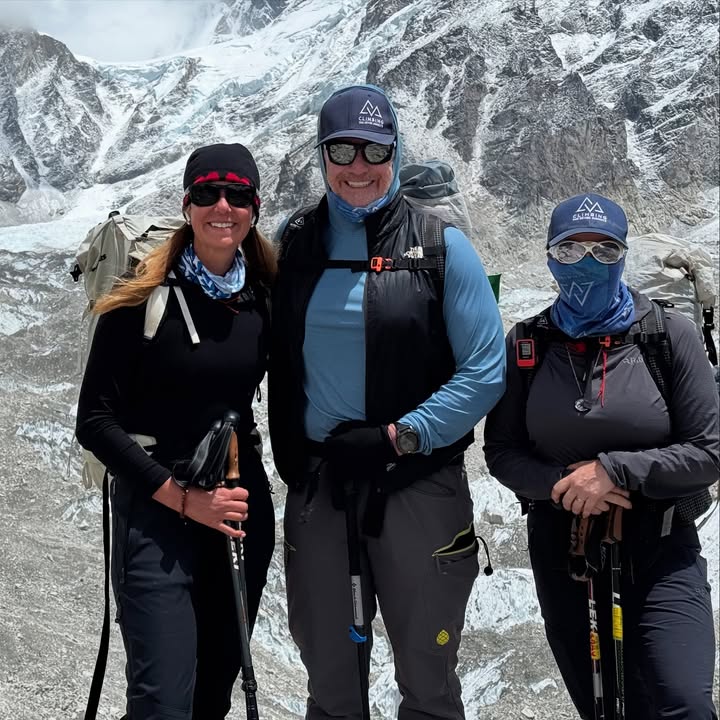
The trek to Everest Base Camp is widely heralded as the best trek in the world, and for good reason.
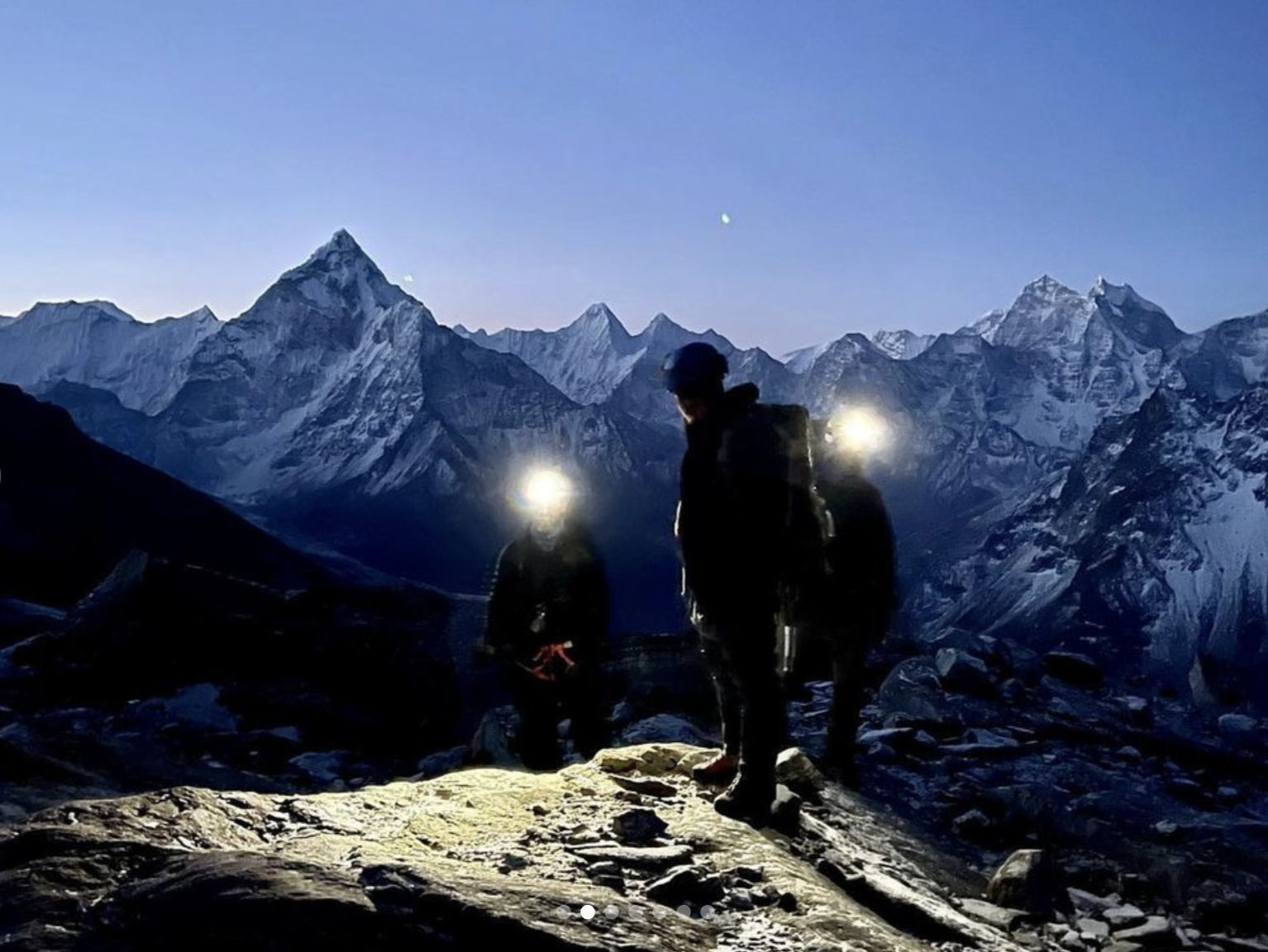
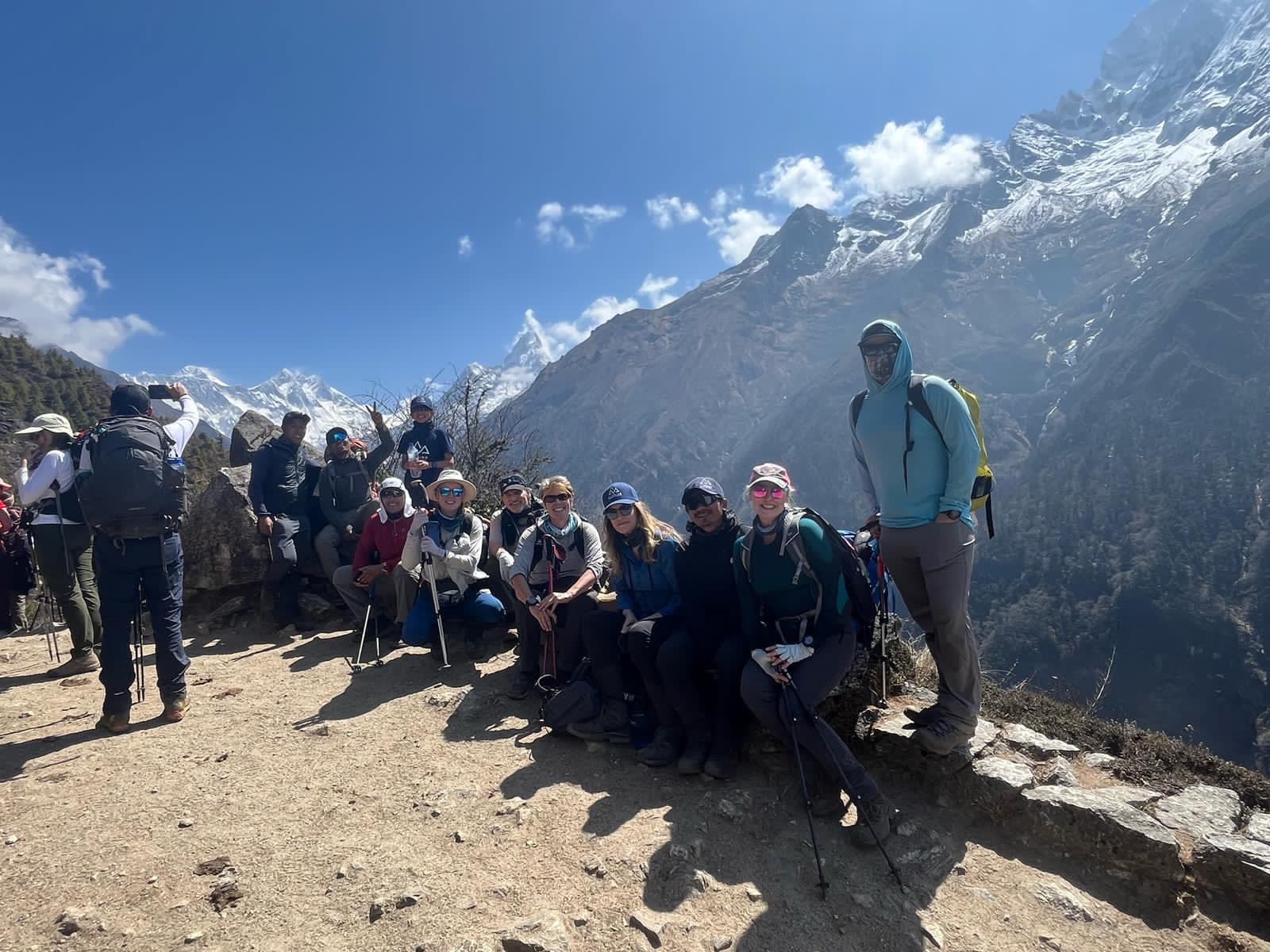
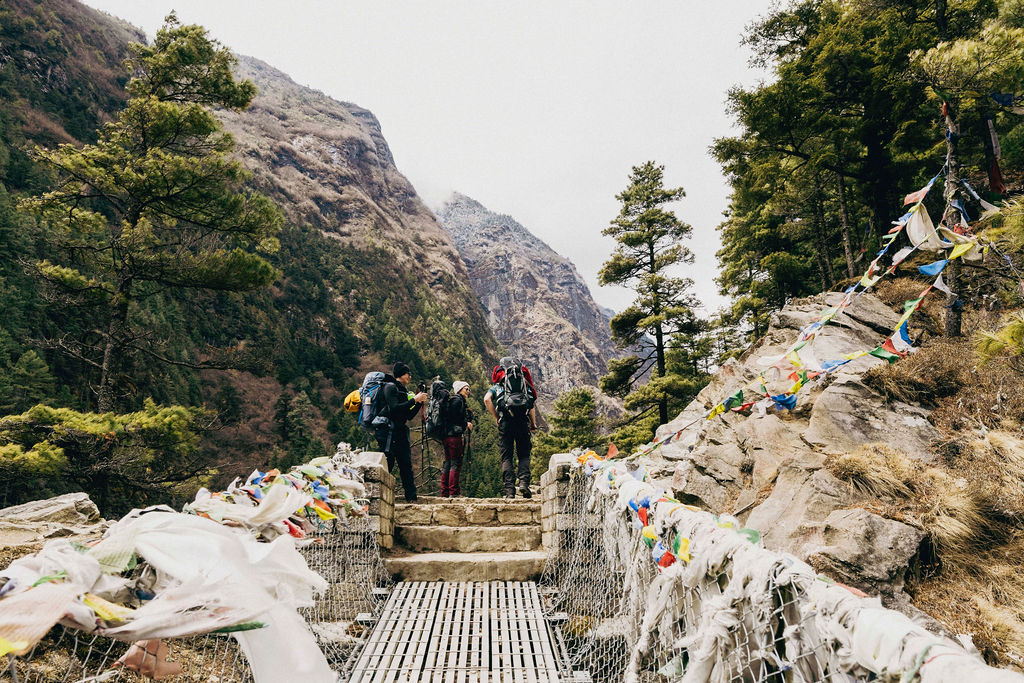
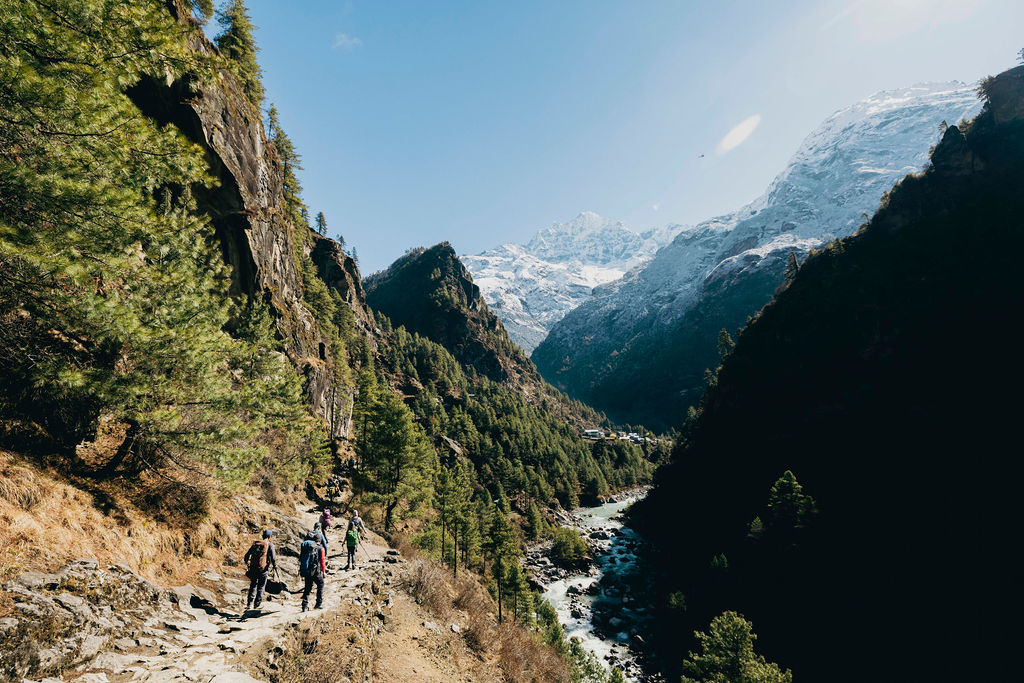
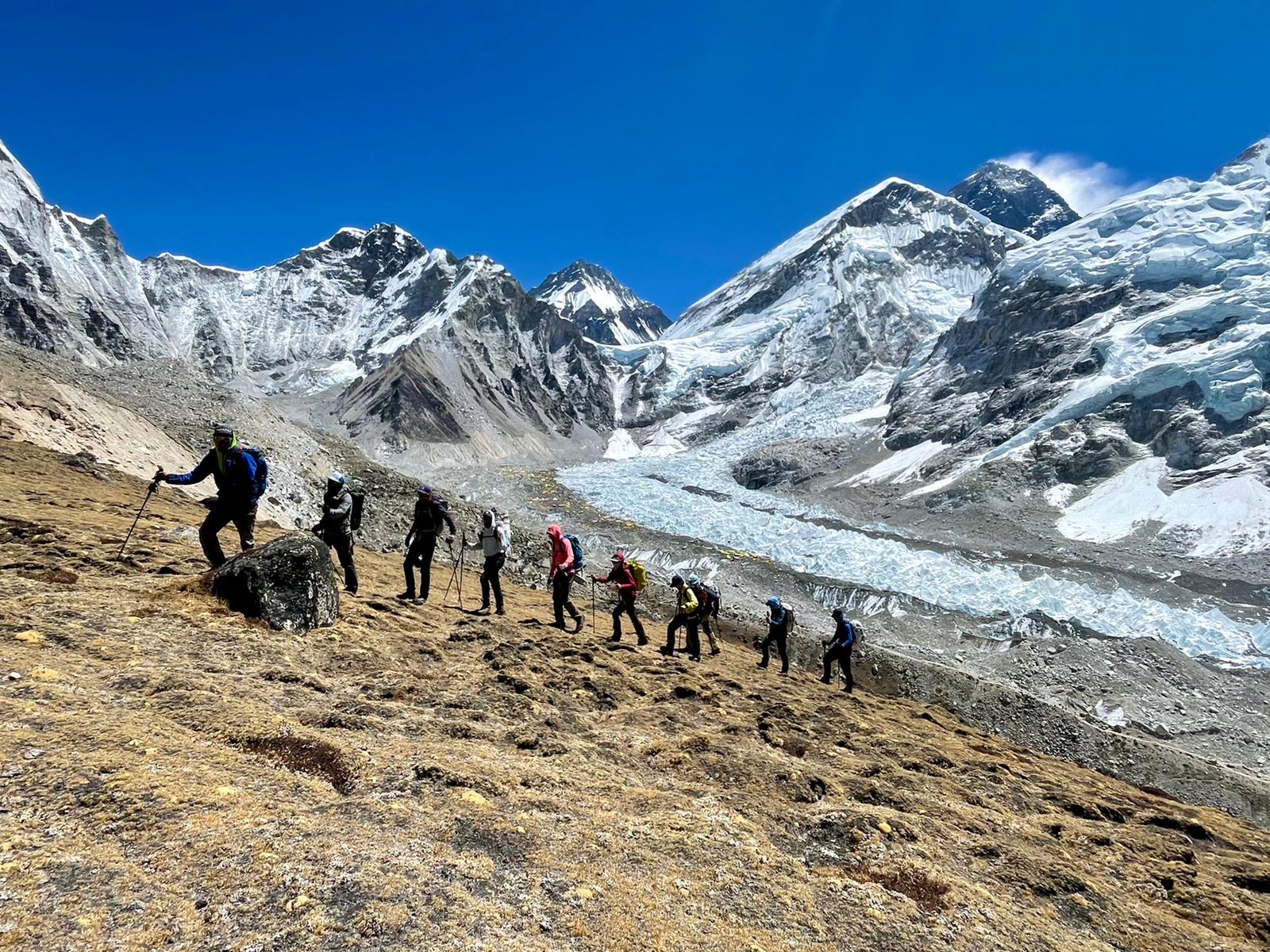
Over the course of 20 days, you will travel by plane from Kathmandu to Lukla, the head of the Khumbu Valley. From there, you will trek roughly 40 miles/70 km through the lush green pastures, blossoming Rhododendron forests, up into the most precipitous mountain terrain one can imagine. En route to Everest Base Camp, you will experience the famous Sherpa culture and hospitality while taking in the views of the tallest mountains on earth.
The terminus of your trek is Everest Base Camp at 17,600ft/ 5,500m, where, since you are affiliated with an Everest climbing expedition, you are allowed to spend a night at our luxury expedition camp. This gives you insider access to the Everest Base Camp scene and community, an amenity not available to other trekking groups.
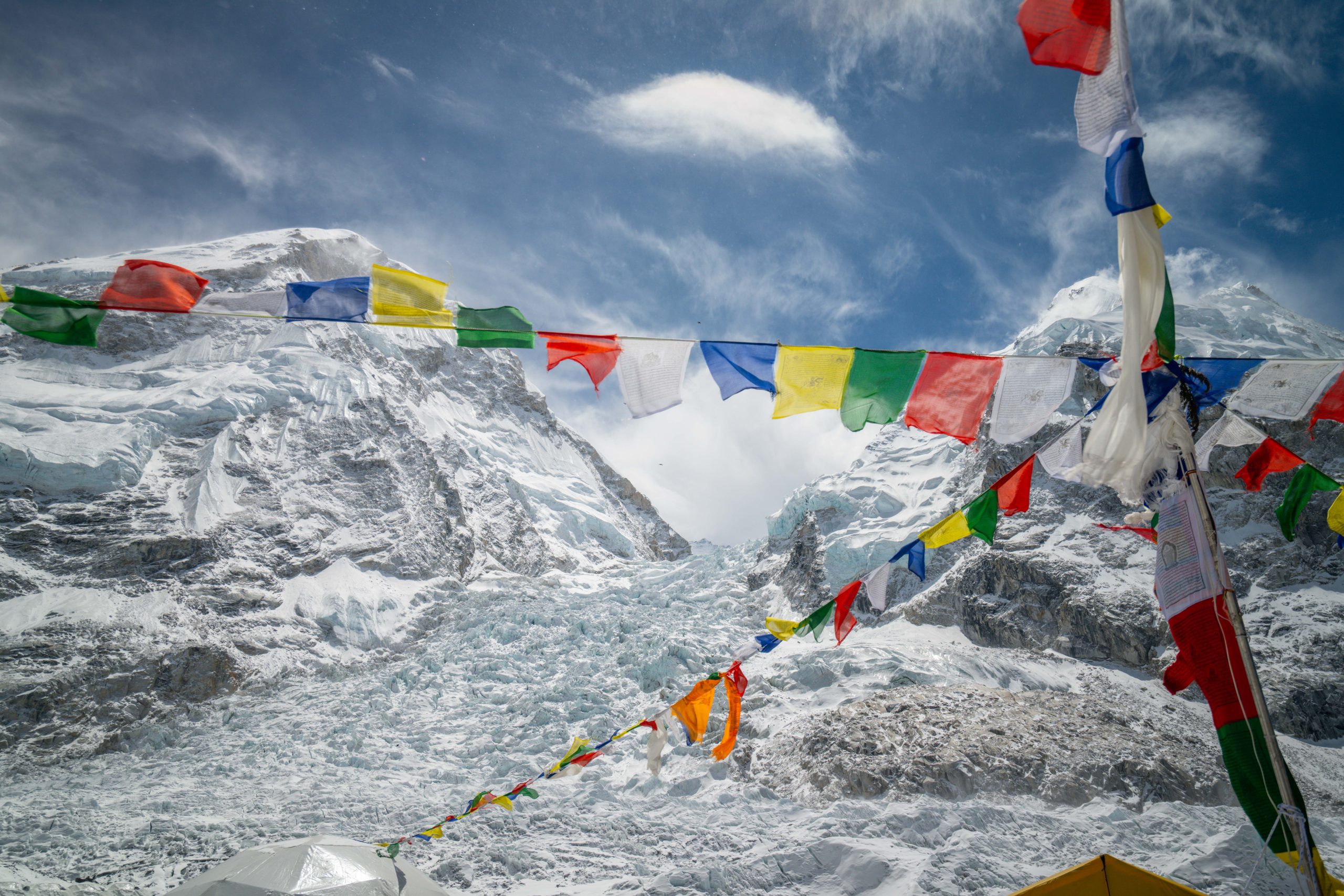
At Everest Base Camp proper, you will spend 2x nights in the heart of camp, with the opportunity to do a beginner-friendly ice climbing and mountaineering skills clinic on the lower part of the Khumbu Glacier. In addition, you will have ample time to hang out, relax, and soak up the vistas over the icefall in our famed Big House, complete with unlimited cappuccinos from the world’s highest cafe, and lively games of ping-pong on the world’s highest ping pong table! Finally, before you make your descent back to Lukla, you will have the opportunity to climb Kala Pathar, which boasts stunning views of the Everest Massif, Lhotse, and Nuptse.
This trek is ideal for anyone who wants to challenge themselves and is a great option for families and friends of CTSS climbers. They can join the trek-in, stay at Everest Base Camp, and gain firsthand experience as part of our Everest and Lhotse expeditions.
After your once-in-a-lifetime stay at Everest Base Camp, you will retrace your steps back down the valley, before flying back to Kathmandu and onward home.
- If these dates don’t work for you, or you would like a private trip and private guide, we also build custom itineraries for many of our climbers.
- You can trek to Everest Base Camp as a standalone expedition, or you can round out your experience in the Himalayas with additional climbs, treks, and tours.
This is our traditional guided team trek, which ascends the stunning Khumbu Valley. CTSS provides guidance, leadership, and expedition oversight from renowned expedition leader Mike Hamill, along with expert guides, logistics, team gear, porters, food, and support for your trek to Everest Base Camp.
All prices are in US Dollars.
CTSS requires clients to buy trip insurance for all expeditions. Please see our trip insurance and cancellation policy page for more information.
All payments, once submitted, are non-refundable and non-transferable. If balances are not received by the specified dates, the client forfeits their place on the program and any prior fees paid.
Everest Base Camp Trek & Stay Inclusions and Exclusions
Our expeditions are designed to be fully inclusive, except for certain services and personal items, such as flights, gear, and insurance.
We highly recommend adding contingency days to the end of your trip and booking a flexible fare for the return flight. Flights can sometimes be delayed out of the Khumbu due to mountain weather. Please note CTSS covers one night in Kathmandu at the end of your trip.
- Professional trek leaders
- Leadership, strategy, logistics, and expedition oversight
- Airport transfers
- Accommodation in Kathmandu (double-occupancy)
- Welcome dinner
- Transportation associated with the program itinerary
- Flights to and from Lukla
- Accommodation in lodges and teahouses in the Khumbu Valley (double-occupancy)
- 2x nights accommodation at Everest Base Camp Proper (double-occupancy)
- Tent accommodation at Lobuche Base Camp
- Breakfast and dinner during the expedition
- Park fees and trekking permits
- Porters to carry trekking duffels on the trek
- Mountain camp infrastructure and logistics
- Group gear that is not included in the expedition gear list
- International Flight to/from Kathmandu, Nepal
- Airport arrival or departure taxes
- Associated travel expenses (visas, passports, reciprocity fees, vaccination charges, excess baggage)
- Optional add-ons, excursions, or additional days before or after the scheduled program
- All costs incurred prior to the start date of the trip and after the end date
- Single-room accommodations, if desired and pre-booked
- All in-town restaurant meals (non-team meals in Kathmandu are your own responsibility)
- Bar tabs, minibars, hotel internet bills, laundry, etc.
- Personal climbing gear, equipment, and snacks (see Gear List for details)
- Sherpa tip pool ($300 for trekkers)
- Guide tips (customary but optional)
- Required trip insurance policy (trip cancellation, interruption, rescue & evacuation, medical treatment, repatriation, etc.)
- Unused contingency days at the end of your program (CTSS covers one night in the hotel in Kathmandu on your return; additional nights are your responsibility)
- Costs incurred as a result of events beyond the control of CTSS
- Expenses while on the expedition that are above and beyond the normal scope of the trip
- Rescue expenses or excess expenses above and beyond our normal trip costs
Everest Base Camp Trek & Stay Daily Itinerary
This itinerary is intentionally designed to optimize acclimatization, energy, and overall experience, not just to reach Everest Base Camp, but to arrive there feeling strong and in good style.
In the daily itinerary below, elevations are listed for each village, and the reported elevation change that is also listed is the difference between villages, not the elevation change you may actually experience. Depending on your route, you may ascend and descend significantly more as the trail rolls over ridges and through valleys. Similarly, horizontal distance can change if you take side trails or detours.
Success in the mountains depends on being flexible enough to capitalize on weather windows, group fitness, and mountain conditions throughout the climb. Our guides will make decisions in real time to maximize your chances of success and take advantage of the best conditions and weather.
We provide these itineraries as an aid to your planning, but please know they can and will change. Come prepared to embrace the fluidity and joy of tuning into this very unique mountain environment.
- Overall: Lukla to Everest Base Camp
- Distance (one-way): ~37 – 40 mi | 60 – 65 km
- Total ascent (one-way): ~8,200 ft – 9,800 ft | 2,500 – 3,000 m net gain
- Cumulative ascent (actual walking): ~11,500 ft – 15,000 ft+ | 3,500 – 4,500 m+ (due to ups/downs)
- Guide Tip: The trail constantly undulates, so you climb way more than the net elevation suggests.
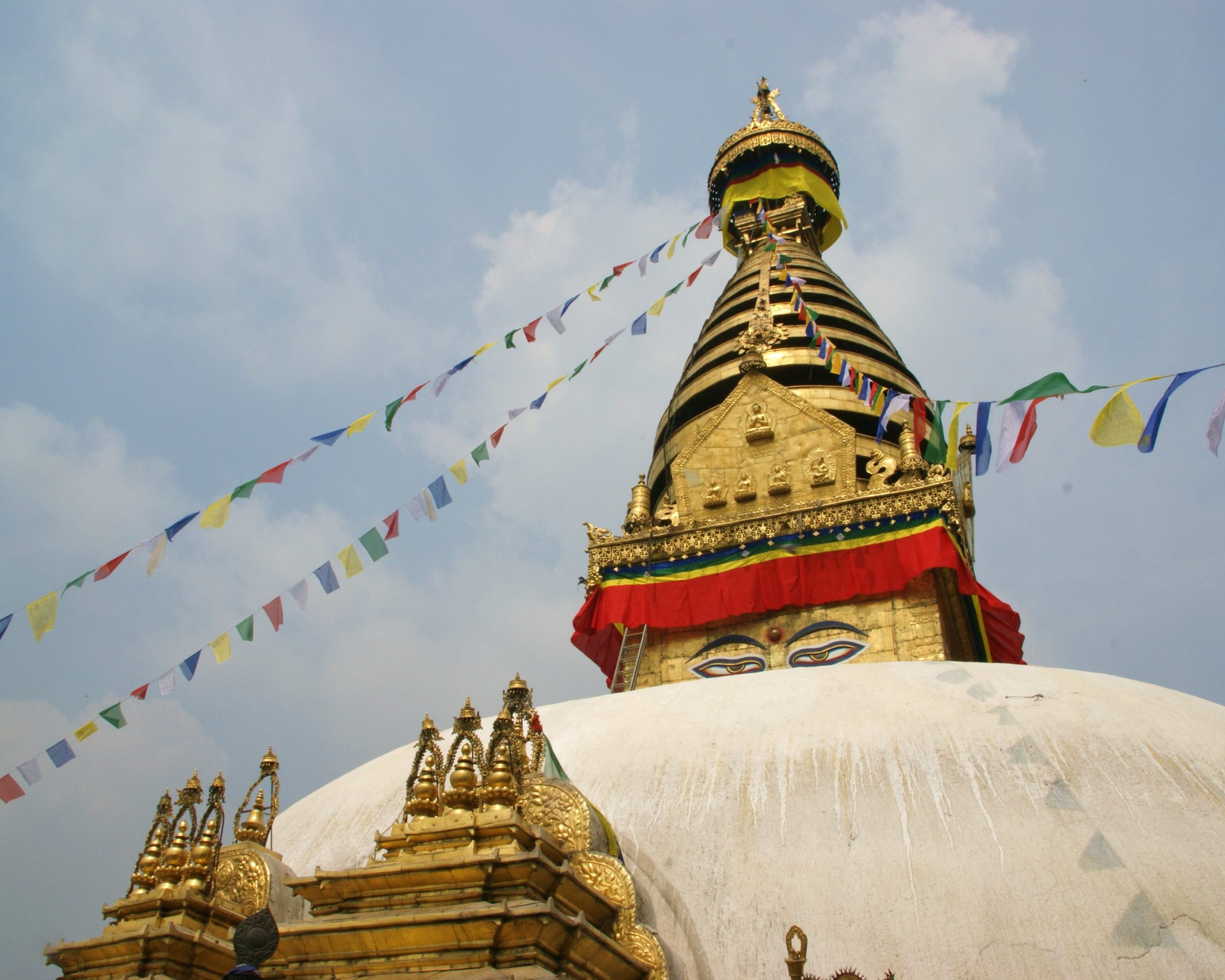
Arrive at Tribhuvan International Airport in Kathmandu, where our team will greet you and transfer you to our 5-star hotel. Today is a pure arrival day; you can arrive at any time that suits you. Settle in, rest, relax, and shake off the jetlag.
- Overnight: Hotel, Kathmandu
- Meals: _/_/_/
- Guide Tip: Use any free hours to rest and recover. It’s an exciting journey ahead, but you have lots of time to socialize and explore. Hydrate & get on the timezone.
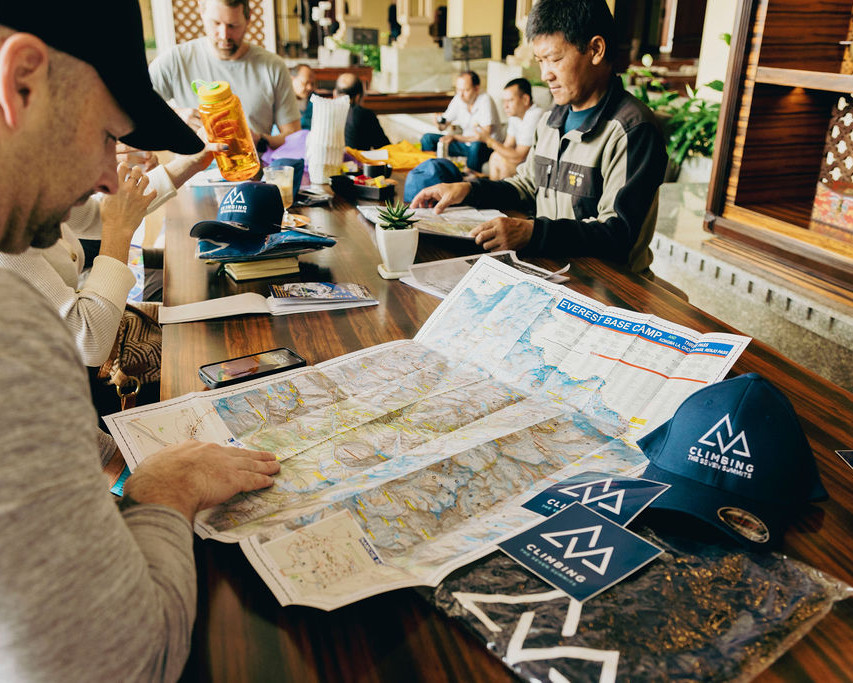
Enjoy breakfast at the hotel before an in-depth trip briefing and gear checks with your guide and team. In the afternoon, you will have free time to explore the city, hit the spa or gym, or relax. Tonight we celebrate with a welcome dinner.
- Overnight: Hotel, Kathmandu
- Meals: B/_/D
- Guide Tip: Listen closely during the briefing, as we will answer most of your questions to help you when you repack for your trek. If you’ve forgotten something, today’s your day to go pick it up in town. Thamel has the best selection of quality gear
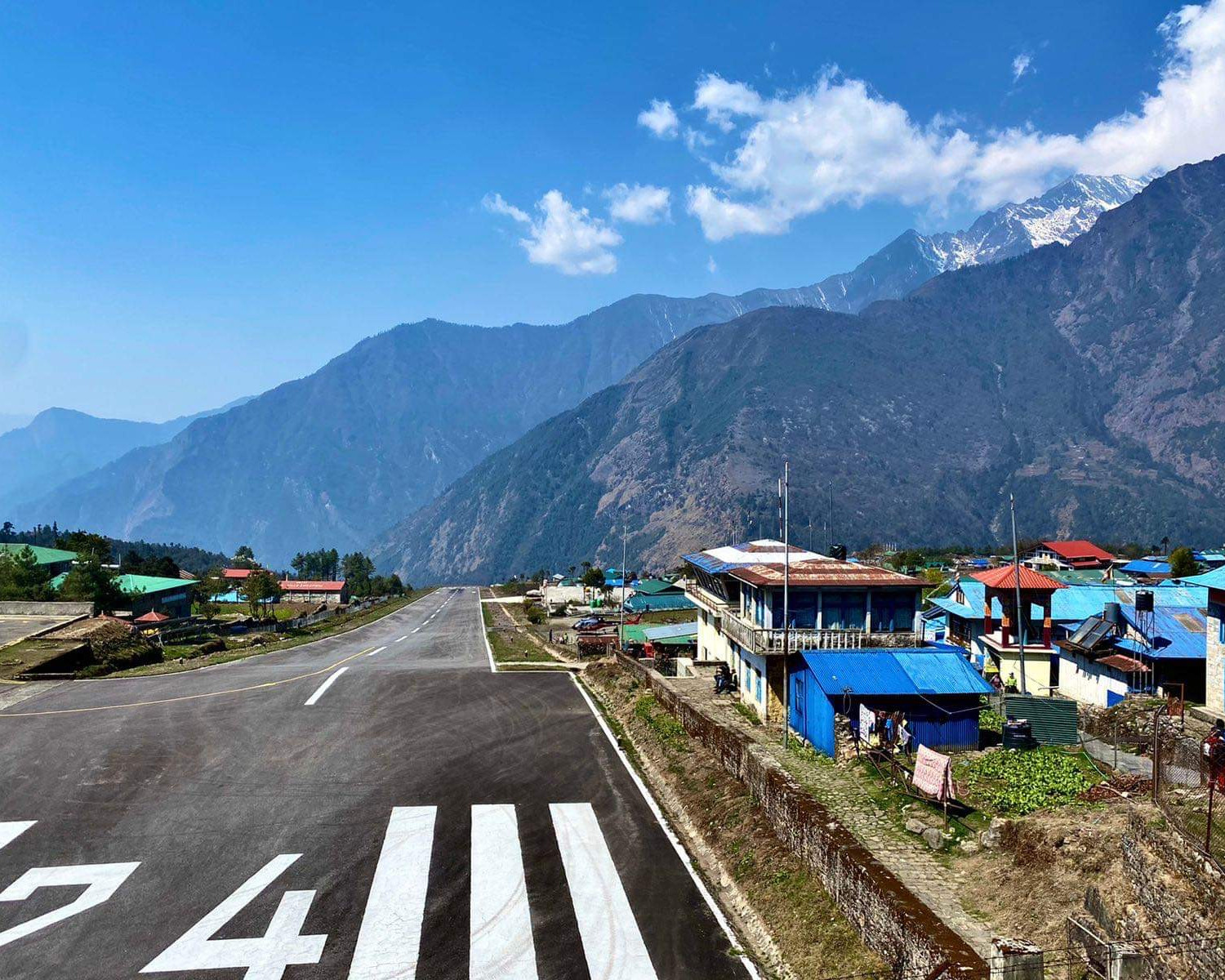
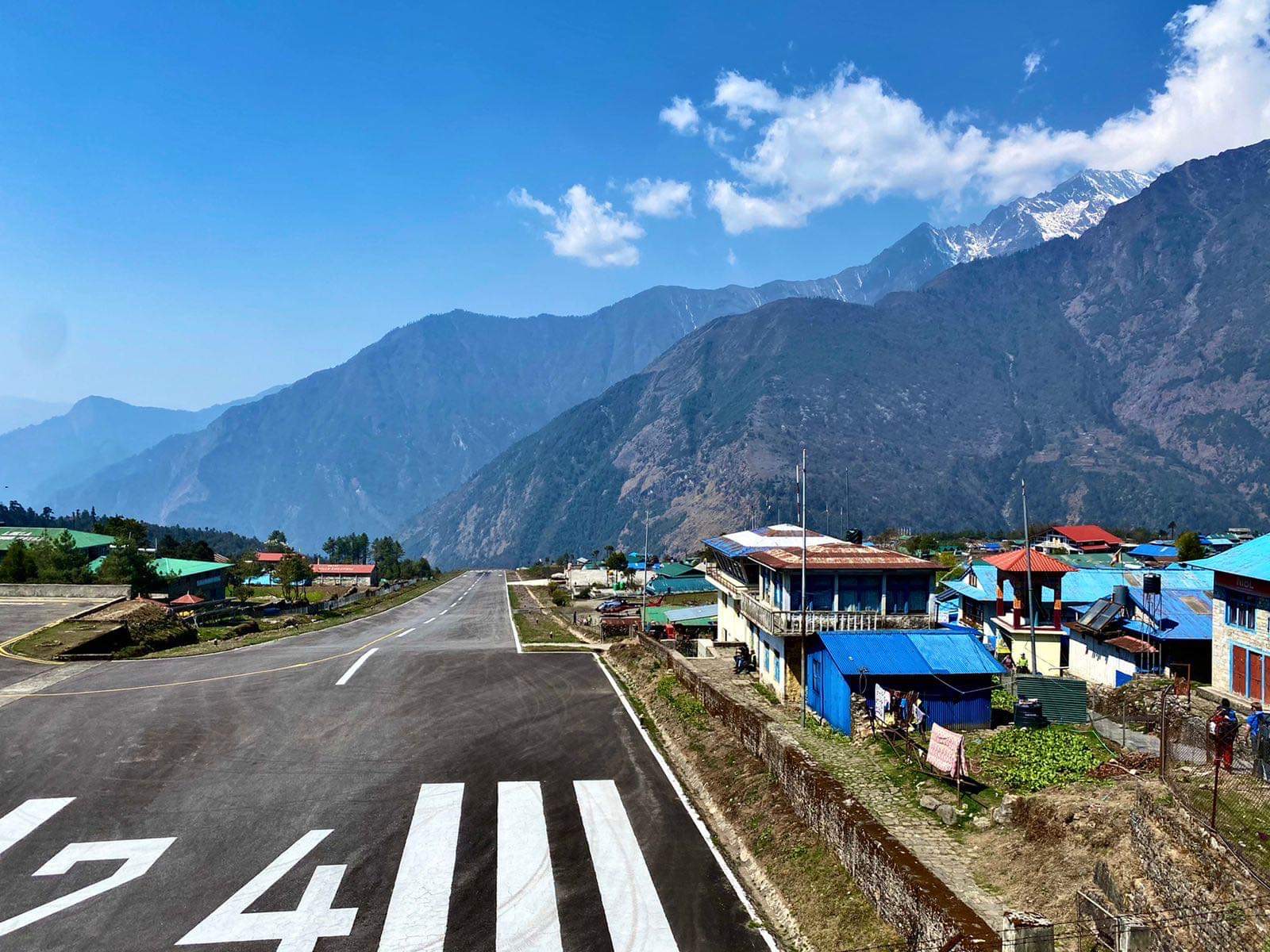
We will take an early-morning flight to the Tenzing-Hillary Airport in Lukla. After arriving in this quaint Sherpa village terraced into the hillside, we will begin our trek as we pass through the gates of Sagarmatha National Park and into the famed Khumbu Valley.
- Distance: 4.5 mi | 7 km
- Duration: 3 – 4 hours
- Elevation Profile:
- Start: Lukla ~9,383 ft / 2,860 m
- End: Phakding ~8,563 ft / 2,610 m
- Overnight: Mountain Lodge, Phakding
- Meals: B/_/D
- Today Feels Like: Easy and gentle opener with a net downhill, but expect a few short climbs to wake the legs up.
- Guide Tip: Start slower than you think. Practice being present and conscious of your foot placement. Use your trekking poles.
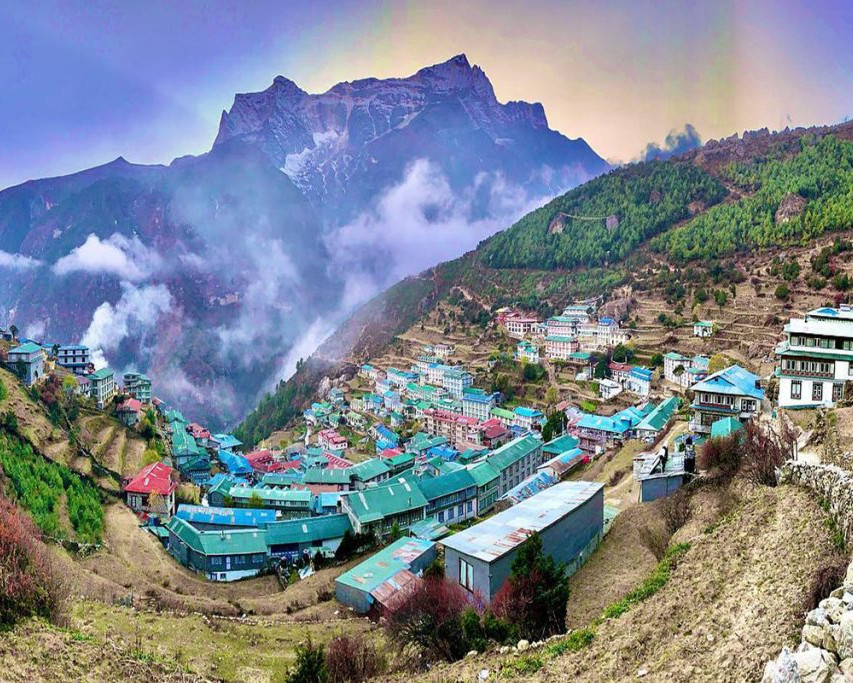
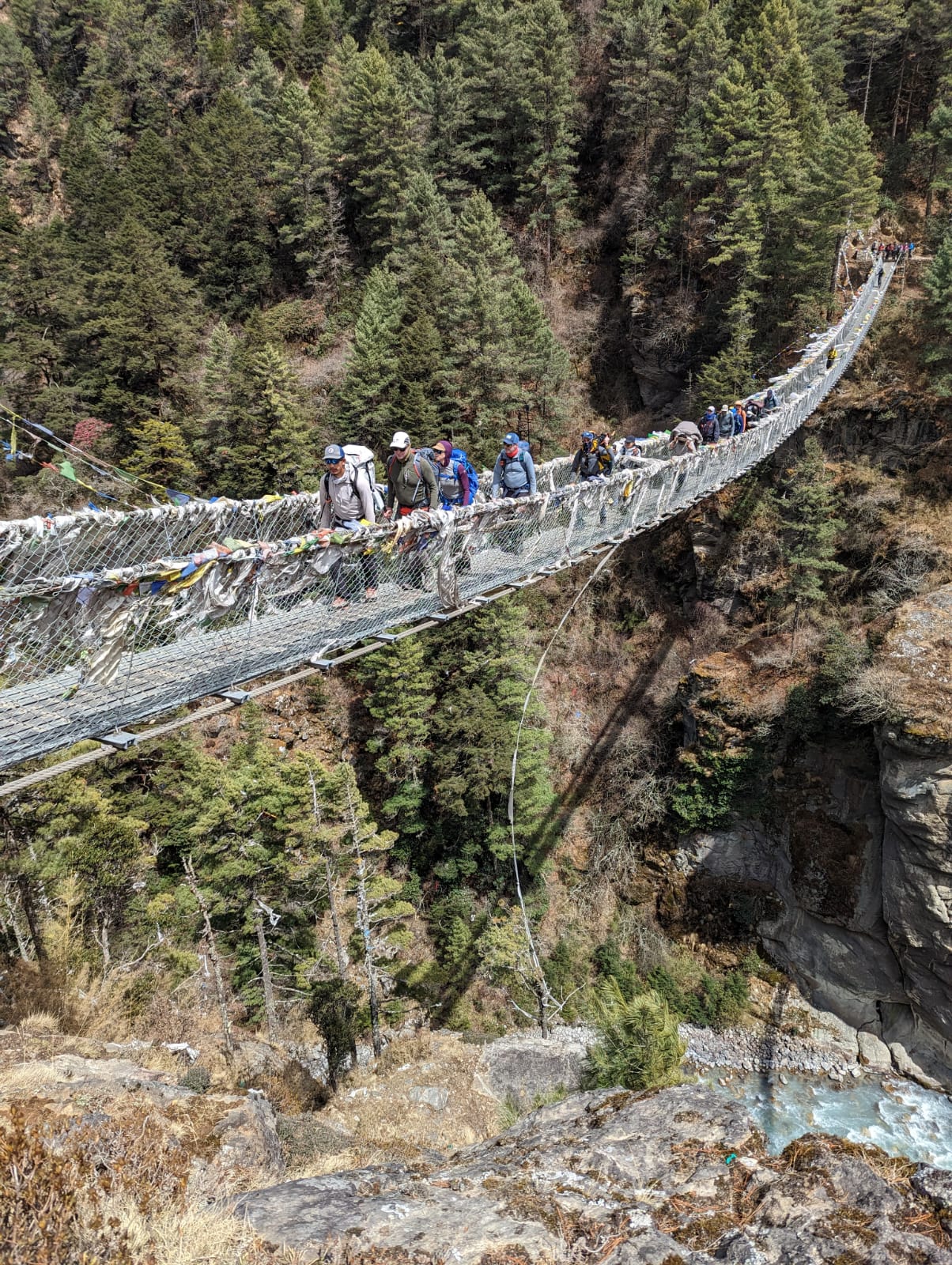
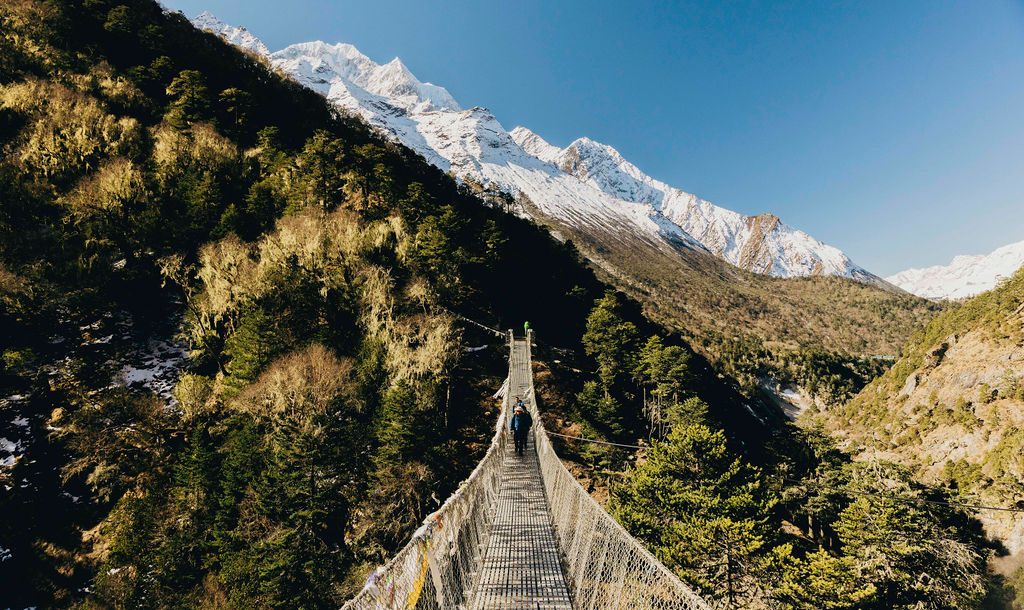
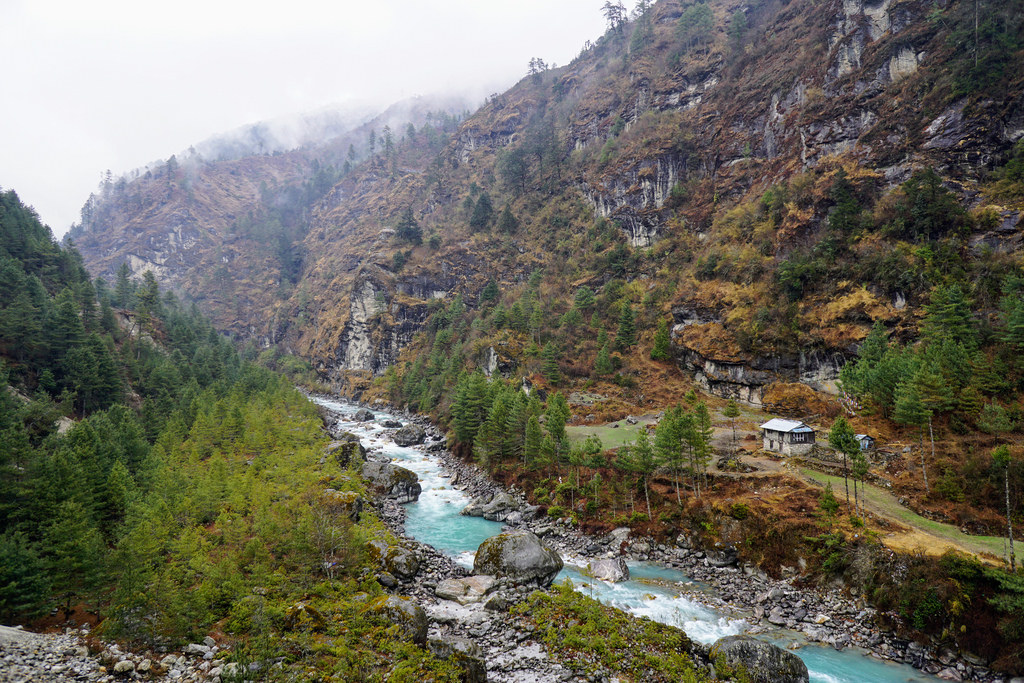
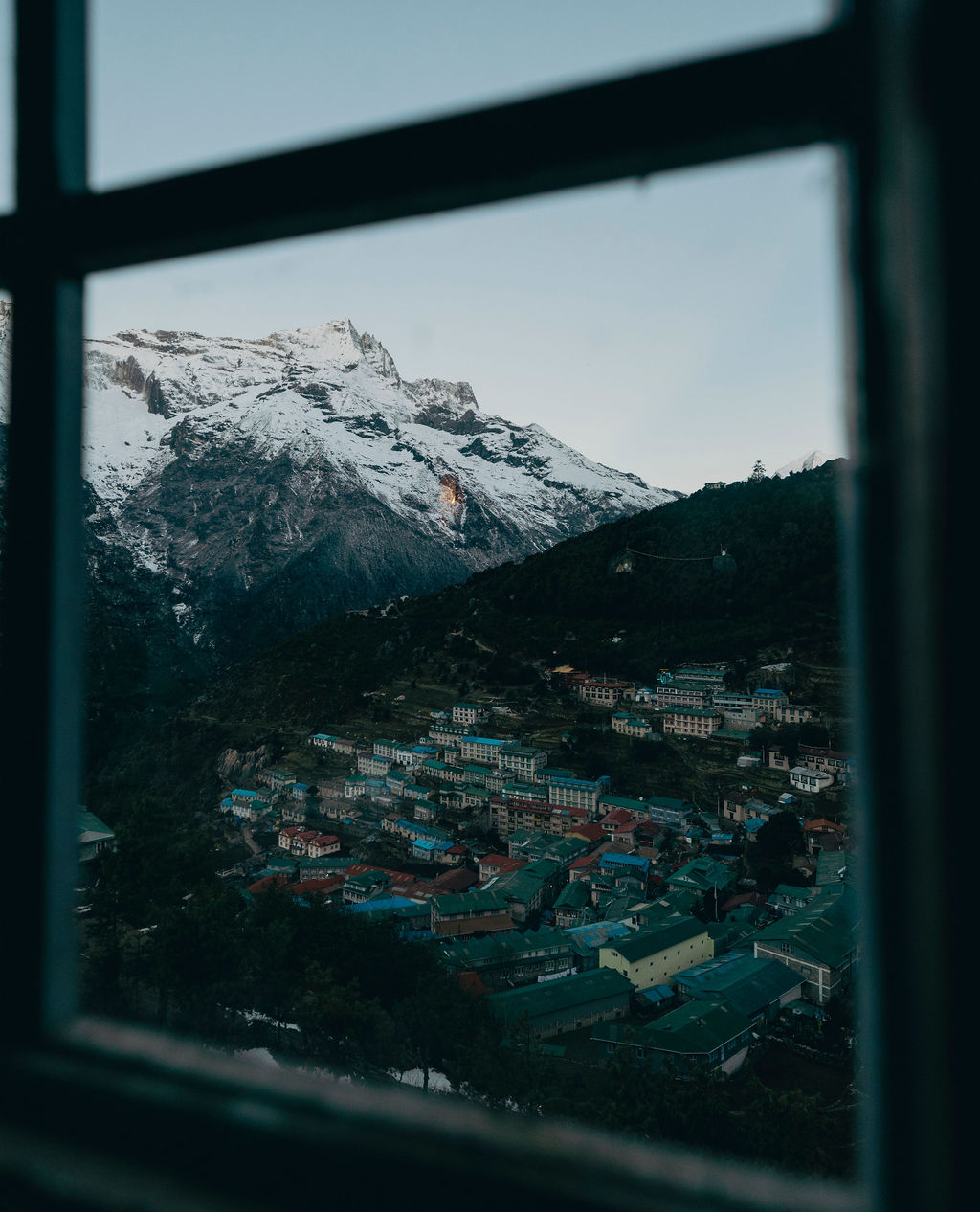
Today will be our first full day of trekking, following the Dudh Koshi River, crossing its roaring glacial waters via the iconic Hillary Suspension Bridge before ascending Namche Hill to the thriving Sherpa capital, Namche Bazaar, where we will stay for the next two nights.
- Distance: 6.5 – 7.5 mi | 10 -12 km
- Duration: 5 – 7 hours
- Elevation Profile:
- Start: Phakding ~8,563 ft / 2,610 m
- End: Namche Bazaar ~11,286 ft / 3,440 m
- Overnight: Mountain Lodge, Namche Bazaar
- Meals: B/_/D
- TodayFeels Like: Our first big day, especially the final climb. Steady, slow pacing and self-care are key.
- Guide Tip: The final climb into Namche is all about learning high altitude pacing. Take small, steady steps and focus on breathing, not speed. Drink lots of water today.
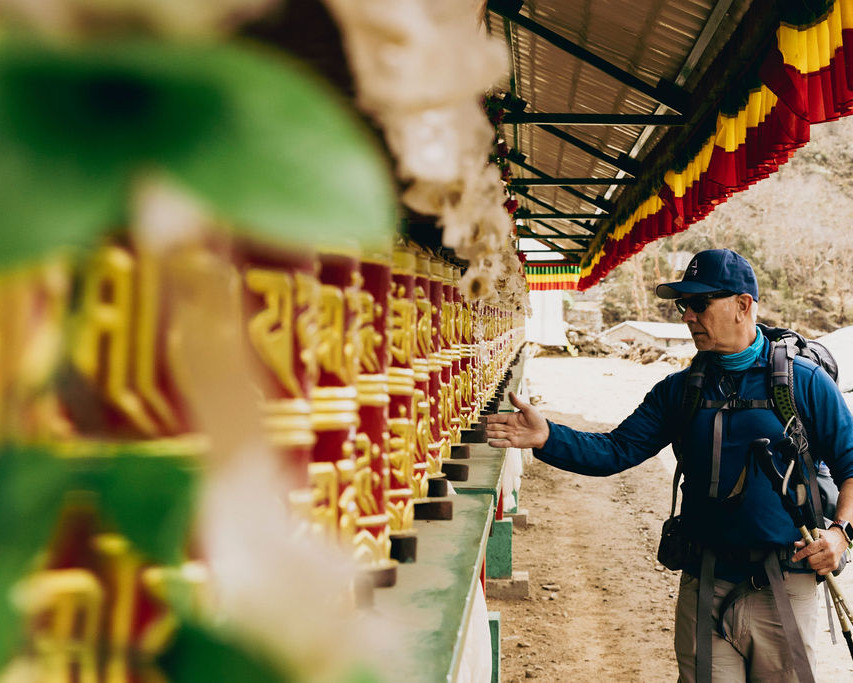
Today, we slow the pace to support acclimatization in the thinning air, with a recommended gentle hike to the 300-year-old Thamo Monastery, a quiet, lesser-visited, working monastery offering a rare window into Sherpa spiritual life and culture. The afternoon is yours to explore and enjoy the cobbled streets of Namche.
- Distance: 4 mi | 6.5 km (round-trip)
- Duration: 3 – 5 hours, including stops
- Elevation Profile:
- Start: Namche Bazaar ~11,286 ft / 3,440 m
- High Point: Thamo Monastery ~12,500 ft / 3,810 m
- End: Namche Bazaar ~11,286 ft / 3,440 m
- Overnight: Mountain Lodge, Namche Bazaar
- Meals: B/_/D
- Today Feels Like: Gentle but noticeable at altitude. Perfect acclimatization aid.
- Guide Tip: Even on acclimatization/rest days, movement is key. Doing the hike helps your body adapt far better than staying still.
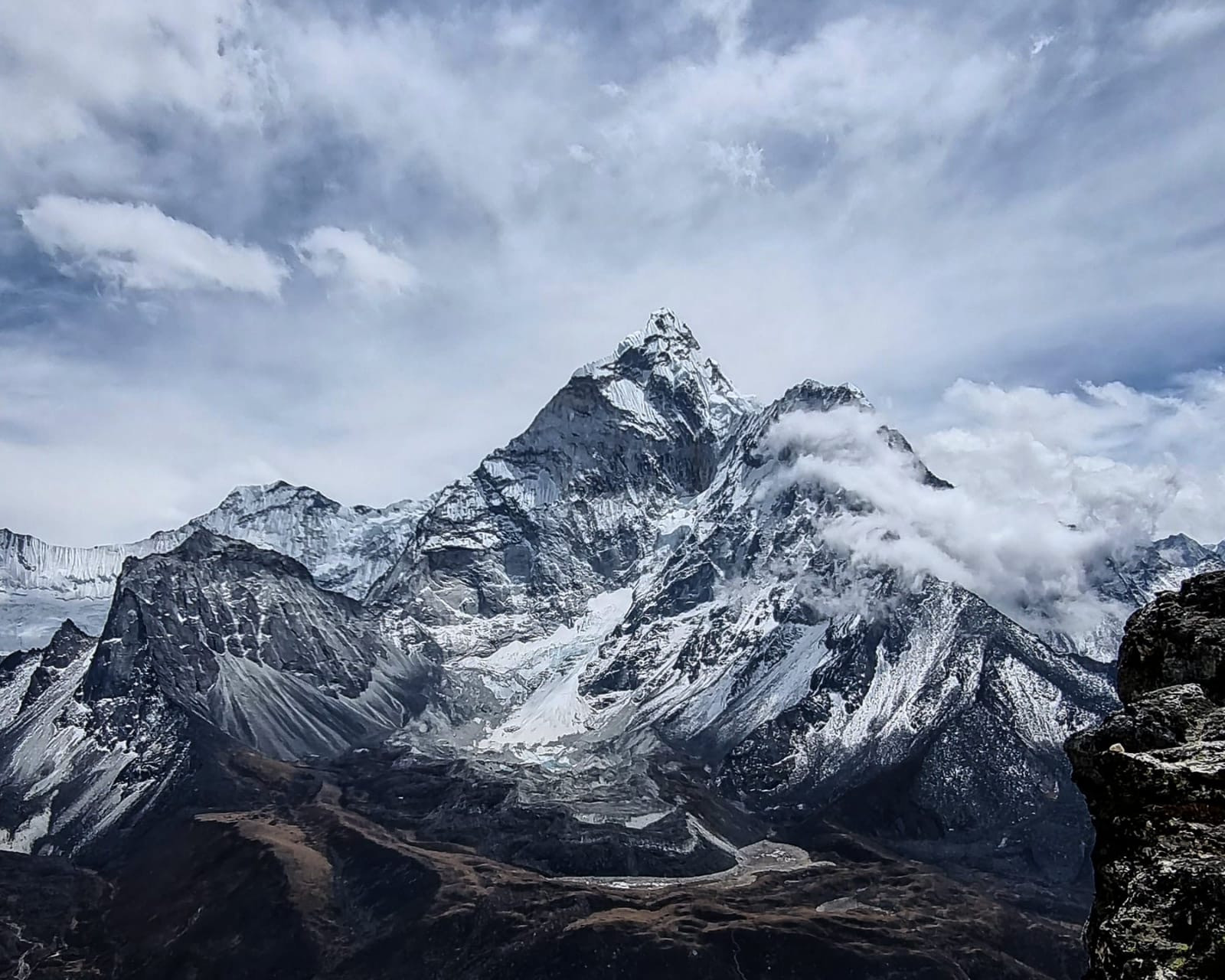
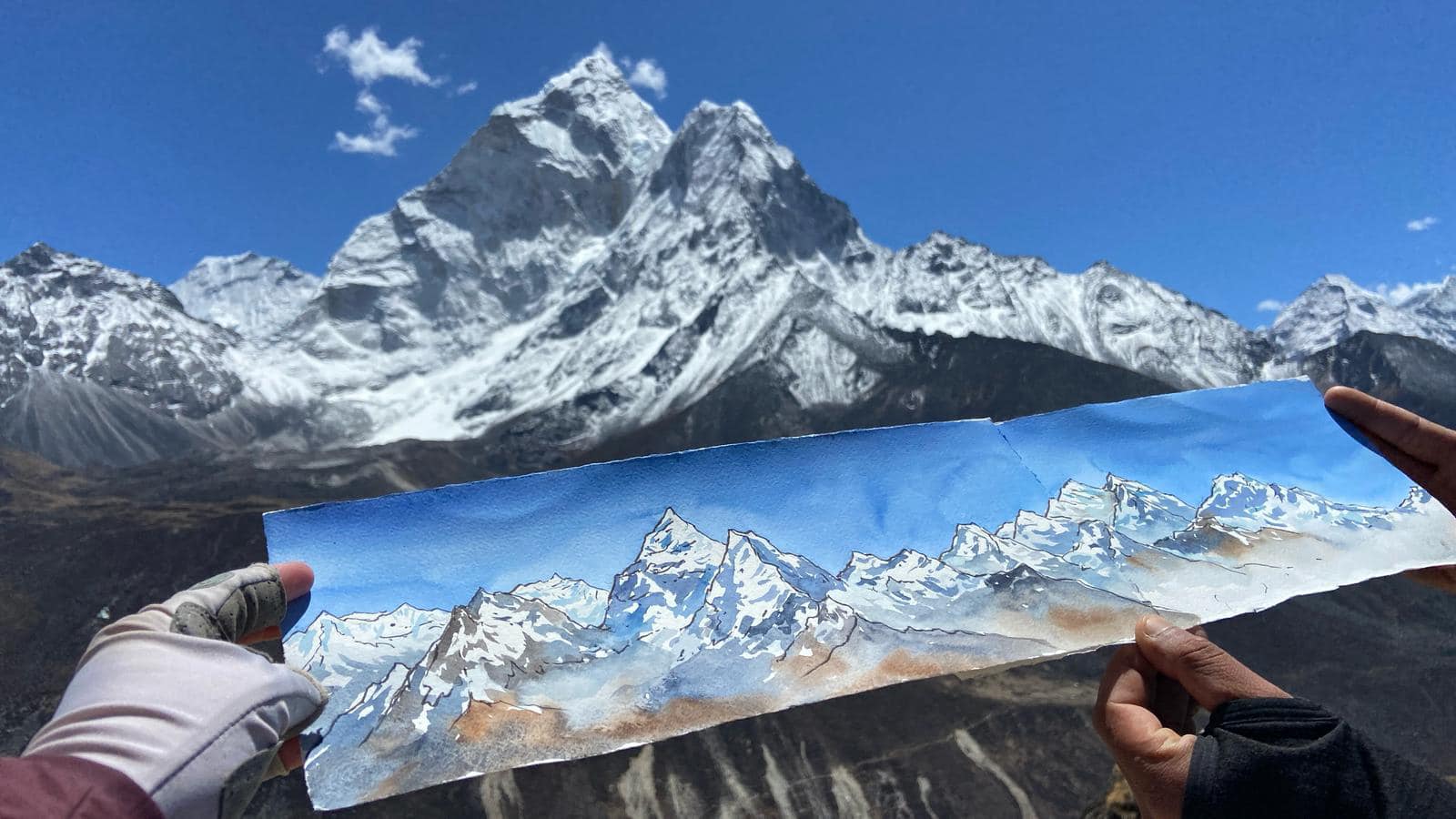
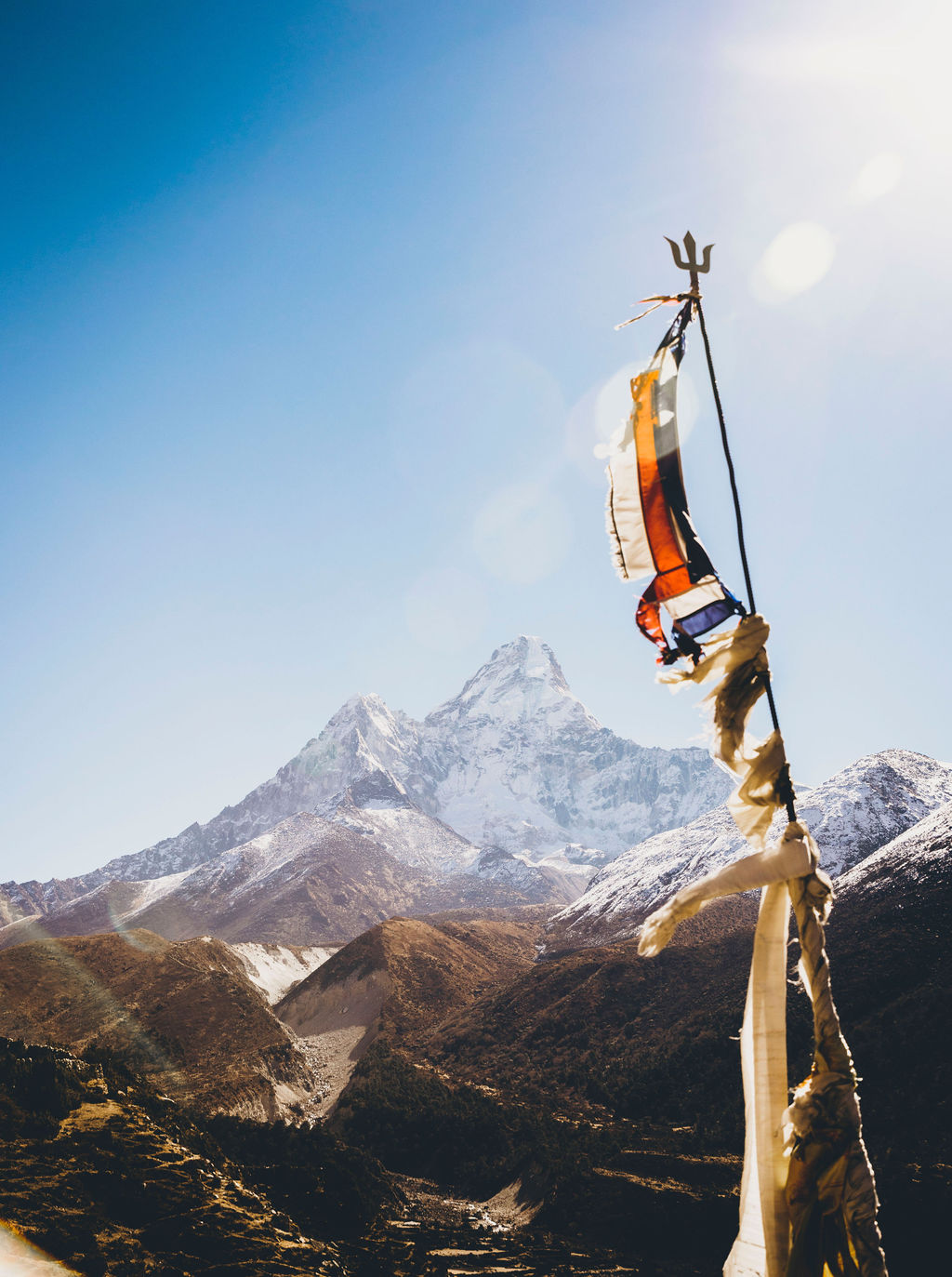
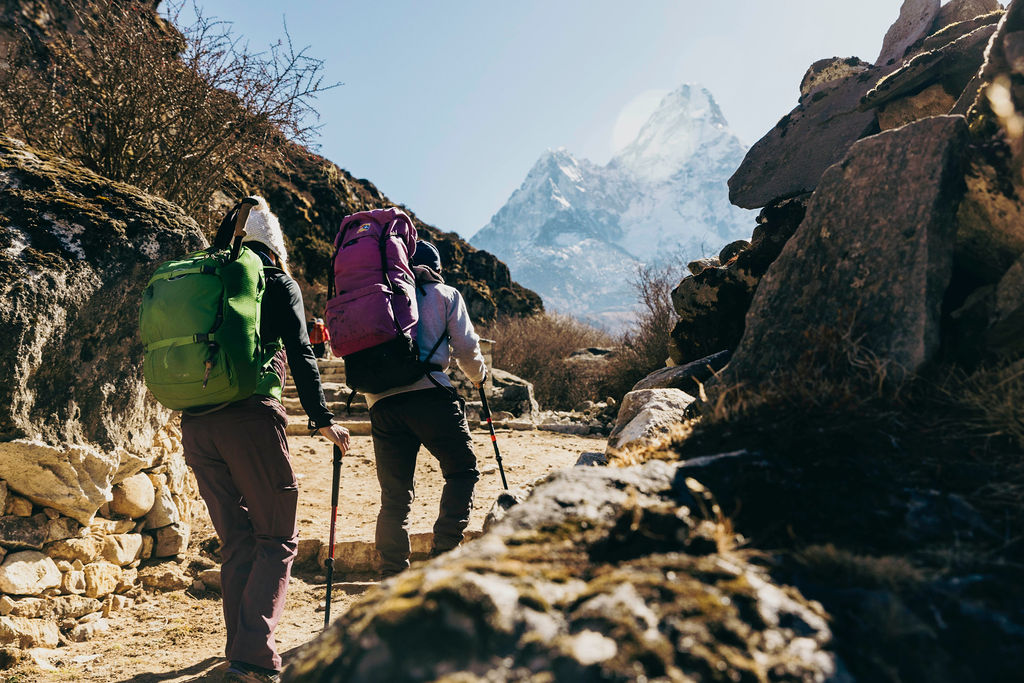
We resume our trek, climbing high above Namche Bazaar for our first views of Everest and the striking Ama Dablam, widely considered the most beautiful mountain in the world. A steady ascent up Tengboche Hill brings us to Tengboche Monastery, before retreating downhill through blooming rhododendron forests to the riverside village of Deboche.
- Distance: ~6 mi | 9 – 10 km
- Duration: 5 – 6 hours
- Elevation Profile:
- Start: Namche Bazaar ~11,286 ft / 3,440 m
- End: Tengboche ~12,687 ft / 3,867 m
- Overnight: Mountain Lodge, Tengboche
- Meals: B/_/D
- Today Feels Like: Your first classic Khumbu day with rolling terrain and a challenging climb at the end.
- Guide Tip: Eat and hydrate consistently today. The ups and downs and rising altitude can drain energy faster than expected. You will hear your guides say “bistari, bistari,” which is Nepali for “slowly, slowly.”
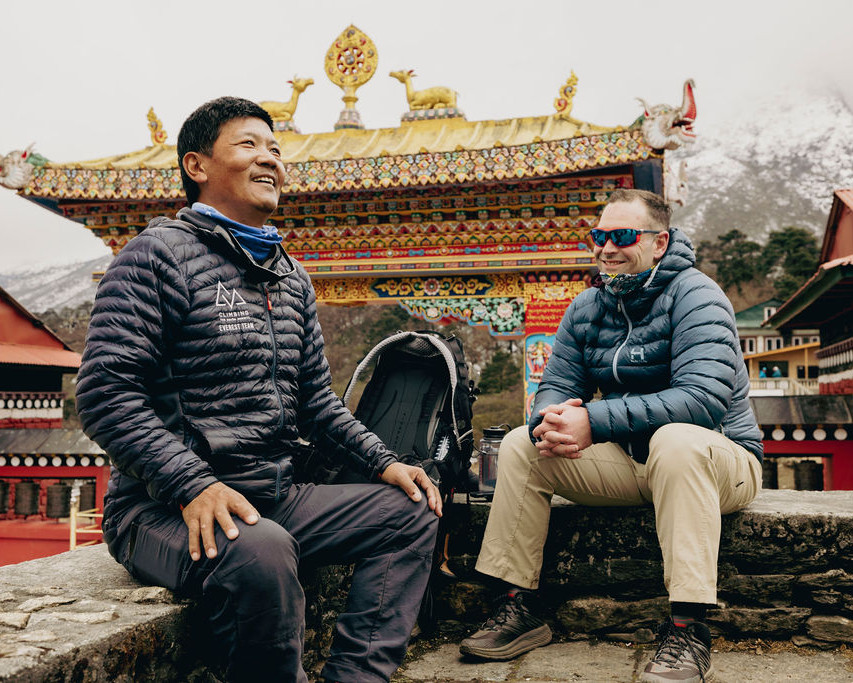
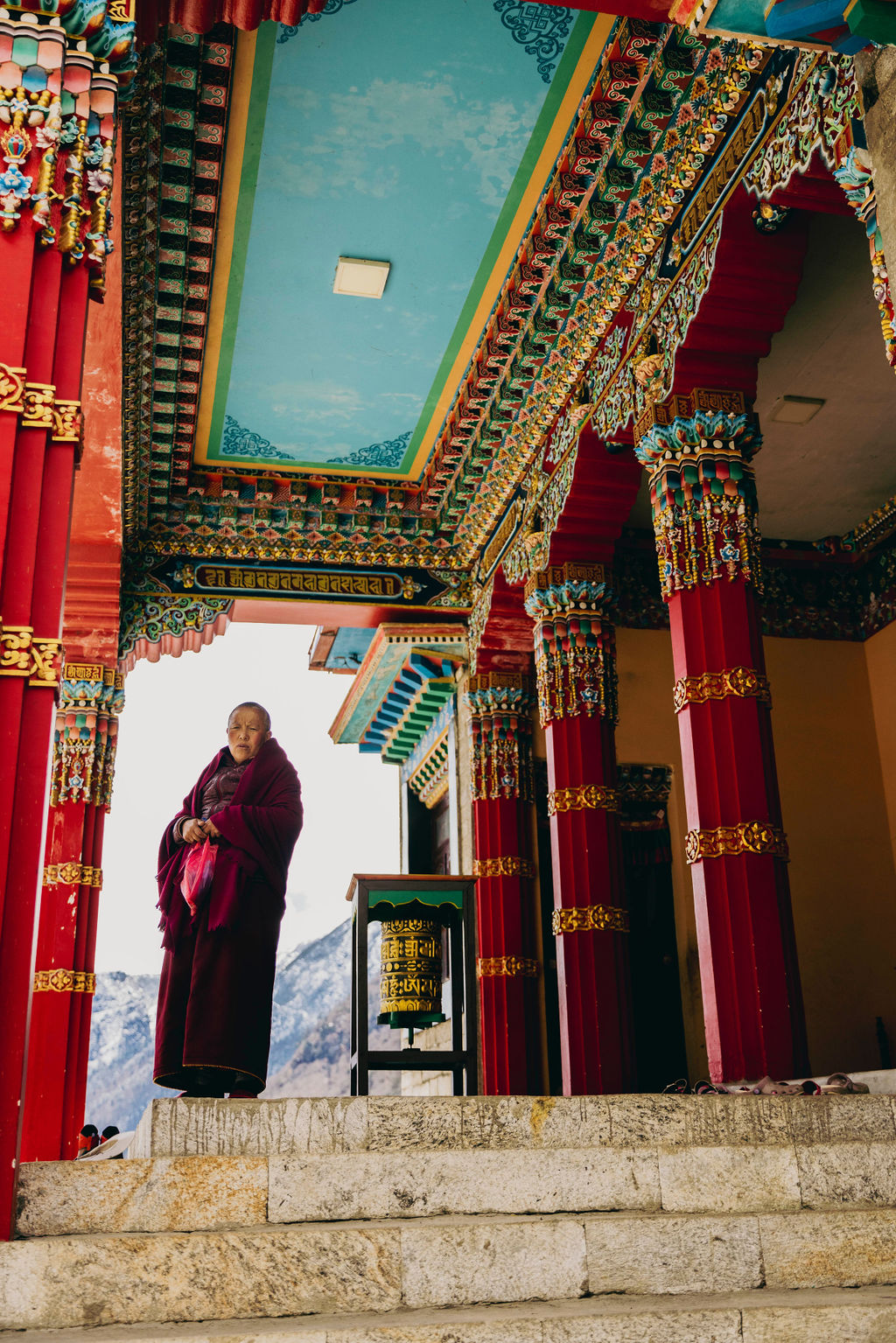
As the air thins, we take time to allow our bodies to adapt to the altitude. Today includes a short acclimatization hike above the village and time at Tengboche Monastery, the spiritual heart of the Khumbu Valley. Here, you will receive a traditional blessing from Tibetan Buddhist monks for a safe and fulfilling journey ahead.
- Distance: 2 – 3 mi | 3 – 5 km
- Duration: 2 – 3 hours
- Elevation Profile:
- Start: Tengboche ~12,687 ft / 3,867 m
- High Point: Tengboche Monastery ~13,700 – 14,300 ft / 4,175 – 4,350 m
- End: Tengboche ~12,687 ft / 3,867 m
- Overnight: Mountain Lodge, Tengboche
- Meals: B/_/D
- Today Feels Like: Short, sharp but purposeful. A good leg stretch to stimulate your altitude adaptation without overexertion.
- Guide Tip: Climb high, sleep low. Gaining a little extra elevation today helps your body prepare for what’s ahead.
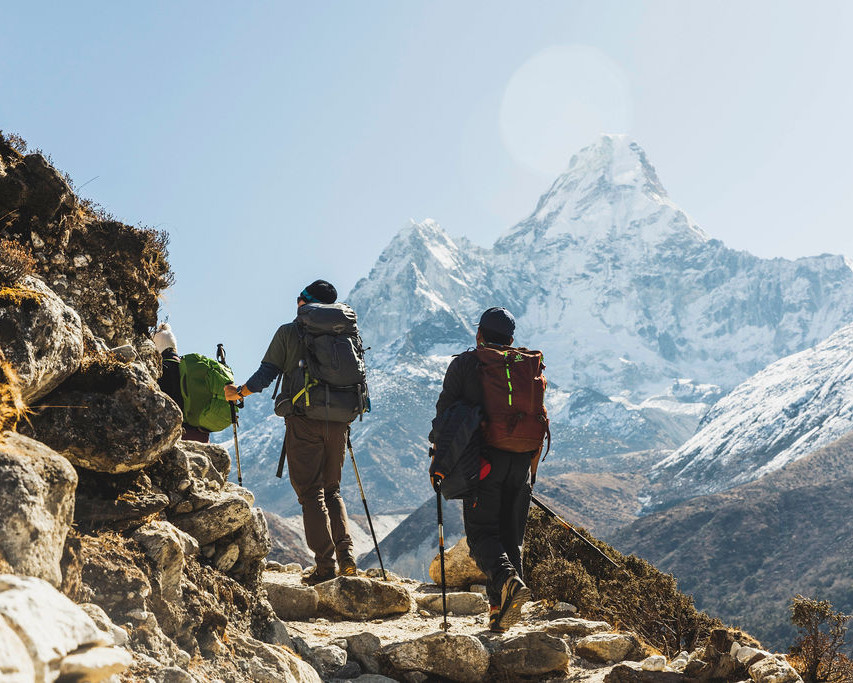
Back on the trail, we climb above the treeline as forest gives way to alpine tundra, continuing to the high-altitude hamlet of Pheriche, a simple stone settlement set within a wide, wind-swept valley. You are now deep in the remote high-Himalaya, with views of some of the Khumbu’s most striking peaks, including Ama Dablam, Taboche, and Cholatse, as well as a deep cultural and spiritual presence.
- Distance: 6 – 7.5 mi | 10 – 12 km
- Duration: 5 – 6 hours
- Elevation Profile:
- Start: Tengboche ~12,687 ft / 3,867 m
- End: Pheriche ~14,340 ft / 4,371 m
- Overnight: Mountain Teahouse, Pheriche
- Meals: B/_/D
- Today Feels Like: Gradual but steady. Terrain is smoother, but the higher elevations will make you feel it.
- Guide Tip: You may start to feel the effects of the altitude a little more here. That’s completely normal. Keep your pace conversational, meaning if you can talk comfortably with your team while trekking, you’re at the right pace.
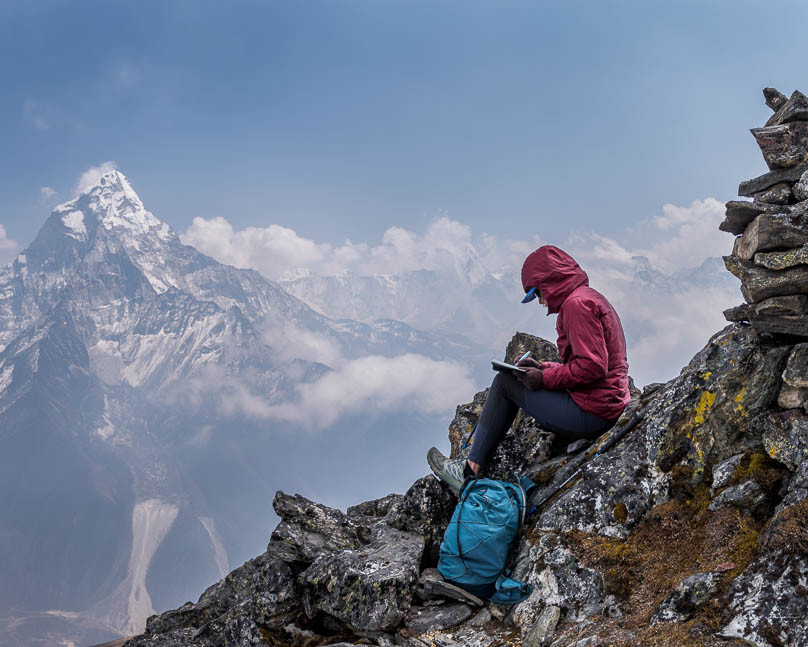
Today we take an acclimatization hike to the ridgeline above the village, where some of the Khumbu’s finest views unfold. In the afternoon, we visit the Himalayan Rescue Association (HRA), where doctors run daily educational talks on altitude illness. A long-standing and essential part of helping trekkers and climbers stay safe in this alpine environment.
- Distance: 1.5 – 2.5 mi | 2 -4 km
- Duration: 2 – 4 hours
- Elevation Profile:
- Start: Pheriche ~14,340 ft / 4,371 m
- High Point: HRA ~15,800 – 16,300 ft / 4,820 – 4,970 m
- End: Pheriche ~14,340 ft / 4,371 m
- Overnight: Mountain Teahouse, Pheriche
- Meals: B/_/D
- Today Feels Like: Short but steady, a flexible acclimatization day tailored to your team.
- Guide Tip: Altitude is all about listening to your body. Small symptoms addressed early can prevent bigger problems later. Keep communication open with your guide: we can help, but we can’t read minds (yet!).
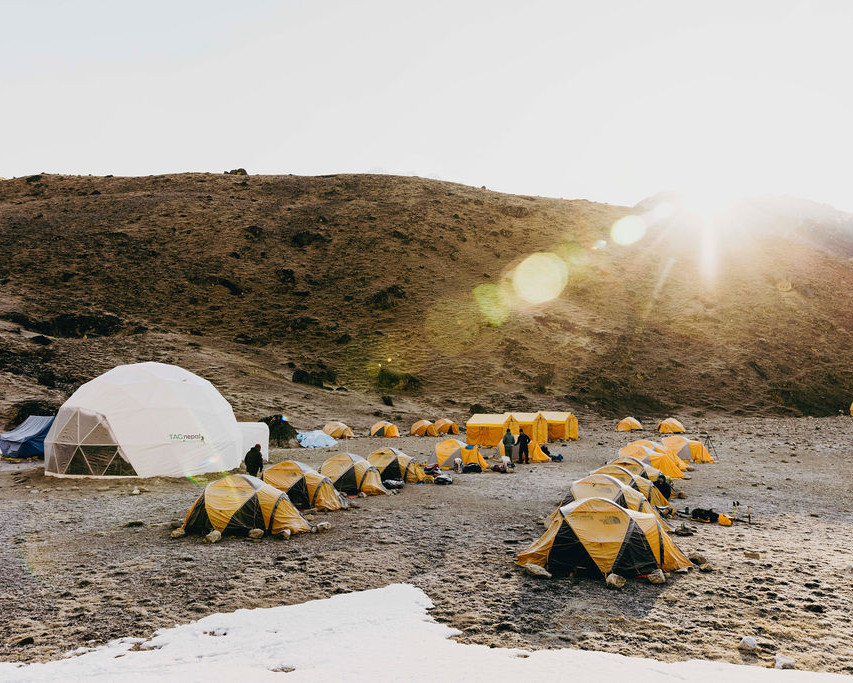
Today we leave the main trail behind, side-stepping away from the crowds and into a more remote, expedition-style environment as we make our way to Lobuche Base Camp via the famous memorial chortons. Here, you’ll spend your first night under the stars in our private tented camp – a real mountaineering camp used by Everest climbers as they prepare for their first acclimatization rotation on Lobuche East.
- Distance: 5 – 6 mi | 8 -10 km
- Duration: 4 – 6 hours
- Elevation Profile:
- Start: Pheriche ~14,340 ft / 4,371 m
- End: Lobuche Base Camp ~15,800 – 16,100 ft / 4,800 – 4,900 m
- Overnight: Tented Mountain Camp, Lobuche Base Camp
- Meals: B/_/D
- Today Feels Like: Steady climb into even higher altitudes, allow your pace to slow and become more deliberate as the air continues to thin.
- Guide Tip: From here on, self-care is key. Drink before you’re thirsty, layer up as soon as you stop, stay warm, and keep eating, even when you don’t feel like it. The altitude will make you feel like you aren’t hungry.
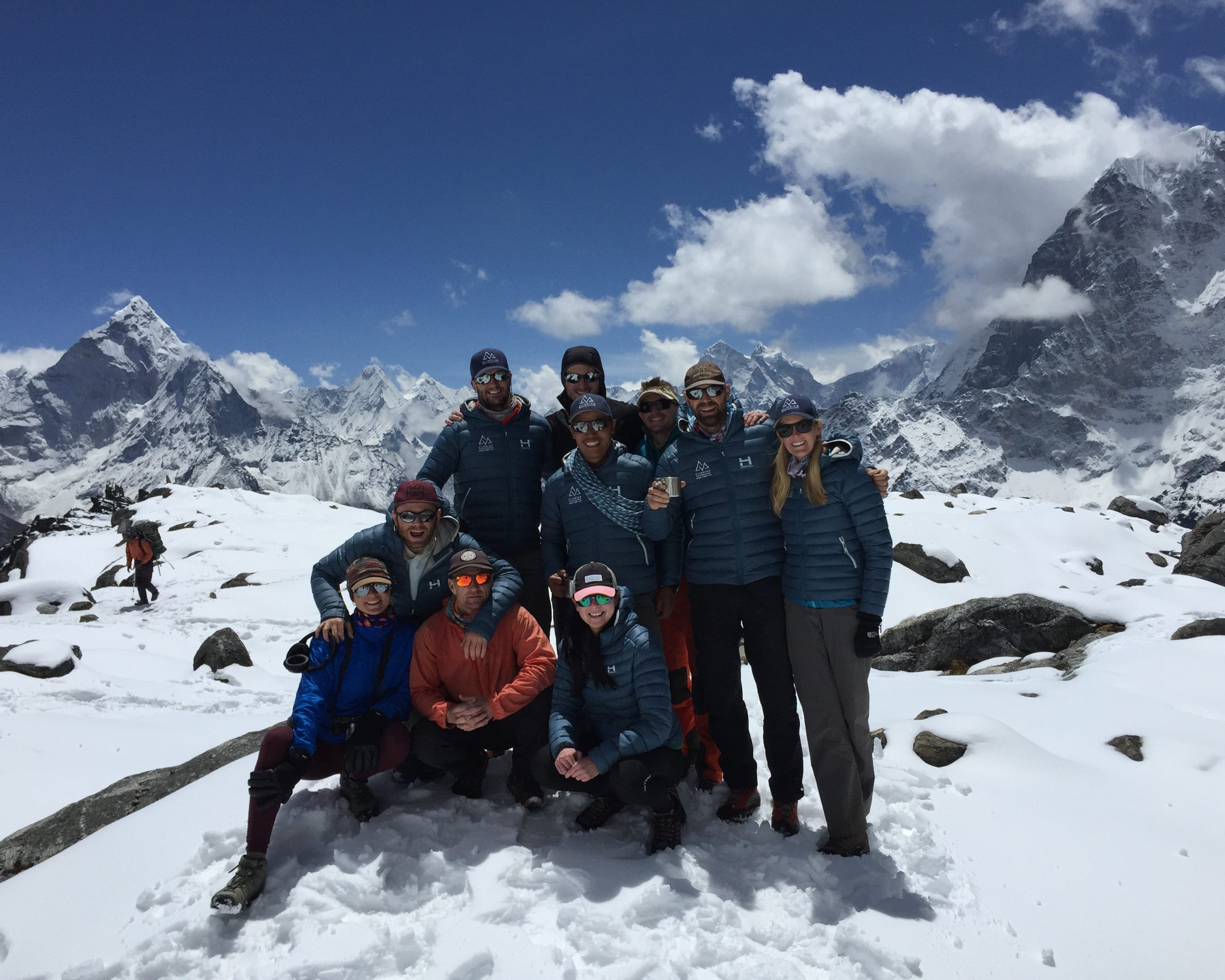
Today’s acclimatization hike from Lobuche Base Camp toward Lobuche High Camp is a bit of an adventure, with a playful rock scramble leading us higher into the snow line. Reaching an elevation similar to Everest Base Camp, this marks a key acclimatization milestone, building both physical adaptation and confidence for the days ahead. We take time to soak in the spectacular views before returning to Lobuche Base Camp for a relaxed afternoon to unwind and enjoy life in camp with the team.
- Distance: 2–3 miles | 3–5 km (round trip)
- Duration: 3–5 hours
- Elevation Profile:
- Start: Lobuche Base Camp ~15,800 – 16,100 ft / 4,800 – 4,900 m
- High Point: Lobuche High Camp ~17,200 – 17,800 ft / 5,250 – 5,450 m
- End: Lobuche Base Camp ~15,800 – 16,100 ft / 4,800 – 4,900 m
- Overnight: Tented Mountain Camp, Lobuche Base Camp
- Meals: B/_/D
- Today Feels Like: A fun, short, hands-on scramble, which is a purposeful challenge at altitude.
- Guide Tip: Slow everything down. At this altitude, consistency beats intensity every time.
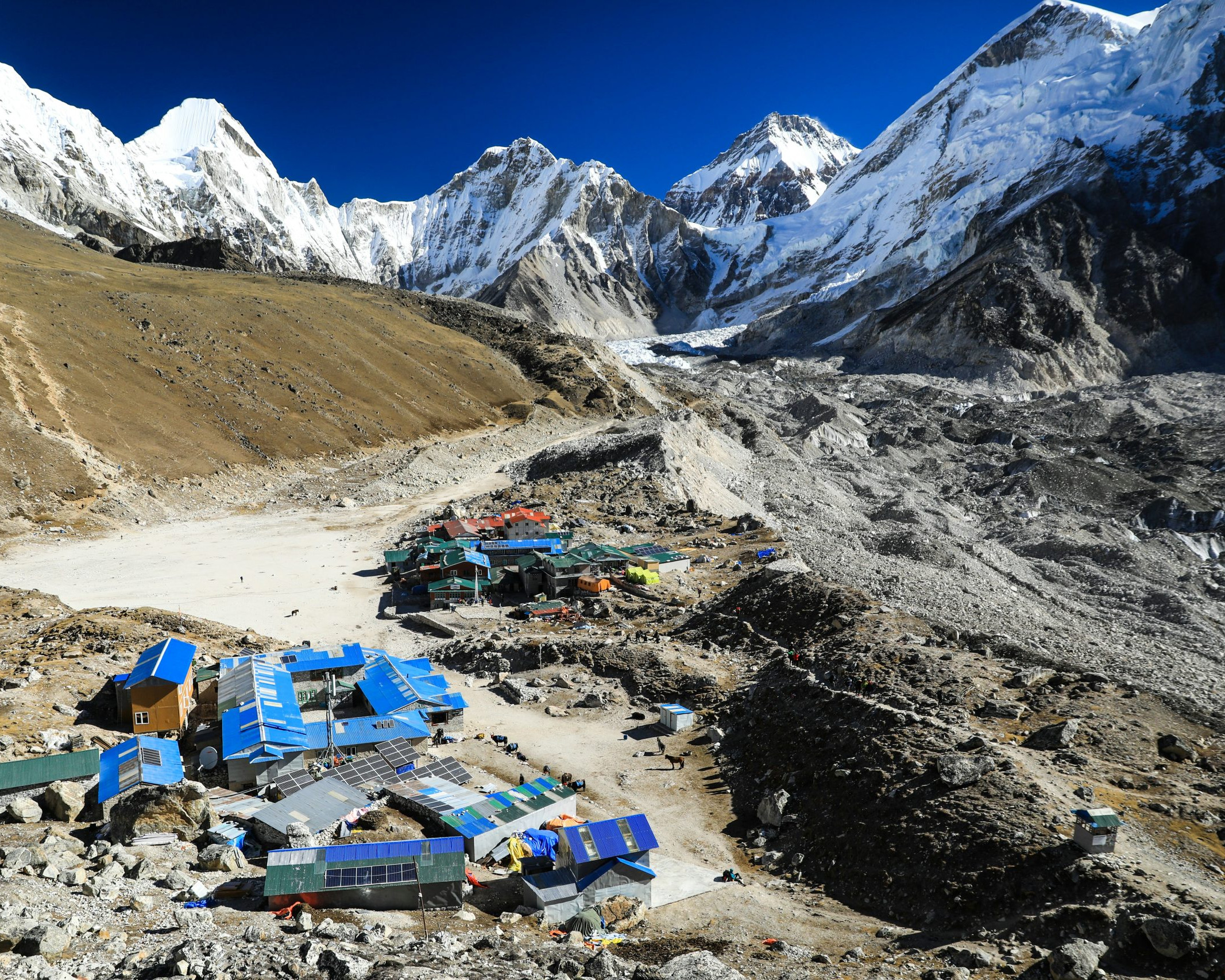
Today, we reach the last and highest inhabited village before Everest Base Camp. This high-altitude outpost was the official Base Camp for the 1953 Everest expedition, where Tenzing Norgay and Edmund Hillary reached the summit, sealing their place in the record books as the first ascent. Gorak Shep is remote, basic, and a little rugged, so get ready for our last stop on the trek to Everest Base Camp proper!
- Distance: 5 – 6 mi | 8 -10 km
- Duration: 4 – 6 hours
- Elevation Profile:
- Start: Lobuche Base Camp ~15,800 – 16,100 ft / 4,800 – 4,900 m
- End: Gorak Shep ~16,924 / 5,158 m
- Overnight: Mountain Teahouse, Gorak Shep
- Meals: B/_/D
- Feels like: A gradual climb will give way to a steady one that feels longer than it should due to the rocky terrain and high altitudes.
- Guide Tip: Your acclimatization hike to Lobuche High Camp will help you today as you skirt the Lobuche Glacier. Take your time and enjoy the first views of Everest Base Camp.
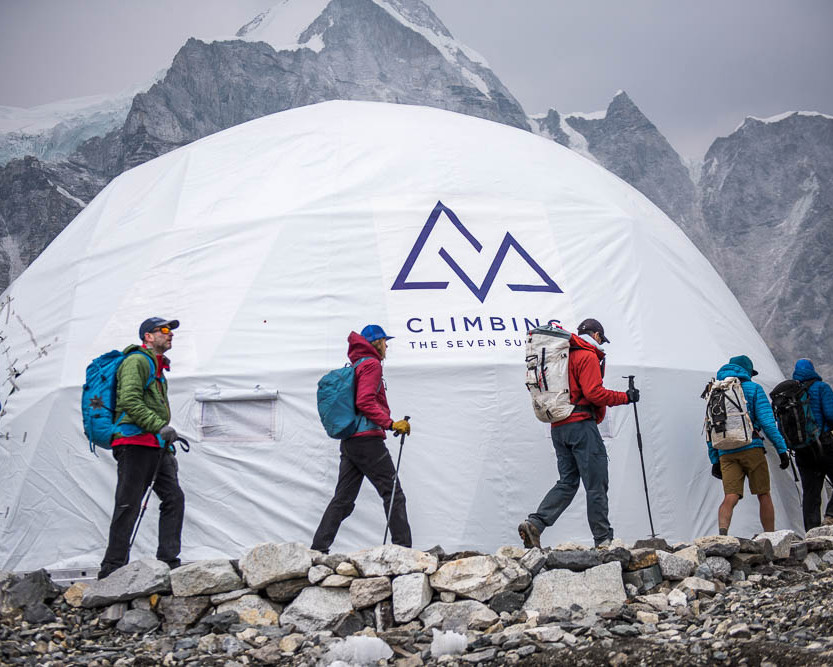
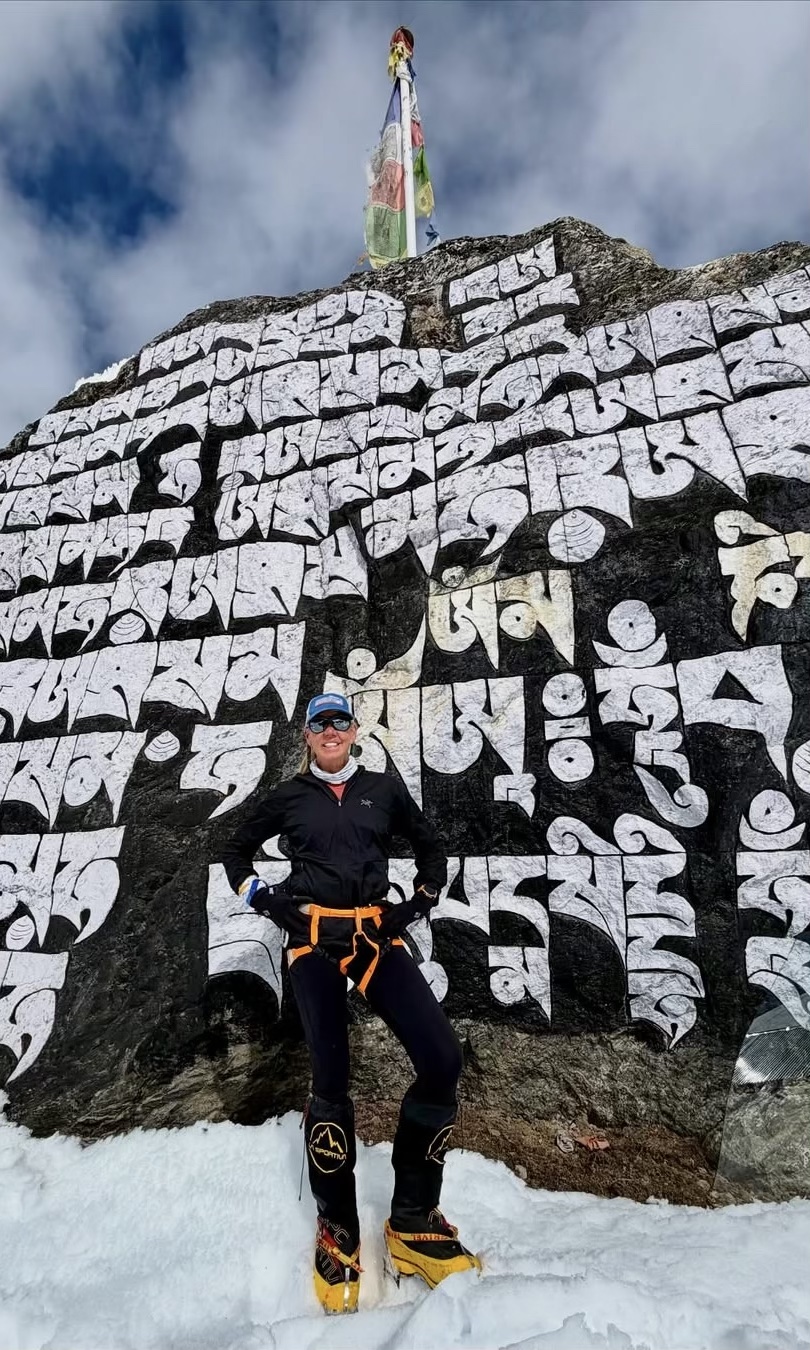
You’ve put in the work and taken the time to acclimatize properly. Waking early, we’ll make an early ascent of Kala Pattar, which offers the most spectacular views of Everest, Nuptse, and Pumori. Picking our way over the glacial moraine, we head into Everest Base Camp after stopping for a photo at Trekkers Rock, a spray-painted rock on the very outskirts of camp where most Everest Base Camp journeys end. From here, we continue into the heart of Everest Base Camp proper, with exclusive access to the working summiteer’s camp.
- Distance: 3 – 5 miles | 5 – 8 km
- Duration: 5 – 6 hours
- Elevation Profile:
- Start: Gorak Shep ~16,924 / 5,158 m
- High Point: 18,192 – 18,209 ft / 5,545 – 5,550 m
- End: Everest Base Camp ~17,598 ft / 5,364 m
- Overnight: Luxury Dome, Everest Base Camp
- Meals: B/_/D
- Feels like: Cold and dark at the start, but Kala Patthar is short and steep, and worth every step. The views of Everest from the summit ridge are the best you’ll get on this trip. From there, the walk to Base Camp across the moraine is straightforward.
- Guide Tip: Sleeping at this altitude can be challenging. Stick to simple wind-down routines, limit screen time, stay warm, and focus on rest rather than on perfect sleep. If you are lying still, your body will thank you regardless.
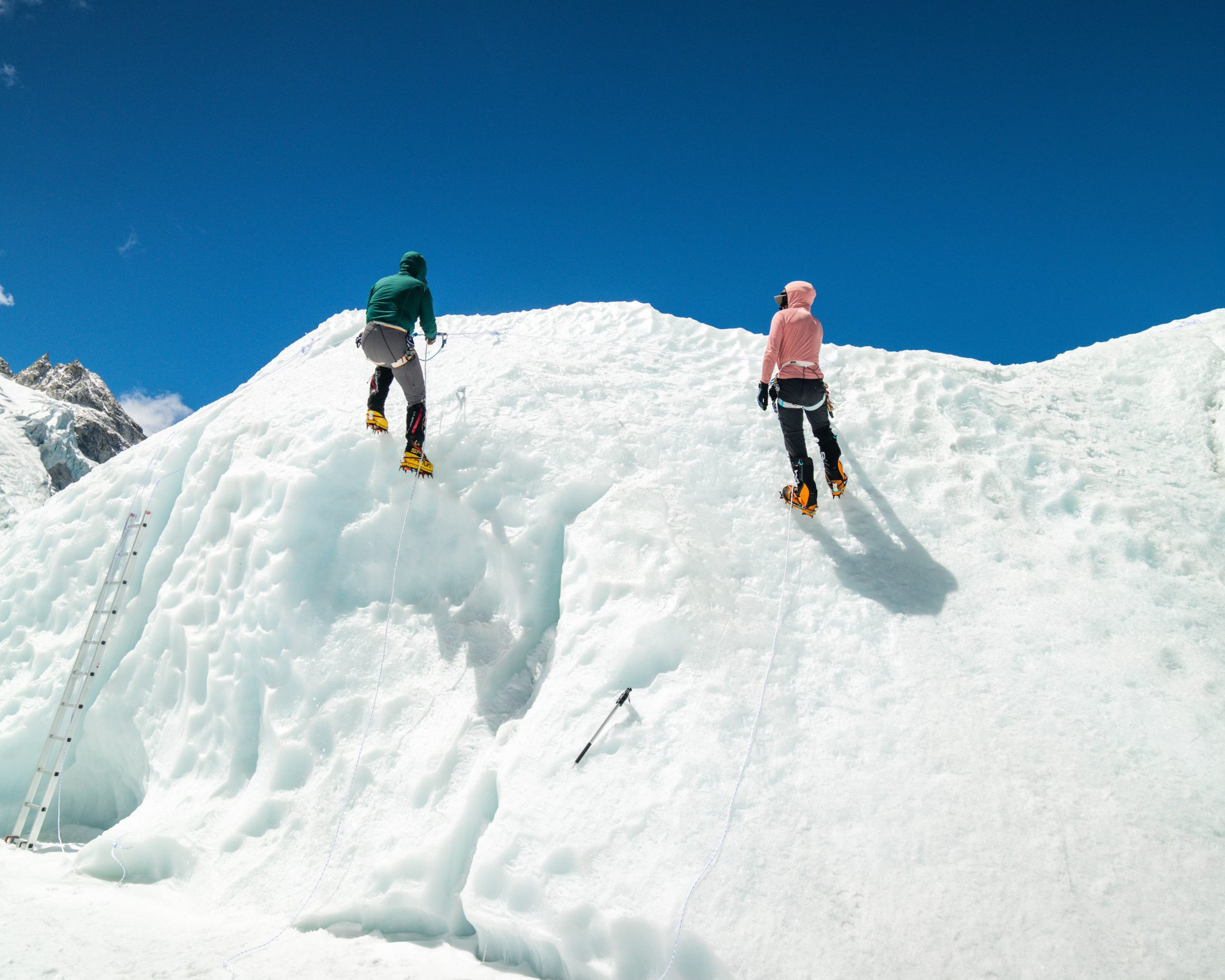
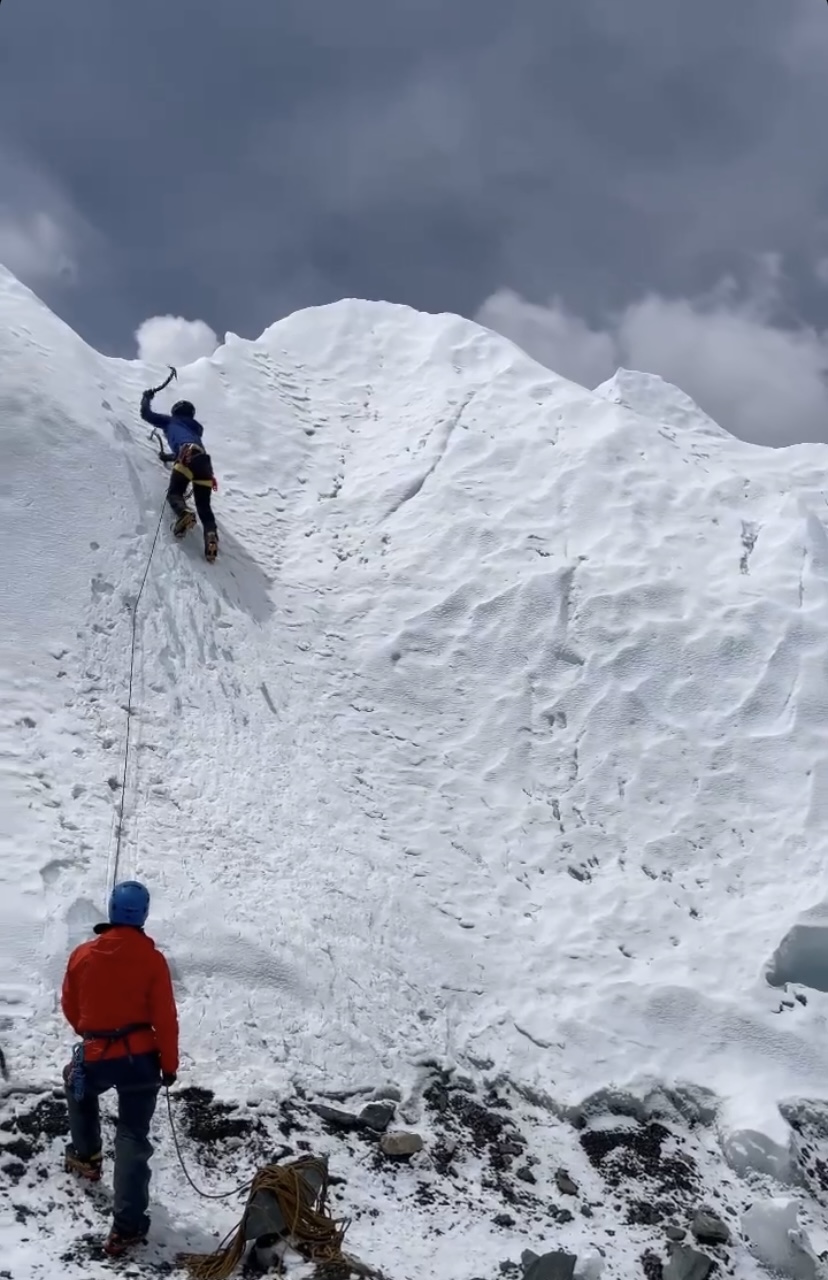
Today offers a hands-on introduction to mountaineering, with an optional ice climbing clinic on the lower Khumbu Glacier. Under expert guidance, you’ll strap on crampons and experience the same techniques used by Everest climbers.
The rest of the day is yours to enjoy Base Camp. Soak in the unique atmosphere, sip the highest cappuccino in the world, or even enjoy a game of high altitude ping pong in the Big House!
- Distance: 0.5 – 1.5 miles | 1 – 2 km
- Elevation Profile: Everest Base Camp ~17,598 ft / 5,364 m
- Overnight: Luxury Dome, Everest Base Camp
- Meals: B/L/D
- Guide Tip: When ice climbing, trust your feet. Stand tall, weight each step, and let the crampons do their job. Save your arms and your energy for where it matters.
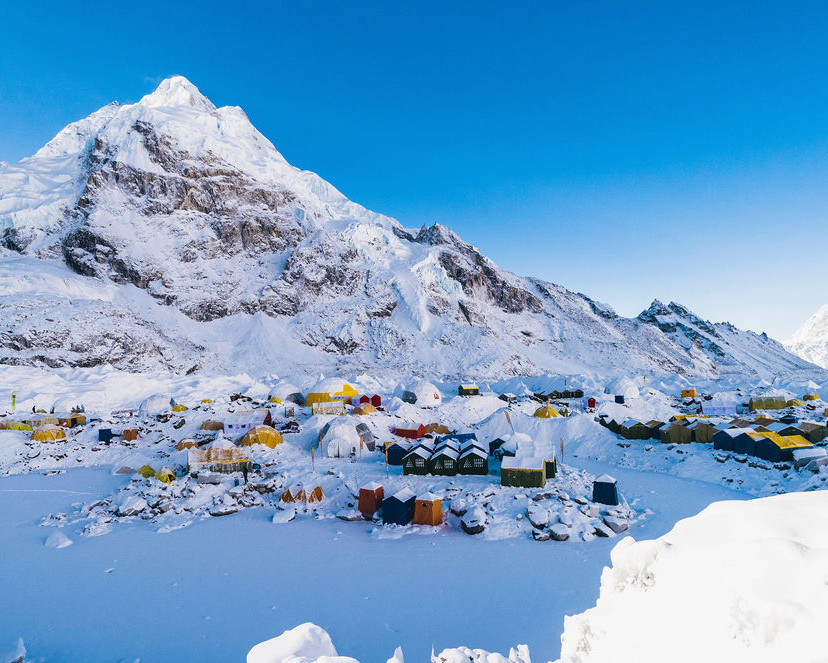
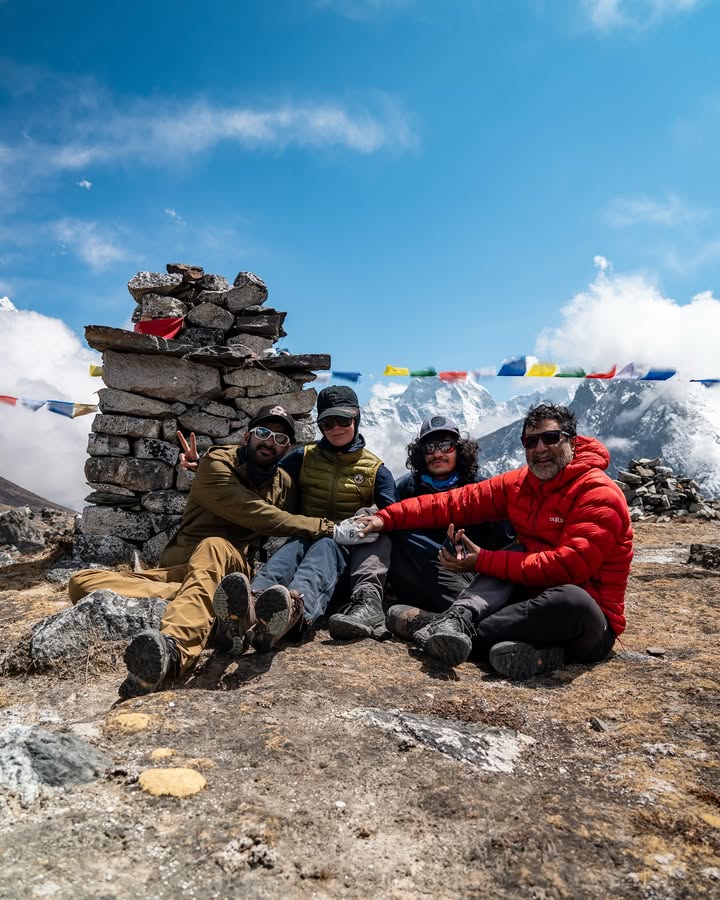
It’s time to bid farewell to Everest Base Camp. Today, we begin our descent to lower altitudes, retracing our footsteps back to Pheriche. The route passes through Gorak Shep and Lobuche before reaching the Thukla Pass, where a collection of stone cairns honors climbers lost on Everest. From there, the trail drops into the wide Pheriche valley, where the air is noticeably thicker, and the landscape opens up after days on the glacier.
- Distance: 9 – 10 mi | 14 -16 km
- Duration: 5 – 6 hours
- Elevation Profile:
- Start: Everest Base Camp ~17,598 ft / 5,364 m
- End: Pheriche ~14,340 ft / 4,371 m
- Overnight: Mountain Teahouse, Pheriche
- Meals: B/L/D
- Feels like: Easier on the lungs, harder on the knees. The moraine section at the start is the trickiest part of the day; once you’re through it, the trail opens up, and the descent becomes more manageable.
- Guide Tip: Trekking poles earn their keep today, especially on the rocky moraine out of Everest Base Camp. Pace yourself through the first few kilometers, and the rest of the day will take care of itself.
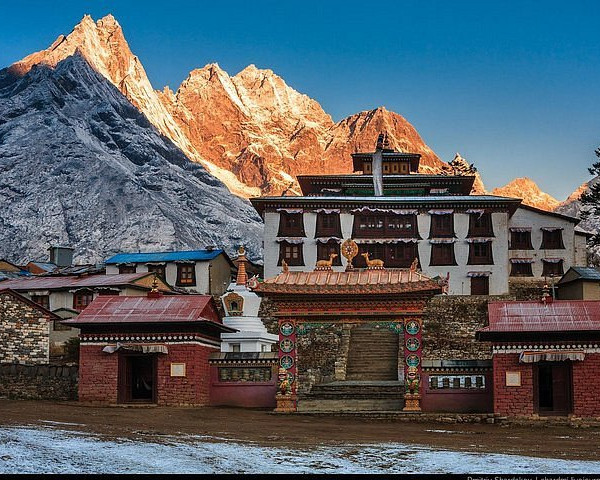
Today, we head back to Namche Bazaar. You will feel the benefit of the more abundant oxygen and enjoy seeing trees again! The trail passes through Pangboche and Tengboche, the same landmarks you moved through on the way up, now in reverse. The descent is not all downhill; expect a few punchy climbs, including the push up into Tengboche. By the time you drop into Namche, the contrast with the past week at altitude will be striking: shops, bakeries, hot showers, and a cold beer if you want one.
- Distance: 9 – 12 mi | 15 -19 km
- Duration: 4 – 6 hours
- Elevation Profile:
- Start: Pheriche ~14,340 ft / 4,371 m
- End: Namche Bazaar ~11,286 ft / 3,440 m
- Overnight: Mountain Lodge, Namche Bazaar
- Meals: B/_/D
- Feels like: The legs are tired, but the lungs are happy. Every few hundred meters of descent, breathing gets noticeably easier. It’s a long day on paper, but morale carries you.
- Guide Tip: Don’t let the downhill lull you into moving too fast early in the day. The climb into Tengboche catches people off guard when their quads are already spent. Pace the morning, and the afternoon takes care of itself.
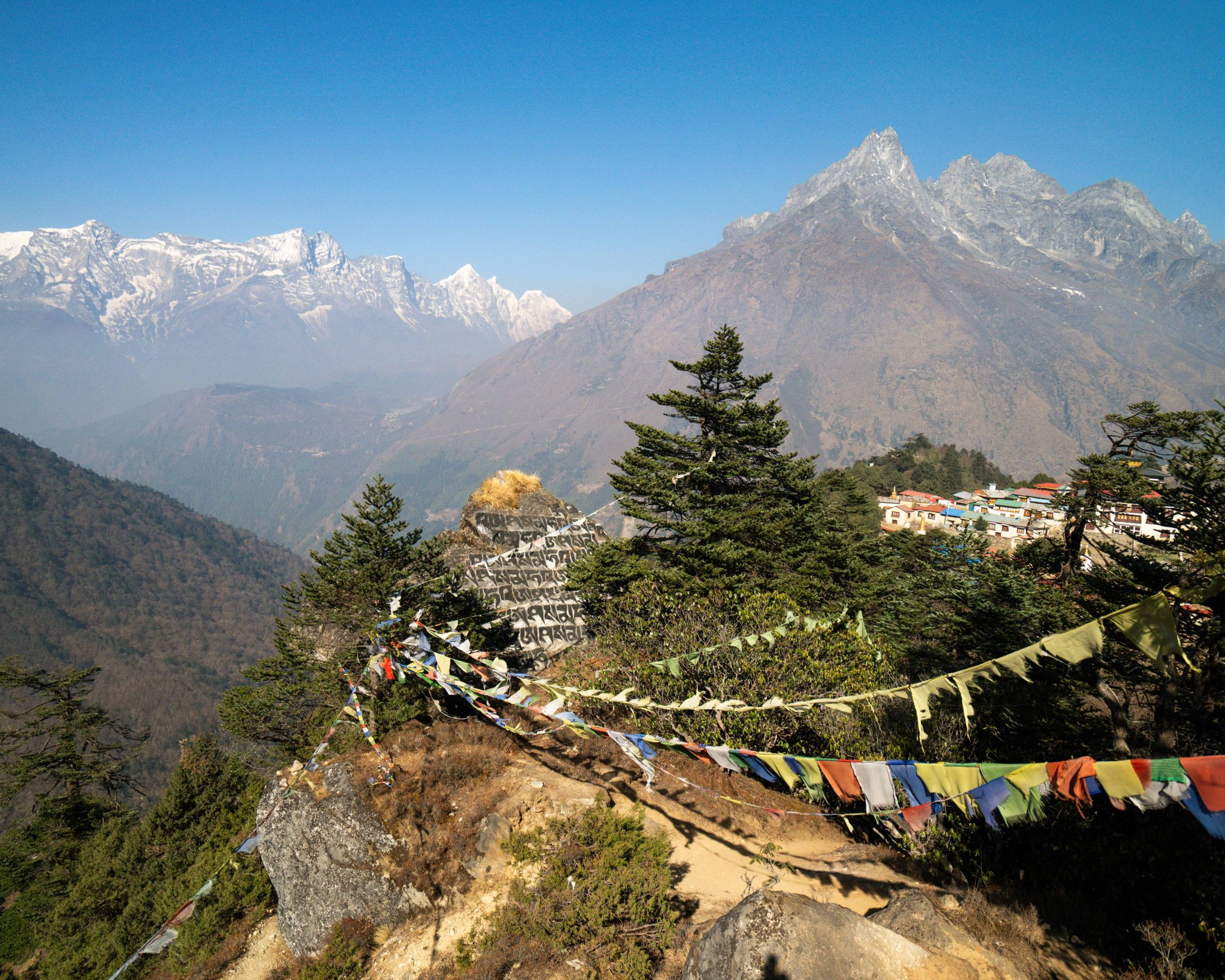
It’s time to say goodbye to Namche Bazaar and the Khumbu Valley as you descend into the banks of the Dudh Kosi River, all the way back to Lukla, ready for our flight the following day to Kathmandu. The trail retraces your first days on the mountain, the same suspension bridges, the same riverside villages, but everything looks different now. You’re moving faster, breathing easier, and carrying the weight of everything you’ve done. Lukla will feel like a celebration.
- Distance: 11 – 13 mi | 19 – 21 km
- Duration: 4 – 6 hours
- Elevation Profile:
- Start: Namche Bazaar ~11,286 ft / 3,440 m
- End: Lukla ~9,383 ft / 2,860
- Overnight: Mountain Lodge, Lukla
- Meals: B/_/D
- Feels like: Familiar and fast. Your body is strong, and the altitude is no longer a factor. The final uphill into Lukla catches people off guard after a long day of descending, but it’s short, and it ends at the finish line.
- Guide Tip: This is the day people push too hard because they feel good, and end up with blown knees by Phakding. Let the trail come to you. You’ve earned a strong finish, not a rushed one.
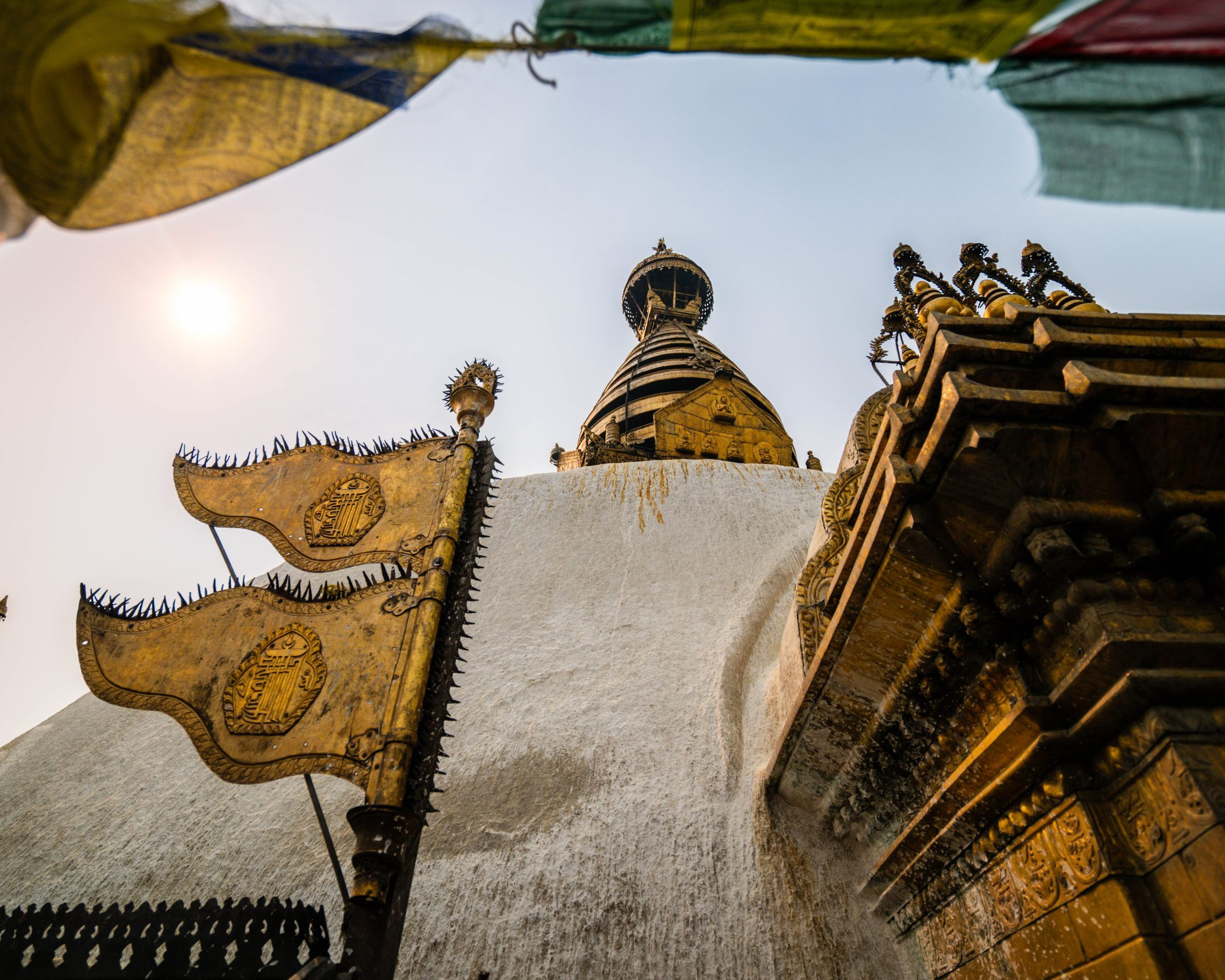
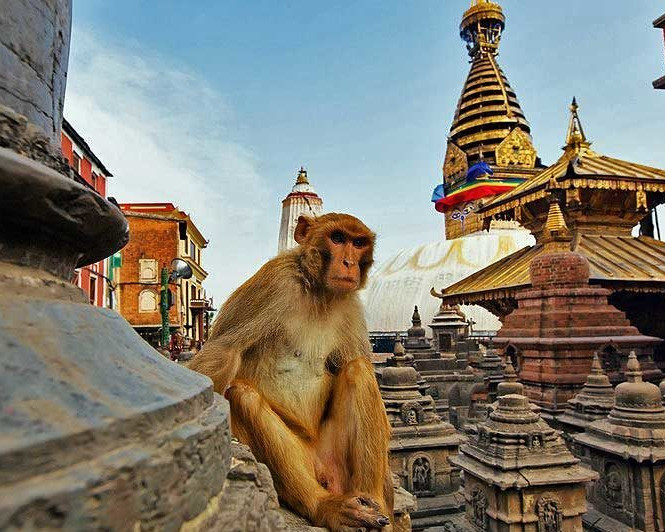
Today we rise early to catch our flight to Kathmandu. Picked up by our team, you’ll be transported back to the luxury of the hotel to enjoy the creature comforts of city life before packing and readying yourself for your homeward journey.
- Overnight: Hotel, Kathmandu
- Meals: B/_/_/
- Guide Tip: Lukla flights are weather-dependent, so don’t plan anything time-sensitive for your first evening back. Ease into rich food; your stomach has been at altitude for weeks.
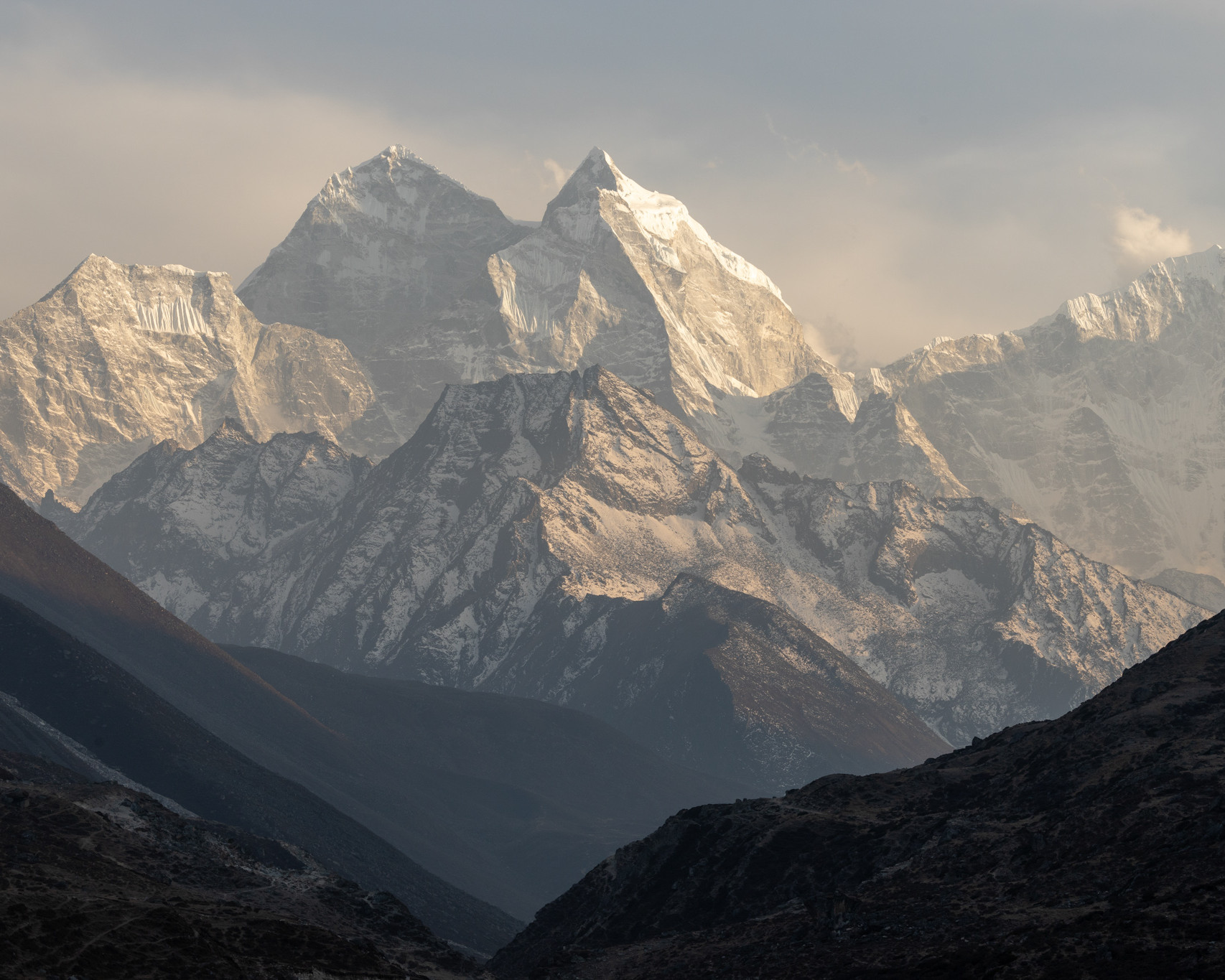
If mountain weather delays your return, we can fly back to Kathmandu this morning.
- Overnight: Hotel, Kathmandu
- Meals: B/_/_
- Guide Tip: A contingency day is not a bad day. If you’re up for it, this is a great opportunity to add an English-speaking guide to our Kathmandu Cultural Day Tour.
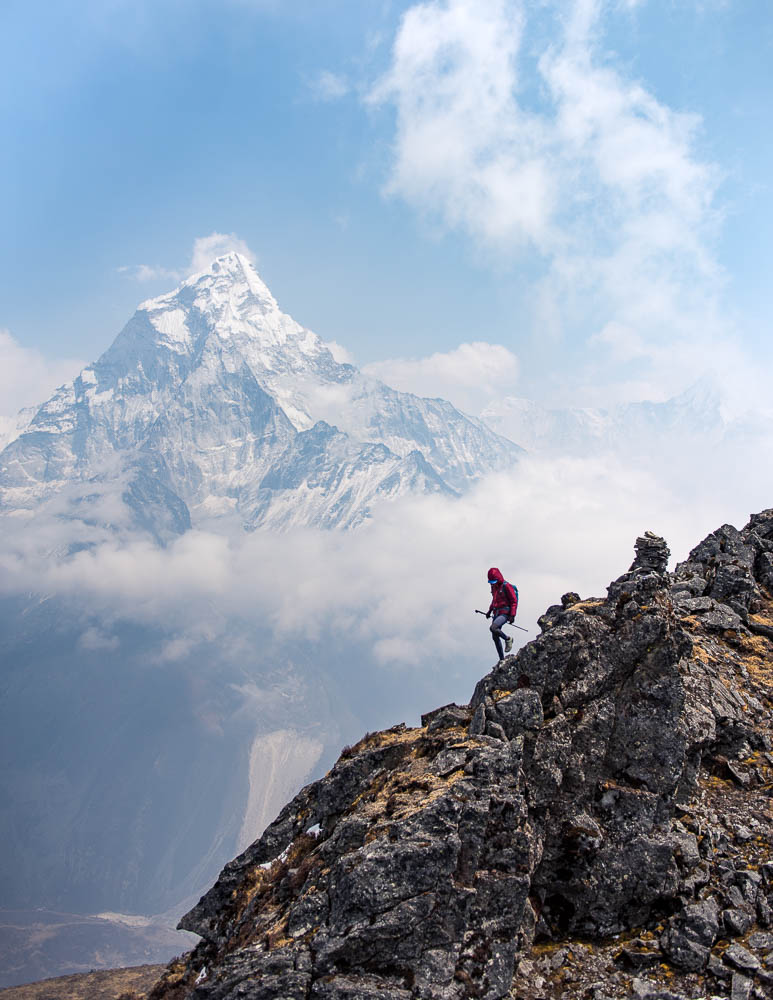
Transfer to the airport for your onward flight. Bid farewell to your team and carry the experience with you as you begin reflecting on the journey you just completed.
- Meals: B/_/_
- Guide Tip: Use some of your flight time to reflect on and integrate the experience. It’s been a big journey; this is a great in-between moment to absorb it all, before returning to the pace of your everyday life.
Everest Base Camp Trek & Stay
Everest Base Camp Trek & Stay | Asia
Price Range:
$5,495 USD
Elevation:
17,600 feet
Duration:
20 Days
Difficulty:
Beginner
Route:
Khumbu Valley
Share Expedition
Check out our Rugged Luxury EBC Trek & Stay
Everest Base Camp Trek & Stay
The trek to Everest Base Camp is perhaps the most iconic in the world, and for good reason. This stunning scenic pilgrimage into the Himalayas is not only a grand adventure that takes you to the foot of Mount Everest but also a deeply personal experience that leaves you in awe.
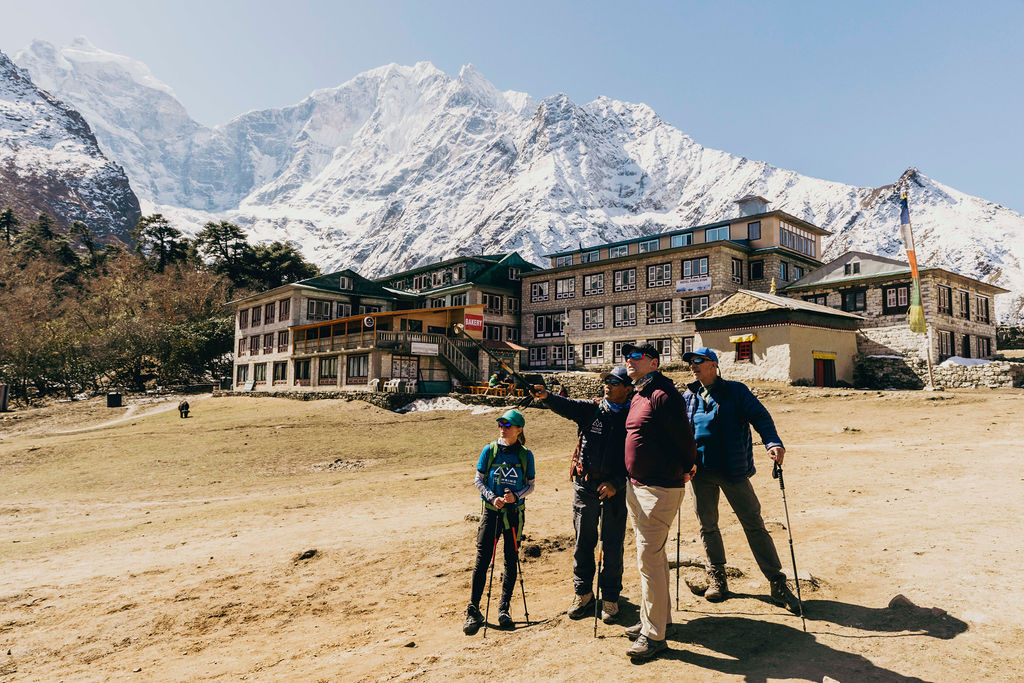
This bucket list-worthy trek weaves through the Khumbu Valley, where you pass through enchanted rhododendron forests, stay in quaint villages, visit centuries-old monasteries, and soak up views of our planet’s most breathtaking mountains. And this is all before you even get to our Everest Base Camp, where you will stay for two nights on a living, breathing glacier—the Khumbu Glacier—that forms the base of the world’s tallest mountain.
While the beauty and excitement of trekking through this majestic landscape are certainly enough to make it an expedition of a lifetime, the graciousness and generosity of the Nepalese people, specifically the Sherpas, will make this trip one of the most impactful experiences of your lifetime. The moment you set foot on the trail in Lukla, you, too, will know why.
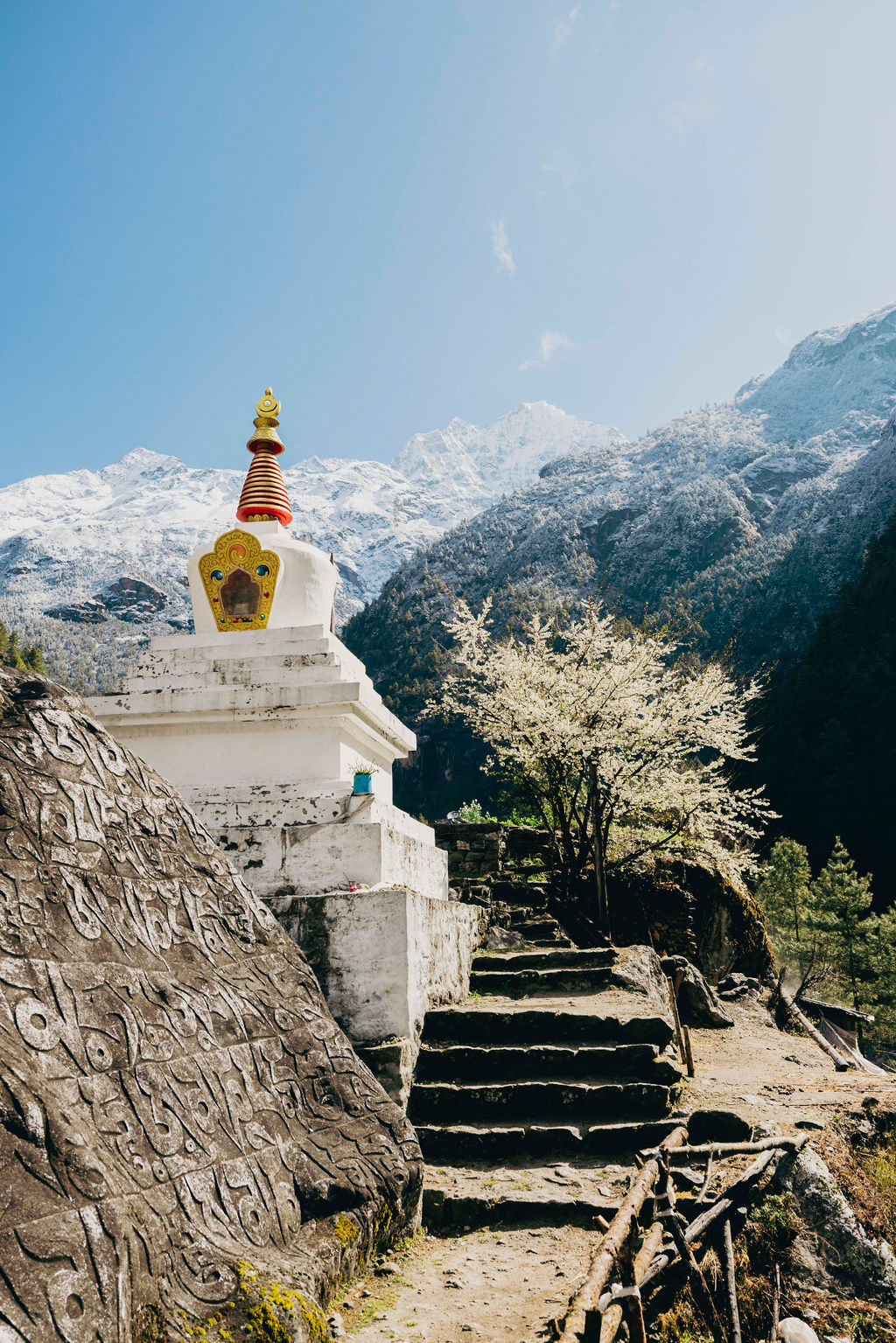
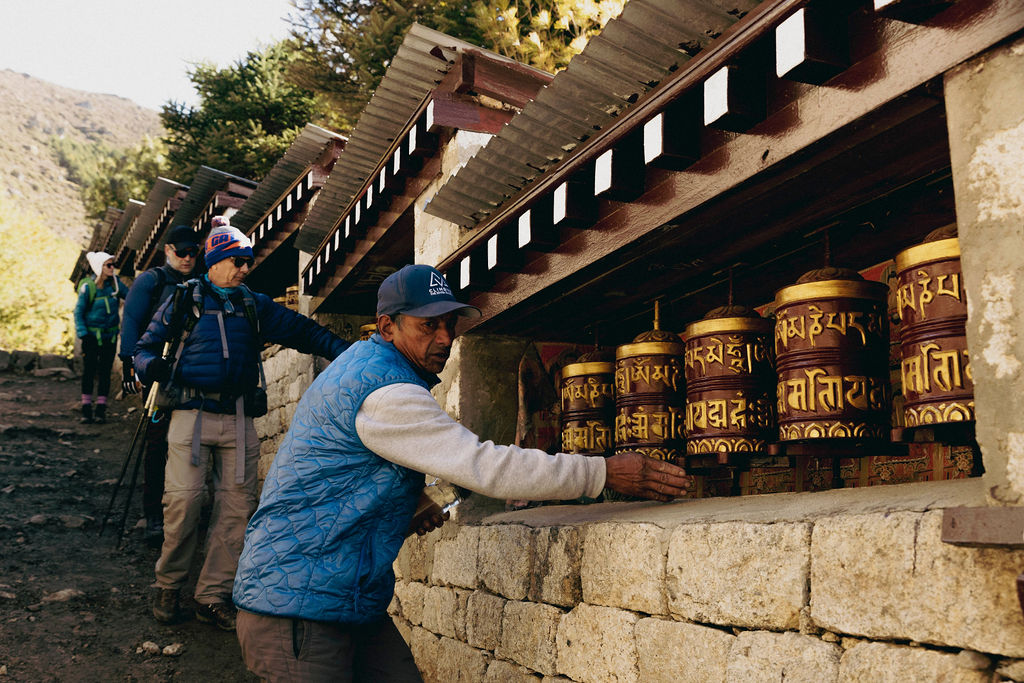
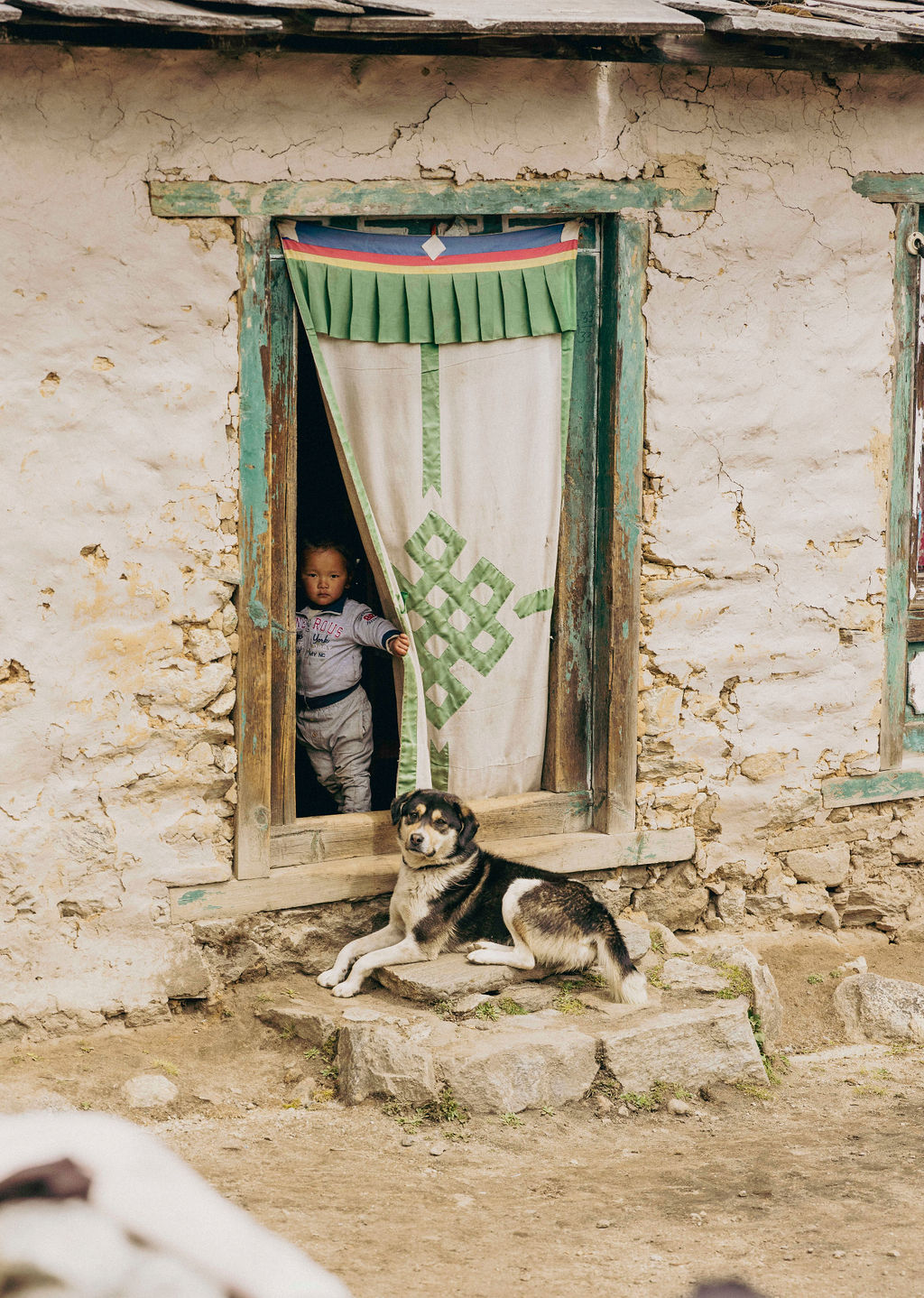
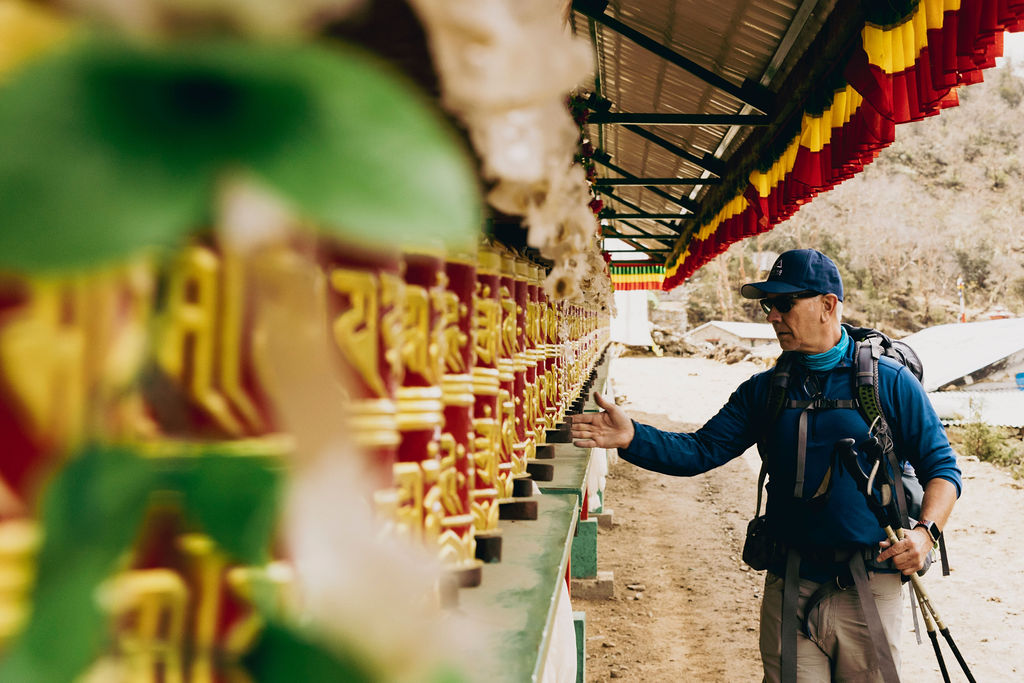
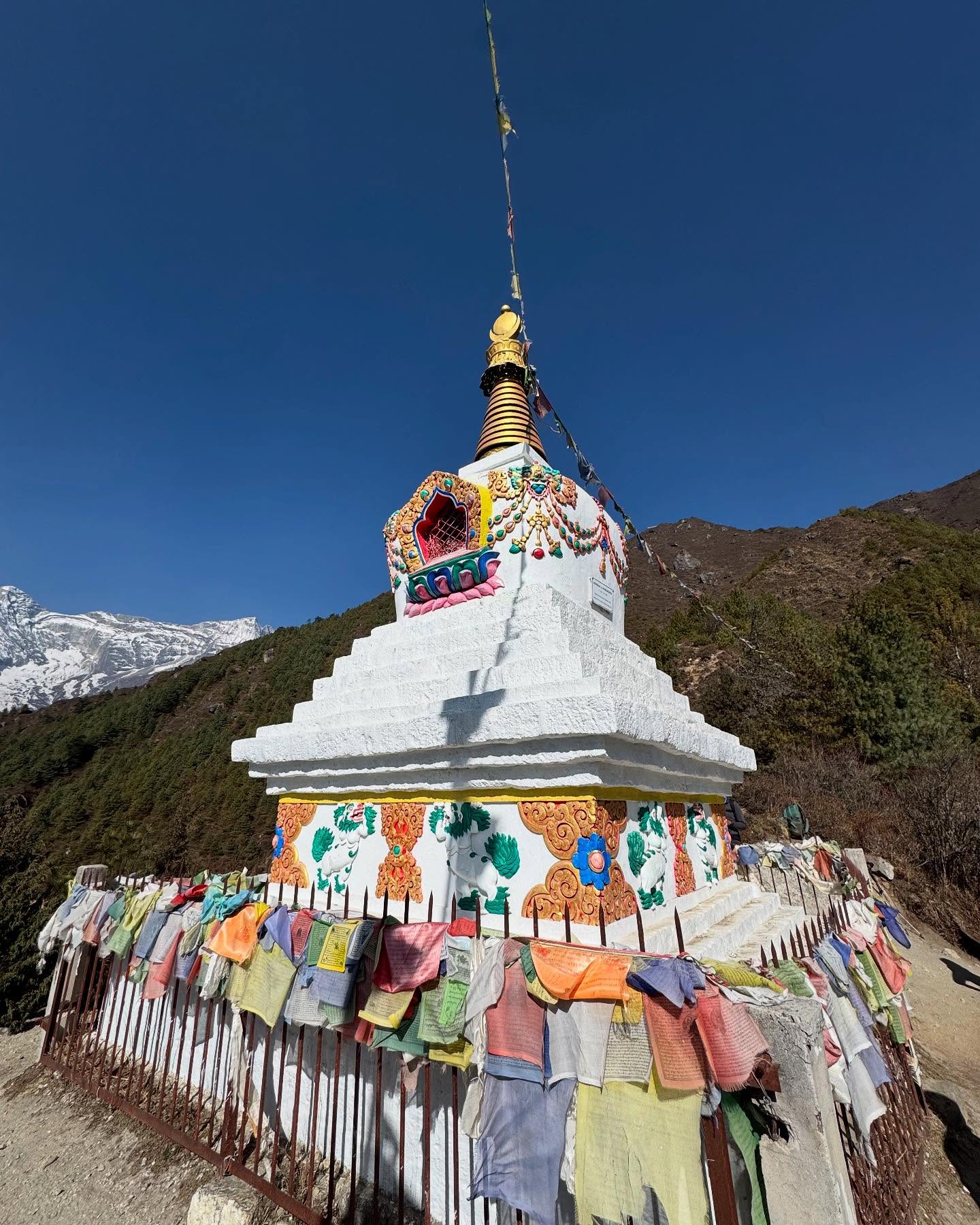
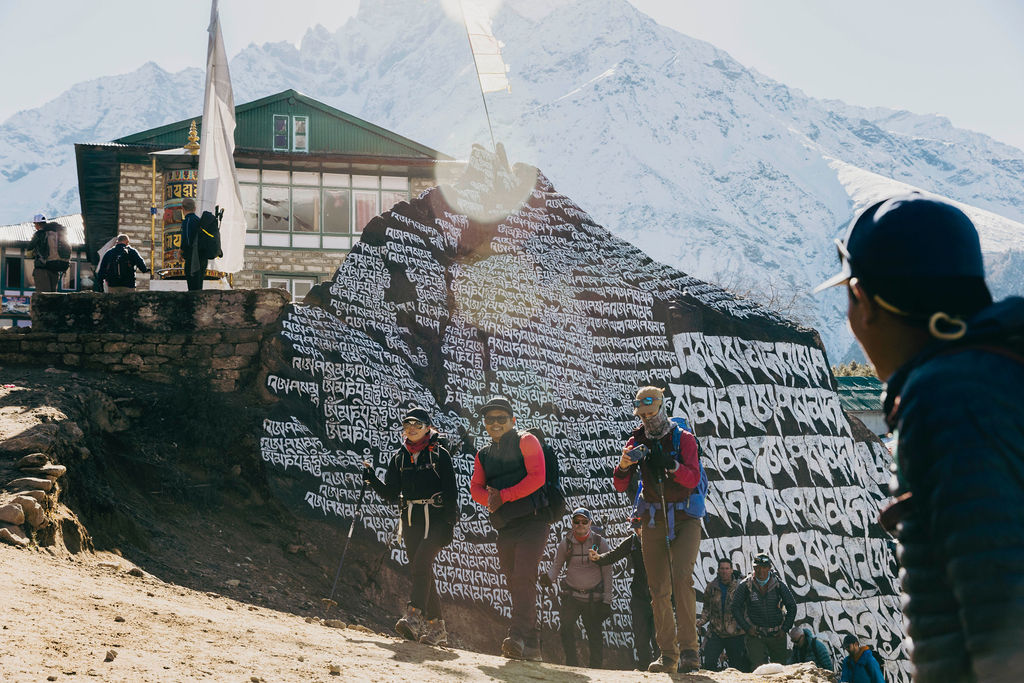
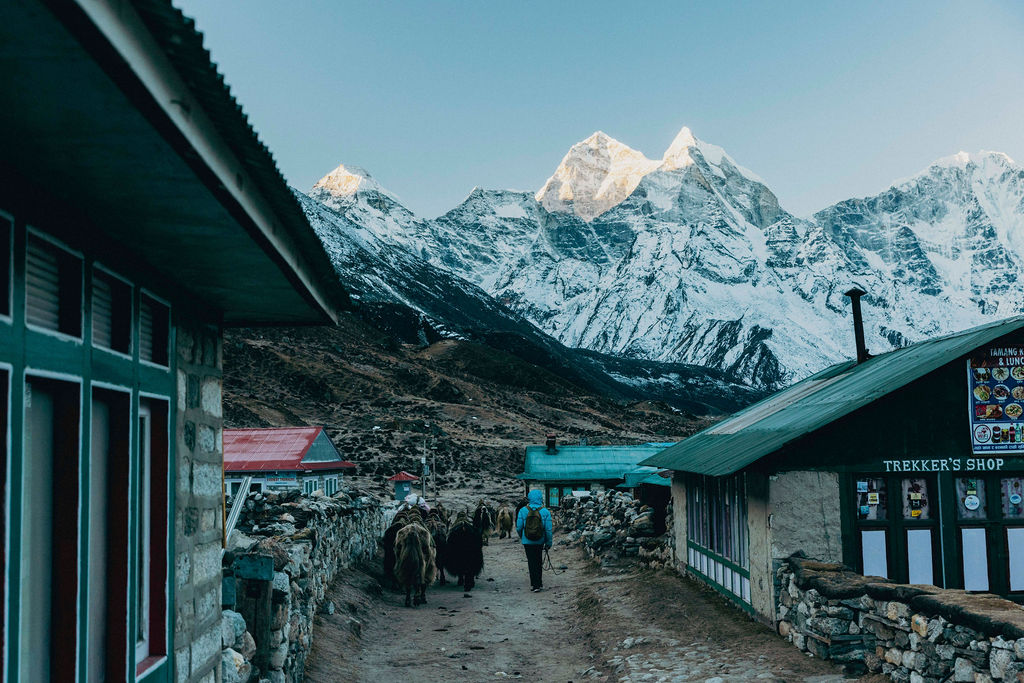
The Khumbu Valley has been home to the Sherpa people for more than 400 years, and today there are roughly 6,000 Sherpas living in this sacred region, spread across approximately 20 villages. During our trek to Everest Base Camp, due to our slow acclimatization schedule, you will have the opportunity to visit several quaint villages and their famous cultural and religious sights along the way. Highlights include the Tengboche Monastery, where you can visit with a High Lama and receive a blessing; Namche Bazaar, a historic trading post and the Sherpa capital of the world; and the countless Tibetan Buddhist stupas and chortens, where you will feel their rich culture come alive.
Trekking to Everest Base Camp is not for the faint-hearted; it’s physical, for sure, but it’s also achievable for anyone willing to put in a little training. We have chosen to implement a gradual acclimatization schedule not only so you can take in the sights and sounds of the Khumbu Valley, but also to ensure you enjoy your trek and feel well at altitude. Beyond training, trekkers who come with a humble mindset and are ready to be away from home for several weeks while diving deep into adventure travel usually excel in the Khumbu Valley.
This part of the world is remote, and the creature comforts of home simply won’t be available. That said, as one of the premier guiding services in the world and on Mount Everest, we will help you embrace a slower pace and discover the joy of disconnecting from the rush of the Western world. We will always do our best to select teahouses in the Khumbu Valley that are clean, offer great food, have hot showers, and provide Wi-Fi. In addition, we will support you through your entire acclimatization process, which cannot be rushed and is achievable for most people. Other operators may try to rush their clients up the valley and stay in budget teahouses, but this only results in disgruntled, unwell trekkers due to unsanitary conditions and the stress your body experiences as it adjusts to altitude.
We encourage you to research the many options available for a dream trek to Everest Base Camp. As a popular trek, we know there is a wide variety of operators to choose from, each offering different trekking styles and, therefore, prices.
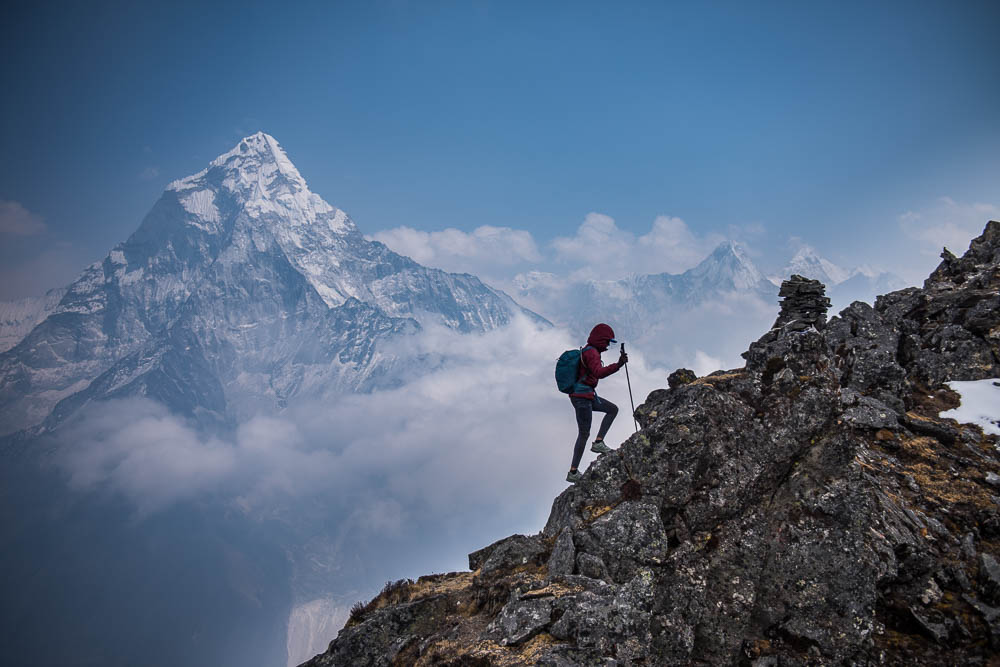
Everest Base Camp Trek & Stay Expedition Highlights:
- Spend two nights at Everest Base Camp proper in our luxury camp on the Khumbu Glacier
- Test out your skills with our beginner-friendly ice-climbing clinic on the Khumbu Icefall
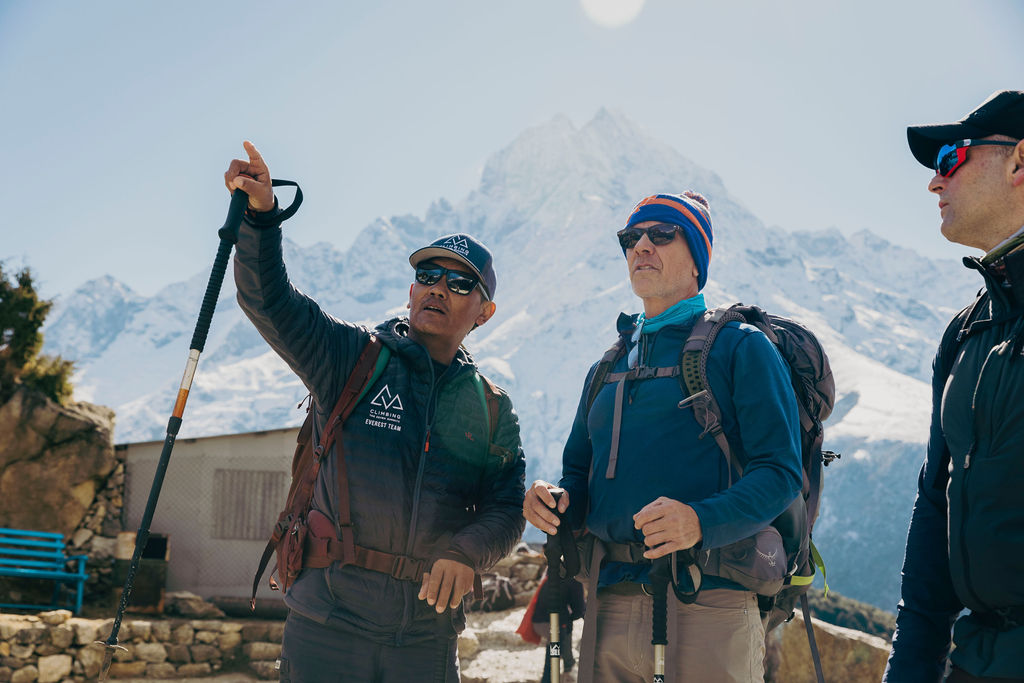
- As a CTSS team member, you’ll trek alongside real Everest guides and aspiring summit climbers
- Experience Sherpa culture, cuisine, and hospitality through our gradual acclimatization schedule
- Add on a climb to the summit of Lobuche East or Mount Everest’s Camp 2 or Camp 3
- Tick off one of the world’s greatest treks in style when you go with an Everest summit team
Take a Tour of Everest Base Camp:
Stay at Everest Base Camp, Not Just Visit It: Most trekkers stop at the outskirts of camp and immediately turn back to their teahouse. CTSS trekkers stay two full nights at our expedition camp on the Khumbu Glacier. You’ll have time to explore Base Camp, connect with climbers, and even walk a short, safe distance into the lower Khumbu Icefall. Access like this is only available to those who are part of a real summit team.
Nothing found.
Everest Base Camp Trek Options
At CTSS, we offer a variety of different climb options to customize your Ecuador experience to your climbing style and ability.
Nothing found.
Everest Base Camp Trek Add-Ons
Customizing your expedition to suit your needs is a top priority for us.
As mountaineers ourselves, we understand that it’s the little things that can make the difference. Comfortable, well-rested climbers are successful climbers, and climbers who have objectives that are suited to their skill level are happy climbers.
Nothing found.
Everest Base Camp Trek FAQs
What is a good fitness and training program for this climb?
- Climbing-specific conditioning: pack-loaded uphill hiking, stair climbing, and long, steady aerobic sessions.
- Strength work: focused lower-body strength (quads, glutes, hamstrings) and upper-body stability for carrying a pack and using an ice axe.
- Cardiovascular training: a mix of aerobic endurance and shorter anaerobic intervals, performed without pack weight.
- Mobility and flexibility: stretching or yoga to support recovery and maintain movement quality under load.
How difficult is the Everest Base Camp trek?
The trek to Everest Base Camp is a moderate, steady journey that requires good basic fitness. Days are spent walking established trails with significant elevation gain, but no technical climbing. A positive attitude and consistent conditioning are the best preparation.
What accommodations are provided during the Everest Base Camp trek?
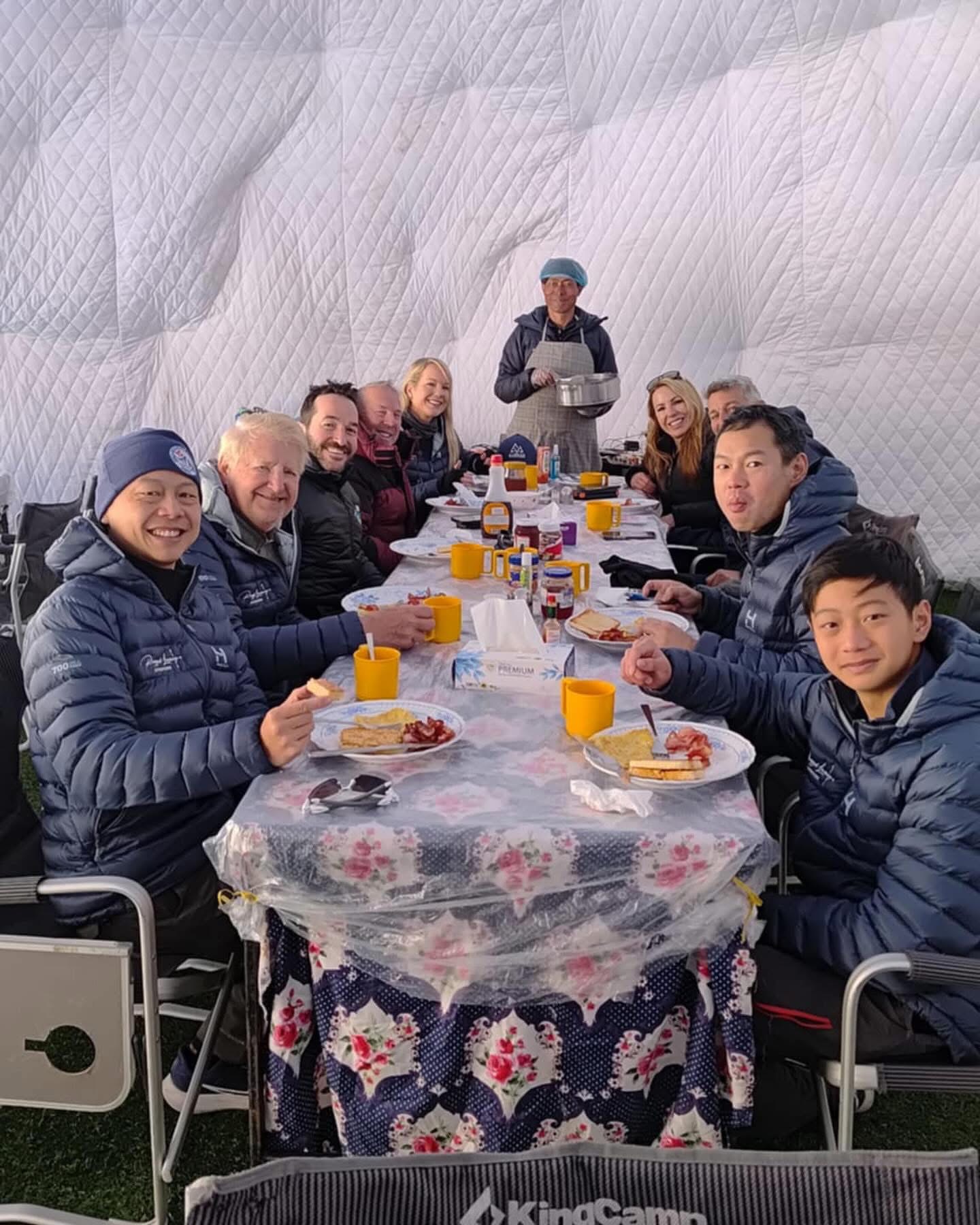
You’ll stay in reputable teahouses throughout the Khumbu Valley and in a shared tented camp at Everest Base Camp. Accommodations are simple but clean, warm, and well-located for each stage of the trek.
What is altitude sickness, and how is it managed on the trek?
All trekkers experience altitude differently. Our itinerary is designed with a gradual ascent and rest days to support proper acclimatization. Guides monitor guests closely for early symptoms and adjust pace or schedule when needed. Diamox or other altitude medications may be used at the discretion of your personal physician.
What is the food like on the Everest Base Camp trek?
Meals along the trail are hearty and locally prepared—soups, noodles, rice dishes, vegetables, and omelets are common. Simple, energy-rich foods help you maintain strength at altitude. Dietary requirements can often be accommodated with advance notice.
What should I pack for the Everest Base Camp trek?
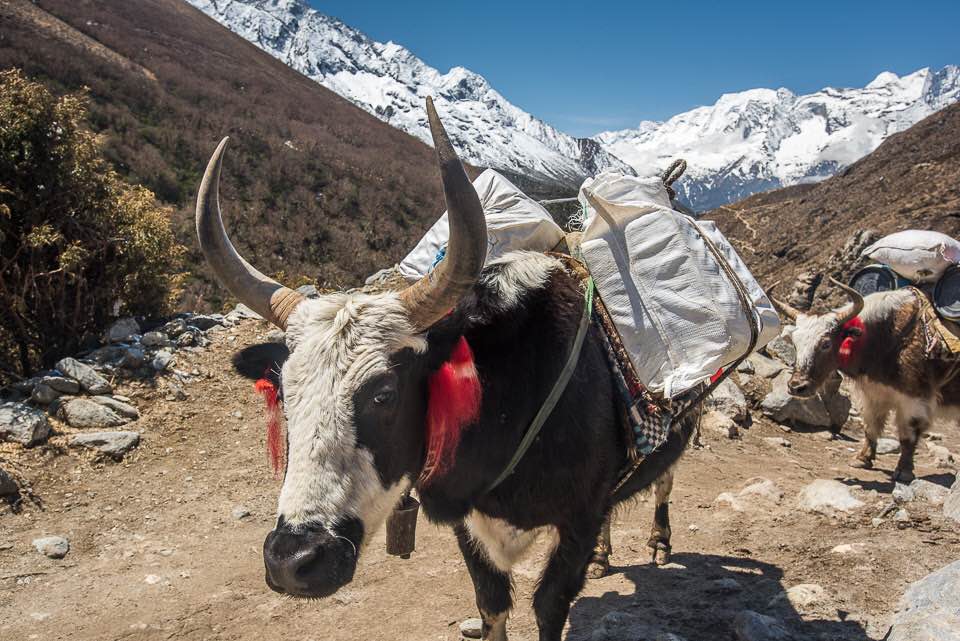
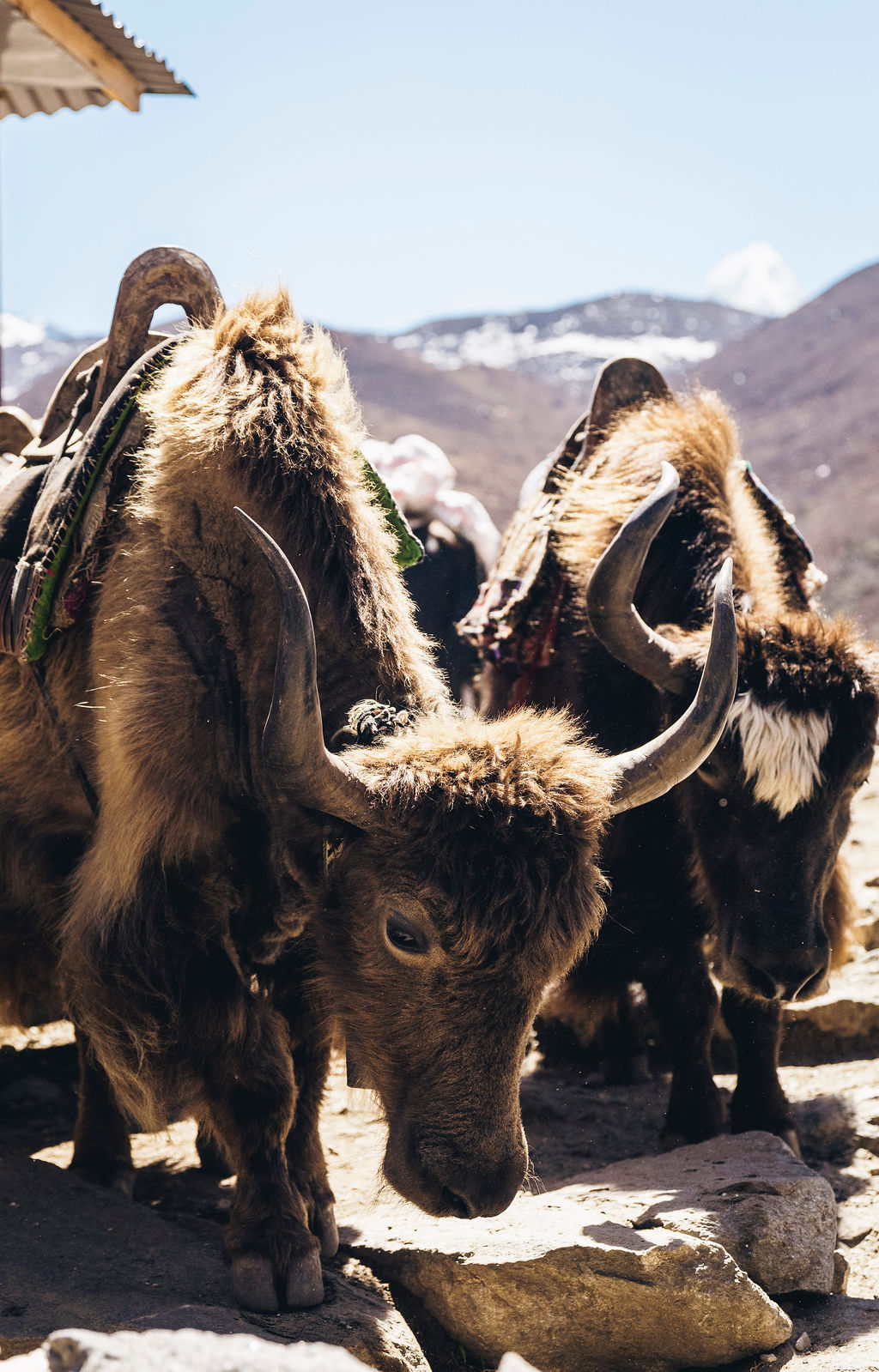
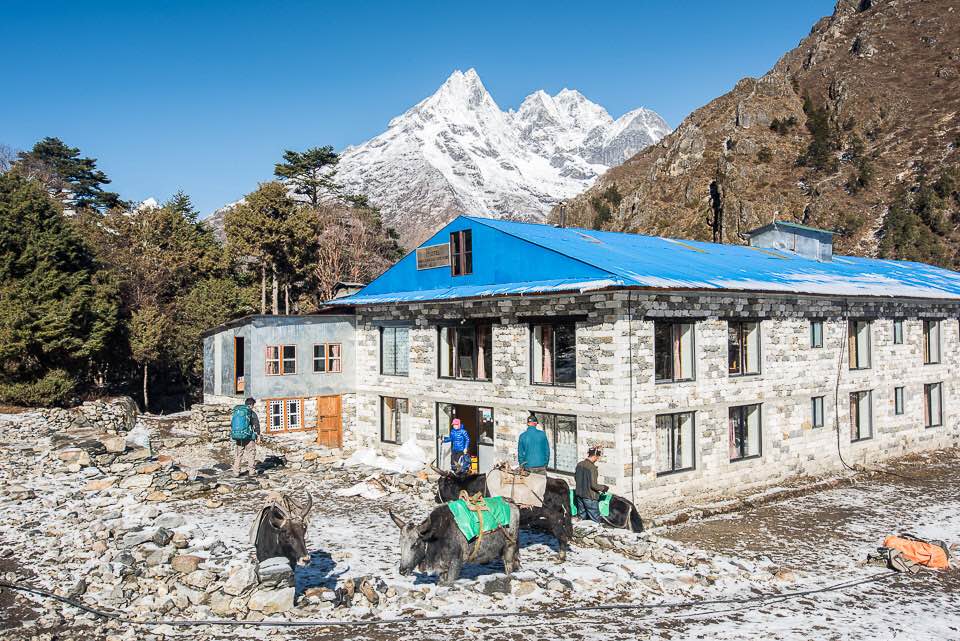
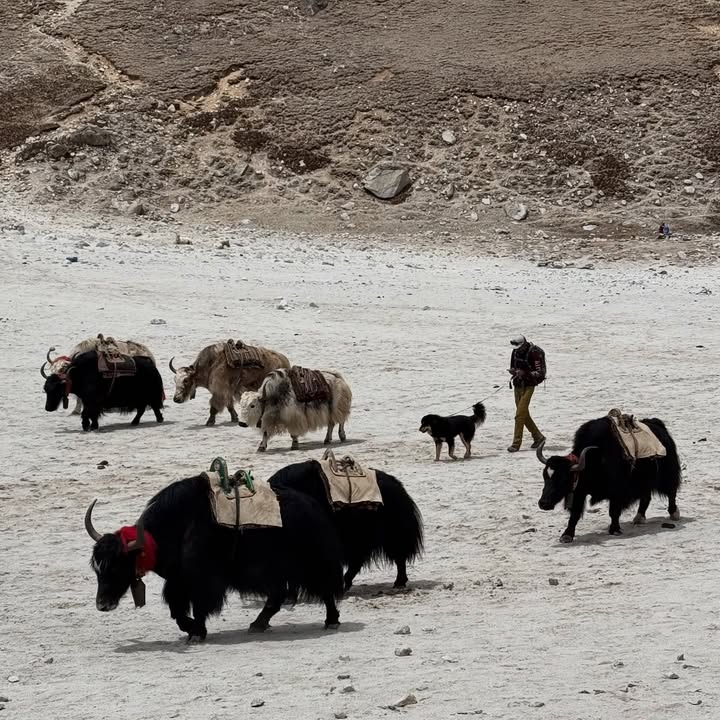
Trekkers should bring layered clothing, warm outerwear, sturdy footwear, and personal essentials. Your main duffel is transported daily by porters or yaks, while you carry a light daypack with layers, snacks, and water. A detailed packing list is provided upon registration.
How heavy will my pack be?
Trekking packs on this program are relatively light. You’ll typically carry 15–20 lbs (7–9 kg) during the approach to Base Camp. Most of your gear travels separately with our support team, so your daypack holds only the essentials: layers, water, snacks, and personal items.
If you plan to bring a large camera, laptop, or other fragile equipment, keep them in your daypack and factor their weight into your estimate. Otherwise, most guests find the carry very manageable with routine pre-trip conditioning.
Do I need previous trekking or altitude experience?
No prior altitude or trekking experience is required. This route is well-suited for motivated first-time trekkers and experienced hikers alike. Proper training and preparation will help ensure a successful trip.
What safety protocols are in place for the Everest Base Camp trek?
Safety is overseen by highly trained guides using the same proven protocols Climbing the Seven Summits employs on their high-altitude expeditions. Guides monitor weather, pacing, hydration, acclimatization, and overall guest health, and they carry essential medical equipment throughout the journey.
What makes this Everest Base Camp trek different from other operators?
Climbing the Seven Summits brings extensive Himalayan experience and a safety-first approach built over decades of guiding. Our logistics, guiding standards, and acclimatization strategies are modeled on full mountaineering expeditions, delivering a highly organized and well-supported experience.
This itinerary also includes something most trekkers never get: the rare opportunity to stay at Everest Base Camp proper. Standard treks stop at a spray-painted rock roughly half a mile below the actual expedition camp, but CTSS guests enter the true Base Camp and spend the night on the Khumbu Glacier.
Can family or friends join the Everest Base Camp trek?
Yes. Companions may join the trek if space is available in Kathmandu hotels and teahouses along the route. Because lodging fills quickly during peak season, we recommend confirming additional travelers as early as possible.
Will I have access to phones, Wi-Fi, or connectivity during the trek?
Many trekkers buy a local Ncell SIM card in Kathmandu, which provides coverage through much of the Khumbu Valley. Wi-Fi is available for purchase in many teahouses, though speeds vary. As you approach Base Camp, coverage becomes limited, so connectivity should be considered a convenience rather than a guarantee.
What are the rooming arrangements on the Everest Base Camp trek?
All hotel and teahouse rooms are double occupancy unless you have selected and paid for the single-room upgrade. Single rooms may not always be available due to limited space during peak trekking and climbing seasons, but we will accommodate requests whenever possible.
Will I need to purchase trip insurance?
Yes. Comprehensive trip insurance is mandatory for this expedition. Your policy must include trip interruption or cancellation coverage, rescue coverage, repatriation coverage, and medical protection. High-altitude programs involve factors beyond anyone’s control, and we’ve seen climbers withdraw due to illness, injury, family emergencies, or unexpected travel issues. Insurance ensures you’re protected and able to make decisions based on safety—not financial pressure.
Didn't find an answer to your question? Don't hesitate to ask us.
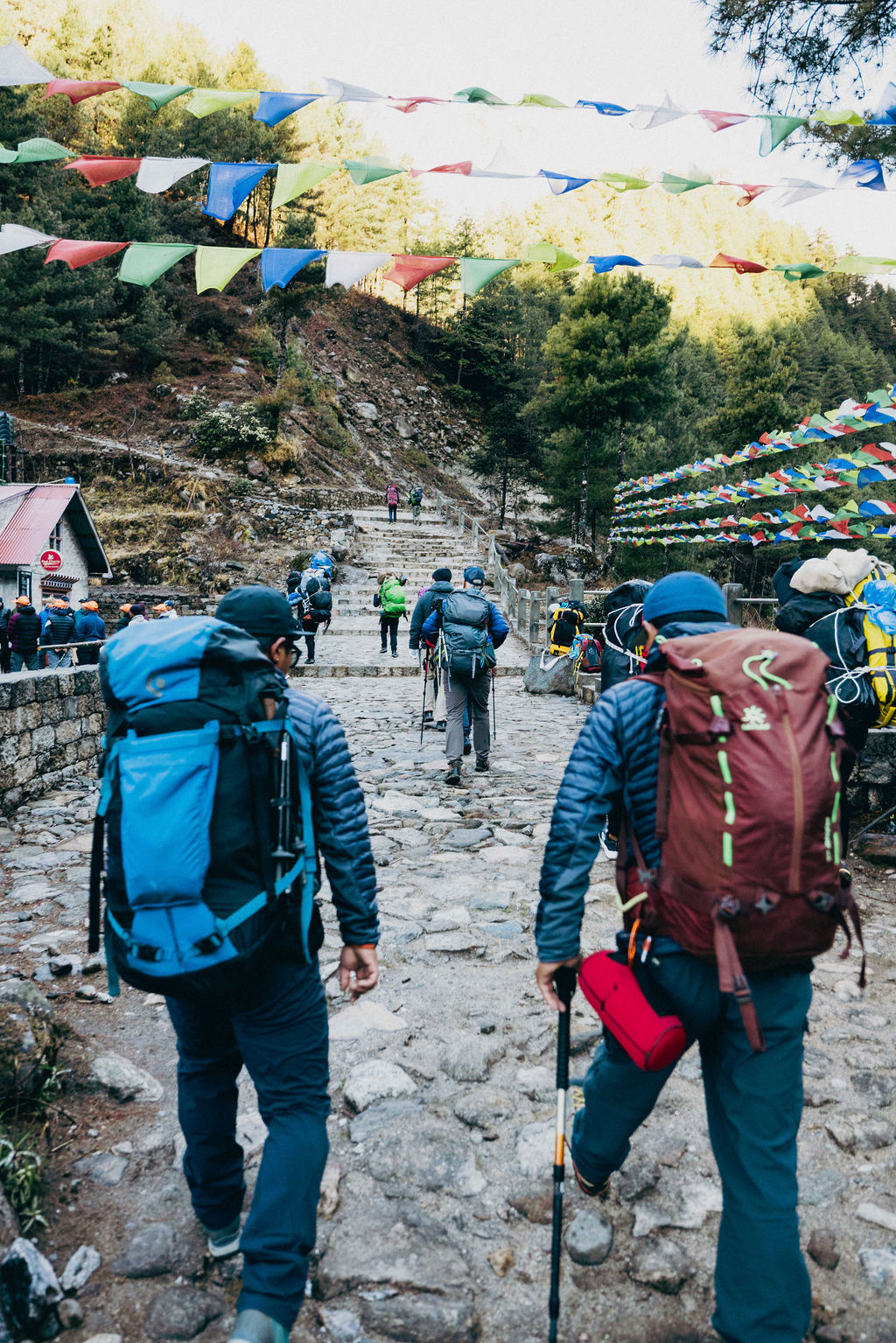
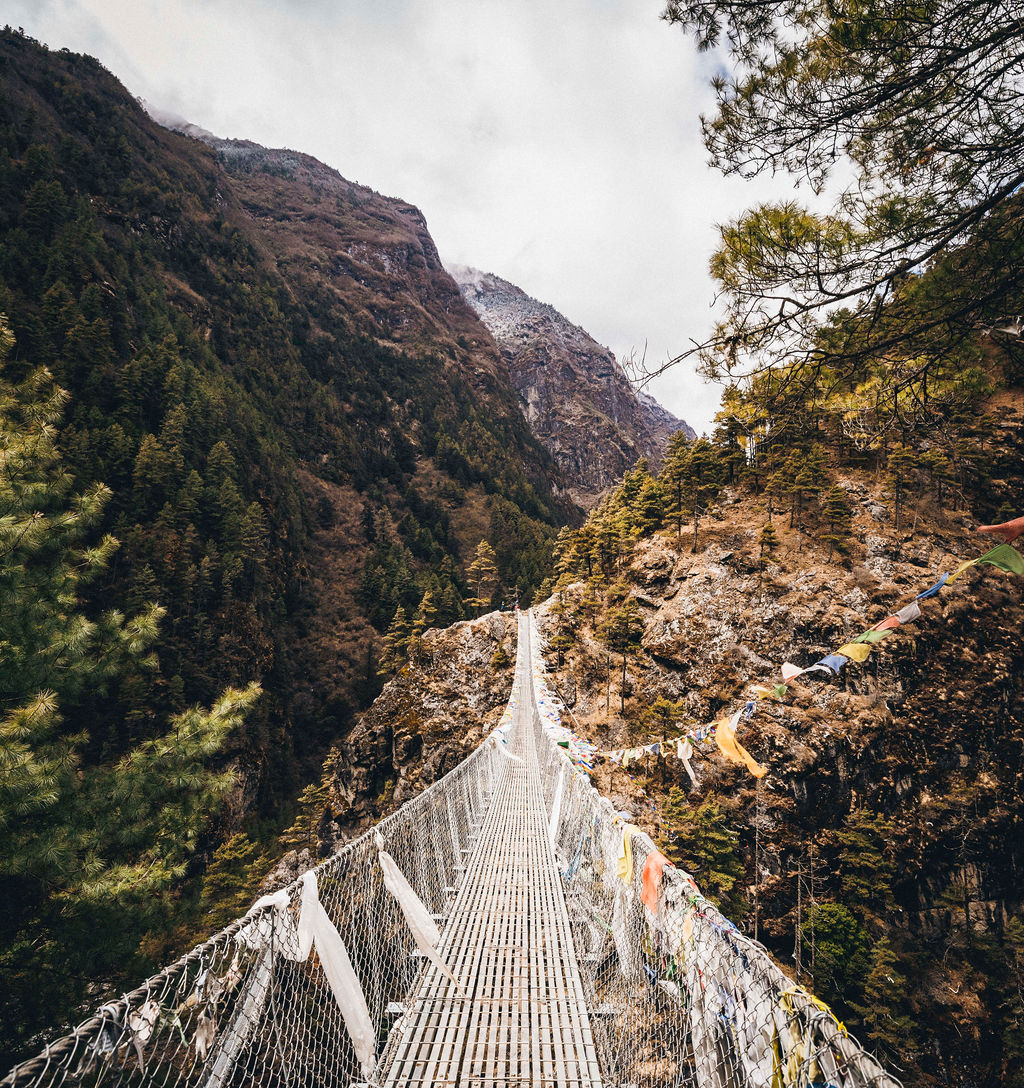
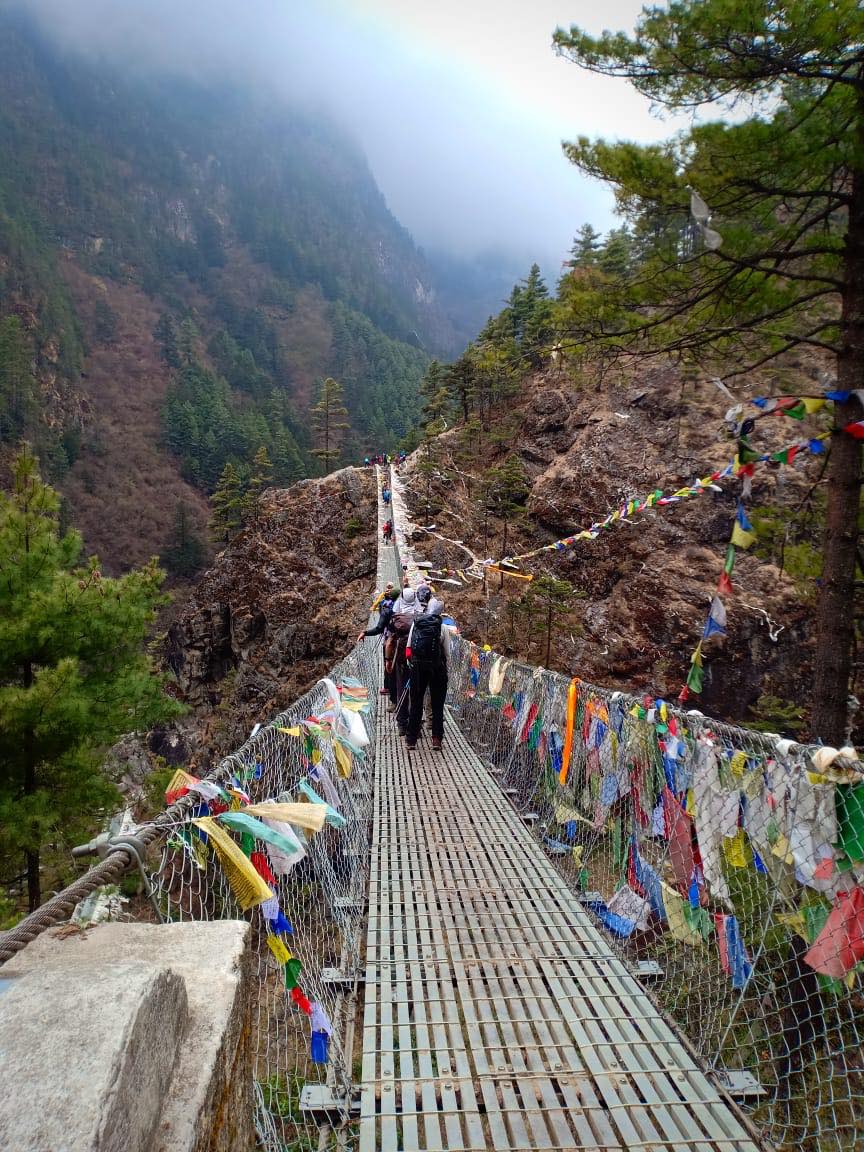
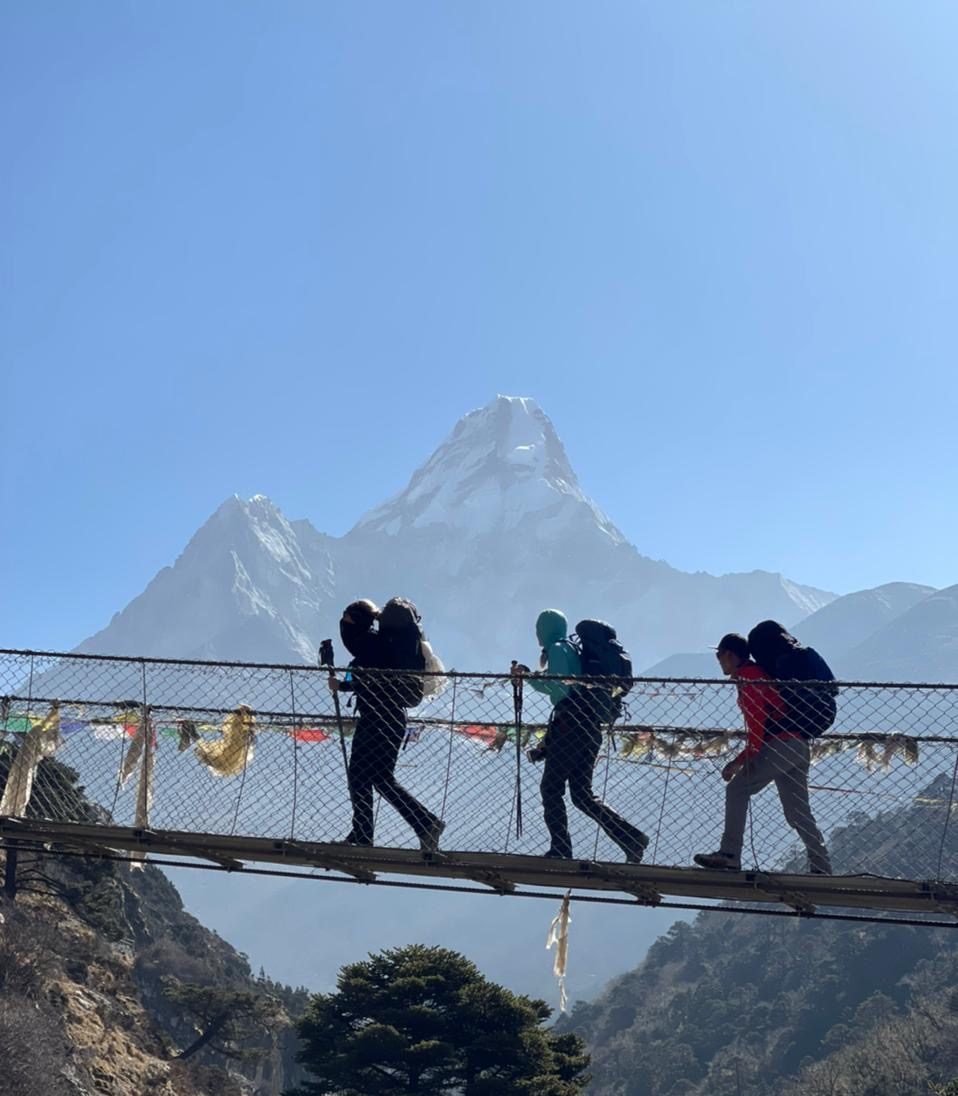
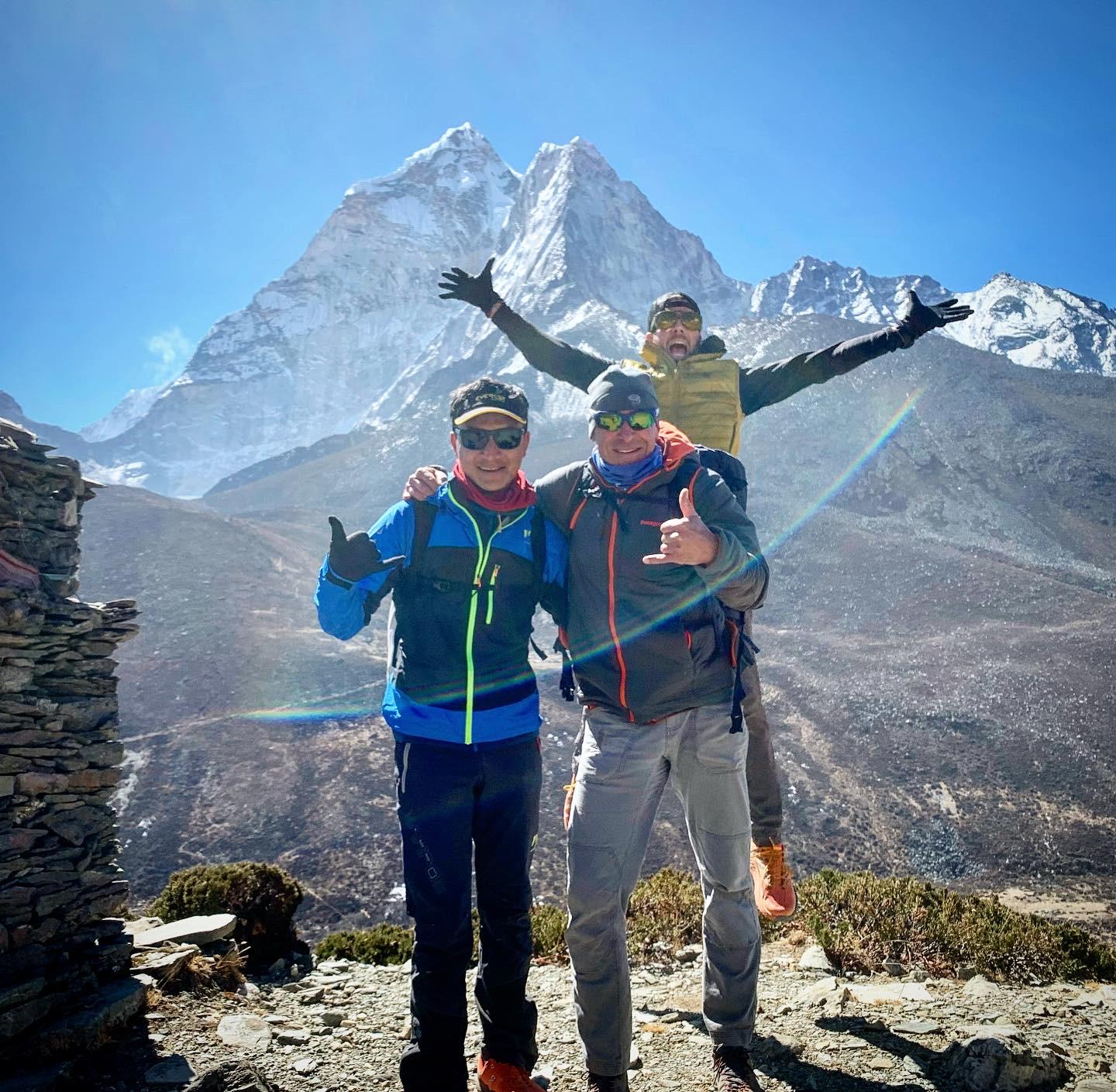
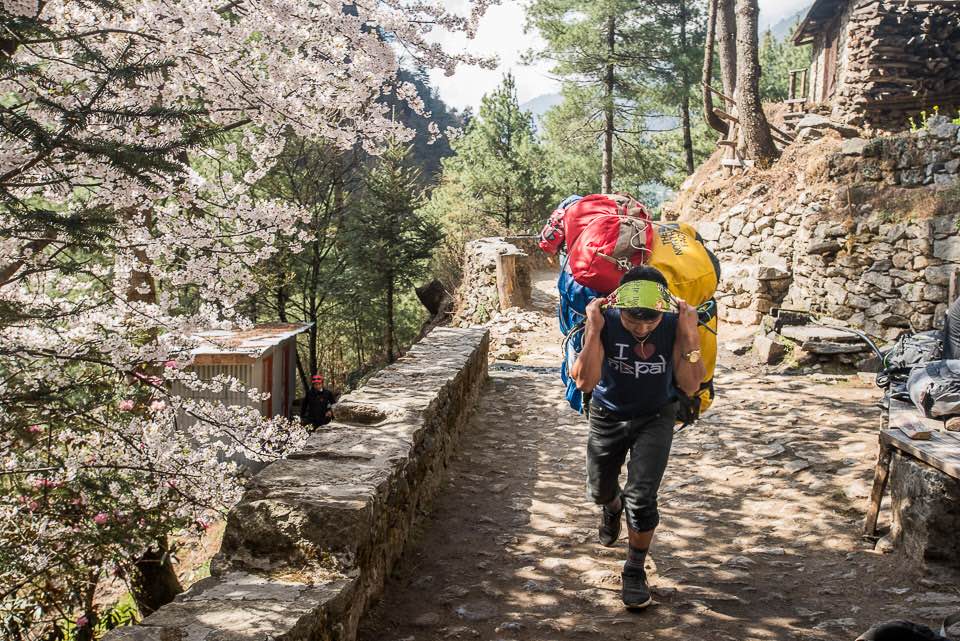
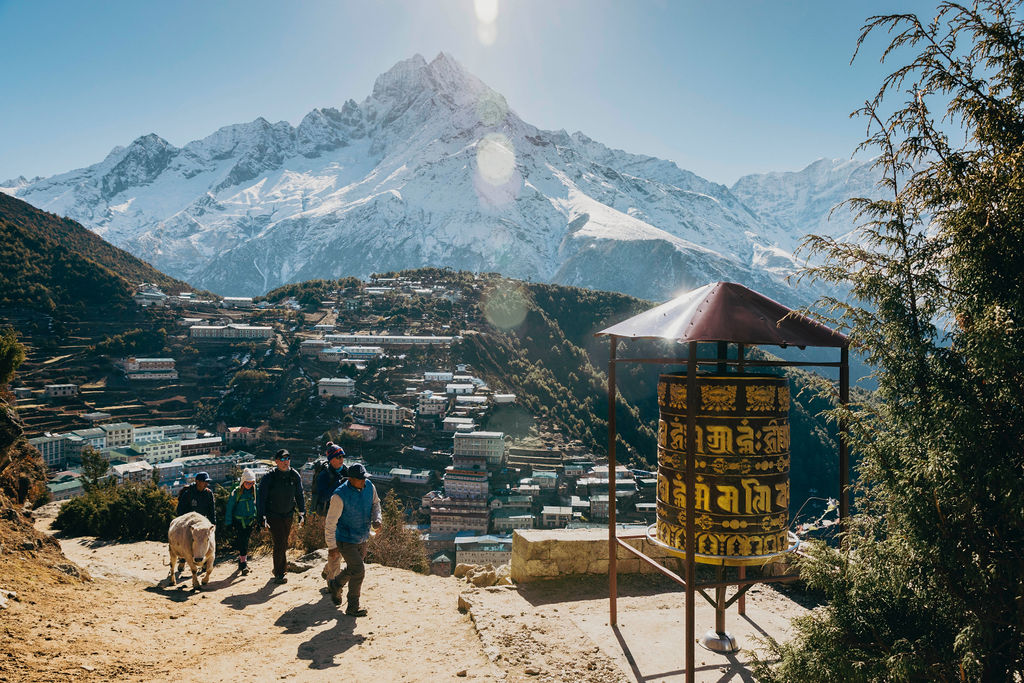
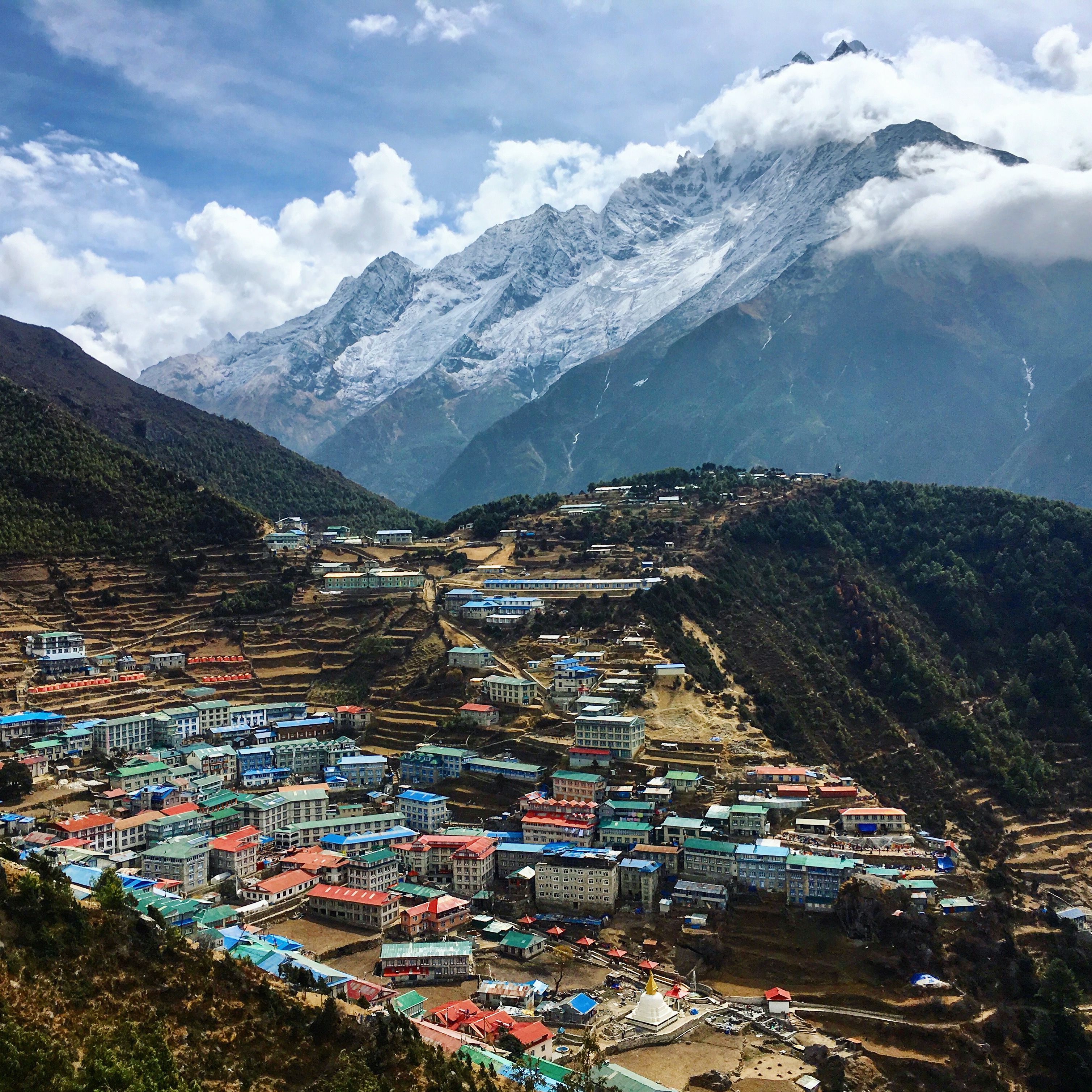
Everest Base Camp Trek & Stay Photo Gallery


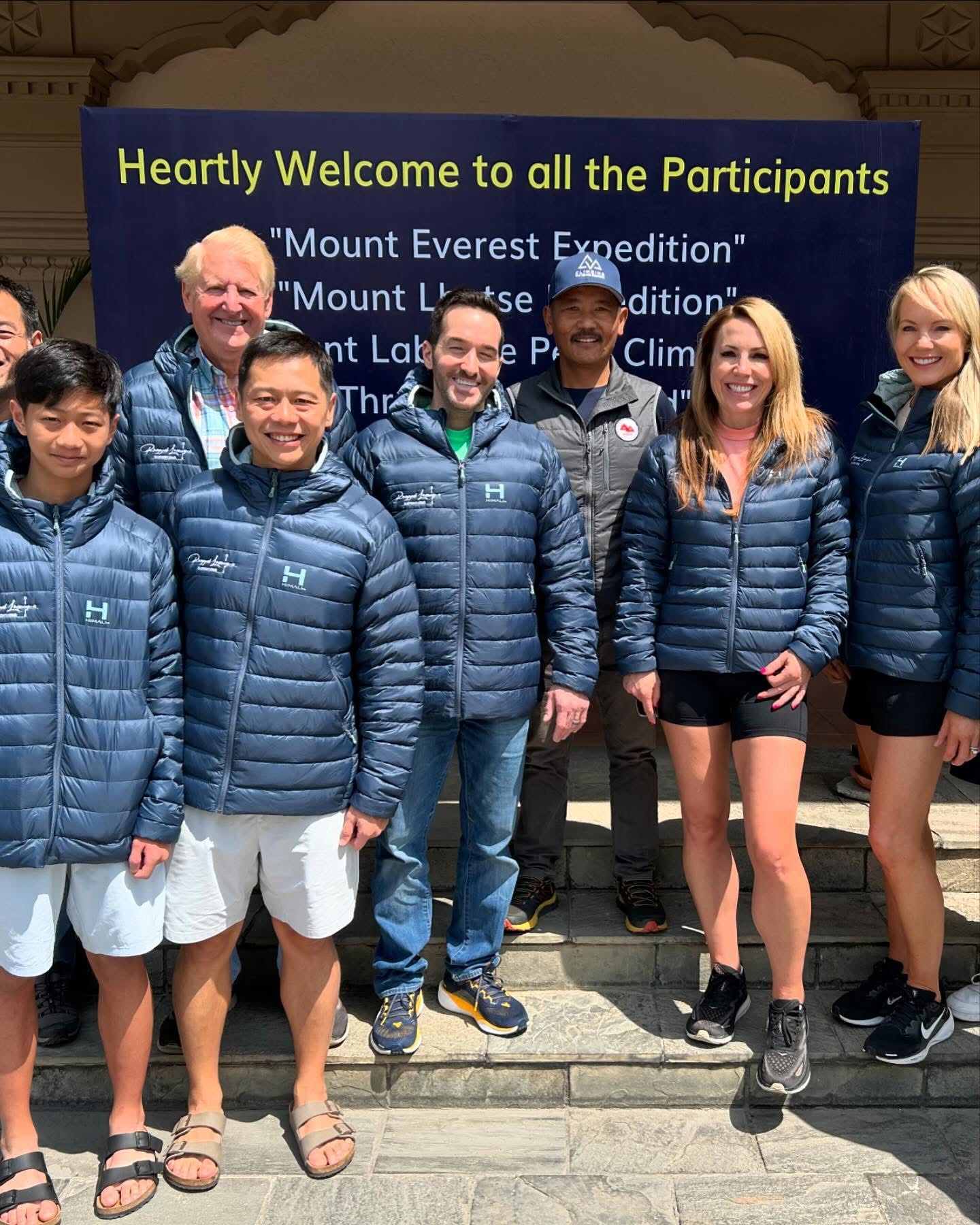
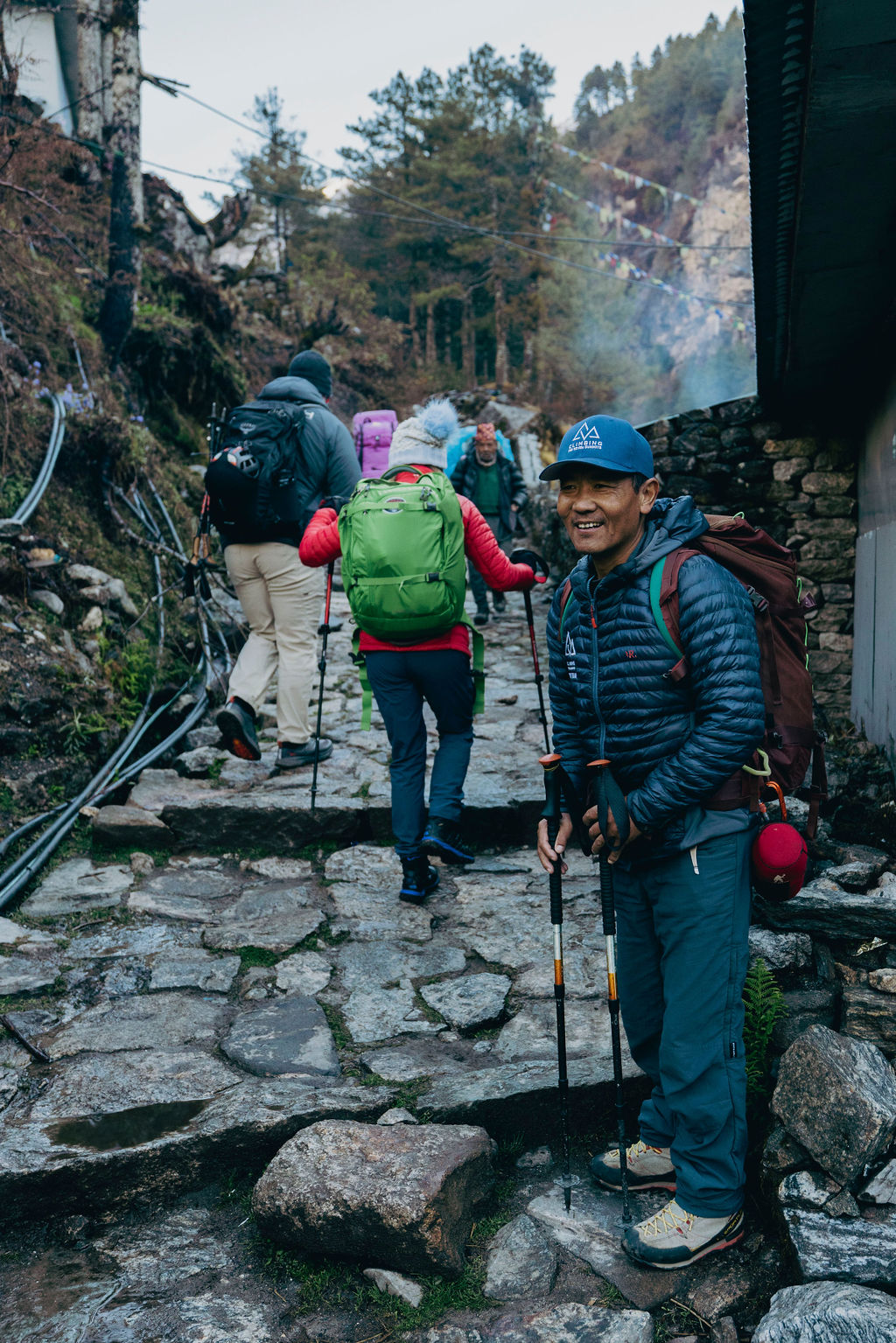
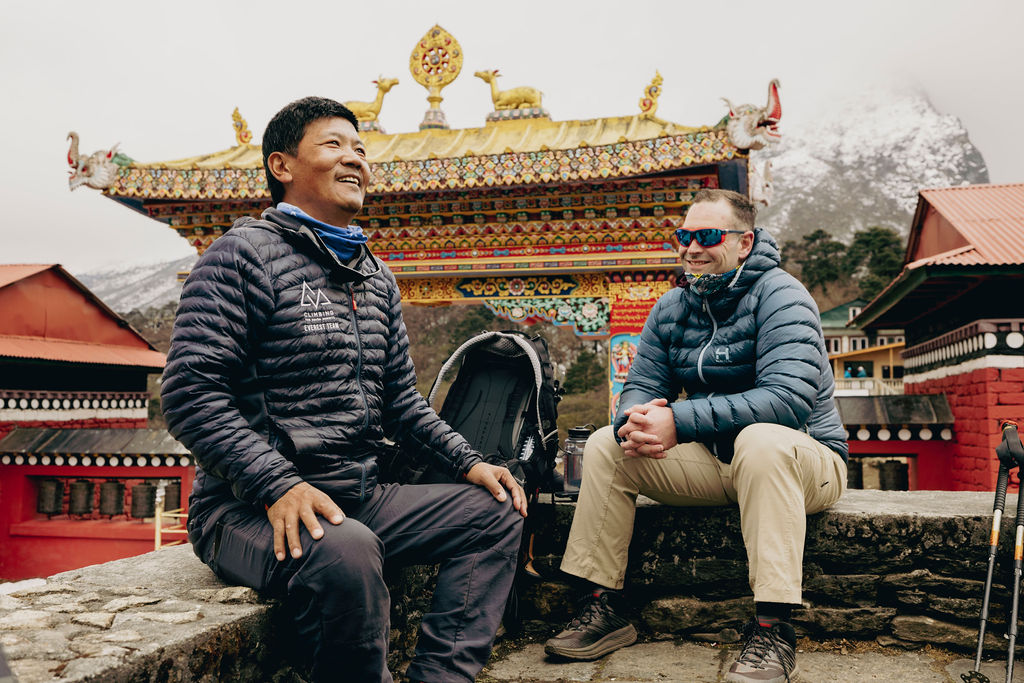
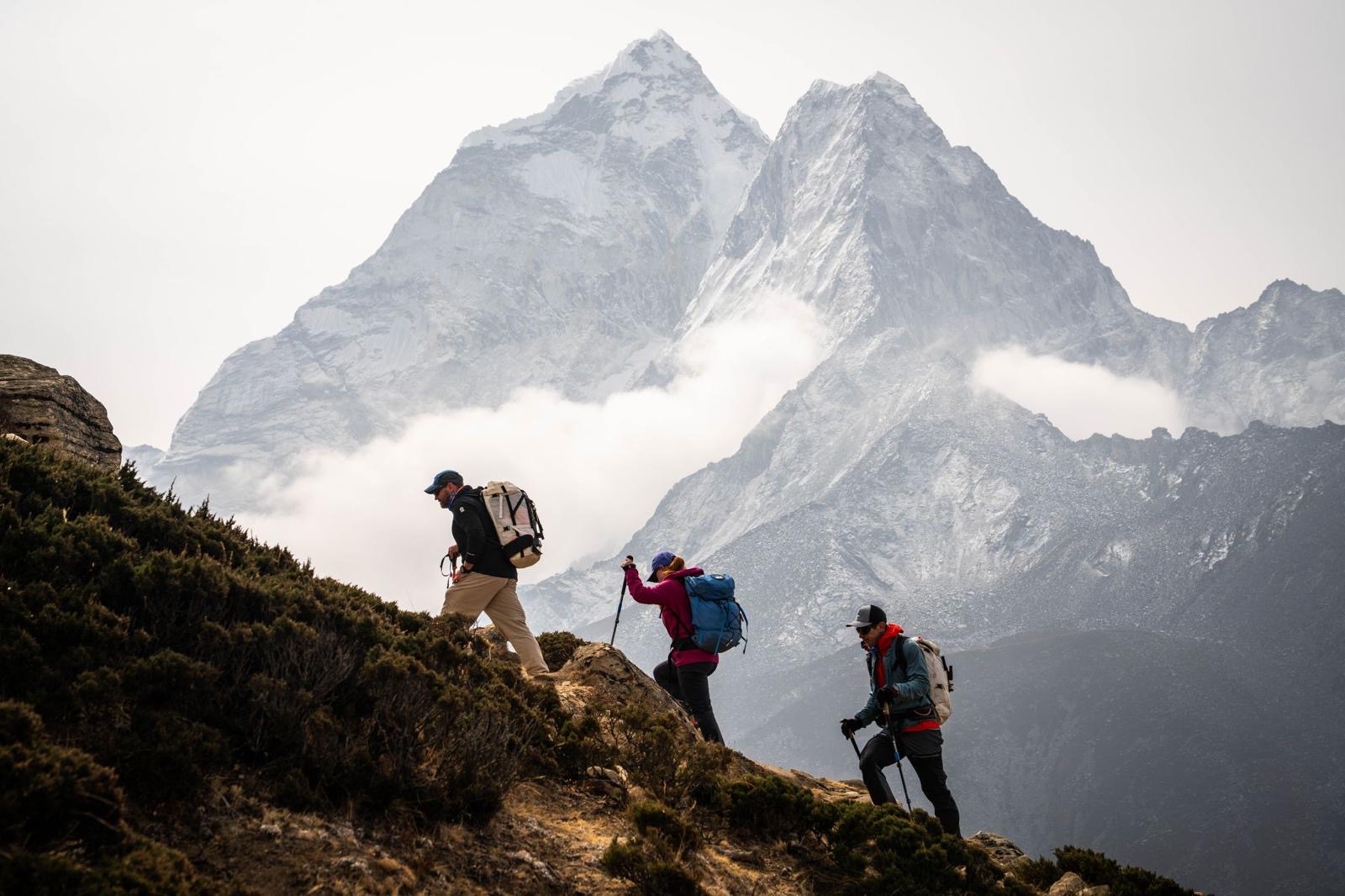
Everest Base Camp Trek & Stay Reviews & Success Stories
“A Milestone Trek with CTSS. I joined the Everest Base Camp trek with CTSS to mark a personal milestone: turning 60—and, even more meaningfully, celebrating 20 years of living symptom-free after being diagnosed with MS at 40. Back then, I pictured myself in a wheelchair two decades later. Instead, I found myself standing at the base of the world’s highest peak. Reaching Everest Base Camp was a deeply emotional accomplishment.
I chose CTSS because it was the only company offering trekkers the rare opportunity to spend the night at Base Camp in tents, alongside climbers preparing for their summit push. That detail mattered to me. I didn’t want just a photo at the rock—I wanted to experience the atmosphere, and I did.
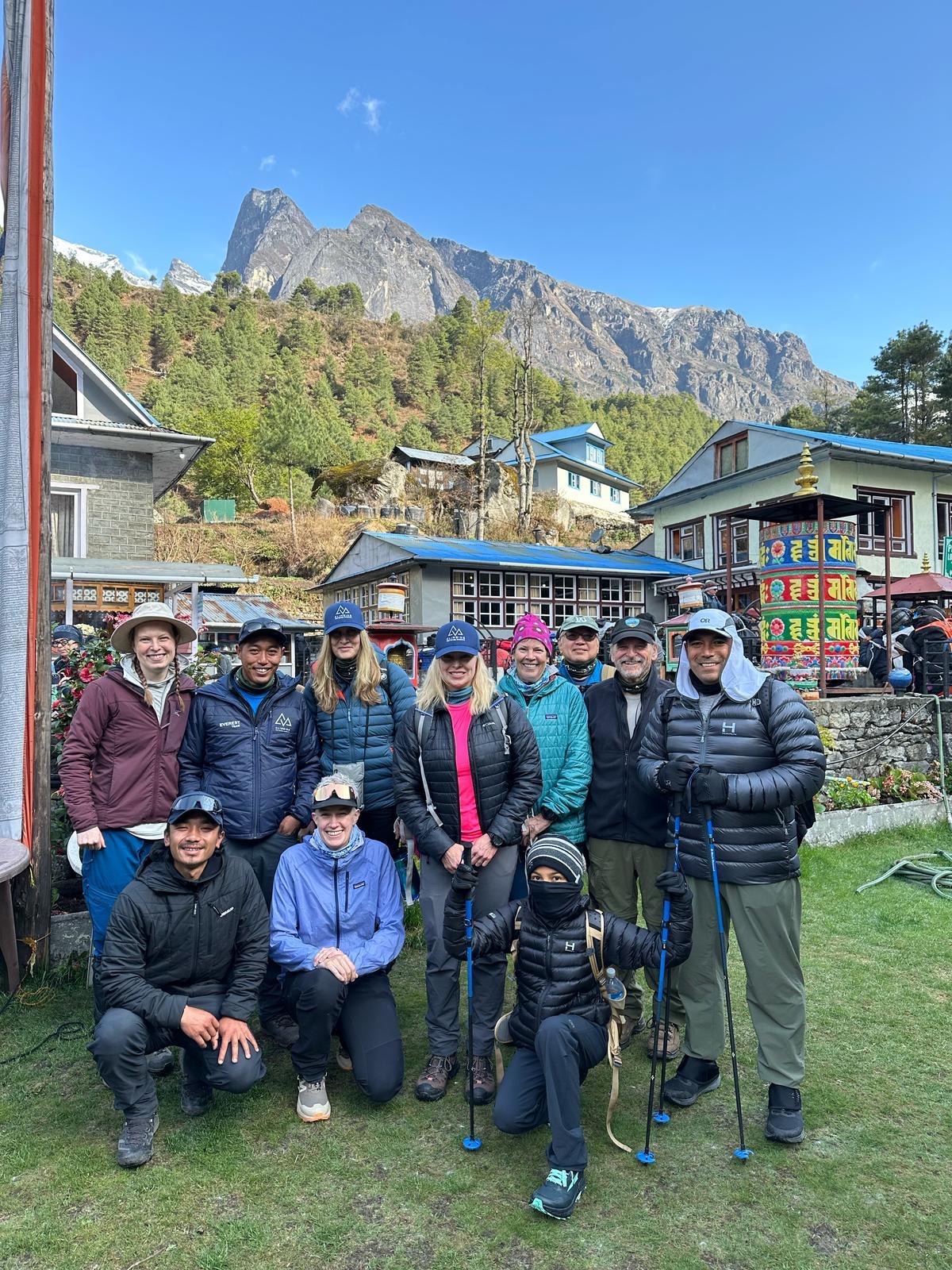
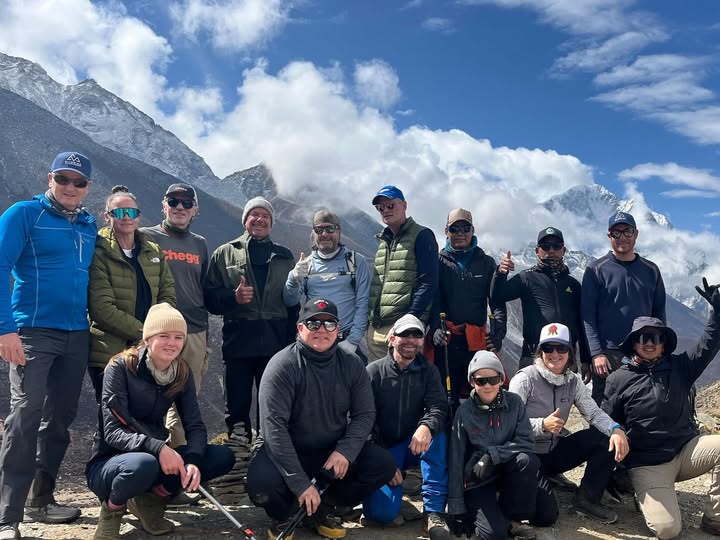
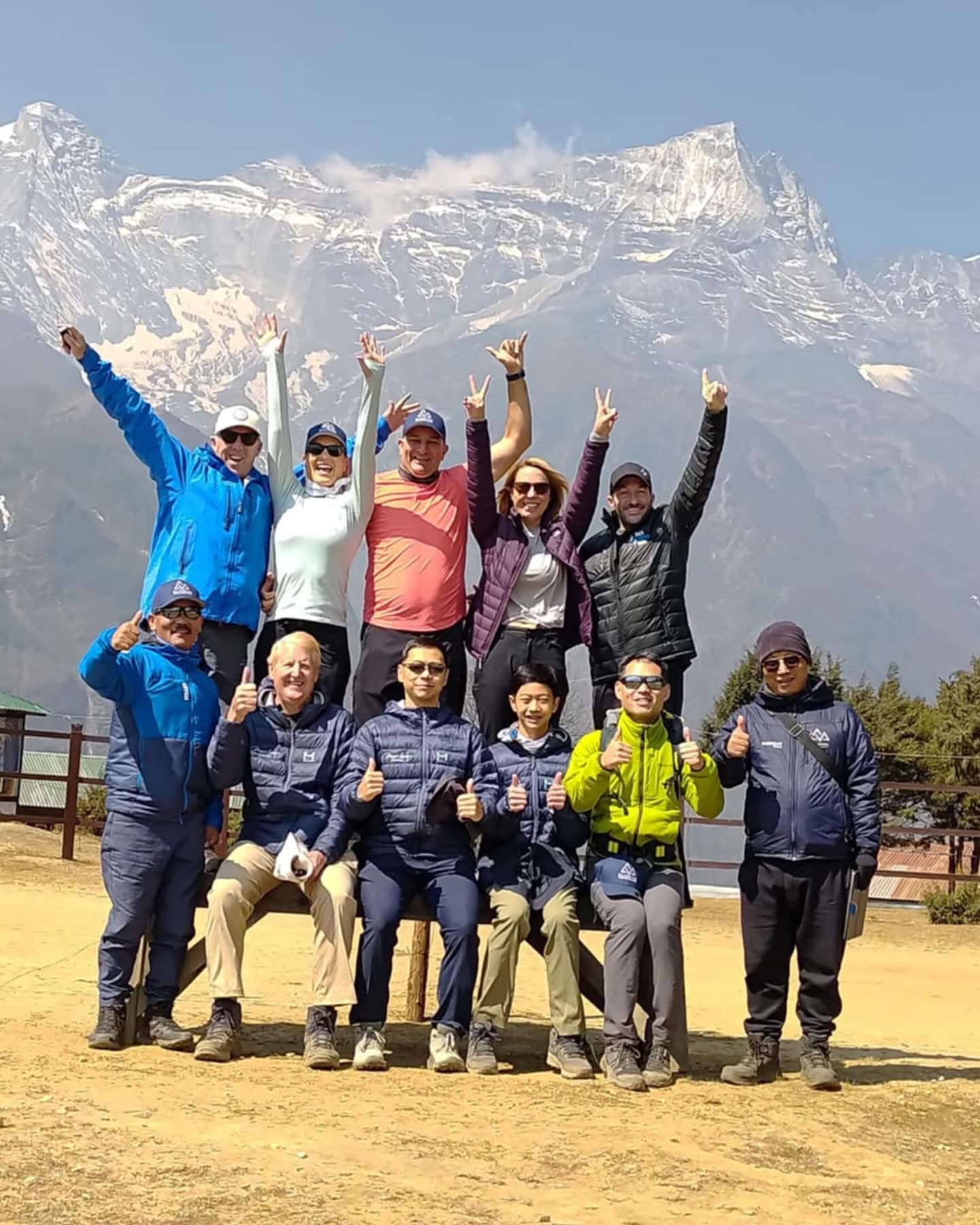
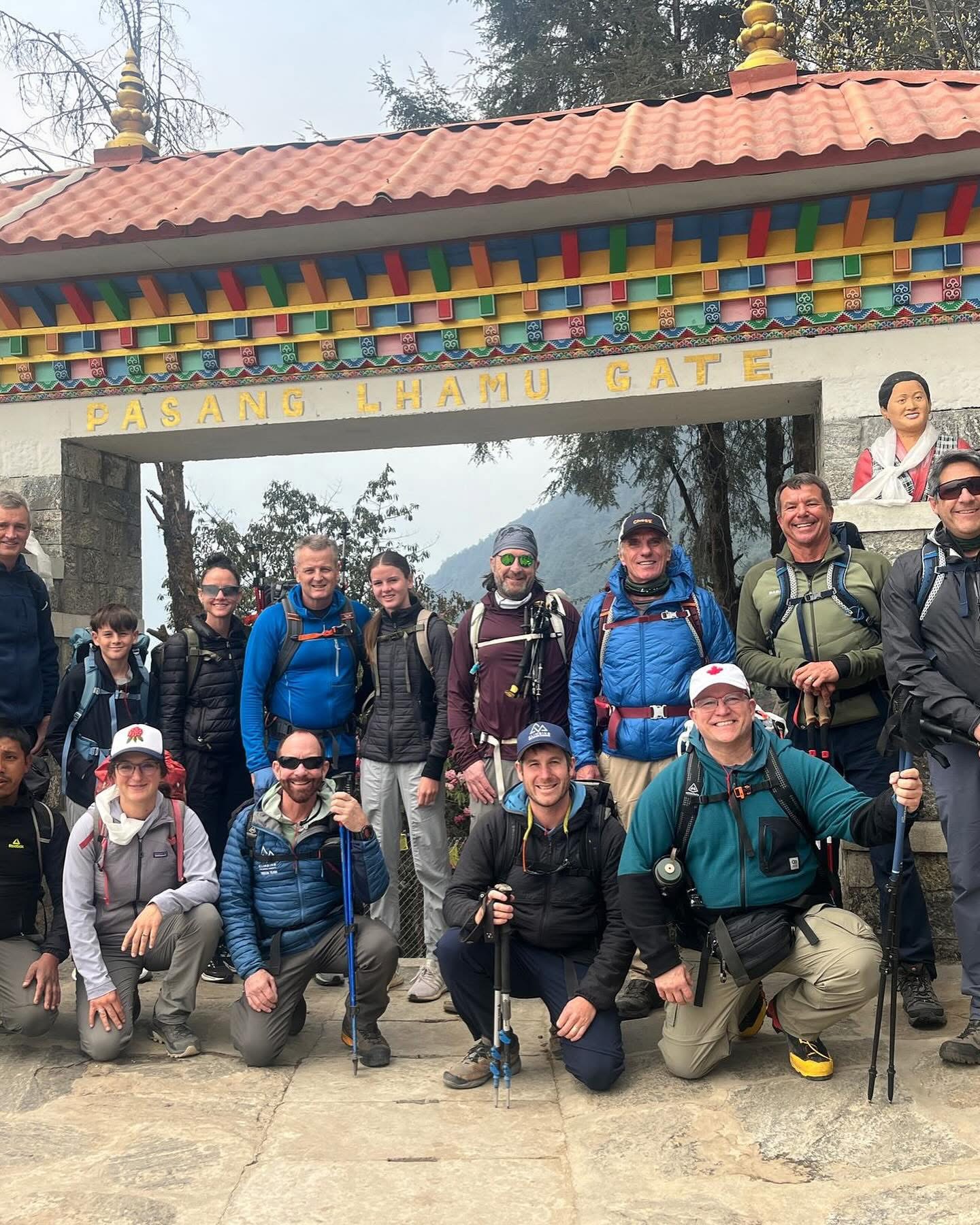
The itinerary included three acclimatization days, which made a real difference: everyone in our group made it safely to Base Camp. We were nine people—different ages, different backgrounds—supported by three incredible local guides and one CTSS guide. This level of care and attention ensured that we felt safe, prepared, and looked after every step of the way.
The group dynamic was something special. We looked out for each other, we laughed, and we shared moments that still bring us together even after the trek. There was no ego—just a quiet sense of shared purpose.
I hope this story encourages someone to step outside their comfort zone and not let fear set the limits. You never really know what you’re capable of until you try.”
– 2025 Everest Base Camp Trekker, Irina M.
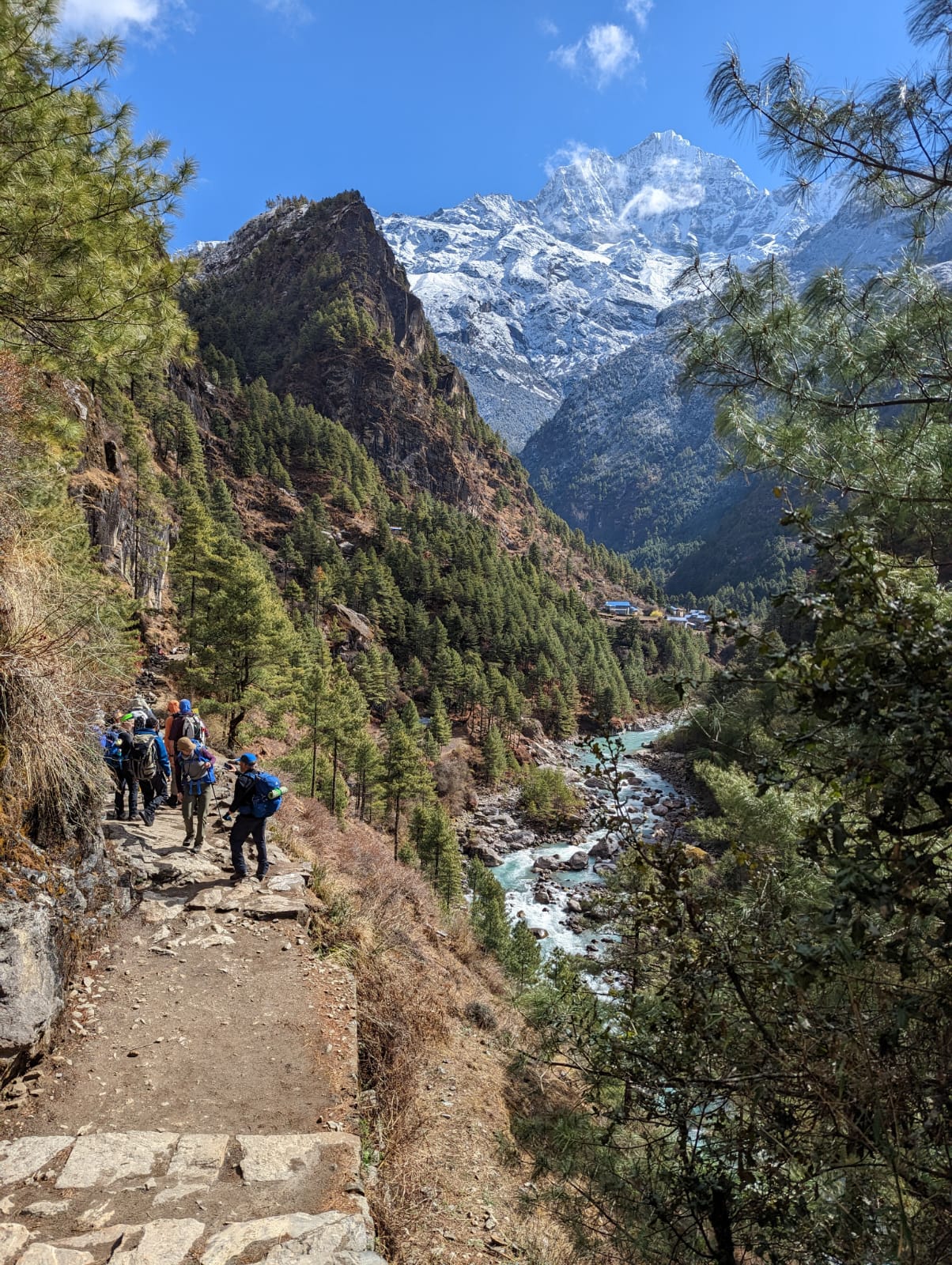
“I cannot even put into words how incredible that trip was for me – you truly run everything top notch and it shows in every single part of the trip. Your patience in teaching/coaching in a way that I didn’t feel intimidated by was amazing and so so appreciated. I am in awe of this whole experience”
– Julie M., USA
“An incredible experience from start to finish. I can’t say enough what a difference it makes to have a great guide who cares so much about the whole experience and a great time to make the journey so special. I hope this is the first of many climbs with CTSS for me.”
– Kevin A., USA
At CTSS, we believe your expedition starts long before you reach the mountain.
That’s why we provide every climber with holistic, personalized pre-expedition support, no matter the objective.
When you join a CTSS expedition, you become part of the family. You’ll be paired with a dedicated Expedition Manager and backed by our full team of experts, with guidance on everything from personalized strategy and progression planning to gear selection, training, travel logistics, and insider tips to help you get the most out of your climbing journey.
We’re here to make sure you show up prepared, confident, and ready to thrive on the mountain and beyond.
6x Reasons to Choose CTSS
Safety
Your safety and success are our top priorities, in that order. We make conservative decisions, plan redundancies, and all our guides have wilderness medical training, safety and rescue plans, and access to doctors around the clock to help keep you safe.
Value for $
We keep our overheads low to pass savings on to you. We are proud to offer the best service at the most competitive price, without compromising on safety or taking shortcuts in logistics, staffing, or infrastructure.
Holistic Approach
Our service goes far beyond the mountain. Think of us as your climbing coach; we'll be there from start to finish to prepare, debrief, and plan your progression as a mountaineer, whether your goal is a single summit or the Seven Summits.
Guides & Team
Guides can make or break your climb. We hand-pick the most qualified, tenured, tested, and personable guides and Sherpas in the world. Owner and mountaineer Mike Hamill personally oversees the logistics and management of each expedition.
Our Values
We care about you, our people, and the planet. A portion of every expedition goes to the Tiger of the Snows Fund, supporting outdoor tourism workers and their families. We follow strict Leave No Trace principles and live by our No D*ckheads Policy, because who you climb with matters.
Success
We have an unparalleled summit success rate. How? We do it in a myriad of ways; like a great chef's secret sauce, we've fine-tuned the recipe over decades. Most importantly, we believe in you & your ability to achieve your goals, and we are invested in putting you on top.
Everest Base Camp Trek Inquiry Form
Ready to Progress?
Consider these expeditions
CTSS Vinson and Antarctica Season Begins
Vinson and Antarctica Season Begins
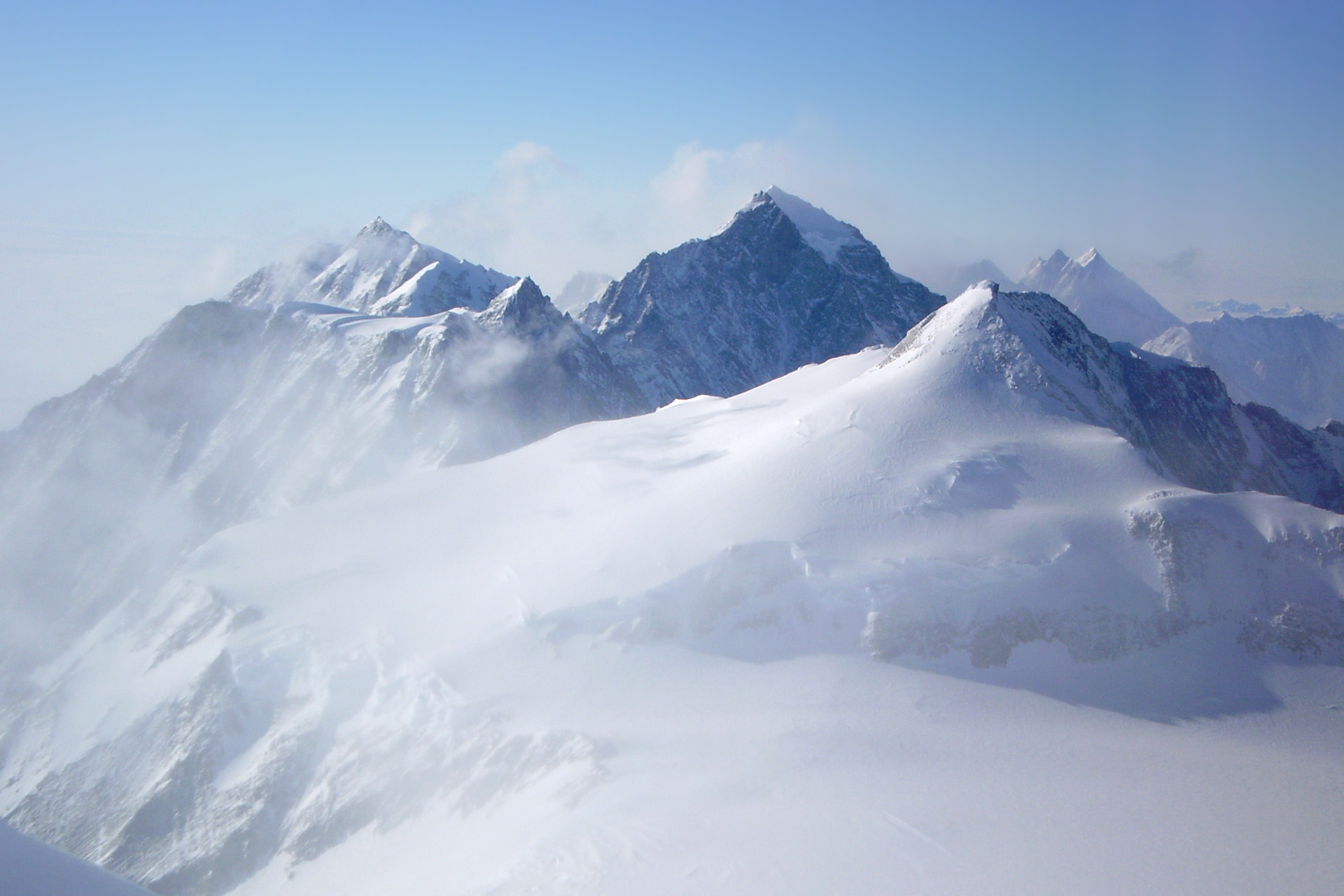
Antarctica is officially open for the season, and our first CTSS team is already on the ice. With twenty four hour daylight settling in and early weather windows stabilizing, the continent is shifting into its short but spectacular climbing window. This is one of the most remote and pristine environments on Earth, and we are excited to begin another year of expeditions across the ice.
Most of our climbers this season will be heading to Mount Vinson, traveling through Union Glacier before moving into the Ellsworth Mountains for their summit push on Antarctica’s highest peak. Others will begin with the South Pole Last Degree Ski, spending eight days traveling the final degree of latitude to the geographic South Pole before returning to Union Glacier to launch their Vinson climb. A smaller group will fly farther into the interior for Mount Sidley, Antarctica’s tallest dormant volcano and one of the least visited summits in the world.
Our Antarctica roster this year includes some of the strongest guides in the industry: Mike Bennett, Ty Sauerbrey, and Tomi Ceppi, who has fourteen Vinson expeditions under his belt with twelve successful summits. Last week, Tomi shared a few behind the scenes preparations from South America before making his way to the blue ice to kick off our season.
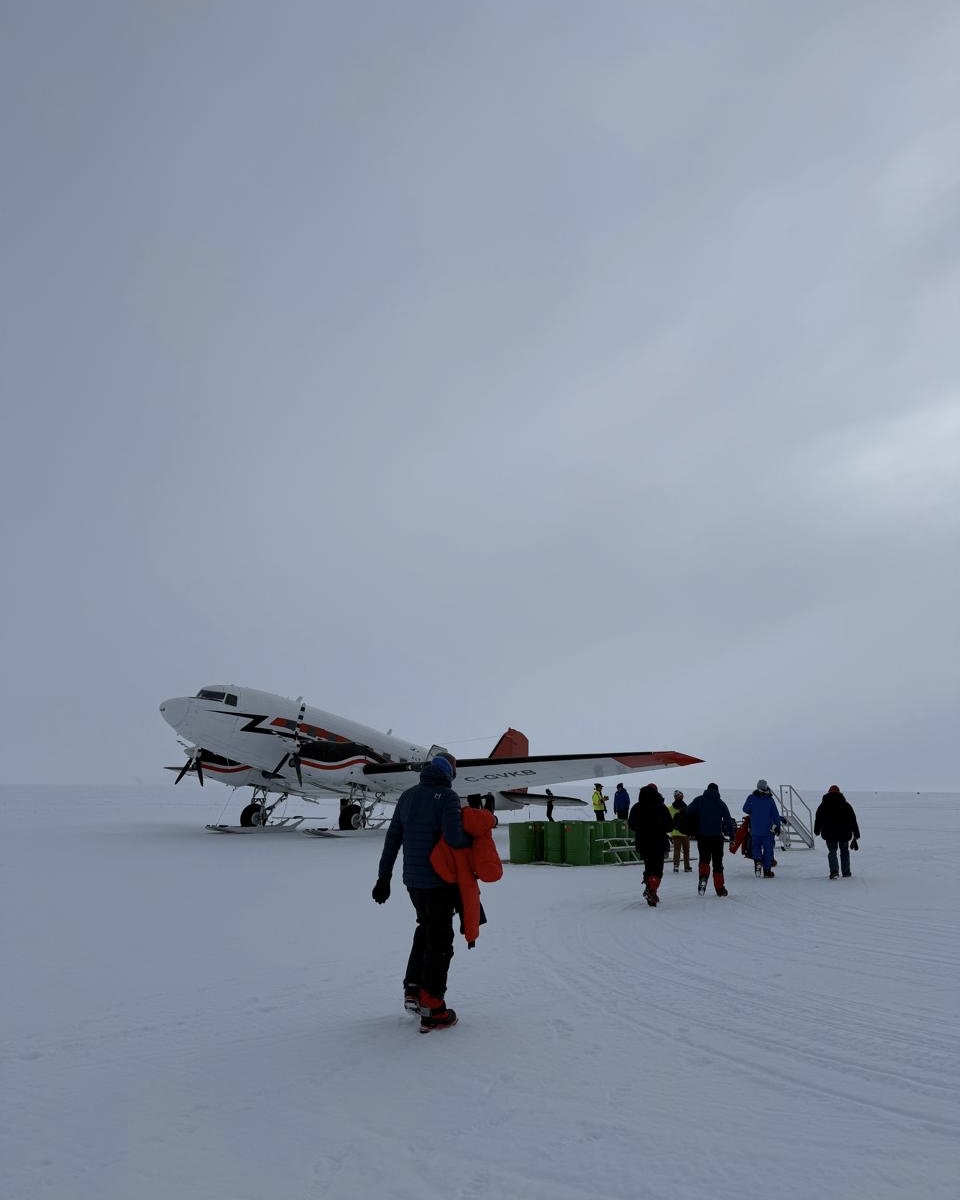
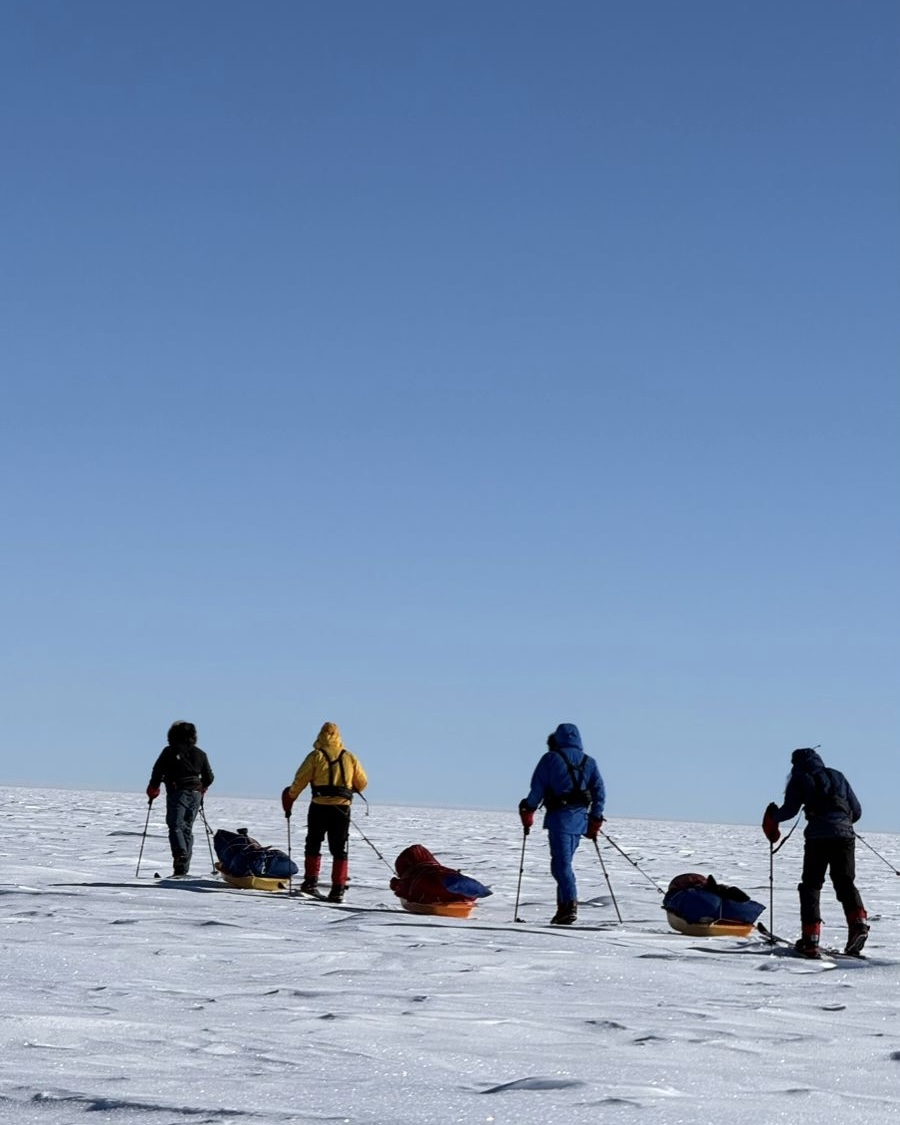
Our first team on the ice with Tomi is our Last Degree Ski team, who flew from Union Glacier to 89°S today and immediately began their traverse. Over the next four days, they will ski the final stretch to the geographic South Pole at 90°S, traveling six to eight hours per day across near flat snow and building camp each night on the glacier. Temperatures hover around negative forty while the sun circles overhead. After reaching the Pole, the team will fly back to Union Glacier to meet their Vinson teams.
As the season unfolds, we will be sharing regular updates, photos, and behind the scenes footage from Vinson, the Last Degree Ski, and Mount Sidley. Follow along on the CTSS blog and social media as our teams move through one of the most remote and extraordinary landscapes on the planet.
Photo from Tomi Ceppi, Last Degree Ski team
4 Breathing Mistakes That Can Cost You Your Summit (and How to Fix Them Before Your Expedition)
4 Breathing Mistakes That Can Cost You Your Summit
(and How to Fix Them Before Your Expedition)
Guest Post by Anthony Lorubbio: Founder & Head Coach of Recal Training
Breathwork isn’t the first thing most climbers think about when preparing for a major objective, but at altitude, it often becomes the deciding factor between moving well and turning around early.
I’m Anthony Lorubbio, Founder and Head Coach at Recal Training. I’ve worked with hundreds of climbers, and time after time I see the same pattern: when the stakes rise and the air thins, breathing—not fitness—is what makes or breaks performance.
I like to think about preparing for an expedition the same way I think about packing my climbing pack. You’ve only got so much room, and every ounce counts. So you start filling it with the things you can control. Physical training, check. Nutrition planning, check. Gear selection, check. You’ve packed your logistics, your fitness, your layering system, all the things that make you feel ready. But most climbers overlook one of the most powerful (and lightest) tools of them all: their breath.
Breathwork is something you carry every step of the way, yet few people ever think to train it. It is also one of the most common reasons someone is forced to abort an expedition.

We spend months building leg strength, obsessing over acclimatization schedules, maybe even dialing in what we’re eating on the mountain with a nutritionist. But almost no one trains the very thing that determines how much oxygen actually gets used by your body, how well you breathe. So, before you zip up this hypothetical backpack and head to base camp, let’s make sure you’re not leaving one of the most important tools behind.
Below are the four most common breathing mistakes I see climbers make (the ones that can actually change your summit success) and the exact training and techniques I give my own clients before they fly or trek into base camp. These techniques are practical, evidence-based, and field-tested. And yes, I’ve tested them on myself, sometimes in the most epic and humbling of ways.
But before we even dive in, let’s start with a baseline test to find out how well YOU breathe. It’s called the Recal Breath Index, and it takes about 5 minutes to get a clear picture of how sharp your breathing mechanics are and how efficiently you utilize oxygen and carbon dioxide.
Knowing your Breath Index score will help you identify the weakest parts of your own breathing and get you on track to feeling less out of breath and stronger at the most challenging moments on the mountain.
Mistake #1: Over-breathing (hyperventilation) when the stakes and altitude are highest
Why is this a problem?
Over-breathing slows you down and taxes your respiratory muscles beyond their capacity. You likely won’t get efficient breaths (think: short, shallow, upper-chest breathing) and, paradoxically, taking in TOO MUCH air doesn’t work the way you think it does. It actually offloads too much carbon dioxide, which your body actually needs to release oxygen efficiently to your muscles. This means you’re working really hard for not much return on investment.
What to do about it?
You need to train for the feeling of breathlessness. Specifically, your breathing mechanics and CO₂ tolerance. Here’s a protocol for just that: Breathe Light.
How to Guide: Breathe Light
Watch the video first for guided practice, or use the steps below to do it on your own.
- In a comfortable seated position, breathe normally and place your pointer finger under your nose.
- Observe your breath as it enters and leaves your nose. Notice the movement in your lower belly and rib cage, as well as airflow on your finger. Try not to change the mechanics, just notice.
- Once you have an idea of how normal breathing feels, begin slowing your breathing. So much so that you can’t feel the air as it comes in and out through your nose. The goal is to reduce your breathing volume and feel a slight “hunger” for air.
- Continue this very slow breathing for 3 to 5 minutes.
- If you notice that your breathing rhythm is getting fast or chaotic, it means your need for air is too great. In this case, stop the exercise and breathe normally for 15 seconds or so, then resume gentle, light breathing to create a tolerable need for air.
Benefits of Breathe Light
- Reduced chemoreceptor sensitivity to carbon dioxide accumulation (i.e., higher CO2 tolerance and less “out of breath” feeling)
- Improved oxygen uptake and delivery (through something called the Bohr effect)
- Improved concentration and attention
- Proper diaphragmatic breathing mechanics
- Build resilience to your body’s natural stress response
NOTE: This exercise is not suitable for those with severe health conditions or those in the first trimester of pregnancy.
Summit Day Tip: If you feel panic breathing, don’t just breathe harder. Force a few full, low breaths and then use pressure-assisted exhales on the hardest moves.
Mistake #2: Too much mouth-breathing
Why is this a problem?
Mouth-breathing at altitude dries and irritates the respiratory tract, increases the risk of dehydration, and can trigger exercise-induced bronchoconstriction. We recognize that mouth-breathing is unavoidable at times (highly dependent on your CO2 tolerance). But habitual mouth breathing at altitude comes with three devastating consequences:
- No heating/humidification/filtration: Nasal sinuses warm and humidify incoming air; mouth breathing injects cold, dry air straight into the lower airways. On high-altitude climbs, that matters: dry, cold air increases airway irritation.
- Higher risk of exercise-induced bronchoconstriction: Classic pulmonary physiology shows that mouth breathing can worsen airway narrowing during exercise; nasal breathing tends to protect against that response. If your airways tighten at altitude, your breathing will spiral downward. And fast.
- Wasted mechanics: Mouth-breathing creates shallow, upper-chest patterns, which reduce efficiency. Nasal breathing engages diaphragmatic breathing (low and full breaths). 70% of the oxygen that diffuses into your blood happens in the lower 30% of your lungs. Get the air down there.
What to do about it?
Train your nasal breathing. Your nose is a muscle, and if you don’t use it, you lose it. This is especially true for those with a deviated septum or excessive mucus production.
To train your nose muscles, begin focusing on breathing as much as possible through your nose, especially on your inhale. During workouts, in between sentences while talking, and particularly at night. If you wake up with a dry mouth, you’re probably breathing with it at night. We recommend MyoTape to help you make the switch to nighttime nose breathing.
When you train for your climb at the gym or outdoors, you can use progressive re-education to activate your nose muscles. Start with nose-only breathing during lower-intensity movement, then layer in intensity while maintaining nasal flow until it’s no longer possible, and revert to Nose-Full-Low (more on that below) as a safety net.
If you have a history of bronchoconstriction or asthma, work with a clinician and consider nasal training and warming strategies as part of your preparation. You’ll stay drier, reduce your exercise-induced bronchoconstriction risk, and protect your airway function for the long haul.
Mistake #3: Weak diaphragmatic engagement (breathing high and shallow)
Why is this a problem?
Shallow, chest-dominant breathing leaves your strongest respiratory muscle, the diaphragm, barely engaged. Yet most people breathe that way. Learning to breathe low and fully expand your rib cage properly distributes the workload and keeps your oxygen delivery system stable and efficient, especially when the trail steepens and the air thins.\
What to do about it?
During your training, use the Nose-Full-Low technique. Using your nose, take full breaths (big, diaphragmatic inhalations), let the air fill your belly, and engage your diaphragm. You can also practice hook-lying diaphragmatic breathing (see details below) and use a diaphragm-training belt, such as the Buteyko Belt. This not only strengthens your diaphragm but also gives you tangible physical feedback on the location of movement with each breath. You will soon breathe subconsciously into your belly.
Another technique you can use during training is balloon breathing, which simply involves using your breath to inflate a balloon. This isn’t just about increasing lung-cage elasticity, though it does that; it’s specifically useful because it trains for pressure breathing on the mountain.
On the mountain, you’ll often hear guides mention the term pressure breathing. But what does that mean? Basically, it’s a full inhale, then a moderately forceful, slightly pursed-lip exhale that raises airway pressure and helps keep alveoli open and gas exchange more effective despite low ambient pressure. That positive pressure during expiration has been shown in both lab and field settings to increase arterial oxygen saturation and reduce acute mountain sickness symptoms after trekking to high altitude. Training with balloon breathing and positive end-expiratory pressure (PEEP) devices conditions you to use these mechanics without wasting energy.
Mistake #4: Neglecting respiratory muscle training (RMT/IMT)
Why is this a problem?
As you know, air pressure is lower at high altitudes than at sea level, and, since a gas moves from high-pressure areas to lower-pressure areas, this creates a problem getting sufficient air into your lungs. In other words, the air outside your lungs is at a lower pressure, so it will take more effort to pull it into your lungs. With this extra effort, with every breath, you’re getting closer to muscle failure for your primary inspiratory muscles (diaphragm and external intercostal muscles). If those muscles fatigue, your breathing becomes shallow and inefficient, which cascades into lower SpO₂, worse exercise economy, and earlier locomotor (leg) muscle fatigue (see: respiratory muscle-induced metaboreflex).
Targeted respiratory muscle training (RMT), like air-resisted diaphragmatic breathing, balloon breathing, and pressure breathing drills, strengthens the muscles that power your inhale and exhale. Research has shown that climbers and endurance athletes who perform inspiratory muscle training (IMT) maintain higher oxygen saturation at altitude than those who don’t.
Controlled studies of inspiratory muscle training (IMT) show it can attenuate the drop in arterial oxygen saturation at high altitudes. In one notable investigation, IMT increased inspiratory strength and blunted the fall in resting SpO₂ at ~4,880–5,550m compared with controls. In other words, trained respiratory muscles helped keep oxygen levels higher when it matters most.
What to do about it?
Make respiratory muscle training (RMT) a non-negotiable part of your pre-expedition training.
How to Guide: Hook-Lying Diaphragmatic Breathing
Watch the video first for guided practice, or use the steps below to do it on your own.
- From a hook lying position (lying flat on your back, feet flat on the floor, knees at a 90-degree angle), breathe deeply and engage your diaphragm. Feel your diaphragm flatten and expand 360 degrees around the base of your lower rib cage/belly.
- You should block one nostril to reduce air resistance. Even better, you could use a device to resist air, like the SportsMask, Airofit, or POWERBreathe. Or a device like the Isocapnic Breathe Way Better to build muscular endurance.
- Add the Buteyko Belt for physical resistance around your ribcage. Alternatively, stack a weight on your lower belly.
- Start with 3x sets of 10 deep breaths. Rest ~1 minute in between each set. Build air resistance, weight, speed, and reps as you advance your training.
Here’s a practical training outline:
- IMT (inspiratory muscle training): ~10 minutes total, 3-4 days/week, using an IMT device or structured coach-led protocol for 4–8 weeks. Build intensity progressively.
- Balloon Breathing (expiratory muscle training): Try 3 sets of 1 or 2 minutes each, focusing on a full inhale and a pressurized exhale to blow up the balloon. Blow it up as many times as you can.
- Training Integration: Add loaded hiking sessions where the breathing technique is deliberately practiced under progressive fatigue. Consider wearing a SportsMask or another air-resistance device on your hikes to simulate the lower air pressure at high altitude.
Combine respiratory muscle training (RMT) with the Nose-Full-Low technique and CO₂ tolerance work, and you’ll be stacking physiological adaptations: stronger respiratory muscles, better handling of high CO₂ in your blood, and improved alveolar mechanics when you use pressure breaths on the mountain.
Demystifying Breathwork Myths
Slow breathing is always better. Not necessarily. While it’s good below ~7,500 ft, it’s not good during your first hours at a new high altitude. You must be able to increase ventilation when the body demands it; that capacity to up-regulate ventilation without losing technique is our training priority.
Breathwork training is only for elite athletes. No. Respiratory muscle training (RMT) and nasal-breath training are low-risk/low-cost, high-value pieces of proper preparation for any climber aiming for multi-day, high-altitude objectives.
I can skip acclimatization now that I’ve done breathwork training. Absolutely not. Breathwork training increases your capacity to maintain higher blood oxygen saturation and performance. However, it is not a substitute for slow, sensible acclimatization, good hydration, and listening to your CTSS guides and doctors. If you experience breathlessness that’s out of character, a cough with frothy sputum, crackling sounds inside your lungs, or a high fever, treat it seriously. Seek medical attention and descend immediately. HAPE and other serious altitude illnesses are uncommon but real, and they’re not something breathwork training or willpower can overcome.
Watch our FREE Breathwork Webinar with Anthony
Improve your altitude endurance with breathwork training. Join Anthony Lorubbio of Recal to learn evidence-based breathwork techniques that improve oxygen efficiency and resilience at altitude. There are three sides to breathwork training: mechanical efficiency for optimal oxygenation, high-altitude simulation exercises, and respiratory muscle training. This webinar will show you how to integrate breathwork exercises that target those three areas into your training, even on a tight schedule. The data speaks for itself; get ready to transform your performance on Everest and other iconic peaks!
Your Next Steps: Work with Anthony
Find out which of these four mistakes you might be making. Don’t just guess if your breathing is mistake-free. Find out using the Recal Breath Index discussed at the beginning of this blog.
It will break down your breathing into two parts:
- The Biochemistry of your Breathing: How efficiently you exchange oxygen and carbon dioxide, regulate blood pH, and deliver oxygen to your muscle tissue. Plus, you will finally get a real, trackable metric for the out-of-breath feeling.
- The Biomechanics of your Breathing: The efficiency of airflow, your lung expansion, and the proper engagement of your diaphragm
Taking the Recal Breath Index is the first step toward identifying both the weakest and strongest parts of your breathing. And most importantly, it will give you insight into what needs extra attention.
If you’re ready to reinforce this work with a focused training plan, reach out to Anthony at anthony@recaltraining.com. A few targeted exercises now can make a real difference on the mountain.
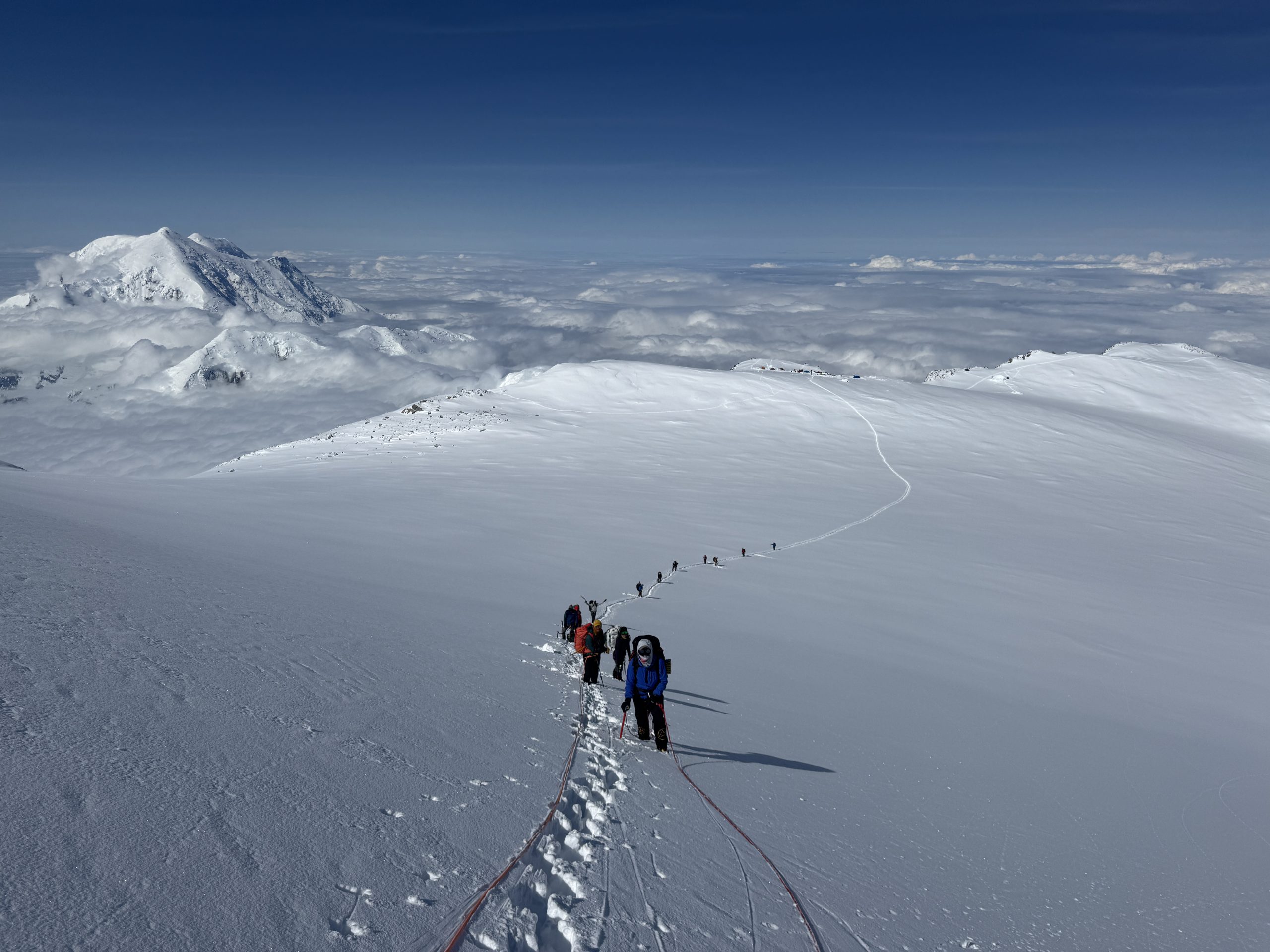
Denali: How Hard Is It to Climb North America's Highest Peak?
Denali: How Hard Is It to Climb North America's Highest Peak?
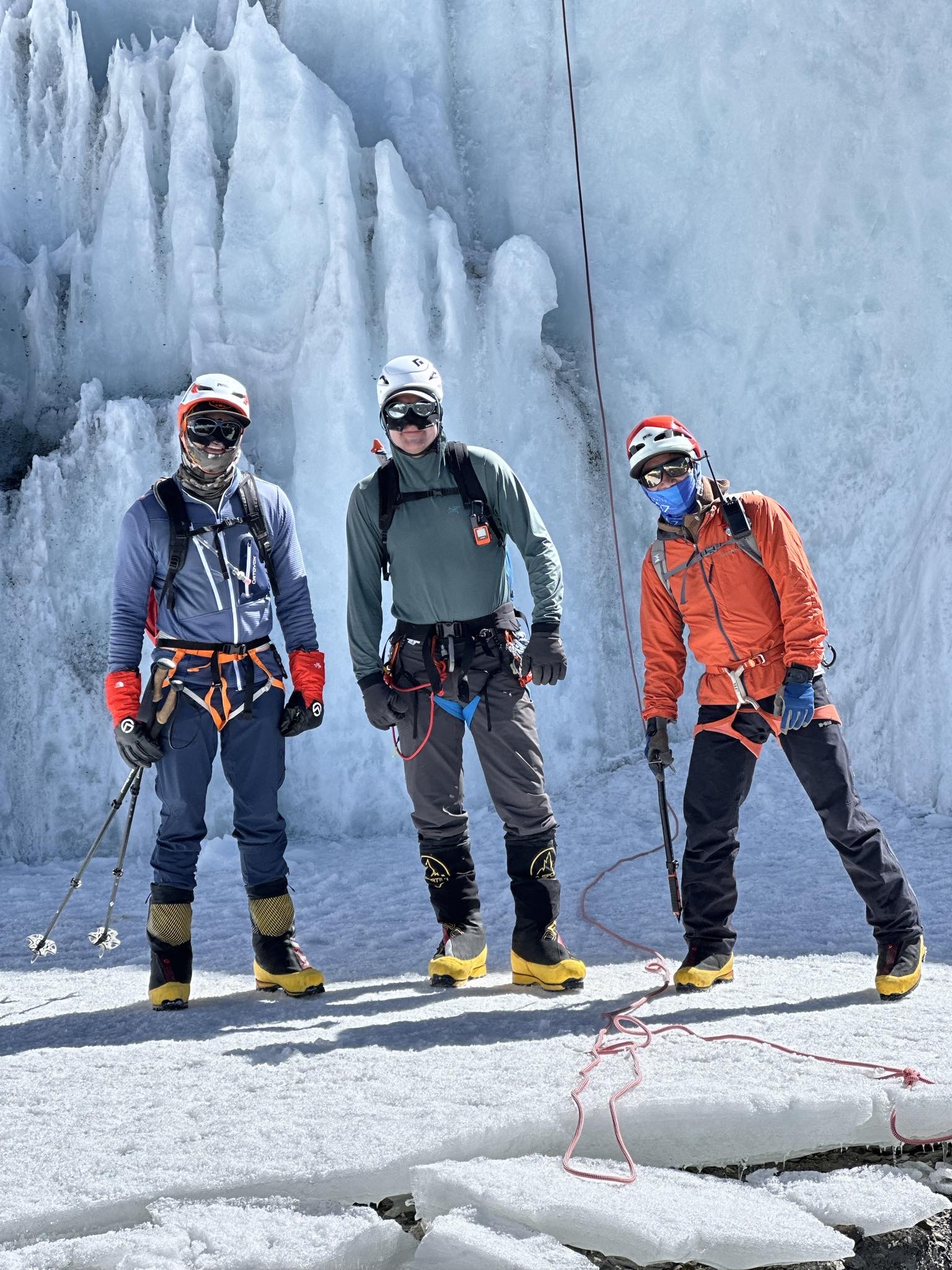
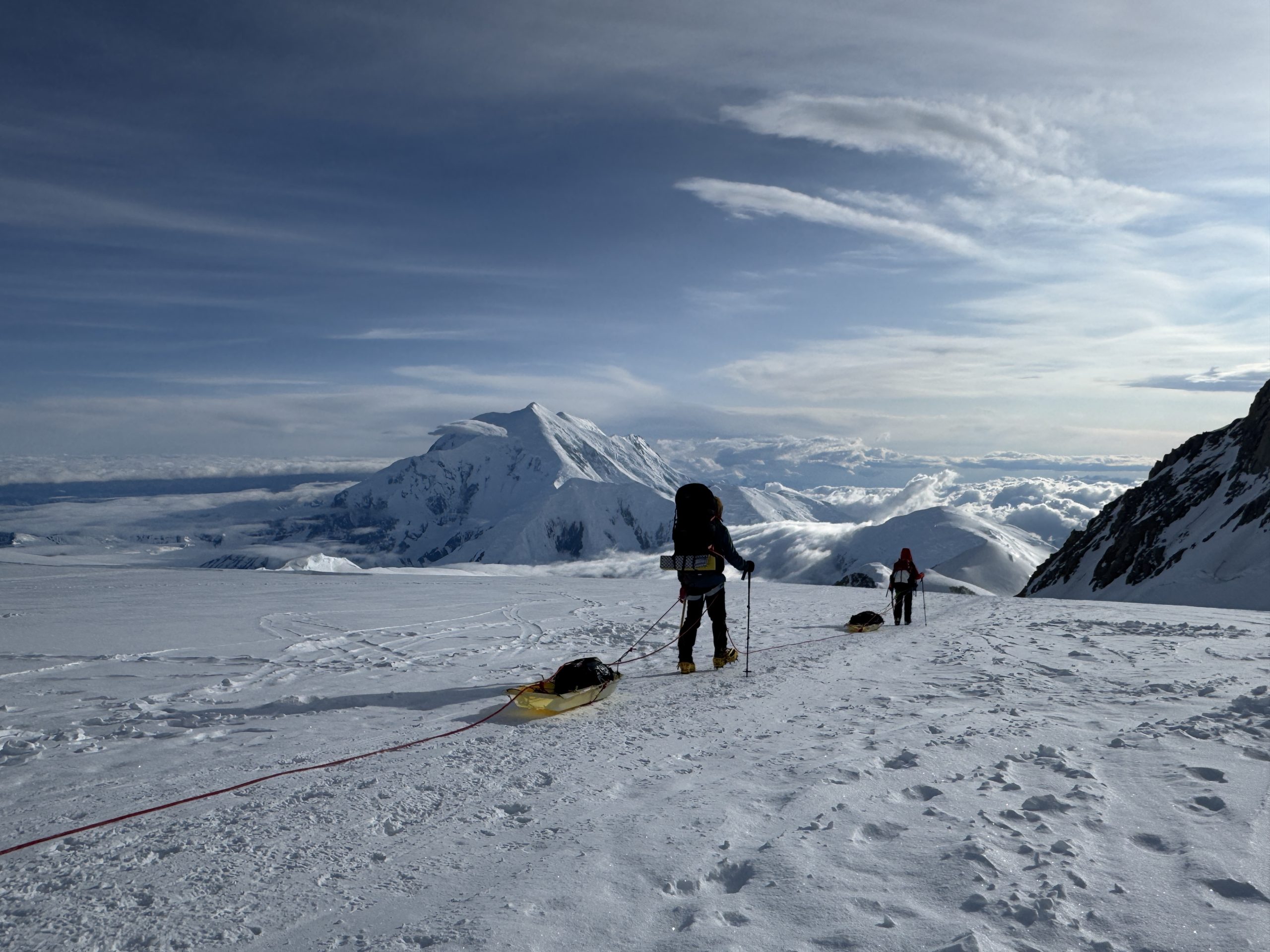
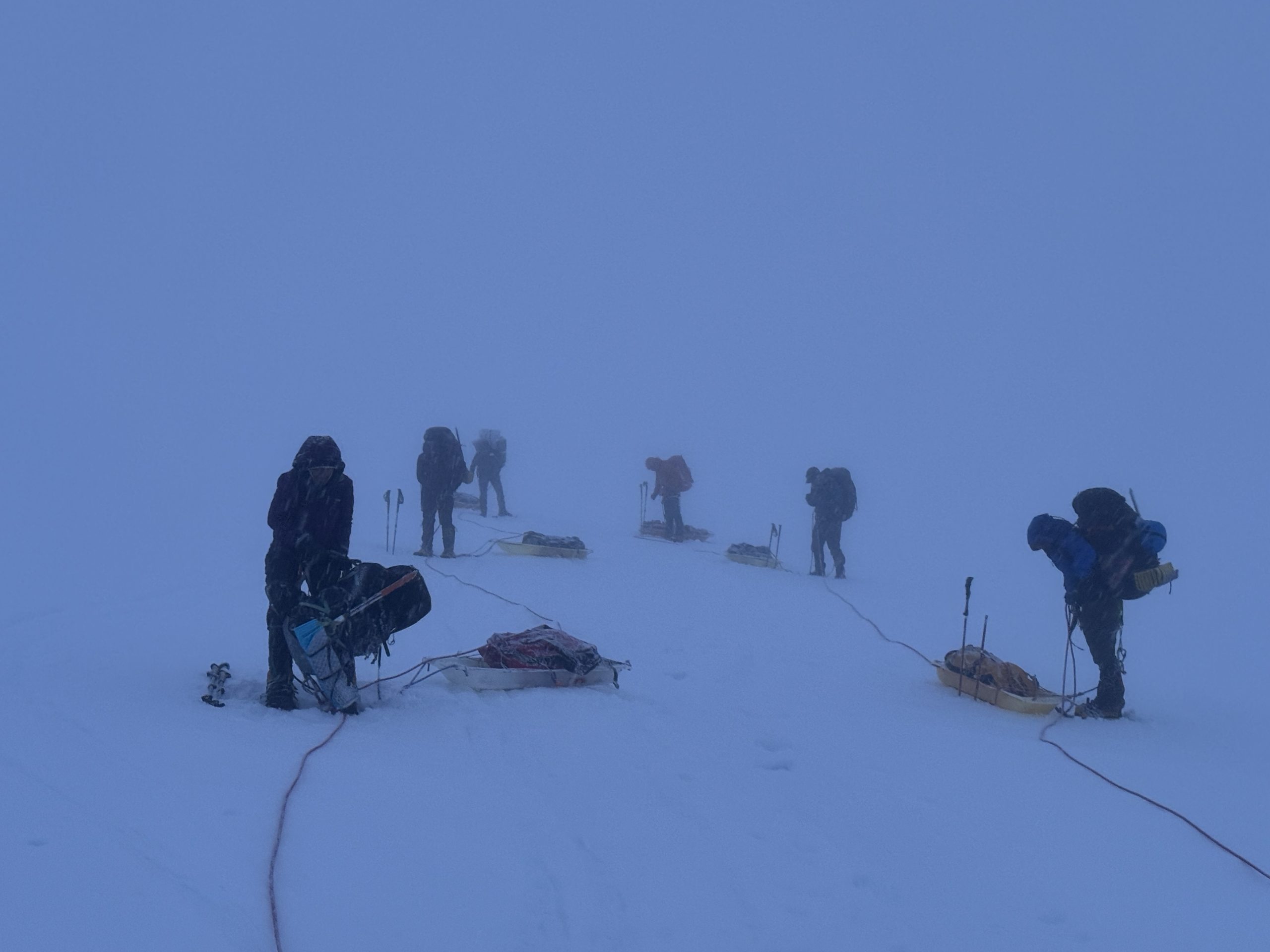
Denali is unlike any other mountain on the Seven Summits list. At 20,320 feet, it has more vertical relief than Everest, and it’s fully self-supported, climbers haul sleds, carry heavy packs, build their own camps, and manage every step of the climb without outside support. CTSS Guide Dallas Glass and Expedition Manager Dani Kluberton spent an hour breaking down what that actually looks like, from the cold and near-24-hour daylight that shapes every team decision, to the gear systems that matter most on a multi-week expedition on the Kahiltna Glacier.
One of the more meaningful differentiators CTSS brings to Denali is its guide-to-climber ratio of 6:3, compared to the more common 9:3 or 8:4 used by many operators. Smaller teams mean more coaching, more individual attention, and more support across the mountain. For climbers building toward Denali, CTSS offers a clear progression through programs on Vinson, Ecuador’s volcanoes, and Mount Baker, where glacier travel, rope systems, sled-hauling, and camp craft can be developed before stepping onto the Kahiltna. Watch the webinar recording with Dallas and Dani, or visit the Denali program page to learn more.
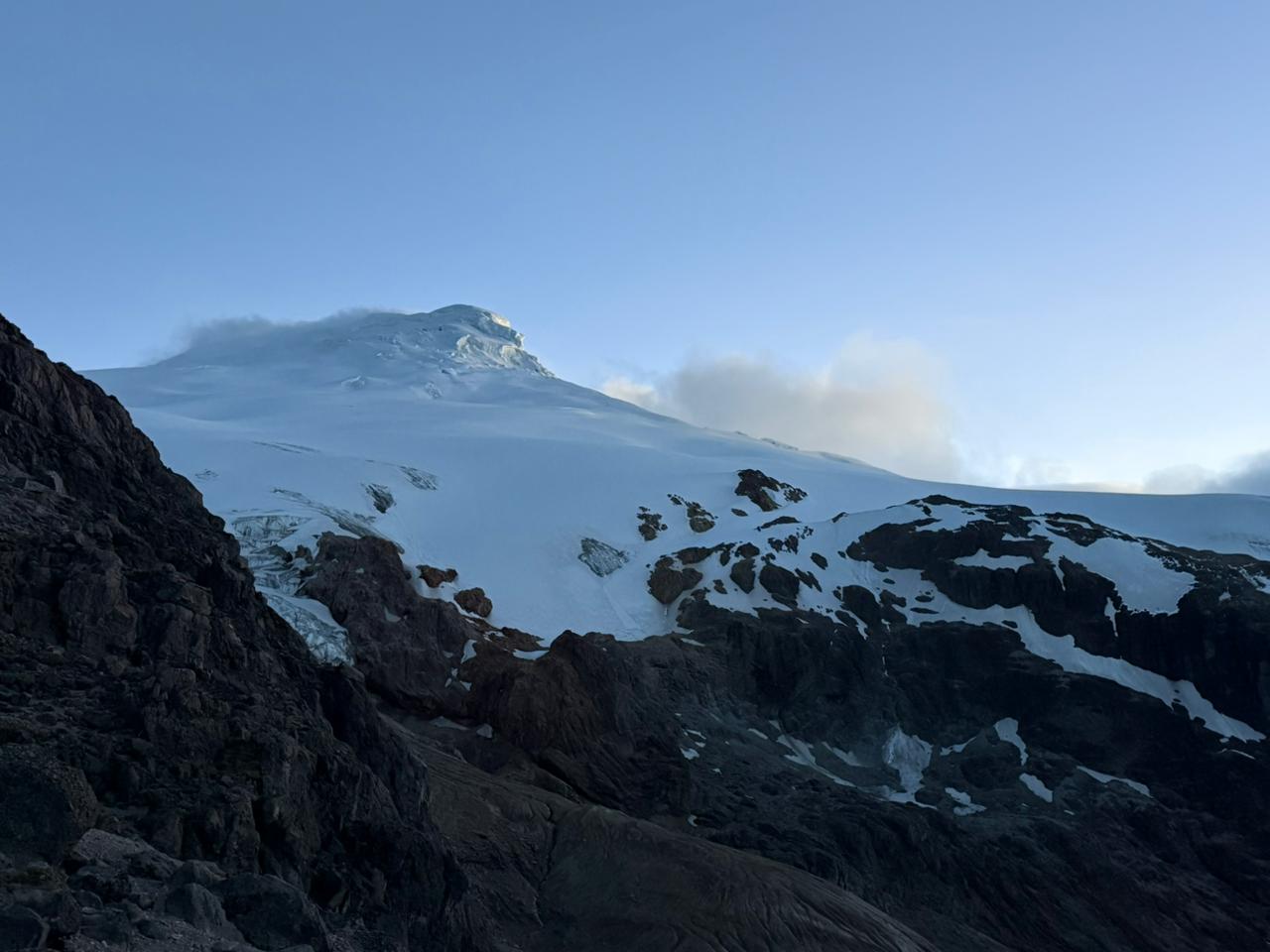
Ecuador Update: Perfect Weather and Unstable Snow on Cayambe
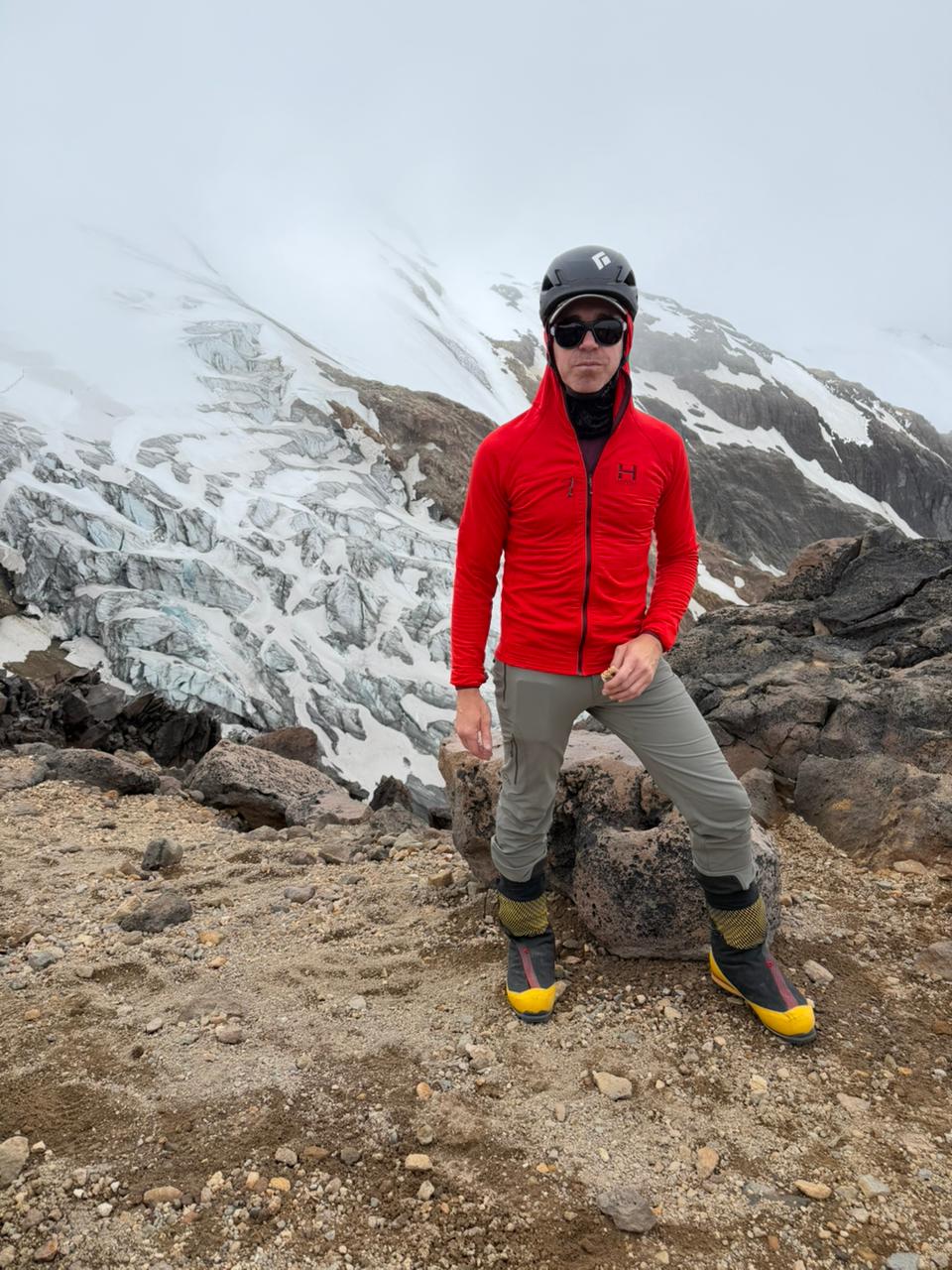
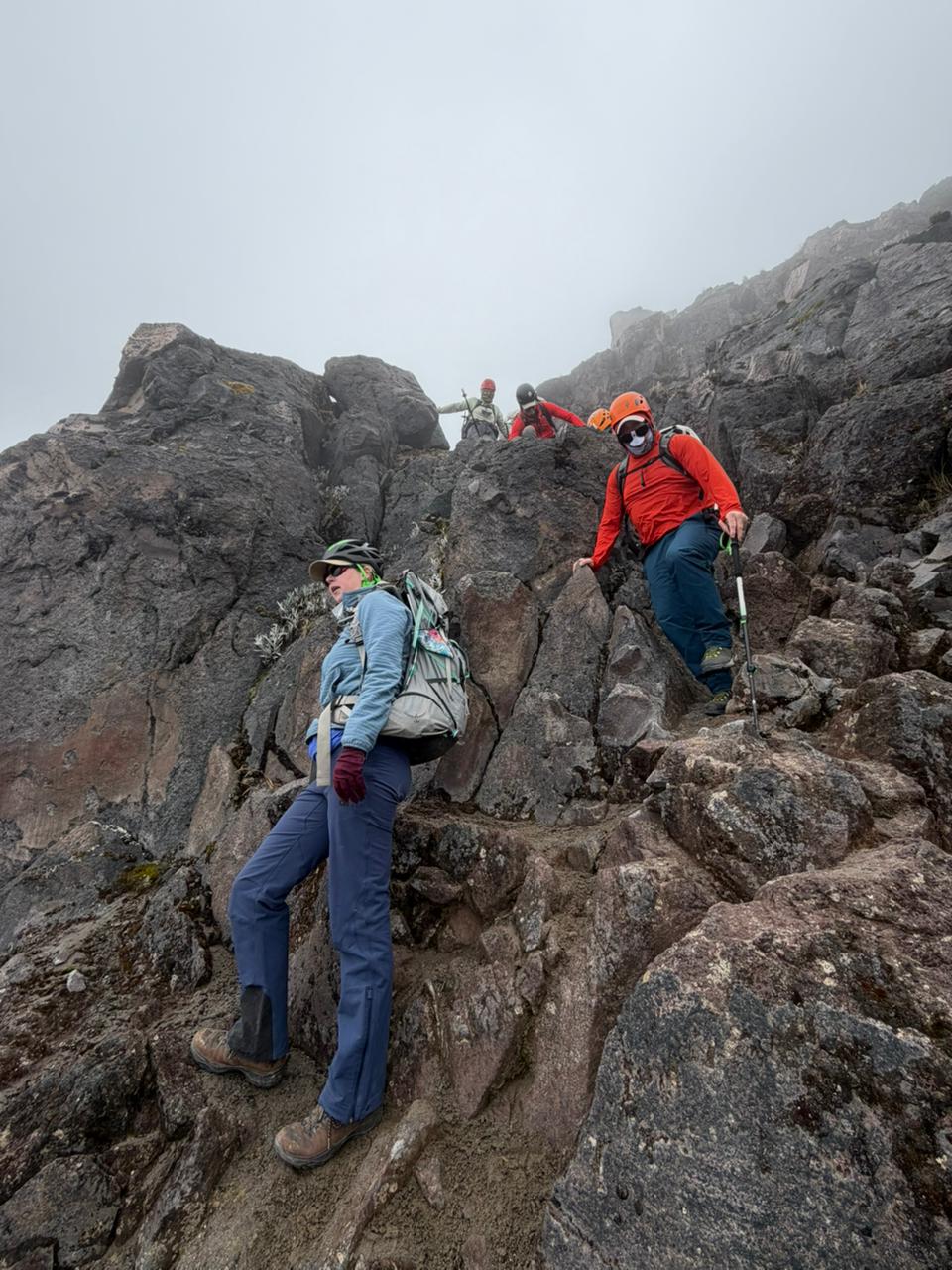
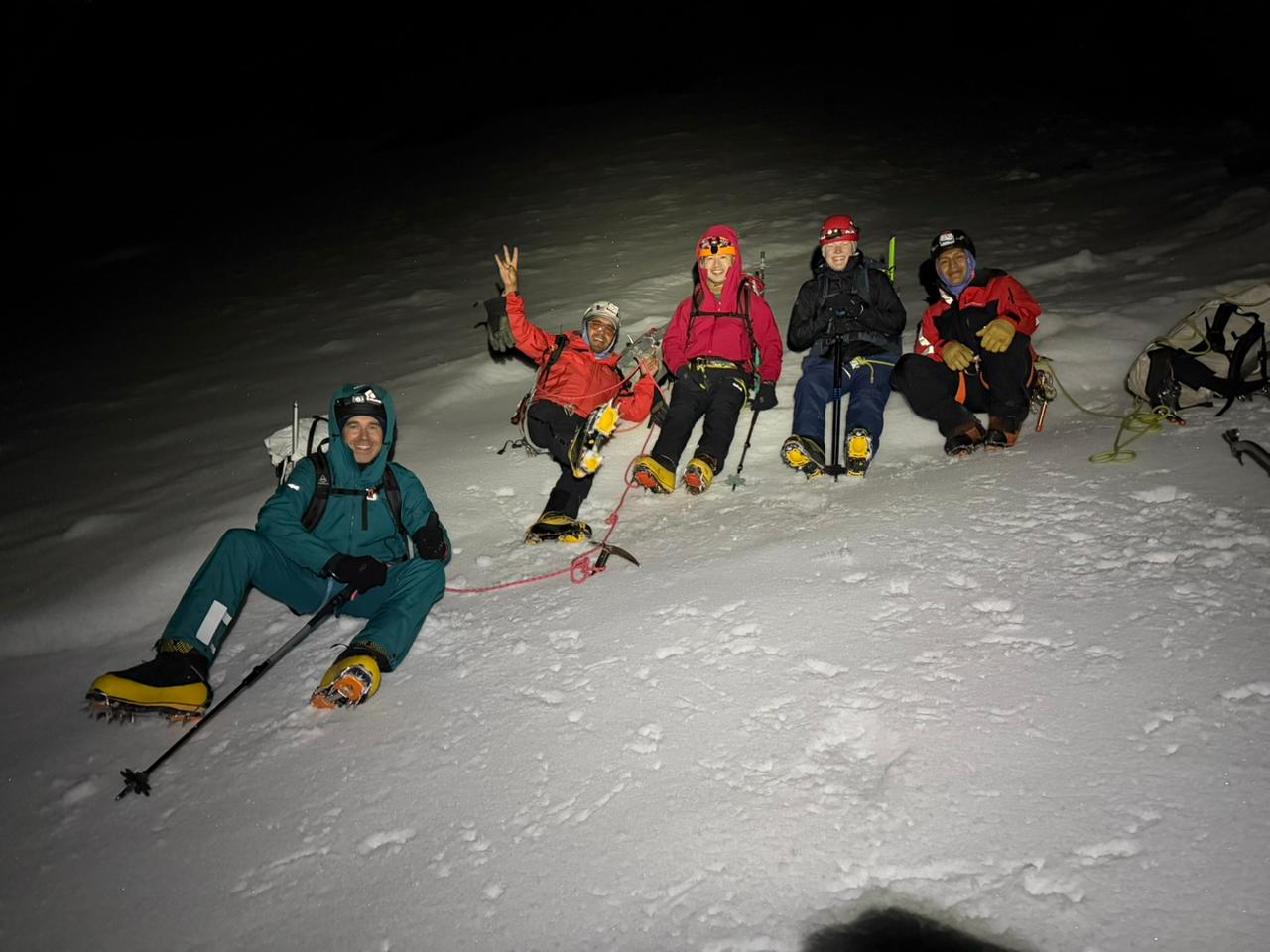
Our Ecuador Volcanoes team has spent the last three days on Cayambe (5,790m / 18,996ft), moving steadily through the final stage of their program. After leaving Hacienda La Cienega, the group transferred to the Cayambe Refuge, settled in, and began their acclimatization with a hike to a nearby lake before resting up for the climb.
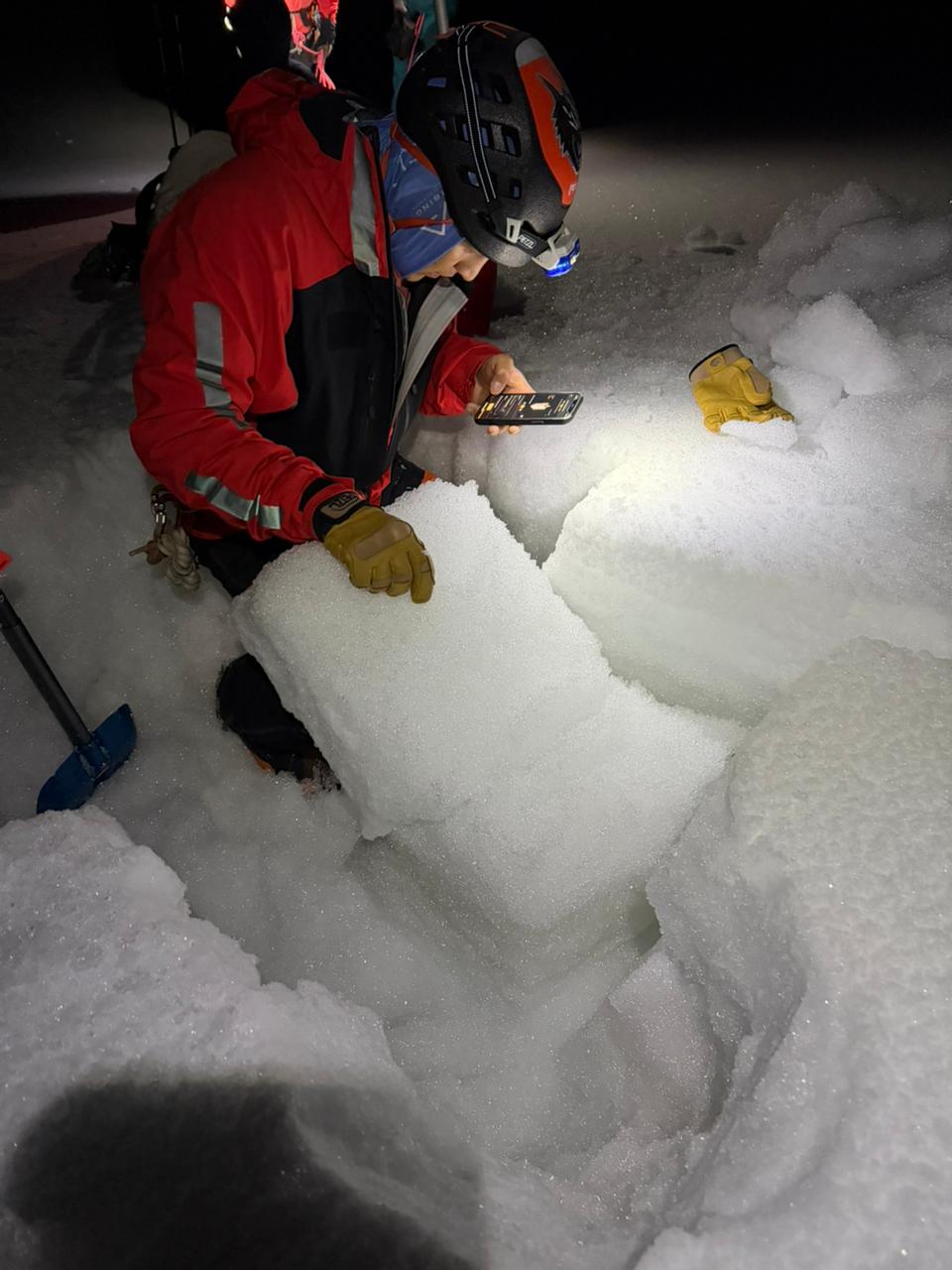
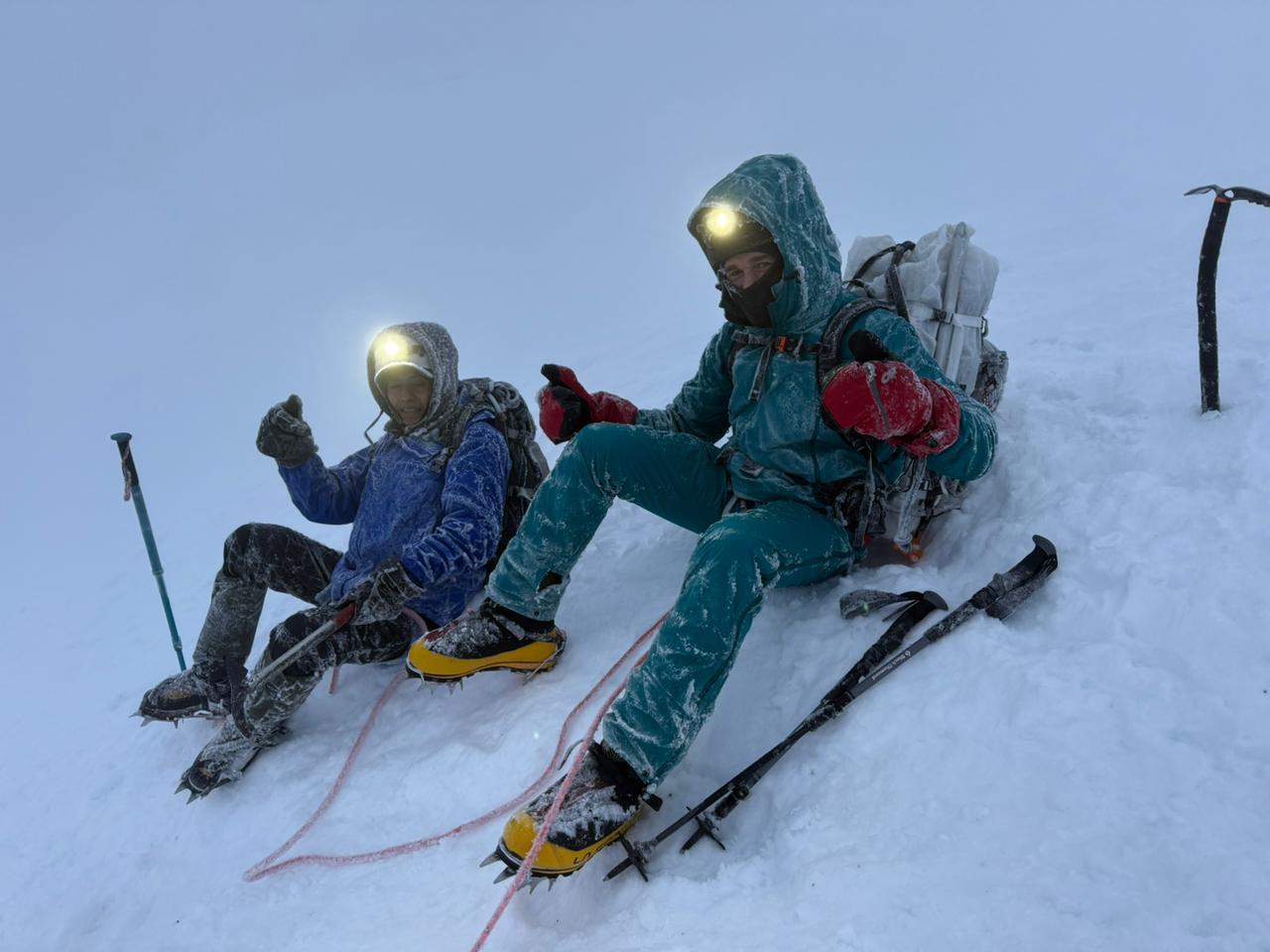
This morning’s summit push started under excellent weather—clear skies, calm conditions, and great visibility. Three climbers (Elise, Guy, and Norm) set out with the guide team while two teammates chose to remain at the refuge. As the group gained elevation, they reached roughly 16,700ft and began assessing the snowpack. The tests showed a 20cm slab sitting on more than three feet of soft, wet snow, creating a highly unstable layer. Despite the perfect skies, the underlying structure wasn’t safe. The guides made the call to turn the team around due to significant avalanche risk.
Everyone is now en route to Papallacta Spa Resort, shifting gears into recovery mode with a well-deserved soak in the hot springs.
Photos from CTSS Guide Edgar P.
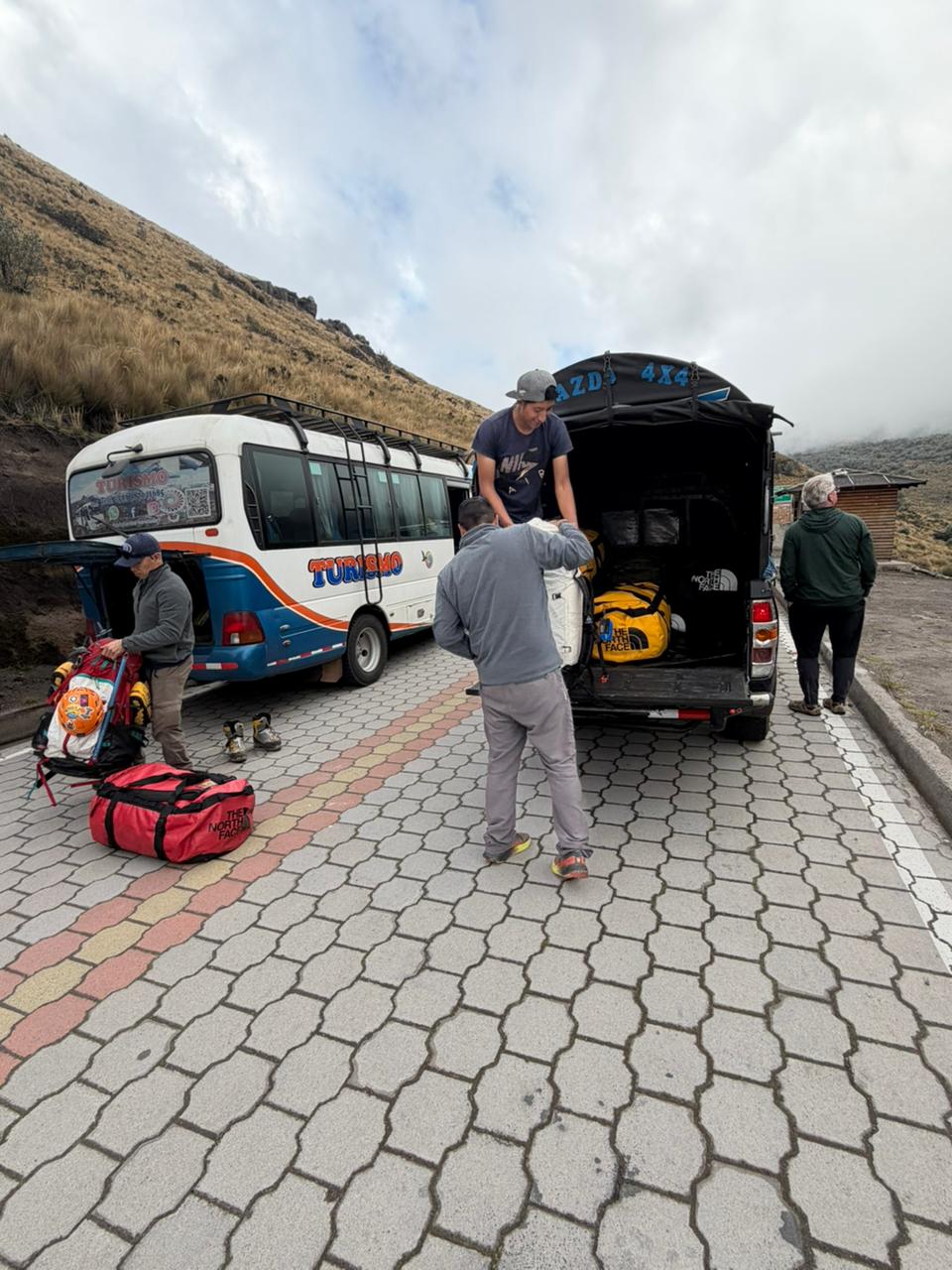
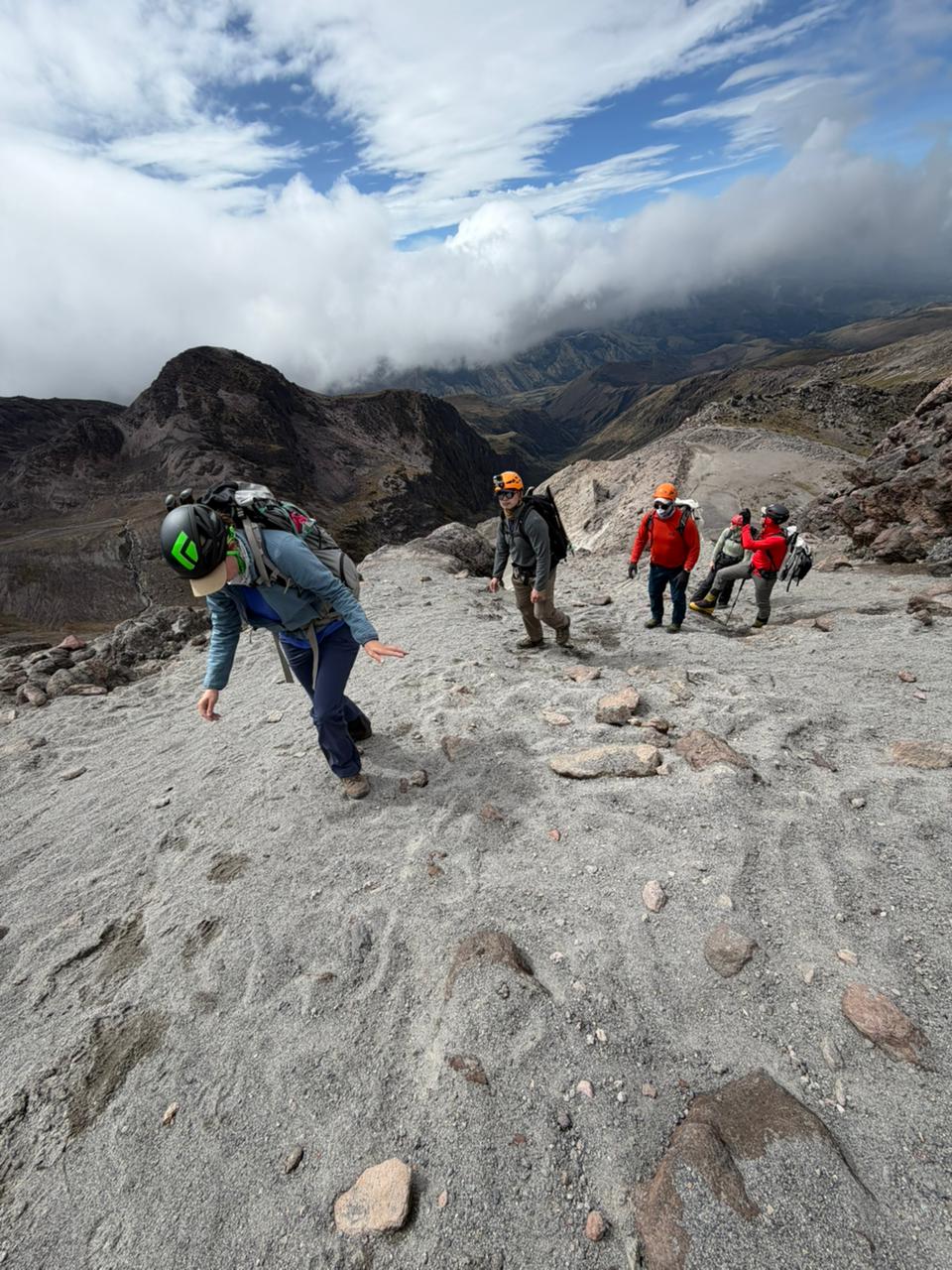
Ecudaor Team Pushes Through Weather on Cotopaxi
Ecudaor Team Pushes Through Weather on Cotopaxi
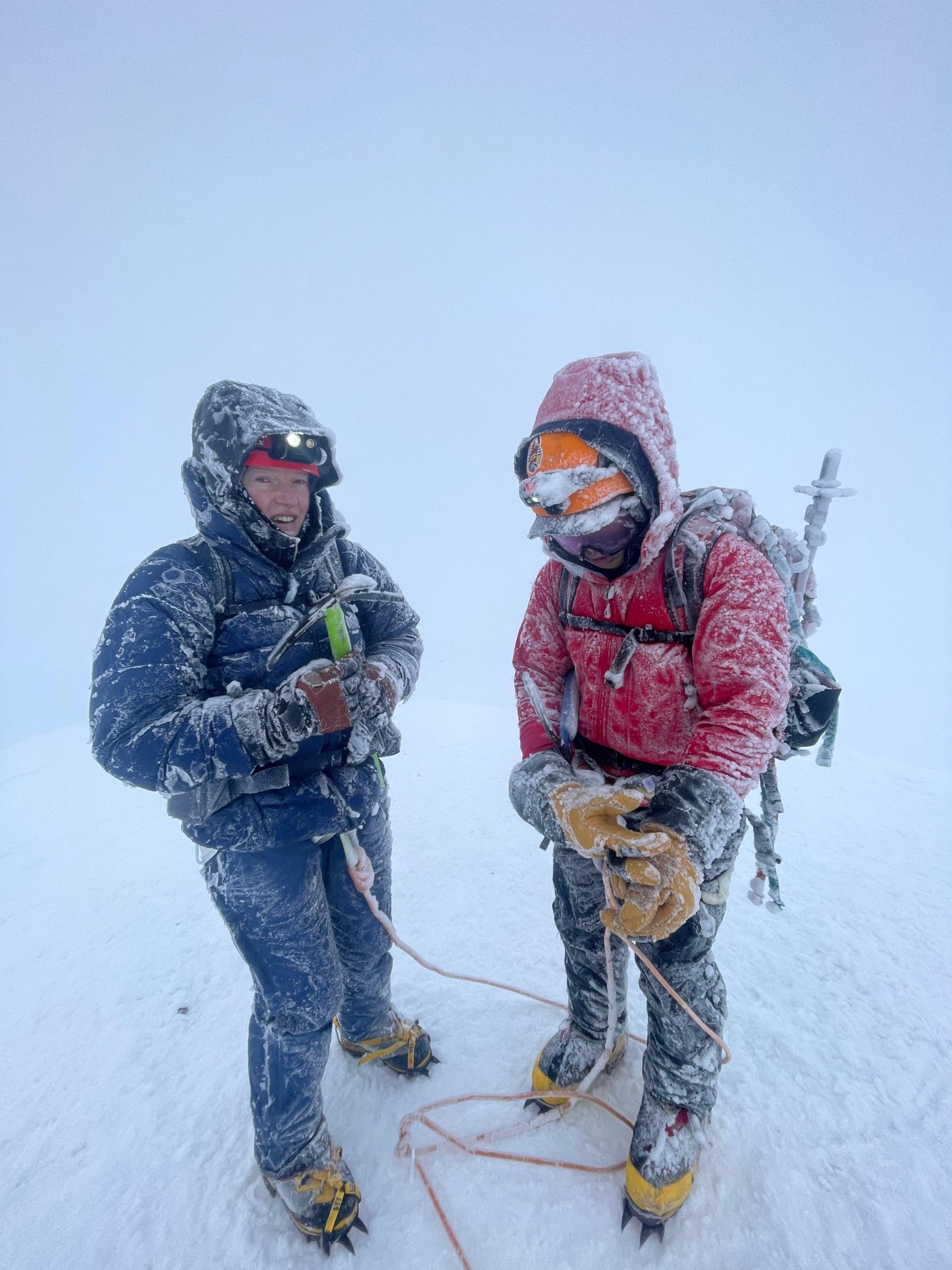
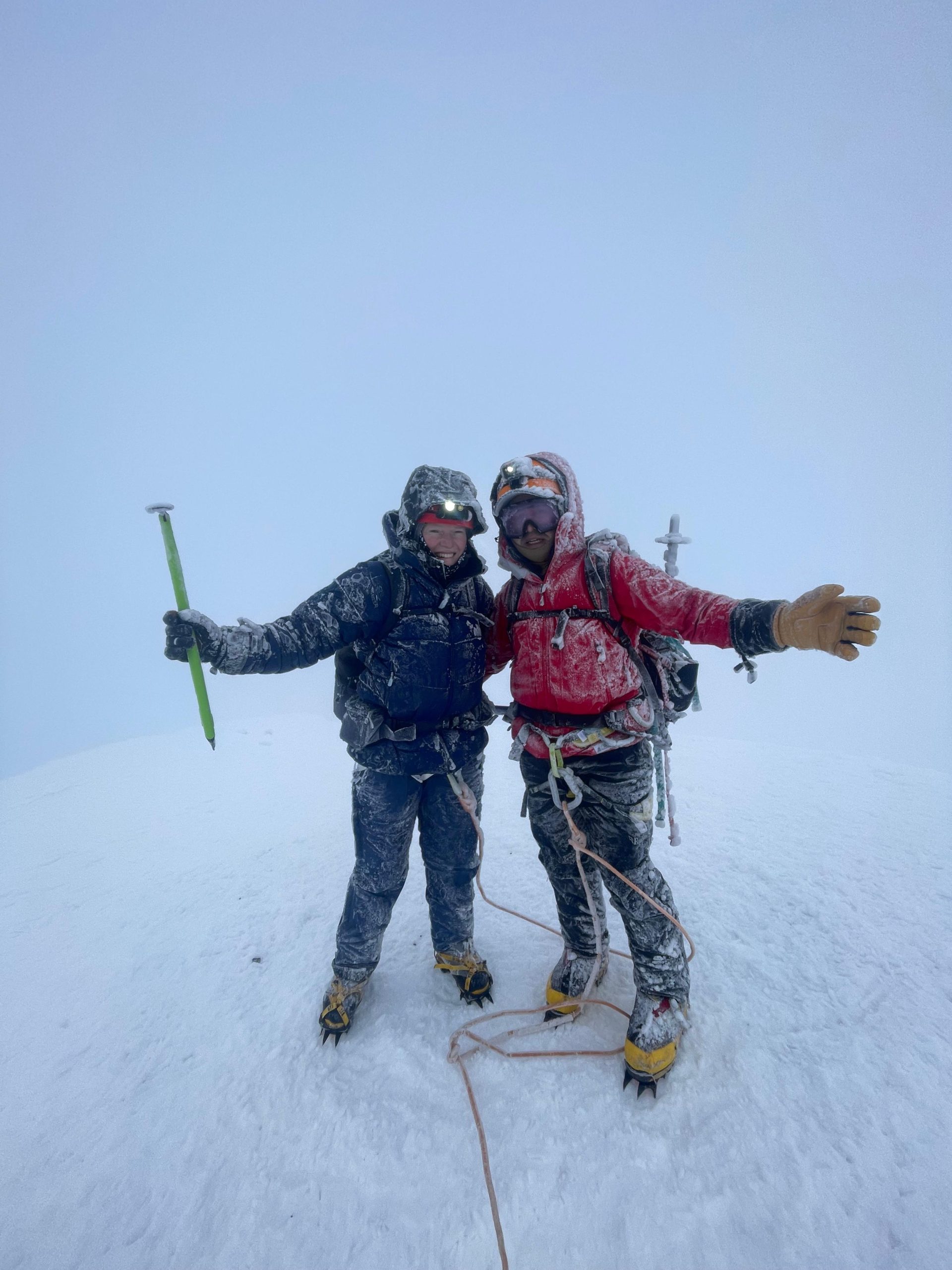
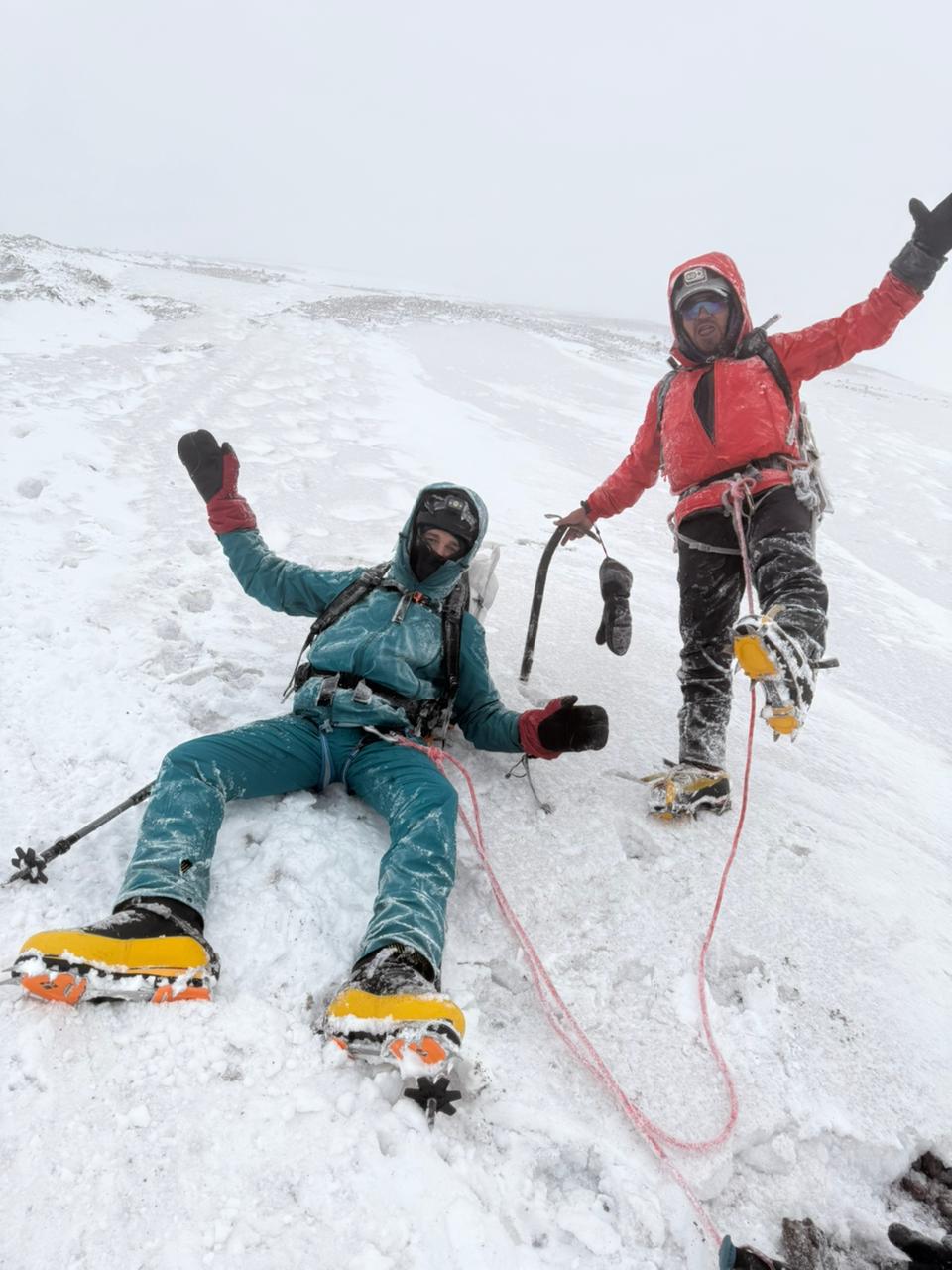
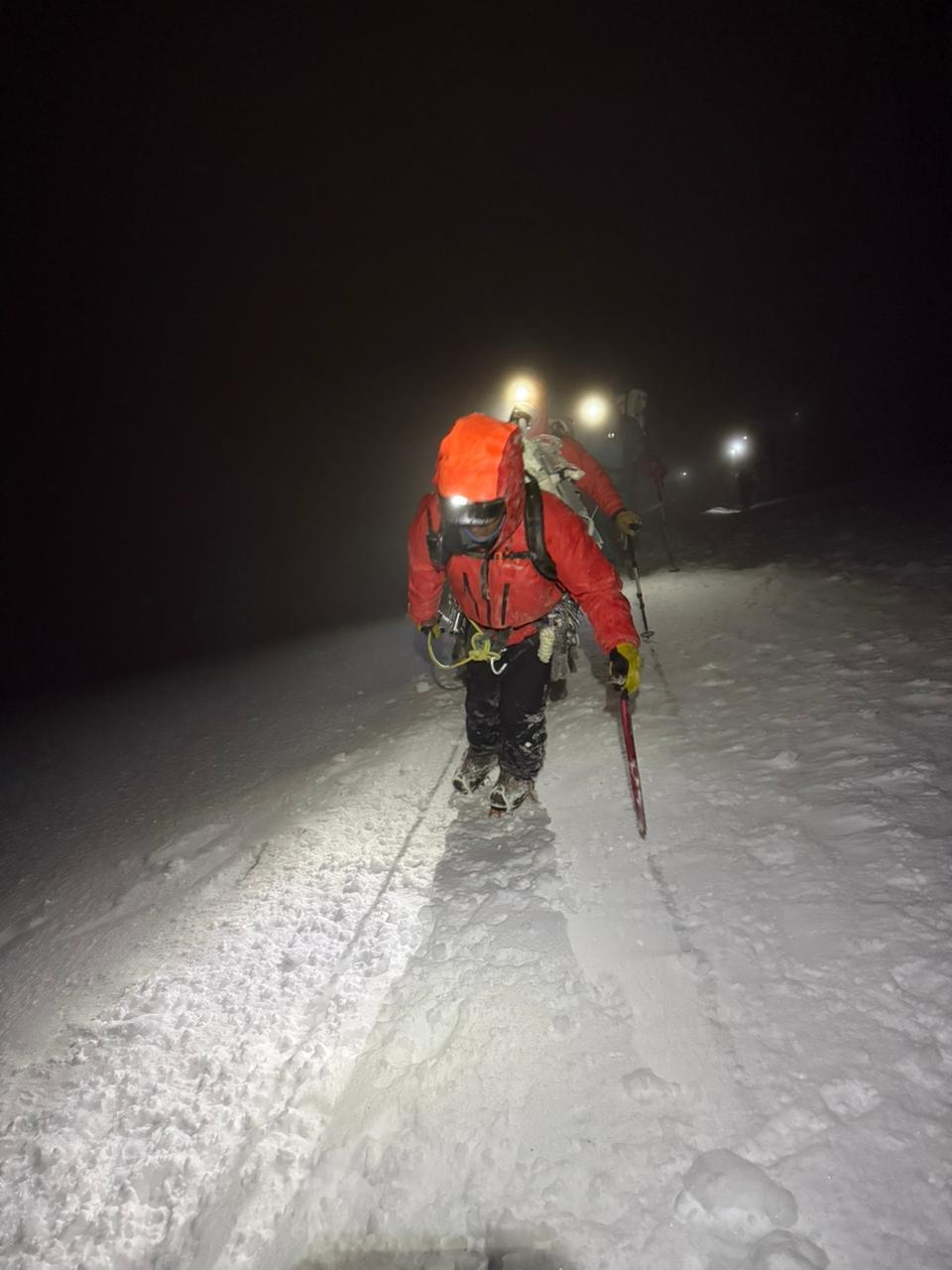
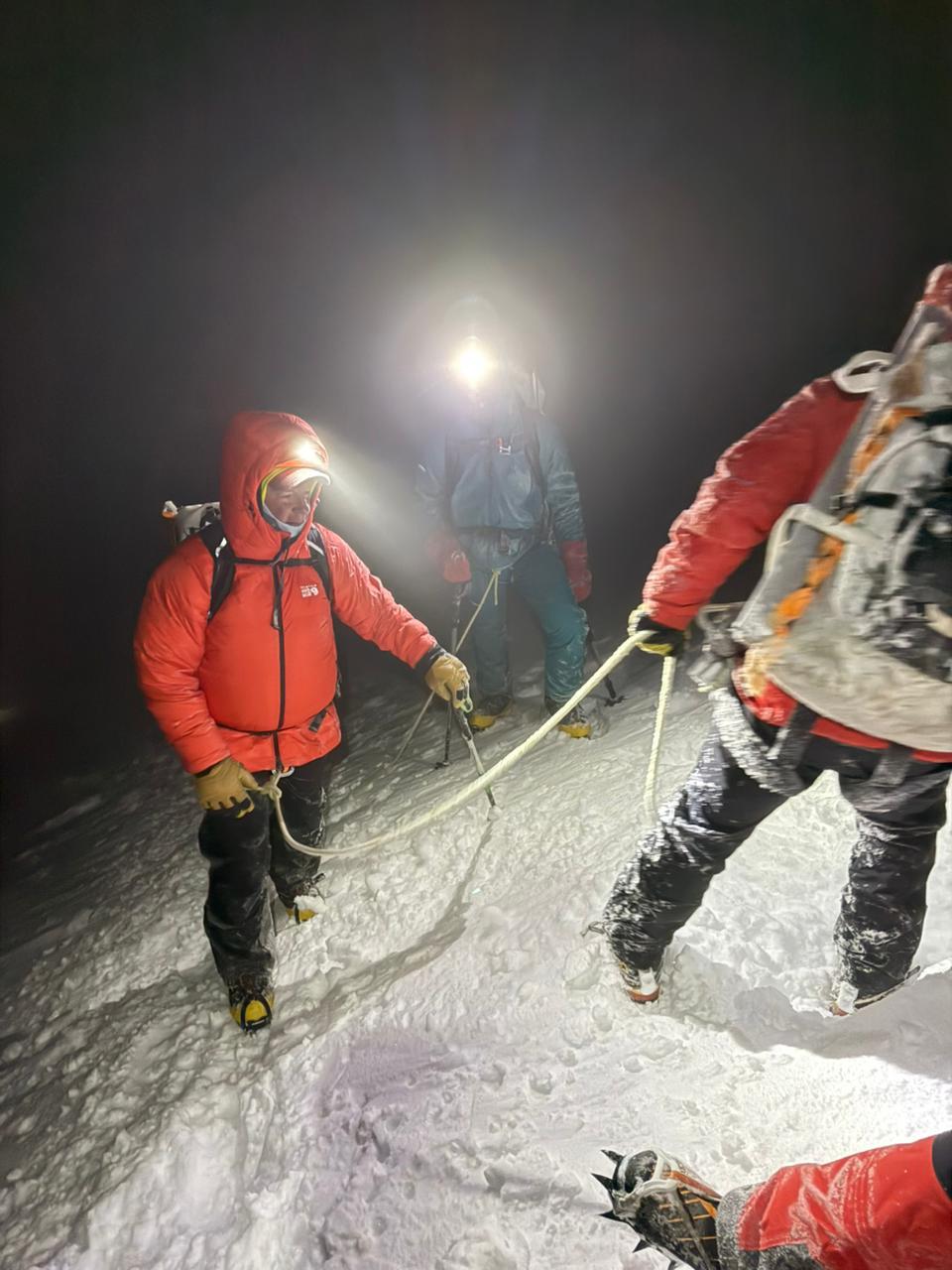
Our Ecuador Volcanoes team has been on the move the last two days, pushing into the heart of the Andes for a summit bid on Cotopaxi (5,897m / 19,347ft), the world’s highest active volcano and one of the country’s most iconic peaks. After a steady hike to the refuge under clear skies, the team launched their summit push late in the evening. For the first few hours, conditions were favorable, calm winds, firm snow, and good visibility. As the group reached the start of the glacier and split into rope teams, the weather began to deteriorate. Wind speeds increased, visibility dropped, and the snow softened, making for more complex travel. Despite the deteriorating weather, everyone climbed well and made sound decisions in difficult conditions.
Two climbers reached the summit with CTSS Guide Julian.
Congratulations to:
- Elise L.
- Norm F.
Cotopaxi is typically known for its stable weather and straightforward route, but it reminded us once again that the mountain and the weather are in charge.
After regrouping and recharging at Hacienda La Cienega, the team is now en route to Cayambe (5,790m / 18,996ft), the only major glaciated mountain in the world that sits directly on the equator. Compared to Cotopaxi, Cayambe offers more complex terrain, deeper crevasses, and more variable weather due to its proximity to the jungle. It’s quieter, more humid, and often cloudier, requiring solid navigation and teamwork. With roughly 1,200 meters (3,937ft) of elevation gain on summit day, it’s the perfect next challenge in the team’s Ecuador progression.
Photos from CTSS Guide Edgar.

High Winds and Smart Decisions on Mera Peak
High Winds and Smart Decisions on Mera Peak
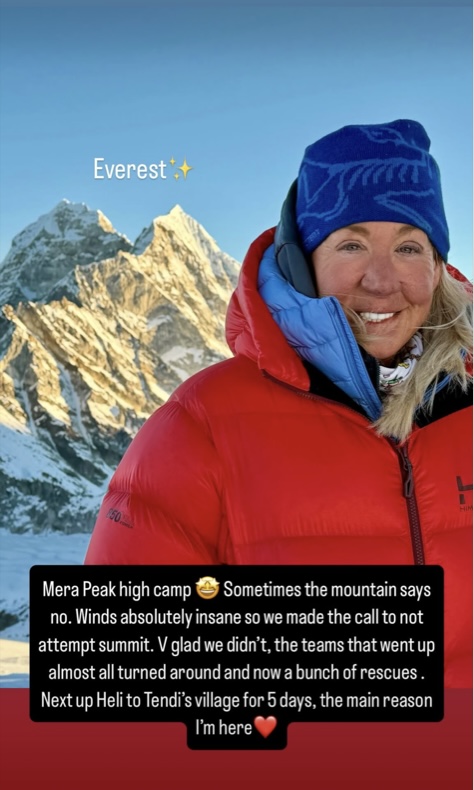
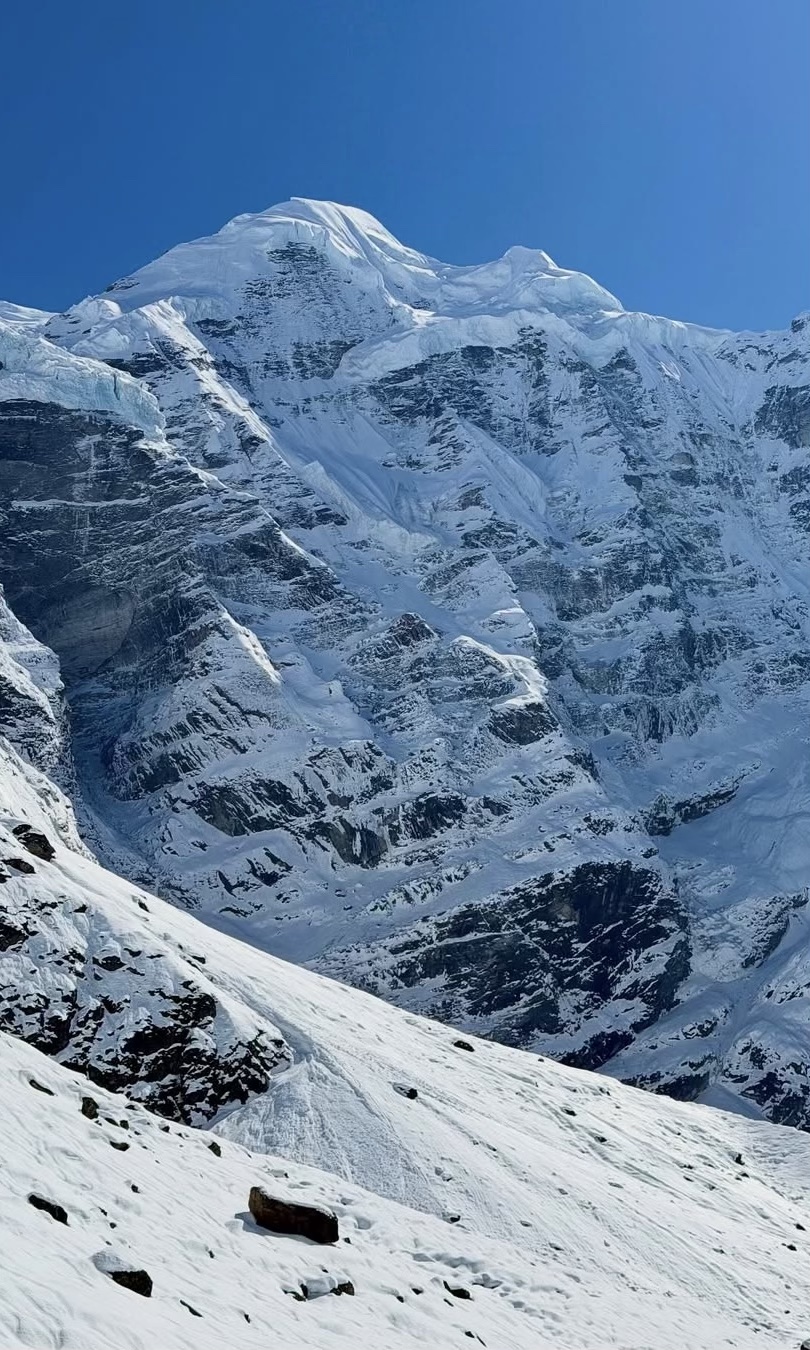
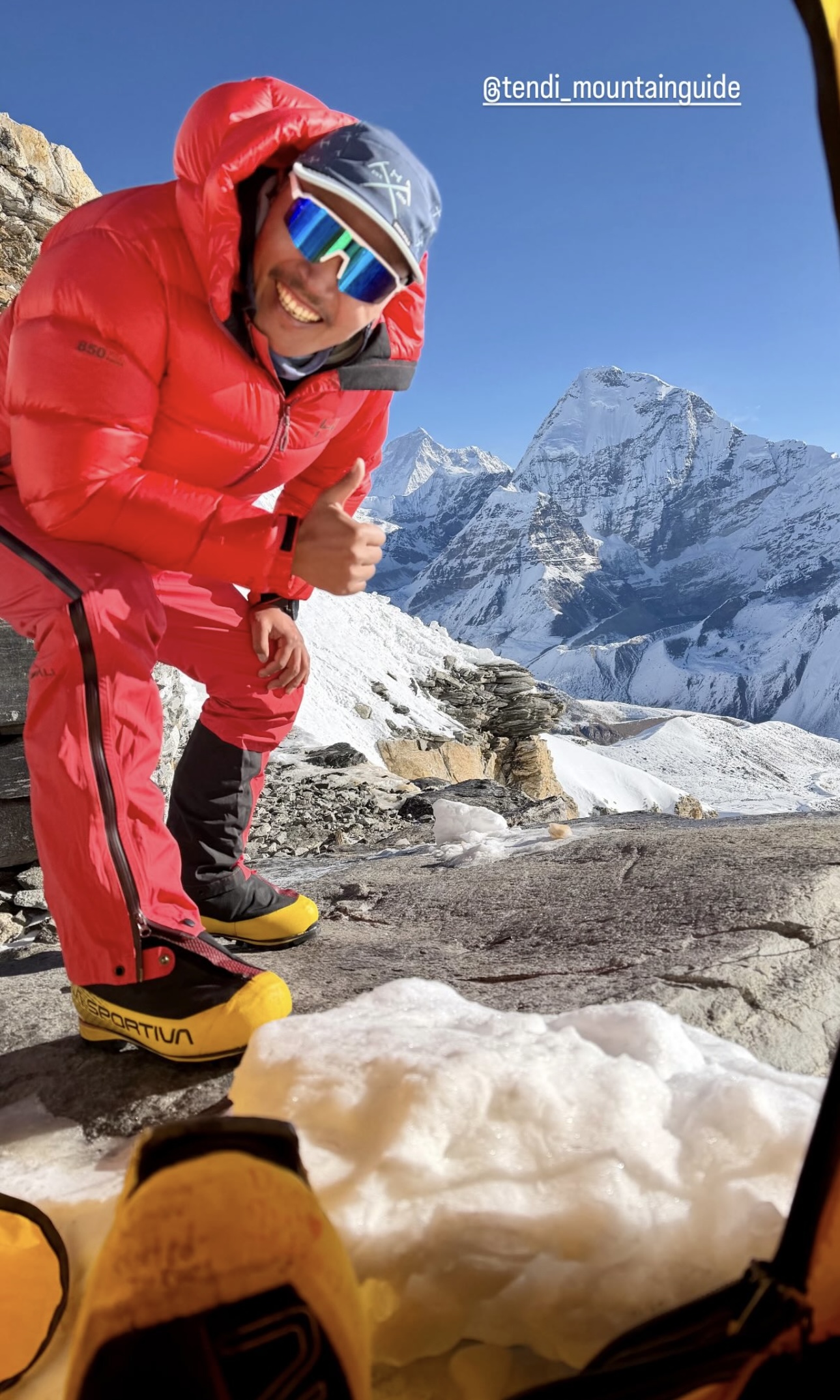
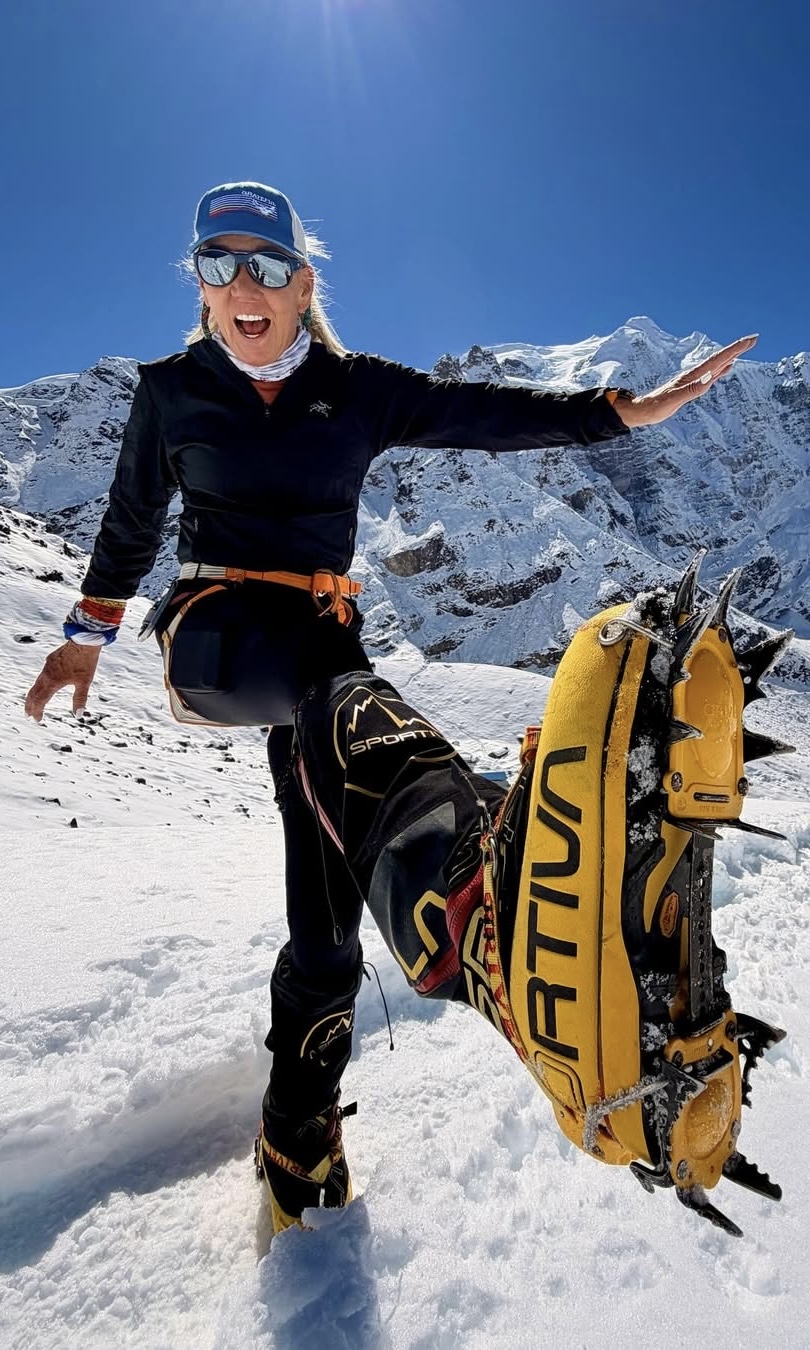
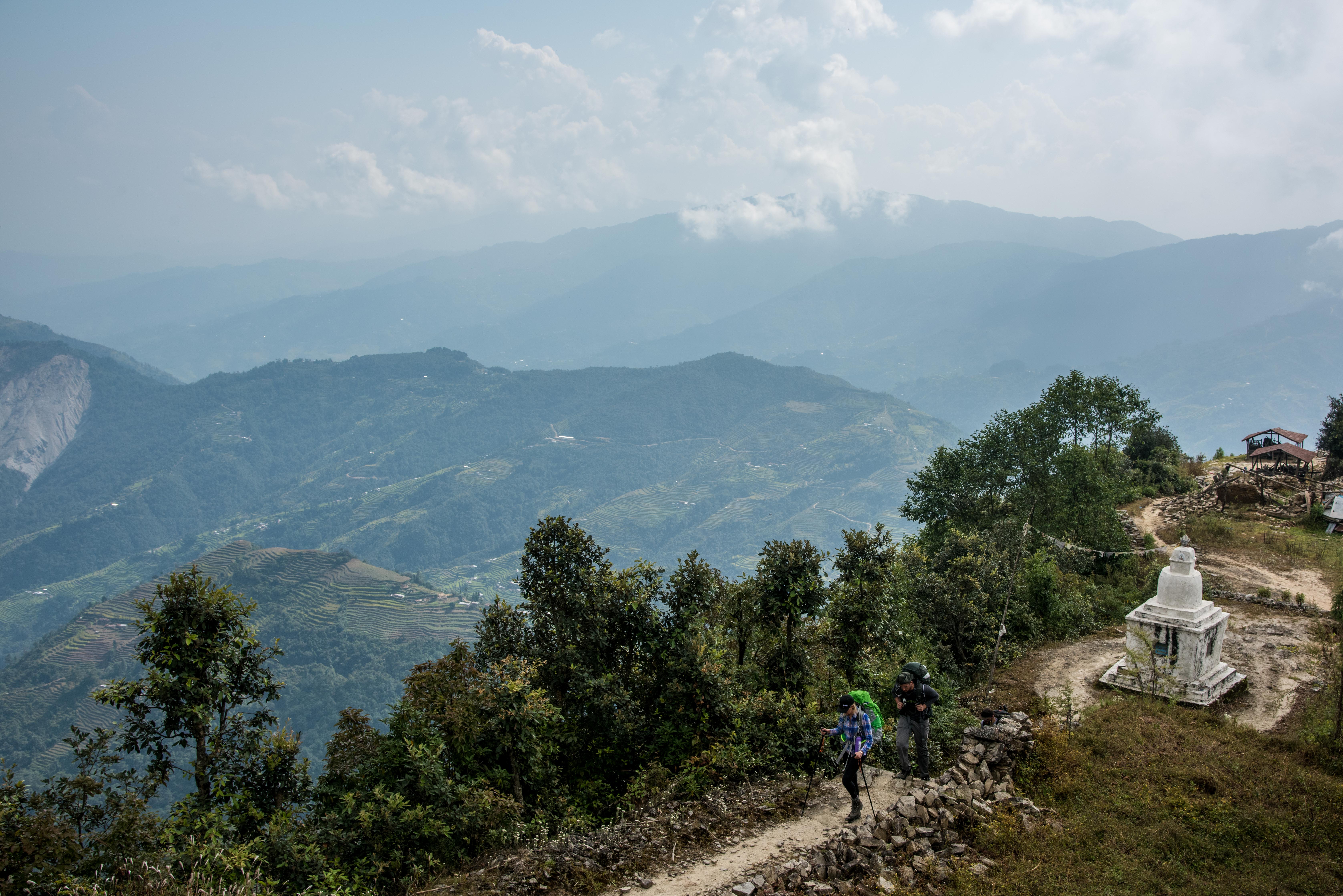
Julie M. and CTSS guide Tendi Sherpa reached Mera Peak’s high camp but made the call not to push for the summit. As Julie shared, “Sometimes the mountain says no. The winds were absolutely insane, so we made the call to not attempt the summit. Very glad we didn’t, the teams that went up almost all turned around and now a bunch of rescues.”
A tough but wise decision, one that reflects the judgment and humility that define great climbers.
Elsewhere in Nepal, our Ama Dablam team is wrapping up their expedition, arriving in Lukla today before flying back to Kathmandu tomorrow. Meanwhile, our First Ascent team has reached Jumla and will begin the journey home with a jeep drive to Surkhet tomorrow morning, followed by a flight back to the capital.
Photos from Julie M.