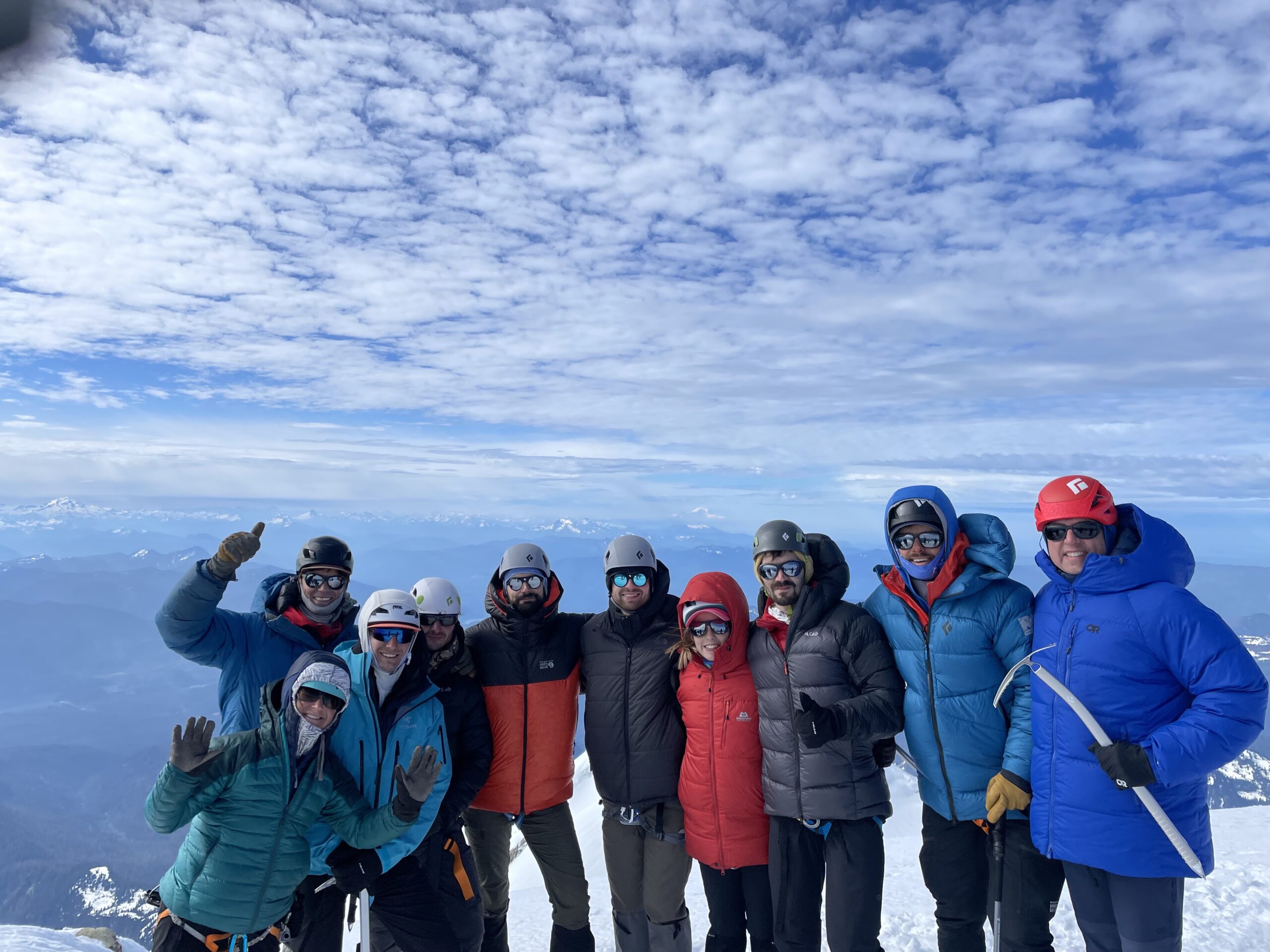
Ecuador Volcanoes Expedition Beta & Route

ECUADOR VOLCANOES  |  South America


Ecuador Volcanoes Expedition Beta & Route

Share Expedition

Elevation: 18,996 – 20,548 feet
Duration: 11 – 14 days
Difficulty: Advanced Beginner to Intermediate
Route: Standard Route
Continent: South America

Click for our Interactive Itinerary

Climbing Cotopaxi


On Cotopaxi (19,347 feet), we will be based out of Tambopaxi Lodge, just below the peak. We will do our acclimatization hikes and a day of training to refresh our skills, and then it’s time for the real climbing to begin! Our team will drive to the mountain and hike for about an hour to arrive at Refugio José Rivas, a dormitory-style mountain hut, where we will settle in, have our pre-summit meeting, and call it an early night.

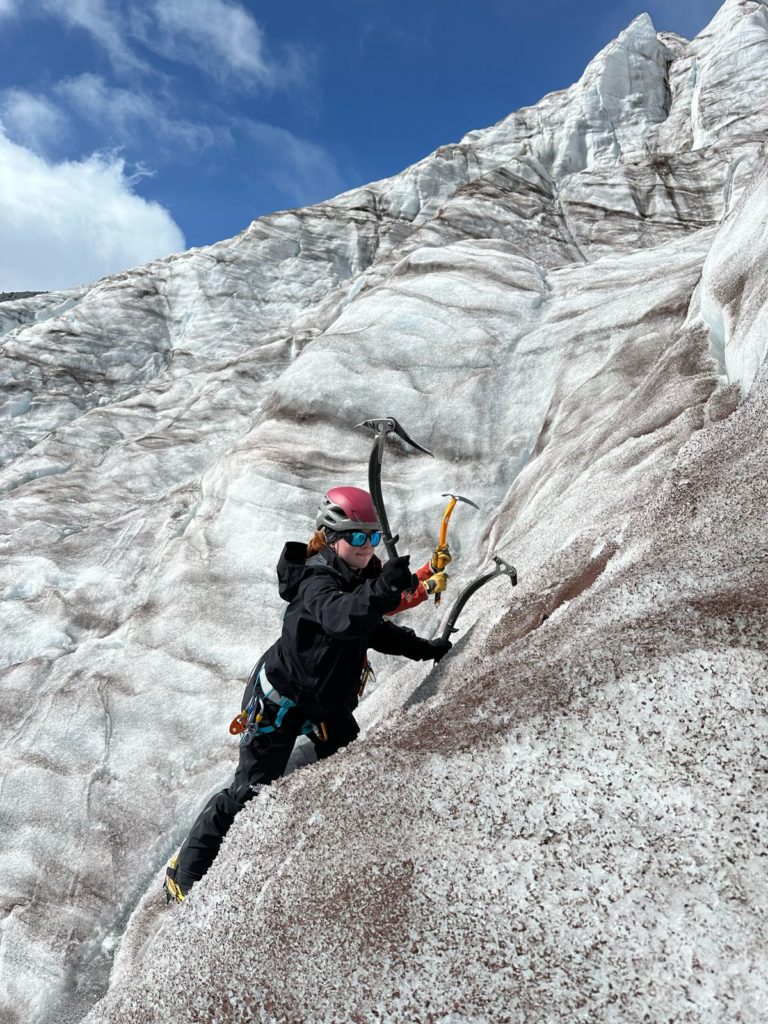
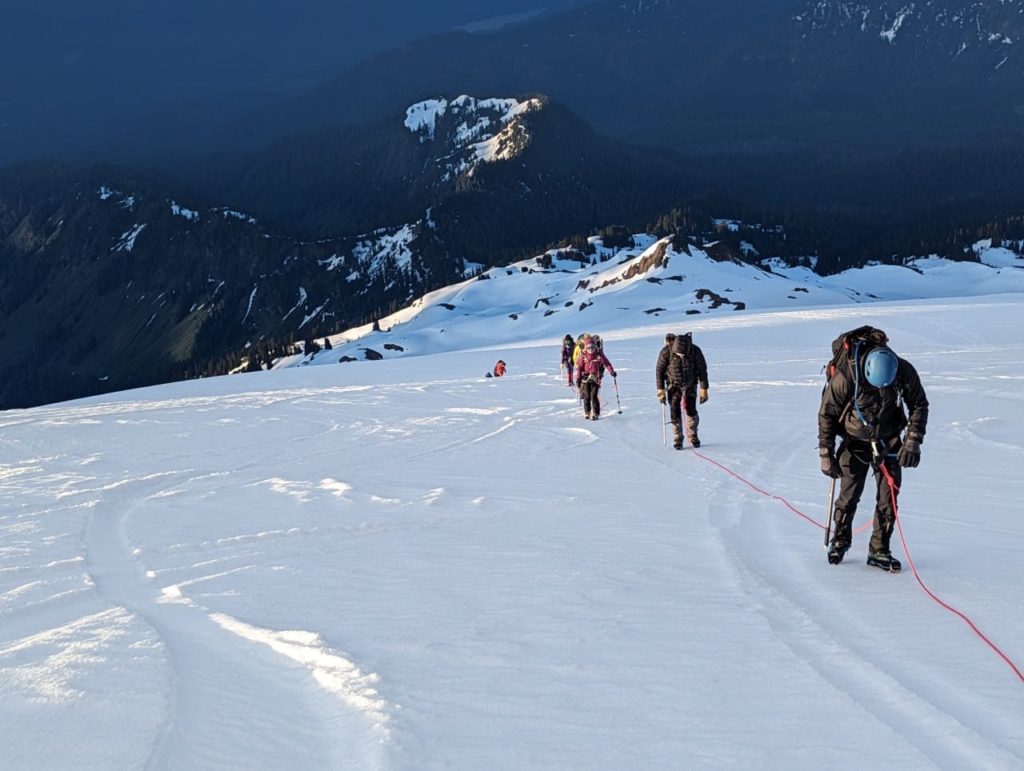
Cotopaxi requires a very early start with breakfast at the hut before starting upwards. The route gains 3,200 vertical feet (1,000 meters) in just under two miles (3.2 km) from 15,900 feet (4,846 meters) to 19,347 feet (5,896 meters). The climb consists of true glacier travel with some steep snow, so it is necessary to be well acquainted with ice axes, crampons, and roped team travel.

Climbing Cayambe


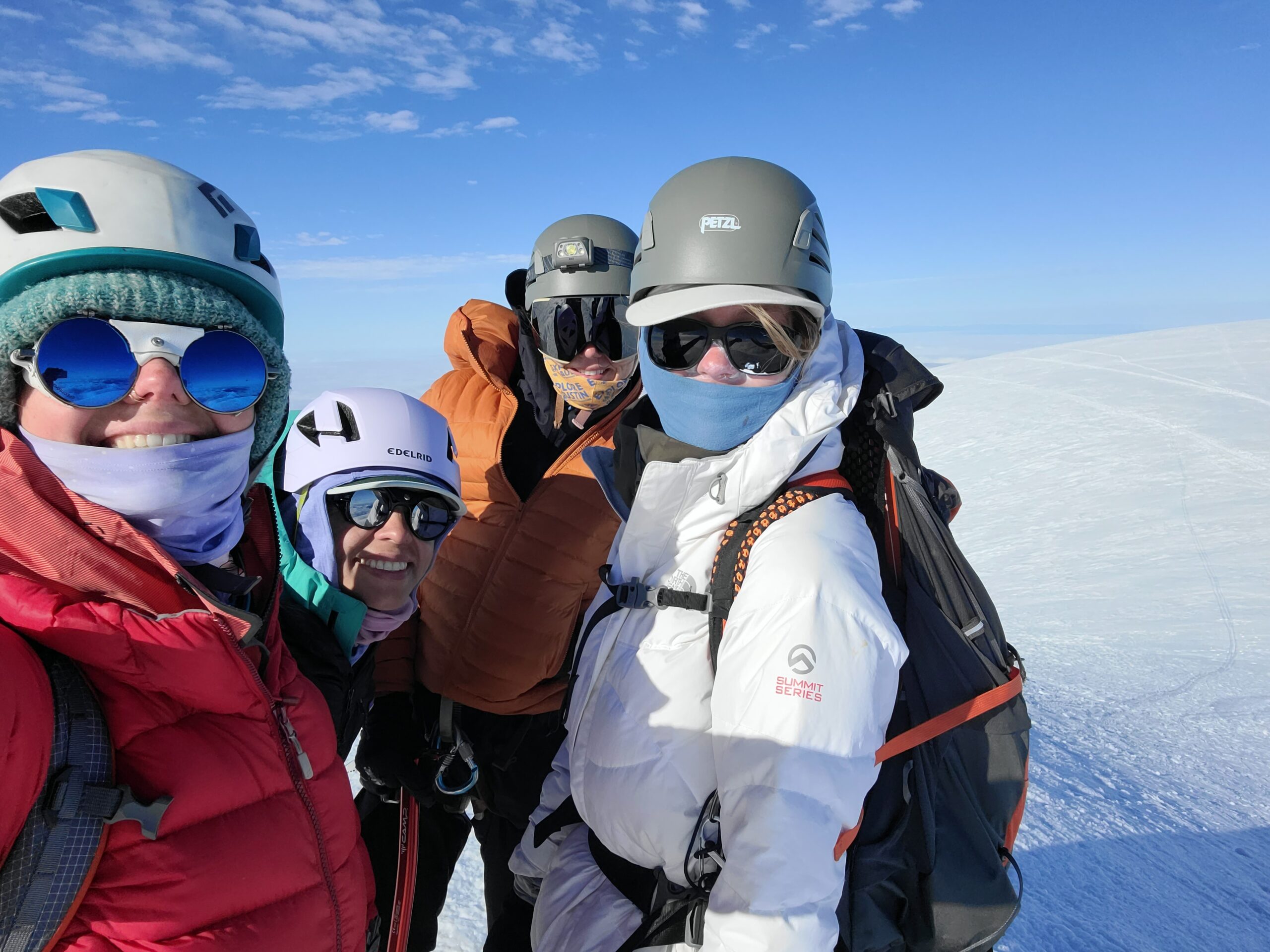
The second climb of our Ecuador program, Cayambe (18,996 feet), serves up an exciting glacier ascent to the highest point on the Equator. The route starts from the mountain hut, Refugio Oleas Ruales, ascending a rock ridge for about an hour out of camp. After scrambling the rock ridge, the team gains the glacier and uses standard glacier travel techniques to work their way up to the summit. The climb takes about six hours to the summit and three to four hours for the descent. After returning to the Refugio, our team will pack up and head out. It’s time for a well deserved rest, and we’ll relax for the afternoon in the hot springs at Papallacta! Be sure to pack your swimmers.

Climbing Chimborazo


For those looking for an extra challenge while in Ecuador, we highly recommend adding Chimborazo (20,548 feet) to the standard Ecuador Volcanoes itinerary.

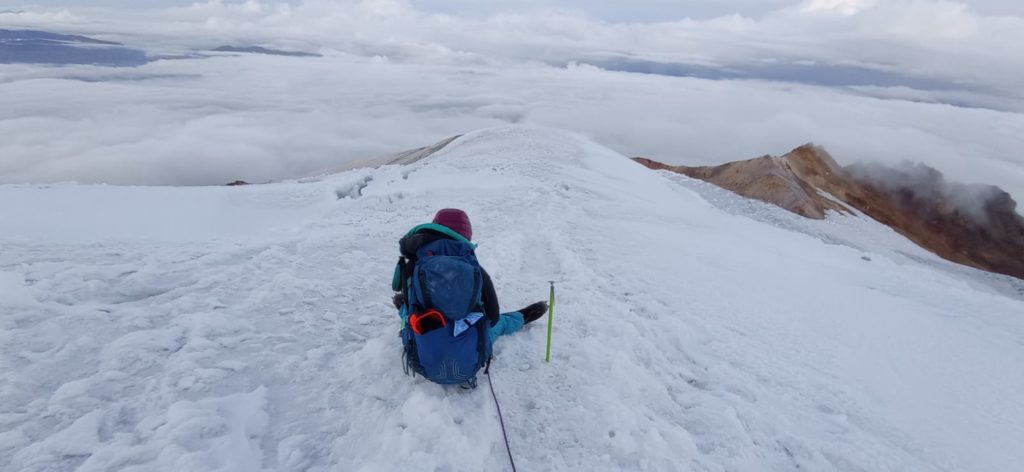
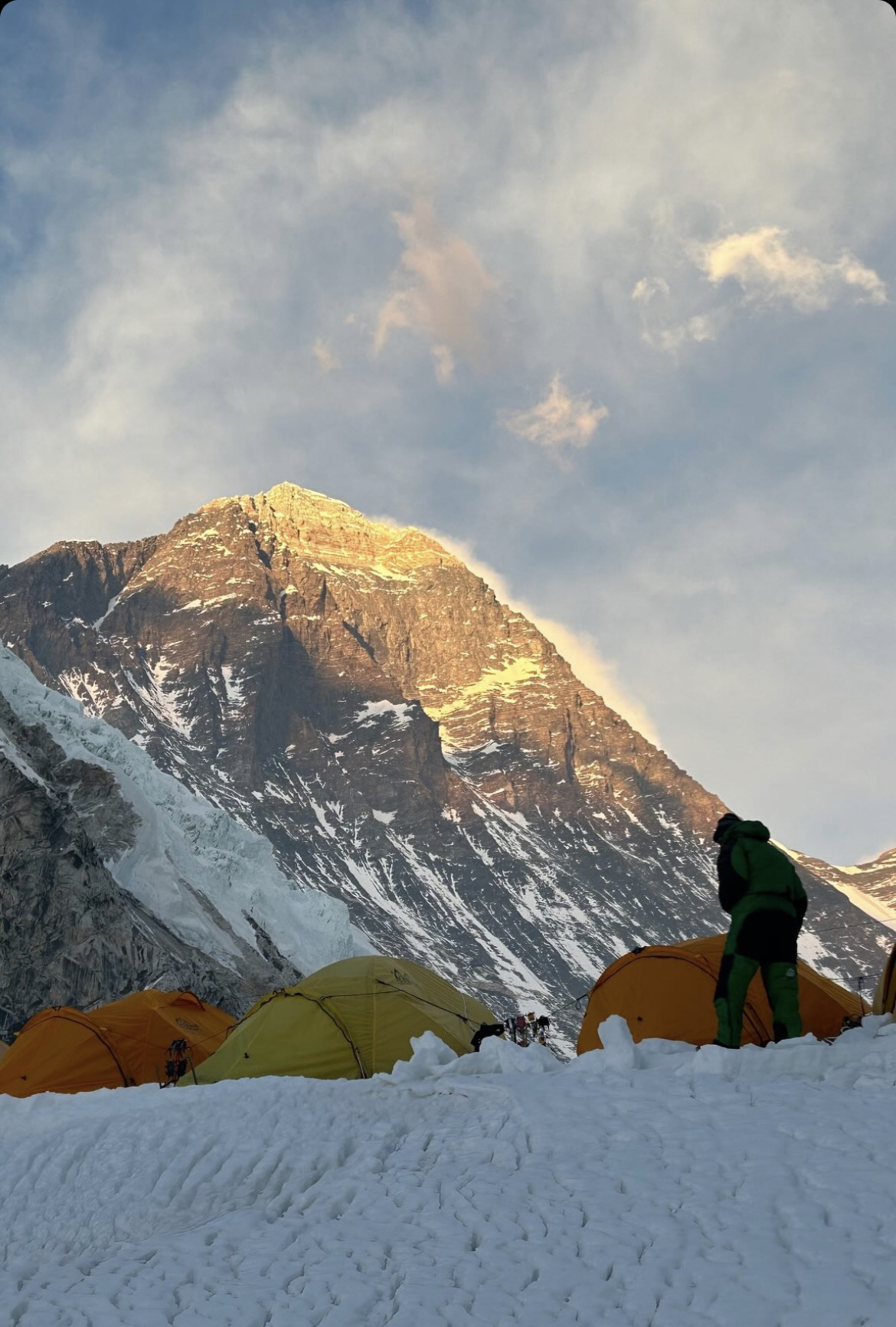
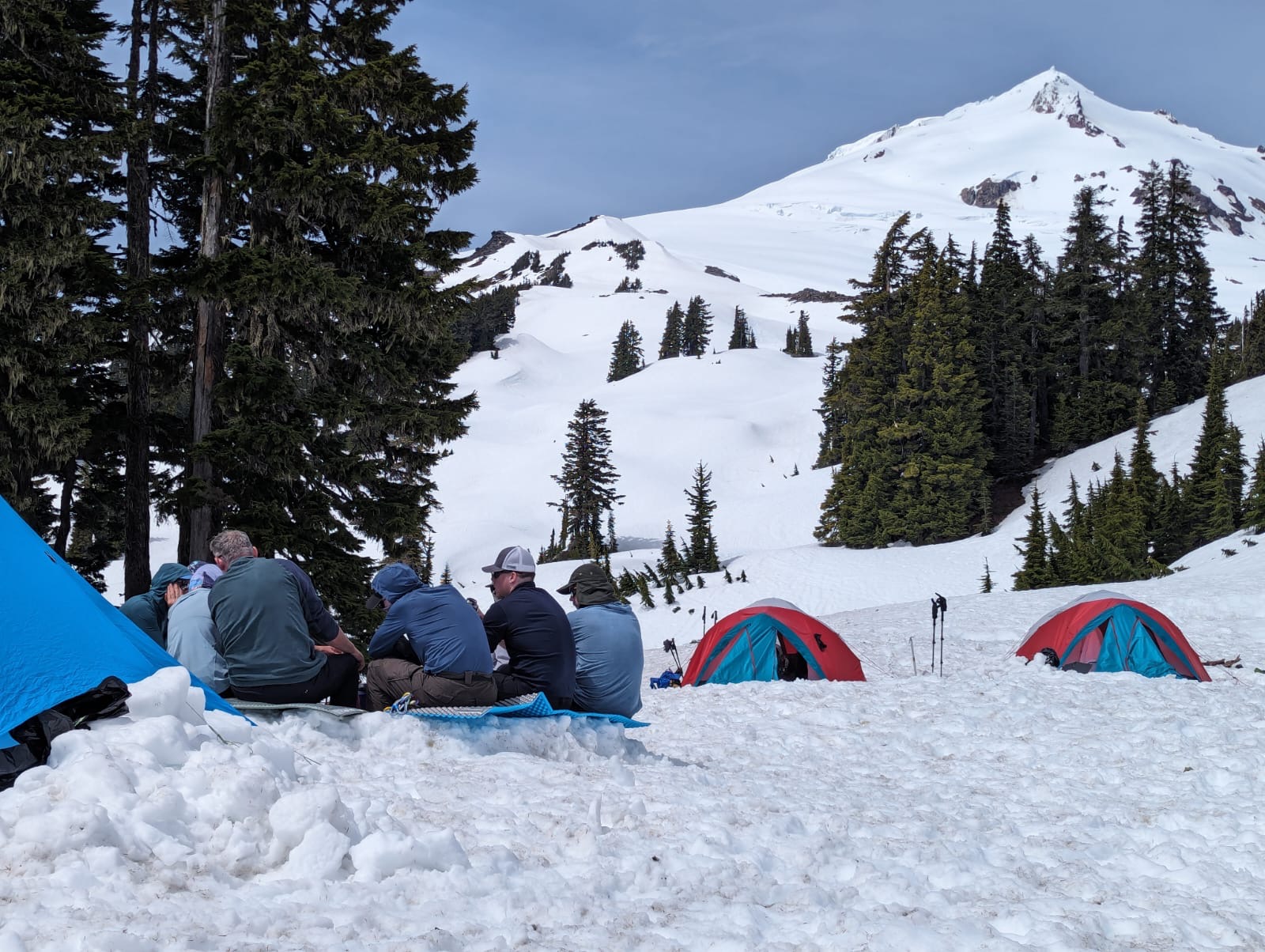
Chimborazo is a more challenging peak than Cayambe or Cotopaxi, with more exposed terrain and a longer route. To set our teams up for success, we have elected to set up a high camp in tents at around 18,400 feet (5,600 meters) rather than the lower Refugio Whymper hut that many expeditions use. The ascent starts the same day that you leave Quito, with about four hours of climbing to reach the high camp. Once in place at high camp, we’ll eat a good meal in the early evening and have an early bedtime in preparation for the summit bid. Waking up early for an alpine start, the route ascends a steep, glaciated ridge for several thousand feet to the false summit, Pico Veintimilla, at 20,434 feet (6,228 meters). It is a long, relatively flat climb from the false summit across the summit plateau to the true summit of Chimborazo at 20,565 feet (6,268 meters).

The descent retraces the ascent route. We’ll pick up our gear at high camp and descend down to the trucks waiting at the end of the road. From there, it’s a few hours of driving back to Quito!


How to Choose The Right Ecuador Volcanoes Expedition

ECUADOR VOLCANOES  |  South America


How to Choose The Right Ecuador Volcanoes Expedition

Share Expedition

It is important to research and choose the right expedition company to support you, help guide you through all logistics, and be there for you on the mountain. You want to do your homework so you feel 100% confident in your choice and can focus on the climb.

We encourage you to look closely at both the big picture and the small details.

Consider a company’s priority on safety, the quality and experience of its guides, its reputation, and its level of “care factor.”


Safety & Success

Your safety and success are the top priorities, strictly in that order.

It should go without saying that a climbing company should invest heavily in, and plan for your safety. This includes big picture logistics like strategic itineraries, professional and experienced guides and top notch logistics, all the way down to a general attitude and company wide philosophy, that while success and summits are great, they aren’t the ‘be all and end all’. What is more important than any mountain top, is your safety, wellbeing and enjoyment.

It is easy to be drawn in by low price tags, but remember the mountains are hazardous environments and what you are doing is challenging physically and mentally and cheap trips often mean compromises in areas that should never be compromised. Be it old gear, undertrained, underpaid or overworked guide staff, poor climber to guide ratios, rushed schedules and slap dash logistics. Buyer beware.

Try to gauge a companies’ approach to safety for yourself, scan past climber reviews, ask questions and talk to them about their strategy, their risk management, their level of redundancy. It is those conversations that will give you a good sense on their priorities.


Acclimatization

When you are considering an Ecuadorian Volcanoes expedition, one of the first things to look closely at is the schedule.

As soon as you land in Quito you are already at 2,850m | 9,350ft. Most human bodies start registering the effects of altitude at around 2500m | 8000ft. Formally “high altitude” is recognized as elevations above 8,000ft.

Look for relaxed time on the front end of the trip that allows your body to adjust before overtaxing it, for instance is there some sightseeing around Quito and the Equator, a gentle acclimatization hike or two where you retreat back down to Quito to sleep. You want at least 2x nights in Quito before you start moving higher.

Starting high out of the gate couple with the proximity and the accessibility of these mighty peaks themselves, (within a days drive and a days climb you can be at well above 6000m| 20,000ft!) its important to understand and be prepared that climbing in Ecuador, by its very nature is aggressive and jumps you up fast!

So inspect the itinerary – look for at least 3-4 days with in-built acclimatization hikes (to get high/sleep low) and training clinics, before you even attempt a summit to let your body adjust. Watch out for ‘churn and burn’ types who wants to move climbers through their season as fast as possible to get as many “bums on seats” as they can? Do they care about whether you get AMS and have to bow out early or not? Or is it a numbers game where sheer quantity over quality wins out?

Another clue is to look if the operator offers a ‘pretrip’ of some sort that allows climbers, for whom Ecuador may be their first true high altitude expedition, or even for climbers who know their individual bodies take longer to adjust, can get a jump start on acclimatization and a more gradual start before folding into the team.

Further you want to know that your Guide staff understand AMS (Acute Mountain Sickeness) and the more serious HAPE (High Altitude Pulmonary Edema) and HACE (Hight Altitude Cerebral Edema) and that they are quick to identify it, and responsive to the signs and symptoms.

Too often we’ve seen so called ‘guides’ being blasé about acclimatization. They probably live in Quito so their bodies have been adapted since birth and therefore they just don’t notice, understand or have the patience to help you adjust before setting out for the summit.

All our CTSS guides are top professionals who are valued because of their patient, understanding and conservative approach, especially when it comes to altitude and acclimatizing which is so important, particularly in Ecuador.


Leadership

CTSS owner Mike Hamill oversees all of our Ecuador Volcanoes expeditions. Mike’s almost unparalleled experience based in the big mountains can make the difference between success and failure. He and his team have been constantly refining our logistics over many expeditions to Ecuador and hundreds worldwide. Let Mike guide you through the many nuances of climbing Cotopaxi and Cayambe that will allow you to be successful. From start to finish, he and his team will work with you to make sure you’re as prepared as possible to reach your goal of standing on top. Often, being able to troubleshoot problems before they occur can make a difference, and this is where Mike’s vast experience becomes crucial.

We feel that our guides are incredibly important to our success. CTSS employs only world-class leaders who are known for their focus on client care and experience.


Values & Philosophy

Does an operator have strong values?

This is sometimes a little harder to identify as it’s more of a feeling than a sales pitch, but you should get a feel for a company through its little interactions, its care factor, its attention to detail, its corporate social responsibility, and its responses to you.

Mountaineering can be high-risk and stressful, so pick an operator who has strong core values and a team mentality that aligns with yours. When things get challenging, you can rely on open lines of communication, knowing they will do what they can to support you.

It is this team cohesiveness that flows through to each individual climber and helps them stand on top.


Culture

We emphasize experiencing Ecuadorean culture throughout our expedition. Ecuador has such a vast and beautiful history that it would be a shame not to experience it during a visit to the country. We immerse ourselves in the flare of the local people while sampling some of the best and most quintessential food and accommodations that the region has to offer.


Ecuador Travel Guide

ECUADOR VOLCANOES  |  South America


Ecuador Travel Guide

Share Expedition

Expedition Meets in: Quito, Ecuador
Continent: South America
Currency: United States Dollar
Population: 18 million
Official Language: Spanish
Seasons to Climb: November to February is considered to be the best time for climbing.

Getting There & Meeting Location:

Your first day is an arrival day, meaning you can book your flights to arrive in Quito at any time on that first day.

Flying into Quito is relatively straightforward as it is served by several major airlines with flights from Asia, North and South America, and Europe daily.

Ecuador issues visas on arrival for most countries. However, there are some exceptions. It is your responsibility to research travel requirements from your own country.

When you arrive in Quito, our local team will be at the airport to meet you and take you to our designated hotel. Upon exiting the plane, walk to the customs area and have your passport and visa form handy. Depending on the number of flights landing, it can take up to an hour to clear customs. You will be required to buy a visa upon arrival unless your country requires a pre-approved visa.

Once you have passed customs, claim your bags, head outside, and look for a CTSS representative in the arrivals hall.

If, for some reason, you miss this transport or your flight is delayed and you have been unable to alert us, simply grab a taxi and head to the hotel listed in your pre-trip emails. It is cheap and easy to get to the hotel.

Connect with your guide as you arrive at the hotel; if you arrive in the morning on Day 1 and feel good, they may do your gear checks the same day. If you arrive late at night, please ask reception to leave a message for your guide that you have arrived.

On the evening of Day 1, we will gather informally at the hotel and head out for dinner in Quito. This is just a casual meeting, as late or delayed arrivals may not be there. Don’t feel any pressure to join if you arrive later in the day or prefer to rest.

We will have our formal, official team meeting with the team at breakfast on the morning of Day 2.

Expedition Transportation:

CTSS will arrange all scheduled transport for the duration of the expedition.

We will drive from Quito to Cotopaxi, then on to Cayambe before returning to Quito at the end of the normal itinerary. Chimborazo extension climbers will leave from Quito to Chimborazo via CTSS-arranged transport on the day that the rest of the team heads to the airport.

Accommodation:

Your expedition includes all of your accommodations, as noted in the inclusions and exclusions.

All hotels are double occupancy unless you have chosen the single rooming option and paid the add-on fee. If you want single rooming, please let us know, and we can add the fee on to your balance to cover this added expense. Sometimes hotels are full during the climbing season and may not have enough space to accommodate single rooming, but we will do our best.

Money:

It is better to have more money than you need than not enough. Most things are covered on the trip once you land in Quito. You can review the inclusions and exclusions list for more details.

Bring cash to cover expenses for a potential early departure (not frequent, but sometimes this occurs), miscellaneous expenses like extra hotel nights, meals in town, if arriving early or departing late, shopping, alcohol, specialty coffees, bottled water or snacks, staff tips (customary, but optional), etc. In-town meals during the climb are at your own expense.

Generally, we recommend bringing $1,000 – $1,500 USD plus a credit card to cover all potential expenses, though it is unlikely that you will need all of this. Please let your credit card company know you will be traveling so you can use your card without triggering a fraud alert.

Tipping:

Tips are customary in Ecuador. Tip between 10-15% for meals, round up fares for taxis, hotel bellhops receive $1-$2 USD per bag, and housekeepers customarily get about $1 USD per day.

Language:

Ecuador’s official language is Spanish. While in Quito, you should expect difficulty finding English-speaking shopkeepers or among the general public. Most hotel front desk employees will have some command of English, and our logistics staff speak English well.

Cell Phone Coverage:

Ecuador Country Code: +593

There is cell service during much of our trip in Ecuador but roaming charges can be expensive, so please consult your carrier to determine data/calling rates prior to departure. Another option is to purchase a local SIM or rechargeable phone while in Quito. There may be a satellite phone with the team on the climb, but don’t expect to be able to use it on an unlimited basis as we typically reserve it for emergencies. We can make it available to the team at $3/minute.

Local Emergency Contacts:

In Ecuador, you can reach emergency services by dialing:

Ambulance: 131

Fire: 102

Police: 101

International Arrivals & Visas:

Ecuador issues visas on arrival for most countries, although there are a handful of countries from which Ecuador requires pre-approved visas for entry. It is your responsibility to research travel requirements from your country.

We recommend flying with at least three (3) passport-sized photos for visa and customs. You may or may not need them, but they are important to have on hand.

You should keep a copy of your embassy or consulate information with you while traveling through Ecuador. For US citizens, this information is:

US Embassy Santiago

Ave. Avigiras E12-170 y Ave. Eloy Alfaro

Quito, Ecuador

Phone: +593-2-398-5000

https://ec.usembassy.gov/

Electrical:

The Ecuadorean electrical grid runs at 110 volts and 60 Hertz, identical to the U.S. grid. If you’re flying from a country other than the United States, check your device specification (especially their Hertz specifications) and plan on bringing an adapter to ensure compatibility.

Ecuador has adopted the same plug configurations as the United States Type A and Type B

Potable Water:

It is recommended to opt for bottled water or treat your own tap water while traveling in Ecuador, especially in the more rural regions surrounding our climbing routes.


Single Rooming Upgrade

ECUADOR VOLCANOES  |  South America


Single Rooming Upgrade

Share Expedition

Single Rooming Upgrade
$1,250 USD

We are happy to organize single-room accommodation throughout your stay in Ecuador. If you snore or are easily awakened, this is a great option to ensure you get plenty of rest and relaxation. Single rooming also helps climbers stay healthy and adds a bit of comfort and personal space that can go a long way.

If you would like single rooming, please let us know.

Please note that tent accommodations on the mountain are double occupancy for safety and warmth.

All prices are in US Dollars.

CTSS requires clients to buy trip insurance for all expeditions. For more information, please see our page on trip insurance and cancellation policy. All payments, once submitted, are non-refundable and non-transferable. If balances are not received by specified dates, the client forfeits their place on the program and any prior fees paid.


Friends & Family Option

ECUADOR VOLCANOES  |  South America


Friends & Family Option

Share Expedition

Friends & Family Option

$3,295 USD per person
Please Note: price based on a twin share

Ecuador presents the rare opportunity to enjoy world-class peaks without the “suffering” of expedition life. As such, non-climbing loved ones and friends are welcome to join us on this trip because we know they will have an equally good time.

Following the same itinerary, they can partake in the acclimatization hikes and accompany you to the mountain huts. In fact, the time apart on this climbing schedule is minimal, with only a few hours on the summit mornings. You will wake up at midnight, climb while they are sleeping, and return to rejoin them just after breakfast!

The chance to see Ecuador, enjoy Quito, visit the Equator, taste the incredible food, meet the local people, tour 400-year-old haciendas, and soak in the hot springs will enthrall any traveling companion, especially those who like to hike. On the standard trip, there isn’t even a tent in sight!

You may also like to take advantage of being in Ecuador and spend a few days together in the Galápagos Islands after your trip, which we can help you organize.

We welcome you to invite friends and family to join you for all or part of your Ecuador Volcanoes expedition. The benefits are:

  • The joy of sharing this once-in-a-lifetime experience with your loved ones.
  • More time together with your loved ones means less time apart.
  • Your loved ones gain a first-hand understanding of the nature of your expedition and goals.
  • It will help put your loved ones at ease and support empathy for future expeditions.


Galápagos Islands Add-On

ECUADOR VOLCANOES  |  South America


Galápagos Islands Add-On

Share Expedition

Galápagos Islands Add-On
$2,500 USD per person

Please note: price based on twin share

Celebrate your Ecuador Volcanoes expedition, tick off a bucket list must-do, and end your trip on a high note by exploring the Galápagos Islands. This custom-built trip extension for CTSS clients includes a four-day, three-night tour of the archipelago’s highlights. Walk in Darwin’s footsteps and experience one of the most biologically diverse places on the planet.

Day 1: Arrival Day – Twin Craters – Highlands of Santa Cruz

  • Includes lunch
  • Meet your naturalist guide from the Parque Nacional Galápagos at the airport
  • Cross the Itacaba Channel by boat to Santa Cruz island, private transfer to Puerto Ayora
  • Check in to the hotel and receive snorkeling gear before lunch at a local restaurant
  • Walk with wild giant tortoises in the highlands of Santa Cruz
  • Explore underground lava tunnels and visit Los Gemelos
  • Overnight in Puerto Ayora

Day 2: Daily Tour Options: South Plaza, North Seymour, Isabela, Floreana, Santa Fe, Bartolome

  • Includes breakfast and boxed lunch
  • Departures depend on availability and authorization of the Parque Nacional Galápagos
  • South Plaza Island (Isla Plaza Sur): The island is home to the enormous prickly pear cactus and the endemic succulent Sesuvium edmonstonei. It also has one of the largest populations of land iguanas in the Galápagos Islands.
  • North Seymour Island (Isla Seymour Norte): In the north of Baltra is the small islet of North Seymour. A bird lover’s dream, the island with its rocky coast is perfect for visiting the colonies of blue-footed boobies and magnificent frigate birds.
  • Floreana Island (Isla Floreana): This island has long been a favorite for pirates, whalers, early settlers, and today’s travelers. Floreana’s volcano has long been extinct and is in the advanced stages of erosion which has created rich, fertile soil. This diversified landscape is flourishing with native and introduced flora.
  • Santa Fé Island (Isla Santa Fé): Go hiking and snorkeling. Explore the giant Opuntia Cactus Forest and discover land iguanas that are unique to this island. These rare reptiles are easiest to find early in the morning or late in the afternoon. A two-hour trail boasts sensational views and the chance to see some endemic vegetation, including Scalesia, while the bay offers relaxing swimming and snorkeling opportunities.
  • Bartolomé Island (Isla Bartolomé): This small island is famous for the photogenic pinnacle of rock that looks sheared away from the cliff. Embark on a trail that passes different lava formations and pioneer vegetation before reaching the summit, offering beautiful views of the surrounding islands. Penguins can sometimes be observed while swimming or snorkeling.

Day 3: Puerto Ayora Bay Tour – Charles Darwin Research Station – Tortuga Bay Beach

  • Includes breakfast
  • In the morning, enjoy a bay tour on the “Love Channel” and observe reef sharks. Continue the tour with a short walk to see the marine iguanas that inhabit the Playas de los Perros.
  • In the afternoon, you have free time to explore. Some suggestions are to see the Charles Darwin Research Station, which also houses a giant tortoise breeding center, or visit Tortuga Bay Beach. Perhaps the most beautiful beach in the Galapagos, Tortuga Bay Beach, is the perfect spot to swim, snorkel, and observe colonies of marine iguanas, pelicans, Darwin’s finches, sharks, sea turtles, and more.

Day 4: Santa Cruz – Balta - Departure Day

  • Includes breakfast
  • After breakfast, you will be transferred to the Galápagos Ecologic Airport

Our expeditions are designed to be fully inclusive, except for some services/items of a personal nature like flights, gear, insurance. Here’s a detailed list so you know what to expect

Included in the Galápagos Islands Add-On


  • Transfer to and from Galápagos Ecologic Airport
  • Speedboat Santa Cruz – Isabela – Santa Cruz
  • Accommodation in double occupancy room
  • Naturalist guide
  • All meals as per itinerary
  • Daily excursions as per itinerary

Excluded from the Galápagos Islands Add-On


  • Transfers to and from Quito or Guayaquil, Ecuador
  • Air tickets to and from Guayaquil, Ecuador to Galápagos Island
  • Parque Nacional Galápagos entrance ($100 USD per person, paid in cash at Balta’s airport)
  • Transit Control card ($20 USD per person)
  • Any additional meals and transportation outside the expedition
  • Bar tabs, minibars, hotel internet bills, laundry, etc.
  • Expenses while on the expedition that are above and beyond the normal scope of the trip, such as medical treatment, evacuation, trip interruption, rescues, snacks, flight changes, alcohol, gifts for friends and family, specialty coffees, and bottled water, among others.
  • Expenses incurred due to events outside CTSS's control, such as delays or interruptions, political events, natural events, or disasters. These may include additional expenses, such as extra hotel nights, resulting from delays.
  • Trip insurance policy that includes personal medical, rescue, evacuation, trip interruption, and trip cancellation insurance
  • Single-room accommodations, if desired and pre-booked
  • Guide tips (customary but optional)

All prices are in US Dollars.
CTSS requires clients to buy trip insurance for all expeditions. Please see our page on trip insurance and cancellation policy for more information.
All payments once submitted are non-refundable and non-transferable. If balances are not received by specified dates, the client forfeits their place on the program and any prior fees paid.


Pre-Expedition Acclimatization & Skills Training Add-On

ECUADOR VOLCANOES  |  South America


Pre-Expedition Acclimatization & Skills Training Add-On

Share Expedition

Pre-Expedition Acclimatization & Skills Training Add-On
$1,750 USD

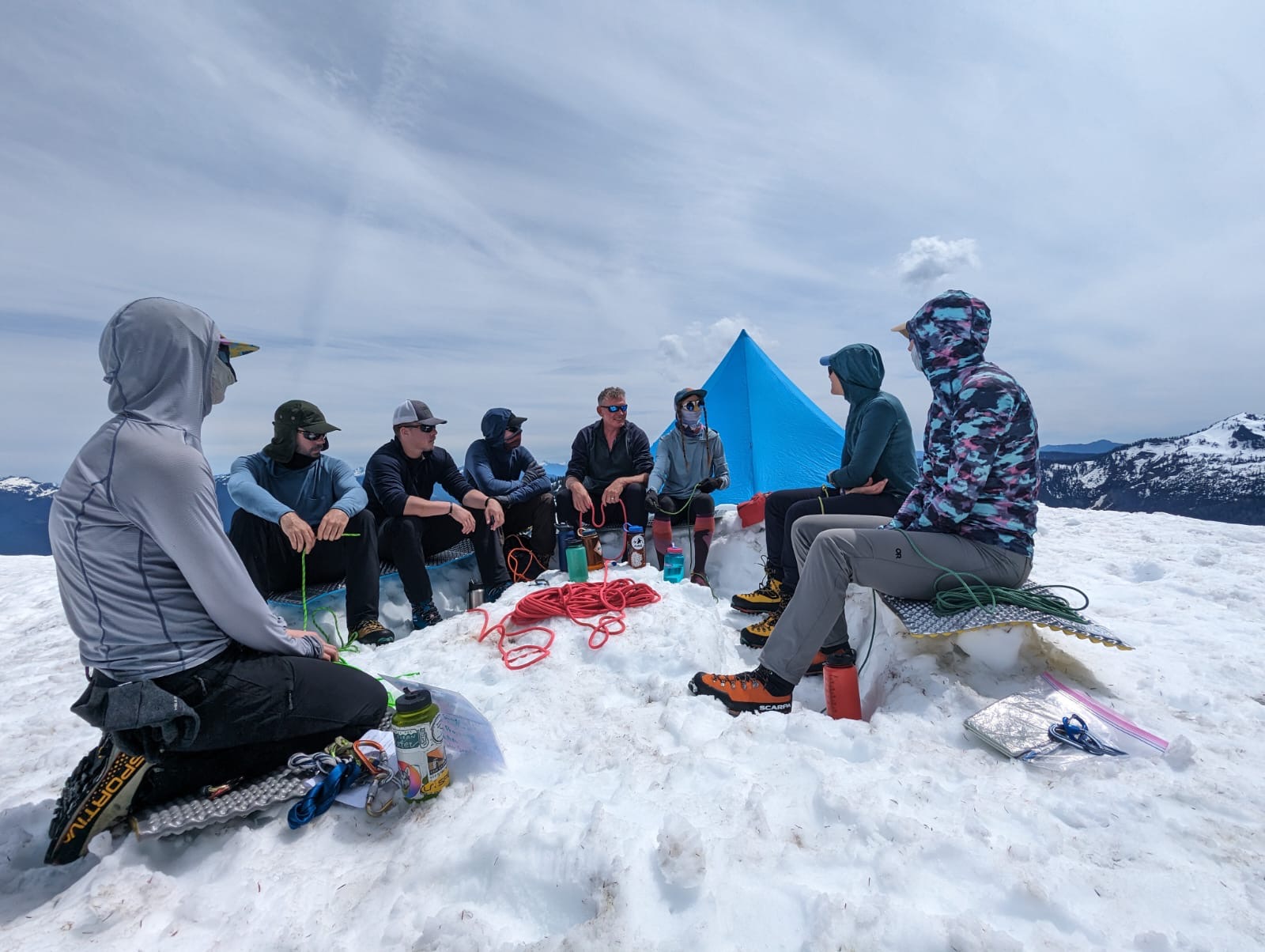
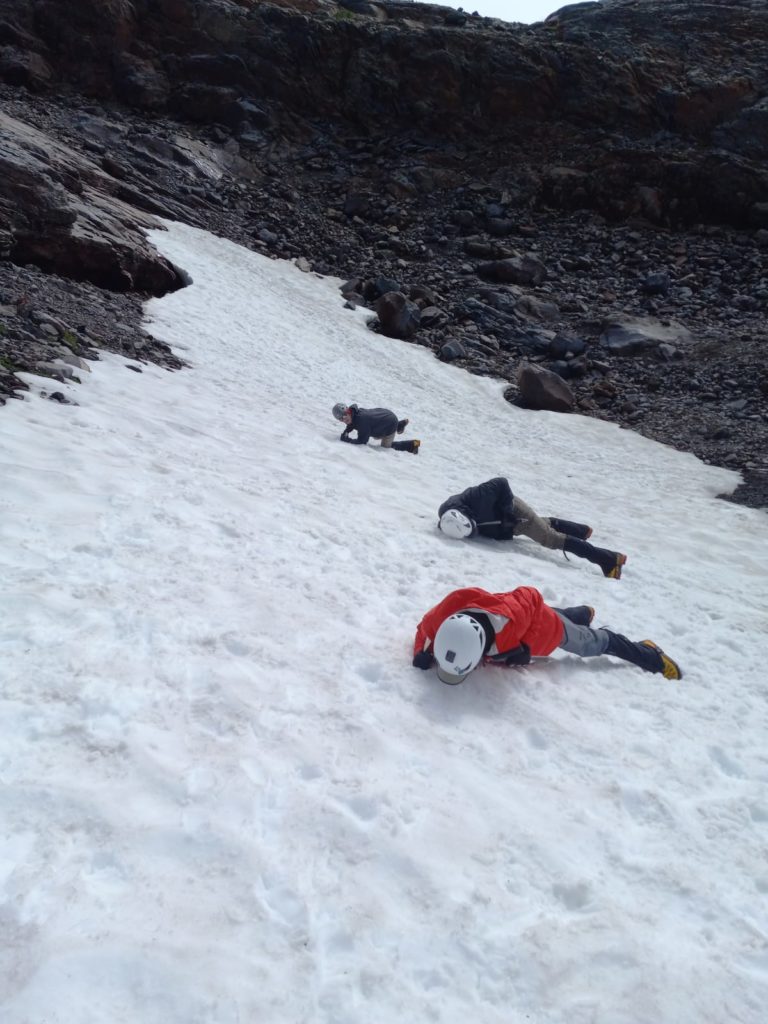
If you need a little longer to acclimatize, prefer a more gradual approach, or are a beginner who would like to brush up on your technical mountaineer skills before the expedition officially begins, then we highly recommend our Pre-Expedition Acclimatization & Skills Training Add-On that dovetails perfectly into our Ecuador Volcanoes Team Climb. Skills covered include cramponing, mountain efficiency, self-arrest, glacier travel, and more over the course of two high-altitude acclimatization hikes, along with a full day of snow school and mountaineering training.

For beginners looking to make use of this add-on, it is desirable that you have some past expedition, trekking, high altitude, or climbing experience.

Please Note: This add-on’s arrival is two days before the start date of the Ecuador Volcanoes Team Climb.

This itinerary is only a rough estimate and will be determined by weather and acclimatization. This is adventure travel, meaning things rarely go as planned, and this schedule will likely change. Climbers need to be adaptable and positive. We always recommend climbers arrive in Quito, Ecuador, on Day 1, which is your arrival day, meaning you can book your flights to arrive at any time on Day 1. Please let us know if you want us to arrange logistics for early arrivals or for a single-rooming option.


  • Day 1: Pre-expedition climbers arrive in Quito, Ecuador
  • Day 2: Gear checks, equator visit, Teleférico de Quito (cable car)
  • Day 3: Acclimatization hike to 14,272 feet near Antisana National Park
  • Day 4: Snow school and mountaineering training at Antisana Base Camp
  • Day 5: Unite with the rest of your Ecuador Volcanoes team for an acclimatization hike on Rumiñahui Central (15,203 feet). Continue onto the normal itinerary

Our expeditions are designed to be fully inclusive, except for some services/items of a personal nature like flights, gear, insurance. Here’s a detailed list so you know what to expect

Included in the Pre-Expedition Acclimatization & Skills Training Add-On

  • Professional mountain guides
  • Hotels and mountain huts at double occupancy (excluding early arrivals or late departures)
  • Breakfast is provided daily, and expedition food is available in the huts. While on the mountain, dinners and breakfasts will be provided. Lunch is mountaineering style, which means you will eat a steady graze throughout the day to keep your energy levels high.
  • Guidance and expedition management
  • All group transportation is provided while on the expedition. If you depart early, you are responsible for the added expenses for transport, lodging, rescue, and evacuation.
  • Group gear, including fuel, ropes, and safety gear.
  • Satellite phone to update the CTSS blog. Also available to clientele at $3/min

Excluded from the Pre-Expedition Acclimatization & Skills Training Add-On

  • Flights to and from Quito, Ecuador, and associated travel expenses (e.g., hotels, excess baggage fees, visas, departure taxes, food) getting to and from Ecuador
  • All costs incurred prior to the start date of the trip and after the end date.
  • Ecuadorean visa fees
  • In-town and off-mountain meals in Ecuador (we will just split the bill at the end of each meal)
  • Personal climbing gear and snacks
  • Any additional meals and transportation outside the expedition
  • Bar tabs, minibars, hotel internet bills, laundry, etc.
  • Expenses while on the expedition that are above and beyond the normal scope of the trip, such as medical treatment, evacuation, trip interruption, rescues, snacks, flight changes, alcohol, gifts for friends and family, specialty coffees, and bottled water, among others.
  • Expenses incurred due to events outside CTSS's control, such as delays or interruptions, political events, natural events, or disasters. These may include additional expenses, such as extra hotel nights, resulting from delays.
  • Trip insurance policy that includes personal climbing, medical, rescue, evacuation, trip interruption, and trip cancellation insurance
  • Single-room accommodations, if desired and pre-booked
  • Guide tips (customary but optional)

All prices are in US Dollars.
CTSS requires clients to buy trip insurance for all expeditions. Please see our page on trip insurance and cancellation policy for more information.
All payments once submitted are non-refundable and non-transferable. If balances are not received by specified dates, the client forfeits their place on the program and any prior fees paid.


Ecuador Volcanoes Private Climb

ECUADOR VOLCANOES  |  South America


Ecuador Volcanoes Private Climb

Share Expedition

Ecuador Volcanoes Private Climb

Ecuador Volcanoes with Cayambe and Cotopaxi: 

  • 1:1 Ecuadorian Guide: $13,995
  • 1:1 International Guide: $22,995
  • 2:1 Ecuadorian Guide (1 guide to 2 climbers): $8,495 per person
  • 2:1 International Guide (1 guide to 2 climbers): $12,995 per person

Ecuador Volcanoes with Cayambe, Cotopaxi, and Chimborazo Add On:

  • 1:1 Ecuadorian guide: $16,995
  • 1:1 International guide: $22,995
  • 2:1 Ecuadorian guide (1 guide to 2 climbers): $9,995 per person
  • 2:1 International guide (1 guide to 2 climbers): $14,995 per person

Having your own private guide climbing with you can be an indispensable advantage. A private guide allows you to dictate the schedule, amend it depending on how you’re feeling, and customize your climbing itinerary. They will be on the lookout for any signs of altitude sickness or medical issues while also acting like a coach, giving you valuable and direct feedback on the mountain. All of these factors together will result in a more enjoyable climbing experience with increased opportunities for growth.

Although summits are never guaranteed, climbing with a private guide is the best way to increase your chances.

This expedition provides a private guide at a 1:1 ratio (unless otherwise noted), logistical oversight by expedition leader Mike Hamill, logistics, food, group gear, and support for a summit attempt on both Cotopaxi and Cayambe. Whether you’re a less experienced climber or have climbed at altitude many times before, our Ecuador Volcanoes expedition with a 1:1 private guide will give you a greater chance at standing on the summit of these beautiful Ecuadorean peaks.

Sample itinerary. CTSS will work with our private climbers to create an ideal climb itinerary that meets their specific needs. Please contact us for more information.


  • Day 1: Arrive in Quito, Ecuador
  • Day 2: Gear checks, Equator visit, Teleférico de Quito (cable car)
  • Day 3: Acclimatization hike on Rumiñahui Central (15,203 feet)
  • Day 4: Travel to Cotopaxi for training
  • Day 5: Hike to the Refugio José Rivas on Cotopaxi
  • Day 6: Summit Cotopaxi (19,347 feet) and descent to Hacienda La Ciénega
  • Day 7: Drive to the Refugio Ruales Oleas Bergé on Cayambe
  • Day 8: Acclimatization day or possible summit day
  • Day 9: Summit Cayambe (18,996 feet) and drive to Termas de Papallacta
  • Day 10: Drive to Quito and enjoy a celebration dinner
  • Day 11: Departure day for those not climbing Chimborazo

Our expeditions are designed to be fully inclusive, except for some services and items of a personal nature, like flights, gear, and insurance. Here’s a detailed list so you know what to expect.

Included in the Ecuador Volcanoes Private Climb

  • Professional mountain guides
  • Hotels and mountain huts at single occupancy (excluding early arrivals or late departures)
  • Breakfast is provided daily, and expedition food is available in the huts. While on the mountain, dinners and breakfasts will be provided. Lunch is mountaineering style, which means you will eat a steady graze throughout the day to keep your energy levels high.
  • Guidance and expedition management
  • All group transportation is provided while on the expedition. If you depart early, you are responsible for the added expenses for transport, lodging, rescue, and evacuation.
  • Group gear, including fuel, ropes, safety gear, and tents for Chimborazo
  • Satellite phone to update the CTSS blog. Also available to clientele at $3/min

Excluded from the Ecuador Volcanoes Private Climb

  • Flights to and from Quito, Ecuador, and associated travel expenses (e.g., hotels, excess baggage fees, visas, departure taxes, food) getting to and from Ecuador
  • All costs incurred prior to the start date of the trip and after the end date.
  • Ecuadorean visa fees
  • In-town and off-mountain meals in Ecuador (we will just split the bill at the end of each meal)
  • Personal climbing gear and snacks
  • Any additional meals and transportation outside the expedition
  • Bar tabs, minibars, hotel internet bills, laundry, etc.
  • Expenses while on the expedition that are above and beyond the normal scope of the trip, such as medical treatment, evacuation, trip interruption, rescues, snacks, flight changes, alcohol, gifts for friends and family, specialty coffees, and bottled water, among others.
  • Expenses incurred due to events outside CTSS's control, such as delays or interruptions, political events, natural events, or disasters. These may include additional expenses, such as extra hotel nights, resulting from delays.
  • Trip insurance policy that includes personal climbing, medical, rescue, evacuation, trip interruption, and trip cancellation insurance
  • Guide tips (customary but optional)

All prices are in US Dollars.
CTSS requires clients to buy trip insurance for all expeditions. Please see our page on trip insurance and cancellation policy for more information.
All payments once submitted are non-refundable and non-transferable. If balances are not received by specified dates, the client forfeits their place on the program and any prior fees paid.


Ecuador Volcanoes Speed Ascent with Private Guide

ECUADOR VOLCANOES  |  South America


Ecuador Volcanoes Speed Ascent with Private Guide

Share Expedition

Ecuador Volcanoes Speed Ascent with Private Guide

Contact us for pricing, dates, and availability.

CTSS offers select climbers our Speed Ascent option which employs state-of-the-art technology to allow climbers the ability to summit in less time. If you are short on time and want to make the round trip safely but as quickly as possible, this is the ideal option. We use a time-tested training program in conjunction with the use of a portable hypoxic altitude chamber to pre-acclimate your body to the rarefied air found at altitude. This option is perfect for those who want to minimize time away from home while still stacking the odds in their favor for summit success.

Having your own private climbing guide with you can be an indispensable advantage. A private guide allows you to dictate the schedule, amend it depending on how you’re feeling, and customize your climbing itinerary. They will be on the lookout for any signs of altitude sickness or medical issues while also acting like a coach, giving you valuable and direct feedback on the mountain. All of these factors together will result in a more enjoyable climbing experience with increased opportunities for growth.

Although summits are never guaranteed, climbing with a private guide is the best way to increase your chances.

This expedition provides a private guide at a 1:1 ratio, logistical oversight by expedition leader Mike Hamill, logistics, food, group gear, and support for a summit attempt on both Cotopaxi and Cayambe. Whether you’re a less experienced climber or have climbed at altitude many times before, our Ecuador Volcanoes expedition with a 1:1 private guide will give you a greater chance at standing on the summit of these beautiful Ecuadorean peaks.

WATCH THE SPEED ASCENTS WEBINAR

All prices are in US Dollars.
CTSS requires clients to buy trip insurance for all expeditions. Please see our page on trip insurance and cancellation policy for more information.
All payments once submitted are non-refundable and non-transferable. If balances are not received by specified dates, the client forfeits their place on the program and any prior fees paid.

CTSS will work with our private climbers on an individual basis to create an ideal itinerary that meets their specific needs. Please contact us for more information.


Our expeditions are designed to be fully inclusive, except for some services and items of a personal nature, like flights, gear, and insurance. Here’s a detailed list so you know what to expect.

Included in the Ecuador Volcanoes Speed Ascent with Private Guide


  • Professional mountain guides
  • Hotels and mountain huts at single occupancy (excluding early arrivals or late departures)
  • Breakfast is provided daily, and expedition food is available in the huts. While on the mountain, dinners and breakfasts will be provided. Lunch is mountaineering style, which means you will eat a steady graze throughout the day to keep your energy levels high.
  • Guidance and expedition management
  • All group transportation is provided while on the expedition. If you depart early, you are responsible for the added expenses for transport, lodging, rescue, and evacuation.
  • Group gear, including fuel, ropes, safety gear, and tents for Chimborazo
  • Satellite phone to update the CTSS blog. Also available to clientele at $3/min

Excluded from the Ecuador Volcanoes Speed Ascent with Private Guide


  • Flights to and from Quito, Ecuador, and associated travel expenses (e.g., hotels, excess baggage fees, visas, departure taxes, food) getting to and from Ecuador
  • All costs incurred prior to the start date of the trip and after the end date.
  • Ecuadorean visa fees
  • In-town and off-mountain meals in Ecuador (we will just split the bill at the end of each meal)
  • Personal climbing gear and snacks
  • Any additional meals and transportation outside the expedition
  • Bar tabs, minibars, hotel internet bills, laundry, etc.
  • Expenses while on the expedition that are above and beyond the normal scope of the trip, such as medical treatment, evacuation, trip interruption, rescues, snacks, flight changes, alcohol, gifts for friends and family, specialty coffees, and bottled water, among others.
  • Expenses incurred due to events outside CTSS's control, such as delays or interruptions, political events, natural events, or disasters. These may include additional expenses, such as extra hotel nights, resulting from delays.
  • Trip insurance policy that includes personal climbing, medical, rescue, evacuation, trip interruption, and trip cancellation insurance
  • Guide tips (customary but optional)

Ecuador Volcanoes + Chimborazo Team Climb

ECUADOR VOLCANOES  |  South America


Ecuador Volcanoes + Chimborazo Team Climb

Share Expedition

Ecuador Volcanoes + Chimborazo Team Climb

Team Departure: $6,245 USD

Dates:

  • January 24 – February 5, 2026
  • November 5 – 17, 2026
  • January 23 – February 4, 2027

This expedition is our traditional guided team climb with an add-on climb of Chimborazo (20,548 feet) after ascending both Cotopaxi (19,347 feet) and Cayambe (18,996 feet). This itinerary maximizes your acclimatization, training, and time in Ecuador.

  • If these dates don’t work for you, or you would like a private trip and private guide, we also build custom itineraries for many of our climbers.
  • Looking to brush up on your technical mountaineering skills before the expedition starts? Join us for our two-day Pre-Expedition Acclimatization & Skills Training Add-On to review cramponing, mountain efficiency, self-arrest, glacier travel, and more.
  • Round out your experience with our Friends & Family or Galápagos Islands add-ons.

Even though our Ecuador Volcanoes expedition is close to the Equator, don’t underestimate the cold. Many people make this mistake and are under-prepared for the climb and the extreme conditions they encounter, especially on summit days. These are real alpine climbs, and conditions can be very cold.

This expedition provides guidance, leadership, program oversight by renowned expedition leader Mike Hamill, local guides, logistics, team gear, porters, food, and support for a summit attempt on both Cotopaxi, Cayambe, and Chimborazo.

This itinerary is only a rough estimate and will be determined by weather and acclimatization. This is adventure travel, meaning things rarely go as planned, and this schedule will likely change. Climbers need to be adaptable and positive. We always recommend climbers arrive in Quito, Ecuador, on Day 1, which is your arrival day, meaning you can book your flights to arrive at any time on Day 1. Please let us know if you want us to arrange logistics for early arrivals or for a single-rooming option at an additional cost. Daily meal inclusions are indicated in parentheses.

  • Day 1: Arrive in Quito, Ecuador (- / - / -)
  • Day 2: Gear checks, Equator visit, Teleférico de Quito (cable car) (B / - / -)
  • Day 3: Acclimatization hike on Rumiñahui Central (15,203 feet) (B / - / -)
  • Day 4: Travel to Cotopaxi for training (B / - / -)
  • Day 5: Hike to the Refugio José Rivas on Cotopaxi (B / - / D)
  • Day 6: Summit Cotopaxi (19,347 feet) and descend to Hacienda La Ciénega (B / - / -)
  • Day 7: Drive to the Refugio Ruales Oleas Bergé on Cayambe (B / - / D)
  • Day 8: Acclimatization day or possible summit day (B / - / D)
  • Day 9: Summit Cayambe (18,996 feet) and drive to Termas de Papallacta (B / - / -)
  • Day 10: Drive to Quito and enjoy a celebration dinner (B / - / -)
  • Day 11: Drive to Chimborazo and hike to High Camp (B / - / D)
  • Day 12: Summit Chimborazo (20,548 feet) and return to Quito (B / - / D)
  • Day 13: Departure day (B / - / -)

Our expeditions are designed to be fully inclusive, except for some services and items of a personal nature, like flights, gear, and insurance. Here’s a detailed list so you know what to expect.

Included in the Ecuador Volcanoes + Chimborazo Team Climb


  • Professional mountain guides
  • Team hotels and mountain huts at double occupancy (excluding early arrivals or late departures)
  • Breakfast is provided daily, and expedition food is available in the huts. While on the mountain, dinners and breakfasts will be provided. Lunch is mountaineering style, which means you will eat a steady graze throughout the day to keep your energy levels high.
  • Guidance and expedition management
  • All group transportation is provided while on the expedition. If you depart early, you are responsible for the added expenses for transport, lodging, rescue, and evacuation.
  • Team gear, including fuel, ropes, safety gear, and tents for Chimborazo
  • Satellite phone to update the CTSS blog. Also available to clientele at $3/min

Excluded from the Ecuador Volcanoes + Chimborazo Team Climb


  • Flights to and from Quito, Ecuador, and associated travel expenses (e.g., hotels, excess baggage fees, visas, departure taxes, food) getting to and from Ecuador
  • All costs incurred prior to the start date of the trip and after the end date.
  • Ecuadorean visa fees
  • In-town and off-mountain meals in Ecuador (we will just split the bill at the end of each meal)
  • Personal climbing gear and snacks
  • Any additional meals and transportation outside the expedition
  • Bar tabs, minibars, hotel internet bills, laundry, etc.
  • Expenses while on the expedition that are above and beyond the normal scope of the trip, such as medical treatment, evacuation, trip interruption, rescues, snacks, flight changes, alcohol, gifts for friends and family, specialty coffees, and bottled water, among others.
  • Expenses incurred due to events outside CTSS's control, such as delays or interruptions, political events, natural events, or disasters. These may include additional expenses, such as extra hotel nights, resulting from delays.
  • Trip insurance policy that includes personal climbing, medical, rescue, evacuation, trip interruption, and trip cancellation insurance
  • Single-room accommodations, if desired and pre-booked
  • Guide tips (customary but optional)

All prices are in US Dollars.
CTSS requires clients to buy trip insurance for all expeditions. Please see our page on trip insurance and cancellation policy for more information.
All payments once submitted are non-refundable and non-transferable. If balances are not received by specified dates, the client forfeits their place on the program and any prior fees paid.